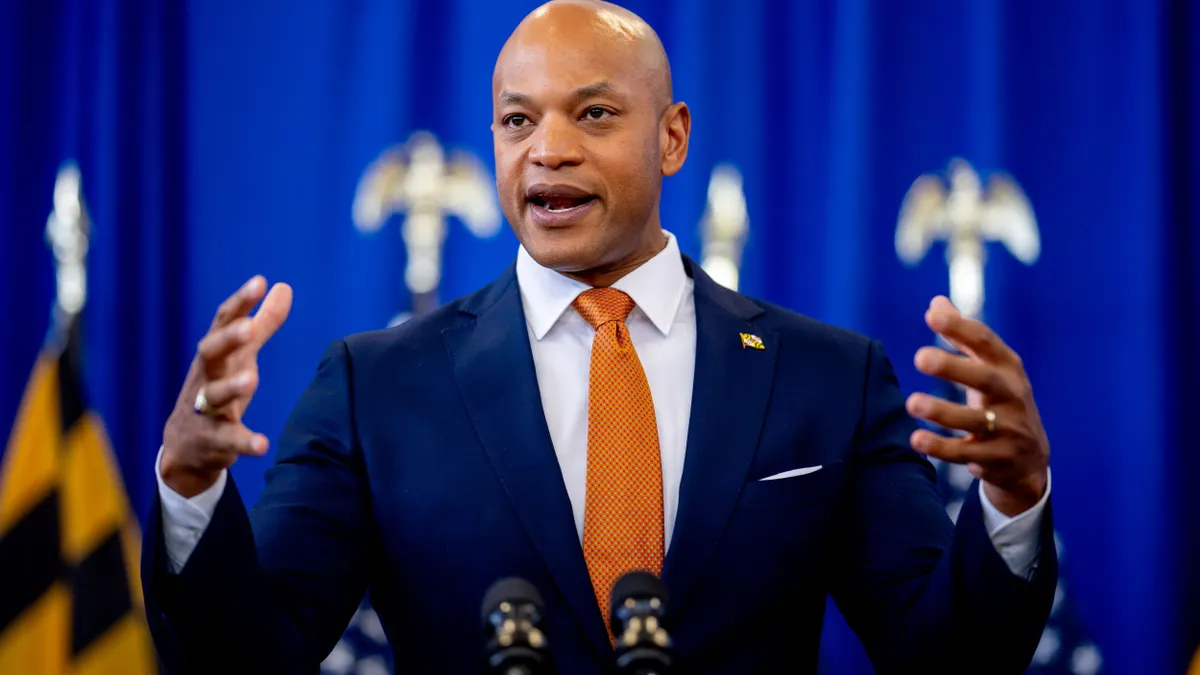
Maryland Governor Wes Moore has introduced a comprehensive framework designed to guide the responsible development and deployment of artificial intelligence (AI) within the state. The initiative, announced on September 22, 2026, establishes a multi-faceted approach that includes the formation of specialized committees and the active engagement of diverse stakeholders. This move by Governor Moore positions Maryland as a proactive participant in the burgeoning national conversation surrounding AI governance, particularly concerning its impact on the workforce. While the new framework is still in its nascent stages, the state already possesses at least one existing law that directly regulates the use of AI technologies in employment contexts.
The urgency behind such initiatives has escalated significantly in recent weeks. AI, long a topic of intense discussion, has seen its policy implications brought into sharp focus by unified warnings from both workers and leaders at leading AI companies. These prominent voices have articulated grave concerns that, without robust regulatory measures, the unchecked advancement of AI could lead to profoundly disruptive and detrimental consequences. The rapid evolution of AI capabilities, coupled with a growing awareness of its potential societal impacts, has amplified calls for proactive governmental action to ensure public safety, ethical deployment, and the protection of individual rights.
This heightened awareness comes at a time when federal action on AI regulation has been notably hesitant. President Trump, despite the increasing pressure from lawmakers on Capitol Hill to establish a comprehensive plan for AI oversight, initially expressed reservations about the need for stringent checks on AI development. He publicly downplayed the urgency of these concerns, framing them as potentially hindering technological progress and risking a loss of competitive edge, particularly in relation to China. Over the preceding weekend, the President did announce plans to form an AI task force, to be spearheaded by a newly appointed AI czar. However, reports have also indicated a significant lack of coordination between the White House and Congress regarding this initiative, and the President has continued to characterize some AI safety concerns as a "hoax." This perceived federal inertia has further empowered states to take a leading role in shaping AI policy.
States Leading the Charge in AI Regulation
In the absence of decisive federal legislation, states across the nation have increasingly stepped forward to assume a leadership role in regulating AI. This state-level activism spans a broad spectrum of concerns, from ensuring the safety and ethical considerations of AI systems to addressing their specific applications and implications within the workplace. The diverse approaches being taken by individual states underscore the complex and multifaceted nature of AI governance, reflecting the varying priorities and legislative capacities of different jurisdictions.
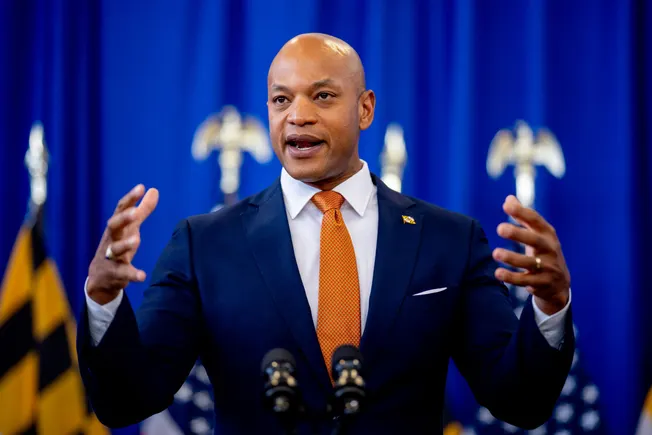
Much of the current legislative focus on AI in the workplace has centered on holding employers accountable for potential discrimination that could be perpetuated by AI systems, particularly in hiring processes. However, states are now exploring a wider array of restrictions to mitigate other potential harms associated with AI in employment.
California, a state often at the forefront of technological regulation, has once again paved the way with significant legislative action. In late August 2026, the California legislature passed a landmark bill that seeks to prohibit employers from utilizing AI tools capable of surveilling an employee’s individual emotional state or collecting "neural data." This pioneering legislation directly addresses concerns about privacy and the potential for intrusive monitoring through advanced AI technologies.
Simultaneously, California has advanced the "No Robo Bosses Act," a bill aimed at ensuring human oversight in crucial employment decisions. This legislation, passed around the same time as the emotional surveillance ban, seeks to prevent employers from relying solely on AI in processes such as employee termination or disciplinary actions. It is noteworthy that Governor Gavin Newsom vetoed a previous iteration of this bill in the preceding year, citing concerns about its "overly broad restrictions." This past experience highlights the delicate balance lawmakers are attempting to strike between comprehensive protection and the potential for unintended consequences on business operations. Governor Newsom faces a September 30 deadline to either sign or veto both of these significant pieces of legislation, a decision that will undoubtedly set a precedent for other states.
Maryland’s Existing AI Employment Law
While Governor Moore’s newly unveiled framework is designed to initiate a broader discussion and strategic planning process, Maryland is not entirely without existing regulations concerning AI in the workplace. The state currently has in place a law that specifically governs the use of facial recognition software by employers during job interviews. This existing legislation demonstrates a prior recognition of the need for guardrails around specific AI applications that directly impact employment opportunities.
Governor Moore’s Framework: A Strategic Approach

Governor Moore’s announcement of the new AI framework emphasizes a deliberate and inclusive process. The initial steps involve the establishment of dedicated committees tasked with in-depth research and analysis, alongside the crucial gathering of a wide array of stakeholders. This inclusive approach suggests a commitment to understanding the diverse perspectives and potential impacts of AI across different sectors of Maryland society. The framework aims to foster collaboration among government agencies, industry leaders, academic experts, labor representatives, and community organizations to collectively chart a course for AI development and deployment that aligns with the state’s values and priorities.
In a statement released by his office, Governor Moore articulated the driving principles behind his initiative: "With the speed at which AI is moving, Marylanders deserve guardrails that safeguard their rights, privacy, and dignity. This technology is already here, and we believe Maryland is the best state in the country to benefit from the promise of AI responsibly – but we can’t afford to wait while Washington sits on their hands. These core principles will guide our every action to protect our people, center our workers, and keep our kids safe.” This statement underscores a sense of urgency and a desire for Maryland to be a leader in responsible AI governance, independent of federal action.
Broader Implications and Data Insights
The rapid proliferation of AI technologies presents both unprecedented opportunities and significant challenges. Economically, AI is projected to drive substantial growth. A report by the McKinsey Global Institute in 2023 estimated that AI could contribute up to $15.7 trillion to the global economy by 2030, with a significant portion of this impact stemming from productivity gains and the creation of new goods and services. However, this economic growth is intrinsically linked to the future of work. A 2025 World Economic Forum report projected that AI could displace as many as 85 million jobs globally by 2030, while simultaneously creating 97 million new ones, highlighting a critical need for workforce adaptation and reskilling initiatives.
The specific concerns raised by workers and AI leaders regarding AI’s potential for misuse, such as biased decision-making, erosion of privacy, and job displacement, are not merely hypothetical. Studies have already begun to illustrate these potential pitfalls. For instance, research from the Algorithmic Justice League has consistently documented instances of racial and gender bias in facial recognition systems, raising serious questions about their equitable application in law enforcement and employment. Furthermore, analyses of AI-driven hiring tools have revealed patterns where algorithms inadvertently perpetuate historical biases, leading to the disproportionate exclusion of certain demographic groups from job opportunities.
The legislative actions in California and the framework being developed in Maryland reflect a growing understanding that proactive regulation is essential to harness the benefits of AI while mitigating its risks. The focus on worker protections, privacy, and ethical considerations within these initiatives suggests a shift towards a more human-centric approach to AI governance.

Looking Ahead: The Path Forward for AI Governance
The development of AI is occurring at an exponential pace, presenting a continuous challenge for policymakers to keep pace with technological advancements. The fragmented regulatory landscape, with states taking diverse approaches while federal action remains in flux, creates a complex environment for businesses operating across multiple jurisdictions.
Governor Moore’s AI framework, by prioritizing committee formation and stakeholder engagement, aims to create a more cohesive and informed strategy for Maryland. The inclusion of existing legislation regarding facial recognition software in interviews indicates a pragmatic approach that builds upon current regulatory foundations. The emphasis on protecting workers’ rights, privacy, and dignity, as articulated by the Governor, aligns with broader societal concerns about the ethical implications of advanced technologies.
As other states continue to explore their own regulatory paths and the federal government grapples with its role in AI governance, Maryland’s proactive stance positions it as a key player in shaping the future of AI in the United States. The success of Governor Moore’s framework will likely hinge on its ability to foster genuine collaboration, incorporate robust data-driven insights, and adapt to the ever-evolving nature of artificial intelligence, ensuring that its benefits are broadly shared while its risks are effectively managed. The coming months and years will be critical in observing how these nascent regulatory efforts translate into concrete policies and shape the landscape of AI within both Maryland and the nation. The ongoing dialogue and the implementation of thoughtful policies are paramount to navigating the transformative era of artificial intelligence responsibly.
About the Author