Washington D.C. – In a significant move aimed at bolstering workplace safety and addressing the escalating opioid crisis, the Occupational Safety and Health Administration (OSHA), under the auspices of the Trump Administration’s Great American Recovery Initiative, has released new guidance designed to equip employers and workers with critical knowledge and strategies for recognizing and reversing drug overdoses. This proactive measure, detailed in a fact sheet published on September 25, 2026, underscores a concentrated federal effort to combat addiction and its pervasive impact on the American workforce. The initiative emphasizes the urgent need for preparedness, particularly in light of the widespread infiltration of potent synthetic opioids like fentanyl into the illicit drug supply.
Foundation of the Initiative: The Great American Recovery Initiative
The newly released OSHA guidance is not an isolated policy but a component of the broader Great American Recovery Initiative, a cornerstone of the Trump Administration’s agenda focused on providing comprehensive support for addiction treatment and recovery services. Launched with the stated goal of creating a more resilient and healthy populace, the initiative has sought to integrate public health strategies with workforce development and safety protocols. This particular guidance highlights the administration’s recognition that the opioid epidemic poses a direct threat to the nation’s economic productivity and the well-being of its citizens. By extending the reach of overdose prevention into the workplace, the administration aims to create safer environments and ensure that employees have access to life-saving interventions.
The Fentanyl Threat: A Catalyst for Urgent Action
White House Drug Czar Sara Carter articulated the administration’s rationale, stating, "Because fentanyl has infiltrated the illicit drug landscape and acts as a chemical weapon against our people, it is critically important that the American workforce is familiar with drug overdose recognition and reversal. I am grateful to the Department of Labor for informing employers and workers about life-saving overdose reversal treatments like naloxone." Her statement emphasizes the severity of the current drug crisis, characterized by the potent and often unpredictable nature of synthetic opioids. The guidance acknowledges that fentanyl and its analogues can cause respiratory depression and death rapidly, necessitating immediate intervention. The administration’s focus on the "American workforce" signals a strategic understanding that a healthy and safe workforce is fundamental to national security and economic stability.
Key Preparedness Strategies Outlined in the Guidance
The OSHA fact sheet provides actionable steps for employers and employees to enhance their preparedness for overdose emergencies. These strategies are designed to be integrated into existing workplace safety programs and emergency response plans.

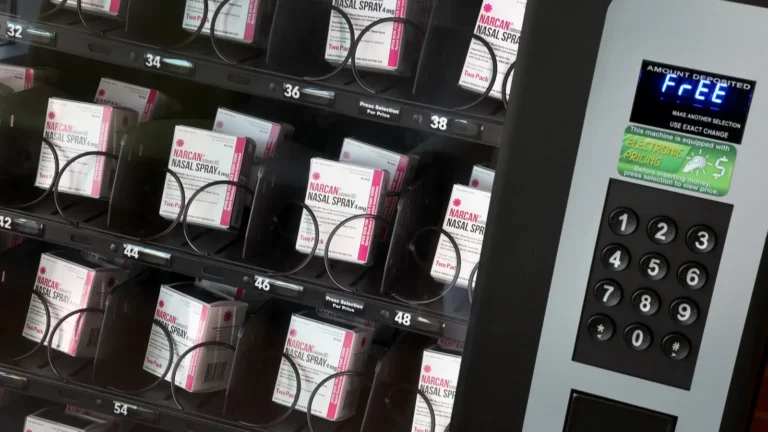
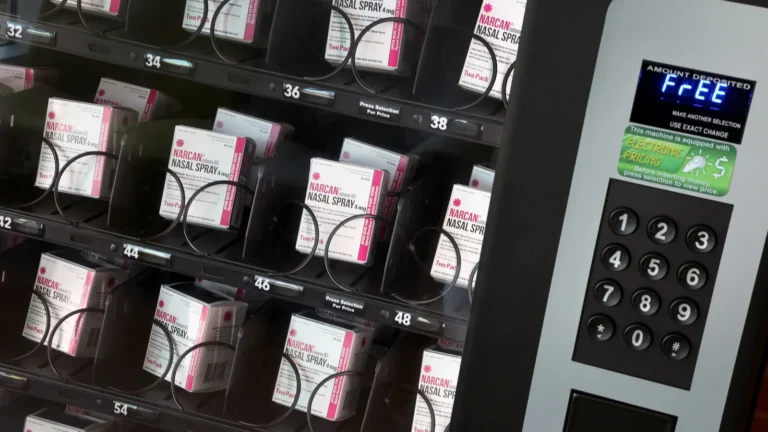
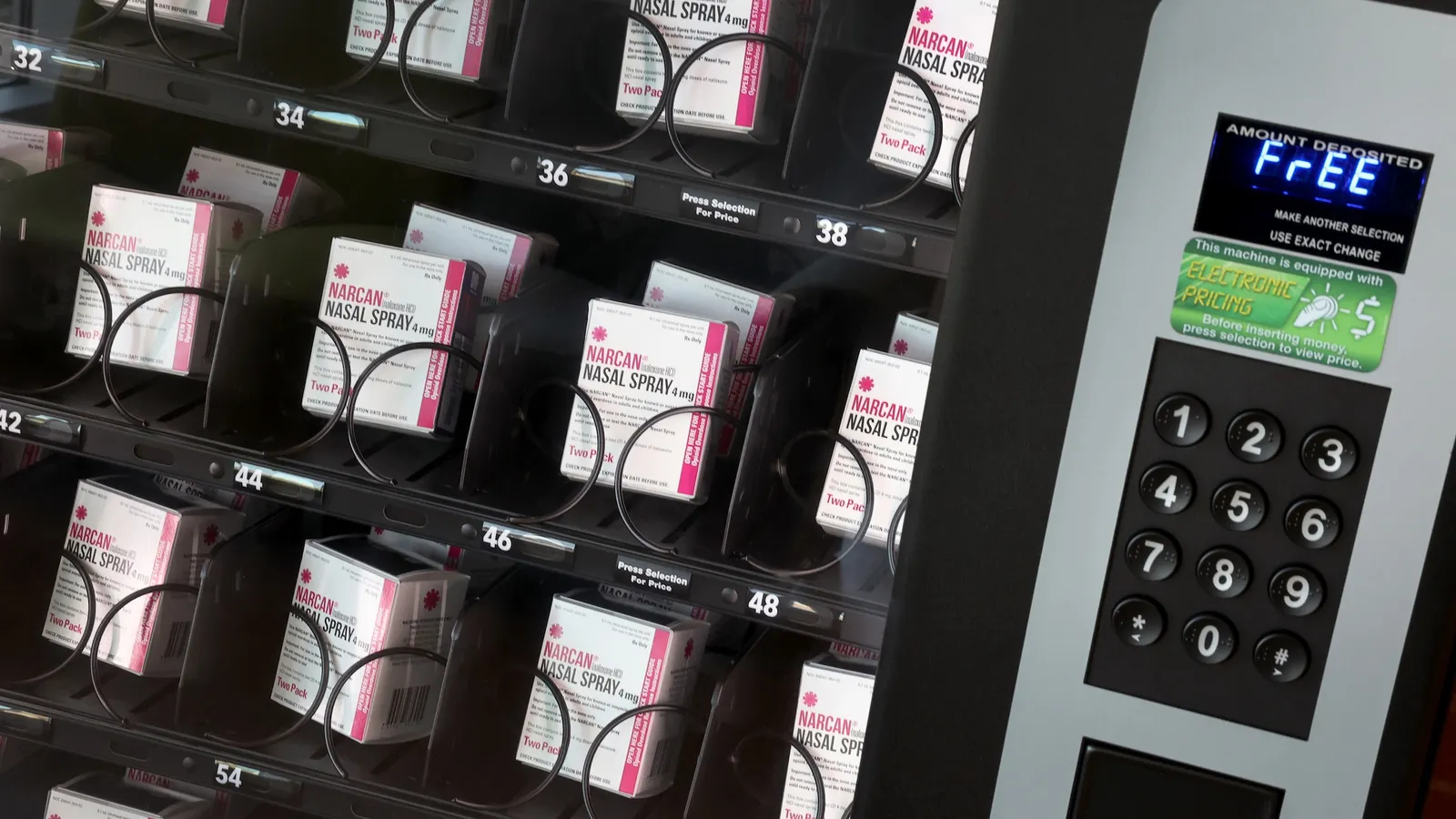
1. Maintaining Accessible Reversal Medications: A primary recommendation is to ensure that overdose reversal medications, such as naloxone (commonly known by the brand name Narcan) or nalmefene, are readily available on-site. This involves establishing protocols for procuring, storing, and monitoring the inventory of these life-saving drugs. The guidance implicitly encourages employers to consider the accessibility of these medications, moving beyond mere possession to ensure they can be deployed effectively in an emergency. The image accompanying the article, depicting Narcan nasal spray in a vending machine, visually represents one innovative approach to ensuring widespread access to these critical treatments.
2. Treating Overdose Kits as Essential First Aid: The fact sheet advocates for treating overdose kits with the same urgency and accessibility as traditional first-aid supplies. This means storing them in visible and easily accessible locations within the workplace, ensuring that any employee can locate and retrieve them quickly during an overdose event. The implication is that overdose response should be as integrated into emergency protocols as responding to a cut or burn, reflecting a shift in how substance use emergencies are perceived and managed in professional settings.
3. Educating Workers on Overdose Symptom Recognition: A crucial element of the guidance is the emphasis on worker education. Employers are encouraged to train their staff to identify the signs and symptoms of a drug overdose. These can include, but are not limited to, constricted pupils, slow or shallow breathing, unresponsiveness, clammy skin, and blue lips or fingernails. This educational component aims to empower individuals to act decisively when they witness a potential overdose, rather than hesitating due to uncertainty or stigma.
4. Training Workers in Safe Medication Administration: Beyond recognizing symptoms, the guidance stresses the importance of training workers on how to administer overdose reversal medications safely and effectively. This includes understanding the dosage, method of administration (e.g., nasal spray), and post-administration care. The goal is to ensure that, in a crisis, trained personnel can provide immediate assistance while awaiting professional medical help. This training component is vital for building confidence and competence among employees who may be tasked with administering these medications.
The Pervasive Reach of Substance Use in the Workforce: Supporting Data
The urgency behind OSHA’s guidance is underscored by alarming statistics regarding substance use among American workers. A July 2025 report from clinical laboratory Quest Diagnostics revealed that nearly one in five workers tested positive for drug use based on hair analysis. This figure, derived from extensive U.S. workforce data encompassing marijuana, cocaine, opiates, amphetamines, and methamphetamine, paints a stark picture of the prevalence of substance use.

Of particular concern within this data is the high rate of opiate use, which Quest Diagnostics found to be most prevalent among healthcare workers. This finding is critical, as healthcare professionals are often on the front lines of patient care and may have access to prescription opioids, raising unique challenges related to diversion and misuse. The prevalence of opiate use across various sectors of the workforce necessitates a broad-based approach to prevention and intervention, extending beyond traditional high-risk industries.
Legal and Ethical Considerations: Lessons from Past Litigation
The guidance also implicitly addresses the legal and ethical complexities that employers face when dealing with employee substance use. Lawsuits and settlements have highlighted the need for careful handling of situations involving addiction and treatment. One notable case involved a software company that paid $80,000 to settle a disability discrimination lawsuit brought by the U.S. Equal Employment Opportunity Commission (EEOC). The company was accused of firing an employee who took leave to undergo inpatient treatment for substance abuse.
The worker in this case had a history of opiate addiction and was participating in a doctor-supervised medication-assisted treatment program. The EEOC argued that the employee was fired because he was "regarded as disabled," thereby violating the Americans with Disabilities Act (ADA). This case, and others like it, serve as a potent reminder that employers must navigate addiction-related issues with sensitivity, adhering to anti-discrimination laws and providing reasonable accommodations where appropriate. The OSHA guidance, by focusing on preparedness and support rather than punitive measures, aligns with these legal imperatives and promotes a more compassionate and effective approach to workplace substance use.
Broader Implications for Workplace Safety and Public Health
The integration of overdose preparedness into OSHA’s purview signifies a critical evolution in how workplace safety is conceptualized. It acknowledges that the well-being of employees extends beyond physical hazards to encompass their broader health and susceptibility to public health crises.
1. Fostering a Culture of Support and Destigmatization: By providing clear guidance and encouraging education, the Trump Administration, through OSHA, aims to foster a workplace culture that is more supportive of individuals struggling with addiction. This proactive approach can help to destigmatize substance use disorders, making it more likely for employees to seek help or for colleagues to intervene effectively in an emergency.

2. Enhancing Emergency Response Capabilities: The guidance directly bolsters the emergency response capabilities of workplaces across the nation. Equipping employees with the knowledge and tools to recognize and reverse overdoses can mean the difference between life and death, particularly in situations where professional medical help may be delayed. This decentralized approach to overdose response democratizes access to life-saving interventions.
3. Mitigating Economic Impact: The opioid crisis has significant economic repercussions, including lost productivity, increased healthcare costs, and absenteeism. By reducing the incidence of fatal overdoses in the workplace and supporting employees’ recovery, this initiative has the potential to mitigate these economic burdens and contribute to a more stable and productive workforce.
4. Interagency Collaboration and Policy Cohesion: The Great American Recovery Initiative, as evidenced by this OSHA guidance, demonstrates a commitment to interagency collaboration. The involvement of the Department of Labor and the White House Drug Czar’s office signifies a coordinated effort to address a complex societal issue through multifaceted policy interventions. This cohesive approach is essential for tackling widespread challenges like the opioid epidemic.
A Look Ahead: Continued Vigilance and Adaptation
The release of this guidance marks a significant step, but the fight against the opioid crisis is ongoing and requires continuous adaptation. As the illicit drug landscape evolves, with new synthetic opioids and changing patterns of use, the strategies and information provided by OSHA will need to be regularly reviewed and updated. Continued research into the effectiveness of workplace-based overdose prevention programs, along with ongoing data collection on substance use trends among the workforce, will be crucial for informing future policy decisions.
The emphasis on preparedness, education, and accessibility of reversal medications represents a pragmatic and humane response to a critical public health challenge. By extending these vital interventions into the American workplace, the Trump Administration’s Great American Recovery Initiative is working to create safer, healthier, and more resilient communities, one workplace at a time. The commitment to informing employers and workers about life-saving treatments like naloxone is a testament to the recognition that collective action and informed vigilance are paramount in overcoming the devastating impact of drug overdoses.
About the Author