The creator economy, a rapidly evolving landscape, has witnessed an unprecedented acceleration in the adoption of artificial intelligence. What was once met with apprehension and suspicion has, within a remarkably short period, transformed into a perceived necessity for strategic advantage. Kameron Buckner, founder of Social Docket, an organization dedicated to guiding creators through the legal intricacies of their work, observes a dramatic shift in sentiment. "Last year, the conversation around AI was defined by dread," Buckner stated. "This year, the tone has shifted from fear to leverage – less ‘this thing is going to take over’ and more ‘how do we actually use it?’"
This observation stems from extensive discussions with a spectrum of individuals at the forefront of this transformation, including prominent creators, seasoned consultants, innovative founders, and astute social media strategists. A significant indicator of this paradigm shift was the discourse at the recent Cannes Lions International Festival of Creativity, a prestigious event widely recognized as a bellwether for the advertising and marketing industries. Reports from attendees consistently highlighted AI as a central theme, underscoring its pervasive influence. Across these conversations, a palpable absence of fear was evident. Instead, a widespread adoption of AI tools was noted, varying in its intensity and application, from cautious experimentation to enthusiastic integration. The undeniable reality is that AI has introduced a new layer of complexity to an industry fundamentally built on enhancing productivity, monetizing creative output, and safeguarding intellectual property. The critical differentiator for success now lies in the judicious application of these tools, determining whether one remains ahead of the curve or risks being overshadowed.
The Accelerator vs. The Author: Redefining Creative Input
DonYé Taylor, a renowned strategist behind transformative campaigns for brands like Nike and Amazon, and now the proprietor of her own functional-philosophy-meets-interior-design brand, Nuclei, alongside her newsletter, Mentally I’m Here, views AI through a lens of essential human direction. She likens AI to a sophisticated calculator: "AI is like a calculator," Taylor explained. "Just because I have a TI-89 doesn’t mean I’m going to get the right answer. I still need to put the right inputs into the calculator." This analogy emphasizes that AI’s efficacy is intrinsically tied to the quality of human guidance and conceptualization it receives.
Alicia Richardson, Head of Community and Brand Partnerships at FiveTwoNine and founder of Black Create Connect, echoes this sentiment, asserting that AI serves as an enhancer rather than a primary source of creativity. "It can enhance your creativity," Richardson stated. "It doesn’t create your creativity. When it comes to raw, creator-led work specifically, she doesn’t think AI is ever going to take over, because audiences connect to people, not outputs." This perspective highlights the enduring value of authentic human connection and the unique spark of individual artistry that audiences crave.
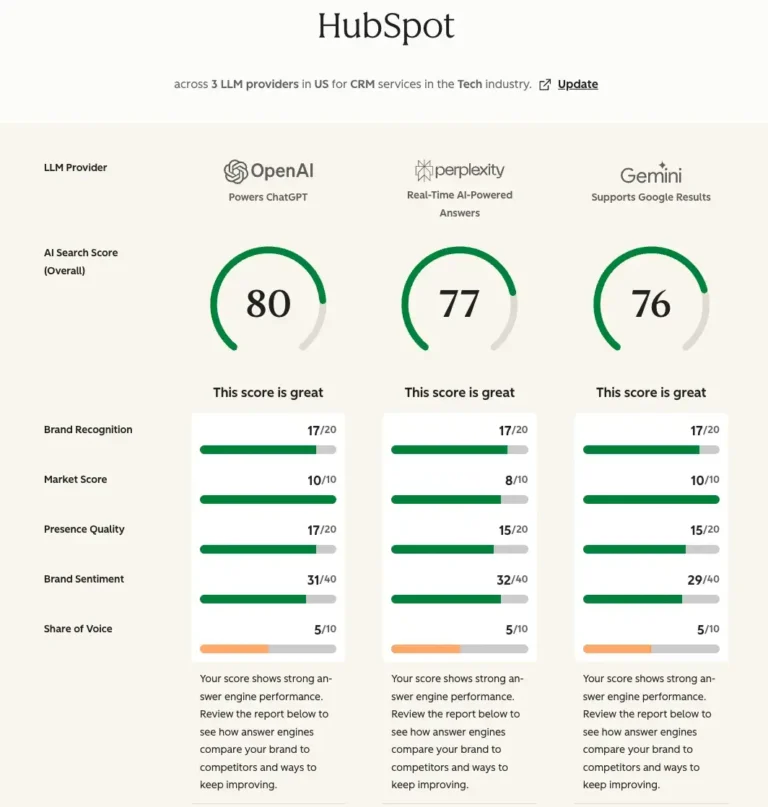
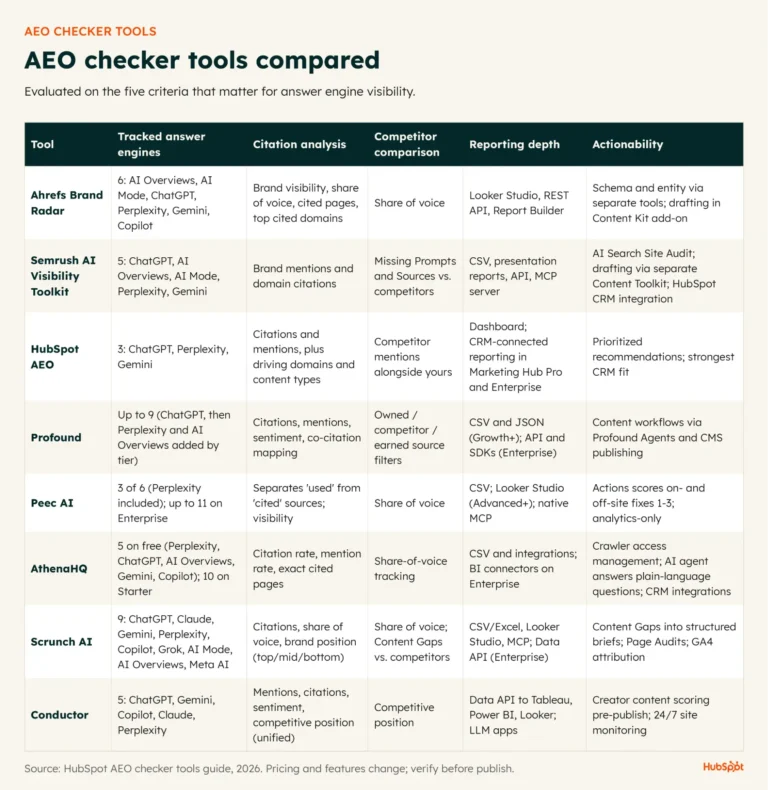
Kameron Buckner advises her clients to conceptualize AI not as a final product, but as a powerful starting point. "Why start from a blank sheet of paper when you can start from an outline?" she posed. For Buckner, the act of refining AI prompts has honed her own management skills, compelling her to articulate her needs with greater precision before delegating tasks to human collaborators. She extends this principle to her own professional visibility, utilizing tools like HubSpot’s AEO (AI-powered SEO) tool to monitor Social Docket’s search engine presence for relevant keywords like "creator contract tools."
Gigi Robinson, a prominent content creator and founder of the social media consulting business Hosts of Influence, has integrated AI into her video production workflow. Her team feeds raw footage into AI video tools to generate a preliminary cut, which is then refined by human editors. This process identifies salient moments, but the ultimate creative decisions remain with human oversight. The tangible benefits are substantial: Robinson estimates that AI saves her over 10 hours per week and has contributed to a more than 20% increase in her income.
Lindsey Gamble, Vice President of Creator Strategy & Innovation at IZEA, points to a significant productivity surge driven by AI. Creators are now building personalized, searchable content archives by inputting years of newsletters and past captions into AI tools. This allows them to easily surface recurring themes and ideas that might otherwise have been overlooked. Despite the advancements in efficiency, Buckner stresses that AI cannot replicate the fundamental value of deep knowledge and expertise. "I don’t think any of these tools are going to substantially replace depth of knowledge and expertise," she asserted.
The Legal Labyrinth: Navigating Uncharted AI Territory
While AI’s capabilities continue to advance rapidly, the legal frameworks governing its use lag significantly behind. "Law is so far behind, it’s never going to be able to catch up to the speed of technology," Buckner observed. "We’re still citing cases from like 1963." This temporal disconnect creates a complex environment where established legal precedents are often ill-equipped to address novel AI-related challenges.
In this nascent legal landscape, brands are increasingly testing the boundaries of what they can demand from creators. Buckner reports a growing trend of contractual clauses requiring creators to grant access to their AI prompts and processes as a condition for using AI. Her firm stance against such demands is unequivocal: "Immediately, no. That’s unnecessary access." Buckner argues that the prompting process itself embodies a creator’s intellectual labor and strategic thinking, providing brands with insights into a creator’s mind that extend beyond the deliverable for which they are paying. She advocates for creators to proactively establish their own boundaries, even in the absence of explicit legal recognition.
Conversely, Lindsey Gamble has observed instances where contracts outright prohibit AI usage. One notable clause required creators to obtain prior written consent from the brand before employing any AI software, tools, or technologies. Gamble anticipates a future where creators, not just brands, will proactively incorporate AI usage clauses into their agreements, thereby protecting how their own content and distinctive voice can be repurposed by brands utilizing AI.

Annie-Mai Hodge, founder of Girl Power Marketing and a HubSpot partner, identifies a contradictory dynamic playing out on social media platforms. These platforms are integrating AI tools directly into creators’ dashboards, yet simultaneously penalizing content generated by these same tools. "We are stuck in this incredibly frustrating paradox where platforms demand AI adoption but punish the output," Hodge stated. This creates a chilling effect, leaving creators hesitant to experiment with the tools provided or reluctant to admit their utilization.
Gigi Robinson highlights the pitfalls of creators relying on AI without fully comprehending contractual obligations. She recounted a situation where a creator, after partnering with one brand, inadvertently posted content for a direct competitor shortly thereafter. This action likely violated the exclusivity window stipulated in most brand deals. Robinson speculates, "Was that an AI problem that she didn’t actually read and comprehend, because she just sent it to AI and said, ‘negotiate for me’?" Furthermore, Robinson cautions that inputting confidential contracts into public AI tools like ChatGPT could, in certain strict legal interpretations, constitute a breach of contract. This underscores Buckner’s emphasis on the indispensable role of legal counsel in interpreting AI’s implications within specific creator-brand agreements, noting that while AI can define terms like "perpetuity," it cannot fully articulate their real-world consequences in a particular context.
AI’s Double-Edged Sword: Leveling the Playing Field or Widening the Divide?
In many respects, AI is emerging as a democratizing force, offering tools that were once exclusive to well-resourced entities to a broader range of creators. Lindsey Gamble observes this phenomenon regularly, noting that tasks requiring significant budgets and dedicated teams are now accessible to individuals with a laptop and a subscription service. "It gives them the tools that bigger creators have with teams and dedicated staff and more funds," he remarked about emerging creators. The production pipeline, from scriptwriting and caption generation to video editing and carousel design, can now be executed in a fraction of the time and cost.
However, this democratization carries a potential side effect: homogenization of content. As more creators utilize the same AI tools and prompting strategies, a risk emerges of a convergence in creative output. "If everyone’s using the same thing and doing the same thing, a lot of the content feels the same," Gamble observed. This uniformity can dilute the distinctiveness that often defines successful creators.
Further compounding the issue, data from Lean In, cited by Annie-Mai Hodge, reveals disparities in AI adoption. Women are reportedly 22% less likely than men to be regular AI users in professional settings and 32% more likely to feel they are "cheating" by using it. "While it’s my choice to keep AI out of my core workflow," Hodge stated, "we need to look at why women are conditioned to feel guilty for plugging it into their daily operations." This points to underlying societal conditioning that may influence technology adoption among different demographics.
On a more positive note, Hodge highlights AI’s role in bridging pay gaps within the creator economy. AI chatbots are proving instrumental in providing creators with access to industry benchmarks, thereby enhancing rate transparency – a long-standing taboo. While this may not always lead to immediate pay increases, it demonstrably empowers creators with greater confidence and leverage during negotiations.
The Unwavering Consensus: Human Ingenuity Remains Irreplaceable
A recurring theme, even at prestigious industry events like Cannes Lions, is the emphasis on the "human" element. Gigi Robinson noted that "human" was a more frequently heard word than "AI" or "creators" this year, signaling a persistent desire for human oversight and authenticity in creative work.
DonYé Taylor succinctly articulates this sentiment: "AI does not have feelings, it does not have emotion. You can’t replace human connection." This underscores the intrinsic value of empathy, emotional intelligence, and genuine human interaction, qualities that AI currently cannot replicate.
Lindsey Gamble observes the erosion of individual voice when creators overly rely on AI. He notes that on platforms like LinkedIn, "Everyone’s writing sounds the same. No one really has a voice, because everyone’s using the same thing." His metaphor for this phenomenon is that creativity is akin to a muscle; without consistent exercise, it atrophies. Gamble advises creators to consciously engage their creative faculties by periodically ideating, writing, or filming without AI assistance, harkening back to their pre-AI workflows. He also stresses the importance of disclosure, noting that undisclosed AI-generated content often elicits a negative audience response.
Alicia Richardson concurs, emphasizing that while AI-generated animation has its place, creator-led content thrives on human connection. "People connect with human beings, and that won’t ever change," she affirmed.
Annie-Mai Hodge exemplifies a mindful approach to AI integration. She continues to personally review and summarize social media updates rather than automating the process. "Some people might think I’m mad for doing it that way," she admitted, "but respectfully, ChatGPT and Claude can’t do it like I can." Her counsel to fellow creators is not to shun AI tools entirely, but to strategically integrate them where they add the most value. "If you are going to use it," she advised, "make it work harder for you." Ultimately, the sentiment remains that AI can be a powerful tool, but it can never truly be the creator.
About the Author