The marketing landscape is on the precipice of its most significant transformation in decades, with artificial intelligence predictions for 2026 signaling a radical overhaul of how brands connect with consumers. Marketers currently grapple with increasingly fragmented customer journeys, dwindling attention spans, escalating acquisition costs, and campaigns that fall short of expectations. The integration of AI is set to redefine these challenges by leveraging real-time data processing and sophisticated predictive analytics to forge deeper, more meaningful customer relationships.
According to the comprehensive HubSpot 2026 State of Marketing report, a substantial majority of organizations—over 64%—are already incorporating AI into their operations. This adoption rate is projected to surge dramatically in the coming year, fueled by advancements in AI-driven content creation, the emergence of AI agents, the proliferation of hyper-personalized campaigns, and other innovative applications. This evolution necessitates a strategic shift for marketers, moving them toward more analytical and decision-making roles, while AI tools shoulder the burden of routine and repetitive tasks.
The implications of these AI advancements are profound, promising to streamline workflows, enhance customer engagement, and unlock new avenues for growth. As the industry navigates this transformative period, understanding the trajectory of AI in marketing is crucial for staying competitive. This article delves into the key AI predictions for 2026 and extends the outlook beyond, providing a roadmap for organizations aiming to harness the full potential of artificial intelligence.
The Shifting Sands of Search: From SEO to Answer Engines
A cornerstone of AI predictions for 2026 is the impending obsolescence of traditional Search Engine Optimization (SEO) as we know it. Experts anticipate a paradigm shift towards Search Everywhere Optimization (SEvO), Generative Engine Optimization (GEO), and Answer Engine Optimization. This evolution reflects a fundamental change in user behavior, moving away from merely finding links to actively seeking direct answers. Consumers are increasingly bypassing traditional search engines like Google to query AI-powered platforms such as Perplexity, Claude, Gemini, and ChatGPT for immediate and comprehensive responses.
This fragmentation of search behavior means that brands must ensure discoverability across a diverse ecosystem of platforms. Visibility will no longer be confined to established search engines but will extend to AI-generated summaries and conversational interfaces. Consequently, brand mentions across trusted sources—including reviews, forums, podcasts, and social media—will gain paramount importance, often outweighing the significance of traditional backlinks. AI systems will surface brands based on "AI authority," a metric defined by the frequency and credibility of a brand’s references. This places a premium on reputation management and content quality as critical drivers of visibility.
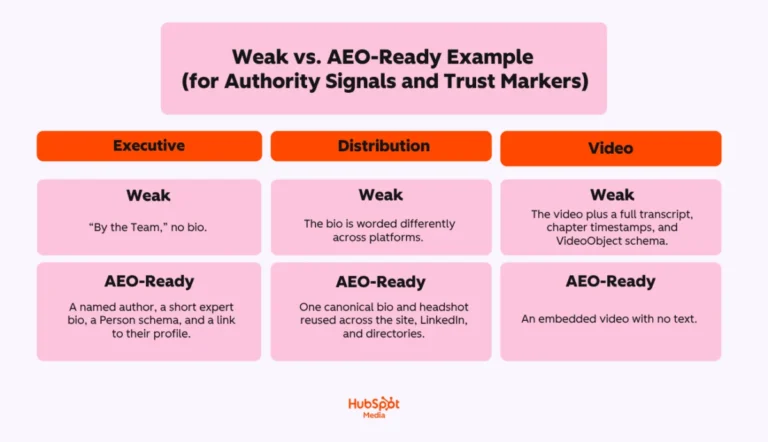
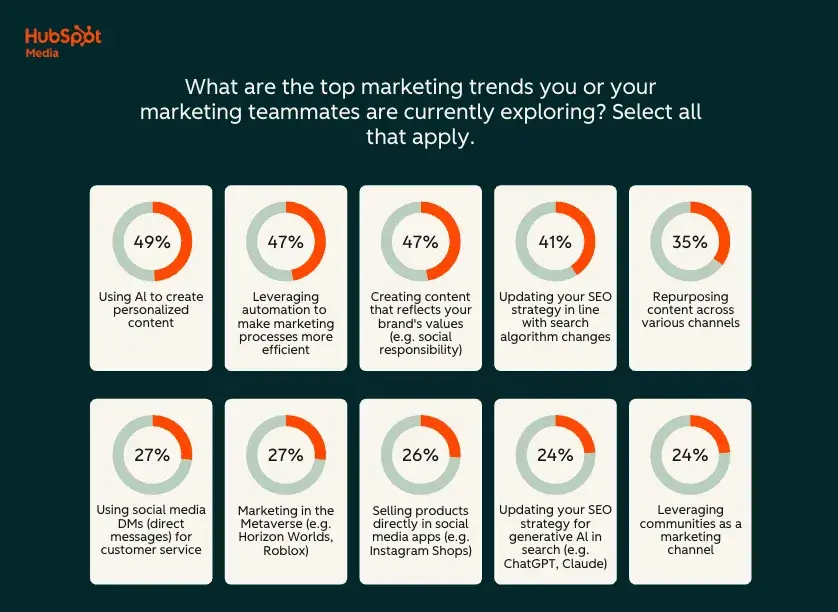
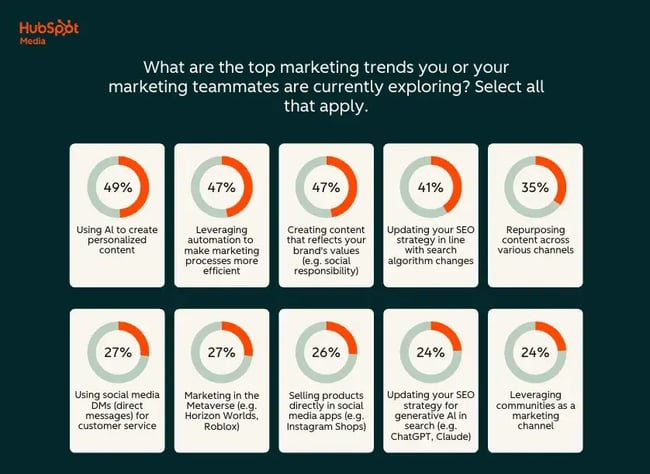
In essence, the SEO strategy of 2026 must evolve into Answer Engine Optimization (AEO). Content must be meticulously structured not only for human comprehension but also for the interpretability of Large Language Models (LLMs). Brands that fail to speak the language of both AI models and human users risk losing their voice in the evolving digital conversation. Data from the HubSpot 2026 State of Marketing report supports this trend, indicating that 40.6% of marketers are actively updating their SEO strategies to accommodate AI-powered search engines, while an additional 48.57% are utilizing AI for personalized content creation on an occasional basis.
The implications of this shift are far-reaching. Brands that adapt their content strategies to be AI-friendly will benefit from increased visibility in new search modalities. This necessitates a deeper understanding of how AI models process information and a commitment to producing authoritative, well-structured content. The focus will move from keyword stuffing to semantic relevance and contextual understanding, requiring a more sophisticated approach to content creation and optimization.

The Ascendance of AI Agents: From Assistants to Autonomous Operators
Another pivotal AI prediction for 2026 is the mainstream integration of AI agents into marketing workflows. These autonomous systems, capable of thinking, acting, and optimizing independently, are poised to revolutionize how marketing campaigns are conceived and executed. AI agents are transitioning from mere assistants to sophisticated decision-makers. By the close of 2026, agentic AI systems are expected to manage entire marketing campaigns, from planning and execution to real-time optimization, with minimal human intervention. These agents will operate seamlessly across platforms, manage budgets, conduct A/B testing on creatives, and refine strategies dynamically.
This evolution is driven by both technological advancements and changing consumer behavior. Consumers are increasingly utilizing personal AI agents to research and purchase products. With 24% of AI users already leveraging AI shopping assistants, according to Kantar, marketers must optimize not only for human audiences but also for "agent-to-agent" interactions. This requires structuring product data to be accessible via APIs and interpretable by AI systems.
The future of commerce and advertising is increasingly agent-mediated. AI agents are predicted to directly negotiate media buys, bypassing traditional human intermediaries. This agent-to-agent trading promises faster, more scalable transactions and the development of novel ad formats that current programmatic pipelines cannot accommodate. Furthermore, consumers are using AI agents to compare products, check stock, and make purchases, often without ever visiting a brand’s website. Protocols like the Agentic Commerce Protocol (ACP) and the Model Context Protocol (MCP) are enabling brands to embed interactive, transactional experiences directly within AI chat interfaces.
In 2025, AI was primarily viewed as a content drafting tool. By 2026, its role will expand to orchestrating entire campaigns. While one AI agent might await a specific command, another will be actively working towards a predefined goal, handling background tasks such as prospecting and lead qualification. The HubSpot 2026 State of Marketing report highlights this trend, with 19.20% of marketers already employing AI agents for end-to-end automation of marketing initiatives, a figure expected to rise significantly.
The implications for marketing teams are substantial. The ability of AI agents to manage complex campaigns autonomously will free up human marketers to focus on higher-level strategic thinking, creative conceptualization, and ethical oversight. This shift will necessitate a re-evaluation of skill sets, with an emphasis on strategic planning, creative direction, and the ability to effectively manage and direct AI agents.
AI-Driven Content: From Drafts to Dynamic Experiences
A primary AI prediction for 2026 is that generative AI will transcend its current role as a content-drafting tool and evolve into a sophisticated creative co-pilot. Marketers will leverage AI to produce multimodal content—encompassing text, images, audio, and video—at an unprecedented scale, enabling rapid localization and personalization. However, as the internet becomes saturated with AI-generated content, authenticity and human creativity are emerging as critical differentiators. Brands are seeking to strike a balance between AI-driven efficiency and human-led storytelling to maintain emotional resonance and consumer trust.
The HubSpot report substantiates this trend, with nearly half of surveyed marketers having utilized AI for personalized content creation and 35.08% repurposing content across multiple channels. In 2026, AI will not merely generate content but will drive "living campaigns"—dynamic campaigns that self-adjust messaging, formats, visuals, and tones based on real-time performance signals across various platforms. Traditional static advertisements are likely to be supplanted by dynamically evolving creative assets tailored to specific audience segments.
Brands are expected to adopt AI-generated images, videos, and copy as standard practice rather than experimental tools. AI will empower marketers to produce thousands of creative variations for A/B testing, allowing human marketers to concentrate on strategy and creative direction rather than manual execution. Consumers’ desire for fluid content formats, adaptable to their immediate context, will drive the development of AI tools capable of generating multimodal content from a single asset, seamlessly transforming it into audio, visual, and text formats.

This evolution signifies a move towards more immersive and engaging brand experiences. The ability to rapidly generate and adapt content across multiple modalities will allow brands to reach diverse audience segments more effectively. The challenge for marketers will be to ensure that AI-generated content retains a human touch and aligns with brand values, avoiding the pitfalls of generic or inauthentic output.
Hyper-Personalization and Predictive Analytics: Anticipating Consumer Needs
A significant AI prediction for 2026 centers on AI-driven personalization that transcends basic user segmentation to achieve real-time, cross-channel individualization. By analyzing behavioral signals, context, and intent, AI tools will tailor content, product offers, and customer journeys for each user, dynamically adjusting emails, advertisements, and website experiences. Predictive analytics will enable anticipatory marketing, allowing brands to surface offers before customers consciously realize their need. Tools like Google Analytics 4 AI Insights are already predicting churn, purchase likelihood, and next-best actions, empowering proactive marketing interventions.
The HubSpot 2026 State of Marketing report reveals that 32.96% of marketers are extensively using AI for data analysis and automated reporting, while another 33.24% are heavily utilizing AI for market research and competitor analysis. The future of AI in marketing will see marketers delivering one-to-one personalization at scale, driving higher engagement and conversion rates. Marketing will progress from rudimentary segmentation to truly individualized experiences, where AI analyzes behavioral patterns, purchase history, and contextual signals to deliver precisely what resonates with each individual customer in real-time.
This advanced level of personalization, informed by predictive analytics, offers a substantial competitive advantage. By anticipating customer needs and preferences, brands can foster stronger loyalty and drive more effective sales conversions. The ethical considerations surrounding data privacy and the potential for intrusive personalization will be critical challenges that marketers must navigate responsibly. Building trust through transparent data practices and consent-based models will be paramount.
The Evolving Workforce: New Roles and Skill Sets in the AI Era
One of the most impactful AI predictions for 2026 is the fundamental transformation of marketing roles. As AI automates routine tasks, marketers will increasingly focus on strategy, creativity, and ethical oversight. Emerging roles will include AI Ethics Officers, AI Strategy Consultants, Prompt Engineers, and AI-Powered Marketing Orchestrators. Leadership must champion AI literacy and implement human-in-the-loop processes to ensure AI augments, rather than replaces, human judgment.
The "30% Rule" is gaining traction, suggesting that AI should automate approximately one-third of the typical workload, freeing up marketers’ time to be reinvested in high-leverage creative activities. This shift could redefine the traditional marketing hierarchy, with new roles like "Vibe Marketing" emerging, inspired by concepts like "Vibe Coding." In this model, marketers would focus on defining the strategic "vibe" and goals, while AI handles the execution. This could enable junior marketers to execute sophisticated campaigns, provided they possess a sound strategic vision.
Data from HubSpot’s report indicates that 32.82% of respondents report AI tools saving their marketing teams 10-14 hours per week, with 41.81% experiencing a moderate increase in productivity due to AI. The pervasive nature of AI necessitates that marketers upskill and embrace these new tools to secure their professional future. The focus is shifting from technical proficiency with specific software to a deeper understanding of customer psychology and strategic campaign design.
Privacy-First Data Strategies: Building Trust in the AI Age
Privacy-focused data operations for AI systems represent a critical AI prediction for 2026. With the deprecation of third-party cookies and the tightening of global privacy regulations, first-party and zero-party data are becoming foundational. Brands are transitioning to consent-based data models, collecting customer preferences directly through surveys, loyalty programs, and preference centers. AI plays a vital role in extracting value from this limited data by leveraging intent-based signals and contextual targeting, thereby reducing reliance on personal identifiers. Responsible AI use not only ensures compliance but also builds trust, transforming data strategy into a competitive advantage.
As AI adoption accelerates, ethical considerations such as data privacy, bias mitigation, transparent decision-making, and responsible use are shifting from optional extras to strategic imperatives. Brands that prioritize trusted and explainable AI will gain a significant competitive edge. The HubSpot survey highlights that 40.13% of marketers express concerns about data privacy and security, identifying it as the primary barrier to AI adoption in marketing.
The emphasis on privacy-first data strategies is a direct response to evolving consumer expectations and regulatory landscapes. Brands that can demonstrate a commitment to data privacy and ethical AI practices will be better positioned to build enduring customer relationships. This requires a proactive approach to data management, ensuring that all AI initiatives are aligned with privacy principles and regulatory requirements.
Preparing for the AI-Driven Future
The window of opportunity for marketers to adapt to the impending AI wave is narrowing. To thrive in the evolving landscape, marketers must proactively engage with AI technologies. This includes upskilling in AI literacy, experimenting with AI tools for content creation and campaign management, and developing a deep understanding of customer data privacy. Embracing AI is not merely about adopting new technologies; it is about fundamentally rethinking marketing strategies and processes to align with the capabilities and implications of artificial intelligence.
The Long View: AI Predictions Beyond 2026
Looking further ahead, AI marketing predictions by 2030 envision intelligent, ethical, immersive, and human-first brands, powered by AI but guided by empathy. By 2050, in the age of Artificial General Intelligence (AGI), marketing will transcend its current focus on selling products to become the design of intelligent relationships between humans and the systems that serve them.
By 2030, marketing will operate through predictive AI systems that anticipate customer needs before consumers even express intent, replacing reactive campaigns with adaptive, real-time, and deeply human experiences. All marketing campaigns will be AI-powered but empathetically led. Marketing will become predictive, not reactive, with hyper-personalization reaching the identity level, rendering traditional segmentation obsolete. The rise of zero-party data and trust economics, coupled with AI co-marketers becoming the norm, will redefine how brands interact with consumers. Content will evolve into immersive experiences, moving beyond static formats to engage audiences more profoundly.
The 2050 vision presents a radical departure, where marketing, in the age of AGI, will be a co-evolutionary system of continuously adapting human values, machine intelligence, and consumer intent. The focus will shift from optimization to understanding, with AGI systems delving into the "why" behind consumer behavior. Campaigns will be replaced by "living brands" that continuously adapt and evolve. Human marketers will transition into roles as philosophers, curators, and governors, focusing on judgment and ethical guidance. Ultimately, this represents a shift from the attention economy to a meaning economy, where brands connect with consumers on a deeper, more purpose-driven level.
The integration of AI into marketing is not a future possibility but a present reality that is accelerating at an unprecedented pace. Organizations that embrace this transformation strategically, focusing on ethical implementation and continuous learning, will be best positioned to navigate the complexities and capitalize on the immense opportunities that lie ahead.
About the Author