The modern consumer, whether seeking a new vehicle, essential business software, or a simple pair of shoes, often yearns for expert guidance. This desire for a discerning advisor, a second opinion, and a savvy deal-finder has found a powerful new ally in artificial intelligence. In recent years, ChatGPT, through its advanced product recommendation capabilities and dedicated Shopping Research feature, has increasingly stepped into this role for millions. This evolution is not merely a convenience; it represents a fundamental shift in how individuals and businesses approach decision-making and purchasing, compelling marketers and e-commerce professionals to adapt their strategies to remain visible and relevant in this new AI-driven ecosystem.
A significant transformation is underway as consumers increasingly bypass traditional search engines in favor of AI chatbots for their research needs. Queries such as "best CRM for startups under 50 people" or "what are the best gifts for chai lovers" are now commonly directed to platforms like ChatGPT. This trend is underscored by G2’s 2025 Buyer Behavior Report, which reveals that generative AI chatbots have emerged as the number one influence on vendor shortlists, surpassing established sources like review sites, vendor websites, and direct interaction with salespeople. This seismic shift demands a deeper understanding of how these AI models curate and present information, and critically, what businesses can do to ensure their products and services are considered.
The Genesis of AI-Powered Shopping Assistance

The integration of shopping functionalities within AI platforms like ChatGPT is a relatively recent development, yet its impact has been swift and profound. In the latter half of 2023, OpenAI unveiled ChatGPT Shopping, a feature designed to streamline the product discovery and purchasing process directly within the chat interface. This innovation allows users to not only find products but, in certain integrations, complete transactions without ever leaving the conversational environment. For brands partnered with platforms like Etsy and Shopify, this means ChatGPT can present product suggestions, pricing details, customer reviews, and direct purchase links, effectively acting as an integrated e-commerce storefront.
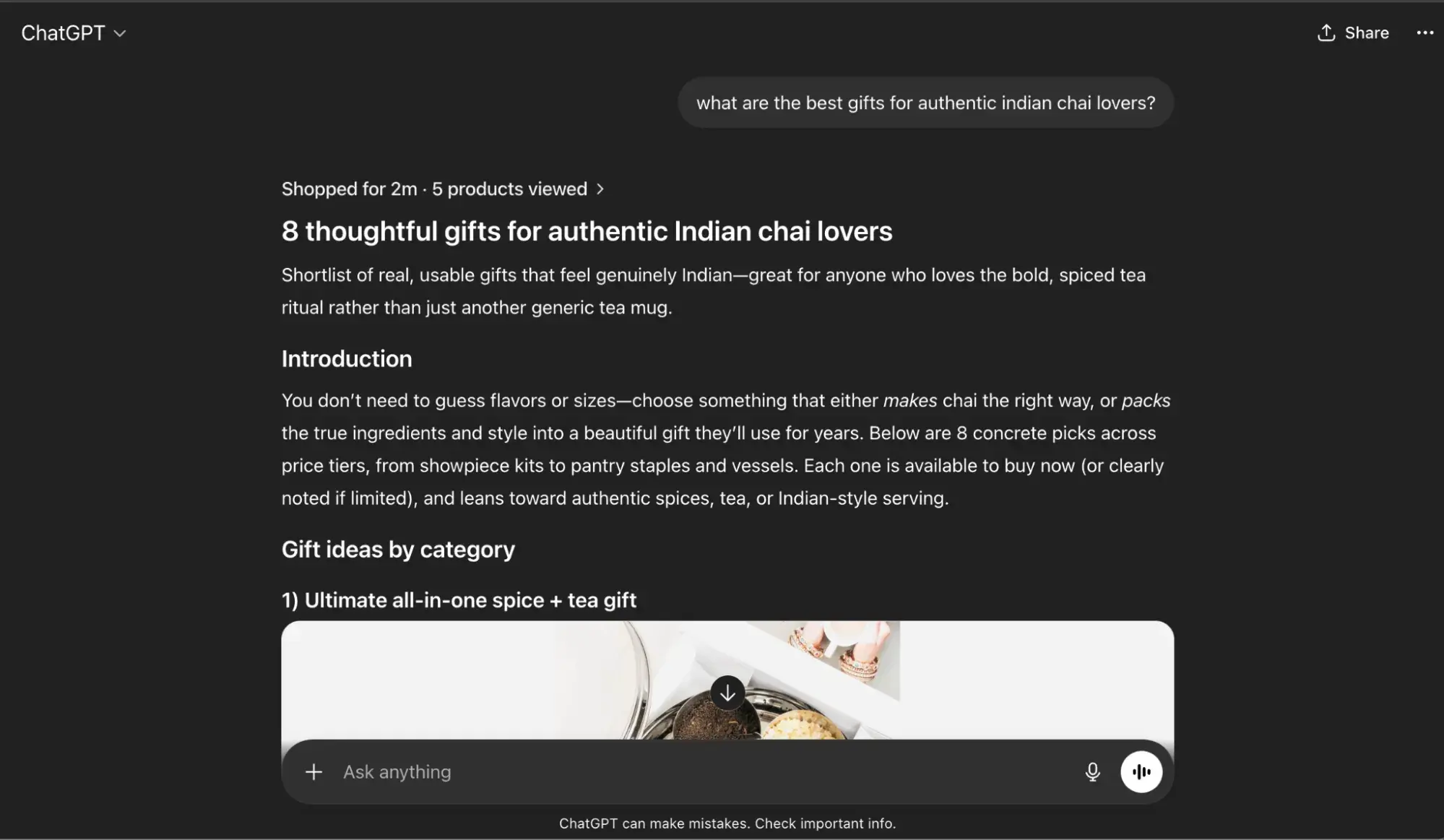
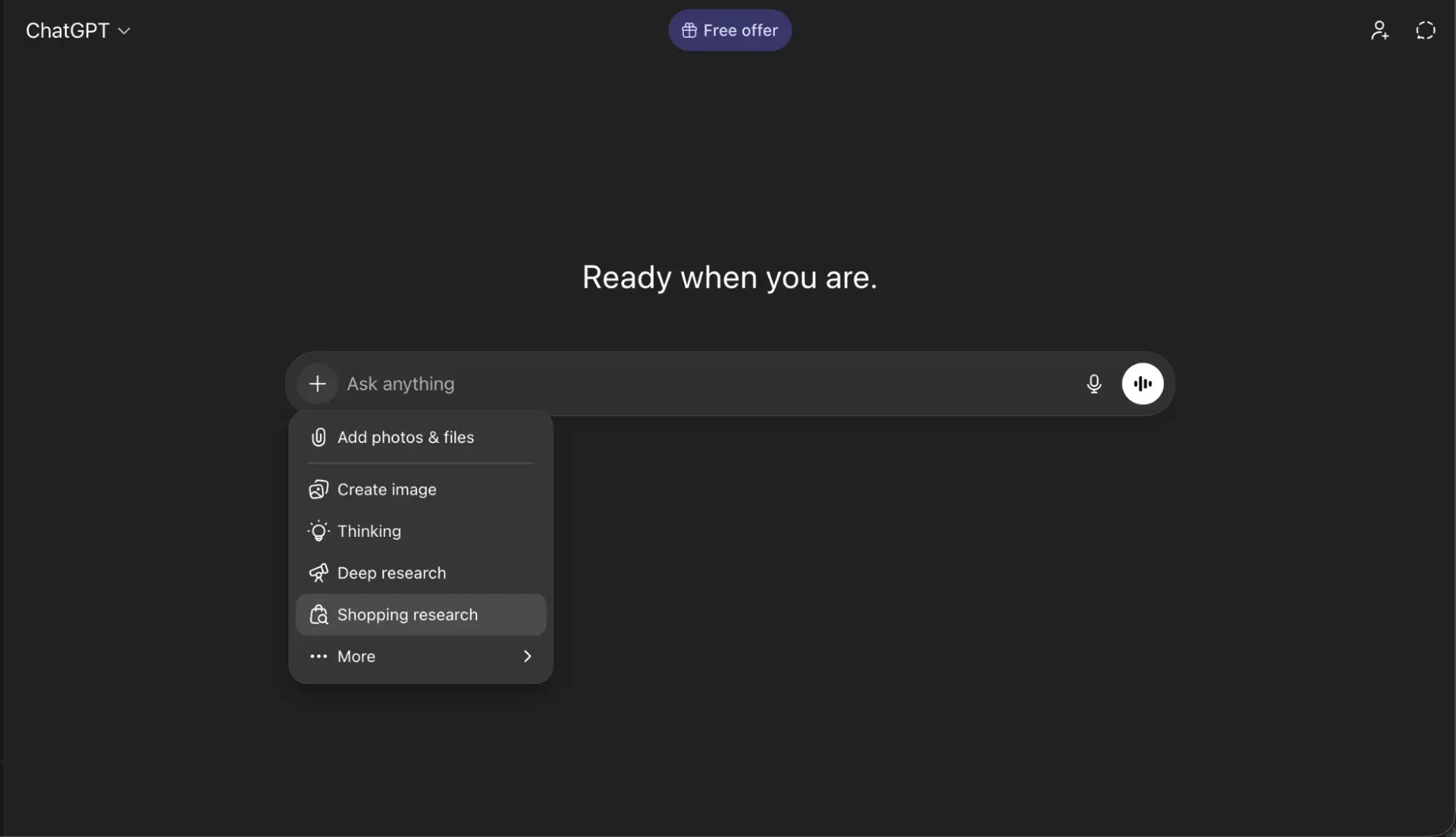
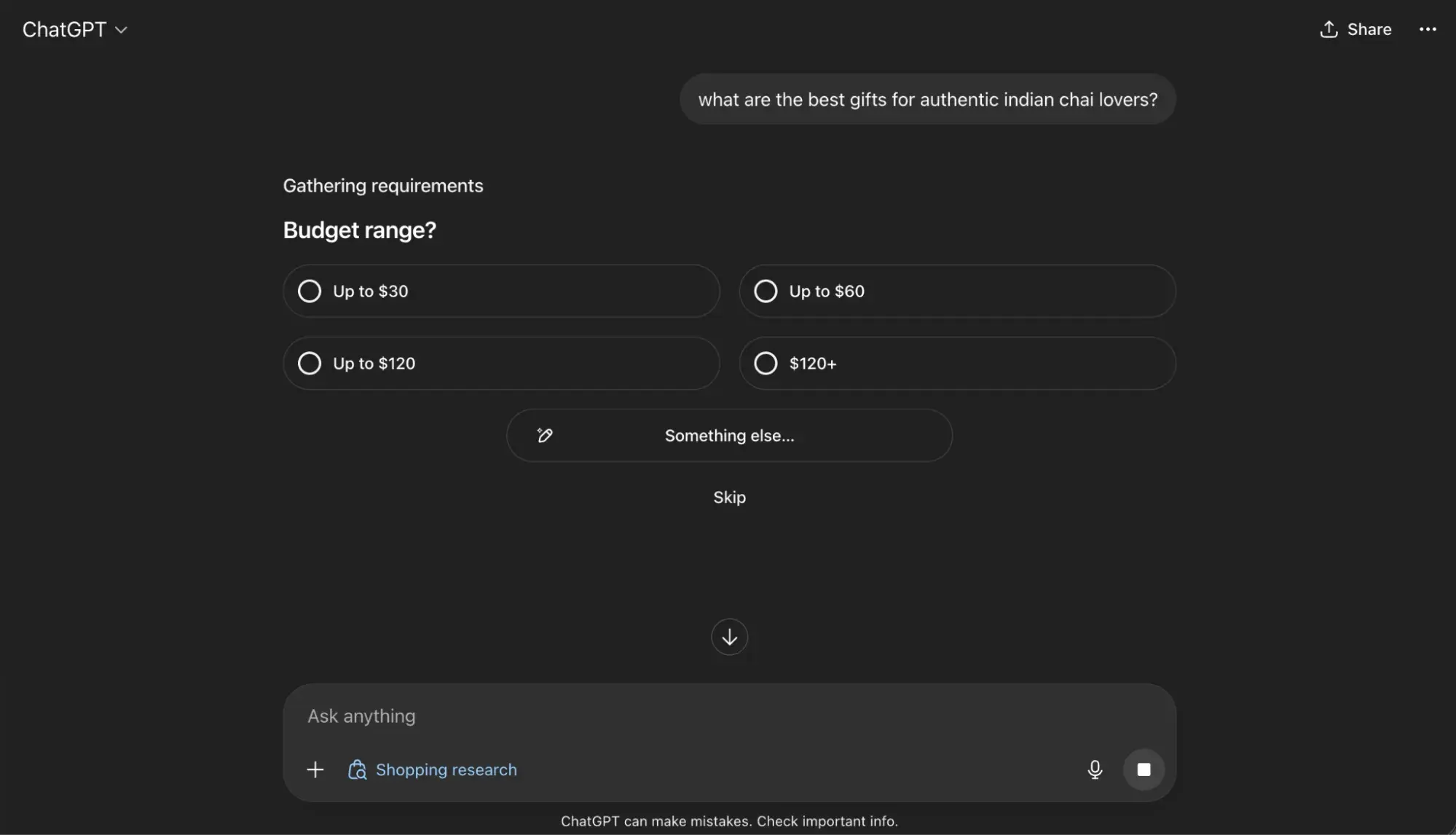
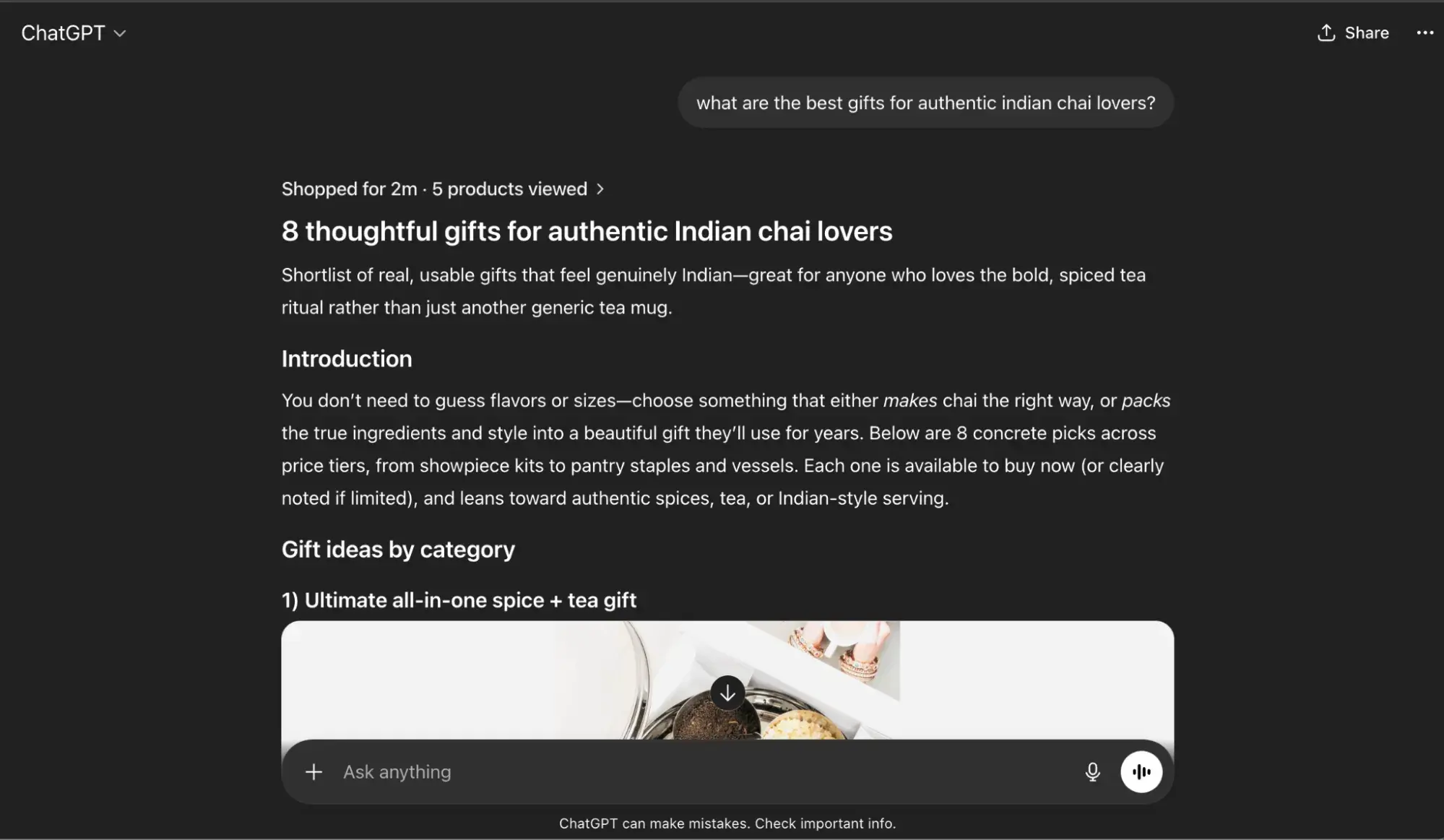
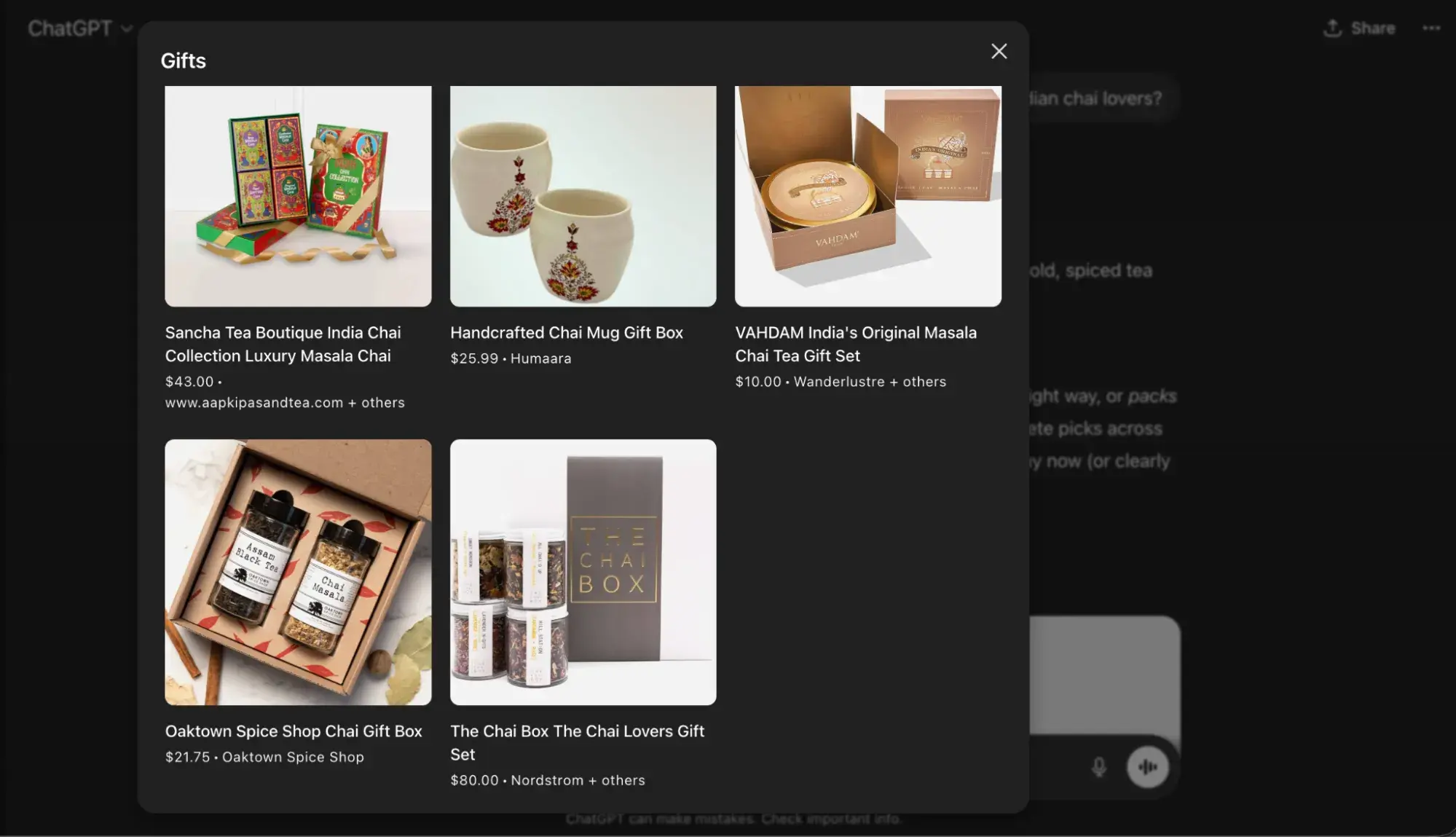
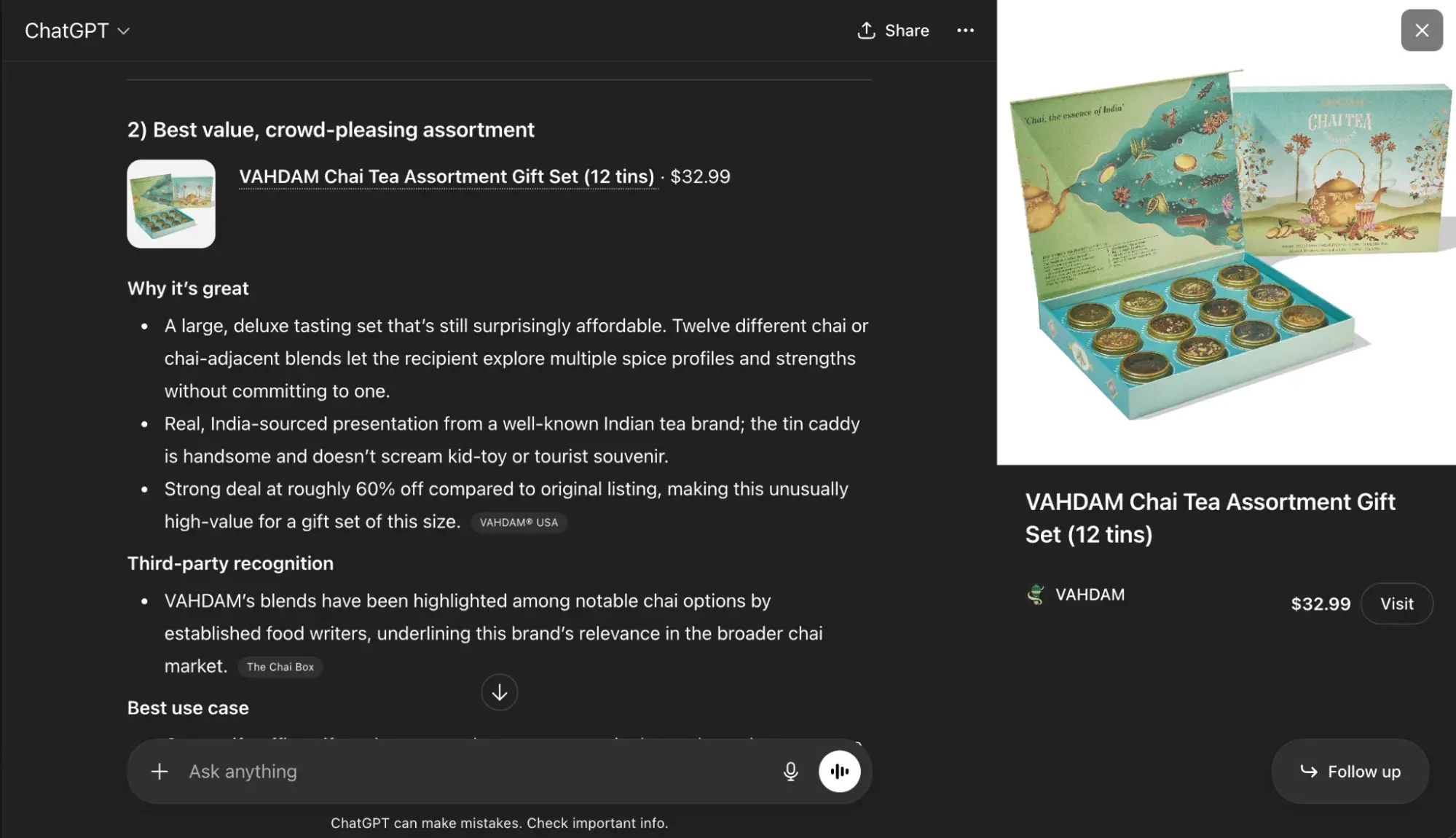
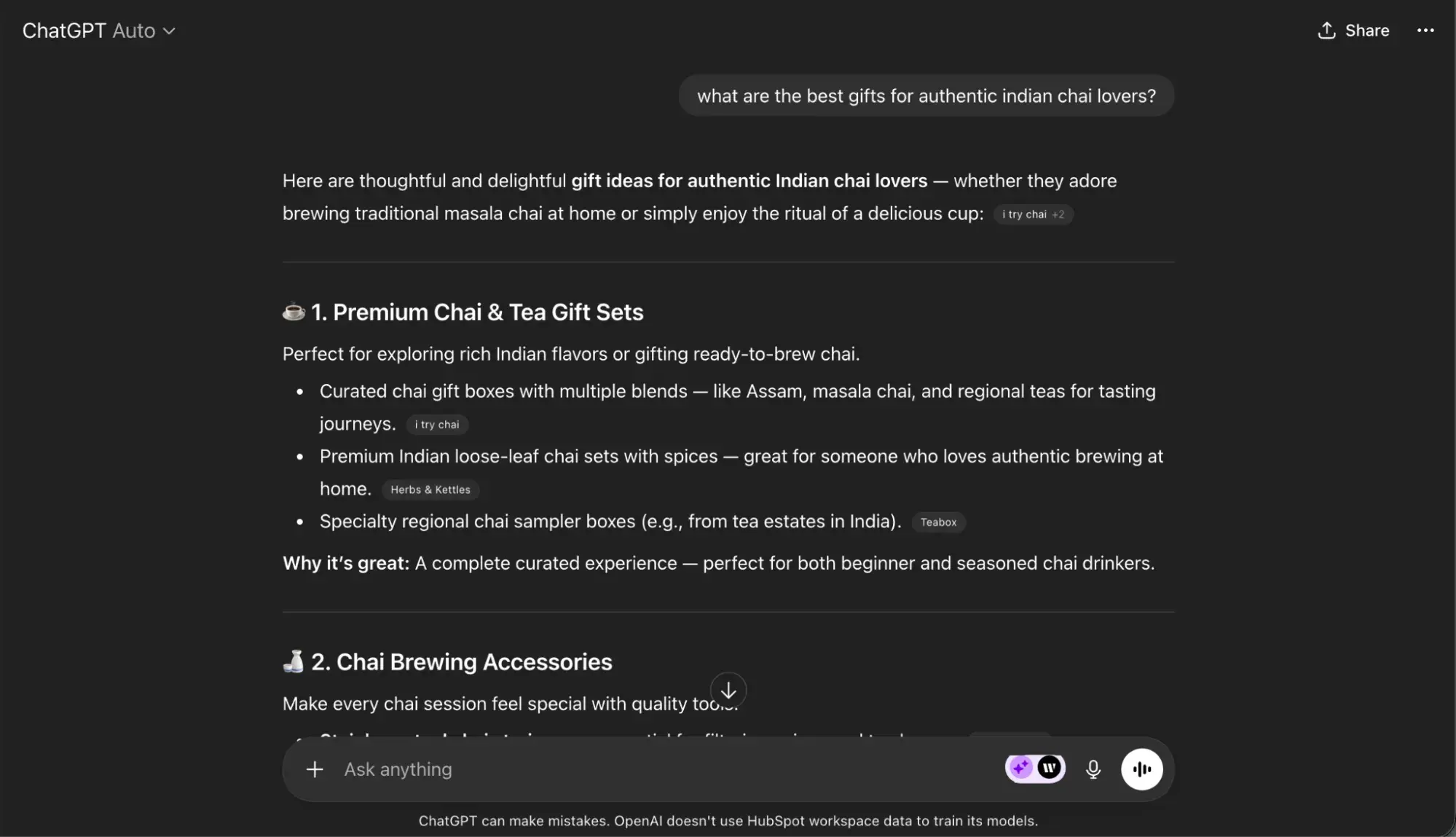
The user experience is designed for intuitive interaction. Upon initiating a shopping query, users can engage with ChatGPT to refine their search by answering clarifying questions about price points, specific features, or desired aesthetics. This iterative process helps the AI to hone in on the most relevant recommendations. For instance, a query for "the best gifts for authentic Indian chai lovers" might be met with follow-up questions regarding budget or preferred flavor profiles. Even if a user opts not to provide further details, ChatGPT is equipped to deliver comprehensive product recommendations in a detailed listicle format, often accompanied by visual aids and direct links for purchase.
The distinction between a standard ChatGPT query and its dedicated "Shopping Research" tool is crucial. While a general inquiry might yield broader gift ideas or product categories, the specialized tool is designed to surface specific, purchasable items. This is achieved through a more direct integration with e-commerce data, enabling features like in-chat checkout options for supported platforms.
Why ChatGPT Product Discovery is Paramount for B2B and SaaS

The implications of ChatGPT’s growing influence extend far beyond consumer goods, profoundly impacting the business-to-business (B2B) and software-as-a-service (SaaS) sectors. With a reported 900 million weekly active users, ChatGPT offers unprecedented potential visibility for any business whose offerings can be discovered through AI. This includes software solutions, professional services, and any high-consideration product where extensive research is typically involved.
B2B Buyers Leverage AI for Shortlisting
A striking trend observed in recent market research is the early adoption of AI by B2B decision-makers. A 2025 survey of over 1,000 B2B software buyers by G2 indicated that half of the respondents now initiate their buying journey within an AI chatbot, rather than commencing with a traditional search engine query on platforms like Google. This means that instead of searching for "HubSpot competitors," procurement professionals are increasingly asking AI, "What HubSpot competitors should I evaluate?" This fundamentally alters the initial stages of the sales funnel, with AI effectively narrowing down choices before a vendor is even aware of the potential lead.
The stakes are exceptionally high in B2B sales. According to 6sense, 95% of the time, the winning vendor is already present on the buyer’s initial shortlist, and 80% of deals are secured by the vendor the buyer contacts first. Therefore, a lack of AI visibility at the outset significantly diminishes a company’s chances of even entering the competitive arena.
AI Search Emerges as a Leading Lead Source
The impact of AI on lead generation is already substantial. A 2025 study by 10Fold Communications revealed that AI-based platforms, including ChatGPT and Perplexity, have become the second-most common source of qualified leads for B2B companies. They now rank above organic search, email marketing, and paid media, trailing only behind social media as a primary lead generation channel. This reordering of lead sources necessitates a strategic pivot for B2B marketers to align their efforts with AI discovery.
Superior Conversion Rates from AI Traffic
Perhaps the most compelling evidence of ChatGPT’s impact lies in its conversion potential. Research indicates that traffic originating from ChatGPT converts at a rate 31% higher than that from non-branded organic search. For B2B sectors specifically, leads generated through ChatGPT demonstrate a remarkable 56.3% higher close rate compared to those sourced from Google or Bing. Users arriving from AI platforms often have already completed significant preliminary research, positioning them closer to a purchasing decision. This translates to shorter sales cycles and more efficient conversion pathways, aligning with theoretical models of AI influencing buyer behavior and preferences.
The Enduring Influence of Review Platforms
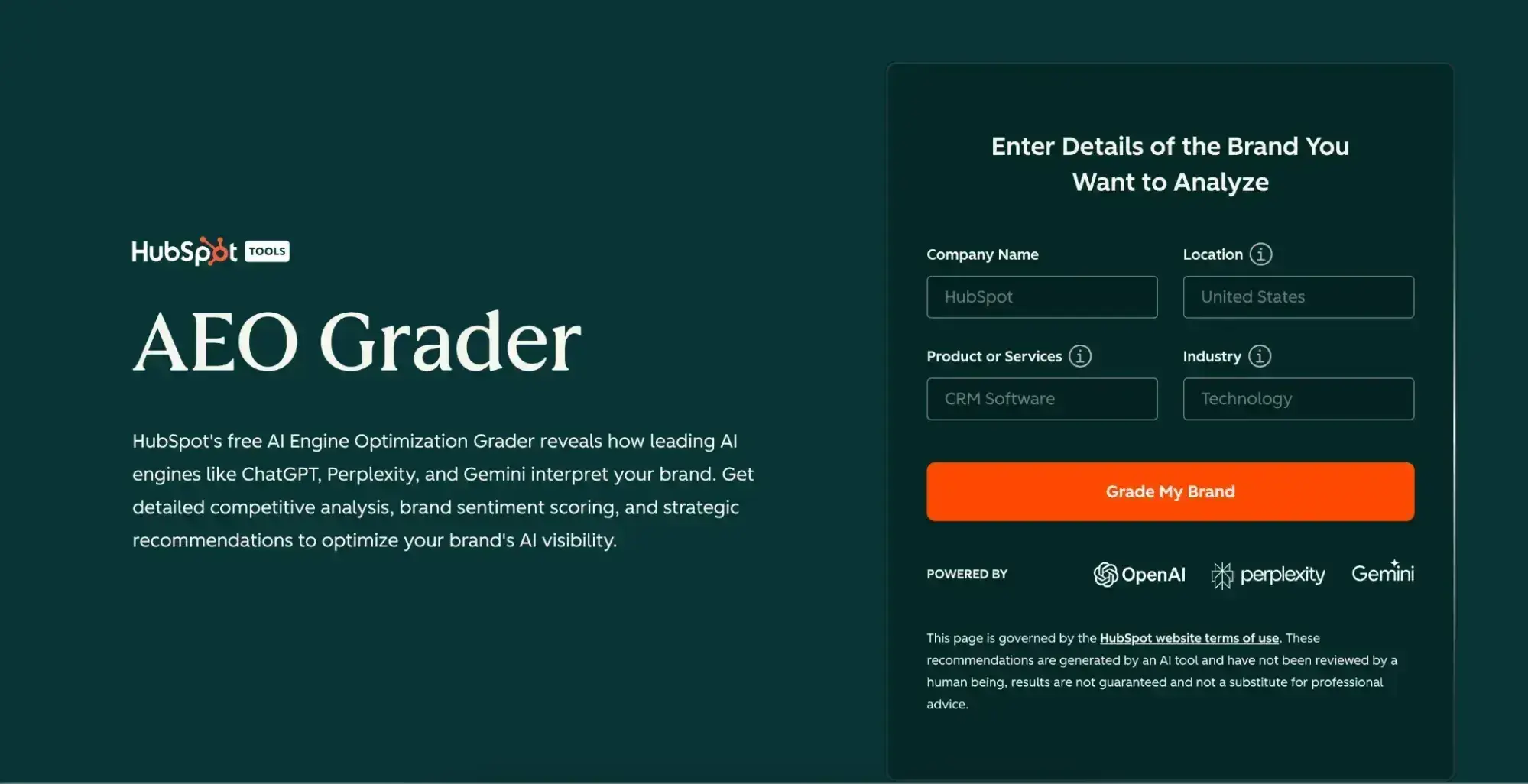
For B2B products, ChatGPT’s recommendation engine heavily relies on aggregated data from established review platforms such as G2, Capterra, and TrustRadius. A weak presence on these sites can be a significant barrier to visibility. Businesses are advised to proactively query ChatGPT with industry-specific terms, such as "best [your product type] for [your ideal customer profile]," to gauge their current AI visibility and establish a benchmark for improvement. Tools like HubSpot’s free AEO Grader can also provide insights into how AI systems interpret a company’s content.
The Mechanics Behind ChatGPT Product Recommendations
While ChatGPT does not operate with a proprietary algorithm in the same vein as traditional search engines, its recommendations are synthesized from a vast array of data sources, processed through sophisticated large language models (LLMs). Several key factors consistently influence which products are surfaced:
-
Query Relevance: The fundamental determinant is how effectively a product’s content aligns with the user’s query. ChatGPT excels at semantic understanding, going beyond mere keyword matching to interpret the user’s intent. A product page that explicitly addresses specific use cases or target audiences, such as "a lightweight CRM for solo consultants," will inherently perform better than one with generic claims. Data from Nectiv’s October 2025 analysis further highlights this, showing that commercial intent prompts (e.g., "reviews," "free," "features," "comparison") are significantly more likely to trigger web searches within ChatGPT than informational queries.
-
Structured Data on Product Pages: ChatGPT’s web browsing capabilities allow it to index product pages. Similar to traditional SEO, structured data, particularly schema markup (such as Product, Offer, and Product Variant schemas), significantly enhances its ability to accurately parse product attributes. Well-structured data makes product information more explicit and machine-readable for AI.
-
Availability and Price Information: Product availability and pricing are believed to be influential factors. Pricing pages, in particular, attract a considerable volume of AI traffic. Products that are out of stock, discontinued, or have opaque pricing models (e.g., "contact for pricing" without any indicative ranges) are at a disadvantage, as AI aims to provide a seamless and satisfying user experience.
-
Authority and Review Signals: The authority of a product or brand, as perceived by AI, is built upon signals from authoritative external sources. This includes established review sites, industry publications, analyst reports, and professional networking platforms like LinkedIn. A strong reputation and positive sentiment across these channels contribute to higher visibility.
-
Contextual Alignment: ChatGPT tailors recommendations based on the ongoing conversation and any inferred user context. A user who has specified a need for a "free solution for a 10-person remote team" will receive different recommendations than an enterprise client. Consequently, content that addresses specific use cases, personas, and contexts is more likely to be surfaced to relevant audiences.
Strategies for Enhanced ChatGPT Product Discovery
The increasing concentration of AI traffic on industry, tools, and pricing pages – precisely the decision-stage content that drives B2B conversions – presents a significant opportunity. Despite ChatGPT being the primary AI tool for marketers, a substantial portion of companies have yet to fully optimize their content for AI readiness. This gap offers a competitive advantage for those who act proactively.
Achieving discovery on ChatGPT is not about manipulating algorithms but about providing clear, structured, and authoritative product information. The most effective steps include:
-
Implementing Product Schema Markup: Structured data is foundational for both answer engine optimization (AEO) and generative answer optimization (GEO). Implementing schema markup (including Product, Offer, and AggregateRating schemas) makes product details explicit and machine-readable. For B2B and SaaS companies, pricing, feature comparison, and use-case landing pages should be treated as product pages for schema purposes, with transparent pricing tiers serving as a strong trust signal. Tools like Google’s Rich Results Test can verify schema implementation.
-
Ensuring Crawlability and Technical Accessibility: ChatGPT utilizes web crawlers (primarily OAI-SearchBot) to index content. If product pages are not crawlable, they cannot be recommended. This involves optimizing robots.txt files, ensuring proper page rendering, and maintaining a clear site architecture. Checking server logs for OAI-SearchBot activity can confirm crawlability.
-
Optimizing Product Page Content for Use-Case Queries: Content should be crafted to mirror natural language queries. Product pages that explicitly answer user questions or incorporate conversational phrases are often favored. Differentiation is key; while capturing audience language, it’s crucial to articulate unique selling propositions. For Shopify and Etsy users, ensuring product descriptions and shop information are optimized is paramount.
-
Building Review and Social Proof Infrastructure: ChatGPT product recommendations are heavily influenced by third-party reviews and social proof. This necessitates a strategy that extends beyond a company’s own website. Actively encouraging reviews on platforms like G2, Capterra, and TrustRadius, and showcasing these reviews prominently on a company’s own site, builds credibility and enhances visibility.
-
Submitting a Product Feed to the ChatGPT Merchant Program: OpenAI’s Merchant Program offers a direct channel for businesses to make product information and purchasing options available within ChatGPT. This is analogous to integrating with marketplaces like Facebook Marketplace or Instagram Shops. For B2B companies lacking traditional product feeds, a structured "solutions feed" detailing offerings, pricing, target audiences, and use cases can serve a similar purpose.
-
Establishing a Measurement Loop: Effective management requires robust measurement. Tracking ChatGPT-driven discovery involves monitoring AI referral traffic, analyzing conversion rates from AI sources, and correlating this data with CRM pipeline metrics. Tools like Google Analytics 4 and HubSpot Marketing Hub can facilitate this analysis, providing insights into keyword-level and page-level performance.
The Future of Discovery: A Structured Approach to AI Shopping Success
The trajectory of AI referral traffic is undeniable, growing at an unprecedented rate and significantly outperforming traditional search in conversion potential. Furthermore, AI has become the dominant force in shaping B2B vendor shortlists. To ignore ChatGPT’s product recommendation capabilities is to risk obsolescence.
These recommendations are not a form of paid advertising but an earned outcome of providing AI systems with clean, structured, and authoritative data. Businesses that excel in AI-driven discovery in the coming years will be those that prioritize foundational elements: robust product schema, impeccable crawlability, a strong presence on third-party review sites, and consistent monitoring of performance metrics. By treating ChatGPT as an essential discovery channel and optimizing accordingly, businesses can transform it into a reliable and influential personal shopper for their target audience.
About the Author