In the rapidly evolving digital marketing sphere, the terms Answer Engine Optimization (AEO) and Generative Engine Optimization (GEO) are increasingly being used, sometimes interchangeably. However, a clear distinction exists, and understanding these differences is crucial for marketers navigating the complexities of modern search. AEO focuses on optimizing content to appear in direct answer boxes and voice search results, aiming for immediate, concise information delivery. Conversely, GEO targets the optimization of content for citations within AI-generated summaries and responses, such as those found in Google’s AI Overviews, Perplexity, and ChatGPT. While the industry is still coalescing around unified definitions, the underlying strategies for both are fundamental to a comprehensive Search Engine Optimization (SEO) approach.
The need for clarity on AEO and GEO is paramount as artificial intelligence continues to reshape how users interact with search engines and access information. While the strategic implications of mastering these disciplines are clear – ensuring visibility and authority in new search paradigms – a shared understanding facilitates more effective communication and implementation across marketing teams. As AI-powered search becomes more prevalent, marketers must ensure their content is not only discoverable through traditional SEO but also poised to answer direct queries and be recognized by generative AI models.
Understanding the Core Concepts: AEO vs. GEO
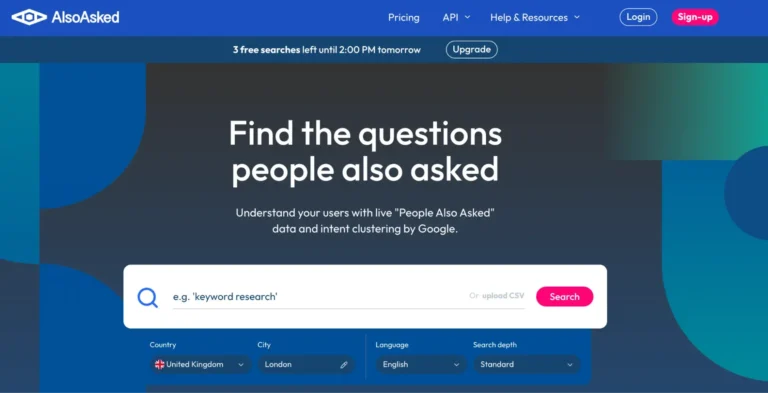
At its heart, Answer Engine Optimization (AEO) is the practice of structuring and refining website content to be directly extracted and presented as answers within search engine results pages (SERPs). This includes optimizing for prominent features like featured snippets, "People Also Ask" sections, and the concise, often direct answers delivered by voice assistants and emerging AI answer formats. The primary goal of AEO is to provide immediate, verifiable answers to user queries, positioning a brand as a direct source of information.
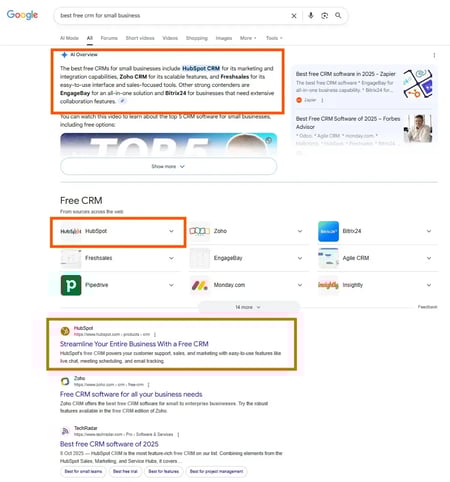
On the other hand, Generative Engine Optimization (GEO) focuses on ensuring a brand is cited and recognized within the broader summaries and narratives generated by AI models. This is particularly relevant for platforms like Google’s AI Overviews, ChatGPT, and Perplexity, where AI synthesizes information from multiple sources to create a comprehensive response. GEO aims to secure brand mentions and attributions within these generated summaries, even if a direct click-through to the website isn’t the immediate outcome. It emphasizes establishing authority and providing quotable insights that AI can confidently incorporate.
In essence, the fundamental difference lies in the desired outcome: AEO strives for direct answers, while GEO aims for brand citations within AI-generated content. This distinction is critical for tailoring content strategies to the specific nuances of each optimization approach.

A Comparative Framework: AEO, GEO, and Traditional SEO
To further delineate these strategies, a comparative analysis with traditional SEO is beneficial:
| Strategy | Primary Goal | How It Shows Up | What It Optimizes For | Best Use Case |
|---|---|---|---|---|
| AEO | Deliver direct answers in search | Featured snippets, People Also Ask, AI short answers | Clarity, structure, question coverage | High-intent, question-driven queries |
| GEO | Earn brand citations in AI summaries | Google AI Overviews, ChatGPT, Perplexity | Authority, entity clarity, quotable insights | Research queries and informational discovery |
| SEO | Earn rankings and organic traffic | Traditional, organic blue links in search engines | Relevance, backlinks, technical performance | Long-term acquisition and traffic growth |
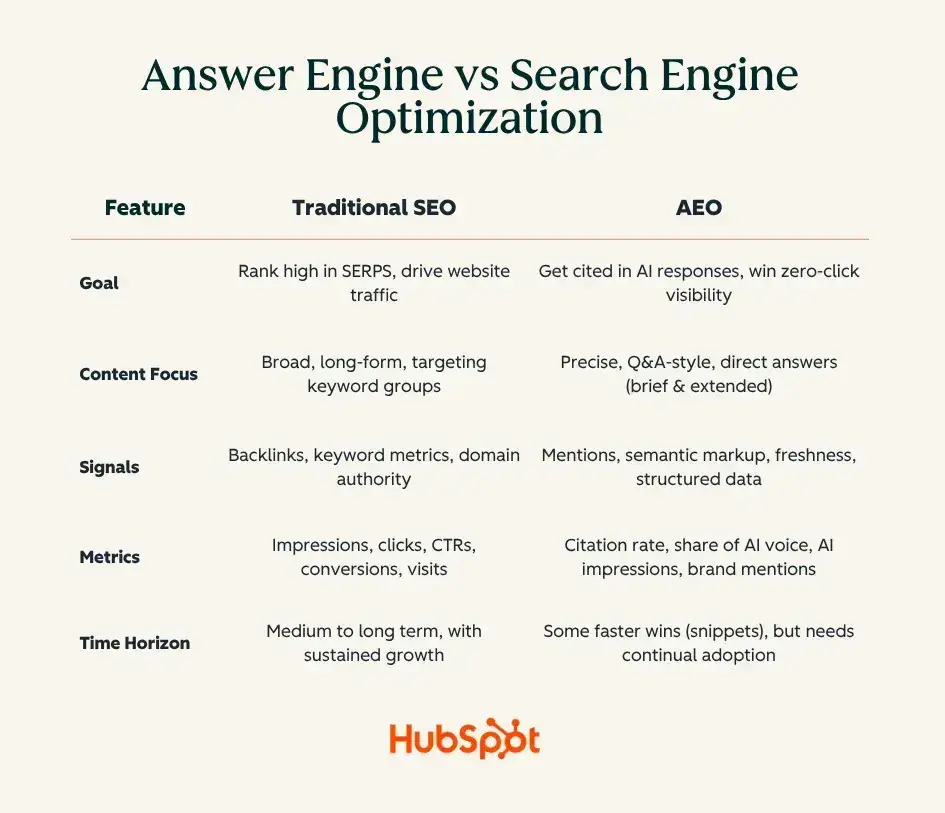
Traditional SEO, the bedrock of online visibility for years, primarily focuses on achieving higher rankings in organic search results. Its pillars have historically included keyword relevance, technical website health, and building authoritative backlinks. However, the advent of AEO and GEO signifies a paradigm shift. While SEO remains essential, AEO and GEO represent specialized layers that address the evolving ways users consume information. AEO ensures that when a search engine needs a direct answer, your content is the most suitable candidate. GEO ensures that when an AI synthesizes information, your brand is recognized and credited for its contribution.
The Imperative for Both: AEO and GEO in Tandem
The question of whether both AEO and GEO are necessary is increasingly being answered with a resounding yes. The HubSpot Consumer Trends Report indicates a significant shift, with 72% of consumers surveyed intending to rely more heavily on AI-powered search for shopping decisions. This trend underscores the growing importance of being visible and credible in these emerging search formats.
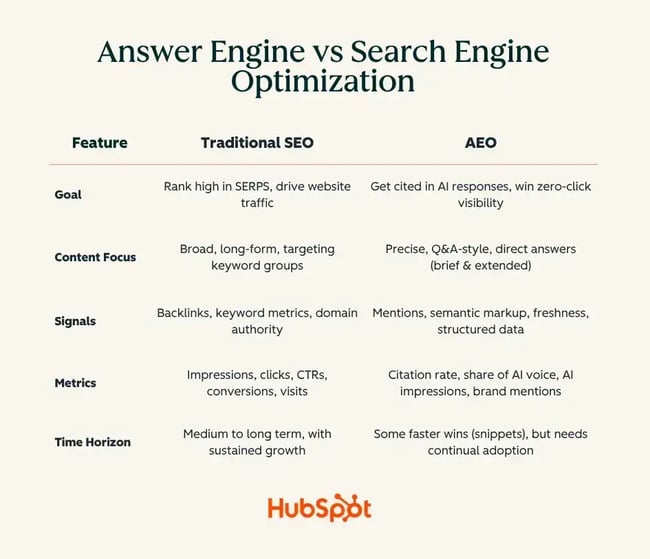
Brands that excel in AI-driven search are those that embrace both AEO and GEO. AEO ensures that content is structured for immediate extraction, making it eligible for direct answers. GEO, in turn, ensures that when AI models synthesize information for broader summaries or comparisons, the brand is a recognized and cited entity. Relying solely on traditional SEO is no longer sufficient to capture the full spectrum of user search behavior, especially as platforms like ChatGPT and Google AI Overviews become primary research tools for consumers.
Shared Foundations: Tactics Driving AEO and GEO Success
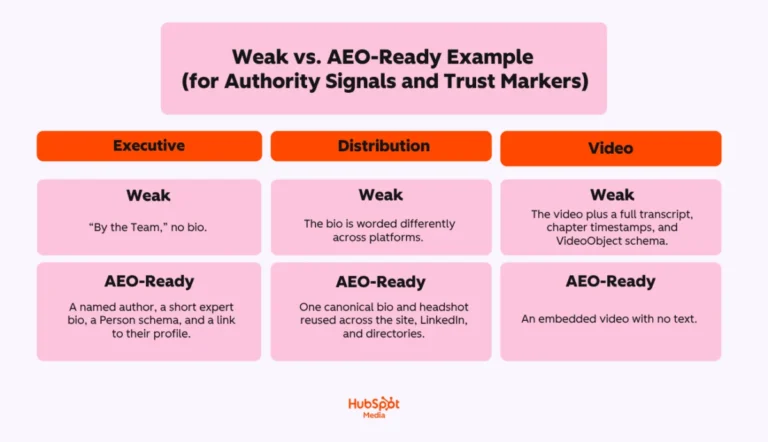
Despite their distinct outputs, AEO and GEO share a common foundation of effective content strategy and technical implementation. Brands that perform best in AI search environments are those that prioritize structured, answer-first content and maintain robust entity clarity across all digital touchpoints. Several key tactics serve to bolster both AEO and GEO performance:
Answer-First Content Structuring
This fundamental principle involves presenting the most direct and relevant answer to a user’s query at the outset of a piece of content. Instead of embedding the core message deep within the text, it’s surfaced immediately in a clear, easily digestible format. This approach is crucial for both answer engines seeking to extract information for snippets and generative engines looking for concise explanations. For instance, when addressing the query "What is Answer Engine Optimization?", content should begin with a definition like: "Answer Engine Optimization (AEO) is the practice of structuring content so search engines can extract direct, authoritative answers for featured snippets, AI summaries, and other answer-driven results." This mirrors the journalistic "inverted pyramid" structure, prioritizing the most critical information first, a practice that has long been beneficial for SEO and is now indispensable for AEO and GEO.
Entity Management and Consistency
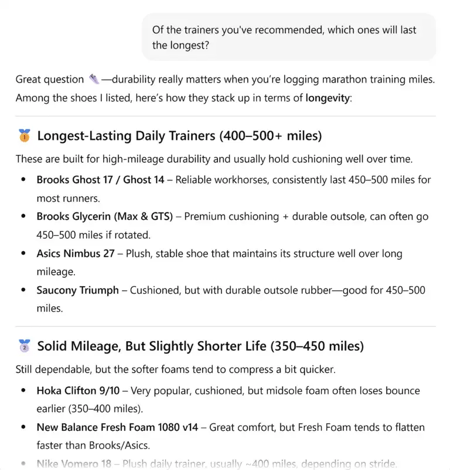
Establishing and maintaining consistency in how key entities—such as brand names, product specifications, and core concepts—are presented across all online platforms is vital. Inconsistent references can confuse AI models, leading to inaccurate summaries or a failure to cite the correct brand. For example, if a product’s lifespan is described differently on a product page versus a press release, AI may misinterpret or merge this data. Ensuring precise and uniform entity representation across a website, blog, documentation, and external mentions builds confidence for generative engines, increasing the likelihood of accurate and favorable citations. This consistency acts as a form of quality control for AI-driven information synthesis.
Quotable Insights and Data Passages
Identifying and highlighting short, authoritative statements, statistics, expert opinions, or clear recommendations within content makes it easier for AI engines to lift this information directly into summaries. These "quotable insights" should be presented in self-contained paragraphs, ideally following the initial answer to a question. Generative AI models often favor readily citable passages, which can improve both AEO (through answer boxes) and GEO (through AI-generated summaries). The emphasis on providing clear data and expert opinions aligns with Google’s E-E-A-T (Experience, Expertise, Authoritativeness, Trustworthiness) guidelines, further reinforcing the value of these insights.
Schema and Structured Markup Implementation
Schema markup, or structured data, is a critical tool for helping search engines understand the context and meaning of website content. By adding schema markup (e.g., for FAQs, products, services, organizations), marketers provide search engines with clearly defined entities and relationships, making it easier for them to extract information accurately. This is paramount for AEO, as it enhances a website’s eligibility for rich results and snippets. For GEO, schema reinforces entity consistency, which generative engines rely on to verify information and attribute it correctly. Implementing schema markup is considered a non-negotiable aspect of modern SEO, AEO, and GEO strategies.
Reinforcement Through Repetition
AI models often triangulate information by looking for patterns and repeated assertions across multiple reputable sources. To ensure AI systems adopt a brand’s version of facts or claims as authoritative, these pieces of information need to be consistently reinforced across various online platforms. If a claim is only present on a brand’s website, it may be viewed as unverified. However, when supported by independent sources like press coverage, partner pages, industry publications, and comparison sites, AI models are more likely to treat it as factual and cite the brand accordingly. This repetition builds a strong, consistent signal for AI to recognize and leverage.
Measuring the Impact: Beyond Traditional Metrics
Assessing the effectiveness of AEO and GEO requires a departure from traditional SEO metrics focused solely on rankings and traffic. The new landscape demands an evaluation of visibility within AI-generated answers, the accuracy of citations, and the downstream impact on conversions and revenue. Key metrics for evaluating AEO and GEO performance include:
AI Visibility and Citation Coverage
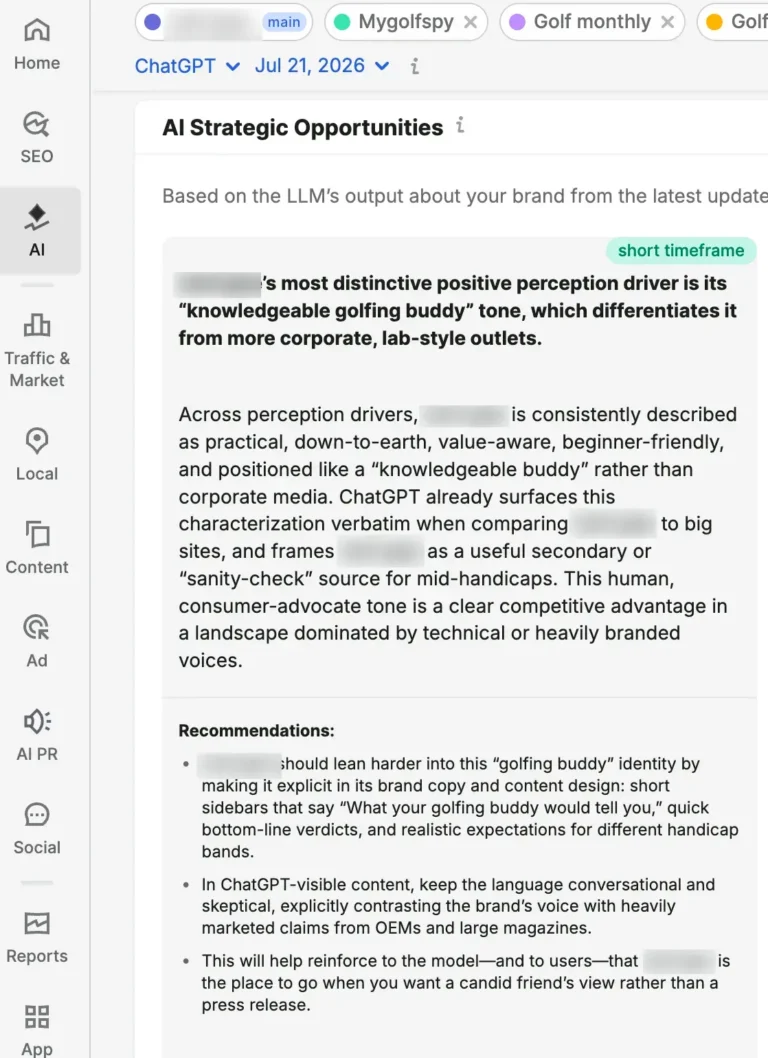
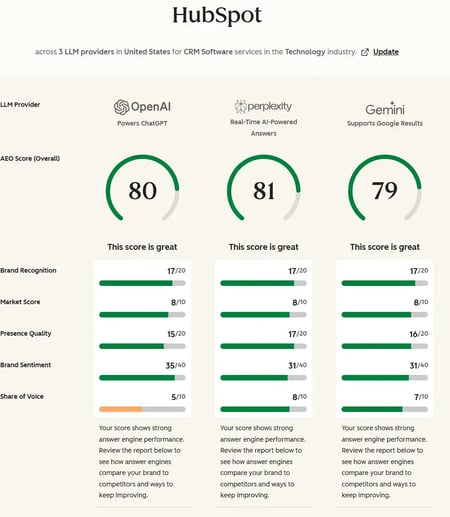
This metric quantifies how frequently a brand appears in generative search experiences like Google AI Overviews, ChatGPT, and Perplexity. It goes beyond clicks and rankings to measure whether AI systems are actively incorporating the brand’s content into their responses and summaries. Tools like HubSpot’s AI Search Grader offer a comprehensive analysis of domain visibility and citation coverage across AI engines, providing actionable insights for improvement. Regularly auditing key topics and pages for AI visibility and citation frequency is crucial for understanding performance.
Content Quality and Answer Readiness
This assessment evaluates how well content meets the structural, clarity, and formatting requirements necessary for AEO and GEO. It involves checking if pages are cleanly extractable, well-researched, entity-consistent, and adhere to the answer-first principle. Content quality tools and AI assistants can help in producing and monitoring content for answer readiness. Reviewing content for clarity, conciseness, logical flow, and accurate entity representation is vital.
Conversions and Revenue Influenced by AEO/GEO
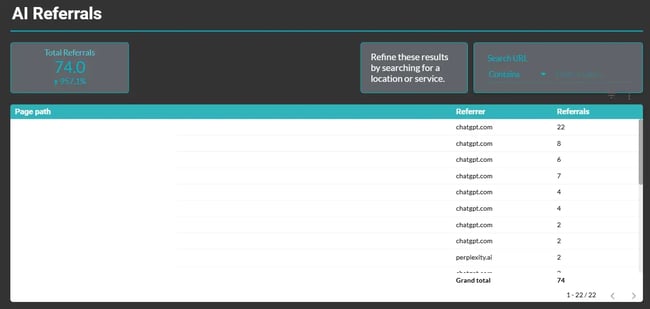
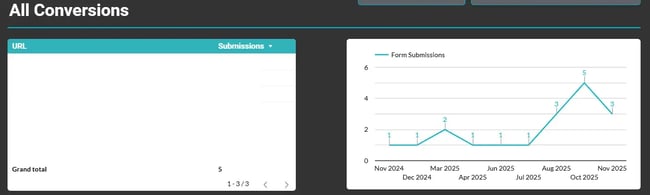
Ultimately, the success of AEO and GEO is measured by their contribution to business growth. This involves tracking how often AI-powered search leads to tangible outcomes such as pipeline generation, customer acquisition, and revenue. While direct attribution can be challenging due to the nature of AI interactions (users may not always click through immediately), analyzing on-site behavior from AI referral sources provides valuable insights. Creating detailed reports that track AI-influenced referrals and subsequent conversions, even with qualifiers like "budget" on contact forms, can help quantify the impact.
Lead Quality From AI-Influenced Discovery
AI-generated recommendations often act as a powerful intent filter. Leads originating from AI-driven discovery tend to be warmer, more targeted, and possess a higher degree of problem awareness. This leads to improved fit scores, faster progression through the sales funnel, and ultimately, higher quality leads. Measuring lead quality by comparing AI-influenced leads with those from traditional organic search, and assessing their qualification rates and progression speed, can highlight the effectiveness of AEO and GEO strategies. Advanced lead scoring systems can further refine this analysis.
Page Performance and User Behavior
Analyzing page performance and user behavior for sessions originating from AI tools provides insights into which content is resonating and how users interact with it. Monitoring AI-referring sessions and observing user engagement metrics such as bounce rates, time on page, and conversion rates can reveal which pages are effectively capturing and converting AI-driven traffic. This data helps identify content that warrants further optimization for schema enhancements, answer-first rewrites, or entity reinforcement.
The Future Trajectory: AEO and GEO’s Ascendancy
The landscape of AI-driven search is in constant flux, with rapid advancements shaping the future of AEO and GEO. Three key trends are poised to define this next phase:
AI Discovery as the New Top of Funnel
As AI-powered search tools like ChatGPT, Perplexity, and Gemini become increasingly integrated into daily routines, they are transitioning from novelties to primary sources for information discovery. The HubSpot Consumer Trends Report highlights this, with a significant majority of consumers planning to increase their use of AI-powered search for shopping. This means that a brand’s initial impression may no longer be its website but rather the information presented by an AI model. Consequently, AEO and GEO strategies focusing on question coverage, schema implementation, and broad distribution will be paramount in shaping these initial encounters. The traditional homepage is no longer the sole entry point; AI presence is becoming the de facto top of the funnel.
Industry Maturation and Stabilization
While the initial hype surrounding generative AI has been substantial, the search industry is expected to move towards a more stable and integrated approach to AEO, GEO, and SEO. Experts suggest that the rapid experimentation and confusion surrounding these new search paradigms are beginning to plateau. Data indicates that while AI tools are gaining traction, they still represent a relatively small fraction of overall search activity. This stabilization suggests that while AI search is here to stay, its growth trajectory may normalize, allowing for more predictable and established optimization strategies to emerge. The focus will likely shift from novelty to sustained value and user integration.
Integrated Reporting for SEO Teams
As AEO and GEO become integral components of the search ecosystem, SEO teams must adapt their reporting frameworks to encompass these new disciplines. The importance of AI visibility and citation frequency necessitates their inclusion alongside traditional SEO metrics like rankings and backlinks. AEO and GEO metrics should be a standard part of SEO audits and reporting, enabling a holistic view of a brand’s search performance. This integrated approach will allow for the identification of performance gaps and the strategic optimization of content across all modern search surfaces, ensuring that AI visibility is treated with the same rigor as keyword rankings.
Conclusion: The New Foundation of Search Visibility
Answer Engine Optimization (AEO) and Generative Engine Optimization (GEO) are no longer optional add-ons but essential pillars of brand visibility in an AI-first world. AEO secures direct answers, while GEO earns citations within synthesized information. Together, they fundamentally shape how buyers discover brands, evaluate solutions, and make purchasing decisions. Marketers who embrace answer-first content, structured entities, and robust distribution strategies will be best positioned to dominate modern search. By focusing on clarity, structure, and citation-worthiness, brands can leverage AI models to effectively distribute their message, leading to game-changing results in lead generation and customer acquisition. The HubSpot AI Search Grader provides a valuable starting point for understanding current AI search performance and identifying areas for improvement in this evolving digital landscape.
About the Author