Artificial intelligence (AI), while often perceived as a nascent technology, has roots stretching back to the 1950s. However, the advent of generative AI in the 2010s marks a significant and transformative shift, particularly in how consumers interact with information online. This evolution is profoundly impacting search behaviors, necessitating the emergence and adoption of strategies like Generative Engine Optimization (GEO). GEO is not merely a trend but an essential adaptation for businesses and marketers aiming to maintain and enhance their digital presence in an AI-centric landscape.
The core principle of Generative Engine Optimization (GEO) is to ensure that a business’s website and content are readily discoverable, understandable, and citable by AI-powered search tools. Unlike traditional Search Engine Optimization (SEO), which focuses on ranking on a Search Engine Results Page (SERP) and presenting a list of potential resources, generative AI systems aim to synthesize information from multiple sources to provide direct, comprehensive answers to user queries. GEO’s objective is to position a business’s content as a reliable and authoritative source that these AI systems will select and cite in their generated responses. In essence, while SEO gets you invited to the party, GEO secures you a prominent spot and a featured mention.
It is important to distinguish GEO from Answer Engine Optimization (AEO). Historically, AEO targeted direct-answer features like Google’s featured snippets, knowledge panels, and voice assistant responses – essentially aiming for quick, singular answers. GEO, conversely, is specifically designed for the newer wave of AI tools that generate original responses by intelligently combining information from diverse sources. While many SEO and AEO tactics overlap with GEO, the latter demands a heightened focus on information structuring and the establishment of robust credibility to inspire confidence in AI citation.
The imperative for adopting GEO strategies is underscored by shifting consumer search behaviors and technological advancements. While Google continues to dominate general search, accounting for approximately 61% of all searches according to BrightLocal research, AI platforms are rapidly emerging as primary research destinations. A significant 31% of Gen Z individuals, for instance, already utilize AI platforms or chatbots most frequently for online information discovery, as reported by GWI. Furthermore, Gartner forecasts that by the end of the current year, 40% of B2B queries will be handled by answer engines. This trend, coupled with the pervasive use of voice assistants like Siri and Alexa on smartphones and in homes, highlights a clear user preference for synthesized, actionable answers with transparent sourcing over a simple list of links. Failing to invest in GEO means potentially missing out on a substantial and growing segment of information discovery.
Generative Engine Optimization Best Practices

To effectively navigate this evolving digital landscape, businesses can implement several key GEO best practices:
-
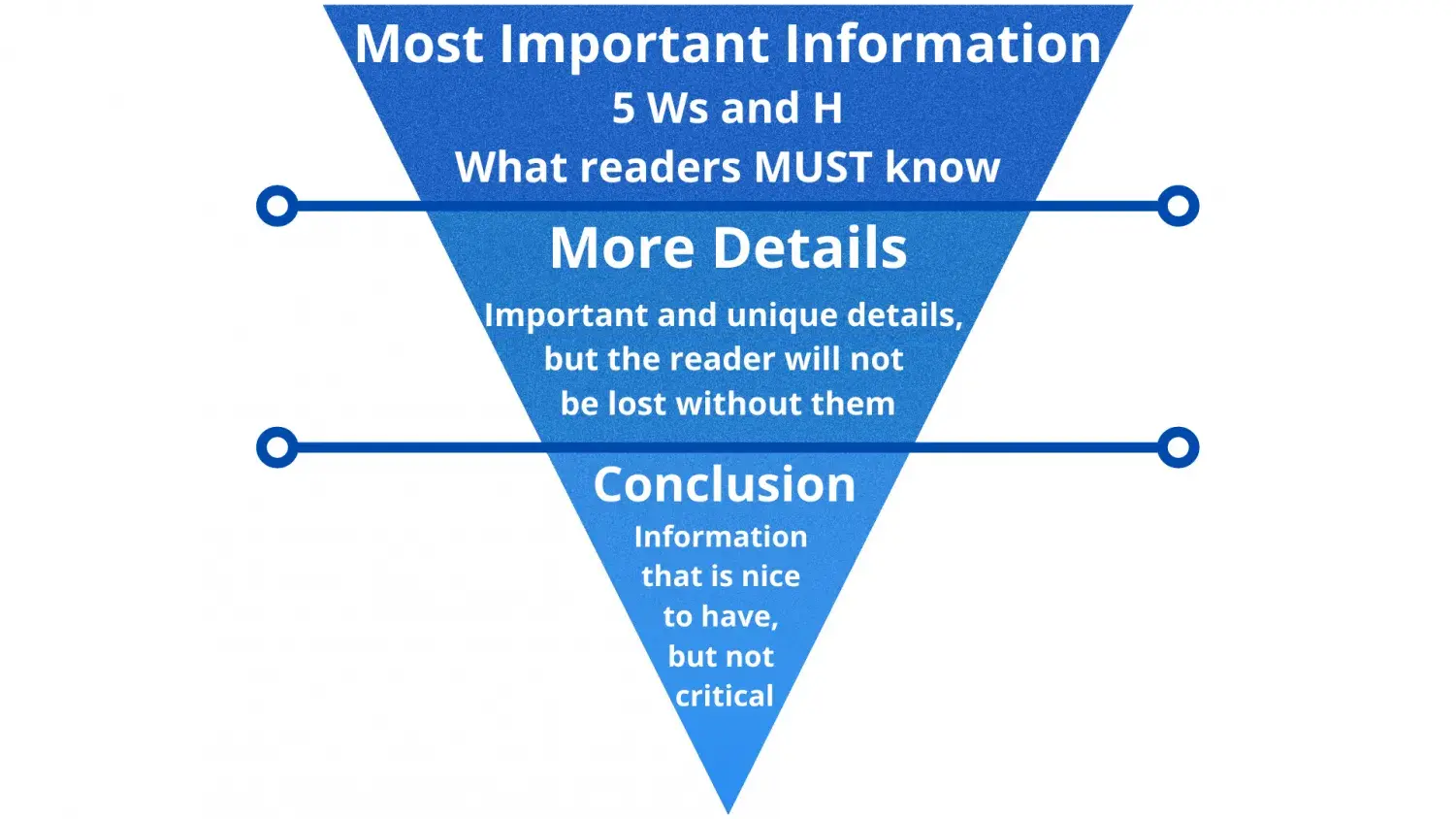
Lead with Clear, Direct Answers: AI systems favor content that is concise and directly addresses the user’s query. Beginning each section with a direct, distilled answer to the target question, ideally under 300 words, followed by expanded context and details, is crucial. This approach, often referred to as the "inverted pyramid" writing style, ensures that AI can quickly extract and understand the main points, even if only a single paragraph is considered. Tools like HubSpot’s Content Hub can assist in creating templates that enforce this answer-first structure.
-
Be Specific About Subjects: Vague references in content can confuse AI systems, which rely on precise identification of entities such as people, places, companies, and concepts. Instead of stating "The company launched it in 2024," it is more effective to specify "HubSpot launched Content Hub AI in 2024." This clarity ensures AI systems accurately process and cite information.

-
Optimize Technical Website Elements: Strong technical SEO is fundamental for AI discoverability and citation.
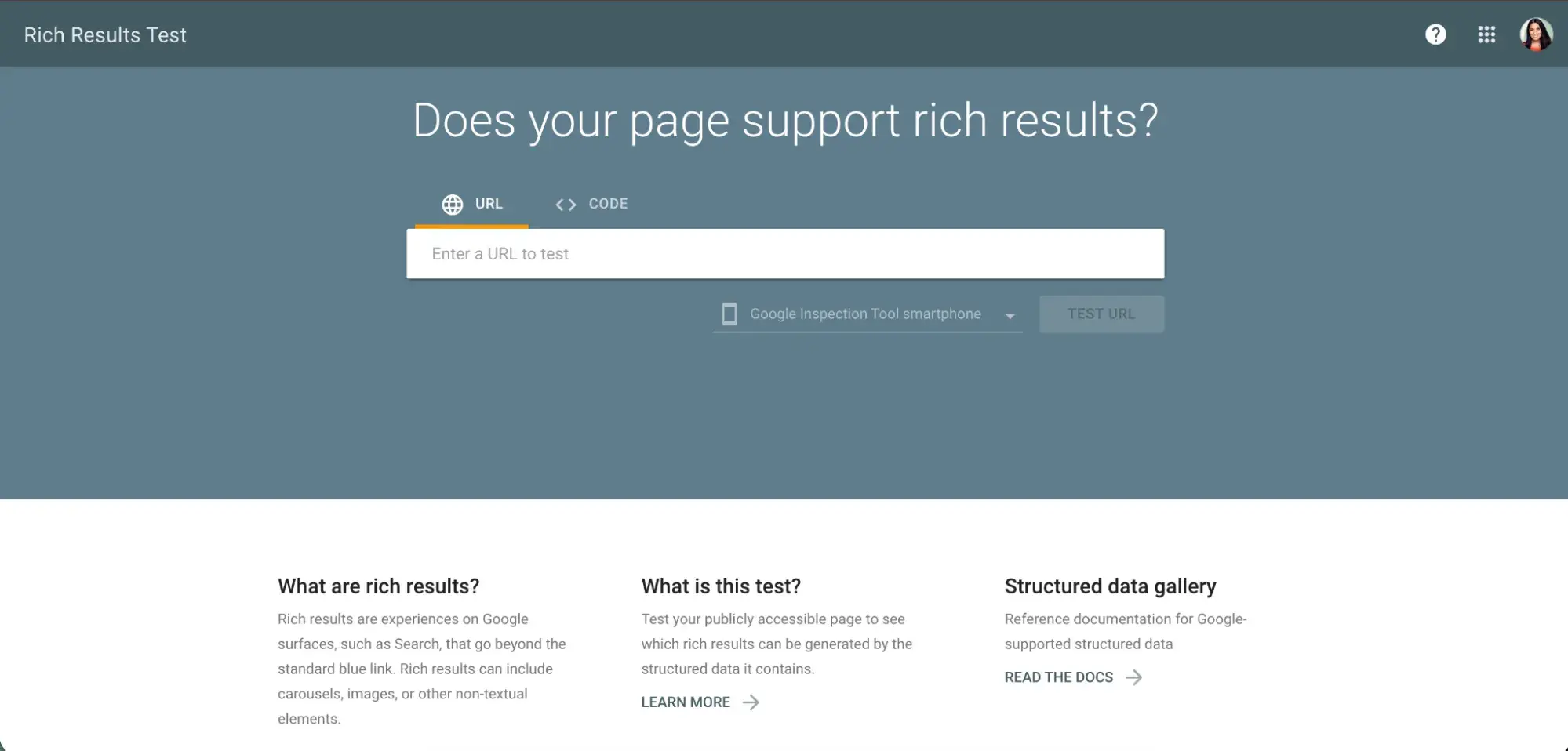
- Add Schema Markup: Schema markup is backend code that provides AI systems with unambiguous explanations of content meaning. Pages with correctly implemented schema are processed more accurately. Key schema types to prioritize include Article, Organization, FAQ, and Breadcrumb schema, with further expansion to specialized types like Product or LocalBusiness as needed. Tools like Google’s Rich Results Test can help validate implementation.
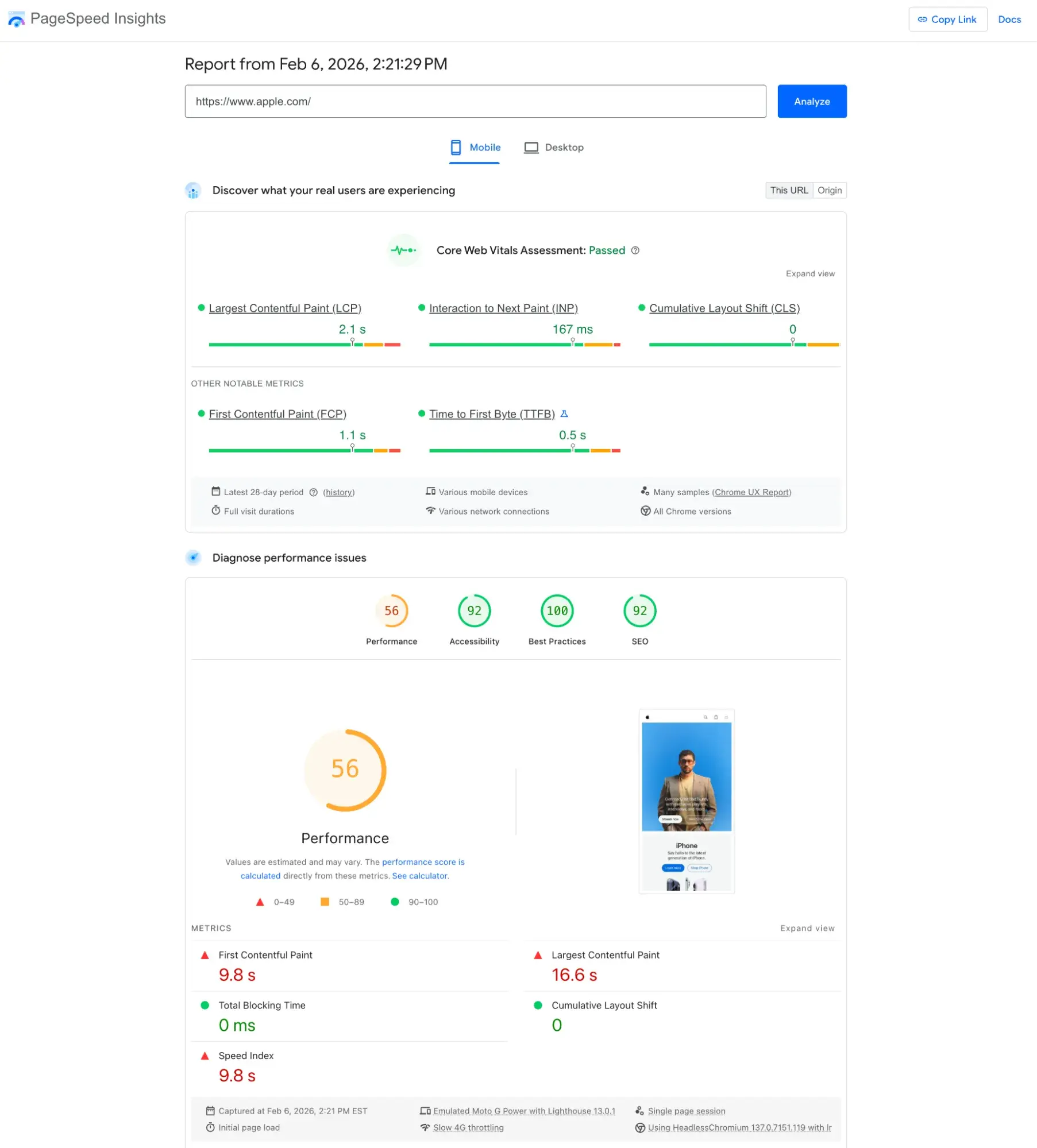
- Maintain Website Speed and Functionality: Both AI systems and search engines consider site performance a trust signal. Slow or broken websites are deprioritized. Tools such as Google PageSpeed Insights and GTmetrix can identify and rectify performance issues. Key metrics to monitor include Largest Contentful Paint (LCP), First Input Delay (FID), and Cumulative Layout Shift (CLS).
- Optimize Metadata: While traditional metadata targets search result pages, GEO-optimized metadata helps generative search engines understand and summarize content accurately. Well-written meta descriptions and titles that are both keyword-rich for traditional SEO and descriptive for AI are ideal.
-
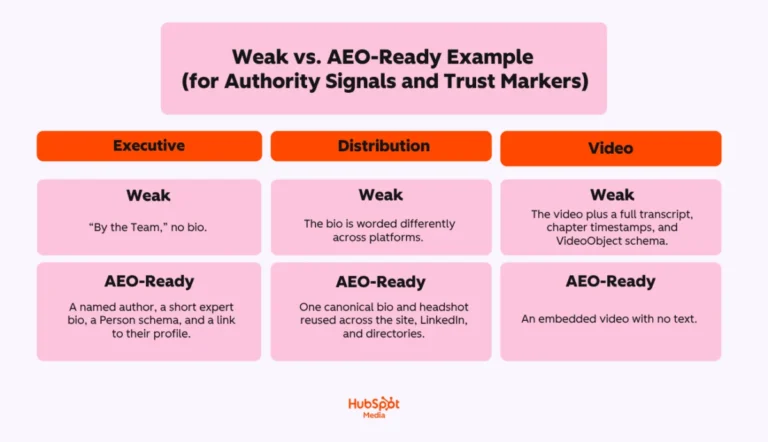
Establish Credibility (E-E-A-T): Experience, Expertise, Authoritativeness, and Trustworthiness (E-E-A-T) remain paramount. AI systems, much like Google’s Quality Raters, evaluate sources based on these criteria. Demonstrating E-E-A-T involves:
- Author Bios: Including detailed author biographies that highlight relevant experience and credentials.
- Organizational Background: Providing clear information about the publishing organization, its mission, and its reputation.
- Evidence-Based Claims: Backing up statements with data, research, and links to authoritative sources.
- User Reviews and Testimonials: Showcasing positive feedback and social proof.
-
Showcase Deep Subject Matter Expertise: AI tools favor sources that exhibit profound knowledge.
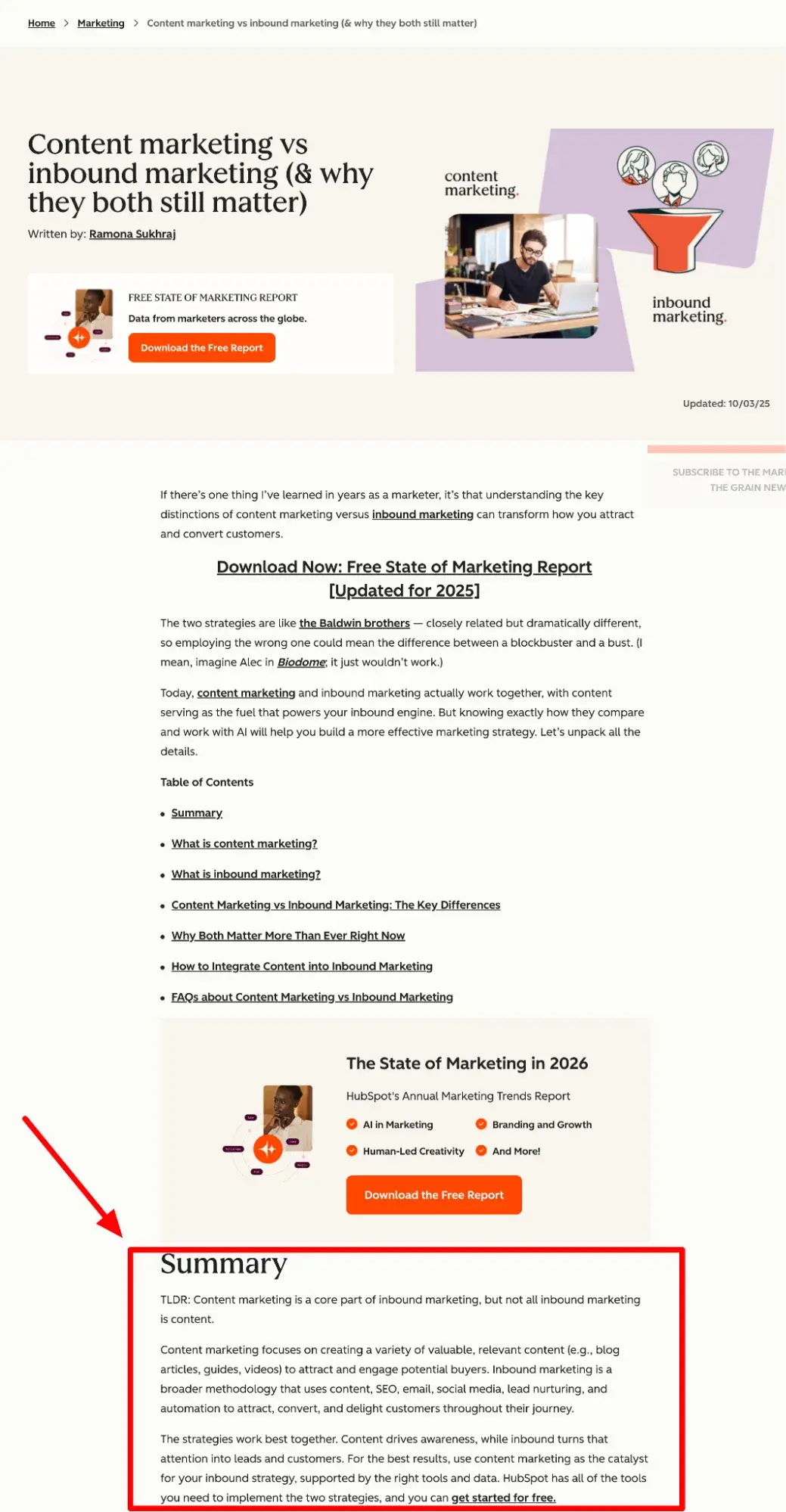
- Comprehensive Content: Creating in-depth content (e.g., 2,500+ words with thorough topic coverage) that comprehensively addresses a subject. Research indicates that such content receives significantly more AI citations.
- Pillar Pages and Topic Clusters: Developing pillar pages for core topics and supporting articles that delve into specific aspects, strategically linking them together. This structure signals comprehensive coverage and relatedness to AI and search engines. HubSpot’s topic cluster tools can aid in mapping content strategy.
-
Include Visual Content: Content featuring relevant images, charts, and videos receives a higher percentage of AI citations. Visuals not only enhance engagement but also help AI systems understand context and signal a thorough effort to make information accessible from multiple perspectives.
-
Write Like a Human: Content that is overly formal, technical, or keyword-stuffed can be difficult for AI to interpret. A conversational tone, explaining complex topics as if to a knowledgeable colleague, is more effective. This approach improves both AI comprehension and human engagement. It is crucial to edit and humanize any AI-generated content to avoid generic output.
-
Publish Regularly and Keep Content Fresh: AI systems prioritize recent content. Organizations publishing content weekly or more frequently tend to have significantly higher AI citation rates. A content refresh strategy is essential to ensure information remains current and relevant.
Common Generative Engine Optimization Pitfalls to Avoid
Several common mistakes can hinder GEO efforts:
- Vagueness or Inconsistency: Ambiguous references to entities confuse AI systems. Maintain consistent naming and clear pronoun usage.
- Improper Schema Markup: Missing or incorrectly implemented schema can impair AI interpretation. Utilize validator tools and prioritize foundational schema types.
- Citing Questionable Sources: AI systems assess the credibility of linked sources. Prioritize authoritative and up-to-date references.
- Unedited AI-Written Content: Publishing AI-generated content without adding original insights, brand voice, or expert input can lead to generic output that AI systems may downrank.
- Neglecting Content Updates: Stale content is less likely to be cited. Implement a strategy for regularly updating and refreshing existing articles.
- Omitting Author Credentials: Lack of author information or E-E-A-T signals reduces perceived trustworthiness.
- Failing to Track Results: Without measurement, it is impossible to gauge the effectiveness of GEO tactics. Monitor AI citations, traffic from AI platforms, and brand mentions.
- Over-Optimizing for Specific Platforms: The AI search landscape is dynamic; focus on universal best practices rather than platform-specific tricks.
Frequently Asked Questions About Generative Engine Optimization
Is generative engine optimization replacing traditional SEO?
No, GEO is not a replacement for traditional SEO but rather a complementary strategy. SEO remains critical for search engine rankings, and many GEO principles, such as quality content and technical excellence, are foundational to both. GEO focuses on getting cited by AI tools that generate synthesized answers, while SEO focuses on ranking in search results pages. A combined approach is the most effective.
How long does it take to see results from GEO?
Initial results from GEO implementation can typically be observed within 4 to 12 weeks, with variations depending on existing content quality and optimization efforts. Quick wins may appear within 2-4 weeks, medium-term results in 2-3 months, and long-term gains over 6+ months.
How can I get cited by AI tools more often?
Increasing AI citations involves a combination of content depth, source authority, technical quality, and clear communication. Prioritizing optimization of high-authority content and consistently applying GEO best practices will foster a reputation for reliability, leading to more frequent citations.
What schema should I start with for GEO?
For GEO, it is recommended to begin with Article, Organization, FAQ, and Breadcrumb schema. These provide a strong foundation for AI understanding. Subsequently, specialized schema types like Product or LocalBusiness can be integrated as relevant.
Do I need separate GEO workflows for enterprise and SMB?
While the core GEO best practices are universal, their implementation should be tailored to organizational resources and scale. Enterprise workflows may focus on extensive content audits and advanced technical integrations, while SMBs might prioritize foundational schema and consistent content creation.
Generating Generative Success

The rise of accessible generative AI represents a significant evolution in how information is consumed. While the technology itself is not new, its current capabilities and public accessibility are transformative. Rather than viewing this as a disruptive threat, businesses should embrace Generative Engine Optimization as a strategic extension of established SEO principles. By focusing on creating valuable, credible, and well-structured content, ensuring technical soundness, and maintaining expertise, organizations can effectively adapt to the evolving search landscape and maintain their visibility in an AI-powered future. Proactive adoption of GEO best practices will be crucial for sustained digital success.
About the Author