The digital marketing landscape is undergoing a seismic shift with the rapid ascent of Answer Engine Optimization (AEO). This nascent discipline focuses on ensuring brand visibility within the burgeoning ecosystem of AI-powered search tools, including prominent platforms like Gemini, Perplexity, and ChatGPT. As these AI models become increasingly integral to how consumers discover information and make purchasing decisions, AEO is emerging as a critical strategy for businesses seeking to capture audience attention in this evolving digital frontier. Understanding the core tenets of AEO and its divergence from traditional Search Engine Optimization (SEO) is paramount for marketers aiming to remain competitive.
While content optimized for SEO provides a strong foundation for AEO, the two approaches are complementary rather than mutually exclusive. AEO specifically addresses the unique mechanisms and user behaviors associated with AI-driven answer engines, which often prioritize direct, synthesized answers over traditional search result listings. This means that even highly ranked SEO content may not automatically translate to visibility within AI-generated responses.
Key AEO Insights Driving Current Strategies
Staying abreast of emerging AEO trends is not merely beneficial; it’s a strategic imperative. The data overwhelmingly indicates a significant and growing impact of AI referral traffic, presenting a compelling case for prioritizing AEO initiatives.
-
Exponential Growth and Enhanced Conversion of AI Referral Traffic: Recent analyses highlight a dramatic surge in referral traffic originating from Large Language Models (LLMs) such as ChatGPT and Gemini. A comprehensive analysis by Search Engine Land revealed that traffic from these sources tripled in 2025. Crucially, this traffic is not only abundant but also demonstrably high-quality. A study by Semrush, examining over 500 high-value digital marketing topics, found that visitors referred by LLMs converted at a rate 4.4 times higher than those arriving via conventional organic search, according to Growth Marshal’s analysis. This substantial uplift in conversion rates suggests that even a modest share of AI referral traffic can have a profound and positive impact on a company’s sales pipeline and lead generation efforts.
-
The Rise of the "Zero-Click" Search Era: A significant behavioral shift in online search is the increasing prevalence of "zero-click" searches, where users obtain the information they need directly from the search interface without clicking through to external websites. A 2024 study conducted by SparkToro and Datos revealed that approximately 60% of Google searches now conclude without a click. This phenomenon is largely attributable to the proliferation of AI Overviews, featured snippets, and direct answer boxes, which provide immediate resolutions to user queries. Consequently, brand visibility within these AI-generated answers is becoming as vital as achieving a high ranking on traditional search engine results pages (SERPs).
-
AI as a Crucial Vendor Evaluation Tool: The influence of AI extends beyond information retrieval into critical decision-making processes. McKinsey’s 2025 research indicates that a substantial percentage of shoppers, ranging from 40% to 55% across various popular sectors, utilize AI search tools to aid in their purchasing decisions. This signifies that potential customers are not merely browsing but actively relying on AI-generated insights to inform their vendor selection and product choices. Brands must therefore ensure their presence and positive representation within these AI-driven evaluations.
-
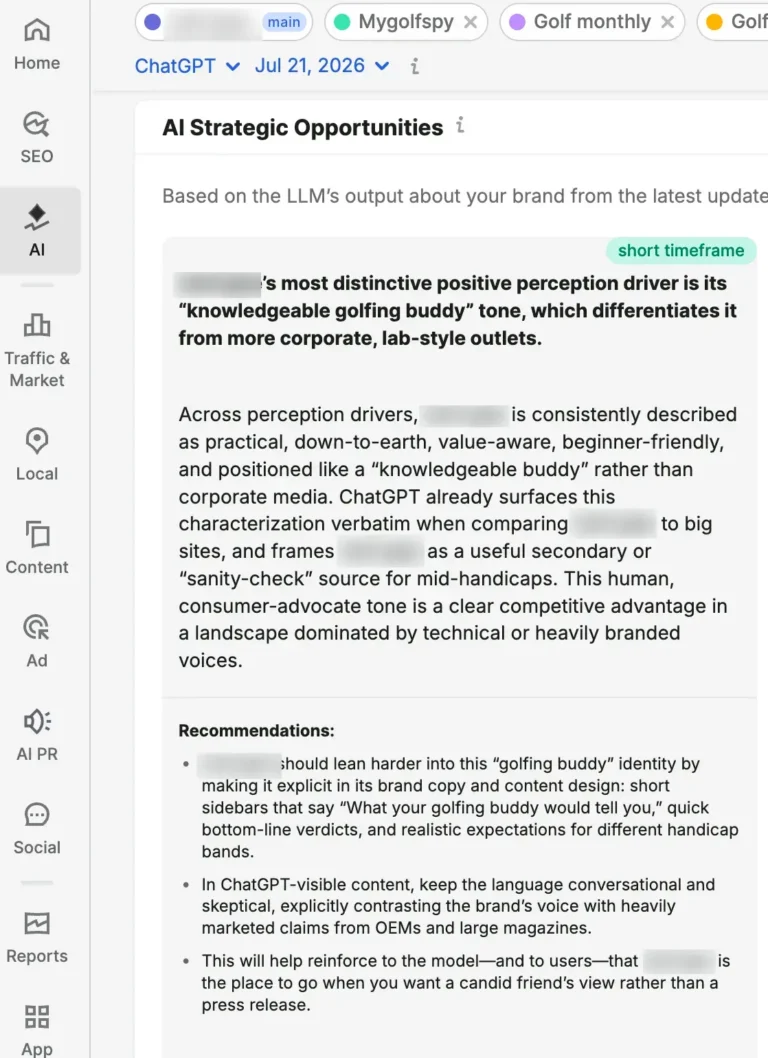
Competitor Advantage in AI Search Visibility: A common oversight in AEO strategies is the failure to monitor AI-generated content related to a brand’s industry or category. Competitors may be consistently mentioned in responses from AI tools like ChatGPT to queries posed by potential customers, a fact that may go unnoticed without dedicated tracking. Specialized AEO tools, such as HubSpot’s AEO offering, can provide an essential baseline assessment of a brand’s competitive standing across various answer engines.
-
The Amplifying Power of Third-Party Mentions: AI answer engines do not solely rely on a brand’s owned content. They synthesize information from a diverse array of sources, including customer review sites, social media platforms, online forums like Reddit, news publications, and other third-party mentions. This interconnectedness means that a brand’s AEO visibility is intrinsically linked to its broader online presence. A quiet social media strategy, a scarcity of customer reviews, or infrequent mentions on third-party sites can directly impact how a brand is represented in AI-generated answers.
Unearthing Actionable AEO Insights for Your Brand
While understanding the overarching AEO landscape is beneficial, the true impact comes from identifying and acting upon insights specific to one’s own brand. This involves pinpointing areas of visibility, identifying significant gaps, and strategizing content creation or modifications to bridge these discrepancies.
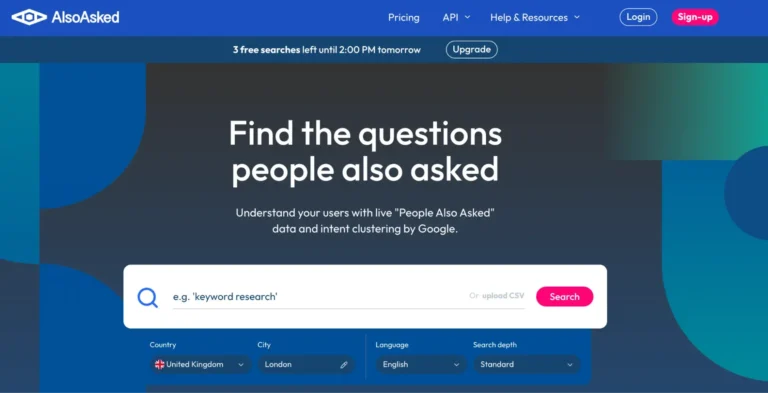
Dedicated AEO tools automate the process of monitoring AI responses, providing structured data that is far more reliable and scalable than manual prompting of AI models. These tools streamline the workflow, encompassing prompt tracking, visibility monitoring, citation analysis, and the development of actionable plans.
A Step-by-Step Approach to AEO Implementation (Using HubSpot AEO as an Example)

-
Setup: Defining Your Brand, Competitors, and Prompts: The initial phase involves establishing the parameters for tracking. This includes inputting your brand name, identifying key competitors, and compiling a list of prompts (questions) that prospective customers are likely to pose to answer engines. Advanced AEO tools can offer prompt suggestions based on existing CRM data, ensuring relevance to your specific audience and business objectives. Prompts can be further organized into thematic groups, such as by product line or customer segment, allowing for granular performance analysis.
-
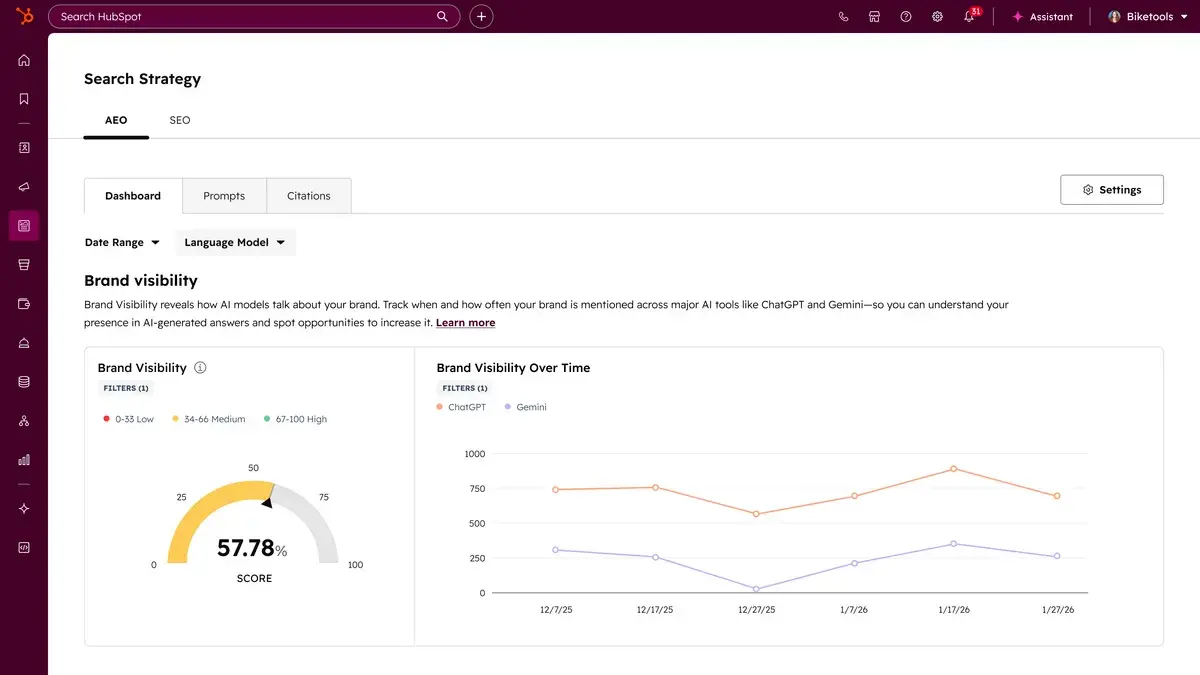
Brand Visibility Score Assessment: The Brand Visibility score quantifies how frequently a brand is mentioned in AI responses to monitored prompts. A score of 20%, for instance, would indicate that a brand appeared in 5 out of 25 tracked responses. This score serves as a crucial baseline, against which future improvements can be measured. The score can be further segmented by answer engine (e.g., ChatGPT, Perplexity, Gemini) and tracked over time to identify trends.
-
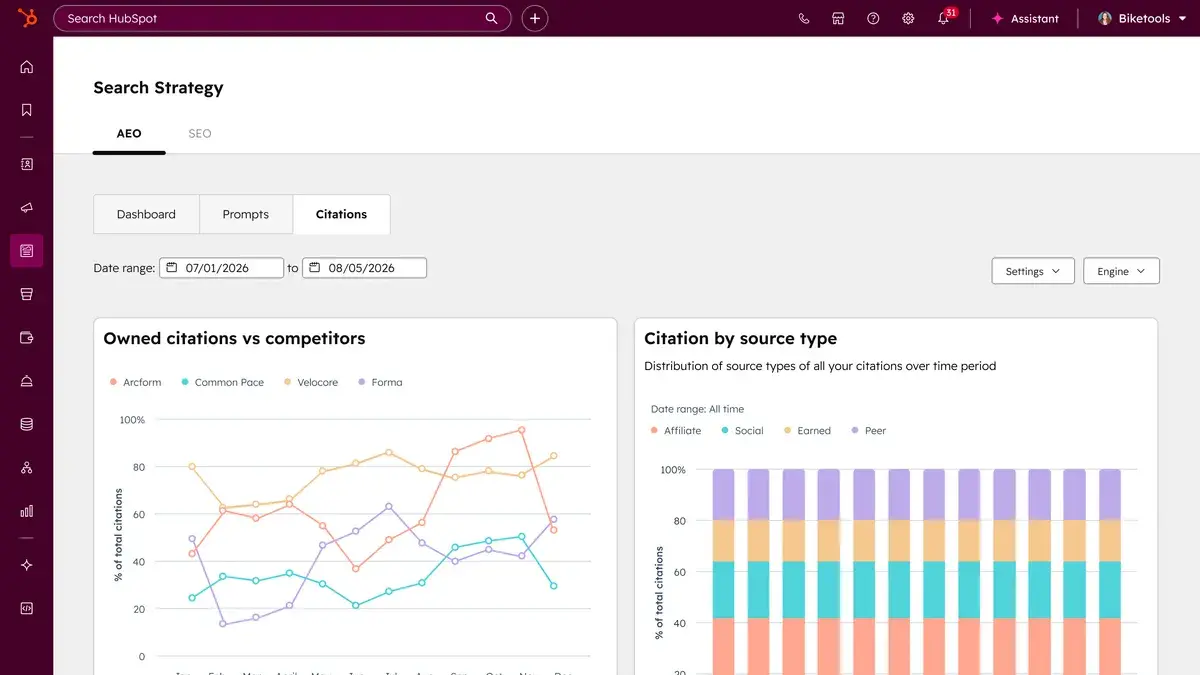
Competitive Analysis and Share of Voice: AEO is inherently competitive. Analyzing a brand’s Share of Voice reveals the proportion of brand mentions in AI responses attributed to that brand relative to its competitors. This metric provides a clear understanding of a brand’s standing within the AI-driven conversation. Identifying specific prompts where competitors are present and the brand is not highlights high-leverage opportunities for strategic intervention.
-
Citation Analysis: Understanding the sources AI engines rely on is key to effective optimization. The citation view within AEO tools breaks down the websites and content formats that answer engines reference. This analysis can be segmented by content type (e.g., blog posts, comparison lists), channel (owned content vs. third-party mentions), and individual domains. This intelligence informs content strategy, directing investment towards formats and platforms that are demonstrably influential in shaping AI responses.
-
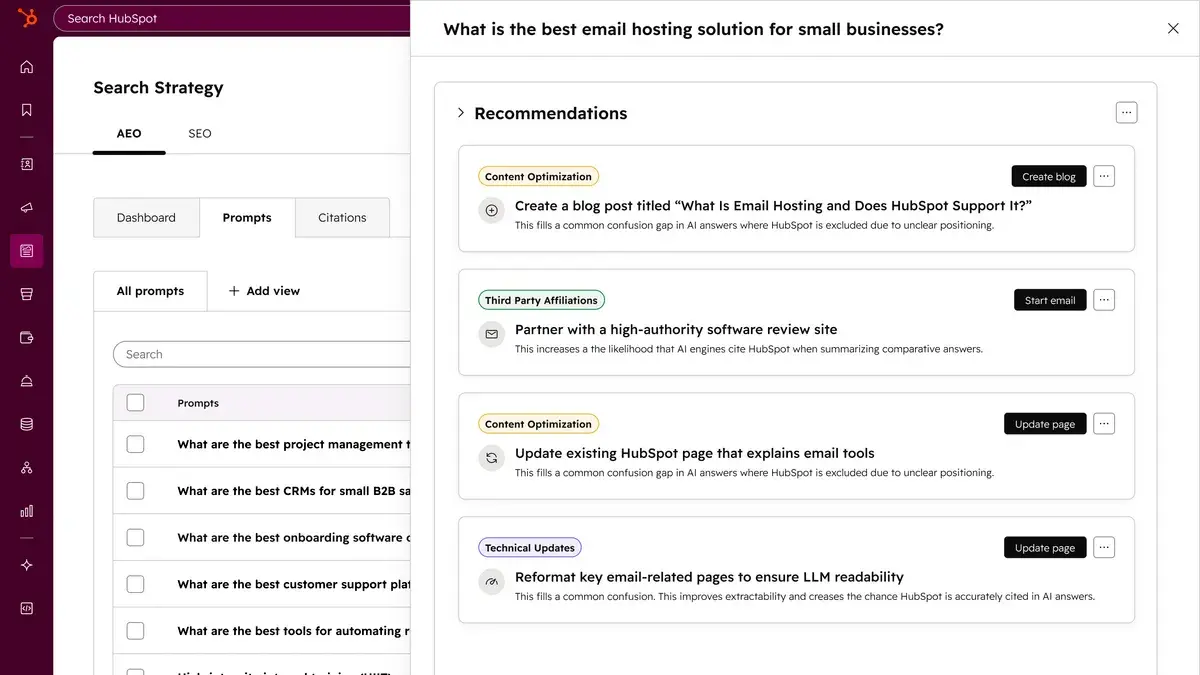
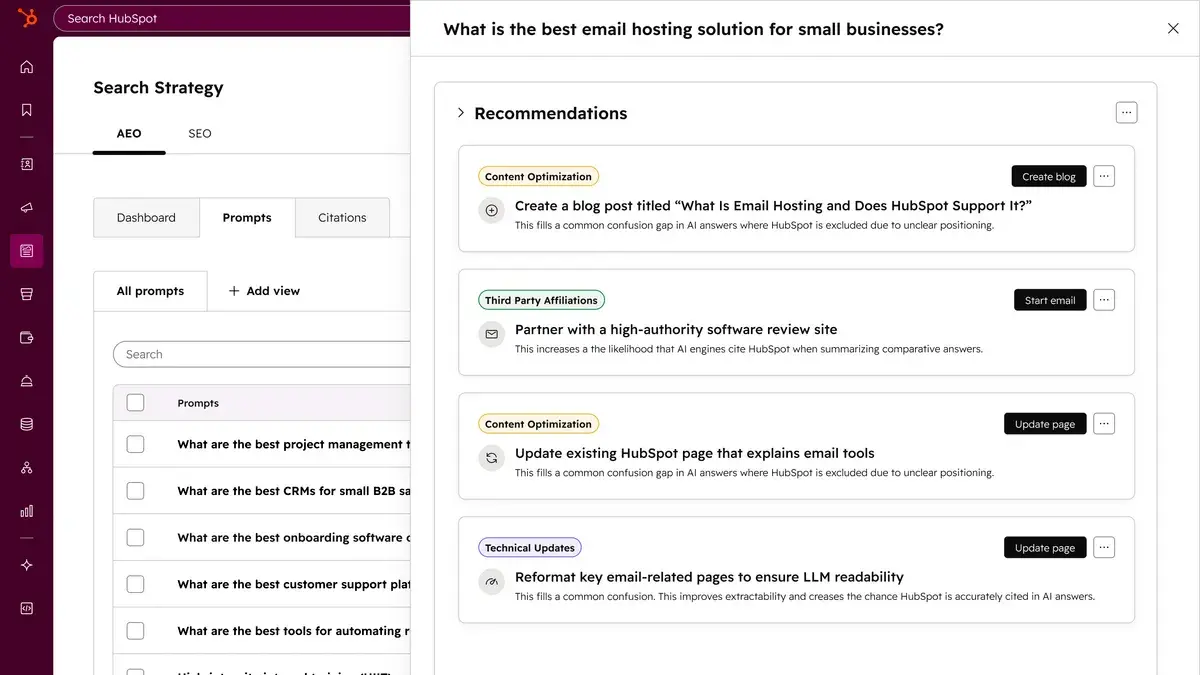
Actionable Recommendations: Raw data alone is insufficient. AEO tools translate performance and citation data into a prioritized list of recommendations for content creation and outreach. These recommendations are contextualized with suggested content titles, target audiences, keywords, and the underlying reasoning derived from prompt performance and citation patterns. This empowers marketers to understand the "why" behind each suggestion and to implement targeted actions.
-
Refined Filtering and Analysis: As AEO strategies mature, the ability to filter data by engine, date range, and prompt groups becomes essential. Different AI engines may exhibit varying preferences or data sources, necessitating tailored optimization efforts. Granular filtering allows marketers to focus resources on specific product lines, customer segments, or time periods, ensuring a more strategic and efficient approach.
Top Answer Engine Optimization Strategies for Enhanced AI Visibility
Closing AEO gaps requires a strategic focus on formatting, technical implementation, and content quality. The following best practices are crucial for improving a brand’s chances of being cited by AI engines.
Page Formatting for AI Citation
AI engines deconstruct web pages to extract specific information. Therefore, structured content is paramount.
- Clear Headings and Subheadings: Utilizing H1, H2, and H3 tags to logically organize content mirrors the hierarchical structure that AI models often seek. This aids in identifying key topics and supporting details.
- Concise and Direct Answers: AI models aim to provide direct answers. Content that explicitly addresses questions in a clear and straightforward manner is more likely to be synthesized into AI responses.
- Bullet Points and Numbered Lists: These formats facilitate the extraction of discrete pieces of information, making them easily digestible for AI.
- Well-Defined Paragraphs: Breaking content into manageable paragraphs with clear topic sentences enhances readability for both human and AI audiences.
- Key Information Placement: Placing the most critical information at the beginning of a page or section increases its prominence and likelihood of being cited.
Leveraging Schema Markup for AI Comprehension
Schema markup provides AI engines with structured, machine-readable context about a web page, reducing ambiguity and enhancing comprehension. While it doesn’t guarantee citation, it significantly improves the chances of a page being understood and utilized by AI.
- FAQPage Schema: Particularly effective for content that directly answers common questions, this schema explicitly defines question-and-answer pairs.
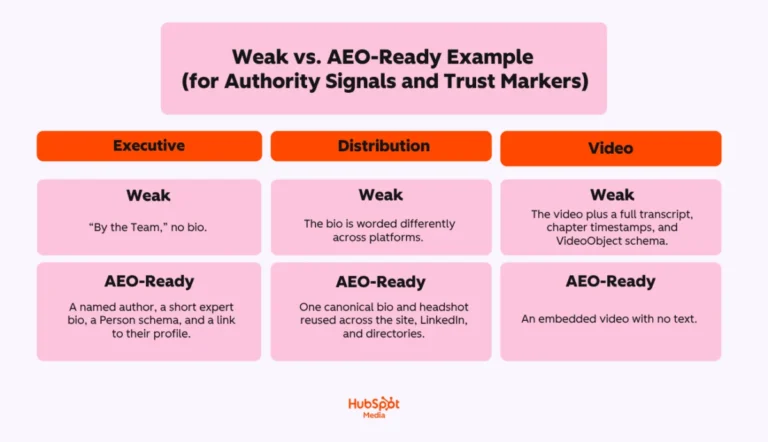
- Article Schema: For editorial content, Article schema provides essential context regarding the author, publisher, and publication date, aiding AI in understanding the source’s credibility.
- Product and Review Schema: For commercial pages, these schemas are vital for aligning with buyer-intent queries, offering details about products and customer feedback.
It is crucial to remember that schema markup is most effective when applied to high-quality, informative content. It acts as a facilitator for good content, not a remedy for poor content.
Technical Wins for Immediate AEO Impact
Certain technical optimizations can yield swift improvements in AI visibility.
- Optimized Meta Descriptions: While not directly read by users in AI answers, meta descriptions can influence how AI models interpret the primary topic and purpose of a page.
- Image Alt Text: Descriptive alt text for images aids AI in understanding the visual context of a page, contributing to a more comprehensive understanding of the content.
- Clear URL Structures: Simple, descriptive URLs help AI bots and users alike understand the content of a page.
- Mobile Responsiveness: Ensuring content is accessible and well-formatted across all devices is fundamental, as AI models are increasingly accessed via mobile interfaces.
- Page Speed Optimization: Faster loading times contribute to a better user experience and are a positive signal for AI models.
The Synergy of AEO and Inbound Marketing for Sustainable Growth
For organizations already invested in inbound marketing and content-led SEO, AEO offers a natural extension and amplification of their existing strategies. The foundational principles of creating helpful, authoritative, and trustworthy content are directly transferable to the AEO domain.
AEO introduces a broader spectrum of visibility signals. While traditional SEO heavily emphasizes on-page optimization and backlinks, AEO also accounts for a brand’s presence across review platforms, social media, forums, and news outlets. A blog post addressing a customer query can simultaneously drive organic traffic and increase the likelihood of being cited in AI-generated answers. Similarly, a positive review on a platform like G2 can bolster domain authority and serve as a cited source in AI recommendations for industry-specific tools.
Over time, consistent brand presence across multiple channels fosters a sense of "consensus" that AI engines recognize, a powerful signal driving AI recommendations. Brands with a long-standing commitment to inbound marketing may already possess a stronger AEO starting position than competitors who have primarily focused on paid acquisition.
However, AEO also illuminates potential blind spots that inbound marketing might not expose. A brand may rank highly in Google searches but remain invisible on platforms like ChatGPT for the same queries. AEO tools are designed to precisely identify these discrepancies, enabling targeted optimization efforts.
Practical Strategies for Optimizing for AI Answer Engines
Translating AEO principles into actionable steps requires a prioritized checklist.
Immediate Actions (Week 1):
- Define Core Prompts: Identify and document the most critical questions your target audience asks. Utilize CRM data if available for AI-generated prompt suggestions.
- Organize Prompts: Group prompts by product line or audience segment for focused performance tracking.
- Establish Competitor Benchmarks: Identify key competitors and initiate monitoring of their visibility within AI responses.
- Review Robots.txt: Ensure that AI crawlers like OAI-SearchBot are not inadvertently blocked, which would prevent your site from being cited.
Foundation Building (Weeks 2-4):
- Content Audit and Gap Analysis: Assess existing content for its relevance and clarity in addressing identified prompts.
- Schema Markup Implementation: Apply relevant schema markup to key pages, prioritizing FAQPage, Article, Product, and Review schema.
- On-Page Content Refinement: Optimize existing content for clarity, conciseness, and direct answers to common queries.
- Third-Party Presence Enhancement: Develop strategies to improve your brand’s visibility on review sites, social media, and relevant forums.
Ongoing Maintenance and Growth (Monthly Cadence):
- Regular AEO Data Review: Schedule monthly check-ins to monitor Brand Visibility trends, analyze new recommendations, and track the impact of implemented actions.
- Prompt Refinement: Continuously update and refine your list of tracked prompts based on evolving search trends and customer behavior.
- Competitor Monitoring: Stay vigilant regarding competitor strategies and their evolving presence in AI answers.
- Content Refresh and Expansion: Update existing content and create new assets based on AEO recommendations and identified gaps.
Frequently Asked Questions About AEO
-
AI Crawler Permissions (GPTBot vs. OAI-SearchBot): The decision to allow or block AI crawlers should align with business objectives. GPTBot is primarily for model training, while OAI-SearchBot facilitates cited responses in ChatGPT searches. Blocking OAI-SearchBot generally prevents citation in ChatGPT answers. It is advisable to review and adjust robots.txt settings to ensure eligibility for AI-generated citations.
-
Impactful Schema Markup: The most impactful schema is context-dependent. FAQPage schema is beneficial for Q&A content, Article schema for editorial pieces, and Product/Review schema for commercial pages. Schema should enhance the legibility of quality content, not compensate for its absence.
-
Tracking Traffic from AI Browsing: ChatGPT automatically appends
utm_source=chatgpt.comto outbound links, enabling tracking in most analytics platforms. For Perplexity, monitor referral traffic fromperplexity.ai. Establishing dedicated segments for these sources in analytics provides valuable insights into traffic volume, engagement, and conversion rates.
The integration of AEO into a comprehensive digital marketing strategy is no longer an option but a necessity. By understanding the evolving dynamics of AI search and implementing a data-driven approach, brands can secure their visibility and thrive in this new era of information discovery.
About the Author