The International Chamber of Commerce (ICC), the world’s largest business organization representing more than 45 million companies in over 170 countries, has undergone a profound metamorphosis over the last decade and a half. At the heart of this transition is Cyrille, a digital architect whose tenure has spanned the shift from foundational hardware installation to the sophisticated integration of artificial intelligence and global digital trade protocols. When Cyrille first joined the ICC over 15 years ago, the organization’s technological needs were focused on the tangible: upgrading network systems, streamlining manual workflows, and establishing reliable connectivity within the Paris-based headquarters. Today, his role serves as a critical nexus between complex business objectives and the rapidly evolving frontier of digital tools, ensuring that the ICC remains at the forefront of global trade facilitation.
The Evolution of Digital Infrastructure at the ICC
The initial phase of the ICC’s digital journey was characterized by the modernization of its physical and operational environment. During the early years of his tenure, Cyrille was tasked with a comprehensive overhaul of the organization’s network and information systems. This involved not only the digitization of day-to-day workflows but also the physical implementation of modern infrastructure. At the time, the project was considered a significant undertaking, requiring a ground-up approach to placing switches, wiring, and Wi-Fi access points to create a robust environment for staff.
This foundational period was marked by a high degree of creative freedom. The ICC leadership empowered the technical teams to explore various configurations and systems to determine what best suited the organization’s unique needs as a global rule-setter and policy advocate. By streamlining these internal processes, the ICC was able to move away from legacy systems that often hindered the speed of international communication and document processing.
As the years progressed, the focus shifted from hardware to software and ecosystem architecture. The emergence of cloud computing, advanced data analytics, and eventually, generative artificial intelligence, necessitated a shift in strategy. Cyrille’s role evolved from a technical implementer to a strategic architect responsible for the "digital ecosystem"—a term that encompasses the interconnected platforms, data streams, and digital products that allow the ICC to fulfill its mission of making business work for everyone, every day, everywhere.
A Strategic Approach to Emerging Technologies
In an era where organizations often rush to adopt the latest technological trends, the ICC maintains a disciplined and framework-driven approach. Cyrille emphasizes that the adoption of new technology, such as artificial intelligence, is never an end in itself. Instead, it is a response to specific business needs evaluated against the organization’s readiness.
The ICC utilizes a rigorous evaluation process for any new tool or platform. This framework ensures that:
- The business need is clearly identified and prioritized.
- The technology aligns with the ICC’s global standards for data privacy and security.
- The organization has the internal capacity to manage and scale the solution.
- The tool enhances, rather than complicates, the user experience for both staff and external stakeholders.
This cautious yet forward-thinking approach has allowed the ICC to avoid the pitfalls of "tech-washing"—adopting technology for the sake of appearance—and instead focus on tools that provide tangible value to the global business community.
The Digitization of the ATA Carnet System
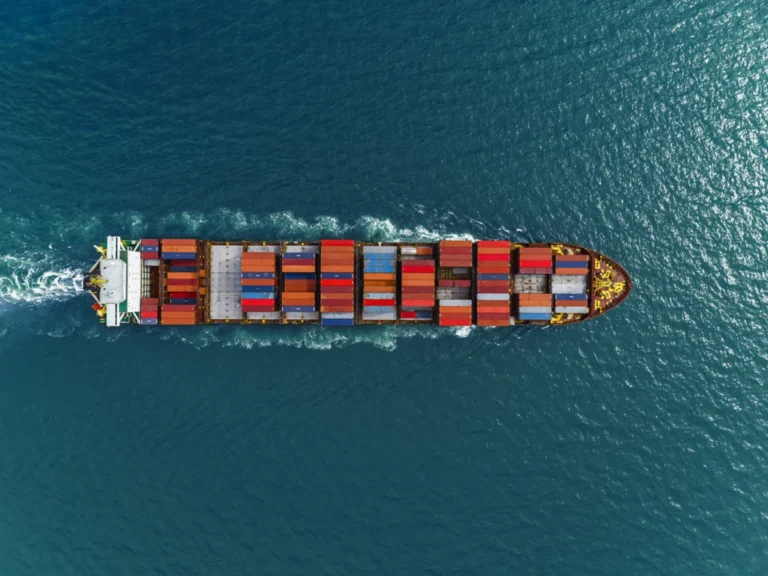
Perhaps the most significant milestone in Cyrille’s career and the ICC’s digital history is the digitization of the ATA Carnet system. Often referred to as the "Passport for Goods," the ATA Carnet is an international customs document that permits the tax-free and duty-free temporary export and import of non-perishable goods for up to one year. This system, governed by the ICC’s World Chambers Federation in collaboration with the World Customs Organization (WCO), had remained a paper-based process for over 60 years.
The transition from a physical document to a digital "eATA Carnet" was a monumental task that required years of coordination. As the project lead for this digitization effort, Cyrille had to navigate a complex landscape of international stakeholders, including national customs authorities, chamber of commerce networks, and logistics providers.
Chronology of the ATA Carnet Transformation:
- 1961: The ATA Convention is adopted, establishing the paper-based system.
- Early 2000s: Initial discussions regarding the modernization of customs documents begin at the WCO and ICC levels.
- 2010s: The ICC identifies the need for a unified digital platform to reduce fraud and improve processing speeds.
- 2018-2020: Development of the "Mercury II" system, the backbone of the eATA Carnet, gains momentum.
- 2021-Present: Pilot programs are launched in key markets, including Switzerland, the UK, and China, to test the real-time digital processing of goods across borders.
The success of the eATA Carnet project was not merely a technical achievement; it was a feat of international diplomacy. Cyrille notes that building relationships with diverse stakeholders was essential to turning the concept into a real-world solution. The digital version reduces the risk of loss or damage to documents, minimizes administrative errors, and allows for real-time tracking of goods, which is vital for modern supply chain management.
Bridging the Gap Between Business and Technology
One of the most complex aspects of Cyrille’s role is acting as a translator between two often-disparate worlds: technical development and business strategy. In a global organization like the ICC, projects involve a wide array of participants, including product owners, software developers, steering committees, and third-party service providers.
Each of these groups operates with different priorities. Developers may focus on code efficiency and system architecture, while business leaders are concerned with ROI, market impact, and policy alignment. Cyrille’s function is to ensure that the technical teams fully grasp the "why" behind a project—the business need—while simultaneously helping the business side understand the "how"—the technical constraints and possibilities.
This collaborative philosophy challenges the traditional view of IT as a reactive department that only intervenes when systems fail. Under Cyrille’s leadership, the technology team is a proactive partner that anticipates challenges before they manifest. By maintaining a continuous dialogue with colleagues across various departments—from arbitration and dispute resolution to trade finance and environment—the digital team can design solutions that are integrated into the very fabric of the ICC’s policy work.
Data and Impact: The Scale of ICC’s Digital Reach
The impact of the ICC’s digital transformation can be quantified through the sheer volume of global trade it facilitates. The ATA Carnet system alone covers over 80 countries and territories. Annually, approximately 185,000 Carnets are issued, covering goods valued at over $25 billion. The transition to digital formats is expected to reduce the administrative costs of trade by up to 10% for some SMEs, providing a significant "digital dividend" to the global economy.
Furthermore, the ICC’s digital initiatives align with broader global trends, such as the UNCITRAL Model Law on Electronic Transferable Records (MLETR). By advocating for and implementing digital standards, the ICC is helping to create a "paperless trade" environment that could add $1.2 trillion to G7 trade growth by 2026, according to various economic impact studies.
Broader Implications and Future Outlook
The digital revolution at the ICC is a microcosm of the broader shifts occurring in global governance and trade. As organizations move toward decentralized data models and blockchain-based verification, the role of the digital architect becomes increasingly centered on trust and interoperability.
For the ICC, the next frontier involves the deeper integration of AI to assist in the analysis of trade patterns and the automation of complex compliance checks. However, as Cyrille suggests, the human element remains the most critical component. The ability to harmonize the voices of thousands of experts and businesses into a single, cohesive digital strategy is what allows the ICC to remain a relevant and powerful force in the 21st century.
The transformation led by figures like Cyrille ensures that the ICC is not just keeping pace with technology but is actively shaping the digital standards that will govern international commerce for the next 60 years. By fostering an environment of collaboration and disciplined innovation, the ICC is proving that even century-old institutions can lead a digital revolution that benefits the global economy.
In conclusion, the journey from "placing switches and wires" to architecting a global digital trade ecosystem reflects a broader narrative of resilience and adaptation. As the ICC continues to expand its digital footprint, the focus will remain on the core mission: using technology as a bridge to connect markets, empower entrepreneurs, and ensure that the benefits of global trade are accessible to all. Cyrille’s work stands as a testament to the power of aligning technical expertise with a clear, mission-driven purpose.
About the Author