The digital information landscape is undergoing a profound transformation, with artificial intelligence rapidly becoming the primary gateway for consumers seeking answers. A recent report by McKinsey indicates that 50% of consumers now leverage AI-powered search, and a staggering 70% utilize these tools for asking questions and gathering information. This seismic shift necessitates a fundamental evolution in Search Engine Optimization (SEO) strategies, ushering in the era of Answer Engine Optimization (AEO). SEO leaders are now tasked with ensuring their brands not only rank on the first page of traditional search results but also gain visibility within AI-generated answers across platforms like Google AI Overviews, ChatGPT, and Perplexity.
This burgeoning demand for AI-driven information retrieval has spurred the development of specialized tools designed to help marketers navigate this new frontier. Among the prominent solutions emerging are Profound AI and Peec AI, platforms dedicated to assisting marketing teams in monitoring, measuring, and optimizing their content for search generative experiences (SGE) and tracking how AI answer engines represent their brands. As AEO solidifies its position as a strategic imperative, a clear understanding of the capabilities and distinctions between these two platforms is crucial for informed decision-making. This analysis delves into what Profound AI and Peec AI offer, their key differences, and how each can support a brand’s evolving AEO strategy.
The Imperative for AI Visibility Tools
The increasing reliance on AI for information discovery presents both challenges and opportunities for brands. AI answer engines are not merely aggregators of information; they are becoming trusted sources, influencing consumer perceptions and purchasing decisions. Understanding how a brand is referenced, cited, and associated with specific search queries within these AI environments is paramount. This requires a new breed of analytics that goes beyond traditional SEO metrics.

Both Profound AI and Peec AI address this critical need by providing visibility into how brands appear within AI-generated responses. While they share the overarching goal of enabling Answer Engine Optimization (AEO), they diverge in their approach, depth of analysis, and intended user base. Marketers are increasingly evaluating these platforms to ascertain which best aligns with their current needs and future growth aspirations in the AI-driven search ecosystem.
Peec AI: Simplicity and Speed for Actionable Insights
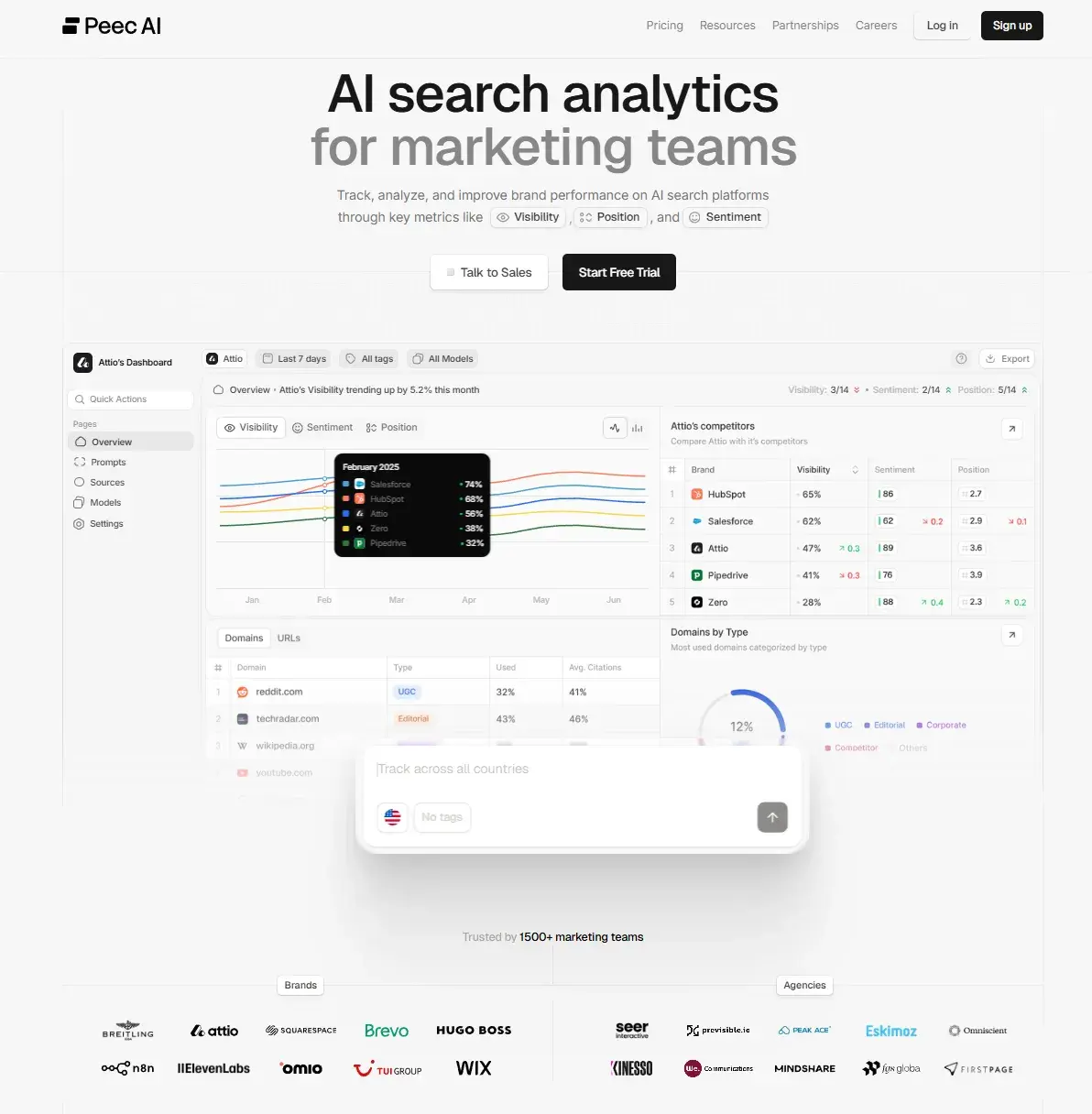
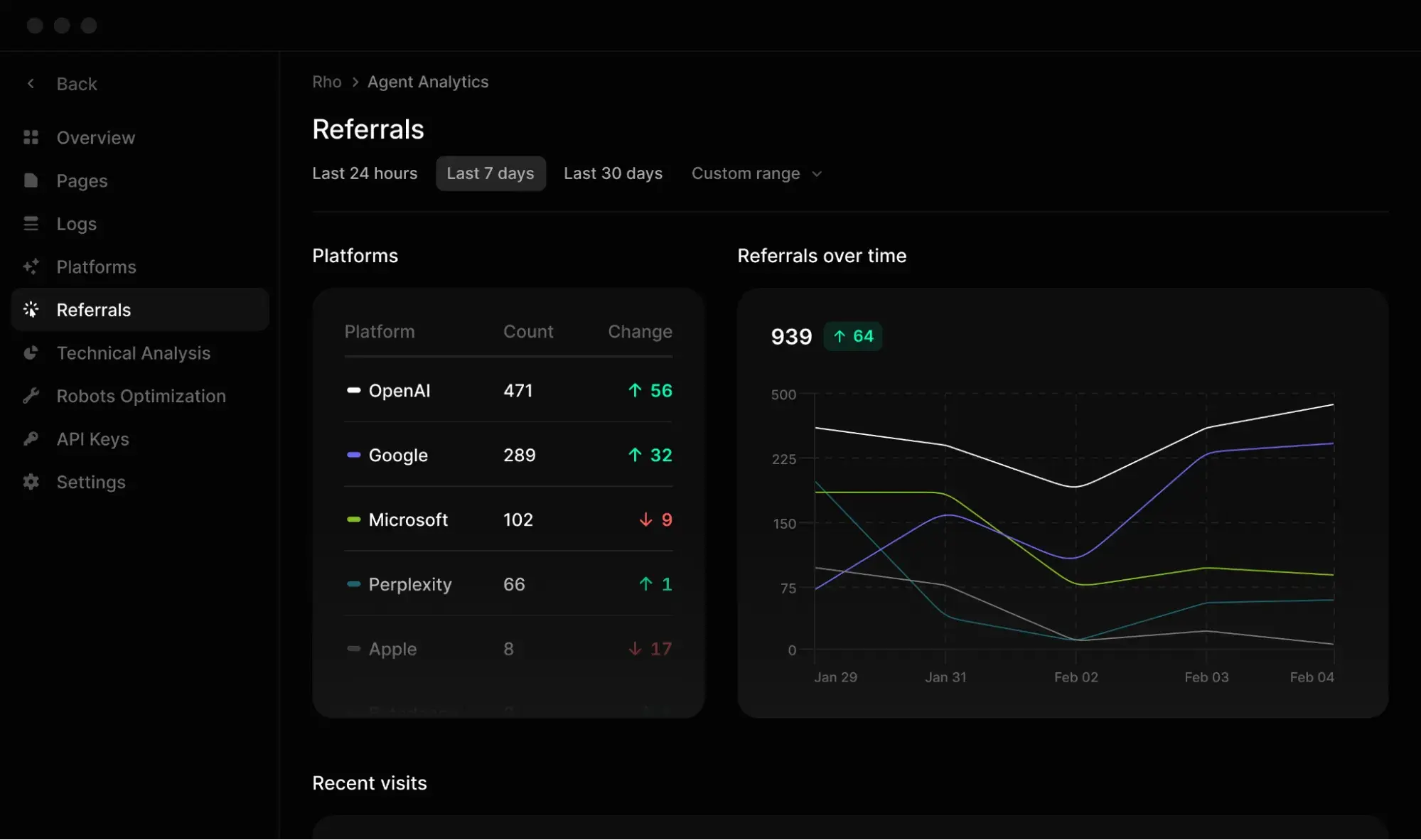
Peec AI positions itself as an AI visibility and search analytics platform focused on delivering rapid insights into a brand’s presence across AI answer engines. Its core functionality revolves around tracking key AEO metrics, including:
- Brand Mentions: Identifying instances where a brand is referenced in AI-generated answers.
- Citations: Monitoring how often a brand’s content or website is cited as a source by AI models.
- Competitive Presence: Understanding how a brand stacks up against competitors within AI search results.
- Sentiment Analysis: Gauging the overall tone and perception of brand mentions within AI responses.
- Query Association: Revealing the specific search queries that trigger mentions of a brand in AI answers.
Peec AI’s primary strength lies in its user-friendly interface and the speed at which it surfaces actionable data. The platform is designed to provide clear, easily digestible metrics, enabling teams to quickly benchmark their performance and identify areas for improvement without requiring extensive technical setup or complex integrations. This makes Peec AI particularly well-suited for:
- Startups and Small to Medium-Sized Businesses (SMBs): Organizations that may have limited resources for complex analytics tools and require a straightforward path to understanding their AI visibility.
- Marketing Agencies: Professionals managing multiple clients who need to quickly assess and report on AI performance across diverse portfolios.
- Teams New to AEO: Marketers looking for an accessible entry point into the world of AI search optimization, prioritizing ease of use and rapid deployment.
The trade-off for Peec AI’s simplicity is a more focused approach on measurement rather than deep operational integration. While it excels at providing the "what" and "where" of a brand’s AI visibility, it offers fewer built-in tools for directly translating these insights into execution across content creation and existing marketing workflows.

Profound AI: Enterprise-Grade Depth and Operational Integration
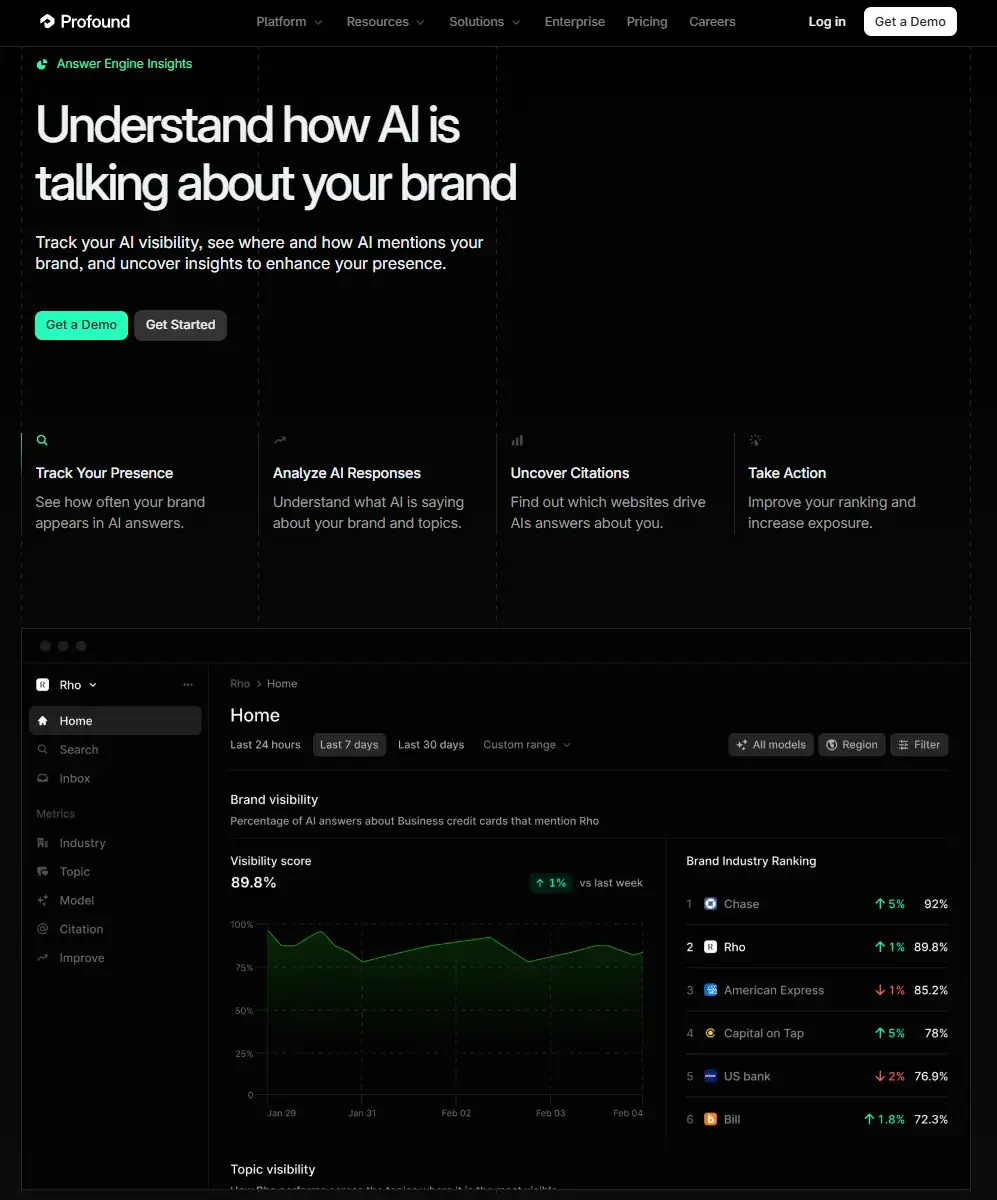
Profound AI emerges as an enterprise-grade AEO platform engineered for both measuring AI visibility and actively enhancing it. Its core differentiator is its emphasis on actionability at scale. Similar to Peec AI, Profound tracks mentions, citations, and brand presence across various AI systems. However, it extends its capabilities with:
- Deep Content Analysis: Profound offers granular insights into how content is analyzed and utilized by AI models, providing a deeper understanding of the underlying factors influencing AI responses.
- Advanced Competitive Benchmarking: The platform provides sophisticated tools for analyzing competitor strategies within AI search, identifying tactical advantages and potential threats.
- Workflow Integrations: Profound is built to seamlessly integrate with existing marketing technology stacks, enabling AEO data to be embedded directly into content management systems, CRMs, and productivity tools.
- Actionable AI Optimization Tools: Beyond reporting, Profound provides features that guide teams in actively optimizing their content and digital presence for AI answer engines.
- Scalable Deployment: Designed for larger organizations, Profound offers robust features for managing AEO initiatives across multiple teams, regions, and brands.
Profound is strategically positioned for organizations that aim to operationalize AEO, linking AI visibility data directly to content strategy, SEO workflows, and ultimately, business outcomes. This makes it an ideal choice for:
- Large Enterprises: Companies with complex marketing structures, global reach, and a need for sophisticated data governance and compliance.
- Data-Driven Marketing Teams: Organizations that require deep analytical insights to inform strategic decisions and measure the ROI of their AEO efforts.
- Teams Focused on Content Strategy: Brands looking to understand how their content performs within AI generative experiences and optimize it for maximum impact.
The primary consideration with Profound AI is its inherent complexity. Compared to Peec AI, it may require a more significant investment in onboarding and ongoing management to fully leverage its extensive capabilities. However, for organizations committed to embedding AEO into their core marketing operations, Profound offers a comprehensive solution.
The Broader Implications of Answer Engine Optimization
The rise of AI search tools like Google AI Overviews, ChatGPT, and Perplexity signifies a fundamental shift in how users interact with the internet. Traditional search engine results pages (SERPs), dominated by a list of blue links, are being augmented and, in some cases, replaced by direct, synthesized answers. This evolution means that a brand’s visibility is no longer solely determined by its ability to rank for specific keywords. Instead, it hinges on its ability to be recognized, cited, and presented favorably within AI-generated narratives.
This paradigm shift has far-reaching implications for marketers:
- Content Strategy Recalibration: Content needs to be not only optimized for human readers but also structured and nuanced to be easily understood and utilized by AI models. This includes a focus on factual accuracy, clear attribution, and comprehensive information.
- Reputation Management in AI: The sentiment and accuracy of brand mentions within AI answers can significantly impact public perception. Proactive monitoring and management are essential.
- Competitive Landscape Redefined: Competitors are not just vying for traditional search rankings but also for prominence within AI-generated responses. Understanding this new competitive dynamic is crucial.
- Measurement Evolution: Traditional SEO metrics are insufficient. AEO requires new benchmarks for measuring brand presence, influence, and effectiveness in AI-driven information discovery.
Tools like Profound AI and Peec AI are vital in helping marketers adapt to this new reality. They provide the intelligence needed to understand how brands are being perceived and represented in these nascent but rapidly growing AI information channels.
Profound vs. Peec AI: A Detailed Comparison
To make an informed decision, a granular comparison of Profound AI and Peec AI across key functional areas is essential.
Supported AI Engines and Platform Coverage
The breadth of AI engines a platform can monitor is a critical factor, given the diverse and expanding ecosystem of AI search tools.
-
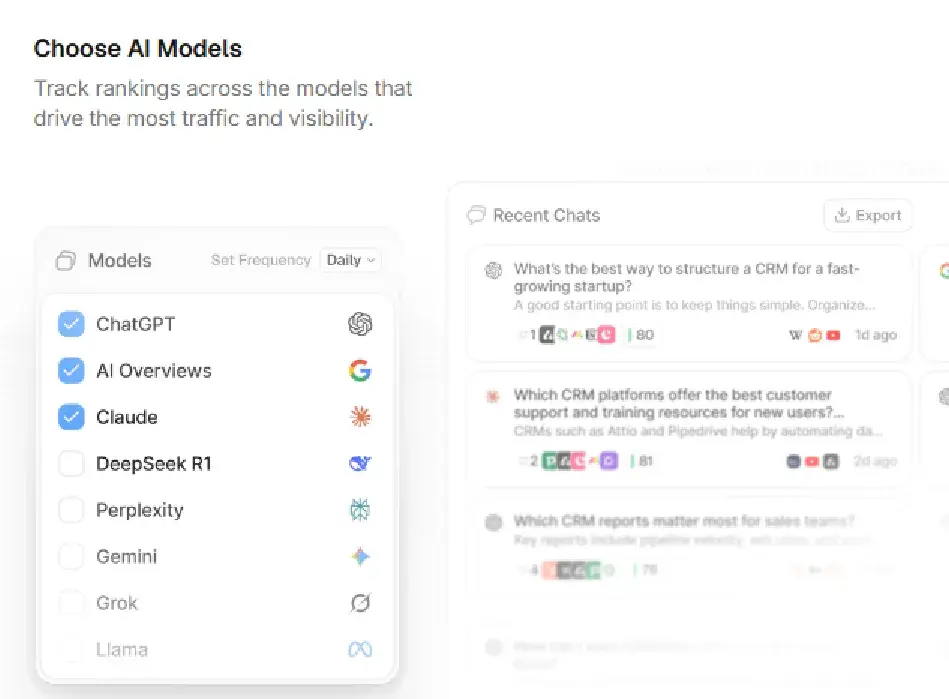
Peec AI: While Peec AI supports major answer engines like Google AI Overviews, ChatGPT, and Perplexity, its tiered plans restrict users to tracking a select number of engines (typically three) on its Starter, Advanced, and Pro tiers. Additional engines can be purchased. The Enterprise plan offers unlimited engine coverage, including emerging models like Grok, Claude, and future iterations of GPT. This approach allows for flexibility, but requires careful consideration of which engines are most relevant to a specific brand’s audience.
-
Profound AI: Profound’s platform coverage varies by plan. The Starter plan is limited to ChatGPT. To access broader coverage including Perplexity and Google AI Overviews, an upgrade to the Growth plan is necessary. The comprehensive Enterprise plan includes a wide array of engines such as Gemini, Copilot, Meta AI, Grok, DeepSeat, Claude, and more. Profound’s use of front-end capture for AI answer tracking aims to provide a real-time view of how responses are presented.
Analysis: For comprehensive, multi-engine tracking from the outset, Profound’s higher-tier plans offer broader coverage. Peec AI’s tiered approach can be cost-effective for brands focusing on a specific set of key AI platforms, with the option to scale coverage as needed.
Reporting Depth and Competitive Intelligence
The value of any AI visibility tool hinges on its ability to translate data into actionable insights.
-
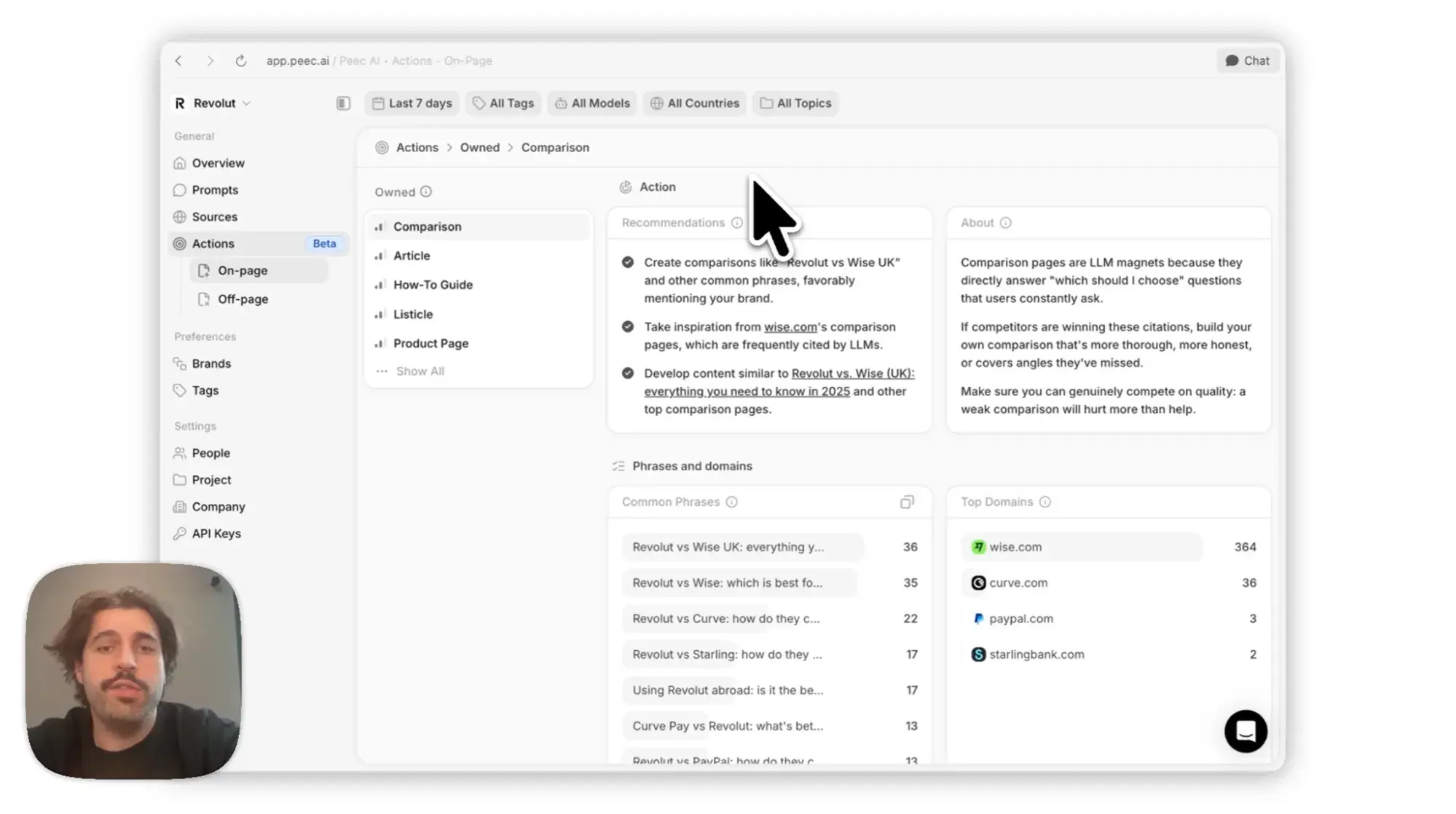
Peec AI: Peec AI distinguishes itself with its "Act on Insights" feature. This functionality translates raw AEO data into concrete, strategic recommendations. Instead of simply presenting metrics, Peec suggests specific actions, such as enhancing presence on relevant review platforms or engaging in community discussions that are driving AI citations. This focus on immediate, practical steps empowers marketers to prioritize their efforts effectively based on what is demonstrably influencing AI answers.
-
Profound AI: Profound offers deeper analytical capabilities, emphasizing granular insight into the structure and context of AI responses. Its front-end capture method allows for detailed examination of how answers are formulated, cited, and positioned relative to competitors. This depth of analysis is particularly valuable for advanced AEO programs, enabling more deliberate content optimization and strategic planning based on a thorough understanding of competitive dynamics and prompt influence.
Analysis: Peec AI excels in providing clear, actionable recommendations for immediate implementation, making it ideal for teams that need to quickly translate data into action. Profound AI offers more in-depth analytical power, suited for organizations that require a comprehensive understanding of competitive AI strategies and wish to conduct highly nuanced content optimization.
Integrations and Workflow Connectivity
Seamless integration with existing marketing technology stacks is crucial for operationalizing AEO insights.
-
Peec AI: Peec AI provides flexible data export and integration options. It features a Looker Studio integration for customizable dashboard creation, allowing AEO metrics to be visualized alongside other performance data. Additionally, a data API and CSV exports are available for pulling visibility data into existing workflows. While these options facilitate data centralization, Peec AI’s direct integration footprint beyond Looker Studio and its API is relatively limited, potentially requiring manual processes for deeper enterprise system connectivity.
-
Profound AI: Profound boasts a more extensive ecosystem of integrations designed to embed AEO insights directly into content and marketing workflows. Its "Profound Agents" connect natively with popular content management systems (CMS) like WordPress, Sanity, Contentful, and Webflow, as well as productivity tools such as Slack and Gamma, and Google Search Console. This native connectivity allows teams to act on AEO data without leaving their preferred platforms, streamlining content updates, and facilitating cross-functional collaboration.
Analysis: Profound AI demonstrates a clear advantage in terms of integration depth and workflow connectivity. Its native integrations into CMS and collaboration tools enable a more seamless operationalization of AEO insights, reducing friction and enhancing productivity for teams already invested in these platforms.
Pricing Structure, Onboarding, and Scalability
The financial and operational investment required for AEO tools is a significant consideration.
-
Peec AI: Peec AI is recognized for its competitive pricing and rapid onboarding process, making it an accessible option for startups, mid-market businesses, and agencies. The platform offers a 7-day free trial, followed by paid packages that start at a more approachable price point. Its robust knowledge base and video tutorials further facilitate a quick and efficient setup, appealing to organizations that prioritize speed to insight and a gradual scaling approach.
-
Profound AI: Profound is positioned more towards the enterprise market, with pricing structures that reflect its advanced capabilities and broader feature set. While a free trial is often advertised, its pricing typically begins at a higher threshold. The onboarding process is generally more involved, aligning with enterprise procurement cycles and the need for structured implementation, stakeholder alignment, and governance. This approach is designed for larger organizations requiring robust data controls, auditability, and scalable deployment across global teams.
Analysis: For businesses prioritizing cost-effectiveness and rapid deployment, Peec AI offers a more accessible entry point. Profound AI’s pricing and onboarding model are more aligned with enterprise-level investments, offering comprehensive features and support for large-scale, complex deployments.
Considering Alternatives: HubSpot’s AEO Grader
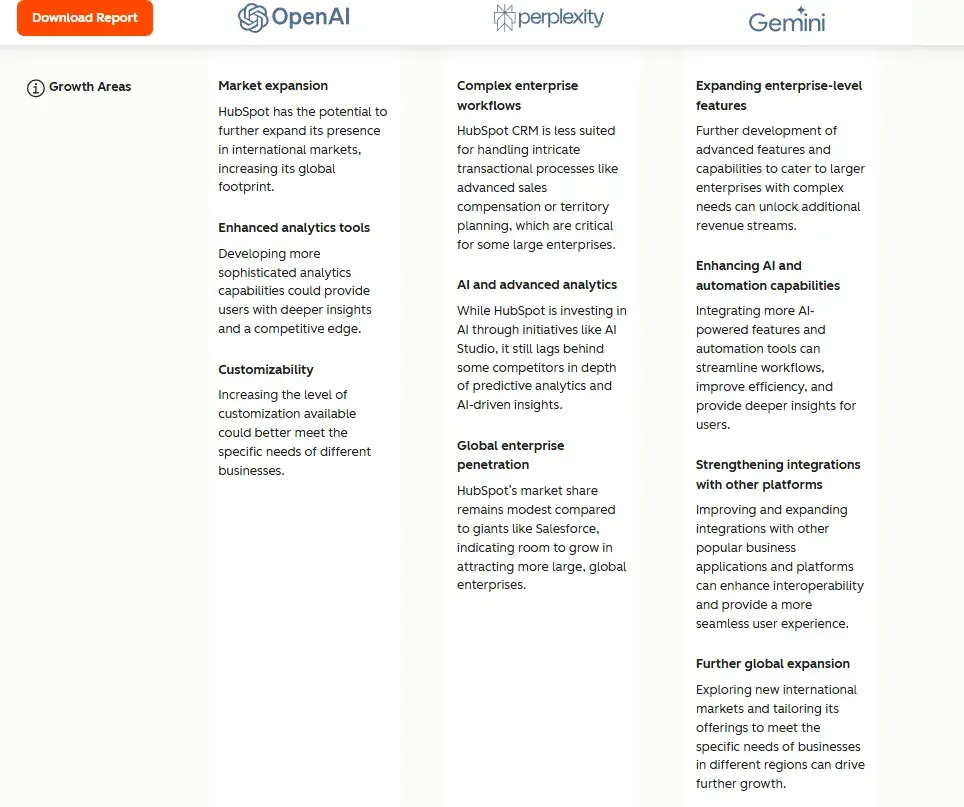
In parallel to dedicated platforms like Profound and Peec AI, broader marketing technology providers are also entering the AEO space. HubSpot, a prominent player in inbound marketing and CRM, has introduced its own AEO Grader tool and a dedicated AEO product.
-
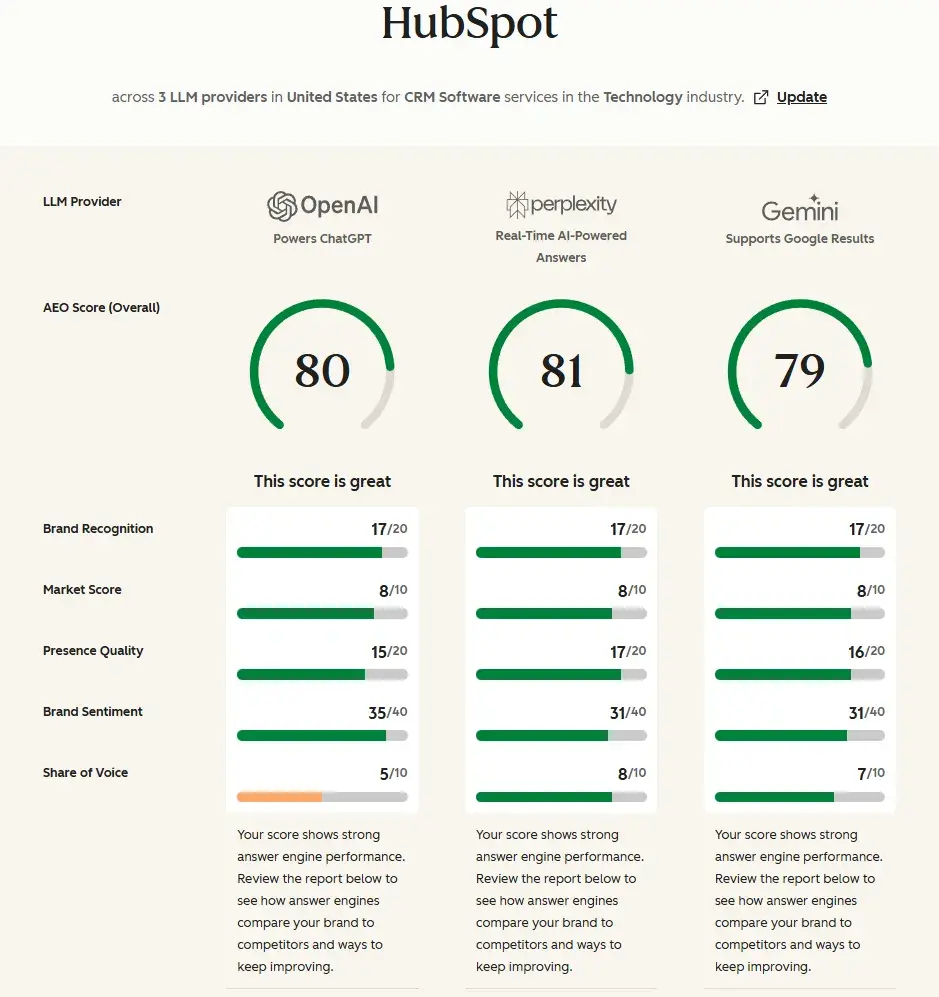
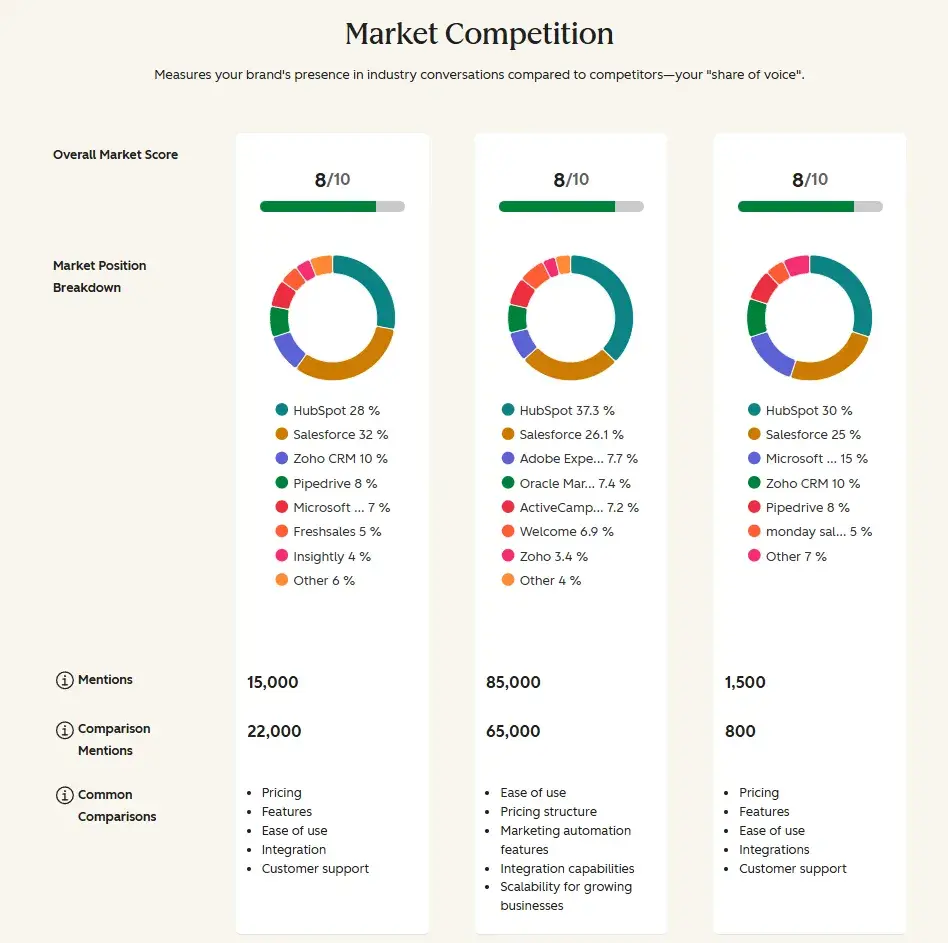
HubSpot’s AEO Grader: This free tool offers a valuable initial assessment of a brand’s AI visibility. It provides a snapshot of how answer engines represent a brand, including sentiment analysis, share of voice, and competitive positioning, along with specific recommendations for improvement. The grader serves as an excellent starting point for benchmarking current performance and understanding the potential of AEO.
-
HubSpot AEO: This comprehensive offering aims to provide in-depth AEO analysis and ongoing AI visibility strategy. It includes features such as continuous AI visibility monitoring, competitor analysis, and sentiment tracking. Critically, HubSpot AEO integrates directly with its existing content and social media tools, allowing teams already within the HubSpot ecosystem to act on AEO insights without leaving the platform. This integration offers a significant advantage for HubSpot users looking to consolidate their marketing efforts.
Analysis: For existing HubSpot users, HubSpot’s AEO offerings present a compelling integrated solution. The free AEO Grader is an invaluable resource for initial assessment, while the full AEO product promises seamless workflow integration within a familiar environment.
Frequently Asked Questions About Profound vs. Peec AI for AEO
What is the main difference between Profound and Peec AI for Answer Engine Optimization?
Profound focuses on deep analytics, extensive engine coverage, and enterprise-grade integration for comprehensive AI interpretation. Peec AI prioritizes straightforward visibility tracking and actionable recommendations, enabling quick identification of brand presence and strategic next steps.
Which AI engines and platforms do Profound and Peec AI monitor?
Peec AI supports major platforms, with tiered plans allowing selection of up to three engines, or unlimited coverage on its Enterprise plan. Profound also offers broad coverage, with its Starter plan focused on ChatGPT and higher tiers including Perplexity, Google AI Mode, Gemini, Copilot, Grok, and more.
Does Profound or Peec AI offer better enterprise-grade features and compliance?
Profound is generally stronger in enterprise readiness, offering features designed for security, governance, and large-scale deployments. Its compliance and integration capabilities are often preferred by organizations in regulated industries. Peec AI is valuable for rapid adoption and clear insights but may require additional manual processes for stringent enterprise governance.
Is Profound or Peec AI better suited for agencies managing multiple clients?
Peec AI’s competitive pricing and ease of onboarding make it attractive for agencies needing to quickly implement AEO tracking across numerous clients. Profound can also serve agencies, particularly those supporting enterprise clients with complex global strategies, where its depth and governance features are more aligned.
Conclusion: Choosing the Right AEO Platform for Sustainable Growth
The selection between Profound AI and Peec AI for AEO ultimately depends on a team’s specific requirements, operational maturity, and growth stage.
Peec AI is an excellent choice for organizations that need to quickly understand their AI visibility, benchmark competitors, and generate clear, actionable insights without a substantial implementation overhead. It is particularly well-suited for teams early in their AEO journey or those prioritizing speed and simplicity in their approach.
Profound AI delivers its most significant value when AEO is recognized as a core growth lever, demanding deeper analytics and seamless integration into existing content, CRM, and reporting workflows. For organizations aiming to operationalize AEO at scale and directly link AI visibility to tangible business outcomes, Profound provides the robust infrastructure required for sustained execution and optimization.
Before committing to any platform, a foundational understanding of current AI visibility is crucial. Tools like HubSpot’s AEO Grader offer a free, no-obligation assessment, providing essential visibility snapshots, competitive insights, sentiment analysis, and practical recommendations. This initial data-driven benchmark empowers marketers to make informed decisions about the most suitable AEO solution, whether it be Profound, Peec AI, or another emerging platform, ensuring a strategic approach to navigating the evolving AI search landscape for sustainable growth.
About the Author