Organic search continues to be a cornerstone of effective marketing, delivering some of the most robust returns. However, the advent of sophisticated AI search engines like Google AI Overviews, Perplexity, and ChatGPT has fundamentally reshaped the buyer research process. In 2026, marketing teams can no longer afford to solely optimize for traditional search engine rankings; invisibility in AI-generated answers translates directly to invisibility to potential customers. This necessitates a strategic re-evaluation of content optimization tools, focusing on those that can navigate this new AI-driven paradigm. This guide delves into the leading content optimization tools available in 2026, categorized by their primary use cases, to help businesses build or enhance their content stacks for maximum impact.
The Shifting Tides: Why Traditional SEO Isn’t Enough
For years, Search Engine Optimization (SEO) has been the guiding star for content creation, aiming to improve visibility and drive organic traffic. Tools focused on keyword research, on-page optimization, and backlink analysis were paramount. Yet, the emergence of generative AI in search has introduced a new layer of complexity. AI search engines don’t simply rank sources; they synthesize information, often presenting a consolidated answer that may not directly link to the original source. This means content that perfectly aligns with traditional SEO metrics might be overlooked by these new AI systems, leaving businesses with a significant gap in their digital visibility.
The implications are profound. A brand that fails to appear in AI-generated answers risks losing out on a substantial portion of user searches. This shift demands a proactive approach, integrating AI-specific optimization strategies into existing content workflows. The tools highlighted below are designed to address these evolving needs, offering solutions for every stage of the content lifecycle, from initial research to ongoing performance analysis.
Categories of Content Optimization Tools
Content optimization tools are designed to elevate content quality, enhance search engine discoverability, and ultimately improve conversion rates. While many tools offer overlapping functionalities, they can be broadly categorized to help marketers identify solutions tailored to their specific needs. These categories include:
- On-Page Optimization and Content Scoring: Tools that analyze and score content against top-ranking competitors, providing actionable recommendations for improvement. They often leverage Natural Language Processing (NLP) and semantic analysis rather than relying on basic keyword density metrics.
- Research, Briefs, and Content Writing Accelerators: Solutions that aid in strategic planning, facilitate the creation of comprehensive content briefs, and expedite the first-drafting process, all while ensuring content is grounded in relevant data and user intent.
- Internal Linking and Site Structure Support: Tools that help build a robust internal linking strategy and optimize website architecture. Strong internal linking is crucial for search engines to understand topical authority, enhance crawlability, and distribute link equity across a site, leading to compounded benefits over time.
- Experimentation and Content QA: Platforms that facilitate testing of content performance and the auditing of existing content before republishing, ensuring continuous improvement and relevance.
- Performance Reporting and Strategy Tools: Solutions that bridge the gap between content creation and demonstrable business results, helping to measure the ROI of content optimization efforts.
The Best Content Optimization Tools by Use Case
An effective content strategy in 2026 requires a synergistic combination of SEO optimization software with specialized tools for research, AI visibility, and robust reporting. The following breakdowns are organized by category, detailing what each tool does, who it serves best, and how it can be integrated into a comprehensive content stack.

On-Page Optimization and Content Scoring
These tools are critical for refining individual pieces of content to ensure they meet both search engine and user expectations. They move beyond simple keyword stuffing to analyze the semantic relevance and comprehensiveness of content.
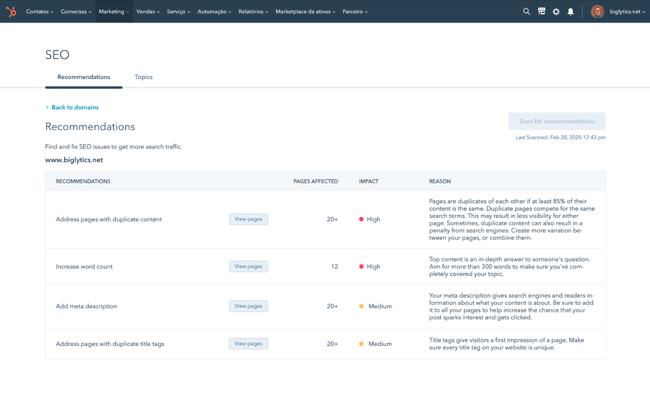
HubSpot SEO Marketing Software
HubSpot’s integrated SEO Marketing Software, part of Marketing Hub, offers a centralized dashboard for monitoring SEO performance, generating on-page recommendations, and structuring topic clusters. A key advantage of this tool is its seamless integration with HubSpot’s Customer Relationship Management (CRM) system. This connection allows marketing teams to directly link SEO efforts to tangible business outcomes like lead generation and pipeline growth, a feature often absent in standalone SEO tools.
- Key Features: Comprehensive on-page SEO recommendations, topic cluster management, integrated content calendar, performance tracking tied to CRM data.
- Best For: Marketing teams already utilizing the HubSpot ecosystem who seek an integrated SEO solution. It is particularly well-suited for mid-market and enterprise organizations aiming to demonstrate content ROI across the entire customer journey.
- Pro Tip: For enhanced AI search visibility, the HubSpot for Marketers bundle includes Answer Engine Optimization (AEO), consolidating traditional SEO and AI search insights within a single platform.
- Expert Insight: Rob Freedman, VP of Marketing at SureCam, highlights the value of HubSpot’s content tools: "I use HubSpot’s content editor, SEO recommendations, and content calendar to plan, publish, and optimize website and blog content, then tie each asset directly to campaigns so I can report on pipeline and revenue impact in our CRM."
Clearscope
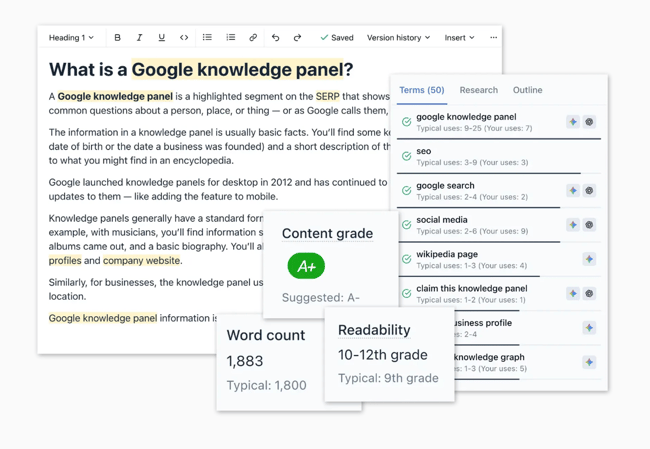
Clearscope is a robust content discoverability platform that supports the entire content workflow, from initial topic research and AI-assisted drafting to on-page optimization, content monitoring, internal linking, and AI search visibility tracking across platforms like ChatGPT and Gemini.
- Key Features: Advanced content grading, keyword term suggestions, readability scoring, AI-assisted content creation, query fan-out for AI search strategy, unlimited user seats.
- Pricing: Starts at $129 per month.
- What I Like: Clearscope’s intuitive interface and speed make it easy for teams to adopt. The "query fan-out" feature is particularly valuable for AI search strategies, enabling teams to understand the downstream searches that AI platforms generate, thereby informing content creation for broader visibility.
- Best For: Enterprise content teams and agency partners seeking a unified platform for on-page optimization and AI search visibility, benefiting from its unlimited user seats and per-seat pricing model.
- Expert Insight: Cassy Aite, co-founder of Postbeam.ai and Hoppier.com, notes, "Clearscope has been a huge part of how I scale content with new writers. It helps both me and the writer reduce the amount of on-page SEO research for content, which cuts down the editing process and gives me more confidence that the content is actually optimized before it goes live."
Surfer
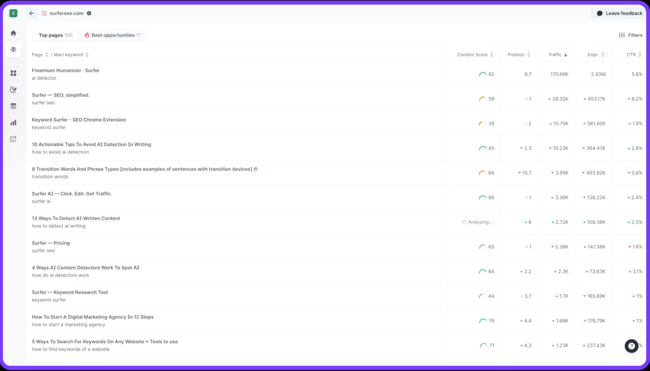
Surfer positions itself as an AI visibility platform, integrating on-page content optimization with AI search tracking, topical authority planning, and competitive intelligence across Google and major AI engines like ChatGPT, Perplexity, and Gemini.
- Key Features: Comprehensive content audits, AI-driven content scoring, SERP analysis, topical authority mapping, AI search visibility tracking.
- Pricing: Starts at $119 per month billed monthly, or $99 per month billed annually.
- What I Like: Surfer’s "Mention Gap" feature is a significant asset for AI search strategies. By identifying specific AI engines that cite competitors for a given topic, it provides a clear starting point for closing visibility gaps, moving beyond general optimization efforts.
- Best For: Content teams and SEO specialists looking for a unified platform for on-page optimization and AI visibility tracking, with strong capabilities for high-volume content production and multi-brand management.
- Expert Insight: Chris Coussons, founder at Visionary Marketing, shared his experience: "We did a test of Surfer SEO at the end of last year, and optimized 50% of a client’s aged blogs with their content optimization, and left the other 50% as they were, and measured the impact. The uplift on the optimized blogs was higher than I think everyone expected, with an average increase of 4 places (zero for the control) and 43% clicks in the 3 months that followed. We’ve used it ever since on all of our clients’ blogs."
Research, Briefs, and Content Writing Accelerators
Effective content optimization begins long before the first word is written. This category of tools empowers teams to plan more strategically, develop superior content briefs, and accelerate the creation of initial drafts, all while ensuring the content remains aligned with market demands and user intent.
HubSpot Content Hub
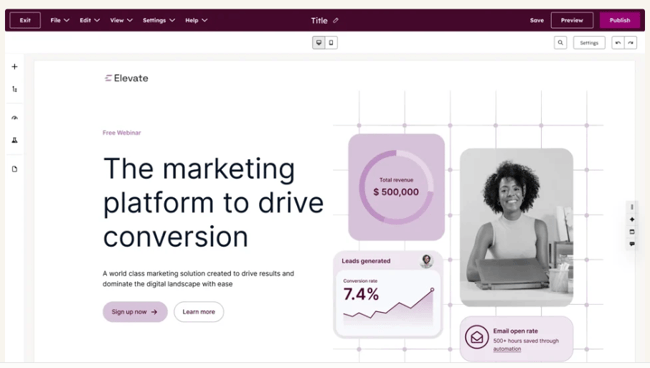
HubSpot’s Content Hub serves as a comprehensive CMS platform, featuring built-in AI content creation tools, a drag-and-drop editor, and content optimization functionalities designed for unified content management. The platform’s AI content writer is engineered to produce clear, easily extractable content that is readily parsed and cited by both human readers and AI search engines. This structural advantage aligns perfectly with how generative AI models evaluate and source information.
- Key Features: AI-powered content creation, intuitive drag-and-drop page editor, integrated SEO and AEO features, content performance analytics linked to CRM.
- Best For: Teams seeking a consolidated platform for content creation, publication, optimization, and performance measurement, eliminating the need to integrate separate CMS, SEO, and AI tools.
- HubSpot Pro Tip: Content Hub and Marketing Hub can be combined through the HubSpot for Marketers bundle, providing a unified view of traditional SEO and AEO, all connected to the central CRM data.
- Expert Insight: Kshitij Chaudhary, founder of Dintellects, emphasizes the platform’s utility: "I love using the HubSpot Content Tools. It helps me to organize how I work with content and see how my blog posts are doing. I can see how they are helping me generate leads and improve my search rankings. The tool is extremely helpful because it keeps all my content and marketing work in one place."
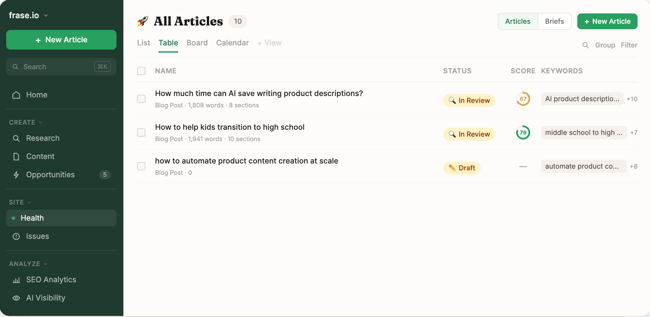
Frase
Frase operates as an agentic SEO and GEO (Generative Engine Optimization) platform, consolidating research, writing, optimization, AI-driven visibility tracking, and content maintenance into a single interface. It covers the entire content strategy lifecycle, from SERP research and brief creation to AI-powered drafting, combined SEO and GEO scoring, and automated detection of content decay.
- Key Features: SERP analysis for brief creation, AI-powered content generation, combined SEO/GEO scoring, content decay tracking, comprehensive content research tools.
- Pricing: Starts at $49 per month billed monthly, or $39 per month billed annually.
- What I Like: Frase offers a unified scoring system that accounts for both traditional SEO and AI search performance. This is invaluable for teams questioning their optimization strategies in the current AI-driven landscape.
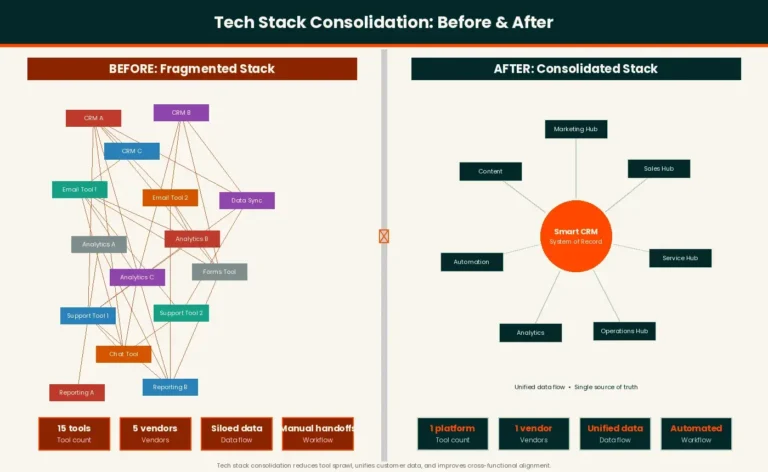
- Best For: Content teams aiming to streamline a fragmented tool stack by consolidating research, writing, SEO, GEO, and AI visibility tracking into one cohesive platform.
- Expert Insight: Chaudhary also utilizes Frase: "I use this tool for quick content research. It helps me to create outlines for my articles and to discover what people are looking for online. I can see what questions people have and what they want to know about something. It helps me write my articles."
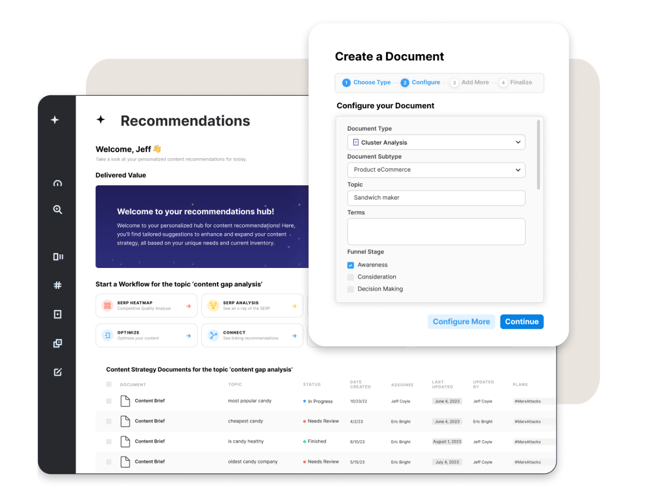
MarketMuse
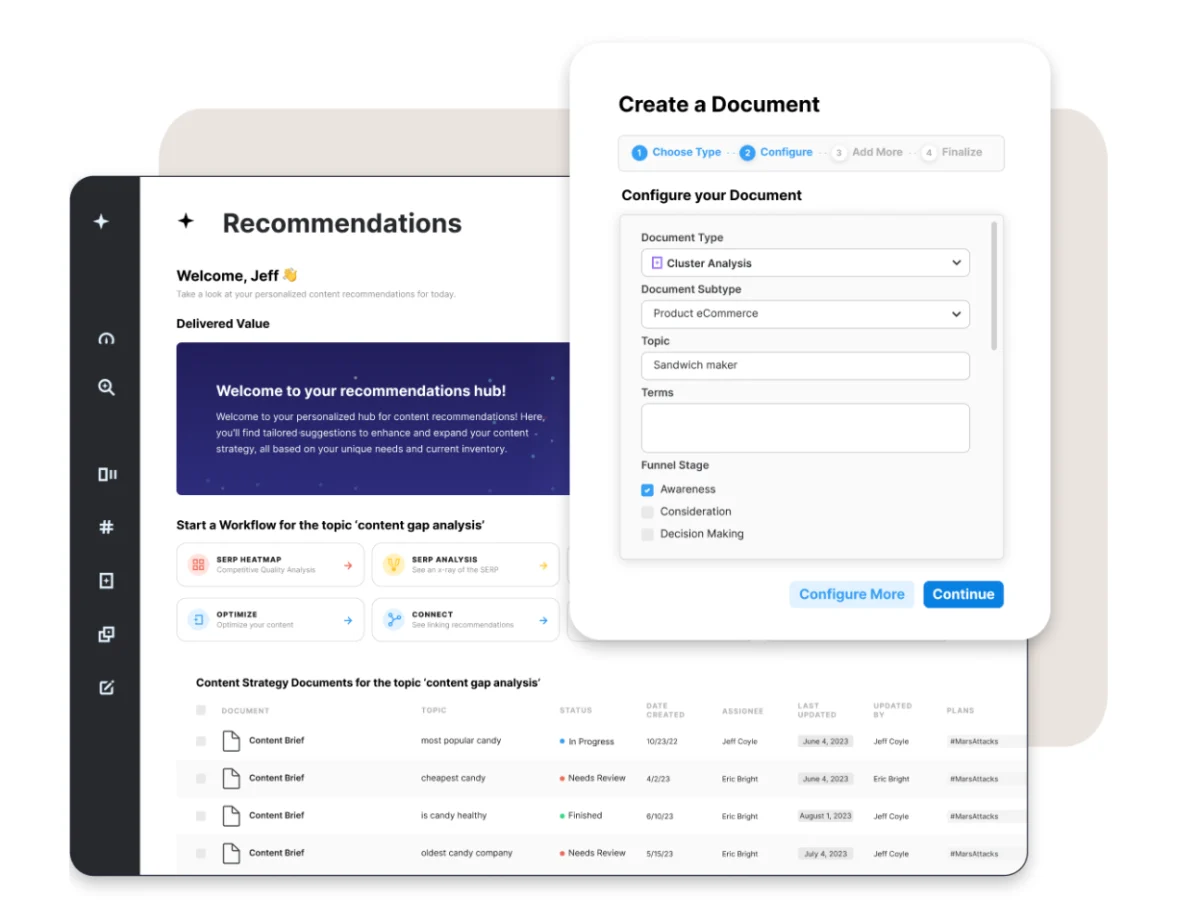
MarketMuse is a content intelligence platform that employs AI to identify content gaps, prioritize topics, and assess content quality across an entire website. It helps marketers strategically build comprehensive content libraries that address key topics and critical gaps.
- Key Features: AI-driven content gap analysis, topic prioritization, content quality scoring, competitive content analysis, site-wide content strategy planning.
- Pricing: A free plan is available; paid plans are quote-based.
- What I Like: MarketMuse excels at providing a strategic, high-level view of content needs, preventing content duplication and directing efforts towards areas with the most significant potential impact.
- Best For: Enterprise and mid-market teams managing extensive content libraries (100+ pages) who require a strategic, site-wide perspective on content opportunities.
Internal Linking and Site Structure Support
A well-structured website with strong internal linking is essential for search engines to understand topical authority and for users to navigate content effectively. These tools help optimize site architecture and pass link equity.
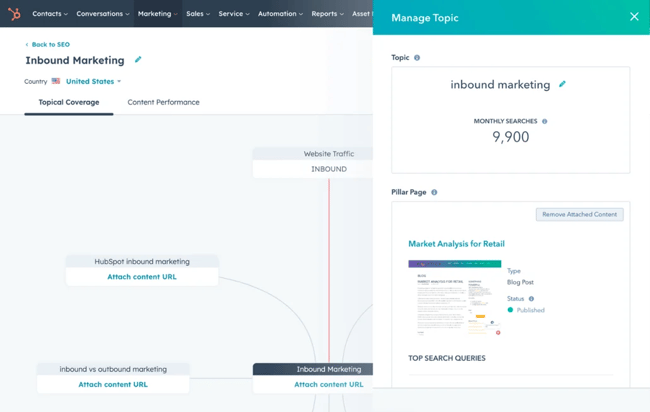
HubSpot SEO Topic Clusters (via Marketing Hub)
HubSpot’s Topic Cluster tool visually maps the relationships between pillar pages and their associated cluster content across a website. It identifies missing links, highlights orphaned content, and simplifies the process of building the semantic architecture that both traditional search engines and AI engines value.
- Key Features: Visual topic cluster mapping, identification of orphaned content, internal linking recommendations, integration with CRM data for performance tracking.
- Best For: Marketing teams using HubSpot seeking a strategic overview of their content architecture without needing a separate site auditing tool. It’s particularly beneficial for teams developing topic clusters to enhance AI search visibility.
- What I Like: The visual representation of topic clusters makes it easy to communicate site structure to non-technical stakeholders, fostering alignment on content priorities and justifying investments in new content.
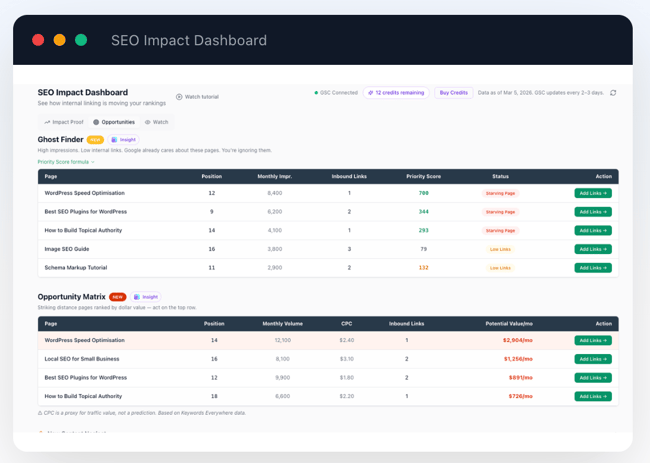
Link Whisper
Link Whisper is a WordPress plugin that leverages AI to suggest and implement internal links as content is being written. It also provides site-level reporting on orphaned pages, broken links, and overall link structure.
- Key Features: AI-powered internal link suggestions, one-click link insertion, orphaned page identification, broken link reporting, Google Search Console integration for keyword insights.
- Pricing: Starts at $97 per year.
- What I Like: Link Whisper significantly reduces the manual effort involved in internal linking. The integration with Google Search Console provides valuable context by surfacing terms Google already associates with a brand’s pages, guiding link targeting.
- Best For: WordPress-based content teams with large archives seeking to improve internal linking efficiency without conducting manual audits. Note: This tool is specific to WordPress sites.
- Expert Insight: Keran Smith, Co-Founder and Chief Marketing Officer at LYFE Marketing, states, "Link Whisper saves me hours by letting me implement anchor text across multiple keywords with a single click. We have thousands of pages on our site, so it helps us improve our anchor text efforts at scale."
Screaming Frog SEO Spider
Screaming Frog is a powerful technical SEO crawler available for Windows, macOS, and Linux. It conducts comprehensive site audits, identifies over 300 common SEO issues, and pinpoints internal linking gaps, providing deep insights into website structure and health.
- Key Features: In-depth site crawling and auditing, identification of technical SEO issues, internal and external link analysis, custom extraction capabilities for AI integration.
- Pricing: $279 per year. A free version is available.
- What I Like: Screaming Frog offers unparalleled depth in crawl data at its price point. Its recent AI integration allows for content quality checks and custom extraction during crawls, streamlining AI-focused SEO tasks.
- Best For: SEO specialists and technical teams requiring detailed site analysis before major content initiatives, site migrations, or CMS changes.
- Expert Insight: Robertas Voroneckis, Head of SEO and Growth at Demo Agency, considers Screaming Frog indispensable: "Screaming Frog is my go-to for technical SEO audits because it gives a very detailed view of crawl issues, metadata, internal linking, indexation signals, and site structure."
Experimentation and Content QA
Publishing content is only the first step; ongoing optimization requires testing and quality assurance. These tools help teams validate what works and refine existing content for maximum impact.
Hotjar (now part of Contentsquare)
Hotjar is a behavior analytics platform that provides insights into user interactions with web content through heatmaps, session recordings, funnels, and on-page surveys. It helps answer critical questions about user engagement and comprehension.
- Key Features: Heatmaps (click, move, scroll), session recordings, user feedback surveys, conversion funnel analysis.
- Pricing: A free plan is available. Paid plans start at $49 per month billed monthly, or $39 per month billed annually.
- What I Like: Hotjar bridges the gap between content creation and user behavior, revealing whether visitors are actually engaging with and understanding the content, a dimension often missed by purely SEO-focused tools.
- Best For: Content and demand generation teams seeking behavioral data to inform content quality assurance and page-level optimization, particularly for high-traffic landing pages and conversion-focused content.
- Expert Insight: Smith also utilizes Hotjar: "Hotjar plays an important role in helping us understand and improve our website UI and UX. The ability to view actual recordings of how our website visitors navigate the site is extremely insightful."
Google Search Console
Google Search Console is a free service offered by Google that allows website owners to monitor their site’s performance in Google Search results. It provides crucial data on clicks, impressions, click-through rates (CTR), and average search positions.
- Key Features: Performance reporting (clicks, impressions, CTR, position), index coverage reports, mobile usability, core web vitals.
- Pricing: Free.
- What I Like: Search Console is foundational, offering direct insights from Google. Its query data is particularly useful for identifying content that is close to ranking but underperforming, presenting clear optimization opportunities.
- Best For: All marketing teams. It is a non-negotiable tool for understanding search performance.
- Expert Insight: Voroneckis notes, "Google Search Console is usually my starting point because it shows how a business is already being found, which pages have traction, and where the easiest optimization opportunities are."
Performance Reporting and Strategy Tools
Demonstrating the business impact of content is a persistent challenge. These tools help connect content optimization efforts to measurable business outcomes.
HubSpot AEO (Answer Engine Optimization)
HubSpot’s AEO tool provides marketers with insights into how their brand appears in AI-generated answers across platforms like ChatGPT, Perplexity, and Gemini. It identifies the content and entity signals influencing this visibility and offers structured tracking of progress.
- Key Features: AI-generated answer citation tracking, visibility analysis across major AI engines, content and entity signal identification for AI optimization, performance reporting integrated with CRM.
- Pricing: Starts at $50 per month (or $45 per month billed annually) with a free 28-day trial.
- What I Like: The power of HubSpot AEO lies in its integration. It connects AI visibility data to the same platform where SEO, content, CRM, and pipeline data are managed, transforming raw data into actionable intelligence for driving business results.
- HubSpot Pro Tip: When combined with HubSpot SEO tools, AEO provides a unified view of both traditional and AI search performance, offering a comprehensive measure of content investment impact in 2026.
Semrush
Semrush is an extensive all-in-one digital marketing platform encompassing SEO, AI-driven visibility tracking, competitive intelligence, content optimization, advertising, and PR. Its recent integration of the AI Visibility Toolkit and Semrush One bundle allows teams to manage both traditional search rankings and AI citation visibility within a single ecosystem.
- Key Features: Keyword research, site audits, competitive analysis, AI visibility tracking, content optimization tools, advertising and PR capabilities.
- Pricing: Starts at $139.95 per month billed monthly, or $117.33 per month billed annually.
- What I Like: The comprehensive nature of Semrush, especially with its AI capabilities, means marketing teams can consolidate multiple tools into one, streamlining workflows and enhancing strategic decision-making.
- Best For: Mid-market and enterprise SEO and content teams requiring a full-suite platform for organic strategy, competitive intelligence, and AI visibility tracking.
- Expert Insight: Chaudhary also finds value in Semrush: "I use this tool for finding keywords and seeing what my competitors are doing. I use Semrush to plan what I will write about and to see how my website is doing over time. Semrush helps me make a plan for my website."
Ahrefs
Ahrefs is a comprehensive AI marketing platform offering deep SEO intelligence, backlink analysis, content research, and AI-driven search visibility tracking. Its Content Explorer tool is particularly useful for identifying high-traffic content, analyzing competitor strategies, and uncovering competitive gaps.
- Key Features: Keyword research, backlink analysis, content gap analysis, site audits, rank tracking, AI-driven search visibility tracking.
- Pricing: Starts at $129 per month billed monthly, or $108 per month billed annually.
- What I Like: Ahrefs’ robust competitive intelligence features, combined with its AI visibility tracking, provide a holistic view of the search landscape, enabling more informed content strategy development.
- Best For: SEO strategists and content teams who need detailed competitive insights alongside keyword and backlink data, and prefer an integrated platform for AI visibility tracking.
Frequently Asked Questions About Content Optimization Tools
How do content optimization tools differ from SEO optimization tools?
Content optimization tools typically focus on the elements directly within a piece of content or its immediate on-page environment – research, brief creation, writing, and refinement. SEO optimization tools encompass a broader scope, including technical site audits, keyword research across the entire site, backlink profile analysis, and competitive landscape mapping. High-performing content teams often utilize both types of tools: SEO tools for strategic direction and opportunity identification, and content optimization tools to ensure the created content is competitive and effective.
Are there content optimization tools that are truly free?
Google Search Console stands out as a powerful, free tool that provides essential baseline performance data for any content optimization effort. However, for in-depth competitive analysis and comprehensive keyword coverage required for advanced optimization, paid tools are generally necessary. Many paid tools offer free trials or limited free versions to allow users to explore their capabilities.
Which content optimization tools integrate best with HubSpot?
HubSpot’s native tools, including its SEO Marketing Software, Content Hub, and AEO platform, offer seamless integration without the need for data synchronization. Performance metrics directly link to contacts, pipeline, and revenue within the CRM. For third-party solutions, Semrush and Ahrefs provide robust integrations that can surface key data points within the HubSpot CRM, enhancing unified reporting.
How do I measure the ROI of content optimization software?
Measuring ROI typically involves establishing a baseline performance before implementing new tools and then tracking key metrics over a defined period (ideally 90 days or more). This includes monitoring organic sessions, improvements in keyword rankings, leads generated, and influenced pipeline. For AI search, tracking brand citation frequency across AI platforms alongside traditional search metrics is crucial. Tools like HubSpot that directly link content performance to CRM data significantly simplify this attribution process.
What is the best AI content optimization tool for small teams?
For small teams, consolidating tools and workflows is paramount. HubSpot’s Content Hub, with its integrated AI content writer, offers a compelling solution. It streamlines brief creation, drafting, and on-page optimization within a single environment, reducing the number of disparate tools a small team needs to manage and learn.
Building a Performant Content Optimization Stack for 2026
Content optimization is not a singular task but a continuous discipline that spans strategy, creation, structural integrity, and rigorous measurement. The most successful content teams treat it as an integrated system. This approach begins with selecting the right tools and establishing a clear methodology for their use.
For many organizations, a full-stack content optimization strategy is best executed through a platform like HubSpot, which effectively bridges typically siloed functions. This includes integrating SEO recommendations, AI-driven content creation, AI search visibility tracking (AEO), and CRM-attributed performance reporting.
For teams embarking on this journey, resources like content marketing planning templates can provide a structured framework for developing a measurable content program, making optimization an intrinsic part of the workflow rather than an afterthought. As AI continues to evolve, a dynamic and integrated approach to content optimization will be key to maintaining visibility and driving business growth in the digital landscape of 2026 and beyond.
About the Author