The marketing industry is experiencing unprecedented upheaval, with a staggering 70% of marketers reporting that the past three years have brought about more transformation than the preceding half-century. This rapid evolution necessitates a corresponding evolution in the tools marketers rely on, particularly marketing automation platforms. For years, Pardot, now known as Marketing Cloud Account Engagement, has been a prominent player in the B2B marketing technology stack. However, a perceived stagnation in its development has prompted a growing number of businesses to explore and adopt alternative solutions. This shift signifies a critical juncture for B2B marketing operations, prompting an examination of the drivers behind this migration, the leading contenders for its replacement, and the expert advice guiding successful transitions.
The core of this industry movement stems from a fundamental question: why are businesses electing to leave a platform that has served them for years? The answer, according to industry experts, is multifaceted, with fears of impending discontinuation and persistent functional limitations at the forefront. Tom Ryan, a seasoned Pardot consultant and founder of MarCloud, a firm specializing in marketing automation solutions, observes a clear trend. "There’s no development on the platform," Ryan stated, articulating a sentiment echoed by many users. "There’s a clear migration path," he continued, suggesting that the platform’s future appears increasingly uncertain, framing the situation as a question of "when" rather than "if" it will be retired. This perception of a platform nearing the end of its lifecycle naturally compels businesses to seek more future-proof alternatives.
Beyond the existential concerns, practical operational challenges have also fueled dissatisfaction. Ryan highlights revenue attribution and reporting as significant pain points for many Pardot users. "Revenue attribution is incredibly difficult if you do not know how to do it," he explained, noting the complexities involved in wrestling with the Pardot-Salesforce synchronization for accurate reporting. The platform’s reporting capabilities are frequently cited as inflexible, with a lack of customization hindering users’ ability to extract the precise insights they need without requiring specialized consulting expertise. This deficiency in actionable reporting directly impacts marketing teams’ ability to demonstrate ROI and optimize campaign performance in an increasingly data-driven environment.
In light of these challenges, the migration patterns are becoming increasingly evident. Ryan’s experience indicates that HubSpot is the most common destination for businesses departing from Pardot. "Pardot to HubSpot makes the most sense," he elaborated, pointing to "architectural similarities between Pardot and HubSpot via the connector," which fosters a sense of familiarity for migrating teams. Crucially, he added, "you get so much more" by making the switch, implying a significant upgrade in functionality and user experience.

Evaluating the Next Generation of B2B Marketing Automation
As businesses re-evaluate their marketing technology stacks, a robust framework for assessing Pardot alternatives is essential. The primary consideration often revolves around Customer Relationship Management (CRM) integration. Platforms offering seamless, native, or deeply integrated CRM capabilities can significantly streamline operations and eliminate data silos. For companies looking to move away from Salesforce entirely, solutions like HubSpot and Zoho, which provide comprehensive CRM functionalities, present compelling options. Salesforce Marketing Cloud Next, the platform Salesforce itself is guiding Pardot users toward, operates natively on Salesforce’s Data Cloud, thereby removing the need for separate system synchronization and addressing the data silo issues inherent in Pardot’s architecture. For organizations committed to retaining Salesforce as their CRM, Adobe Marketo Engage offers a native two-way Salesforce sync, while ActiveCampaign also provides this integration alongside its own lightweight CRM for consolidated solutions.
Beyond CRM integration, B2B teams should meticulously weigh several other critical criteria when evaluating Pardot alternatives:
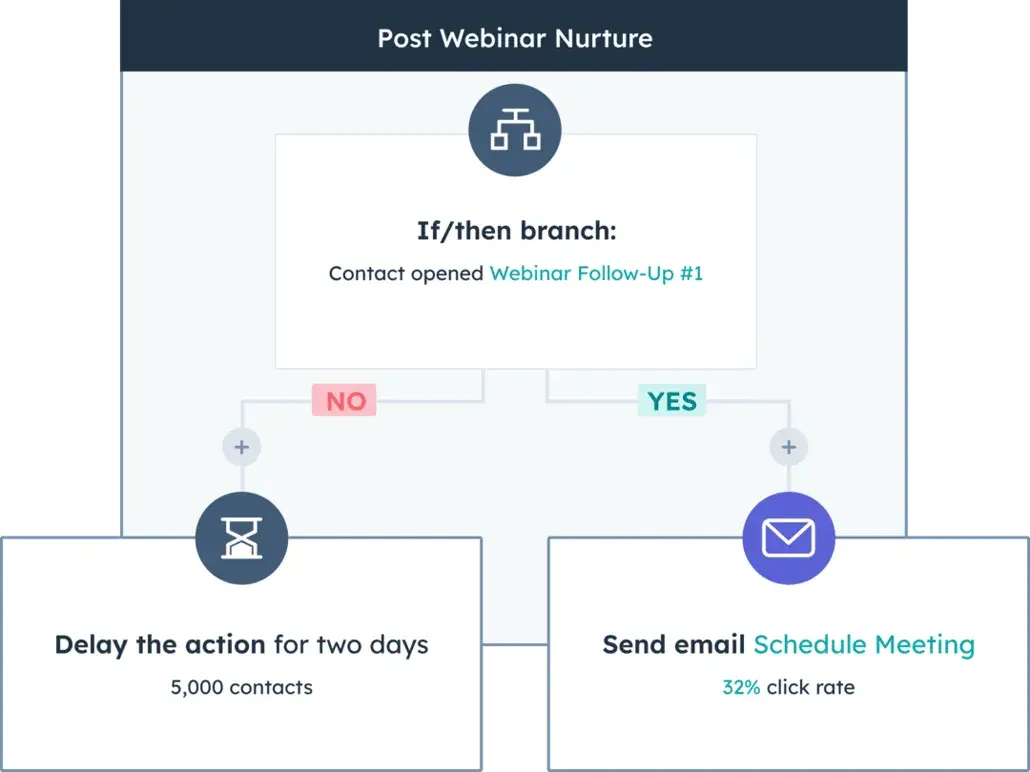
- Automation Capabilities: The sophistication and flexibility of automation workflows are paramount. This includes the ability to create multi-step nurture campaigns, trigger actions based on diverse data points (behavioral, demographic, CRM data), and build complex logic for personalized customer journeys.
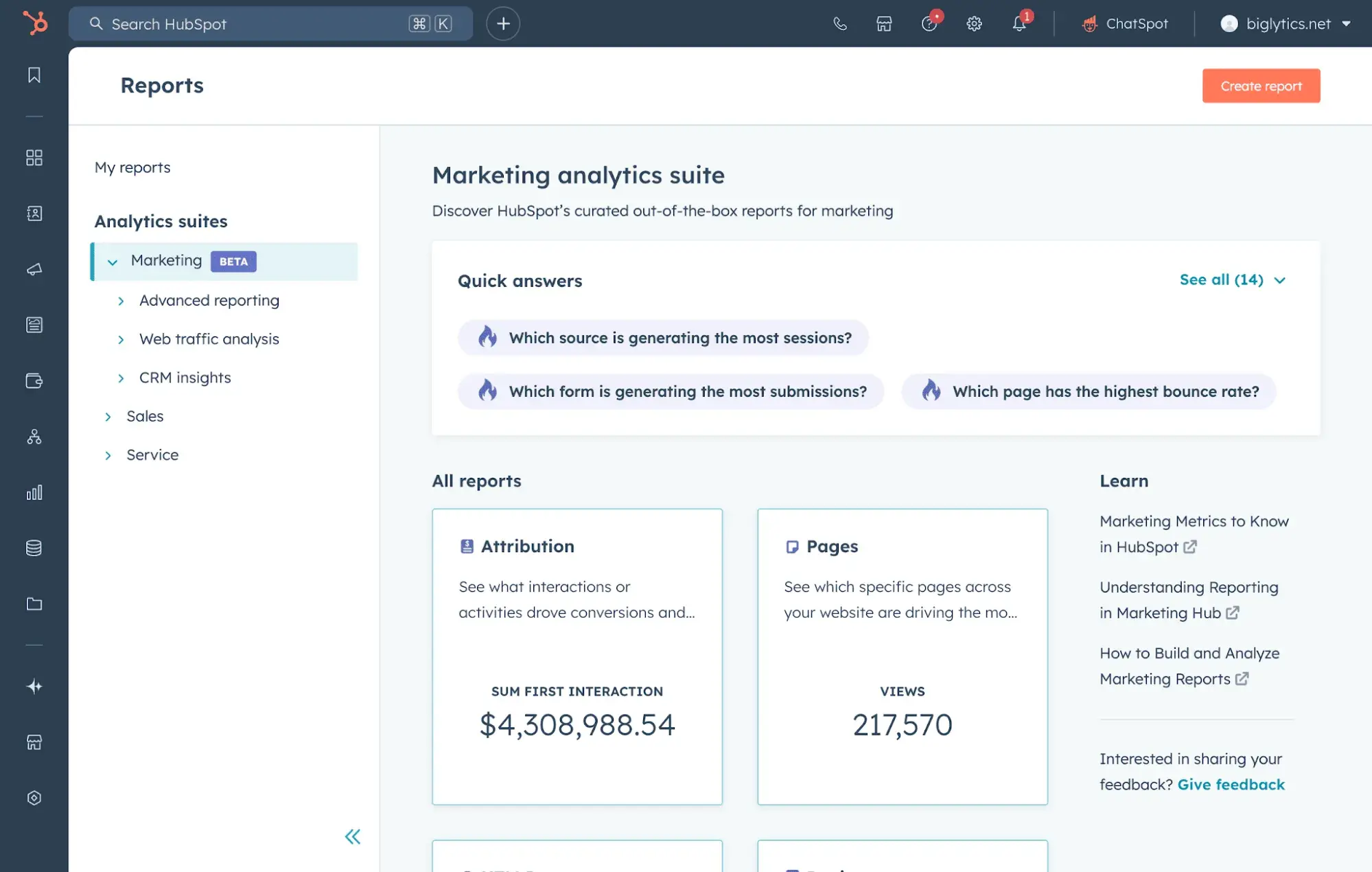
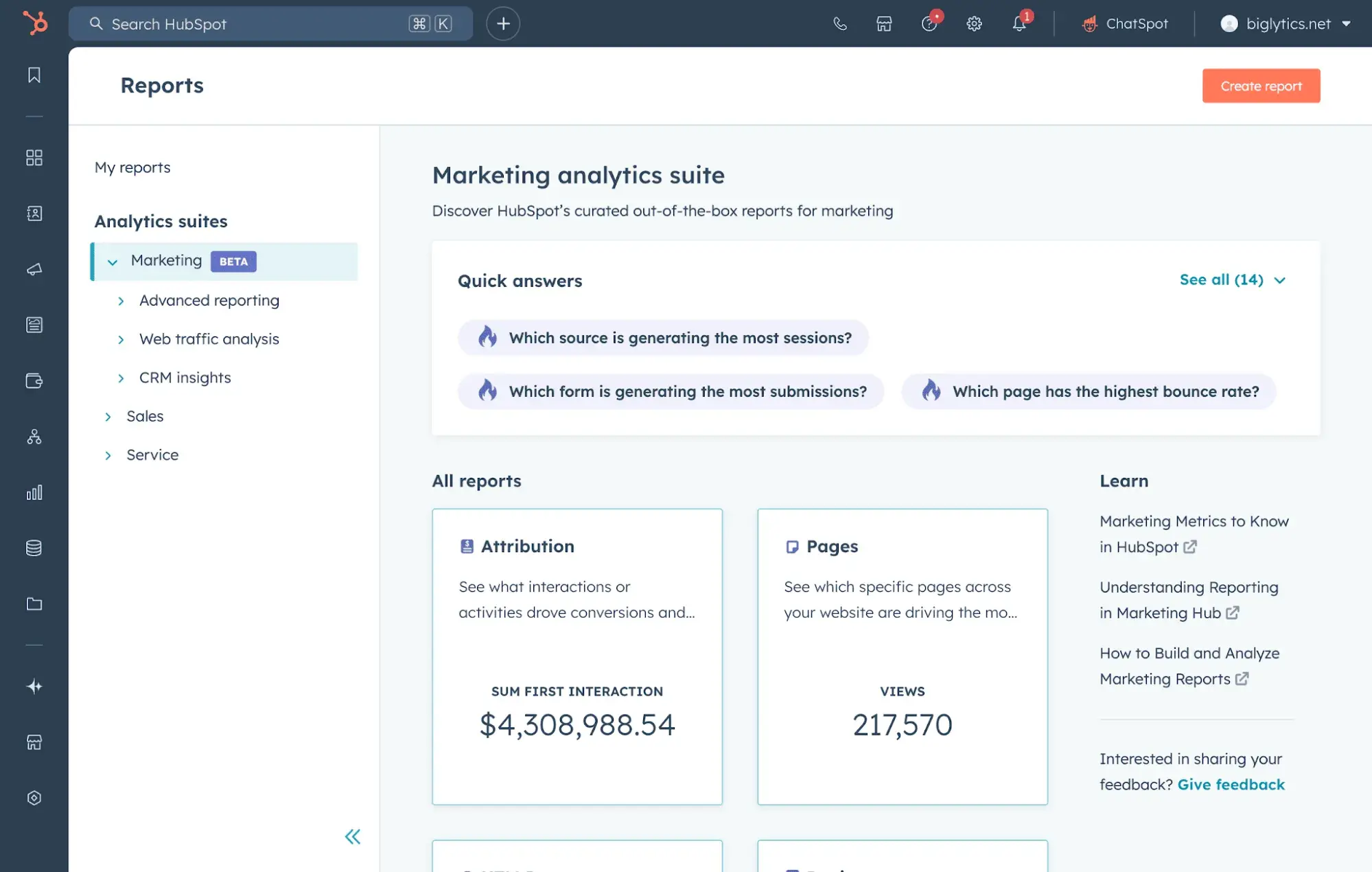
- Reporting and Analytics: Robust, customizable reporting is non-negotiable. Marketers need to track key performance indicators (KPIs) with ease, understand revenue attribution models, and gain actionable insights into campaign effectiveness and ROI. The ability to visualize data and generate custom reports is crucial for strategic decision-making.
- Integrations: The platform’s ability to seamlessly integrate with other essential business tools (e.g., sales enablement platforms, webinar tools, analytics suites) is vital for a connected martech ecosystem.
- User Experience and Ease of Use: A platform’s intuitive design and user-friendliness directly impact adoption rates and team productivity. A steep learning curve can negate the benefits of advanced features.
- Scalability and Future-Proofing: Businesses need solutions that can grow with them, adapting to increasing contact volumes, expanding marketing teams, and evolving marketing strategies.
- Pricing and Total Cost of Ownership (TCO): Transparent pricing models, including potential hidden fees for implementation, training, and exceeding usage tiers, are critical for accurate budgeting.
Leading Pardot Alternatives: A Comparative Overview
The market offers a range of powerful marketing automation platforms, each with distinct strengths and ideal use cases for businesses transitioning from Pardot.
1. HubSpot Marketing Automation
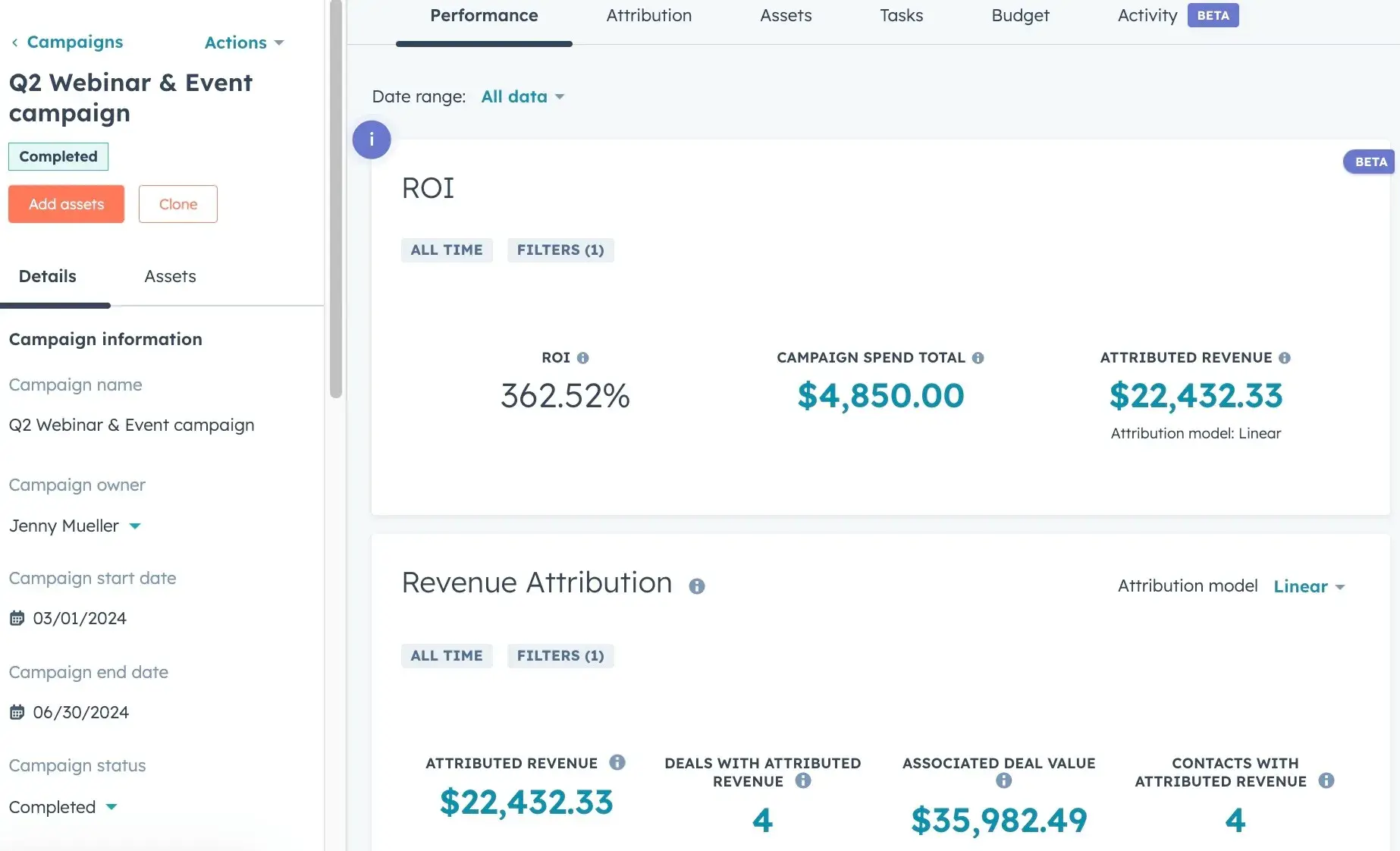
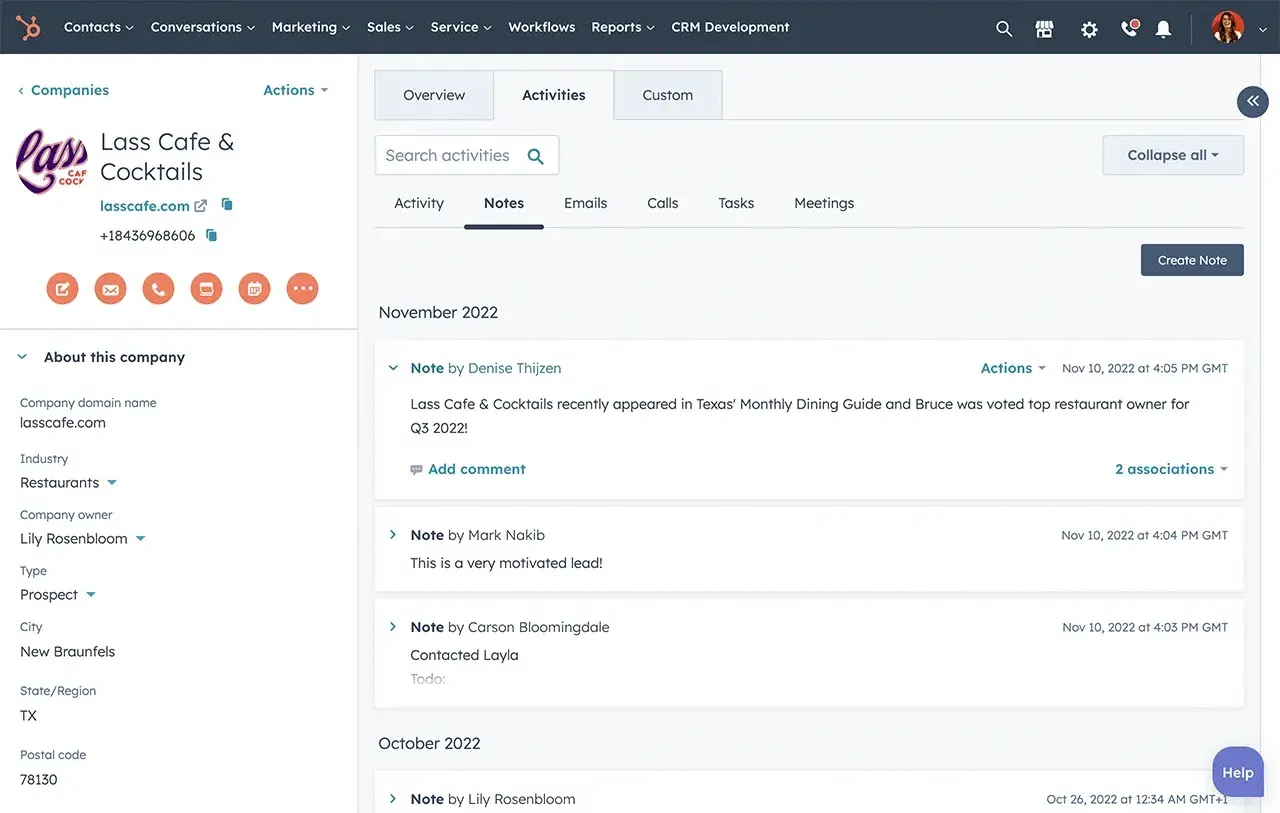
HubSpot Marketing Automation is frequently cited as a primary successor to Pardot, largely due to its integrated approach to marketing, sales, and CRM. Its multi-step B2B nurture workflows are designed to trigger based on a comprehensive array of data, including user behavior, lifecycle stage, and CRM data. The platform’s strength lies in consolidating data within HubSpot’s Smart CRM, directly addressing the fragmented data experiences often associated with Pardot. Businesses can either transition entirely to HubSpot CRM or leverage its native two-way sync with Salesforce to maintain data alignment across both platforms.
Key HubSpot Features:

- Visual Workflow Builder: Intuitive drag-and-drop interface for designing complex automation sequences.
- Smart CRM Integration: Unified view of customer data across marketing and sales.
- Advanced Reporting & Analytics: Tools for tracking campaign performance, ROI, and revenue attribution.
- Email Marketing & Personalization: Robust tools for creating targeted and personalized email campaigns.
- Lead Scoring & Grading: Customizable models to identify and prioritize high-potential leads.
Reviews: User feedback consistently highlights HubSpot Marketing Hub’s ease of use, effective email marketing capabilities, and powerful automation features. Areas for improvement sometimes cited include the initial learning curve for advanced functionalities and occasional missing features for highly niche requirements.
HubSpot Marketing Hub Pricing: A free plan is available, with paid plans commencing at $10 per user per month, offering significant flexibility for businesses of all sizes.
Expert Insight: "HubSpot is renowned for its user-friendly, modern interface and its all-in-one platform that seamlessly syncs across marketing, sales, and CRM. It’s built with marketers in mind, offering all the automation tools needed to test and scale. The drag-and-drop email and campaign builders are particularly valuable, enabling rapid iteration and execution without reliance on development teams."
2. Salesforce Marketing Cloud Next
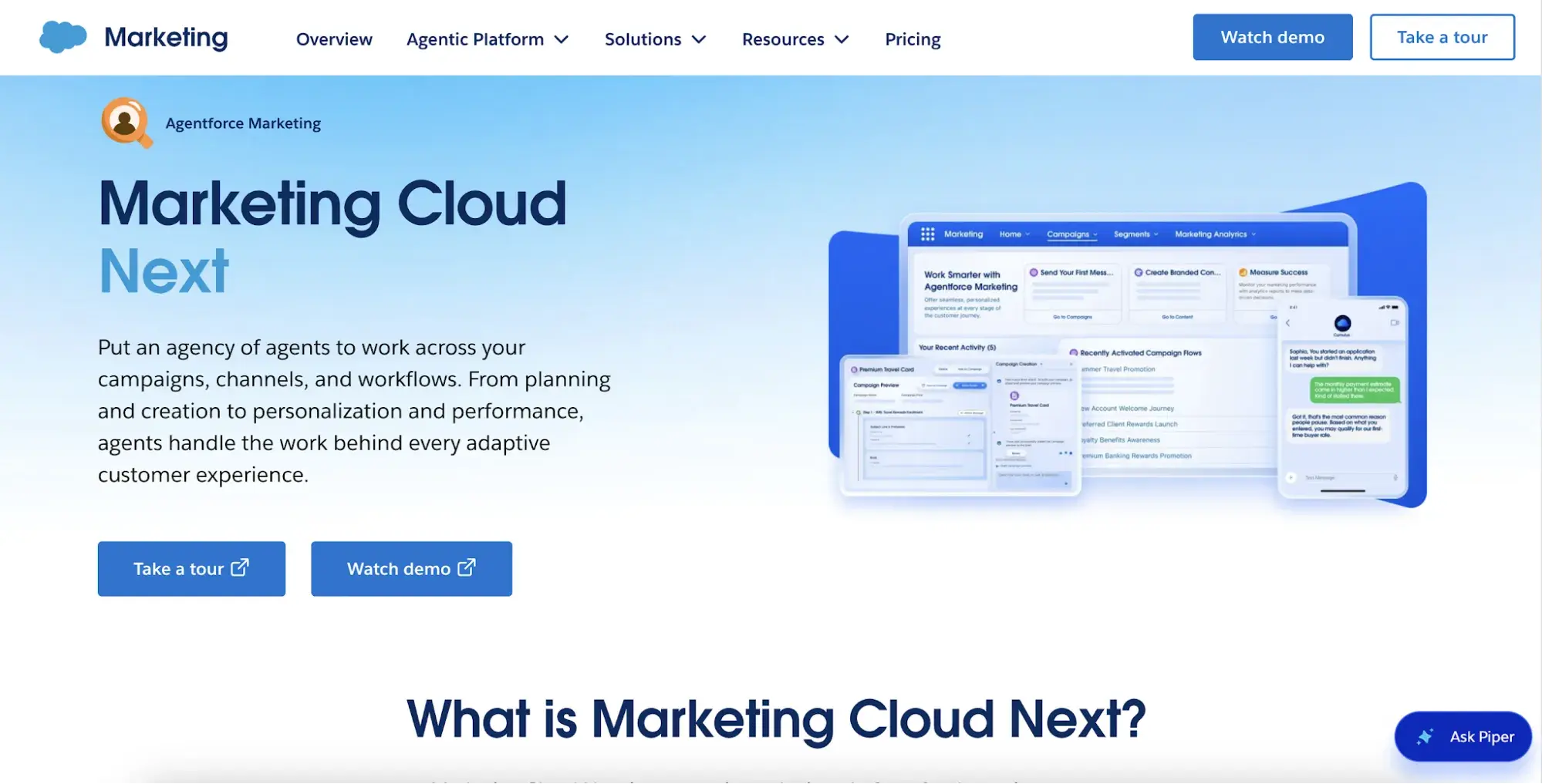
Salesforce Marketing Cloud Next represents Salesforce’s strategic direction for its marketing automation offerings, aiming to consolidate functionalities onto its Data Cloud. Unlike Pardot’s separate integration model, Marketing Cloud Next is designed for native operation within the Salesforce ecosystem, thereby eliminating the data sync challenges associated with its predecessor. However, it is a substantial and often costly platform, best suited for organizations deeply invested in Salesforce’s broader ecosystem and committed to staying within it.
Key Marketing Cloud Next Features:
- Data Cloud Integration: Leverages unified customer data for personalized experiences.
- Journey Builder: Sophisticated tools for designing and orchestrating customer journeys across multiple channels.
- AI-Powered Insights: Utilizes artificial intelligence for predictive analytics and campaign optimization.
- Cross-Channel Engagement: Capabilities for email, mobile, social, and advertising.
Expert Insight: Ryan notes that "Salesforce is directing [customers] to their new platform called Marketing Cloud Next… but essentially what this is doing is prompting a wider tech review." He observes that while some customers migrate directly, many use this opportunity to conduct a comprehensive evaluation of their entire technology stack. "So it isn’t necessarily that people are blindly going towards Marketing Cloud Next. Quite a lot of customers are going. The most common direction is HubSpot," he adds, underscoring the continued preference for alternative solutions even when presented with Salesforce’s own upgrade path.
Marketing Cloud Next Pricing: The Growth Edition begins at $1,500 per organization per month, positioning it as an enterprise-level solution.
Best For: Large enterprises already heavily integrated with Salesforce and seeking to consolidate their marketing efforts within that ecosystem.
3. Adobe Marketo Engage
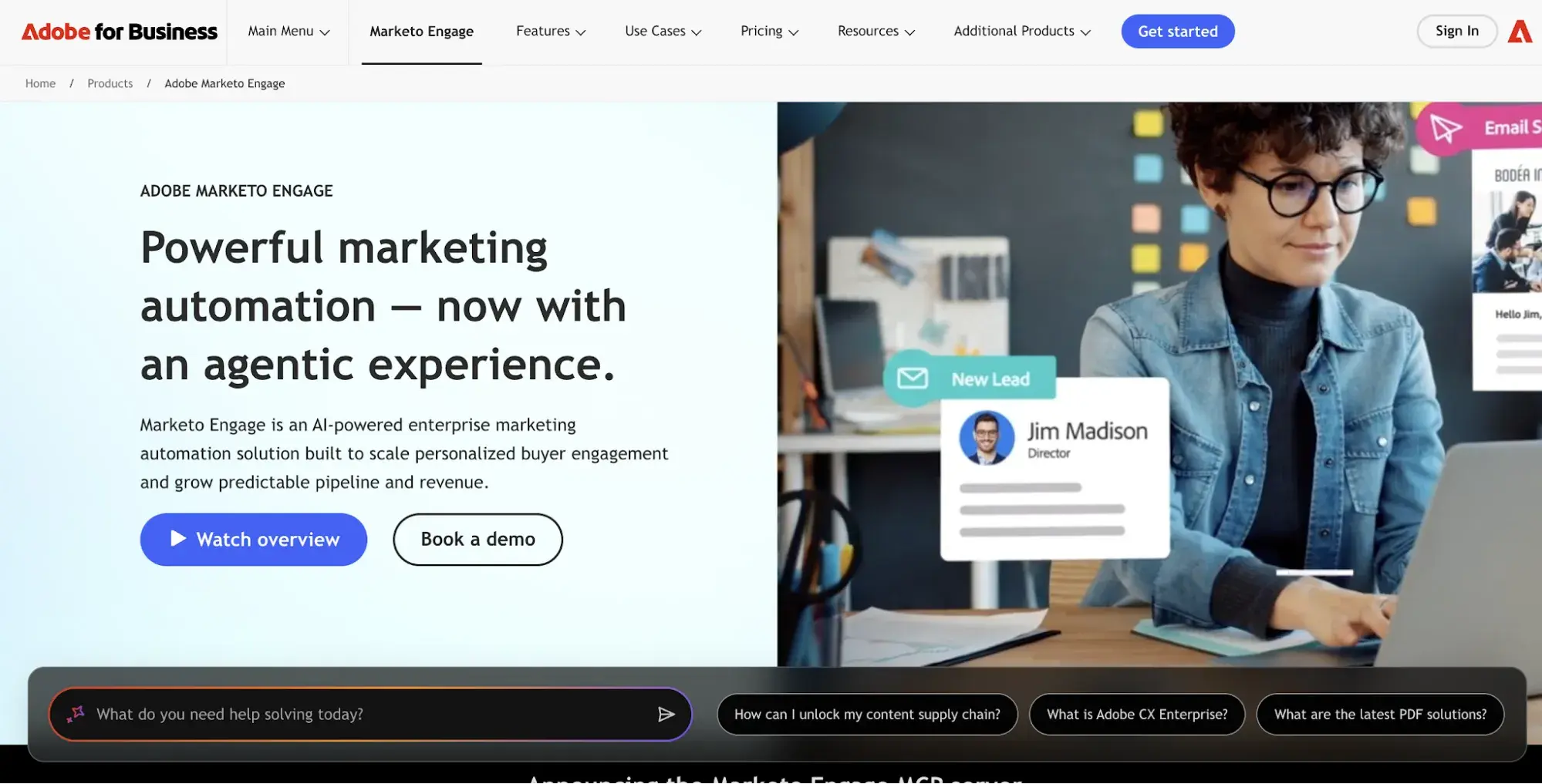
Adobe Marketo Engage is a robust enterprise-grade marketing automation platform that can serve as a powerful alternative for businesses that have outgrown Pardot’s capabilities. It is characterized by its extensive feature set and higher complexity, often requiring a significant investment in terms of budget, time, and resources for implementation and ongoing management. While it prioritizes functionality, users report that the learning curve can be steep, and the design may lean towards feature-richness over immediate ease of use.
Marketo Key Features:
- Advanced Automation: Complex workflow capabilities for sophisticated lead nurturing and campaign management.
- Account-Based Marketing (ABM) Tools: Specialized features for targeting and engaging specific high-value accounts.
- Content Personalization: Dynamic content delivery based on audience segmentation.
- API and Integrations: Extensive options for connecting with other business systems.
Reviews: Strengths often cited include its powerful automation capabilities and flexibility. However, common drawbacks involve a challenging learning curve, a less intuitive user interface compared to some competitors, and its overall complexity.
Marketo Pricing: Adobe does not publicly disclose pricing for Marketo Engage, requiring prospective clients to contact them for a custom quote. This approach is typical for enterprise-level software.
Expert Insight: "Marketo’s strength lies in its AI ‘conversational interface’ that allows teams to write and test code directly within the platform without requiring developer handoffs." This feature can significantly accelerate development cycles for technically proficient marketing teams.
4. ActiveCampaign
ActiveCampaign positions itself as an AI-forward marketing automation platform that also incorporates a lightweight CRM. It offers multi-channel automation capabilities and a native two-way Salesforce sync, making it a viable option for smaller teams seeking simplicity and a more integrated approach than Pardot. A key consideration for scaling businesses is the potential for steep price increases when moving between tiers or if the company adjusts its pricing for existing customers.
Active Campaign Key Features:
- AI-Powered Automation: Utilizes AI for predictive sending, win probability, and customer segmentation.
- Integrated CRM: A functional CRM for managing contacts and sales pipelines.
- Multi-Channel Engagement: Supports email, SMS, and other communication channels.
- Salesforce Integration: Native two-way synchronization for seamless data flow.
Reviews: Users frequently praise ActiveCampaign’s ease of use and automation features. Recurring criticisms include a learning curve and limitations in its reporting capabilities, with users often pointing to a lack of depth in reporting functionalities.
ActiveCampaign Pricing: Plans start at $15 per month, with costs increasing rapidly based on the number of contacts managed.
Expert Insight: "The ‘active intelligence’ feature that lets users use spoken language to prompt the AI on any feature is a huge shift from Pardot’s code-heavy design." This natural language processing capability significantly lowers the barrier to entry for leveraging AI-driven marketing insights.
5. Zoho Marketing Automation
Zoho Marketing Automation integrates natively with Zoho’s comprehensive CRM and spans across various marketing channels. The platform leverages customer data to facilitate lead scoring, campaign generation, and personalized outreach. As a budget-friendly alternative to Pardot, Zoho is particularly well-suited for small businesses with straightforward data management requirements, offering a less robust feature set than some of its more enterprise-oriented competitors but at a more accessible price point.
Key Zoho Marketing Automation Features:
- Lead Management & Scoring: Tools for identifying and nurturing leads based on engagement and behavior.
- Campaign Management: Capabilities for planning, executing, and tracking multi-channel marketing campaigns.
- Customer Data Platform (CDP) Integration: Utilizes customer data for personalized marketing efforts.
- Zoho CRM Synchronization: Seamless integration with Zoho’s own CRM offering.
Reviews: While users commend Zoho’s marketing automation solutions, some have reported challenges with customer service responsiveness and limitations in reporting features.
Zoho Marketing Automation Pricing: Plans start at $19 per month for up to 1,000 contacts, offering an attractive entry point for smaller businesses.
Expert Insight: "Zoho offers a budget-friendly option for companies ready to move away from Salesforce entirely, whereas many customers leaving Pardot choose to retain Salesforce as their CRM." This highlights Zoho’s appeal to a specific segment of the market seeking a complete CRM and marketing automation suite without the Salesforce ecosystem’s complexity or cost.
Navigating the Migration Process
Successfully transitioning from Pardot to a new marketing automation platform requires meticulous planning and execution to minimize disruption. Tom Ryan emphasizes that underestimating the complexity of translating workflows and data structures is a common pitfall. "A Salesforce campaign is a completely different object from a HubSpot campaign… so there’s a translation there," he explained, illustrating how even seemingly similar functionalities operate differently across platforms.
Key considerations for a low-risk migration include:
- Data Mapping and Cleansing: Accurately mapping existing data fields and ensuring data hygiene is critical for a smooth transfer.
- Workflow Translation: Rebuilding automation workflows in the new platform, accounting for differences in logic and triggers. This is where many common migration mistakes occur.
- Campaign Attribution Modeling: Determining how campaign attribution will be managed in the new system. Ryan poses crucial questions: "If we’re going to get to campaign attribution modeling, do we do it in HubSpot? Do we do it in Salesforce? Do we do it in both? How do we want to continue operating?" This decision requires a strategic assessment of existing Salesforce hierarchies and desired future reporting structures.
- Quality Assurance (QA): Rigorous testing of all migrated data, workflows, and automations before a full rollout.
- Phased Rollout: Implementing the new platform in stages, starting with a smaller segment of users or campaigns, to identify and address issues before a full deployment.
Ryan categorizes migration priorities into three key buckets:
- Data Migration: Ensuring all relevant contact, company, and historical data is transferred accurately.
- Workflow Rebuild: Translating and optimizing existing automation sequences for the new platform.
- User Training and Adoption: Equipping the marketing team with the knowledge and skills to effectively utilize the new system.
With diligent planning and a structured approach, Pardot migrations can be completed in as little as one month, though Tom Ryan’s experience suggests that a typical migration often takes between two to three months.
Frequently Asked Questions About Pardot Alternatives
Is Pardot part of Salesforce?
Yes, Pardot is a Salesforce product, currently known as Marketing Cloud Account Engagement or Salesforce Account Engagement. It was rebranded from its original name, Pardot, in 2022.
How long does a typical Pardot migration take?
While a rapid migration can be achieved in one month, a typical migration process, involving comprehensive data transfer and workflow rebuilding, usually takes two to three months.
Will we lose our lead scoring and ABM models if we switch?
Yes, lead scoring and Account-Based Marketing (ABM) models generally need to be rebuilt from scratch. Pardot’s out-of-the-box scoring model is not directly transferable. However, existing scores and grades can be retained for segmentation purposes, offering an opportunity to refine and improve the models based on learnings from Pardot. Similarly, Engagement Studios and associated automations do not port easily. It is crucial to meticulously track prospect progression within journeys to ensure continuity in the new system, often necessitating the assistance of an experienced migration partner.
Can we keep Salesforce for sales but switch off Pardot?
Absolutely. Pardot is billed as a distinct component within the Salesforce ecosystem. This allows businesses to retain their existing Salesforce CRM, Sales Cloud, or other Salesforce products while migrating to a separate marketing automation tool.
What’s the best way to budget for the first year on a new platform?
Budgeting should encompass the platform’s list price based on your current usage (seats and contacts), plus anticipated growth in these areas, as tier escalations often represent the most significant cost increases. Additionally, factor in onboarding and implementation fees, which some platforms mandate as an initial cost.
The Future of Marketing Automation
The ongoing evolution of the marketing landscape demands that marketing tools keep pace with innovation. Businesses that find their current automation platforms lagging behind industry advancements must invest in solutions that offer contemporary capabilities. The array of Pardot alternatives available today provides diverse options to meet varied team needs and support advanced customization at scale. For businesses ready to embrace this shift, platforms like HubSpot Marketing Hub offer integrated solutions for marketing automation and reporting, suitable for organizations of all sizes.
About the Author