The marketing landscape is experiencing unprecedented transformation, with a staggering 70% of marketers reporting that the industry has evolved more in the past three years than in the preceding fifty. This rapid evolution necessitates a corresponding adaptation in the tools marketers rely on, particularly marketing automation platforms. For years, Pardot, now rebranded as Marketing Cloud Account Engagement by Salesforce, has been a prominent player in the B2B marketing technology stack. However, a perceived stagnation in its development has prompted a growing number of businesses to seek more dynamic and future-proof alternatives. This article delves into the reasons behind this exodus, identifies the leading contenders vying for Pardot’s market share, and offers expert insights into navigating a successful migration.
The impetus for businesses to re-evaluate their marketing automation solutions stems from a confluence of factors, with apprehension about Pardot’s future development being a primary driver. Tom Ryan, a seasoned Pardot consultant and founder of MarCloud, a firm specializing in marketing automation, articulates a widely held sentiment within the user community. "There’s no development on the platform," Ryan states, underscoring a lack of significant feature enhancements or strategic roadmap updates. He further observes, "There’s a clear migration path," suggesting that Salesforce itself is guiding users towards newer offerings, which he interprets as a precursor to potential discontinuation. "To Ryan, it feels like ‘it’s just a case of ‘when’ not ‘if.’" This sentiment of impending obsolescence, coupled with the inherent risks associated with relying on a platform perceived to be in decline, is a powerful motivator for change.
Beyond the existential concerns, persistent technical and functional limitations within Pardot are pushing businesses to seek more capable solutions. Ryan highlights revenue attribution and reporting as significant pain points. "Revenue attribution is [incredibly difficult] if you do not know how to do it. Users need to wrestle with the Pardot-Salesforce sync," he explains. This complexity often requires specialized knowledge or extensive consulting engagement, creating a barrier to actionable insights. Furthermore, the platform’s reporting capabilities are frequently described as inflexible. "The reports are not customizable in Pardot and therefore, people cannot get the reports they need. Clear reporting in general is very difficult for people to achieve, without consultant-level knowledge," Ryan elaborates. This lack of granular control and customization over data analysis hinders marketers’ ability to demonstrate ROI and optimize campaigns effectively.

In light of these challenges, businesses are actively exploring and adopting alternative marketing automation platforms. Ryan notes that a significant portion of former Pardot users are migrating to HubSpot. "Pardot to HubSpot makes the most sense. There’s a lot of architectural similarities between Pardot and HubSpot via the connector. So there’s a familiarity there, and you get so much more," he observes. This perceived ease of transition, coupled with enhanced functionality, positions HubSpot as a leading contender in the post-Pardot landscape.
Evaluating the Next Generation of B2B Marketing Automation Platforms
When assessing potential replacements for Pardot, several key criteria emerge as critical for B2B teams. The seamless integration with Customer Relationship Management (CRM) systems is paramount. Platforms that offer native or robust CRM capabilities can streamline operations and eliminate data silos. HubSpot and Zoho, for instance, provide comprehensive CRM functionalities, making them attractive options for organizations considering a broader CRM migration away from Salesforce. Salesforce’s own proposed successor, Marketing Cloud Next, operates natively on the Salesforce platform, thus circumventing the synchronization challenges inherent in Pardot’s architecture. For organizations committed to retaining Salesforce as their CRM, Adobe Marketo Engage and ActiveCampaign offer native, two-way Salesforce synchronization, providing flexibility in system architecture.
The evaluation process for Pardot alternatives should encompass a thorough review of their capabilities in several key areas:
- CRM Integration: The depth and ease of integration with existing CRM systems are crucial for maintaining data integrity and workflow continuity.
- Automation Capabilities: The sophistication and flexibility of automation workflows, including multi-step nurturing, behavioral triggers, and segmentation, are vital for effective demand generation.
- Reporting and Analytics: Robust, customizable reporting features are essential for measuring campaign performance, attributing revenue, and deriving actionable insights.
- User Experience and Interface: An intuitive and user-friendly interface can significantly reduce the learning curve and increase adoption rates among marketing teams.
- Scalability and Pricing: The platform’s ability to scale with business growth and its transparent, predictable pricing structure are critical long-term considerations.
- Integration Ecosystem: The availability of third-party integrations can expand the platform’s functionality and connect it with other essential business tools.
Leading Pardot Alternatives for B2B Success
The market now offers a diverse array of marketing automation solutions designed to meet the evolving needs of B2B enterprises. Here’s a closer look at some of the prominent alternatives:

1. HubSpot Marketing Automation
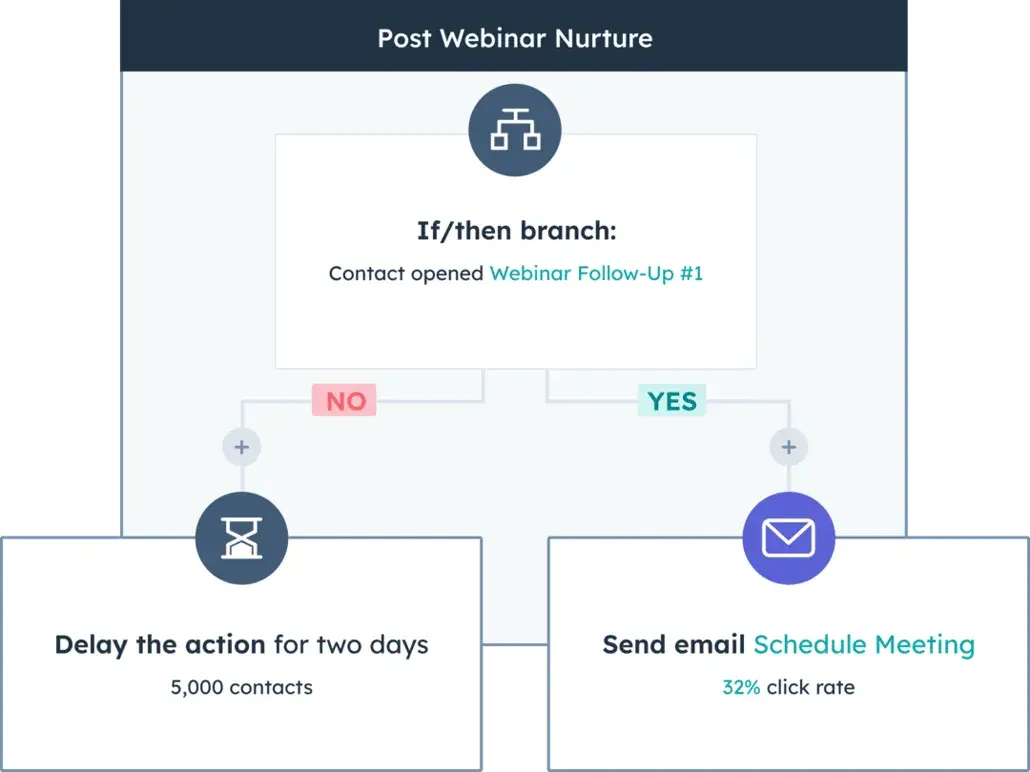
HubSpot’s Marketing Automation, a component of its broader Marketing Hub, is frequently cited as a top-tier Pardot alternative. It empowers marketers to construct sophisticated, multi-step B2B nurture workflows triggered by a variety of factors, including user behavior, lifecycle stage, and CRM data. The platform’s core strength lies in its unified approach, consolidating marketing, sales, and CRM data within a single ecosystem, thereby addressing the fragmented nature of Pardot’s architecture. Businesses can opt to fully transition to HubSpot CRM or leverage its native two-way sync with Salesforce to maintain data consistency across both platforms, ensuring that contacts, companies, deals, and activity histories remain synchronized.
Key HubSpot Features:
- Advanced Workflow Automation: Intuitive drag-and-drop builder for creating complex nurture sequences.
- Behavioral Tracking: Monitors website activity, email engagement, and other interactions to trigger personalized journeys.
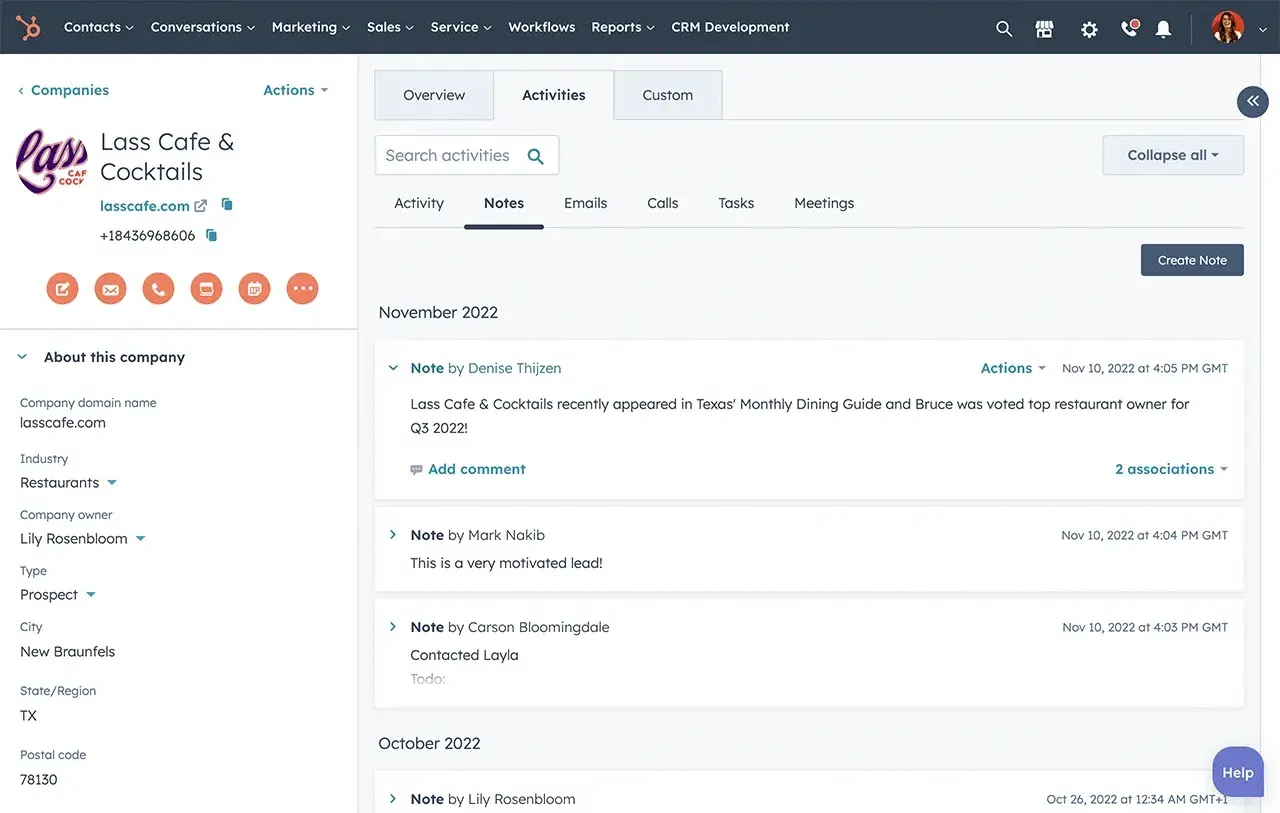
- Smart CRM Integration: Seamless data flow between marketing and sales, providing a 360-degree view of the customer.
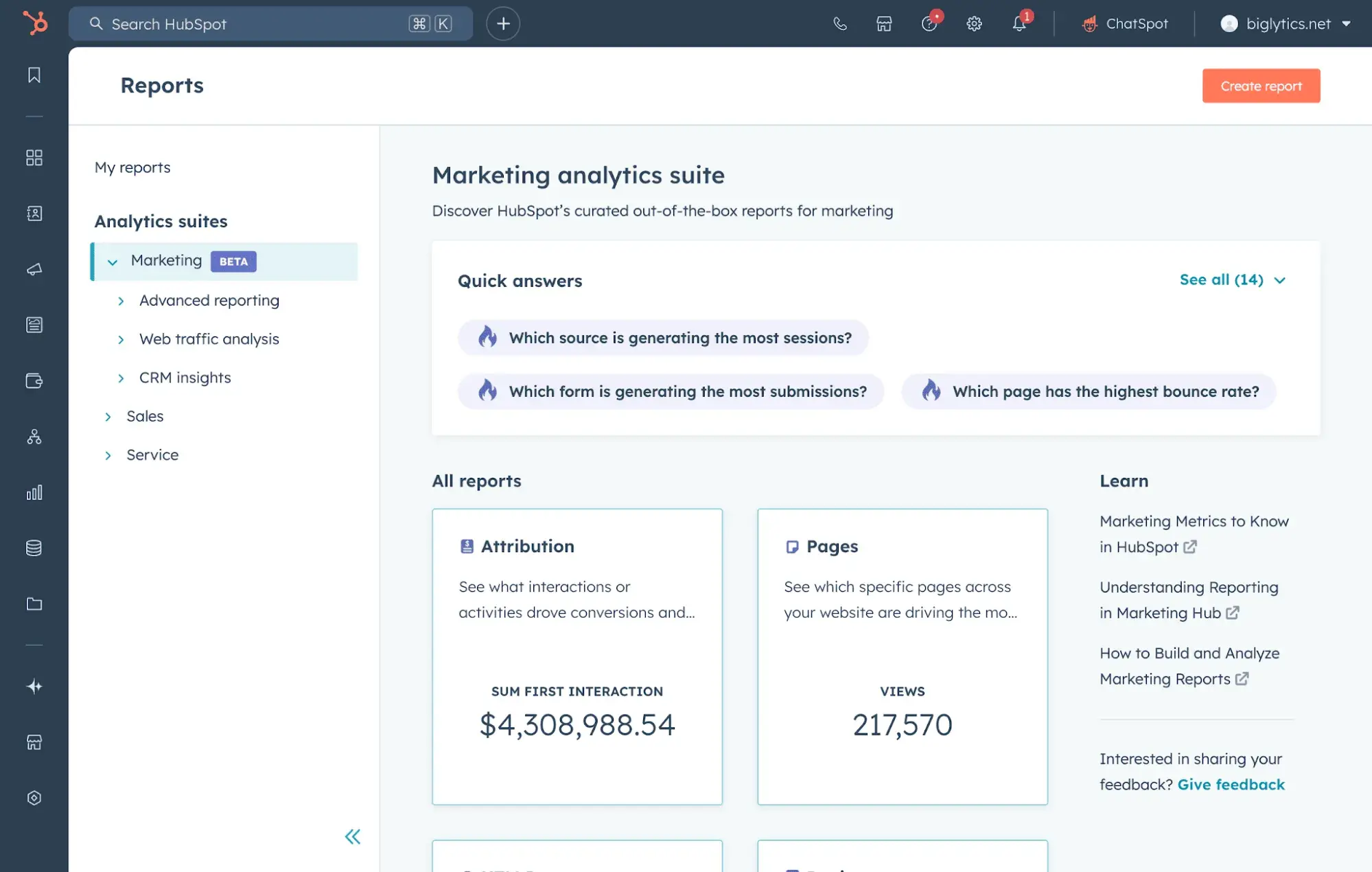
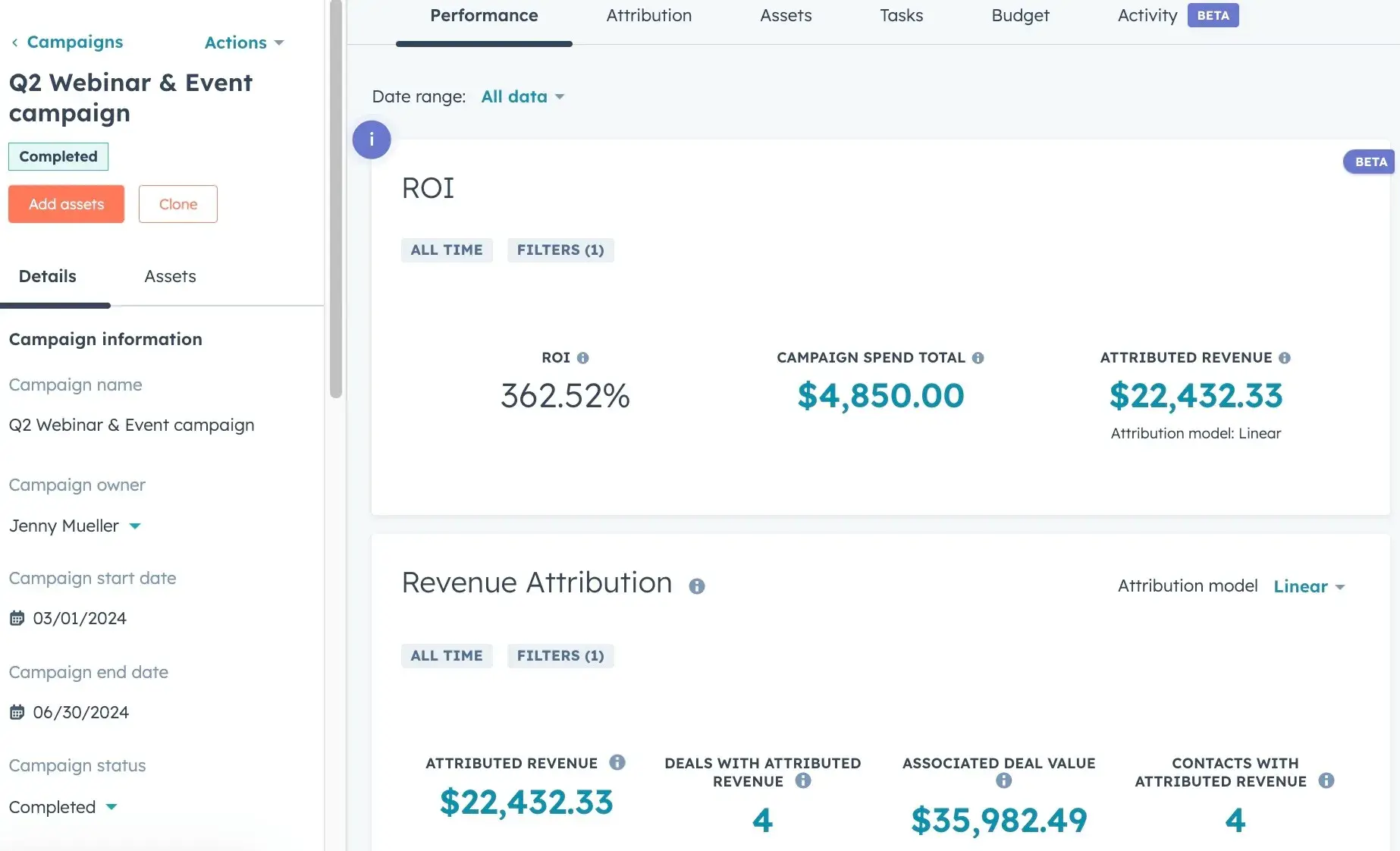
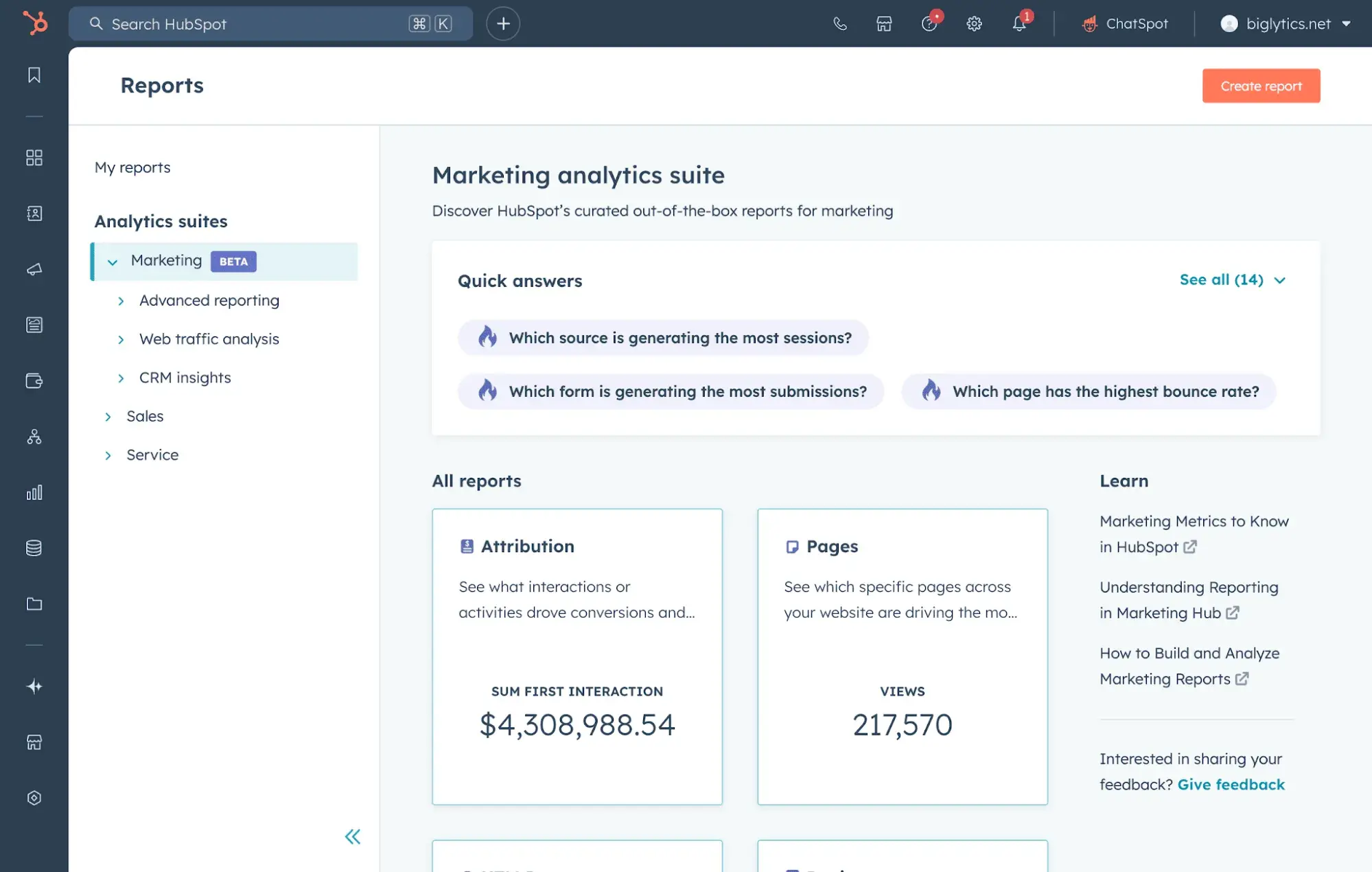
- Customizable Reporting: Comprehensive dashboards and reporting tools for campaign ROI, attributed revenue, and other key metrics.
- Email Marketing: Robust tools for designing, sending, and analyzing email campaigns.
- Lead Scoring and Grading: Sophisticated lead qualification based on engagement and fit.
User Feedback: Reviews consistently highlight HubSpot’s ease of use, robust email marketing capabilities, and powerful automation features as significant advantages. While some users note a learning curve associated with its comprehensive feature set, the overall sentiment is overwhelmingly positive, emphasizing its intuitive design and effectiveness in scaling marketing efforts.
Pricing: HubSpot offers a free plan suitable for up to two users, with paid plans beginning at $10 per month per seat, making it an accessible option for businesses of all sizes.
2. Salesforce Marketing Cloud Next
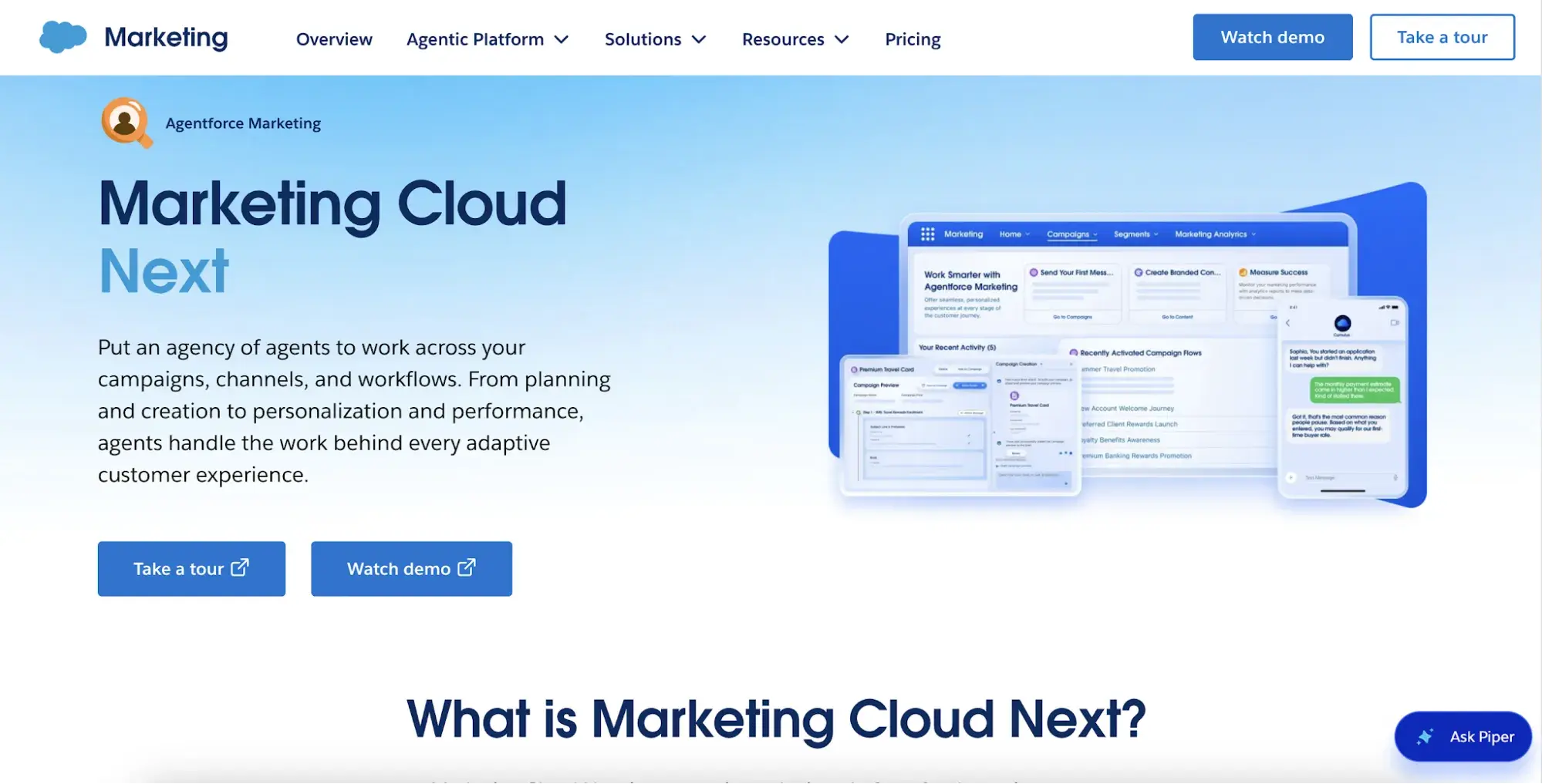
As Salesforce’s intended successor to Pardot, Marketing Cloud Next is built natively on the Data Cloud platform. This architectural shift aims to eliminate the data synchronization complexities that have plagued Pardot users. However, for many businesses seeking to move away from a heavy reliance on Salesforce, Marketing Cloud Next may not be the ideal solution. It represents a significant investment and is best suited for large enterprises deeply embedded within the Salesforce ecosystem that wish to maintain that integration.
Ryan observes that while Salesforce is actively directing customers to Marketing Cloud Next, this often prompts a more comprehensive review of their entire technology stack. "So it isn’t necessarily that people are blindly going towards Marketing Cloud Next. Quite a lot of customers are going. The most common direction is HubSpot," he reiterates. This suggests that the perceived necessity of staying within the Salesforce ecosystem is diminishing for many.
Key Marketing Cloud Next Features:
- Native Data Cloud Integration: Unified customer data for personalized experiences.
- Advanced Journey Builder: Sophisticated tools for designing cross-channel customer journeys.
- AI-Powered Personalization: Leverages artificial intelligence to deliver tailored content and offers.
- Marketing Analytics: Comprehensive insights into campaign performance and customer behavior.
User Feedback: Reviews for Agentforce Marketing (which encompasses Marketing Cloud Next) are mixed regarding usability, with some praising its ease of use while others express concerns about complexity and the learning curve.
Pricing: The Growth Edition of Marketing Cloud Next starts at $1,500 per organization per month, positioning it as a premium enterprise solution.
3. Adobe Marketo Engage
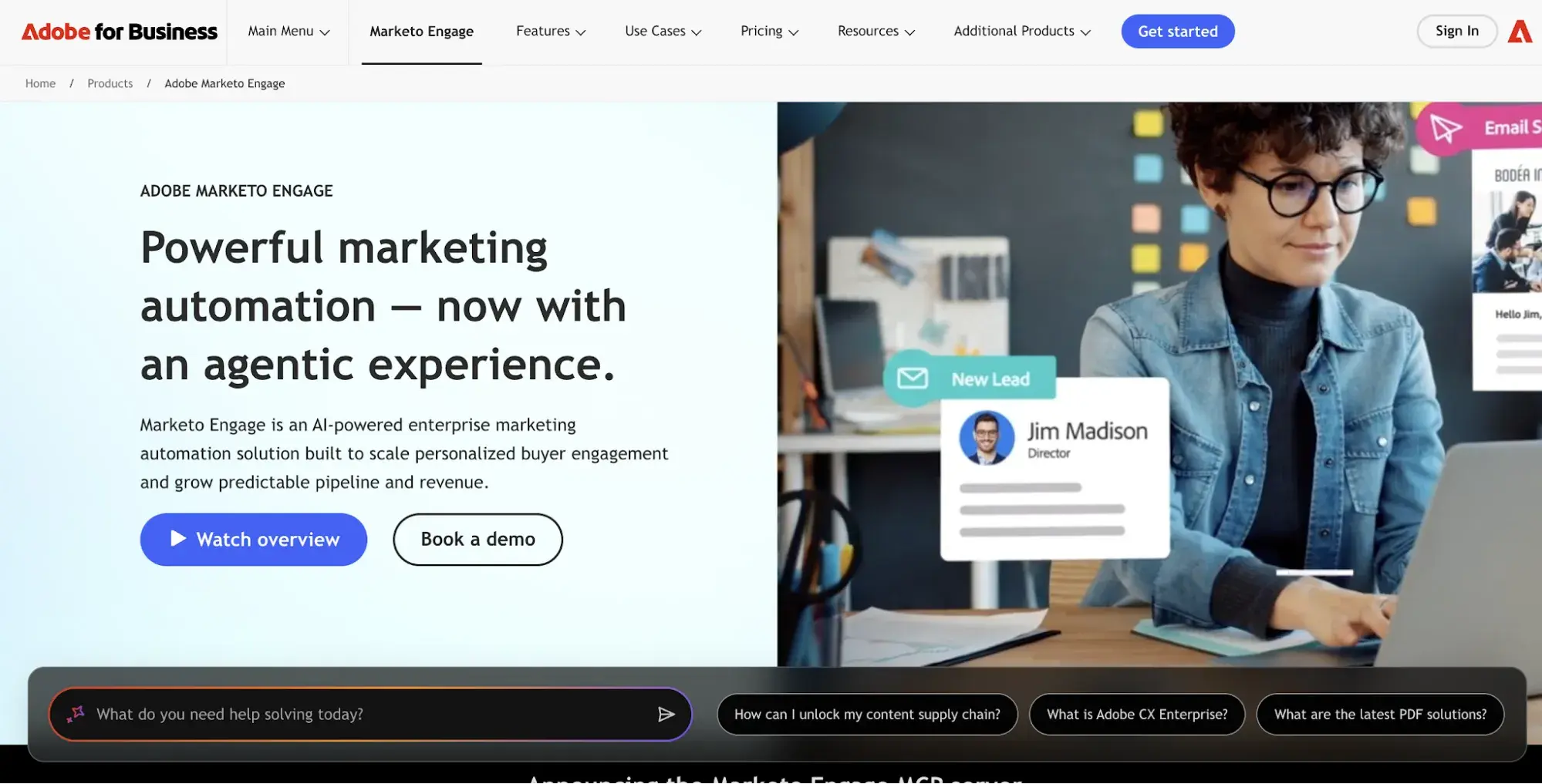
Adobe Marketo Engage is a powerful enterprise-grade marketing automation platform that can serve as a viable upgrade for businesses that have outgrown Pardot. It is known for its extensive feature set and robust capabilities, though these often come with increased complexity and a higher price point. Marketo is often favored by larger organizations with dedicated teams and resources to invest in its setup and customization.
Key Marketo Features:
- Advanced Campaign Management: Tools for sophisticated campaign planning, execution, and analysis.
- Lead Management: Comprehensive lead nurturing, scoring, and routing capabilities.
- Account-Based Marketing (ABM) Tools: Features designed to support targeted ABM strategies.
- Marketing Analytics: In-depth reporting and analytics for performance measurement.
- Integration with Adobe Experience Cloud: Seamless integration with other Adobe marketing and analytics products.
User Feedback: Users commend Marketo for its powerful automation and lead management features. However, common criticisms include a steep learning curve, a less intuitive design compared to some competitors, and overall complexity.
Pricing: Adobe does not publicly disclose pricing for Marketo Engage, requiring interested businesses to contact them directly for a custom quote.
4. ActiveCampaign
ActiveCampaign positions itself as an AI-forward marketing automation platform that also incorporates a lightweight CRM. It offers multi-channel automation capabilities and a native two-way Salesforce sync, making it an appealing option for smaller teams or those seeking a more streamlined alternative to Pardot’s complexity. A notable consideration for scaling businesses is the potential for significant price increases when moving between tiers or as the customer base grows.
Key ActiveCampaign Features:
- AI-Powered Automation: Utilizes AI to enhance personalization and campaign optimization.
- Multi-Channel Marketing: Supports email, SMS, and other channels for integrated campaigns.
- Integrated CRM: A lightweight CRM for managing customer relationships.
- Salesforce Integration: Native two-way sync for seamless data exchange.
User Feedback: While users generally praise ActiveCampaign’s ease of use and automation features, recurring complaints revolve around its learning curve and limited reporting capabilities.
Pricing: ActiveCampaign’s plans start at $15 per month and scale based on the number of contacts.
5. Zoho Marketing Automation
Zoho Marketing Automation integrates natively with Zoho’s comprehensive CRM suite and other marketing channels. The platform leverages customer data for lead scoring, campaign generation, and personalized outreach. As a more budget-friendly option compared to some of its counterparts, Zoho Marketing Automation is a suitable choice for small to medium-sized businesses with straightforward data requirements and a preference for consolidating their technology stack within the Zoho ecosystem.
Key Zoho Marketing Automation Features:
- Lead Scoring and Nurturing: Automates lead qualification and engagement.
- Campaign Management: Tools for creating and executing multi-channel marketing campaigns.
- Customer Data Platform (CDP) Integration: Utilizes customer data for personalized experiences.
- Zoho CRM Integration: Seamless connection with Zoho’s CRM.
User Feedback: Users commend Zoho Marketing Automation’s capabilities but have reported issues with customer service and the depth of its reporting features.
Pricing: Plans for Zoho Marketing Automation start at $19 per month for 1,000 contacts.
Navigating a Successful Pardot Migration
Migrating from one marketing automation platform to another is a complex undertaking that requires meticulous planning and execution to minimize risk. Tom Ryan emphasizes the critical importance of understanding and translating workflows between systems. "A Salesforce campaign is a completely different object from a HubSpot campaign… so there’s a translation there," he explains, underscoring that a direct porting of elements is rarely possible.
Key considerations for a low-risk migration include:
- Data Mapping and Cleansing: Thoroughly mapping data fields and ensuring data accuracy and consistency are foundational.
- Workflow Translation: Recreating existing automation workflows in the new platform, considering functional differences and potential enhancements.
- Quality Assurance (QA): Rigorous testing of all migrated components, including workflows, forms, landing pages, and email templates.
- Phased Rollout: Implementing the new platform in stages to identify and address issues before a full organizational rollout.
Ryan outlines three primary buckets for prioritizing migration efforts:
- Critical Functionality: Identifying and ensuring the smooth transition of core marketing processes and automation sequences.
- Data Migration and Integrity: Safeguarding all essential customer data and ensuring its accurate transfer.
- User Training and Adoption: Providing comprehensive training and support to marketing teams to facilitate a rapid and effective adoption of the new platform.
With diligent planning and a strategic approach, Pardot migrations can be completed in as little as one month, though typical timelines often range from two to three months.
Frequently Asked Questions About Pardot Alternatives
-
Is Pardot part of Salesforce?
Yes, Pardot is a product of Salesforce and was rebranded as Marketing Cloud Account Engagement in 2022. -
How long does a typical Pardot migration take?
While rapid migrations can be achieved in one month, a typical transition period ranges from two to three months, depending on the complexity of existing workflows and data. -
Will lead scoring and ABM models be lost during migration?
Yes, lead scoring and Account-Based Marketing (ABM) models typically need to be rebuilt. Pardot’s scoring models are proprietary and do not transfer directly. However, existing scores and grades can be retained for segmentation purposes, and the migration presents an opportunity to refine these models based on accumulated learnings. Engagement Studio programs and automations also require recreation in the new system.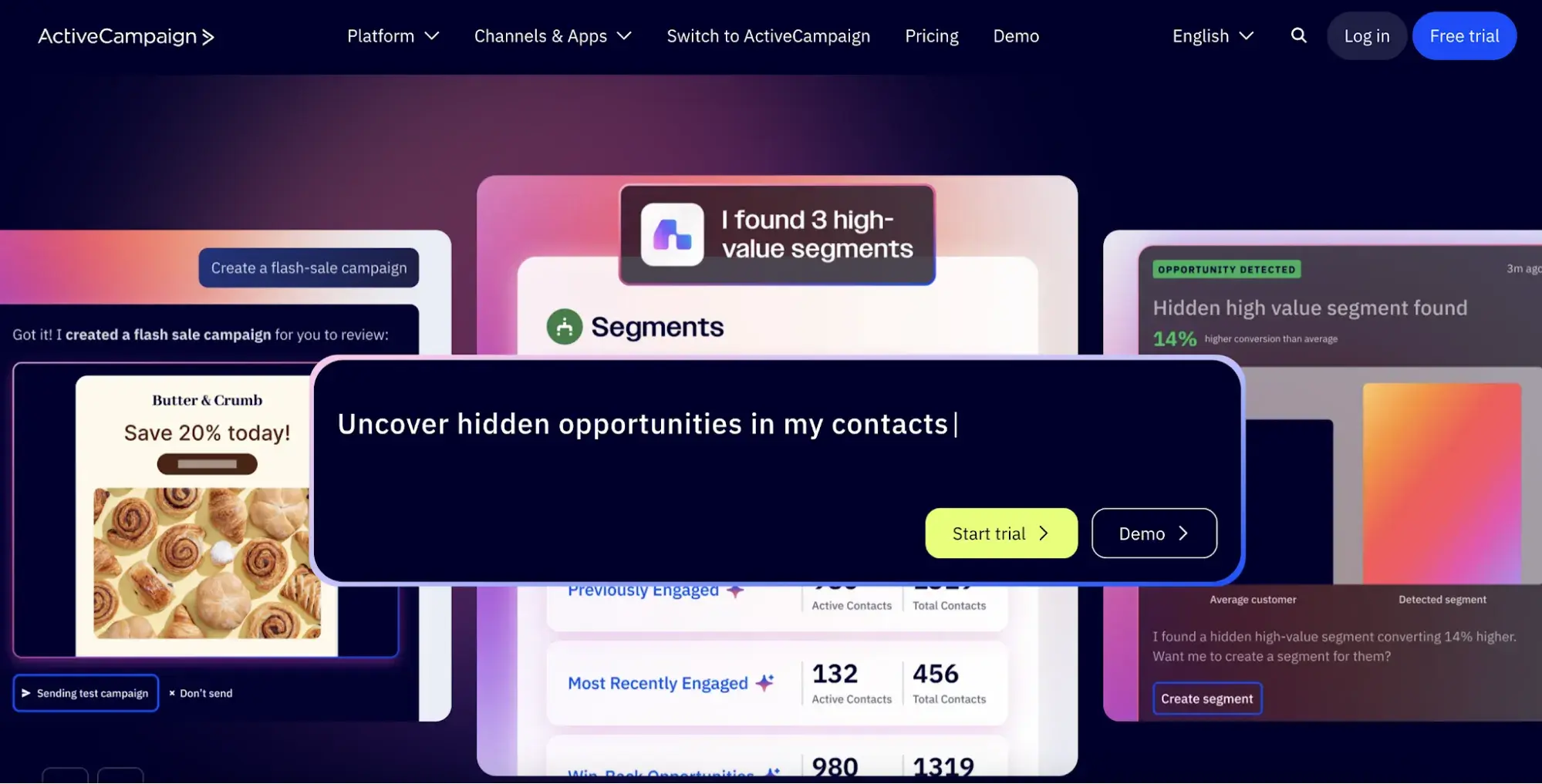
-
Can businesses retain Salesforce for sales while switching off Pardot?
Absolutely. Pardot is billed as a distinct component within the Salesforce ecosystem, allowing businesses to maintain their CRM and Sales Cloud functionalities while adopting a separate marketing automation tool. -
What is the best way to budget for the first year on a new platform?
Budgeting should account for the platform’s list price based on current usage, projected growth in seats and contacts, and potential tier upgrades, as these often represent significant cost increases. Additionally, factor in onboarding and implementation fees, which some vendors charge as mandatory initial costs.
Conclusion: Embracing the Future of B2B Marketing Automation
The decision to migrate from Pardot is a strategic response to the dynamic nature of the modern marketing industry. As businesses increasingly demand agile, feature-rich, and forward-thinking marketing automation solutions, platforms like HubSpot, Salesforce Marketing Cloud Next, Adobe Marketo Engage, ActiveCampaign, and Zoho Marketing Automation offer compelling alternatives. The success of such a transition hinges on a thorough understanding of business needs, a clear migration strategy, and a commitment to adopting tools that empower marketing teams to drive growth and achieve their objectives in an ever-evolving digital landscape. For organizations seeking to modernize their marketing technology stack, exploring these alternatives and undertaking a well-planned migration is no longer a matter of choice, but a necessity for staying competitive.
About the Author