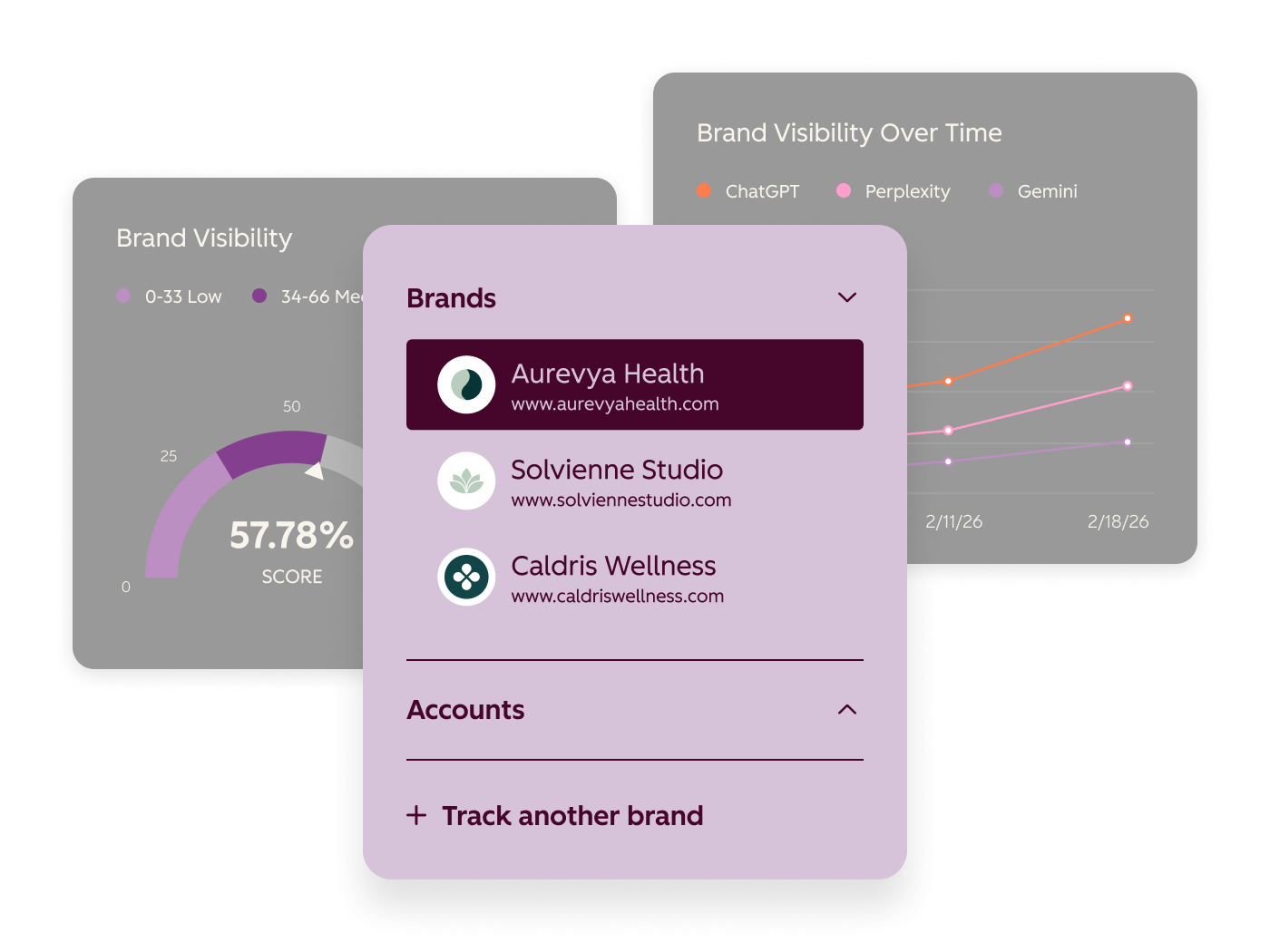
As the digital marketing world grapples with the seismic shift in how consumers discover information, a new imperative has emerged for brands: understanding and optimizing their presence within generative AI platforms. With an increasing number of potential customers bypassing traditional search engines to query tools like ChatGPT, Gemini, and Perplexity for product recommendations and solutions, marketers are urgently seeking sophisticated solutions to monitor and manage their brand’s visibility in these burgeoning AI-powered ecosystems. Two prominent contenders in this rapidly developing space are HubSpot’s AI Engine Optimization (AEO) tool and Ahrefs’ Brand Radar. While both aim to equip marketers with critical insights, they employ distinct methodologies and offer different strengths, making the choice between them a strategic decision contingent on specific business needs and operational workflows.
This analysis delves into the core functionalities of HubSpot AEO and Ahrefs Brand Radar, dissecting their feature sets, comparing their approaches to data collection and analysis, and ultimately providing a framework for marketers to determine which platform best aligns with their objectives for navigating the AI search frontier.
Understanding the Core Offerings: HubSpot AEO and Ahrefs Brand Radar
At its heart, HubSpot AEO is designed to provide a comprehensive solution for tracking a brand’s performance across key AI conversational and search interfaces. It monitors brand visibility within ChatGPT, Google’s Gemini, and Perplexity, and crucially, integrates this data directly into HubSpot’s content creation and marketing tools. This seamless workflow is a key differentiator, allowing users to identify visibility gaps and immediately take action without the need for manual data transfer or switching between disparate applications. Whether it’s crafting a blog post, publishing a social media update, or engaging on a forum like Reddit, the process is intended to be streamlined within a single platform.
Furthermore, HubSpot AEO leverages its Customer Relationship Management (CRM) capabilities to enhance prompt tracking. Instead of relying solely on manual input, the tool intelligently suggests relevant prompts based on existing business data, customer insights, and competitive intelligence. This proactive approach ensures that marketers are tracking the most pertinent questions from the outset, saving valuable time and resources.
Ahrefs Brand Radar, on the other hand, approaches AI visibility as a natural extension of Ahrefs’ established prowess in SEO and digital intelligence. It offers an extensive monitoring capability across seven AI platforms, including AI Overviews, AI Mode, ChatGPT, Perplexity, Microsoft Copilot, Gemini, and Grok, surpassing the coverage of many competitors. Its foundation is built upon a massive database of 406 million monthly prompts, derived from actual user search queries, providing a robust and realistic view of what people are asking AI.
Beyond generative AI engines, Ahrefs Brand Radar extends its monitoring to other influential platforms such as YouTube, Reddit, and TikTok (currently in beta and free). This broader reach offers brands a more holistic understanding of their digital footprint. For teams keen on integrating this data into their AI workflows, Brand Radar also provides an API that allows direct querying of Ahrefs data within platforms like Claude or ChatGPT.
A Feature-by-Feature Comparison: HubSpot AEO vs. Ahrefs Brand Radar
The nuances between these two tools become clearer when examining their specific features:
AI Engine and Prompt Coverage
One of the most significant distinctions lies in the breadth of AI engines covered. HubSpot AEO focuses on the dominant players: ChatGPT, Gemini, and Perplexity. While these three platforms represent a substantial portion of current AI search volume, brands requiring visibility monitoring for emerging or niche AI engines, such as Microsoft Copilot, Google AI Overviews, Google AI Mode, or Grok, might find HubSpot AEO’s current coverage limiting.
Ahrefs Brand Radar, with its inclusion of seven distinct AI platforms, offers a more comprehensive view. The addition of Microsoft Copilot and Google’s AI-driven search features is particularly advantageous for businesses operating in sectors where these platforms hold significant sway, such as enterprise software or technology.
Regarding prompt tracking, HubSpot AEO’s integration with its CRM is a notable advantage. It intelligently suggests prompts based on a company’s existing data, customer profiles, and competitive landscape. This not only streamlines the setup process but also ensures that the prompts being monitored are highly relevant and strategically aligned. Ahrefs Brand Radar boasts an impressive dataset of 406 million monthly prompts derived from real user searches, offering a vast pool of potential queries to track. Both tools allow for custom prompt creation, though Ahrefs Brand Radar’s custom prompt limits vary significantly across its pricing tiers.
Citations, Sources, and Sentiment Analysis
Both platforms provide valuable insights into how brands are being cited and the sentiment surrounding those mentions. HubSpot AEO offers detailed citation analysis, breaking down mentions by domain, URL, and content type. It categorizes sources into owned content, competitor content, third-party publications, social media, and affiliate mentions. Sentiment is scored on a scale from -100 to +100, offering a clear indication of whether mentions are positively or negatively impacting brand perception.
Ahrefs Brand Radar also tracks citations across its extensive list of AI platforms, with the added benefit of including mentions from YouTube, Reddit, and TikTok. This multi-platform social layer provides a more complete and nuanced understanding of a brand’s presence and how it’s being discussed across various online communities. For brands aiming to grasp the entire ecosystem influencing their AI visibility, Brand Radar’s expanded tracking capabilities are a significant asset.
Historical Trends and Reporting
HubSpot AEO presents historical trend data for brand visibility scores across each AI engine. A key strength is its ability to directly link these visibility metrics to campaign performance data within the same platform. This allows marketers to clearly connect improvements in their AEO score to specific content initiatives and measure their impact on broader marketing goals.
Ahrefs Brand Radar also offers historical trend data for its covered engines. For existing Ahrefs users, the integration with the broader Ahrefs suite is a compelling advantage. It enables the layering of AI visibility trends alongside traditional SEO metrics such as organic traffic, backlink profiles, and keyword rankings, fostering a unified view of overall search performance.
![HubSpot AEO vs. Ahrefs Brand Radar: Features compared [2026]](https://53.fs1.hubspotusercontent-na1.net/hubfs/53/hubspot-aeo-vs-ahrefs-brand-radar-1-20260805-255574.webp)
Bridging the Gap: From Insight to Action
The divergence between HubSpot AEO and Ahrefs Brand Radar becomes most pronounced when considering the speed and efficiency with which insights are translated into actionable content. This is arguably the most critical factor for businesses to consider when making their purchasing decision.
From Visibility Gap to Content Brief
When HubSpot AEO identifies a visibility gap – for instance, a competitor consistently ranking for a key search query while the brand does not – it surfaces a prioritized recommendation. This recommendation could be to create a new blog post targeting that specific query, update an existing web page, or publish a relevant LinkedIn post. The emphasis is on providing a clear, actionable next step directly within the platform, transforming raw data into a content directive.
In contrast, Ahrefs Brand Radar presents the same critical visibility gap data. However, the onus then falls on the user to integrate this information into their existing content workflow. This typically involves creating a content brief, assigning the task to a team member, and tracking progress through separate project management tools.
From Draft to Publish and Measure
HubSpot AEO’s integration within Marketing Hub means that content creation can occur directly within the platform. Blog posts, social media updates, and content revisions are native functionalities. Once published, the AEO data dynamically updates as AI mentions evolve, and campaign analytics are readily available for performance assessment. This end-to-end workflow minimizes context switching and streamlines the entire content lifecycle.
With Ahrefs Brand Radar, the publishing process occurs through the user’s preferred content management systems. The measurement loop then brings the data back to Brand Radar for AI visibility analysis. However, to gain a comprehensive understanding of content impact, users would need to consolidate data from various other sources. While this may not be a significant drawback for teams with well-established content workflows that simply require enhanced monitoring data, it represents a considerable time-saver for organizations aiming to consolidate their marketing stack or those still developing their operational processes.
Pricing Structures: HubSpot AEO vs. Ahrefs Brand Radar
The financial investment for each tool also presents a significant consideration:
HubSpot AEO Pricing
HubSpot AEO is accessible starting at $50 per month (or $45 per month when billed annually). This entry-level price includes coverage for ChatGPT, Gemini, and Perplexity, comprehensive brand visibility and sentiment analysis, prompt tracking with intelligent CRM-powered suggestions, competitor analysis, citation tracking, and prioritized actionable recommendations.
For those wishing to explore the platform’s capabilities before committing, HubSpot offers a free 28-day trial that includes 25 prompts across all three supported engines, with no credit card required. This low-barrier entry point allows businesses to assess the tool’s value with real-world data.
For larger organizations seeking a more integrated marketing solution, HubSpot for Marketers, which bundles Marketing Hub and Content Hub, starts at $900 per month and incorporates AEO alongside a full suite of campaign management, content creation, and social media tools.
Ahrefs Brand Radar Pricing
Ahrefs does not typically offer free trials or discounts, necessitating an upfront commitment. The pricing structure for Brand Radar is divided into two primary categories:
Standalone Brand Radar: This option, which includes an Ahrefs Free account, offers various tiers. The Lite plan, priced at $99 per month, provides access to 7 AI engines and 100 custom prompts. The Standard plan, at $199 per month, expands to 10 AI engines and 500 custom prompts. The Advanced plan, costing $399 per month, offers 12 AI engines and 1,000 custom prompts.
Bundled within Full Ahrefs Plans: For existing Ahrefs customers, Brand Radar is integrated into their broader SEO and marketing intelligence subscriptions. The Lite plan, which includes Brand Radar with 7 AI engines and 100 custom prompts, costs $199 per month. The Standard plan, with 10 AI engines and 500 custom prompts, is priced at $399 per month. The Advanced plan, featuring 12 AI engines and 1,000 custom prompts, is available for $799 per month.
In essence: For businesses already invested in the Ahrefs ecosystem, adding Brand Radar represents a relatively low incremental cost. However, for newcomers seeking standalone Brand Radar with comprehensive engine coverage, the investment can be substantial, with the Advanced plan reaching $399 per month. HubSpot AEO, at its $50 per month starting price, offers a significantly more affordable entry point for a standalone AI visibility tool, albeit with a more focused engine coverage.
Integrating with Your Existing Tech Stack
The decision of which tool to adopt often hinges on how well it complements a company’s existing technology infrastructure and operational philosophy.
HubSpot AEO: The Integrated Ecosystem Advocate
HubSpot AEO is the preferred choice for organizations that prioritize a unified, integrated marketing platform. Its strength lies in its seamless connection to the HubSpot CRM and its suite of marketing tools. This makes it ideal for teams that:
![HubSpot AEO vs. Ahrefs Brand Radar: Features compared [2026]](https://no-cache.hubspot.com/cta/default/53/9dd5e54b-fbef-4dd0-bc44-1689feb1ea18.png)
- Value workflow efficiency: Teams that want to minimize context switching and manage their entire marketing operation from a single hub.
- Leverage CRM data for insights: Businesses that utilize their CRM extensively and want to harness that data for more intelligent prompt suggestions and audience segmentation.
- Prioritize content creation and execution within a single platform: Organizations that want to go from identifying an AI visibility opportunity to publishing content and measuring its impact without leaving their primary marketing tool.
- Seek an all-in-one marketing solution: Companies looking to consolidate their marketing technology stack and benefit from the interconnectedness of various marketing functions.
Ahrefs Brand Radar: The Data-Centric Powerhouse
Ahrefs Brand Radar appeals to teams that are data-driven, SEO-centric, and comfortable building their own workflows around specialized tools. It is the superior option for organizations that:
- Require extensive AI engine coverage: Businesses that need to monitor a broad spectrum of AI platforms, including emerging or niche engines.
- Are already invested in the Ahrefs ecosystem: Existing Ahrefs users who can seamlessly integrate Brand Radar data into their established SEO and competitive intelligence workflows.
- Prioritize deep data analysis and customizability: Teams that need granular control over their data and are adept at leveraging comprehensive datasets for strategic insights.
- Are comfortable managing a more fragmented tech stack: Organizations that have specialized tools for different marketing functions and can effectively integrate data from various sources.
- Need to monitor beyond generative AI: Brands that want to track visibility across social media and video platforms in addition to AI search engines.
Ease of Use and Time to Value
The user experience and the speed at which a tool delivers tangible results are crucial factors for adoption.
HubSpot AEO is engineered for accessibility, enabling marketers of all technical backgrounds to get started quickly. The CRM-powered prompt suggestions eliminate the guesswork associated with identifying what to track, providing a clear starting point derived from business data. Most teams can expect to see meaningful visibility data within their first day of setup.
Ahrefs Brand Radar benefits from Ahrefs’ long-standing reputation for user-friendly design, particularly for seasoned SEO professionals. However, for marketers new to the Ahrefs ecosystem, there can be a steeper learning curve. The extensive customization options for prompts, while offering greater control, require more upfront configuration, especially for those onboarding without prior Ahrefs context.
For an SEO specialist already familiar with Ahrefs, the time to value for Brand Radar is likely to be rapid. Conversely, for content marketers or generalist marketing professionals, HubSpot AEO’s intuitive setup often translates to a faster time to value.
Decision Framework: Choosing the Right Tool for Your Needs
To navigate the selection process effectively, consider the following scenarios:
Scenario 1: Monitoring is the Primary Goal
If the sole objective is to gain visibility into how a brand appears across AI platforms, monitor competitors, and gather reliable citation data, without an immediate need to overhaul content workflows or integrate AI visibility into campaign reporting, then Ahrefs Brand Radar is the more suitable choice. Its expansive seven-platform coverage and robust 406-million-prompt database position it as a comprehensive monitoring solution, especially for existing Ahrefs users. While its standalone entry price is higher than HubSpot’s, its breadth of coverage makes it the stronger contender if visibility is the paramount concern.
Scenario 2: Monitoring Meets Execution
For organizations that require not only visibility data but also a clear, actionable pathway from identifying an AI presence gap to rectifying it, and where minimizing data transfer between tools is a priority, HubSpot AEO emerges as the superior option. Its integrated workflow, encompassing CRM-powered prompt suggestions, in-platform content publishing, and connected campaign metrics, is specifically designed for this scenario. The accessible $50 per month pricing also facilitates experimentation and scaling.
Scenario 3: Managing Multiple Brands or Geographies
When the requirement extends to tracking AI visibility across numerous brands, distinct markets, or varied competitive landscapes, both tools present a more complex implementation. HubSpot AEO’s pricing is per account, necessitating a direct conversation with their sales team for multi-brand configurations. Ahrefs Brand Radar’s Enterprise plan starts at $1,499 per month with custom prompt limits. In such cases, engaging with both vendors to discuss specific volume requirements and customization needs is advisable.
Alternative Solutions for Niche Requirements
Should neither HubSpot AEO nor Ahrefs Brand Radar perfectly align with specific needs, several alternative solutions warrant consideration:
- Profound: This platform is purpose-built for enterprise-level AI Engine Optimization, offering advanced analytics and attribution tracking. It’s an excellent fit for larger organizations that require executive-level AI visibility reporting across multiple markets.
- Semrush AI Toolkit: For businesses already integrated with the Semrush platform, the AI Toolkit presents a low-friction method for incorporating AI visibility into their existing SEO workflows. While its coverage and depth are still evolving, it offers a natural extension for teams standardized on the Semrush suite.
- Otterly.ai: This offers a more lightweight, standalone solution for teams seeking prompt monitoring capabilities without the commitment of a full-fledged platform. It serves as a practical entry point for organizations still assessing the strategic value of AI Engine Optimization.
For a broader overview of rank tracking tools that encompass both traditional SEO and AI search, additional resources provide a more extensive landscape analysis.
Frequently Asked Questions
Can I Utilize Both Tools Simultaneously?
Yes, the combined use of HubSpot AEO and Ahrefs Brand Radar can be beneficial for some organizations. HubSpot AEO provides the critical execution workflow and CRM integration, while Ahrefs Brand Radar offers broader engine coverage and access to the comprehensive Ahrefs SEO dataset. While there will be some overlap in monitoring capabilities for ChatGPT, Gemini, and Perplexity, the synergy can be powerful. For teams that require deep Ahrefs integration for traditional SEO and HubSpot’s streamlined workflow for acting on AI insights, running both platforms might be a strategic decision, provided the combined cost and data management overhead are justified by the team’s size and objectives.
Measuring ROI from AI Engine Optimization
The return on investment (ROI) from Answer Engine Optimization (AEO) typically manifests in several key areas: improvements in brand visibility scores over time, increased share of voice relative to competitors, measurable AI-driven traffic (trackable through UTM parameters or referral data), and enhanced lead quality, particularly when AI-sourced leads are effectively connected to sales pipelines. HubSpot AEO’s advantage lies in its ability to co-locate AEO data with campaign and CRM data, enabling a direct line of sight from visibility improvements to content modifications and subsequent downstream leads. With Ahrefs Brand Radar, users would need to construct this attribution model independently.
Identifying the Most Critical AI Engines for Your Category
The selection of the most relevant AI engines depends heavily on where your target audience is actively searching. For most B2B categories, ChatGPT, Gemini, and Perplexity collectively account for a significant share of AI search volume. However, if your industry heavily relies on Microsoft Copilot (common in enterprise software and productivity tools) or if your buyers frequently encounter Google’s AI Overviews and AI Mode in traditional search results, Ahrefs Brand Radar’s broader engine coverage becomes a distinct advantage. A thorough internal audit of how your team and customers interact with AI search engines is recommended before making a final decision.
Operationalizing AI Engine Optimization Within Content Workflows
Effectively integrating AEO into content workflows hinges on tracking the appropriate prompts, identifying performance gaps, and assigning clear ownership for action. The optimal operationalization strategy is highly dependent on team structure. For HubSpot users, the workflow is largely pre-built, with CRM-powered prompt suggestions, in-platform content creation, and integrated campaign metrics creating a tight feedback loop. For Ahrefs users, establishing a regular cadence for reviewing Brand Radar data and feeding it into content planning processes, whether through weekly gap analysis or monthly citation-building sprints, is crucial. Competitive intelligence, particularly an understanding of which sources drive competitor citations, is an invaluable input for identifying focus areas, whether it’s expanding owned content, earning third-party mentions, or strengthening social media presence.
About the Author