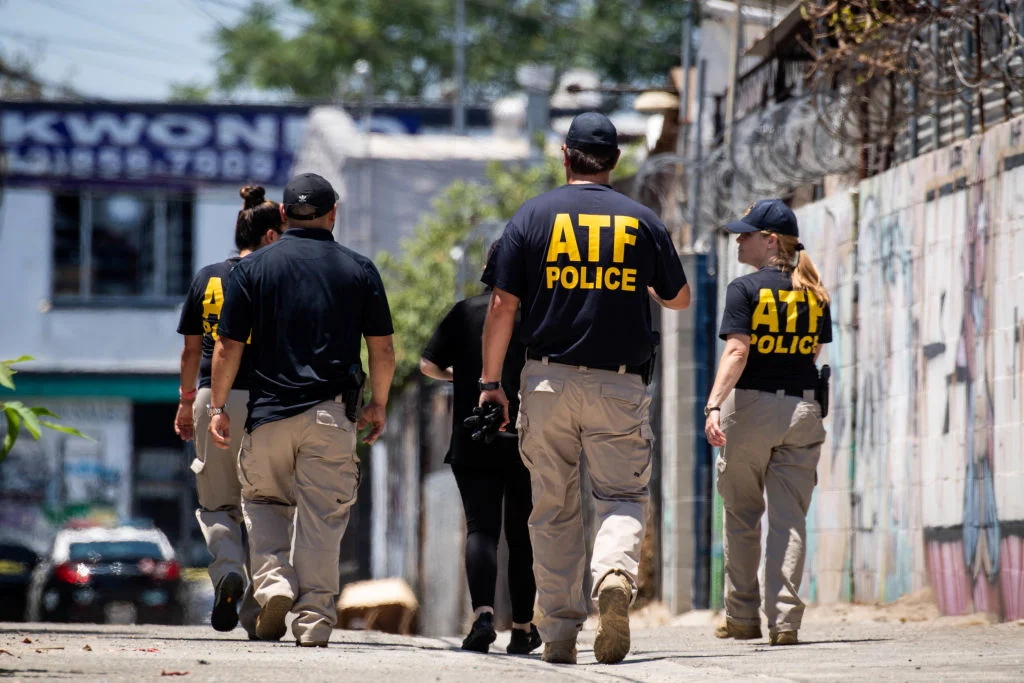
The U.S. Bureau of Alcohol, Tobacco, Firearms and Explosives (ATF) has officially declared a significant cyberattack on one of its systems a "major incident," a formal classification that mandates notification to members of Congress. The breach, which targeted a standalone system separate from the bureau’s main network, has raised serious concerns about the potential compromise of sensitive law enforcement information, including details on the targets of ATF investigations.
The ATF confirmed the cybersecurity incident in a statement, emphasizing that the affected system is isolated from the bureau’s broader network infrastructure. However, an ATF spokesperson speaking with reporters confirmed the gravity of the situation, indicating that the compromised computer system contained highly sensitive data. This includes information pertaining to ongoing investigations and individuals or groups under ATF scrutiny, a revelation that is likely to send ripples through the federal law enforcement community and potentially compromise ongoing operations.
The Qilin Ransomware Gang: A Shadowy Operator
While the ATF has not officially attributed the attack to a specific threat actor, TechCrunch has observed a claim of responsibility posted on the leak site of the Qilin ransomware gang. However, this claim was not accompanied by any verifiable evidence, such as samples of data purportedly stolen from the ATF. This lack of immediate proof is not uncommon in the world of cybercrime, where attribution can be a complex and often delayed process.
Qilin is recognized in cybersecurity circles for its "ransomware-as-a-service" (RaaS) model. This operational structure allows the gang to lease its sophisticated hacking tools and infrastructure to other criminal affiliates. In return, Qilin takes a percentage of the ransoms extorted from victims. This RaaS approach significantly broadens the reach and impact of such ransomware operations, as it empowers a wider array of cybercriminals who may lack the technical expertise to develop their own malware.
The gang’s notoriety is further underscored by its history of targeting high-profile organizations. Notable previous victims attributed to Qilin include the media giant Lee Enterprises and, more recently, the U.K. pathology lab giant Synnovis, which suffered a massive breach that disrupted critical healthcare services. The targeting of the ATF represents a significant escalation in the types of entities Qilin, or its affiliates, are willing to attack, moving from corporate entities to a critical federal law enforcement agency.
Understanding "Major Incidents" in Federal Cybersecurity
The classification of a cyberattack as a "major incident" carries significant legal and procedural weight within the U.S. federal government. According to federal guidelines, a major incident encompasses significant cyber events that possess the potential to cause demonstrable harm to U.S. national security or broader national interests. These incidents are not merely technical disruptions; they are events with tangible, far-reaching consequences.
Under established protocols, federal agencies are mandated to disclose major incidents to Congress within one week of their discovery. This mandatory reporting ensures legislative oversight and allows lawmakers to assess the scope of the breach, understand its potential ramifications, and consider necessary policy or resource responses. The swift notification to Congress underscores the seriousness with which the government views such breaches, particularly when sensitive government data is involved.

A Growing Trend of Federal Cyber Vulnerabilities
The ATF’s declaration places it in a growing list of federal agencies that have experienced significant cyber breaches in recent years, leading to the declaration of "major incidents." This trend highlights persistent vulnerabilities within federal IT systems, despite ongoing efforts to enhance cybersecurity postures.
One prominent example occurred in 2023 when the U.S. Marshals Service declared a major incident following a ransomware attack. This breach compromised a system used by the agency, raising alarms about the potential exposure of sensitive law enforcement data. More recently, earlier this year, an FBI system was breached, an event that also resulted in the classification of a major incident. The FBI breach notably exposed the phone numbers of individuals under federal surveillance, a revelation that raised profound privacy and operational security concerns. These recurring incidents suggest a systemic challenge in safeguarding federal data against increasingly sophisticated cyber adversaries.
Implications for Law Enforcement and National Security
The breach of an ATF system carrying details of investigation targets carries profound implications for law enforcement effectiveness and national security. The compromised information could potentially be used by criminal organizations or hostile foreign actors to:
- Evade Detection: Knowledge of ATF targets could allow individuals or groups to alter their activities, relocate, or destroy evidence, thereby hindering ongoing investigations and making future apprehension more difficult.
- Compromise Informants and Undercover Operations: In some instances, information about targets could inadvertently reveal details about confidential informants or undercover operations, putting individuals at significant risk.
- Disrupt Investigations: The exposure of investigative strategies or methodologies could tip off adversaries, forcing the ATF to significantly alter its approach, incurring time and resource costs.
- Undermine Public Trust: The perception that federal law enforcement agencies cannot adequately protect sensitive data can erode public trust in their ability to conduct investigations and maintain security.
- Provide Intelligence to Adversaries: Hostile state actors could potentially exploit this information to gain insights into U.S. law enforcement capabilities, priorities, and operational tactics.
The fact that the ATF system was "standalone" and "separate from the bureau’s network" is a double-edged sword. While it may have limited the immediate lateral movement of the attackers within the broader ATF network, it also suggests that even isolated systems, if not adequately secured or monitored, can be vulnerable. This raises questions about the security protocols for such critical, yet potentially isolated, data repositories.
Response and Future Safeguards
The ATF’s immediate response, including the declaration of a "major incident" and notification to Congress, demonstrates adherence to federal cybersecurity incident response protocols. The bureau is undoubtedly undertaking a thorough investigation to ascertain the full extent of the breach, identify the specific data compromised, and implement measures to prevent future occurrences.
Moving forward, this incident will likely prompt a comprehensive review of cybersecurity practices within the ATF and potentially across other federal law enforcement agencies. This review may focus on:
- Enhanced Network Segmentation and Isolation: While the system was standalone, further scrutiny of how such systems are secured and monitored is essential.
- Advanced Threat Detection and Prevention: Investing in and deploying cutting-edge cybersecurity tools to detect and neutralize ransomware and other advanced persistent threats.
- Regular Security Audits and Penetration Testing: Proactive identification of vulnerabilities through rigorous testing.
- Employee Training and Awareness: Reinforcing cybersecurity best practices among all personnel, as human error remains a significant factor in many breaches.
- Data Encryption and Access Controls: Ensuring that sensitive data is encrypted both at rest and in transit, and that access is strictly limited to authorized personnel.
- Incident Response Preparedness: Continuously refining and testing incident response plans to ensure a swift and effective reaction to future breaches.
The Qilin ransomware gang’s modus operandi, particularly its RaaS model, suggests that the ATF may have been targeted by affiliates rather than the core Qilin group. This underscores the challenge of combating a distributed and adaptable threat landscape. The incident serves as a stark reminder that no organization, regardless of its security measures, is entirely immune to cyber threats. The ongoing battle against cybercriminals necessitates continuous vigilance, adaptation, and investment in robust cybersecurity defenses to protect critical government functions and sensitive data. The ramifications of this breach for ongoing ATF operations and the broader implications for national security will likely unfold in the coming weeks and months as the full scope of the compromise becomes clearer.
About the Author