The integration of Artificial Intelligence into content workflows has become a critical consideration for marketers worldwide. As these sophisticated tools move from novelty to necessity, understanding the distinct capabilities of leading AI models like Claude and ChatGPT is paramount for optimizing operational efficiency and avoiding workflow bottlenecks. The prevailing question among marketing professionals is no longer simply if AI should be used, but rather how to best leverage each platform for specific marketing objectives.
This comprehensive analysis delves into the nuanced differences between Claude and ChatGPT, examining their strengths and weaknesses across a spectrum of common marketing tasks. By dissecting their performance in content creation, email marketing, social media engagement, SEO strategy, and more, this article aims to provide actionable insights for marketers to make informed decisions regarding AI tool adoption. The goal is to move beyond a simplistic "better or worse" comparison and instead focus on strategic application, empowering teams to build robust, AI-assisted content pipelines.
Understanding the Core Strengths: Claude vs. ChatGPT
Both Claude and ChatGPT represent significant advancements in Large Language Models (LLMs), each possessing unique attributes that cater to different needs within a marketing ecosystem.
ChatGPT, developed by OpenAI, has gained widespread recognition for its versatility and rapid ideation capabilities. Its ability to generate quick drafts, brainstorm content ideas, and produce various forms of copy, from email campaigns to social media posts, makes it a powerful tool for high-volume content creation. Furthermore, its integration with tools like DALL-E for image generation and a vast plugin ecosystem expands its utility for marketers seeking diverse creative outputs. OpenAI’s continuous development, including the recent introduction of GPT-4 Turbo and enhanced plugin functionalities, has solidified its position as a frontrunner in the AI conversational space.

Claude, developed by Anthropic, distinguishes itself through its advanced capabilities in handling long-form content, maintaining brand voice consistency, and processing extensive contextual information. Its significantly larger context windows allow for the comprehension and manipulation of much larger documents, making it ideal for tasks such as editing entire ebooks, comprehensive reports, or complex brand guidelines. Anthropic’s focus on safety and ethical AI development is also a key differentiator, with Claude designed to be helpful, harmless, and honest. The recent advancements in Claude’s models, such as Claude 3’s family of models (Haiku, Sonnet, Opus), have further enhanced its performance in complex reasoning and nuanced understanding.
The critical distinction lies not in declaring one universally superior, but in understanding which LLM is best suited for each specific task. For marketers, this translates to a strategic deployment of these tools, leveraging ChatGPT for speed and breadth, and Claude for depth and consistency.
Strategic Deployment Across Common Marketing Workflows
The effectiveness of AI tools in marketing is heavily dependent on their application within specific workflows. A nuanced approach, often involving the synergistic use of both Claude and ChatGPT, yields the most optimal results.
Content Creation and Editing:
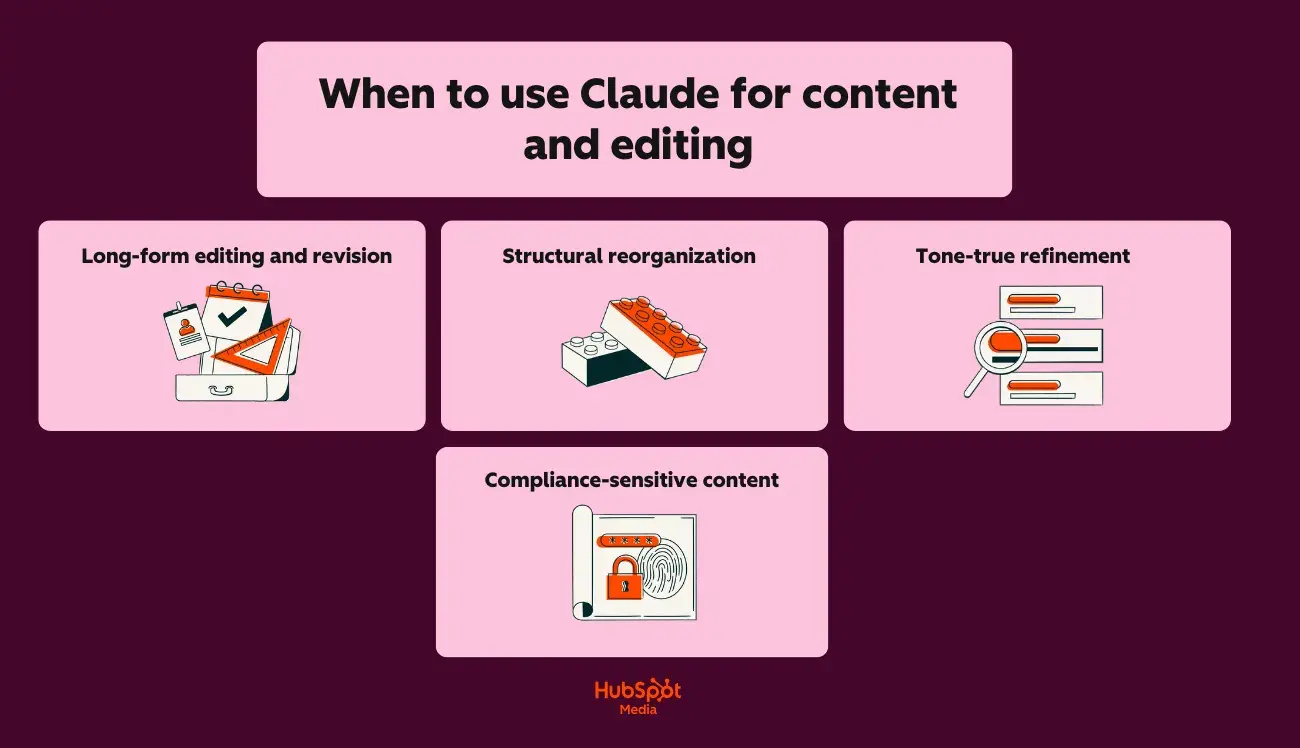
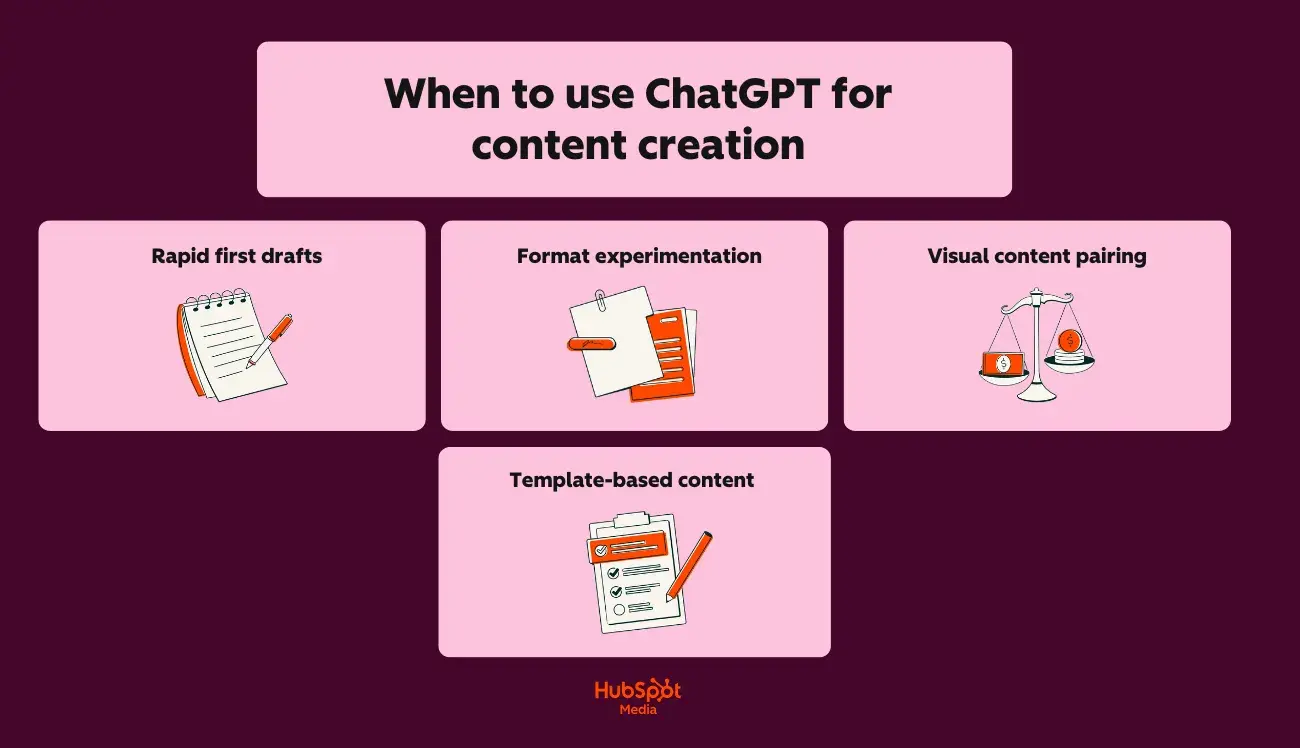
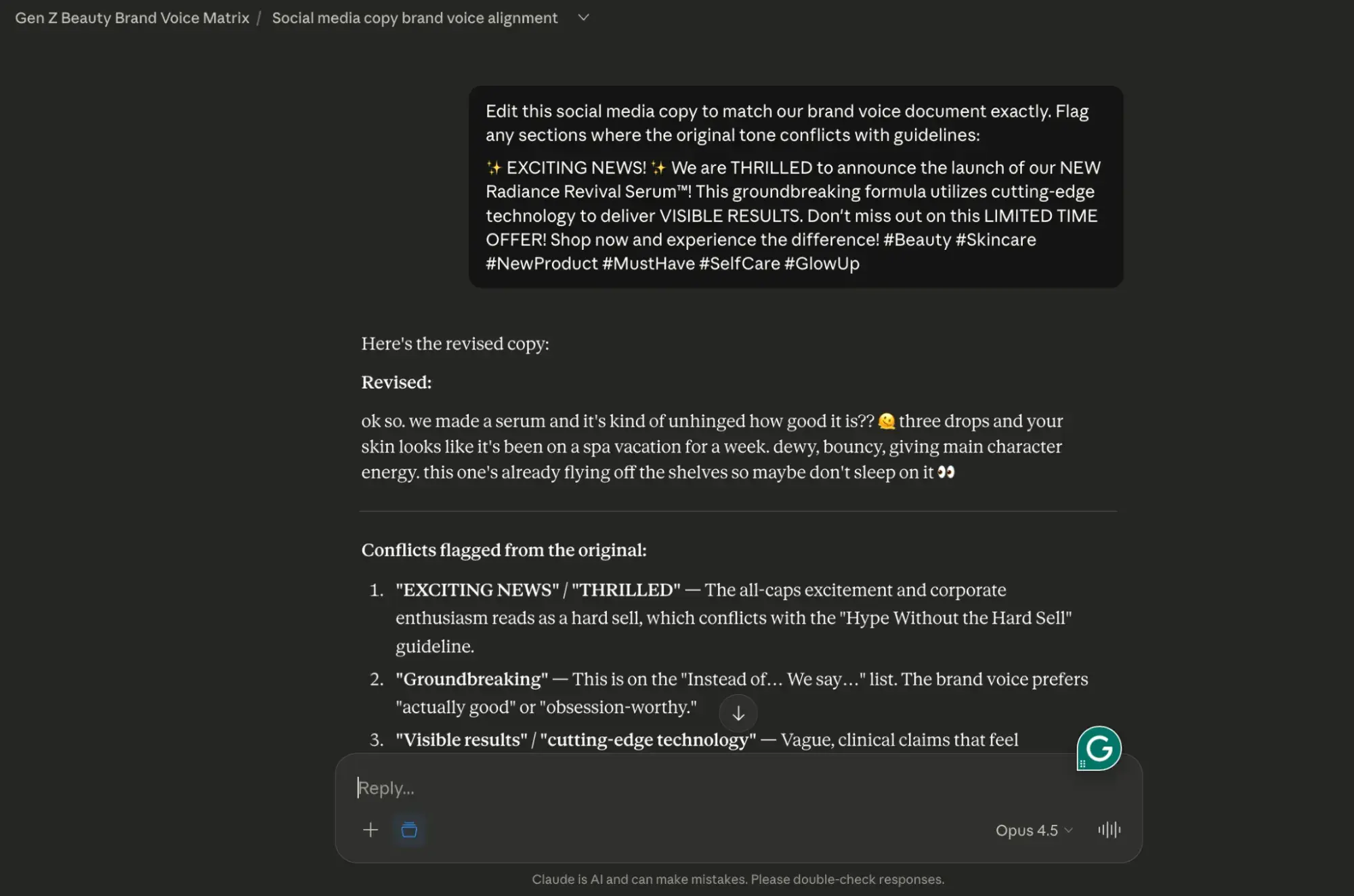
For initial drafting and rapid content generation, ChatGPT often proves invaluable. Its ability to quickly produce multiple variations of copy, brainstorm headlines, and generate first drafts for blog posts or social media updates can significantly accelerate the content creation process. However, for refining existing content, ensuring brand voice consistency, and performing in-depth edits on longer pieces, Claude emerges as the preferred choice. Its larger context window allows it to maintain coherence and apply stylistic nuances across extensive documents, making it ideal for polishing blog posts, articles, and website copy.
Email Marketing:
In email marketing, the choice between Claude and ChatGPT can depend on the specific task. For generating a high volume of email copy, subject lines, and preview text variations quickly, ChatGPT excels. Its speed is beneficial for A/B testing and rapid campaign deployment. Claude, on the other hand, demonstrates a stronger aptitude for personalized email logic and maintaining a consistent brand tone across entire email sequences. This makes it particularly useful for crafting more sophisticated and brand-aligned customer communication.
Social Media Content:
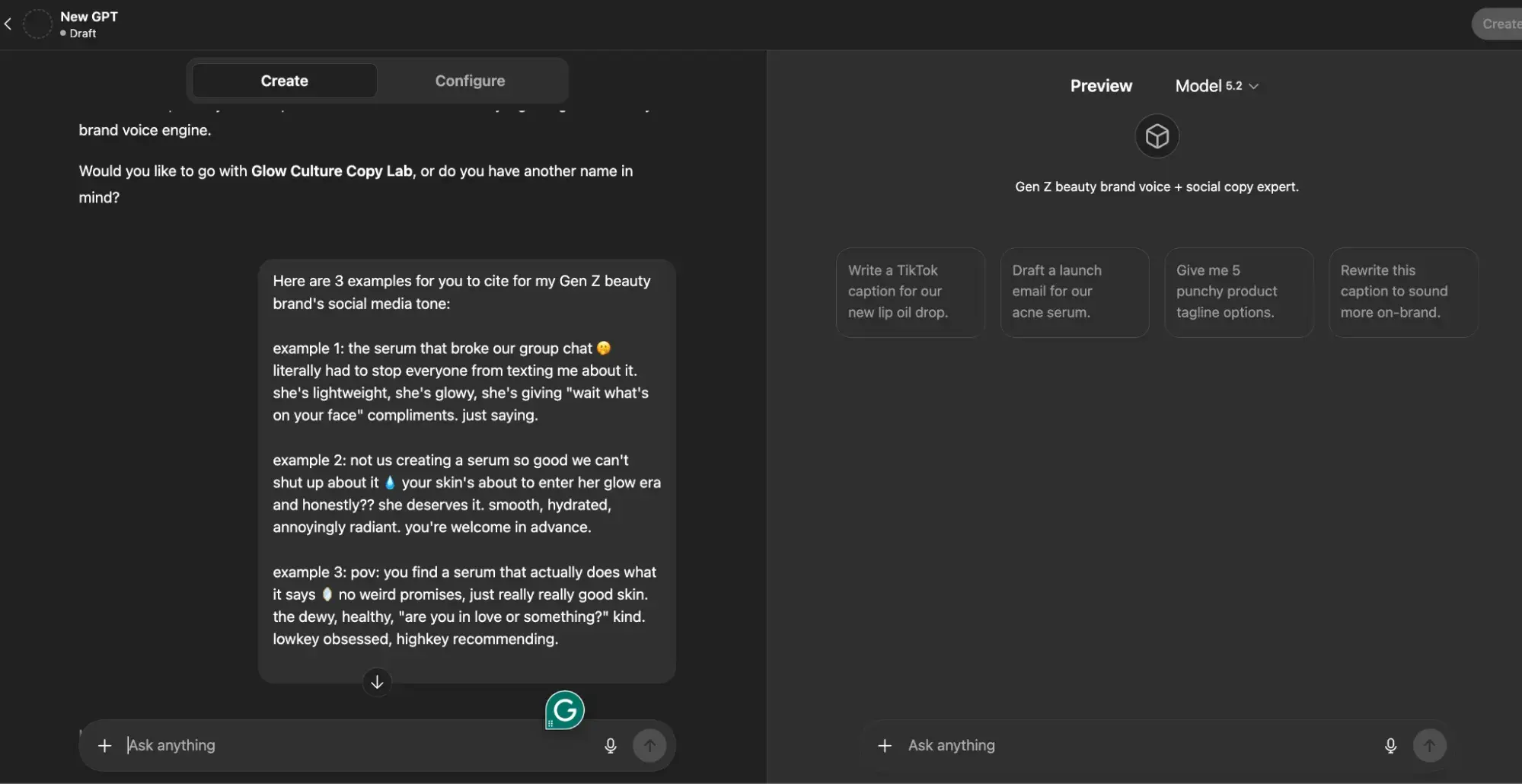
ChatGPT’s strength in rapid ideation and short-form content generation makes it a natural fit for social media marketing. It can quickly produce engaging captions, tweets, and post ideas, and its integration with image generation capabilities can further enhance visual content creation. Claude’s ability to maintain a consistent brand voice across different platforms and longer-form social posts, such as those on LinkedIn, also makes it a valuable asset for ensuring brand integrity on social media.
SEO Briefs and Research:
The generation of comprehensive SEO briefs often requires synthesizing large amounts of information. Claude’s extensive context window allows it to process multiple competitor analyses and source documents simultaneously, leading to more detailed and structured SEO briefs. It can also identify semantic relationships between keywords and potential content gaps more effectively. While ChatGPT can rapidly generate keyword clusters and basic outlines, Claude’s analytical depth often makes it superior for research-intensive SEO tasks.
Long-Form Content and Sales Enablement:
For creating extensive content like ebooks, whitepapers, and comprehensive guides, Claude’s large context window is a significant advantage. It can process and generate content for entire documents without requiring extensive chunking, ensuring greater coherence and structural integrity. This capability extends to sales enablement materials, where Claude can help in summarizing complex documents into concise sales collateral, one-pagers, or presentation outlines, maintaining a consistent brand message. ChatGPT can be utilized for quickly transforming approved long-form content into various shorter formats suitable for sales enablement.
Data Privacy, Governance, and Brand Protection
In an era of increasing data sensitivity, the privacy and governance features of AI tools are critical. Both Claude and ChatGPT offer robust solutions, particularly for enterprise clients, but subtle differences exist.
Data Privacy:
Claude, by default, does not use user data for training its models, offering a built-in privacy advantage. ChatGPT requires users to opt-out of data usage for training, though its Enterprise tier provides enhanced controls. Both platforms offer data retention controls, SOC 2 Type II certification, and GDPR compliance. For organizations prioritizing immediate data privacy without requiring specific configuration, Claude’s default settings are a notable advantage.
Governance Capabilities:
Enterprise tiers of both platforms offer advanced governance features, including Single Sign-On (SSO), audit logs, and data residency options. Claude’s Team and Enterprise offerings often emphasize stricter data access controls and compliance features, which can be particularly attractive to highly regulated industries. ChatGPT’s plugin ecosystem, while a strength for functionality, might introduce additional considerations for governance and data flow management.
Brand Protection:
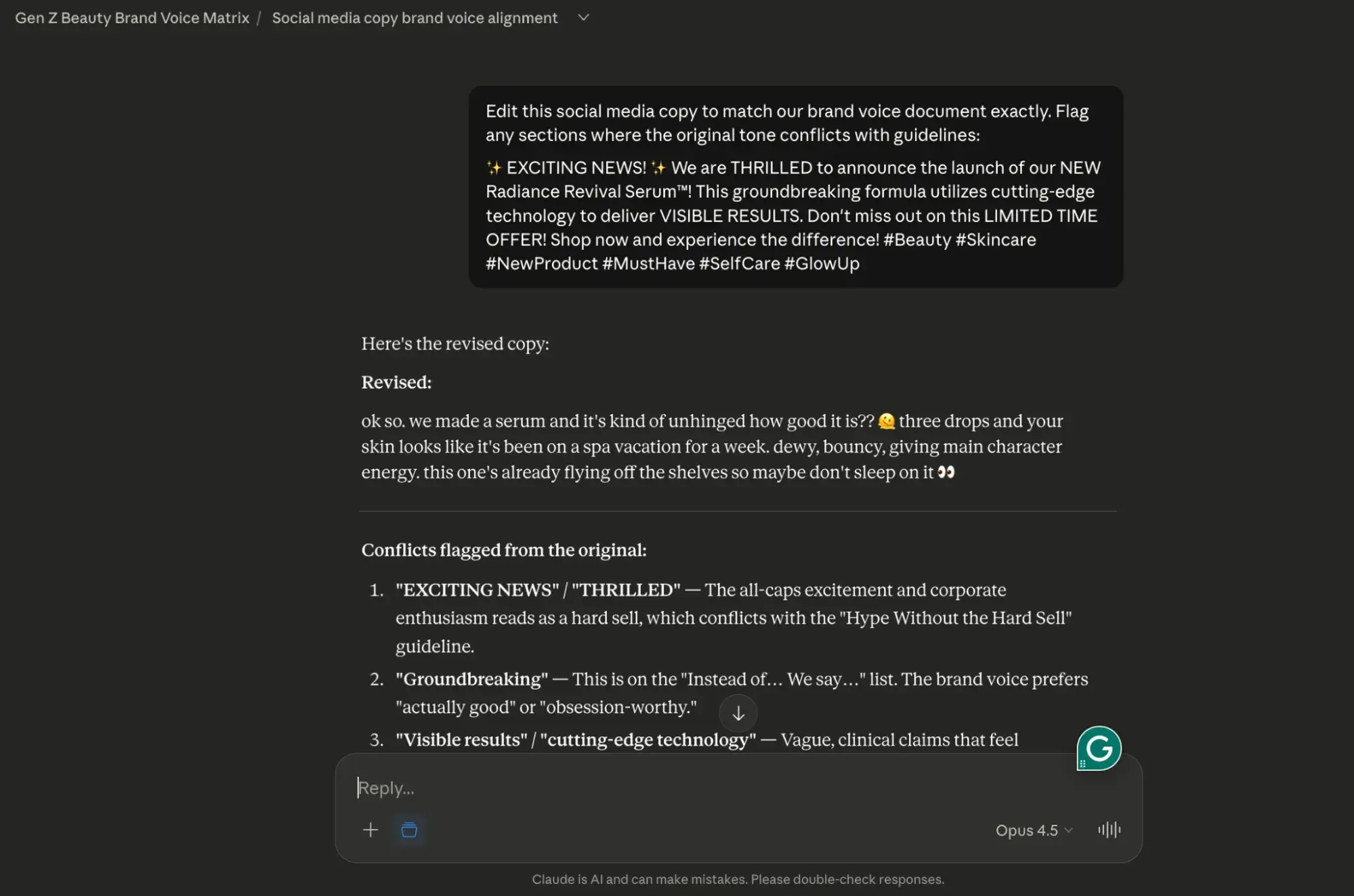
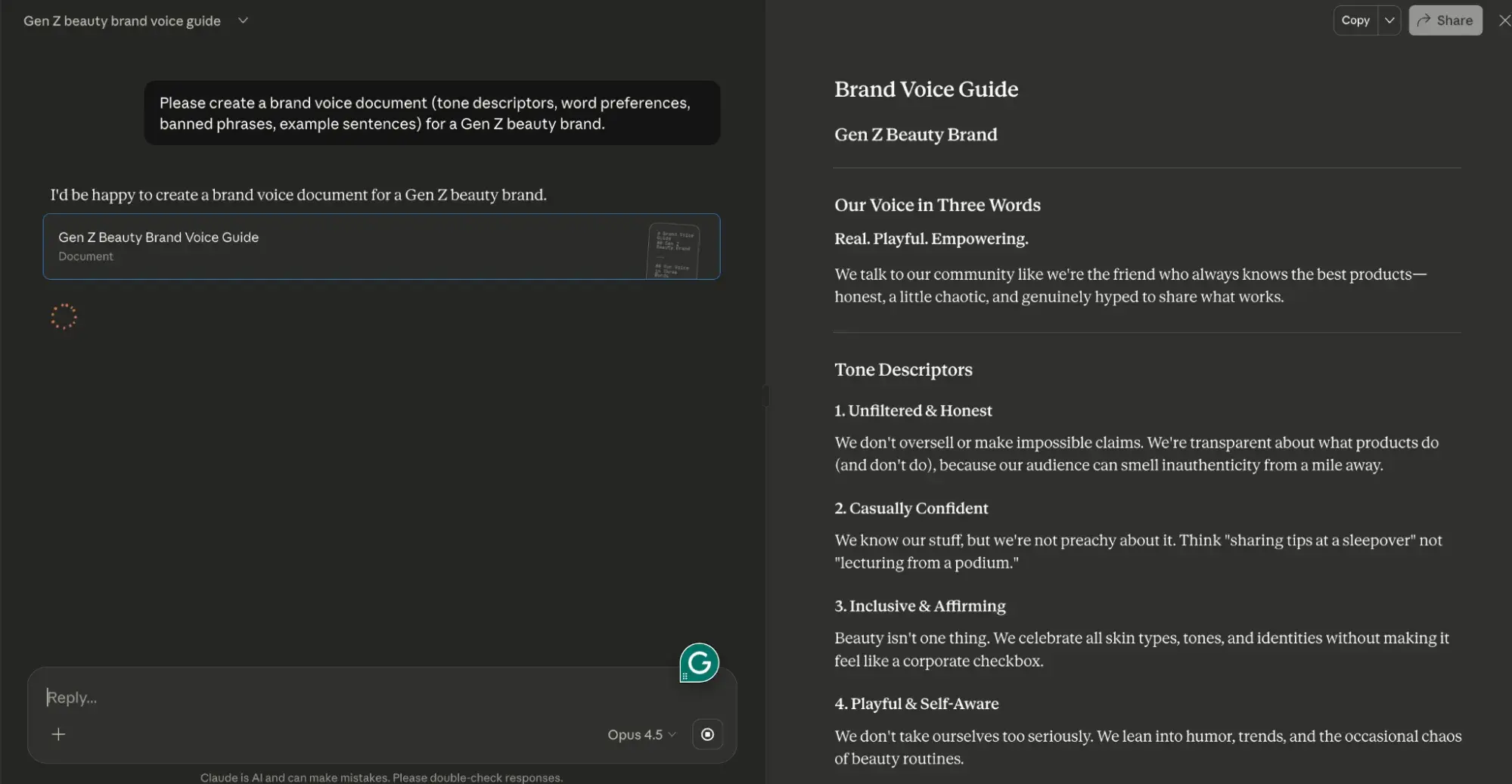
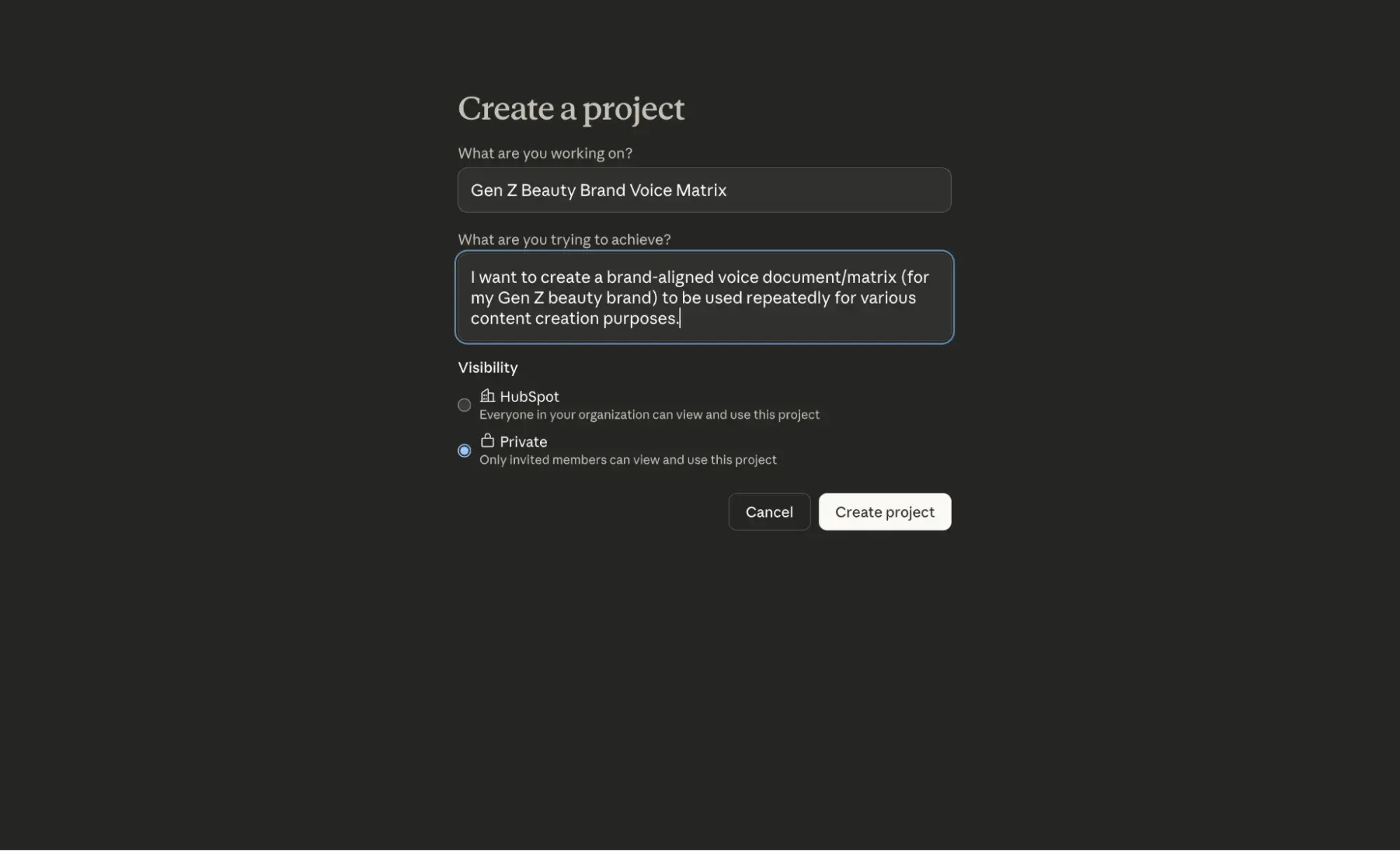
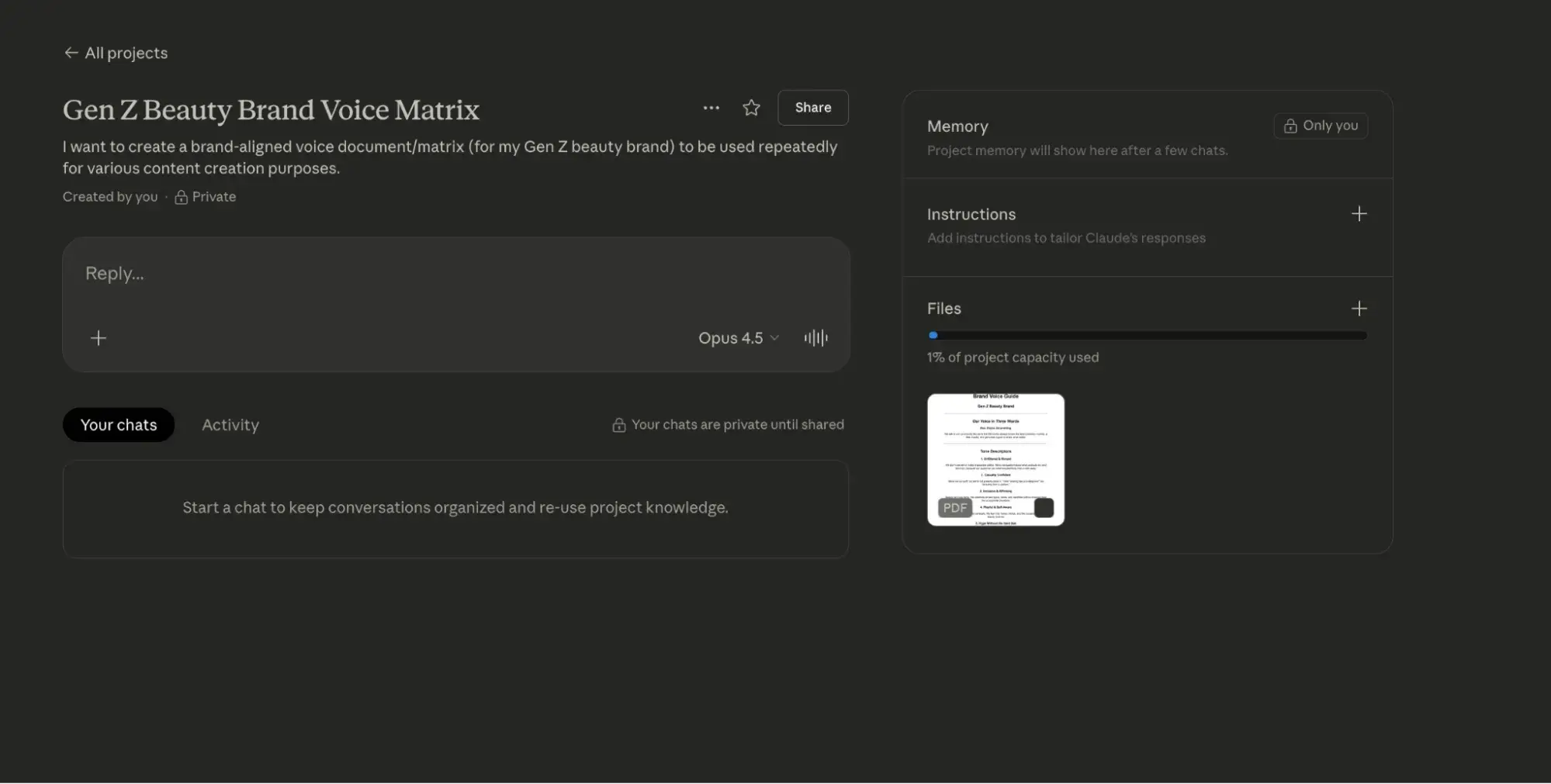
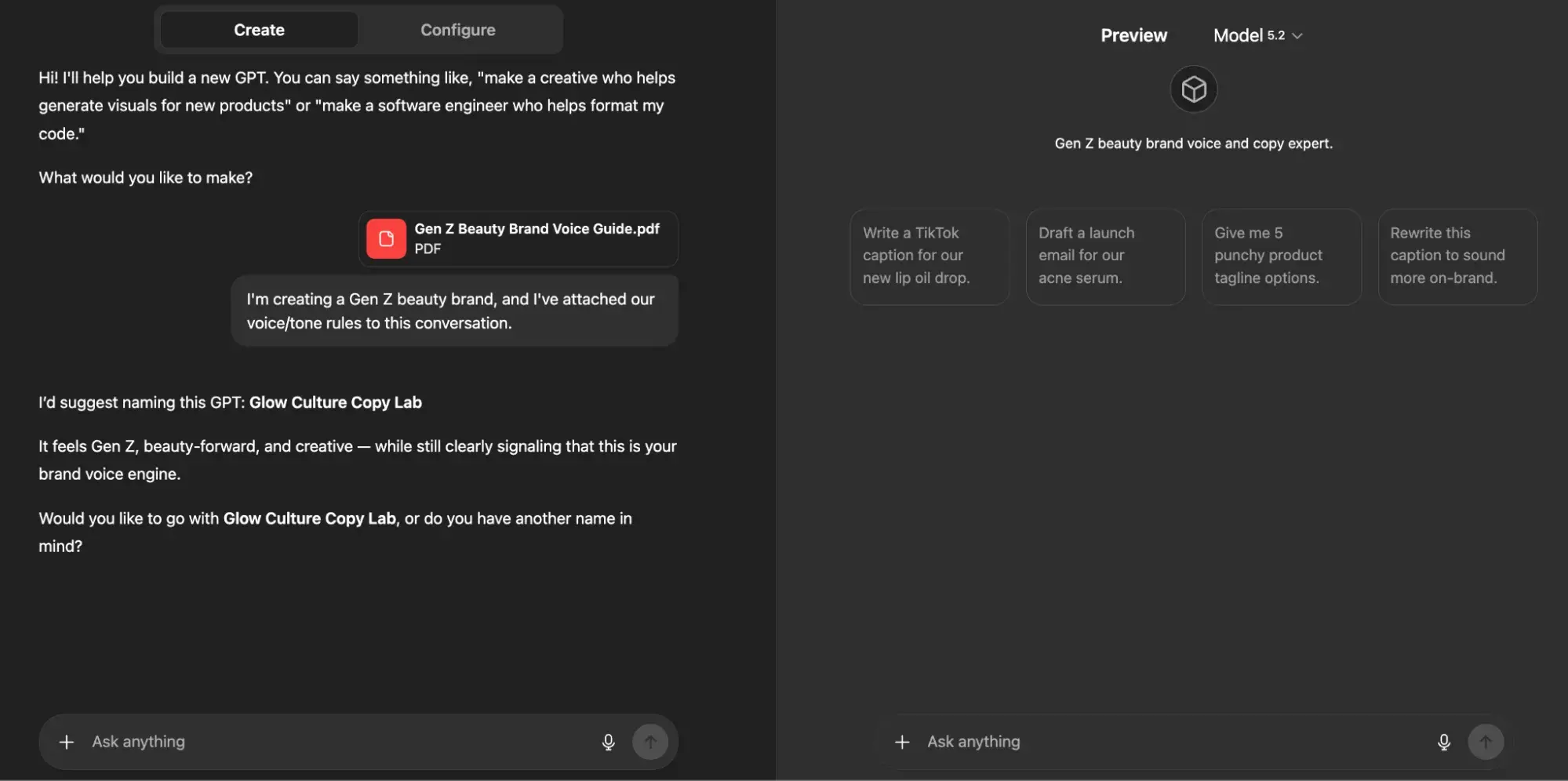
Maintaining brand consistency and preventing unauthorized content publication are crucial. Both tools require explicit configuration and training to adhere to brand voice guidelines. However, Claude’s ability to maintain tone consistency across larger documents and its inherent focus on harmless and honest outputs can contribute to more reliable brand representation. Implementing a well-defined brand voice document and using it consistently in prompts for either tool is essential for preventing brand drift.
Integration with Existing Stacks
The seamless integration of AI tools into existing marketing technology stacks is key to unlocking their full potential. HubSpot, a leading CRM and marketing automation platform, offers native connectors for both Claude and ChatGPT.
HubSpot Integration:
The native HubSpot Claude connector allows for direct integration into Marketing Hub workflows, enabling features such as content generation within CRM records, automated content creation based on customer data, and streamlined approval processes. Similarly, the HubSpot connector for ChatGPT provides direct access to its capabilities within HubSpot, facilitating tasks like drafting emails, generating social media posts, and creating ad copy directly from the platform. These integrations eliminate the need for complex middleware for many common tasks, significantly reducing setup time and technical barriers.
API and Middleware Options:
For more advanced or custom workflows, both Claude and ChatGPT offer APIs that can be integrated with various middleware solutions like Zapier or Make. This allows for complex automation chains and data synchronization between the AI models and other marketing tools. Direct API integration provides the highest level of flexibility but requires more technical expertise.
Pricing and Subscription Models
The cost of AI tools is a significant factor for marketing teams, with pricing varying based on features, usage limits, and team size.
Tiered Subscriptions:
Both Claude and ChatGPT offer tiered subscription models, ranging from free basic access to premium Pro/Plus, Team, and Enterprise plans. The free tiers provide limited access, while paid tiers unlock higher usage limits, faster response times, and advanced features. For individuals, Claude Pro and ChatGPT Plus are priced competitively, offering access to more powerful models and features.
Team and Enterprise Solutions:
For larger teams, the Team and Enterprise tiers become more relevant. These plans often include collaborative features, enhanced security, and dedicated support. Claude’s Enterprise offerings are frequently highlighted for their robust privacy and governance controls, making them attractive for organizations with stringent compliance requirements. ChatGPT’s Enterprise plans often focus on scalability, custom model training, and access to its extensive plugin ecosystem.
API Costs:
For developers integrating AI models via APIs, costs are typically calculated on a pay-per-token basis. The pricing for input and output tokens varies by model and usage volume, requiring careful cost management for high-volume applications. Understanding token consumption is crucial for budgeting API-driven AI functionalities.
Strategic Decision Matrix: Claude, ChatGPT, or Both?
Ultimately, the question of "Claude vs. ChatGPT" for marketing is best answered by adopting a strategic approach that leverages the unique strengths of each tool.
When to Choose Claude:
- Long-form content creation and editing: Ebooks, whitepapers, comprehensive guides, and detailed reports.
- Brand voice consistency: Ensuring a uniform tone and style across all marketing materials.
- Complex context handling: Analyzing and generating content based on extensive documents or datasets.
- SEO research and brief generation: Synthesizing competitor data and creating structured briefs.
- Compliance-sensitive content: Leveraging its strong privacy and governance features.
When to Choose ChatGPT:
- Rapid ideation and brainstorming: Generating ideas for blog posts, social media, and campaigns.
- Drafting short-form content: Social media posts, ad copy, email subject lines, and initial drafts.
- High-volume content generation: Producing large quantities of copy quickly.
- Visual content creation: Utilizing integrated image generation tools.
- Plugin ecosystem utilization: Accessing specialized marketing tools and functionalities.
The Power of Synergy:
The most effective strategy for many marketing teams involves a hybrid approach. This can look like:
- Ideation and Drafting with ChatGPT: Quickly generate initial content ideas and first drafts.
- Editing and Refinement with Claude: Use Claude to edit for brand voice, structure, and coherence in longer pieces.
- Format Adaptation with ChatGPT: Convert finalized content into various formats for different channels (social, email, ads).
This collaborative workflow maximizes efficiency, ensuring that the speed of ChatGPT is combined with the depth and consistency of Claude, leading to higher quality content produced at scale.
Conclusion: The Collaborative Future of AI in Marketing
The ongoing evolution of AI technology presents both opportunities and challenges for the marketing landscape. While the debate between Claude and ChatGPT continues, the most insightful conclusion is that these tools are not mutually exclusive competitors, but rather complementary assets. The true "winner" in the context of marketing is the team that masterfully integrates both Claude and ChatGPT into their workflows, strategically deploying each for its specific strengths.
By understanding the distinct capabilities of each LLM – Claude for its depth in long-form content, brand consistency, and context handling, and ChatGPT for its speed in ideation, short-form content, and creative variations – marketers can build more agile, efficient, and impactful content pipelines. As AI continues to advance, the ability to strategically leverage these powerful tools will be a defining factor in a marketing team’s success. Integrating them with platforms like HubSpot further streamlines these processes, enabling better collaboration, approval workflows, and performance measurement, ultimately driving better marketing outcomes.
About the Author