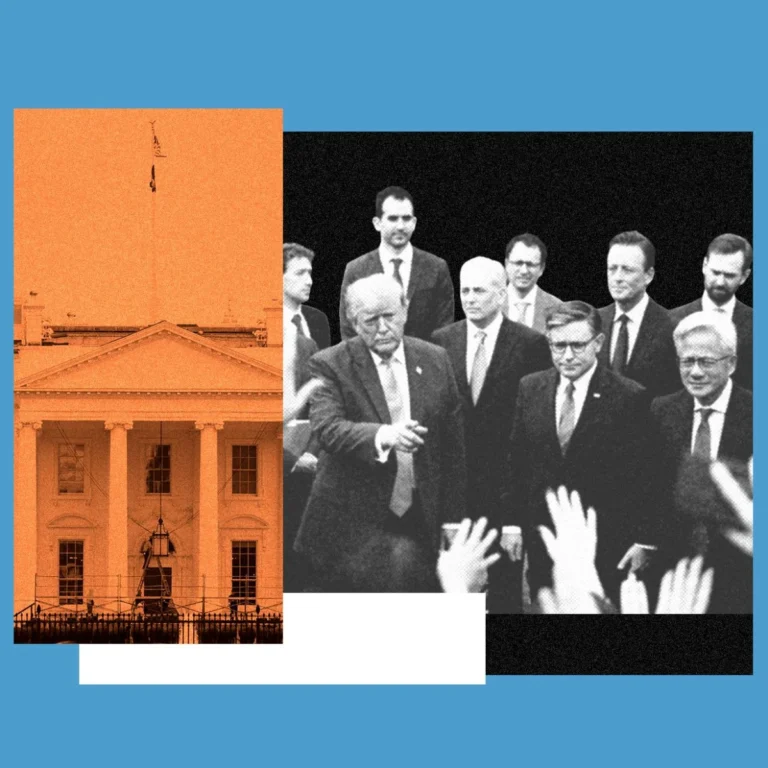
Washington D.C. – Professional services giant Deloitte has reached a settlement with the U.S. Department of Justice (DOJ) concerning allegations of discriminatory employment practices related to race and sex, specifically within its federal contracting work. The settlement, finalized on August 26, 2026, addresses claims that Deloitte engaged in these practices from January 2017 through August 2026, impacting key areas such as hiring, promotions, and staffing decisions. The company has agreed to pay an undisclosed sum and implement significant changes to its HR policies, though it denies wrongdoing and admits no liability as part of the agreement.
The DOJ’s investigation, which culminated in this settlement, was part of a broader initiative aimed at combating civil rights violations within the realm of federal funding. The allegations center on Deloitte’s alleged efforts to achieve specific, non-public workforce composition goals based on race and sex. This included setting demographic targets for employees working on federal contracts and offering specialized training, mentorship, and development opportunities preferentially to certain employees based on their race or sex.
DOJ’s Civil Rights Fraud Initiative: A Crackdown on Discriminatory Practices
This settlement is a significant development under the DOJ’s Civil Rights Fraud Initiative, launched in May 2025. This initiative, spearheaded by the department’s Civil Rights Division, is designed to identify and prosecute recipients of federal funds who are found to be in violation of federal civil rights laws. The stated goal is to ensure that taxpayer money is not used to support organizations that engage in discriminatory practices.
The initiative reflects a heightened focus by the federal government on issues of diversity, equity, and inclusion (DEI) and their intersection with federal contracting. The Trump administration, in particular, has signaled a strong stance against certain DEI initiatives, particularly those perceived as creating preferential treatment based on protected characteristics. Former Attorney General Pamela Bondi, upon the launch of the Civil Rights Fraud Initiative, stated, "Institutions that take federal money only to allow anti-Semitism and promote divisive DEI policies are putting their access to federal funds at risk." This settlement with Deloitte appears to be a tangible outcome of that stated policy.
Chronology of Allegations and Settlement
The period under scrutiny for Deloitte’s alleged discriminatory practices spans from January 2017 to August 2026. This timeframe covers several years of federal contracting for the firm, during which, according to the DOJ, specific demographic goals were pursued through discriminatory means.
The claims were initially brought forward by the American Alliance for Equal Rights, a membership-based organization that actively challenges policies perceived as favoring individuals based on race. Operating under the whistleblower provisions of the False Claims Act, the organization played a crucial role in bringing these allegations to the attention of federal authorities. The False Claims Act allows private citizens to sue on behalf of the government for fraud and share in any recovered funds.
Following the DOJ’s investigation and subsequent settlement discussions, the agreement was reached on August 26, 2026. While Deloitte maintains its innocence, the settlement signifies a commitment to reform its internal practices and a desire to avoid protracted legal battles and potential penalties. As part of the settlement, the American Alliance for Equal Rights is slated to receive $4.3 million of the recovered funds, acknowledging their role in initiating the legal action. Edward Blum, president of the alliance, expressed satisfaction with the outcome, stating that "the settlement agreements speak for themselves."
The Nature of the Allegations: Beyond Broad Strokes
The DOJ’s complaint detailed specific ways in which Deloitte allegedly engaged in discriminatory practices. Beyond simply setting broad workforce composition goals, the firm is accused of translating these goals into tangible employment decisions. This included:
- Hiring Practices: Allegations suggest that hiring decisions were influenced by the need to meet specific racial or gender quotas, potentially overlooking more qualified candidates who did not fit the desired demographic profile.
- Promotion Decisions: Similarly, the pathway to advancement within the company for federal contract employees may have been influenced by race and sex, impacting career trajectories and compensation.
- Staffing on Federal Contracts: The allocation of personnel to lucrative federal contracts could have been skewed to achieve diversity targets, rather than being based solely on merit, experience, and suitability for the specific project.
- Targeted Development and Training: The provision of crucial career development resources, such as training programs and mentorship opportunities, was allegedly restricted to specific demographic groups, creating an uneven playing field for professional growth.
The DOJ’s assertion that these actions were taken "to achieve progress toward non-public race and sex-based workforce composition goals" highlights a concern that internal DEI objectives may have superseded principles of equal opportunity and meritocracy in the context of federal contracts.

Deloitte’s Position: Denial of Liability
It is crucial to note that, as is common in such settlements, Deloitte has officially denied all allegations of wrongdoing. The settlement agreement explicitly states that the company "denies the allegations and does not admit liability." This stance is often taken to avoid the reputational damage associated with an admission of guilt and to preserve the company’s ability to assert its integrity in future business dealings. The settlement, therefore, represents a resolution to the legal dispute rather than an acknowledgment of fault by Deloitte.
Broader Implications for Federal Contractors and DEI
This settlement carries significant implications for other federal contractors and the broader landscape of Diversity, Equity, and Inclusion (DEI) initiatives within corporate America.
-
Increased Scrutiny of DEI Programs: The DOJ’s active pursuit of these claims signals a period of heightened scrutiny for DEI programs implemented by organizations that receive federal funding. Companies will likely need to demonstrate that their DEI efforts are compliant with anti-discrimination laws and do not result in preferential treatment based on protected characteristics. The line between fostering diversity and engaging in illegal discrimination is a fine one, and this case serves as a stark reminder of that.
-
Whistleblower Empowerment: The success of the American Alliance for Equal Rights in leveraging the False Claims Act underscores the power of whistleblower provisions in holding large corporations accountable. Organizations dedicated to challenging perceived discriminatory practices may find this a viable avenue for future legal action.
-
Legal and Compliance Costs: For federal contractors, this case highlights the potential legal and financial risks associated with poorly designed or implemented DEI strategies. Companies will likely invest more resources in legal counsel and compliance officers to ensure their policies are robust and defensible against potential legal challenges. This may involve auditing existing DEI programs, refining recruitment and promotion processes, and ensuring all training and development opportunities are equitably accessible.

-
Shifting DEI Discourse: The administration’s focus on DEI and its potential impact on federal contracts suggests a potential recalibration of the national conversation around diversity initiatives. The emphasis may shift from broad goals to demonstrable outcomes achieved through inclusive, merit-based processes, rather than potentially preferential ones.
-
Impact on Workforce Development: The settlement could influence how companies approach workforce development for federal contracts. A greater emphasis on skills-based hiring and development, coupled with robust anti-discrimination policies, will be paramount. This might also lead to increased transparency in how diversity metrics are tracked and reported.
Expert Analysis and Future Outlook
Legal analysts suggest that this settlement could embolden further challenges to DEI programs across various sectors, particularly those that rely on federal funding or operate in highly regulated industries. The DOJ’s willingness to pursue such cases, coupled with the legal framework provided by the False Claims Act, creates a potent combination for advocacy groups and government enforcement.
"This case is a significant signal that the government is serious about ensuring that federal funds are not used to perpetuate or create new forms of discrimination, even under the guise of diversity initiatives," commented Sarah Chen, a labor law expert at Georgetown University. "Companies need to be exceptionally careful in how they design and implement any programs that could be interpreted as preferential treatment based on race, sex, or other protected characteristics."
The broader implications of this settlement will likely unfold over the coming years. It serves as a critical juncture in the ongoing debate surrounding DEI in the workplace and its intersection with federal policy. For organizations like Deloitte, the path forward involves a careful re-evaluation of their internal processes and a renewed commitment to ensuring that all employment decisions are grounded in principles of fairness and equal opportunity, regardless of demographic considerations. The financial and reputational stakes are high, and companies will be watching closely to understand the evolving legal landscape and best practices for navigating these complex issues.
About the Author