A federal jury in San Francisco, California, has delivered a significant blow to tech titan Elon Musk, finding him liable for defrauding Twitter shareholders during the tumultuous lead-up to his $44 billion acquisition of the social media platform. The verdict, issued on Friday, concludes a protracted legal battle that captivated financial markets and legal observers, establishing that Musk made materially false or misleading statements that caused substantial harm to investors. Attorneys for the plaintiffs estimate total damages could reach up to $2.6 billion, a sum that, while considerable, represents a fraction of Musk’s vast personal fortune.
The class action lawsuit, formally known as Pampena v. Musk, was initially filed in October 2022, immediately following Musk’s completion of the purchase at $54.20 per share. The plaintiffs, a consortium of former Twitter shareholders, argued that Musk’s public pronouncements, particularly a series of tweets in May 2022, were designed to manipulate Twitter’s stock price downward. Their ultimate goal, they claimed, was to either extract a lower acquisition price or provide an escape route from a deal that was becoming increasingly inconvenient for Musk amidst a broader market downturn and declining Tesla stock values.
"This is a great example of what you cannot do to the average investor — people that have 401ks, kids, pension funds, teachers, firemen, nurses," stated Joseph Cotchett, a lead attorney for the Twitter investors, outside the San Francisco courthouse. "That’s what this case was all about. This was not about Musk. It was about the whole operation, protecting the integrity of our financial markets."
Musk’s legal team, from the prominent firm Quinn Emanuel, swiftly issued an emailed statement expressing their disappointment with the verdict while noting a key nuance in the jury’s finding. "We view today’s verdict, where the jury found both for and against the plaintiffs and found no fraud scheme, as a bump in the road. And we look forward to vindication on appeal." This statement highlights the jury’s distinction: while specific statements were deemed false and misleading, the jury did not unanimously conclude that Musk engaged in a broad, overarching "scheme to defraud" investors. This subtle yet critical difference could form a cornerstone of Musk’s impending appeal.
The Tumultuous Acquisition Timeline: From Enthusiast to Reluctant Buyer
The saga of Elon Musk’s acquisition of Twitter was nothing short of a corporate drama, playing out in real-time across social media and financial news cycles. It began innocuously enough in early 2022, with Musk, an avid Twitter user, quietly accumulating shares in the company.
- January-March 2022: Musk begins purchasing Twitter stock, eventually amassing over 9% of the company, making him the largest individual shareholder. Initially, this stake was reported as "passive," but his public commentary about Twitter’s direction suggested otherwise.
- April 4, 2022: Twitter discloses Musk’s significant stake, leading to a surge in its stock price. The company initially offers Musk a seat on its board, which he accepts.
- April 9, 2022: Musk declines the board seat, signaling his intent to pursue a more aggressive path.
- April 14, 2022: Musk launches a hostile takeover bid, offering to buy Twitter for $54.20 per share, valuing the company at approximately $44 billion. He famously stated, "I made an offer…and they either accept it or they don’t." Twitter’s board initially adopted a "poison pill" defense to prevent the hostile takeover.
- April 25, 2022: Twitter’s board, facing pressure from shareholders and a lucrative offer, reverses course and unanimously accepts Musk’s proposal. The deal was contingent on shareholder and regulatory approval.
- May 13, 2022: Just weeks after the deal was struck, Musk sends his first signal of cold feet, tweeting that his acquisition was "temporarily on hold" pending details supporting Twitter’s claim that spam/fake accounts represented less than 5% of its monetizable daily active users (mDAU). This tweet sent shockwaves through the market, causing Twitter’s stock to plummet by nearly 10% in a single trading session.
- May 17, 2022: Musk doubles down on his skepticism, tweeting further doubts about Twitter’s reported bot figures and implying the company was not being transparent. These statements, along with other comments made in press interviews, exacerbated market uncertainty.
- July 8, 2022: Musk formally attempts to terminate the acquisition agreement, alleging Twitter was in "material breach" of multiple provisions of the merger agreement by failing to provide sufficient data on bot accounts.
- July 12, 2022: Twitter files a lawsuit against Musk in the Delaware Court of Chancery, seeking to compel him to complete the merger at the agreed-upon price. The legal battle intensifies.
- October 4, 2022: With a trial date looming and facing potential defeat in the Delaware court, Musk abruptly reverses course again, announcing he would proceed with the acquisition at the original $54.20 per share price.
- October 27, 2022: Musk officially completes the acquisition of Twitter, taking the company private.
- October 28, 2022: The Pampena v. Musk class action lawsuit is filed, alleging that Musk’s earlier statements constituted securities fraud against shareholders who sold their stock during the period of uncertainty.
- 2023-2026: The lawsuit proceeds through discovery, motions, and eventually a jury trial in federal court in San Francisco.
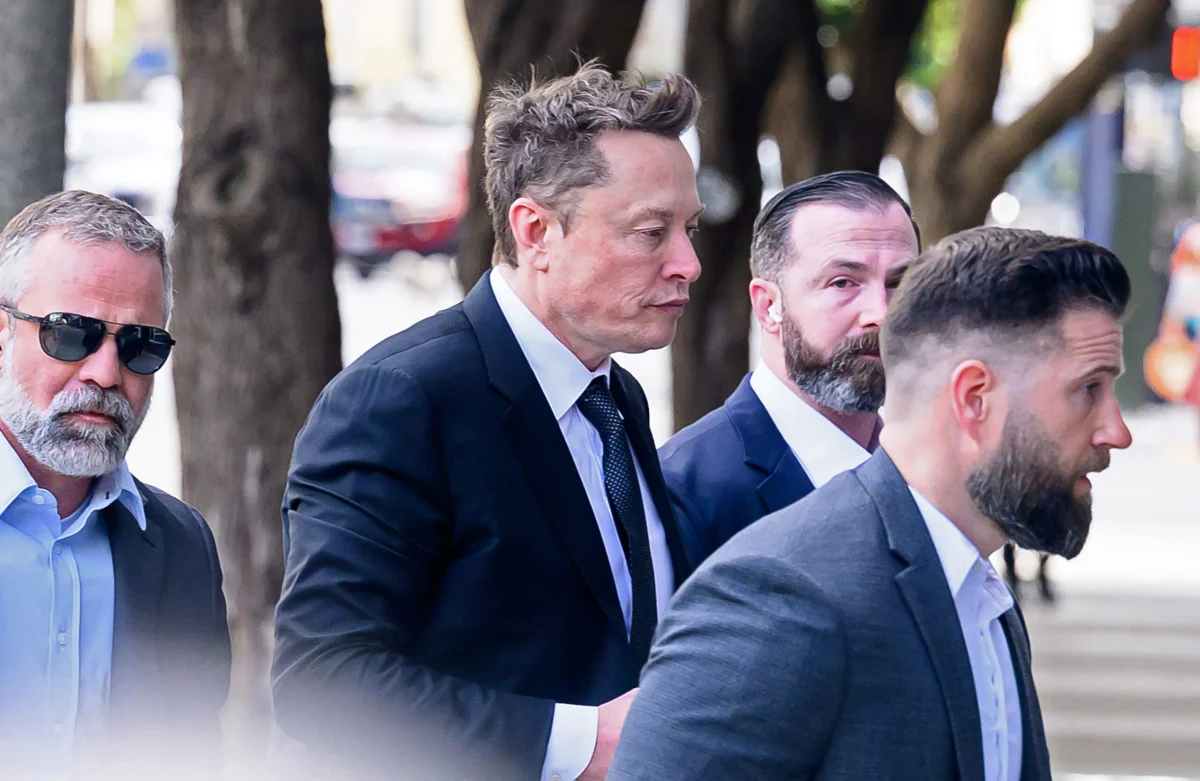
- March 4, 2026: Musk arrives at federal court as the trial concludes.
- March 7, 2026: The jury delivers its verdict, finding Musk liable for making false and misleading statements.
The Heart of the Matter: Securities Fraud and Material Misrepresentation
The plaintiffs’ case hinged on the premise that Musk’s public statements, particularly his May 2022 tweets, constituted material misrepresentations designed to artificially depress Twitter’s stock price. In securities law, a "material" statement is one that a reasonable investor would consider important in making an investment decision. A statement is "misleading" if it creates a false impression or fails to disclose important facts.

The jury deliberated for four days before unanimously concluding that Musk’s tweets on May 13 and May 17, 2022, were indeed materially false or misleading. These specific tweets directly impacted the market’s perception of Twitter’s value and the likelihood of the deal closing, leading to a significant dip in the company’s share price.
The plaintiffs, including a broad coalition of retail investors and options traders, presented evidence suggesting that Musk’s true motivation was not merely a genuine concern about bots. Instead, they argued, he was experiencing "buyer’s remorse" as the broader economic climate soured and the value of his primary asset, Tesla stock, began to decline. To finance the $44 billion Twitter acquisition, Musk was compelled to sell substantial portions of his Tesla holdings. As Tesla’s stock price fell, the amount of Tesla shares he would need to sell to fund the Twitter deal increased, making the original $54.20 per share price less attractive. The plaintiffs contended that by casting doubt on Twitter’s user metrics and the deal’s viability, Musk sought to pressure Twitter’s board into renegotiating a lower price or to provide a pretext for walking away from the deal altogether without penalty.
Expert witnesses testified on behalf of the plaintiffs, providing detailed economic analyses of how Musk’s public pronouncements directly correlated with movements in Twitter’s share price. These experts used sophisticated econometric models to isolate the impact of Musk’s statements from other market factors, estimating the precise financial harm suffered by shareholders who sold their stock below the $54.20 acquisition price in the wake of his tweets. The potential damages figure of up to $2.6 billion is based on these expert estimates, reflecting the aggregate losses incurred by the class of investors.
The Defense’s Stance and the Jury’s Nuanced Finding
Musk’s attorneys from Quinn Emanuel mounted a vigorous defense, asserting that their client’s remarks were based on legitimate and well-founded concerns about the prevalence of bots, spam, and fake accounts on Twitter’s platform. They argued that Musk, as an prospective owner, had a right, and perhaps even a duty, to scrutinize the company’s stated metrics, especially given his public commitment to eradicating bots. The defense maintained that Musk’s statements were not intended to defraud investors or manipulate the stock price, but rather reflected his genuine skepticism and desire for transparency. They further argued that any stock price fluctuations were a natural consequence of the uncertainty surrounding a high-profile merger, rather than direct manipulation.
A critical aspect of the jury’s verdict was its distinction between "materially false or misleading statements" and a "specific scheme to defraud investors." While the jury found that Musk had indeed made statements that were misleading and harmed some shareholders, they did not unanimously agree that he engaged in a premeditated, overarching "scheme" to defraud. This nuance is significant. It suggests the jury believed Musk’s individual statements crossed a line into misrepresentation, but perhaps fell short of proving a grand, deliberate conspiracy to orchestrate a fraudulent price drop. This finding provides Musk’s legal team with a potential avenue for appeal, as proving an overarching scheme often requires a higher burden of proof regarding intent.
Broader Impact and Implications: A Precedent for Executive Communication
The verdict against Elon Musk carries significant implications, extending beyond the immediate financial penalties. It serves as a stark reminder to corporate executives, particularly those with a large public platform, of the legal ramifications of their communications, especially during sensitive periods such as mergers and acquisitions.
- Executive Conduct and Social Media: This case sets a powerful precedent regarding the use of social media by public figures and executives to discuss publicly traded companies. It reinforces the idea that an executive’s tweets, despite their informal nature, can be considered official statements with legal consequences, particularly when they pertain to material information about a company or a transaction. The "Musk effect" may lead to more cautious and legally vetted communications from CEOs on platforms like X (formerly Twitter).
- Shareholder Protection: For average investors, this verdict is a victory. It underscores the robust protections afforded by securities laws and the efficacy of class-action lawsuits in holding powerful individuals accountable. It sends a message that even the wealthiest and most influential figures are not above the law when it comes to fair dealing in financial markets. The claims administration process, expected to take approximately 90 days to set up, will then proceed over several months, allowing eligible investors to recoup some of their losses.
- Financial Implications for Musk: While the potential $2.6 billion in damages is a substantial sum, it is dwarfed by Elon Musk’s estimated net worth, which Bloomberg currently places at around $650 billion. Financially, this amount is unlikely to significantly impact his ability to fund his various ventures, including SpaceX, Tesla, xAI, and Neuralink. However, it represents a direct cost that could have otherwise been deployed into his ambitious projects.
- Appellate Process: The immediate reaction from Musk’s legal team confirms their intent to appeal. The appellate process could be lengthy, potentially taking years to resolve. Musk’s attorneys may challenge aspects of the trial, including jury instructions, admissibility of evidence, or the interpretation of legal standards. The outcome of an appeal could see the verdict upheld, overturned, or even remanded for a new trial, prolonging the legal uncertainty.
- Reputational Damage: Despite the relatively minor financial hit in the context of his wealth, a jury finding of "defrauded shareholders" carries significant reputational weight. For a figure who often champions transparency and free speech, this verdict could tarnish his public image and raise questions about his business ethics, potentially affecting investor confidence in his other ventures.
- Regulatory Scrutiny: This case might also encourage increased scrutiny from regulatory bodies like the Securities and Exchange Commission (SEC) on how executives disclose information and express opinions about companies, particularly through informal channels like social media. The SEC has previously clashed with Musk over his tweets concerning Tesla.
Since the acquisition, Twitter has undergone a dramatic transformation under Musk’s ownership. Renamed X, the company has seen significant layoffs, changes in content moderation policies, and a push towards becoming an "everything app." Musk later merged X with his artificial intelligence company, xAI, and then with SpaceX, his reusable rocket manufacturer, signaling a broader integration strategy across his technology empire. This verdict, however, forces a look back at the tumultuous beginnings of that journey, holding one of the world’s most influential entrepreneurs accountable for his actions in the public financial arena. The legal battle may be far from over, but the initial judgment stands as a powerful testament to the enduring principles of investor protection.
About the Author