The International Chamber of Commerce (ICC) has formally signaled its support for the Group of Seven (G7) nations’ latest strategic pivot toward leveraging public development finance to stimulate private sector investment in emerging markets. Following the recent G7 Summit, ICC Secretary General John W.H. Denton issued a comprehensive statement emphasizing that the transition from traditional aid models to a "catalytic" financial framework is a prerequisite for addressing the escalating infrastructure and energy demands of the developing world. According to Denton, the scale of the global transition—particularly regarding the establishment of reliable energy networks and resilient infrastructure—surpasses the capacity of sovereign balance sheets and multilateral institutions alone. The ICC, representing over 45 million companies in more than 170 countries, views this shift not merely as a policy preference but as an economic necessity to ensure long-term global stability and growth.
The Strategic Shift in Global Development Finance
The G7’s commitment marks a significant evolution in how the world’s most advanced economies approach international development. Historically, development assistance was primarily funneled through direct grants or low-interest loans from government agencies. However, the "financing gap" for the United Nations Sustainable Development Goals (SDGs) and the Paris Agreement targets has widened significantly, exacerbated by the economic shocks of the COVID-19 pandemic and rising global interest rates. The ICC’s endorsement highlights a growing consensus that the public sector’s primary role should be to "de-risk" investments, thereby making emerging market projects more attractive to institutional investors, pension funds, and private equity.
John W.H. Denton noted that the "real economy perspective" dictates a more pragmatic approach to funding. In many emerging markets, the perceived risk of investment often outweighs the actual risk, leading to a "cost of capital" that prevents essential projects from reaching financial fruition. By using public funds to provide guarantees, first-loss protections, and insurance, the G7 aims to lower these barriers, allowing trillions of dollars in private capital to flow into regions that have historically been underfunded.
A Chronology of the G7 Infrastructure Initiatives
The current focus on mobilizing private capital is the culmination of several years of diplomatic and economic evolution within the G7 framework. Understanding this timeline is essential to grasp the importance of the ICC’s recent statement.
- June 2021 (Carbis Bay, UK): The G7 launched the "Build Back Better World" (B3W) initiative. This was the first major signal that the G7 intended to provide a values-driven, high-standard infrastructure partnership to rival other global infrastructure projects.
- June 2022 (Schloss Elmau, Germany): The B3W was formally transitioned into the Partnership for Global Infrastructure and Investment (PGII). The G7 leaders pledged to mobilize $6000 billion by 2027 to support infrastructure in low- and middle-income countries.
- May 2023 (Hiroshima, Japan): Discussions shifted toward the "Evolution Roadmap" for Multilateral Development Banks (MDBs). Leaders recognized that for PGII to succeed, the World Bank and other regional banks needed to modernize their operational models to prioritize private sector mobilization.
- June 2024 (Apulia, Italy): The most recent summit solidified the commitment to "strategic use of public finance." The communique specifically addressed the need for MDBs to act as catalysts and called for regulatory clarity to facilitate private investment.
This progression shows a clear trajectory from conceptualizing a "Western alternative" for infrastructure to a highly technical and finance-oriented strategy that involves the entire global financial architecture.
Supporting Data: The Scale of the Challenge
The urgency expressed by the ICC is backed by sobering data regarding the global investment deficit. According to the Intergovernmental Panel on Climate Change (IPCC) and various UN agencies, the world requires approximately $2.4 trillion in annual investment in climate action alone for emerging markets and developing economies (excluding China) by 2030.
Current levels of investment fall far short of this mark. In 2023, private finance mobilization for climate-related projects in developing nations was estimated to be only a fraction of what is required. Furthermore, the World Bank reports that for every $1 of public money spent by MDBs, only about $0.70 of private capital is currently mobilized. The ICC and the G7 aim to significantly increase this ratio, targeting a "multiplier effect" where each dollar of public or multilateral funding attracts multiple dollars of private investment.
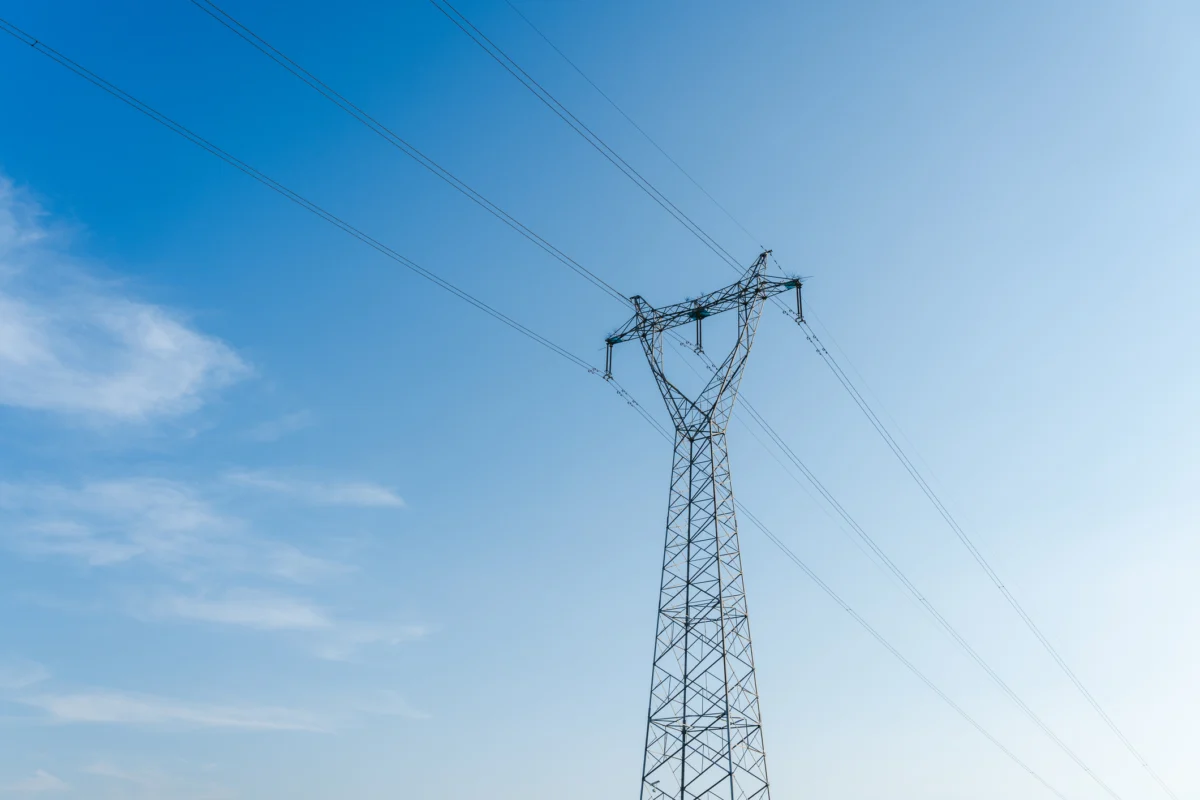
Energy poverty remains a primary concern. Approximately 675 million people globally lack access to electricity, and 2.3 billion people rely on harmful cooking fuels. Bridging this gap requires not just generation capacity but the construction of massive, reliable energy grids—a capital-intensive endeavor that requires the long-term horizon typical of private institutional investors.
Technical Barriers: MDB Reform and Basel III
A critical component of Denton’s statement was the call for "practical reforms" regarding Multilateral Development Banks and the Basel III regulatory framework. This addresses a technical but vital hurdle in global finance.
MDBs, such as the World Bank and the African Development Bank, are often conservative in their lending to maintain their triple-A credit ratings. This conservatism can limit their ability to take on the "first-loss" positions that private investors require to enter a market. The ICC is advocating for MDBs to use their balance sheets more aggressively through risk-sharing instruments and guarantees rather than just direct lending.
Furthermore, the treatment of MDB-backed finance under the Basel III international banking regulations is a point of contention. Basel III sets the standards for how much capital banks must hold against their loans. If a loan is backed by an MDB guarantee, it is theoretically less risky. However, if regulatory frameworks do not clearly recognize the "risk-mitigating" value of these guarantees, private banks are forced to hold higher amounts of capital, making the loans more expensive and less viable. Denton’s emphasis on "clarifying the treatment of MDB-backed finance" is a direct call to financial regulators to ensure that policy goals in development are not undermined by technical banking rules.
Official Responses and Global Perspectives
The ICC’s stance aligns with recent sentiments expressed by other major stakeholders in the global financial ecosystem. Ajay Banga, President of the World Bank Group, has frequently spoken about "fixing the plumbing" of international finance. In recent remarks, Banga emphasized that the World Bank must become "faster and more focused on private sector mobilization," echoing the ICC’s call for MDBs to act as genuine catalysts.
Similarly, US Treasury Secretary Janet Yellen has been a vocal proponent of MDB evolution. Yellen has argued that the global community cannot meet its challenges with "the same old tools," suggesting that the integration of private capital is the only path forward for meaningful climate and infrastructure progress.
On the other hand, some civil society organizations have raised concerns. While they acknowledge the need for capital, they warn that an over-reliance on private finance could lead to the "privatization" of essential services, potentially making energy or water unaffordable for the poorest populations. The ICC addresses this indirectly by calling for "affordable, reliable energy networks," implying that the partnership between public and private sectors must include safeguards for affordability and public interest.
Broader Impact and Geopolitical Implications
The G7’s renewed focus on private capital mobilization also carries significant geopolitical weight. For over a decade, China’s Belt and Road Initiative (BRI) has been the primary source of infrastructure financing for many developing nations. However, many BRI projects have faced criticism for lack of transparency and for creating "debt traps" for participating countries.
By promoting a model based on private capital and MDB transparency, the G7 is offering a different paradigm—one based on market viability, environmental and social governance (ESG) standards, and debt sustainability. This strategy aims to create a "virtuous cycle" where transparent, well-regulated projects attract more investment, leading to stable economic growth and stronger ties between the G7 and the Global South.
Furthermore, the emphasis on energy networks is a direct response to the global energy crisis sparked by geopolitical tensions in Europe and the Middle East. Ensuring that emerging markets have independent, diversified, and green energy sources is now seen as a cornerstone of global security.
Conclusion: The Path Forward
The International Chamber of Commerce has made it clear that the business community is ready to step up, provided the regulatory and institutional frameworks are in place. The months ahead will be critical as the G7 moves from high-level commitments to the implementation of these reforms.
Key milestones to watch include the upcoming G20 meetings and the COP29 climate summit, where the "New Collective Quantified Goal" (NCQG) for climate finance will be a central theme. The success of the G7’s agenda will depend on whether MDBs can successfully reform their risk-appetite and whether regulators can harmonize banking standards with development needs.
As John W.H. Denton concluded, the ICC intends to work closely with international leaders to ensure that the "renewed development agenda" translates into tangible projects on the ground. For the global business community, the message is clear: the transition to a sustainable, electrified, and interconnected global economy is the greatest investment opportunity of the century, but it requires a fundamental restructuring of how the world finances its future. Only through a sophisticated synergy of public policy and private enterprise can the scale of the current global challenges be met with an equal measure of financial resolve.
About the Author