The U.S. job market in 2026 is navigating a complex landscape characterized by heightened volatility, influenced by a confluence of significant economic and societal factors. A recent report indicates that the aftermath of major global events, coupled with intrinsic seasonal employment fluctuations and the accelerating impact of artificial intelligence, has created an environment of unprecedented unpredictability for both employers and job seekers. This analysis delves into the multifaceted drivers behind this trend, exploring the data, contextualizing the events, and examining the broader implications for the future of work.
The FIFA World Cup’s Lingering Economic Ripples
One of the most prominent contributors to the job market’s recent turbulence, as highlighted by The Conference Board’s report, has been the normalization of hiring trends in the leisure and hospitality sectors following the FIFA World Cup. The massive global sporting event, which concluded in late 2025, spurred a significant, albeit temporary, surge in employment within industries directly and indirectly related to its hosting and viewership. Hotels, restaurants, transportation services, and event management companies experienced substantial hiring booms to accommodate the influx of tourists and the heightened consumer demand associated with the tournament.
However, the report points out that the post-World Cup period has seen a necessary recalibration. As the global spotlight moved away and international travel returned to pre-event levels, many of these positions became redundant. This normalization process, characterized by a decrease in demand and subsequent job shedding, directly contributed to a dip in non-farm payrolls, with an estimated 23,000 jobs lost in July alone. This figure, while seemingly modest in the context of the overall economy, represents a significant indicator of the specific sector’s adjustment phase and contributes to the broader narrative of market flux. The FIFA World Cup, typically a driver of economic activity, in this instance, created a predictable, yet impactful, post-event employment contraction.
Seasonal Employment Cycles and Educational Sector Adjustments
Compounding the World Cup’s effect is the perennial challenge of seasonal employment, particularly within the education sector. The academic calendar inherently dictates periods of increased and decreased staffing needs. As the summer months wane and the academic year commences, educational institutions often scale back their workforce. This includes temporary instructors, support staff, and administrative roles that are adjusted to meet the demands of the school year.

The report specifically calls out "seasonal education worker cuts" as a key factor in the job market’s volatility. While these reductions are a predictable part of the annual cycle, their timing and magnitude can significantly influence monthly employment figures. In July and August, as schools prepare for the academic year or wind down summer programs, these cuts become more pronounced. This cyclical nature, when layered upon other economic shifts, can create a perception of greater instability than might otherwise exist. For instance, a year-over-year comparison of July employment data might show a decline due to these seasonal adjustments, even if the underlying health of the education sector remains robust in the long term. The Conference Board’s analysis suggests that these seasonal shifts are a persistent, yet significant, contributor to the monthly ebb and flow of employment figures.
The Growing Influence of Artificial Intelligence and Automation
Beyond the immediate impacts of major events and seasonal patterns, the long-term structural shifts in the labor market, driven by technological advancements, are increasingly evident. The integration of artificial intelligence (AI) and automation is a transformative force, reshaping the nature of work and the skills required for success. A separate, but related, report from Resume.org sheds crucial light on this evolving landscape.
The Resume.org findings indicate that a significant majority of companies, 92% in 2026, still plan to hire. This suggests a robust demand for talent across various sectors. However, the nature of these hires and the potential for job displacement are areas of concern. More than half of these companies anticipate layoffs, with AI identified as a primary driver (44%), followed by reorganization/restructuring (42%) and budget constraints (39%). This signals a proactive approach by businesses to adapt to technological changes and optimize their operational structures.
The implication here is not necessarily a net loss of jobs, but a significant shift in the types of jobs available and the skills in demand. AI is automating routine tasks, freeing up human workers for more complex, creative, and strategic roles. Consequently, organizations are actively seeking individuals who can demonstrate strong problem-solving abilities, a capacity for rapid learning of new tools and technologies, and excellent communication skills. These are the "human" skills that AI, at its current stage, cannot replicate. The Resume.org report underscores a critical need for upskilling and reskilling initiatives to equip the workforce for this AI-augmented future.
Economic Indicators Revealing a Nuanced Picture
The Conference Board’s proprietary Employment Trends Index (ETI), which aims to provide a leading measure of the U.S. labor market, offers a more granular view of the factors contributing to the overall volatility. While the index reflects a complex interplay of positive and negative forces, its components reveal specific trends.

Key Negative Contributors:
- Involuntary Part-Time Work: A significant negative factor for the ETI in July was an increase in the share of workers who are employed part-time but would prefer full-time employment. This indicates a potential underemployment issue, where individuals are not working as many hours as they desire, which can dampen overall economic activity and consumer spending. This rise suggests that while some sectors might be hiring, the quality and sufficiency of those jobs are not meeting the needs of a portion of the workforce.
- Industrial Production: A decline in industrial production also had a negative impact on the ETI. This metric reflects the output of factories, mines, and utilities. A slowdown in this sector can signal reduced demand for goods, potentially leading to slower hiring or even layoffs in manufacturing-related industries.
Key Positive Contributors:
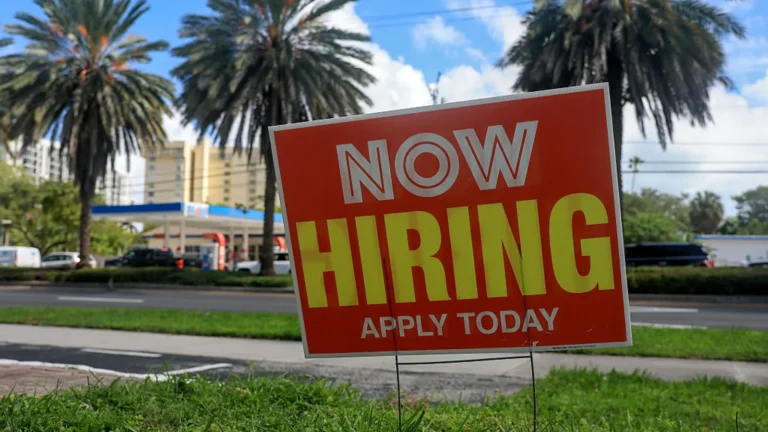
- Small Business Hiring Intentions: Conversely, the ETI received positive contributions from an increase in the share of small firms reporting that jobs are "not able to be filled right now." This metric rose to 36% in July, up from 32% in June, reaching its highest level since June 2025. This strong signal indicates that small businesses are actively seeking to expand their workforce and are facing challenges in finding suitable candidates. This suggests a robust demand for labor from a vital segment of the economy.
- Initial Claims for Unemployment Insurance: A decrease in initial claims for unemployment insurance also contributed positively to the ETI. This metric reflects the number of people filing for unemployment benefits for the first time. A falling trend here suggests that fewer people are losing their jobs, which is a positive sign for labor market stability.
- Job Openings: The number of job openings increased by an estimated 168,000 to 7.53 million in July. A high number of job openings indicates strong employer demand for labor and suggests a dynamic job market. This increase aligns with the sentiment from small businesses and points towards a need for more workers across the economy.
- Real Manufacturing and Trade Sales: An estimated increase of 0.2% in real manufacturing and trade sales also provided a positive boost to the ETI. This indicates a healthy demand for manufactured goods and services, which typically correlates with increased production and employment.
Consumer Sentiment:
Adding another layer to the employment picture, the Conference Board’s Consumer Confidence Survey for July revealed a slight decrease in the percentage of consumers who believe "jobs are hard to get." This figure fell to 21.5%, down from 21.7% in June. While the change is marginal, it suggests a subtle shift in consumer perception, perhaps indicating a growing awareness of job availability, even amidst the overall volatility.
Broader Implications and Future Outlook
The current job market volatility in 2026 presents both challenges and opportunities. For employers, navigating this landscape requires agility and a forward-thinking approach. Strategies that focus on workforce planning, talent acquisition, and retention will be crucial. This includes understanding the cyclical nature of certain industries, anticipating the impact of technological advancements, and investing in employee training and development. The emphasis on problem-solving, adaptability, and digital literacy highlighted by Resume.org underscores the need for businesses to align their hiring practices with the evolving demands of the economy.

For job seekers, the current environment necessitates a proactive and adaptable mindset. Understanding the sectors experiencing growth and contraction, identifying in-demand skills, and continuously upskilling will be paramount. The rise in job openings and the continued hiring intentions of businesses, particularly small firms, offer positive indicators. However, the increasing role of AI suggests that a focus on developing uniquely human capabilities will be essential for long-term career success. The challenge lies in bridging the gap between the skills possessed by the workforce and the skills required by employers in an increasingly automated and technologically advanced economy.
The data presented by The Conference Board and Resume.org paints a picture of a job market in transition. The FIFA World Cup’s aftermath and seasonal employment shifts are creating short-term fluctuations, while the pervasive influence of AI is driving fundamental, long-term changes. As businesses and individuals adapt to these dynamics, the ability to anticipate, respond, and innovate will be key to thriving in the evolving world of work. The coming months will likely see continued adjustments as the economy absorbs the impacts of these diverse forces, underscoring the importance of ongoing monitoring and strategic planning.
About the Author