The National Collegiate Athletic Association (NCAA) has issued a series of warnings to member institutions regarding a critical shortage of charter aircraft, a logistical bottleneck that threatens to disrupt the travel schedules of teams participating in the annual March Madness basketball tournament. While the tournament typically represents a peak period for the private aviation industry, the current shortage is being attributed to an unprecedented increase in flight bookings by the U.S. Department of Homeland Security (DHS), specifically for Immigration and Customs Enforcement (ICE) operations. This intersection of high-stakes collegiate athletics and federal immigration enforcement has sparked a national conversation regarding corporate ethics, government spending, and the prioritization of domestic aviation resources.
The Scale of the Logistics Challenge
The NCAA Division I men’s and women’s basketball tournaments are among the most complex logistical undertakings in American sports. With 136 teams competing across various sites nationwide in a condensed elimination format, the reliance on charter aviation is absolute. Unlike commercial travel, charter flights allow teams to transport large rosters, coaching staff, equipment, and support personnel directly to regional hubs on schedules that accommodate late-night game finishes and rapid turnaround times.
Keith Gill, the chair of the NCAA Division I men’s basketball committee, confirmed to reporters that the scarcity of available planes is a direct result of federal demand. According to Gill, the NCAA has been forced to advise schools to prepare for significant travel disruptions, particularly during the high-volume opening week of the tournament. The scarcity has driven up costs and forced some programs to consider alternative transportation methods or less efficient flight paths, potentially impacting athlete recovery and preparation.

Quantifying the Federal Surge in Private Aviation
Data provided by the watchdog organization Human Rights First indicates that ICE’s aviation activity reached historic levels in 2025 and the first quarter of 2026. The agency reportedly logged more than 13,000 flights in 2025 alone. This volume is categorized into two primary types of operations: "shuffling" flights and deportation flights.
Approximately 8,500 of these flights were used for the internal transfer of detainees between various state and federal facilities. These lateral transfers are often conducted to manage bed space or to move individuals to specialized processing centers. An additional 2,200 flights were dedicated to international deportations, transporting individuals to countries such as Guatemala, Honduras, and Mexico.
The sheer volume of these operations has effectively cornered a significant portion of the mid-to-large-cabin charter market. Industry analysts note that federal contracts often provide charter companies with consistent, high-volume revenue, making them more attractive than the seasonal, one-off contracts typically offered by athletic departments or the NCAA.
Chronology of the Intersection: From Logistics to Public Outcry
The tension between collegiate sports and immigration enforcement has been building for several months, punctuated by specific events that have heightened public awareness.

In June 2025, investigative reports first highlighted the dual-purpose nature of certain charter fleets. It was revealed that Miami-based GlobalX, which holds a multimillion-dollar contract with the NCAA, was also a primary provider for ICE deportation flights. The report detailed instances where the same aircraft used to transport elite student-athletes to championship games were repurposed within hours to transport detainees in shackles to international destinations.
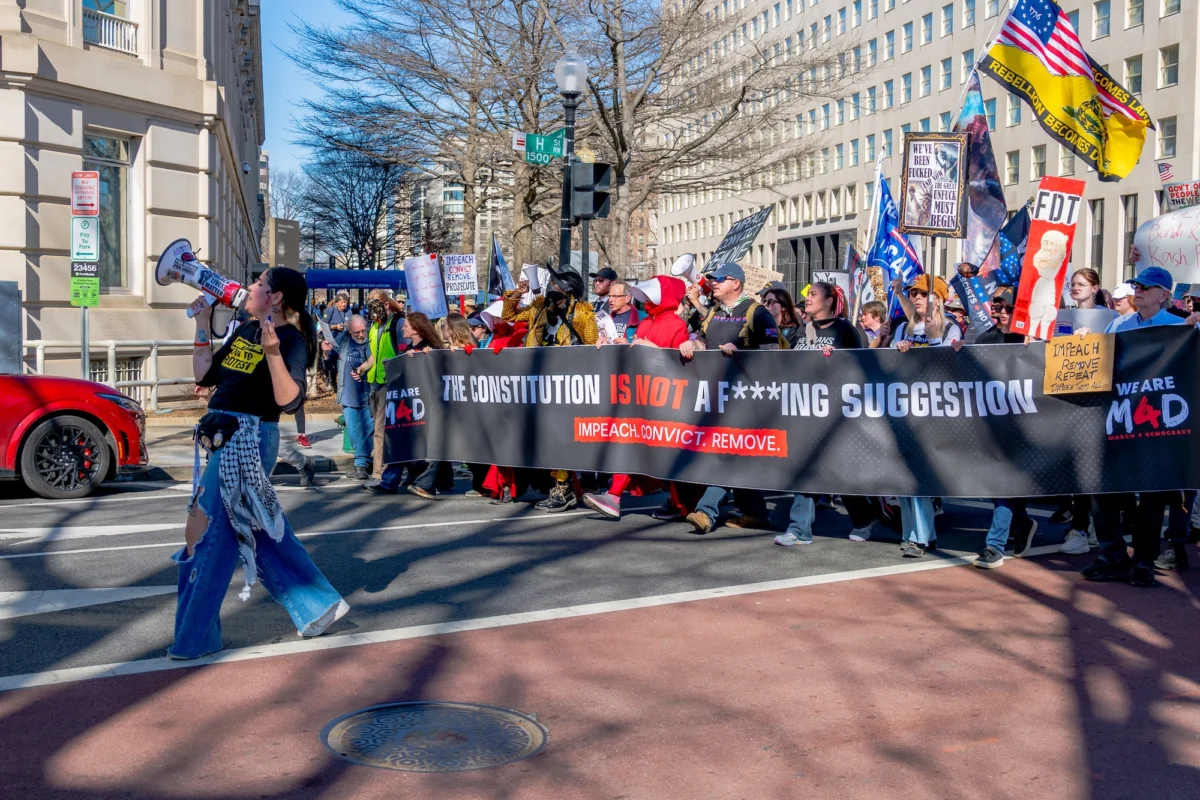
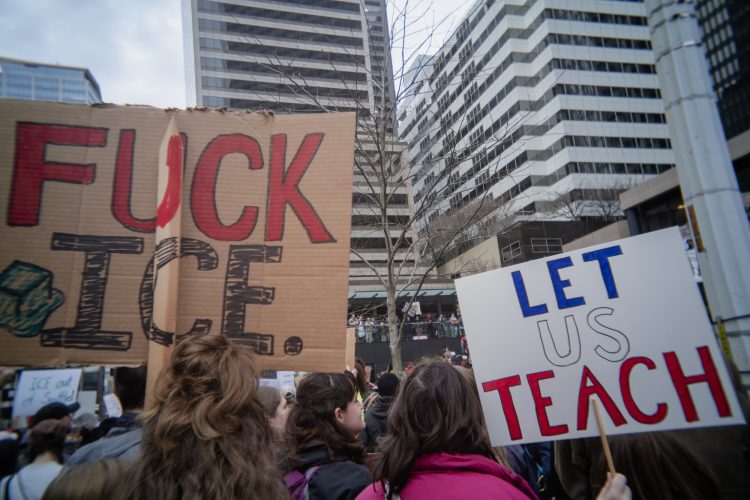
By late 2025, the political climate surrounding these flights intensified following a series of controversial immigration raids. Public sentiment began to shift as reports of lethal violence during enforcement actions in cities like Minneapolis dominated the news cycle. This period saw the emergence of organized labor and student-led protests targeting the airlines profiting from these federal contracts.
In early 2026, the situation was further complicated by a partial government shutdown. While ICE operations remained funded through the "One Big Beautiful Bill Act" passed during the Trump administration, other essential DHS functions—including the Transportation Security Administration (TSA)—faced severe funding lapses. This led to a scenario where TSA agents were required to work without pay, resulting in staffing shortages and massive delays at major airports, even as ICE agents were ordered to maintain a high-profile presence in those same terminals.
Corporate Involvement and the Ethics of "Dual-Use" Fleets
The controversy has centered on several key players in the charter aviation industry. GlobalX, Eastern Airlines, and Omni Air International have been identified as major contractors for both the NCAA and ICE. GlobalX, in particular, has faced scrutiny for its $5 million contract with the NCAA while simultaneously operating over half of the federal government’s deportation flights.

In Colorado, activists have targeted Key Lime Air, a regional carrier that provides services to the University of Colorado while also maintaining a contract for detainee transport. These business relationships have placed university administrators in a difficult position, caught between the need for reliable team transportation and the demands of student bodies and faculty who view these partnerships as a violation of institutional values.
The NCAA’s official stance, articulated by Senior Vice President of External Affairs Tim Buckley, emphasizes the necessity of utilizing all available resources. Buckley stated that to ensure the safety and punctuality of tournament travel, the association must work with any carrier that meets Federal Aviation Administration (FAA) safety standards. This pragmatic approach, however, has not deterred critics who argue that the NCAA’s financial clout could be used to demand higher ethical standards from its vendors.
Impact on International Student-Athletes
The escalation of immigration enforcement has also created a climate of uncertainty for the approximately 25,000 international student-athletes competing in the NCAA. These athletes, residing in the U.S. on F-1 or J-1 visas, are subject to strict regulations regarding their employment and income.
Recent changes in the "Name, Image, and Likeness" (NIL) landscape have further complicated their status. While domestic athletes can now profit from endorsements, international athletes risk violating their visa terms if they engage in similar activities, as such earnings can be classified as unauthorized employment. The heightened presence of ICE at airports and the general atmosphere of enforcement have reportedly led to increased anxiety among international rosters, with some coaches expressing concern that their players could be unfairly targeted during tournament travel.
Political Gridlock and the "Airport Spectacle"
The logistical crisis in the air is mirrored by political gridlock on the ground. In Washington, D.C., the refusal of the administration to agree to a bipartisan compromise for TSA funding has exacerbated travel woes. The decision to deploy ICE agents to airports—ostensibly to bolster security during the spring break and March Madness travel rush—has been criticized as a political maneuver that does little to alleviate the actual cause of delays: a lack of paid TSA screeners.
Senate Minority Leader Chuck Schumer and other critics have characterized the presence of ICE agents in airports as a "spectacle of chaos." They argue that the sight of heavily armed enforcement officers in civilian travel hubs serves as a constant reminder of the administration’s controversial policies, potentially alienating the very public that the NCAA and its sponsors seek to engage.
Broader Economic and Social Implications
The diversion of private aviation resources to federal enforcement has broader economic implications beyond the sports world. Small-to-medium enterprises that rely on charter flights for time-sensitive business travel are finding themselves priced out of the market. Furthermore, the use of taxpayer funds—estimated at over $38 billion for the expansion of detention and transportation infrastructure—has sparked debate over the opportunity cost of these policies.
From a social perspective, the "De-ICE These Flights" campaign, led by the Service Employees International Union (SEIU), represents a growing movement to link corporate responsibility with human rights. By targeting the NCAA and its member schools, activists are leveraging the cultural significance of March Madness to force a discussion on the ethics of the "deportation machine." The campaign has already gathered tens of thousands of signatures and triggered a deluge of communication to university athletic directors, suggesting that the issue will not fade once the final buzzer sounds in April.

Conclusion and Future Outlook
As the March Madness tournament progresses toward its conclusion on April 6, the strain on the nation’s charter aviation infrastructure remains a primary concern for organizers. The collision of a multi-billion-dollar sports entertainment industry with a massive federal enforcement apparatus has revealed the fragility of private logistics in the face of government intervention.
Whether the NCAA and its member institutions will bow to public pressure and seek alternative, "ethical" aviation partners remains to be seen. What is clear is that the transparency brought about by this crisis has permanently altered the relationship between collegiate athletics and the private companies that facilitate their movement. With the "No Kings Day" protests scheduled for late March and continued pressure on TSA funding, the intersection of air travel, politics, and sports is likely to remain a focal point of national discourse for the foreseeable future. The outcome of this logistical battle may eventually dictate not just how teams get to the court, but the ethical framework under which American corporations operate in an era of heightened federal enforcement.
About the Author