The pursuit of new clientele, while a fundamental driver of revenue and brand visibility, presents a perennial challenge for businesses across all sectors. This endeavor demands a sophisticated skillset, honed through experience and strategic application. However, even the most robust sales outreach programs will eventually encounter periods of market stagnation. These "dry patches" can stem from a myriad of factors, some within a company’s control, such as customer price sensitivity or competitive pressures, and others entirely external. In such instances, a strategic pivot towards strengthening existing customer relationships emerges not merely as a helpful tactic, but as a critical component of business resilience and sustained development. This focus on cultivating current accounts and partnerships offers a pathway to enhanced stability, allowing businesses to navigate market fluctuations with greater confidence. While the acquisition of new leads should not be abandoned, an amplified emphasis on the value of established customer connections is paramount. This article delves into a range of proven customer retention strategies designed to foster enduring engagement and long-term loyalty.
The Shifting Landscape of Customer Acquisition and Retention
Historically, business growth models have heavily emphasized lead generation and new customer acquisition. This focus is understandable, as each new customer represents a potential stream of revenue and an expansion of market reach. However, a growing body of research and industry experience indicates that the economics of customer retention often present a more compelling proposition. Studies by Bain & Company, for example, have consistently shown that increasing customer retention rates by as little as 5% can boost profits by 25% to 95%. This stark statistic underscores the financial prudence of investing in existing relationships.
The current business environment, characterized by rapid technological advancements, evolving consumer expectations, and increased market saturation, amplifies the importance of retention. Customers today have more choices than ever before, and their loyalty is not guaranteed. Consequently, businesses that fail to adequately nurture their existing customer base risk a high churn rate, which can significantly undermine growth efforts and inflate acquisition costs. The cost of acquiring a new customer is widely reported to be five to twenty-five times higher than the cost of retaining an existing one. This economic reality necessitates a strategic rebalancing, where customer retention is elevated from a secondary concern to a core business objective.
Strategic Pillars of Customer Retention
1. The Power of Personalized Customer Engagement
In an era of abundant digital communication, generic marketing messages often fall on deaf ears. The effectiveness of marketing campaigns hinges not just on the underlying product or service, but critically on the manner in which it is communicated. Revisiting market analysis is an essential first step, not to reinvent the wheel, but to refine the delivery. Understanding the motivations behind a customer’s engagement—whether subscribing to a newsletter or following a social media page—reveals their underlying interest and expectation of value. These individuals are not seeking a barrage of unsolicited advertisements; they are looking for solutions and benefits.
The temptation to employ a "one-size-fits-all" approach to marketing, driven by perceived efficiency, is a common pitfall. While it may save time in the short term, this strategy rarely yields sustained success and can, in fact, erode brand equity. The reality is that every customer possesses unique needs, challenges, and preferences. A message that resonates with one individual may be entirely irrelevant to another. When communications feel impersonal and broadly applicable, customers may perceive them as lacking relevance, leading to disengagement and ultimately, a complete tuning out of the brand’s message.
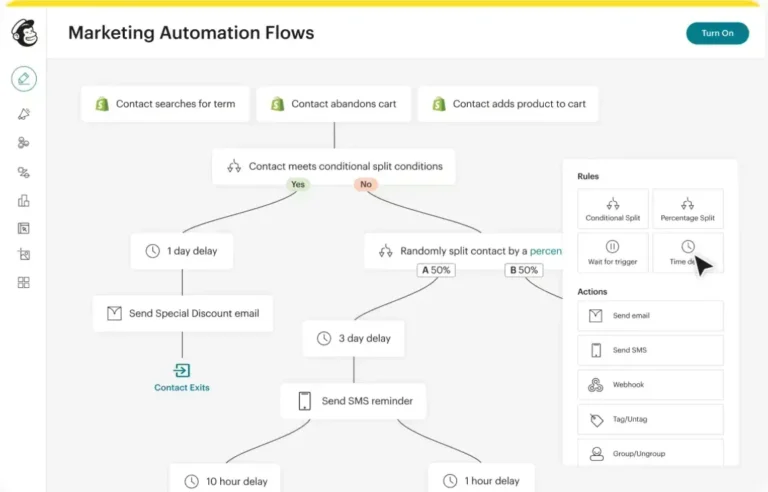
The good news is that injecting a human touch into marketing efforts does not necessitate an overhaul of existing strategies. Subtle yet impactful adjustments can significantly enhance customer connection. These adjustments can include:
- Segmenting customer lists based on purchase history, interests, or engagement level: This allows for the tailoring of messages to specific customer groups.
- Utilizing dynamic content in emails and on websites: This enables the personalization of greetings, product recommendations, or offers based on individual customer data.
- Referencing past interactions or purchases: Acknowledging a customer’s history with the brand demonstrates attentiveness and builds rapport.
- Offering content or resources relevant to their specific needs or interests: This shifts the perception from a sales pitch to a valuable resource.
When communications are curated to align with a customer’s genuine interests, the focus shifts from an intrusive advertisement to a helpful resource. This subtle but profound change significantly increases the likelihood that customers will return to the brand when they are ready to make future purchases. For instance, a clothing retailer that notices a customer frequently browses activewear could tailor future communications to highlight new athletic apparel lines, training tips, or related health and wellness content, rather than sending generic sale announcements.
2. Cultivating a Consistent and Exceptional Customer Experience
Inevitably, businesses will encounter operational challenges. A delayed shipment, an overwhelmed customer support team, or a technical glitch are common occurrences. Customers generally understand that perfection is unattainable. What they do expect, however, is a demonstration of care and a genuine effort to rectify issues. These moments of adversity, when handled effectively, can transform into powerful opportunities to showcase a brand’s commitment to its customers.
The immediate resolution of a problem is the first priority. However, a truly effective approach extends beyond mere damage control. It involves a thorough examination of the root cause to prevent recurrence. Empowering frontline staff to address customer concerns promptly is a key strategy. This can be facilitated through granting them the autonomy to offer immediate solutions, such as gift cards or discounts, as recommended by industry best practices in employee engagement and customer service. When a customer service representative can resolve a dispute without the need for managerial escalation, it streamlines the process, saves valuable time for all parties involved, and crucially, mitigates customer frustration.
Honesty and transparency are foundational to building trust. Admitting a mistake without making excuses fosters a stronger connection with customers, demonstrating that real people are behind the brand. This authenticity can forge bonds that endure for years. For example, if a software company experiences a service outage, a transparent communication acknowledging the issue, providing an estimated resolution time, and offering a discount on future subscriptions can mitigate customer dissatisfaction and reinforce trust, rather than attempting to downplay the problem or shift blame.
3. The Strategic Advantage of Building Customer Communities

Modern consumers often seek more than just transactional exchanges. They are increasingly drawn to brands that align with their values, interests, and lifestyles. Creating dedicated spaces for customers to connect with one another and with the brand itself provides a compelling reason for them to remain engaged. Fostering a sense of belonging and shared experience can cultivate profound long-term loyalty.
These communities serve a dual purpose: they deepen customer engagement and provide a direct channel for customer feedback and support. Platforms such as dedicated social media groups, private online forums, or even active engagement in website comment sections can serve as fertile ground for community building. Regularly responding to comments, answering questions, and participating in discussions demonstrates that the brand is actively listening to and valuing its customers’ input, needs, and preferences.
For instance, a brand selling specialized hobby equipment could establish an online forum where customers can share projects, exchange tips, and troubleshoot challenges. This not only enhances the customer experience by providing peer support but also offers the brand invaluable insights into product usage, potential improvements, and emerging trends within the hobbyist community. This creates a virtuous cycle of engagement and feedback.
4. Designing Effective and Accessible Loyalty Programs
Loyalty programs are a well-established mechanism for incentivizing repeat business. However, their success hinges on simplicity and perceived value. Overly complex eligibility requirements or redemption processes can deter participation. A straightforward model, where the benefits are immediately apparent, is often the most effective. For example, a program that clearly communicates a $10 credit for every $100 spent provides an immediate and tangible reward.
Alternatively, a points-based system, where customers accumulate credits over time that can be redeemed for discounts or exclusive perks, can also be highly effective. The key is to ensure that the rewards are meaningful and desirable to the target audience. When customers perceive genuine value in a loyalty program, they have a compelling reason to choose that brand over competitors. Consider a coffee shop loyalty program where every tenth coffee is free, or a travel company offering tiered rewards based on spending that include early access to sales or complimentary upgrades. These tangible benefits directly encourage repeat patronage.
5. The Indispensable Role of Usable Consumer Feedback
To foster sustained customer loyalty, businesses must move beyond simply meeting baseline expectations; they must strive to anticipate and even exceed future needs. Relying on guesswork is inherently risky. Proactively soliciting direct feedback from customers offers a more reliable path to understanding their evolving requirements.
The insights gleaned from customer feedback are exceptionally valuable. Implementing short surveys post-purchase can provide immediate data on the customer experience. Offering a small incentive, such as a discount on a future purchase, can significantly increase participation rates and demonstrate that the company values customer opinions.
However, the collection of feedback is only the first step. The true power lies in acting upon it. Customers become understandably frustrated when they report a recurring issue, only to witness its persistence months later. Businesses must be willing to analyze the data and implement tangible changes based on customer input. When a policy is revised, a product feature is improved, or a process is streamlined as a direct result of customer feedback, communicating this to the audience is crucial. A message stating, "We heard your feedback and have made this improvement," resonates deeply, assuring customers that their opinions are respected and that the company is committed to evolving alongside them. This transparency fosters a sense of partnership and reinforces the customer’s investment in the brand.
The Broader Implications for Business Sustainability
The strategic imperative to prioritize customer retention is not merely a tactical adjustment; it represents a fundamental shift in business philosophy, aligning with the long-term vision of sustainable growth and market resilience. In an increasingly competitive global marketplace, the ability to cultivate and maintain a loyal customer base offers a distinct competitive advantage. It reduces reliance on the often costly and unpredictable acquisition of new customers, stabilizes revenue streams, and creates a foundation for organic growth.
Furthermore, a strong emphasis on customer relationships can foster a positive brand reputation, leading to invaluable word-of-mouth marketing. Satisfied and engaged customers are more likely to become brand advocates, recommending products and services to their networks. This organic endorsement is often more credible and impactful than traditional advertising.
The implementation of these retention strategies requires a commitment from all levels of an organization. It necessitates a customer-centric culture where every employee understands the value of each customer interaction. Investing in employee training, empowering staff to resolve issues, and fostering clear communication channels are all critical components of a successful retention program.
In conclusion, while the allure of new customer acquisition will always remain a significant aspect of business development, the nurturing of existing relationships is an equally, if not more, critical factor for long-term success. By focusing on personalized engagement, consistent experiences, community building, rewarding loyalty, and actively utilizing customer feedback, businesses can build a stronger foundation, achieve natural growth, and weather market uncertainties with greater fortitude, even without the necessity of an expansive marketing budget. This strategic approach ensures not just survival, but sustained prosperity in the dynamic economic landscape.
About the Author