BEIJING, China – A frenzied demand for the innovative OpenClaw artificial intelligence agent has unexpectedly triggered a significant surge in the prices of secondhand Apple Mac computers across China. The phenomenon, driven by a confluence of technological advancement, user security concerns, and aggressive promotion by domestic tech giants, is reshaping the country’s preowned electronics market and highlighting China’s rapid embrace of cutting-edge AI. As consumers flock to acquire dedicated hardware for the autonomously operating AI tool, the ripple effects are being felt from major resellers like ATRenew to the global chip industry.
The OpenClaw Phenomenon: A New Era of AI Agents
OpenClaw, an AI agent capable of autonomously executing a wide array of personal tasks, from drafting and sending emails to navigating online shopping platforms, emerged onto the global tech scene in November with its launch by Austrian developer Peter Steinberger. Unlike conventional AI tools that require constant user prompts, OpenClaw operates with a higher degree of independence, learning and adapting to user preferences to perform multi-step operations without direct, continuous oversight. This self-sufficiency is both its primary appeal and, paradoxically, the root cause of the current market disruption in China.
The agent’s capabilities represent a significant leap forward in personal AI, moving beyond conversational interfaces to truly autonomous task execution. This evolution is precisely what has captivated millions, leading to its rapid adoption, particularly within China. The software, notably free to download, has seen its usage rates in China surpass those in the United States, according to data from American cybersecurity firm SecurityScorecard, underscoring the swift and widespread embrace of advanced AI technologies within the nation. The accessibility and transformative potential of OpenClaw have positioned it as a groundbreaking innovation, drawing comparisons to earlier AI milestones.
China’s Rapid Embrace: Tech Giants and User Enthusiasm
While OpenClaw was launched months prior, the current wave of intense interest in China only truly picked up momentum in early March 2026. This acceleration was largely catalyzed by concerted efforts from major Chinese technology companies, including Tencent and Baidu, which strategically integrated and promoted OpenClaw as a means to attract and engage their vast user bases. These tech giants recognized the immense potential of AI agents and moved swiftly to leverage the open-source project, effectively mainstreaming it across the Chinese digital landscape.

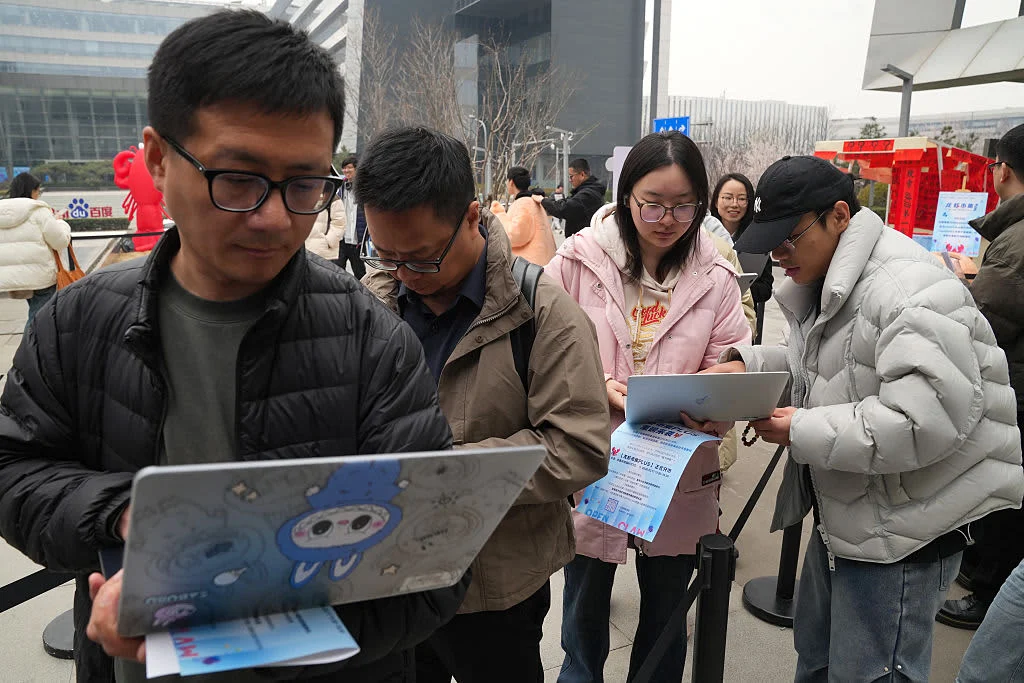
The Baidu event in Beijing on Tuesday, March 17, 2026, vividly illustrated this burgeoning enthusiasm, with attendees bringing their laptops for direct installation of the OpenClaw AI agent. Such gatherings are indicative of a broader cultural shift towards early adoption of advanced technologies in China, often supported by a robust digital infrastructure and a populace eager to explore new digital frontiers. This rapid uptake is also consistent with China’s overarching national strategy to become a global leader in artificial intelligence, with both state-backed initiatives and private sector innovation driving growth. The swift integration of OpenClaw into the offerings of domestic tech behemoths further solidifies its position within China’s dynamic AI ecosystem.
The Secondhand Mac Market Surge: ATRenew’s Insights
The burgeoning popularity of OpenClaw has created an unforeseen ripple effect in China’s secondhand electronics market, particularly impacting Apple’s Mac computers. Jeremy Ji, Chief Strategy Officer and General Manager of International Business at ATRenew, a prominent used consumer electronics buyer and reseller working with Apple and JD.com in mainland China, has provided crucial insights into this emerging trend. Ji reports that the unprecedented demand for preowned computers, especially Macs, has led to a significant upward pressure on prices.
"So many people in China are rushing to try the OpenClaw artificial intelligence tool that they’re driving up prices for secondhand Mac computers," Ji stated in a recent phone interview. He drew parallels between the current surge and the demand seen during the pandemic, when remote work and increased time at home fueled a spike in personal computing device purchases. From March to May this year, ATRenew has maintained its prices for Apple products at levels typically observed during the peak fall season, coinciding with new iPhone releases. This stands in stark contrast to the usual price drop experienced in the spring, signaling a profound disruption in seasonal market dynamics.
Ji further elaborated on the pricing disparities, noting that a new MacBook typically commands prices 15% higher than its used counterparts sold through ATRenew. The current market conditions are narrowing this gap, making secondhand devices a more attractive, yet increasingly costly, option. The preference for Apple hardware, specifically Macs, is also pronounced. Apple’s self-developed M-series chips (M1, M2, M4, M5), known for their superior power efficiency compared to chips in Windows systems, have made them the hardware of choice for early OpenClaw adopters. The Mac Mini, in particular, has seen a spike in popularity. ATRenew observes a trend where users are trading in MacBooks equipped with older M1 and M2 chips to upgrade to models featuring the more powerful M4 or M5 chips. "We do see the growing demand for laptops, PCs as a whole, but the Mac devices benefit from that trend [to try OpenClaw] above all," Ji affirmed.
The demand for more powerful secondhand MacBooks remains "still going very strong," according to Ji, compelling ATRenew to increase its buy-back prices for devices to ensure a sufficient supply of preowned Macs. This aggressive procurement strategy underscores the intensity of the market demand. Ji predicts that this trend could persist "throughout the whole year," indicating a sustained shift rather than a temporary anomaly. While declining to share exact volumes of MacBooks processed since late February, Ji mentioned that ATRenew typically handled around 100,000 devices daily last year. He anticipates that the share of MacBook and other laptop or personal computing devices could grow from the current 15% to 20% of the company’s overall business, reflecting the profound impact of OpenClaw on their operations.
Security Risks Fueling Demand for Dedicated Hardware

A critical factor contributing to the surge in demand for secondhand computers, particularly Macs, is the inherent security risks associated with OpenClaw. While immensely powerful and versatile, the free-to-download software poses potential vulnerabilities. If granted direct access to a user’s primary personal computer, an AI agent like OpenClaw could autonomously alter sensitive private data, such as banking information, or inadvertently create pathways for hackers to access the device more easily. This poses a significant concern for users, driving a pragmatic response: running OpenClaw on a cloud computing server or, more commonly, on a laptop separate from their primary device.
This precautionary measure directly translates into increased demand for secondary, often more affordable, computing devices. Consumers are actively seeking out "burner" or dedicated machines to isolate potential risks, thereby protecting their critical personal and financial data. The secondhand market provides an ideal solution for this need, offering a cost-effective way to acquire a separate device solely for OpenClaw operations. This pragmatic approach to cybersecurity has become a cornerstone of the current market dynamic, transforming what might otherwise be a niche tech trend into a broader economic force affecting electronics sales. The decision to use a separate machine, even if it means purchasing an older model, reflects a widespread understanding of the need for digital hygiene when interacting with powerful, autonomous AI.
Broader Market Ripple Effects: Chips, Smartphones, and the "Next ChatGPT"
The impact of OpenClaw extends beyond the secondhand Mac market, sending ripples across various segments of the technology industry. Jensen Huang, CEO of U.S. chip giant Nvidia, offered a ringing endorsement, declaring OpenClaw "definitely the next ChatGPT" during an interview with CNBC’s Jim Cramer on March 17, 2026. Huang further hailed it as "the largest, most popular, the most successful open-sourced project in the history of humanity." Such high praise from a leading figure in the chip industry underscores the perceived transformative potential of OpenClaw and its capacity to reshape the AI landscape. The comparison to ChatGPT, which dramatically democratized access to generative AI, suggests OpenClaw is poised to do the same for autonomous AI agents, making sophisticated personal automation widely accessible.
The overall demand for AI computing power, fueled by developments like OpenClaw, has also exerted upward pressure on prices for memory chips, a fundamental component in nearly all smartphones and laptops. This global chip price surge has, in turn, influenced consumer purchasing habits in China. Ji from ATRenew noted that this has specifically encouraged more consumers in China to opt for used Apple smartphones over new flagship Android-based devices. As the cost of new devices rises due to expensive components, the value proposition of preowned, high-quality Apple products becomes increasingly attractive, further bolstering the secondhand market for Apple’s entire ecosystem.
The confluence of these factors – the revolutionary capabilities of OpenClaw, its strategic promotion by Chinese tech giants, inherent security considerations driving demand for separate hardware, and broader inflationary pressures on chip components – paints a comprehensive picture of a market in rapid flux. The phenomenon underscores China’s pivotal role in the global adoption and development of AI, demonstrating how localized trends can have significant global implications across supply chains, consumer behavior, and the competitive landscape of the tech industry. As OpenClaw continues its trajectory, its influence is expected to shape not just the secondhand market, but also investment in AI hardware, cybersecurity solutions, and the ongoing evolution of personal computing.
About the Author