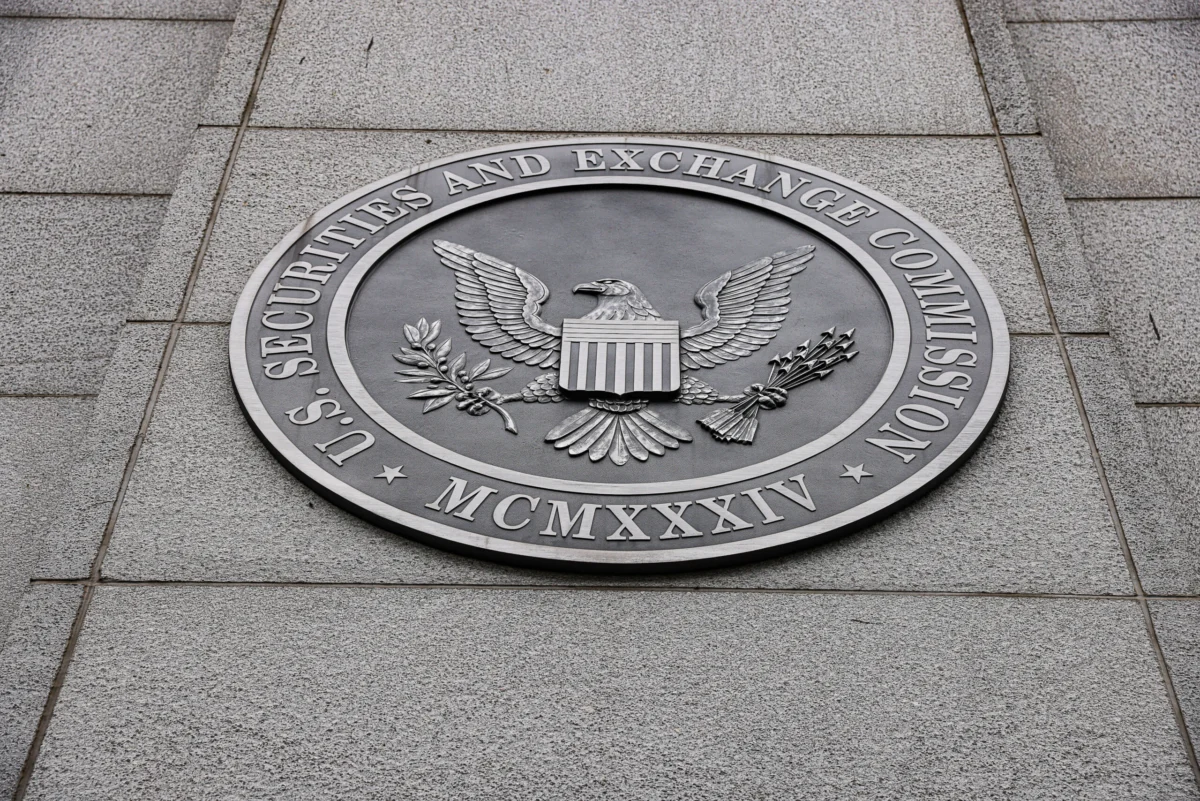
The rapid ascent and subsequent troubles of Situational Awareness, an artificial intelligence-focused hedge fund, have drawn the attention of federal regulators, with the U.S. Securities and Exchange Commission (SEC) reportedly initiating an investigation into the firm. The probe, which involves subpoenas issued to banks that facilitated the fund’s operations, comes as Situational Awareness grapples with significant financial losses following a sharp decline in AI-related stock values. This development casts a shadow over the once-heralded fund, potentially serving as a cautionary tale for the broader artificial intelligence investment landscape.
A Meteoric Rise and a Sudden Fall
Situational Awareness, spearheaded by the young and ambitious Leopold Aschenbrenner, a former OpenAI executive, quickly became a prominent name in the financial world. The fund’s strategy centered on aggressive investments in a diverse array of artificial intelligence technologies, from cutting-edge research and development firms to companies integrating AI into their core products and services. For a period, this concentrated bet paid off spectacularly. Reports from early 2026 indicated that Situational Awareness was generating returns that far outpaced market averages, attracting significant capital and earning it a reputation as a vanguard of the new AI-driven economy. Industry analysts at the time lauded the fund’s prescient approach, suggesting Aschenbrenner had a unique insight into the burgeoning potential of artificial intelligence.
However, the speculative fervor surrounding AI stocks proved to be a double-edged sword. By late July 2026, a palpable shift occurred in market sentiment. Several key AI-related companies experienced significant sell-offs, triggered by a confluence of factors including concerns over inflated valuations, a slowdown in groundbreaking technological advancements compared to earlier projections, and a broader market recalibration. This downturn had a devastating impact on Situational Awareness. Billions of dollars in the fund’s assets were reportedly erased in a matter of weeks, a dramatic reversal of fortunes that sent shockwaves through the financial community. A CNBC report from July 31, 2026, highlighted the severity of this downturn, describing a "fire sale" of assets as the fund attempted to mitigate further losses.
Regulatory Scrutiny Emerges
In the wake of these financial tremors, the SEC has reportedly begun to investigate Situational Awareness. According to a report published by The New York Times on August 24, 2026, the federal agency has been issuing subpoenas to various financial institutions that have had dealings with the hedge fund. These subpoenas are understood to be directed at banks that provided critical services to Situational Awareness, including those that supervised the fund’s trading activities and those that channeled funding to support its investment strategies.
The focus of the SEC’s inquiry appears to be on the operational and financial mechanisms employed by the hedge fund. By requesting information from the associated banks, regulators are likely seeking to understand the flow of capital, the nature of the trades executed, and the due diligence processes undertaken by these institutions in their dealings with Situational Awareness. The government has reportedly instructed these banks to "preserve any information" pertaining to the hedge fund, a standard procedure in the early stages of an investigation. Crucially, The New York Times report emphasized that Situational Awareness has not been formally accused of any wrongdoing at this juncture. The SEC’s actions are indicative of a fact-finding mission to ascertain whether any securities laws were violated or if there were any irregularities in the fund’s operations that contributed to its precipitous decline.

Situational Awareness’s Response
When approached for comment by TechCrunch, Situational Awareness did not provide a direct response. However, the firm communicated with The New York Times, acknowledging the increased scrutiny. A spokesperson for the hedge fund stated that such regulatory attention is to be "expected" for high-profile investment funds, particularly those operating in rapidly evolving and highly capitalized sectors like artificial intelligence. The company further reiterated its commitment to transparency and cooperation, assuring that it would "cooperate to the fullest extent with any regulatory request." This stance suggests that while the firm acknowledges the investigation, it maintains its position that its operations have been conducted within legal and ethical boundaries.
Broader Implications and the AI Investment Landscape
The situation surrounding Situational Awareness carries significant implications for the broader artificial intelligence investment sector. For years, AI has been touted as an unstoppable force, a transformative technology poised to reshape industries and generate unprecedented wealth. Venture capital poured into AI startups, and public markets saw a surge in AI-related equities, often with valuations detached from traditional financial metrics. Situational Awareness, by its very public commitment to AI as its sole investment thesis, became a symbol of this optimistic outlook.
However, the fund’s struggles serve as a stark reminder of the inherent risks associated with investing in nascent and rapidly developing technologies. The AI sector, despite its immense promise, is still subject to market volatility, technological hurdles, and the unpredictable nature of innovation. The "hype cycle" often associated with emerging technologies can lead to inflated expectations and unsustainable valuations, making such investments particularly vulnerable to market corrections.
The SEC’s investigation, even if it ultimately finds no wrongdoing, will undoubtedly add a layer of caution to the AI investment space. It underscores the importance of regulatory oversight and due diligence, even for firms that appear to be at the cutting edge of innovation. Investors and fund managers alike will likely be re-evaluating their strategies, paying closer attention to risk management, and seeking more robust evidence of sustainable business models rather than solely relying on the promise of future technological breakthroughs.
Furthermore, the story of Situational Awareness may prompt a more nuanced discussion about the pace and trajectory of AI development. While breakthroughs continue to be made, the path to widespread commercial viability and profitability for many AI applications is often longer and more complex than initially anticipated. This case highlights the critical need for investors to differentiate between genuine technological progress and speculative exuberance.
As the SEC’s investigation unfolds, the financial world will be watching closely. The outcome could influence regulatory approaches to AI-focused investment funds and shape investor confidence in the sector. For Leopold Aschenbrenner and Situational Awareness, this period marks a critical juncture, potentially defining their legacy as either pioneers who navigated the complexities of AI investment or as a cautionary tale of ambition outpacing prudent financial management. The broader impact will be a renewed emphasis on diligence and a tempered perspective on the often-unpredictable journey of technological innovation in the financial markets.
About the Author