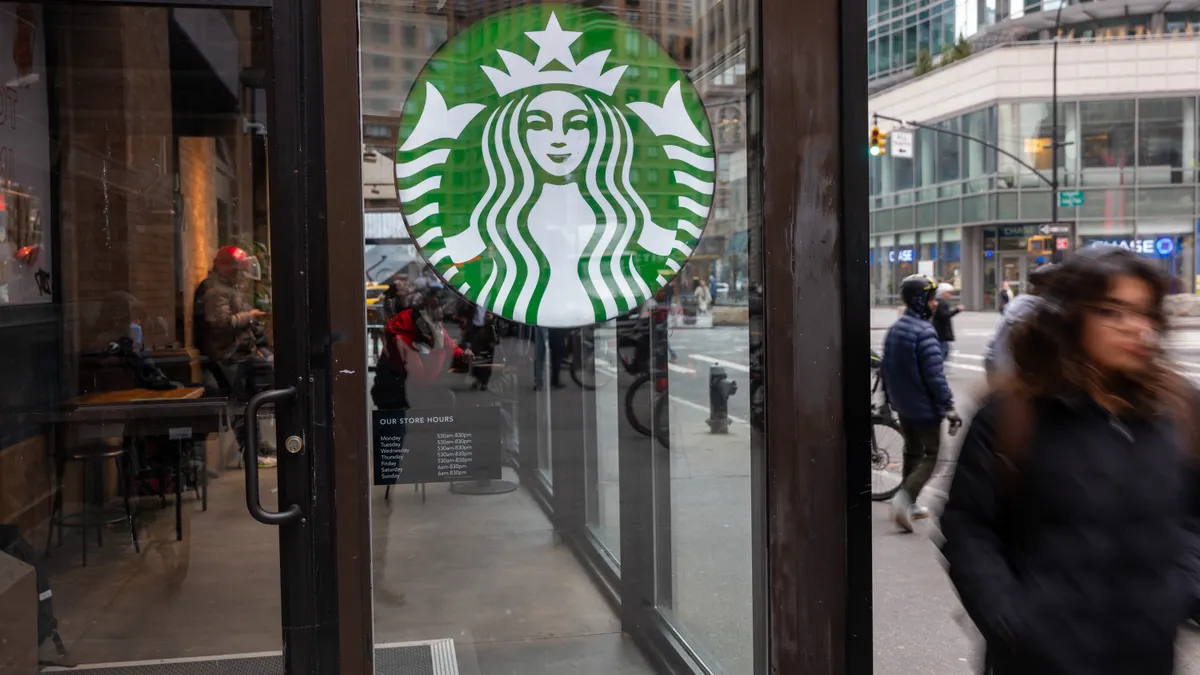
Starbucks has reached a voluntary resolution with the Florida Attorney General’s office, agreeing to pay $1 million to settle a lawsuit that alleged the coffee chain maintained illegal race-based hiring and advancement policies. The settlement, announced by Florida Attorney General James Uthmeier, concludes a legal challenge that mirrored broader federal enforcement efforts targeting diversity, equity, and inclusion (DEI) initiatives in the workplace. The lawsuit, filed late last year, accused Starbucks of excluding or disfavoring nonminority individuals in various employment practices and programs.
Allegations of Discriminatory Policies
The core of Florida’s lawsuit revolved around accusations that Starbucks implemented policies that prioritized candidates based on race, a practice deemed discriminatory under civil rights law. Specifically, the state cited public documents that indicated Starbucks’ intent to set racial quotas for hiring. One such document, a 2020 report, revealed the company’s stated goal to hire people of color for 40% of its retail and distribution center positions and 30% of its corporate jobs.
Further allegations included claims that Starbucks paid employees different wages based on their race and tied executive compensation to participation in race-based mentorship programs. The lawsuit also asserted that individuals of "disfavored races" were excluded from networking and mentorship opportunities. A particularly detailed accusation pointed to a 2024 regulatory filing where Starbucks stated that 7.5% of an executive’s pay in the current fiscal year would be contingent upon serving as a mentor to individuals who identified as Black, Indigenous, or people of color (BIPOC).
Timeline of the Legal Action
The legal entanglement began in late 2025, when Florida initiated its lawsuit against Starbucks. The complaint was formally filed, laying out the specific allegations of discriminatory practices. The state’s action was not an isolated event but part of a growing trend of scrutiny directed at corporate DEI programs, particularly under the Trump administration, which had been actively engaged in challenging such initiatives. Agencies like the U.S. Equal Employment Opportunity Commission (EEOC) and the U.S. Department of Justice (DOJ) had issued guidance indicating how DEI programs could potentially lead to discrimination.
The period leading up to the settlement saw increasing legal challenges and regulatory actions against companies implementing DEI policies. This created a climate where such allegations, even when contested by the companies involved, could lead to significant financial settlements and reputational damage. The voluntary resolution by Starbucks signifies an attempt to proactively address the concerns raised by the Florida Attorney General’s office and potentially avoid further protracted legal battles.
Starbucks’ Response and Settlement Terms
In response to the lawsuit and the subsequent settlement, Starbucks has maintained that it did not admit wrongdoing. Pilar Ramos, Executive Vice President and Chief Legal Officer at Starbucks, issued a statement accompanying the Attorney General’s announcement, emphasizing the company’s commitment to its employees and communities. "We will continue to focus on offering great jobs and career opportunities to our partners who wear the green apron, while making a positive impact on the communities we serve in Florida and around the world," Ramos stated.
Under the terms of the voluntary resolution, Starbucks has agreed to comply with Florida’s Civil Rights Act, which prohibits the alleged discriminatory conduct. Furthermore, the company has committed to not participating in organizations that mandate an increase in the racial diversity of its board. To ensure ongoing adherence to these commitments, Starbucks’ chief legal officer will submit annual certifications of continued compliance over a four-year period. The $1 million payment represents a financial resolution to the claims brought forth by the state.

Broader Context of DEI Scrutiny
The lawsuit against Starbucks is indicative of a larger national conversation and increased legal scrutiny surrounding Diversity, Equity, and Inclusion (DEI) initiatives in American workplaces. The Trump administration, in particular, championed a campaign against what it perceived as race-based preferences in employment. Federal agencies played a significant role in this effort, issuing guidance that highlighted potential legal pitfalls for DEI programs.
This heightened focus has already led to substantial financial repercussions for other major corporations. For example, in the week prior to Starbucks’ settlement announcement, the DOJ revealed a $25 million settlement with Accenture. The DOJ had alleged that Accenture considered race and sex in its hiring and promotion decisions, favoring candidates who helped the company meet its demographic goals. Similarly, in August 2025, Deloitte agreed to a $21.5 million settlement to resolve claims that its DEI programs violated federal civil rights laws concerning hiring, promotion, and staffing decisions.
Enforcement Actions and Legal Precedents
The EEOC has also been actively investigating employers facing similar allegations. Attorneys have previously indicated to HR Dive that the EEOC is likely to succeed in compelling employers to comply with subpoenas for information related to their DEI programs, a prediction that has been supported by court rulings. In July 2025, a federal judge ordered Northwestern Mutual to cooperate with an EEOC probe into its DEI policies, underscoring the commission’s authority in such investigations.
These enforcement actions and settlements suggest a growing trend where companies are being held accountable for the implementation of their DEI strategies. The legal landscape appears to be shifting, with increased emphasis on ensuring that diversity initiatives do not inadvertently create new forms of discrimination. The case of Starbucks, therefore, serves as a significant development in this ongoing evolution of workplace policies and legal compliance.

Economic and Social Implications
The financial implications of these DEI-related lawsuits are substantial, with settlements reaching tens of millions of dollars. Beyond the direct financial costs, companies face potential reputational damage and the significant administrative burden of overhauling their HR practices. For Starbucks, a global brand with a strong public image, the allegations and subsequent settlement could impact consumer perception and employee morale.
The legal challenges also raise fundamental questions about the balance between promoting diversity and adhering to non-discrimination principles. While the intent of many DEI programs is to create a more inclusive and equitable workplace, the legal interpretation and implementation of these programs are under intense scrutiny. The outcomes of these cases are likely to shape how companies approach DEI in the future, potentially leading to more cautious and legally vetted strategies.
Future Outlook for DEI in the Workplace
The ongoing legal challenges and settlements signal a critical juncture for DEI in corporate America. Companies are being forced to re-evaluate their diversity initiatives to ensure they are compliant with evolving legal interpretations and public sentiment. This may lead to a more nuanced approach, focusing on merit-based opportunities and inclusive practices that do not rely on explicit racial or ethnic targets.
The Florida Attorney General’s action against Starbucks, alongside federal enforcement activities, suggests that legal challenges to DEI programs are likely to persist. Businesses will need to remain vigilant in their legal compliance, seeking expert advice to navigate the complex legal terrain and ensure their diversity efforts are both effective and legally sound. The $1 million settlement for Starbucks, while significant, may be viewed as a relatively contained cost compared to the potential repercussions of prolonged litigation or a negative judicial ruling. The company’s commitment to annual certifications of compliance over four years indicates a long-term engagement with the legal requirements and a proactive stance in demonstrating adherence to Florida’s Civil Rights Act. The outcome of this case, along with others like it, will undoubtedly influence corporate strategies for fostering diverse and inclusive workforces for years to come.
About the Author