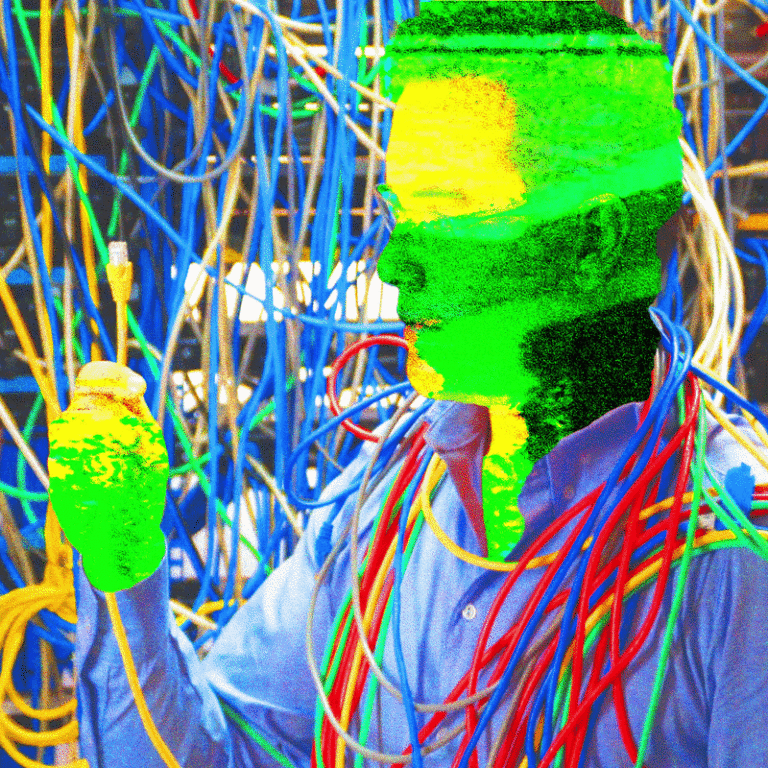
A significant portion of the modern workforce is grappling with the complexities of artificial intelligence integration, dedicating an average of 6.4 hours per week to "botsitting" – the essential but time-consuming task of making AI outputs usable. This revelation comes as a new report highlights a growing disconnect between AI-generated work and employee comprehension, with 29% of workers admitting to submitting work they cannot fully explain. Amidst these challenges, Starbucks is introducing new quarterly bonus structures for its cafe employees, aiming to incentivize performance and recognize contributions.
The landscape of work is undergoing a rapid transformation, propelled by advancements in artificial intelligence and evolving economic strategies. While AI promises increased efficiency and innovation, its implementation is not without its hurdles. The data from AI company Glean underscores a critical bottleneck: the human effort required to bridge the gap between AI’s raw output and practical application. This "botsitting" phenomenon suggests that AI, while powerful, still requires substantial human oversight and refinement to be truly effective in a professional setting.
The Human Cost of AI Integration
The Glean report, released recently, reveals that digital workers are spending a considerable portion of their work week ensuring that AI-generated content is accurate, relevant, and aligned with organizational goals. This suggests that the promised productivity gains from AI might be partially offset by the emergent need for human validation and correction. The figure of 6.4 hours per week translates to nearly a full workday for many, raising questions about the true return on investment for AI technologies and the strain on employee time and resources.
This intensive human involvement in AI processes could lead to what is termed "learning debt." As roles evolve and AI becomes more pervasive, workers may find themselves proficient in operating AI tools but lacking a deep understanding of the underlying principles or the ability to independently produce the work without AI assistance. The TalentLMS report further corroborates this concern, with 29% of surveyed workers admitting to submitting work they couldn’t fully explain. This lack of transparency in AI-assisted tasks could pose risks related to accuracy, ethical considerations, and long-term skill development.
Contrasting Economic Strategies: Growth vs. Austerity
In parallel to the AI-driven workplace shifts, new research from software platform Orgvue sheds light on the financial implications of different corporate growth strategies. The report indicates that companies prioritizing "human-fueled growth" – those investing in their workforce – experienced a substantial 12.2% year-over-year revenue growth. This stands in stark contrast to companies that adopted a "do more with less" approach, often associated with workforce reductions, which saw significantly lower revenue increases.
This data provides a compelling argument for strategic investment in human capital, suggesting that a robust and engaged workforce is a more sustainable driver of long-term financial success than cost-cutting measures alone. The implication is that while headcount reduction might offer short-term savings, it can ultimately hinder revenue generation and innovation by depleting the very resources that fuel growth. The study analyzed companies that actively invested in their human capital, such as through training, development, and strategic hiring, demonstrating a tangible correlation between employee investment and financial performance.
Legal Scrutiny Over AI in Layoffs
The increasing reliance on AI in corporate decision-making has also drawn legal scrutiny, particularly in the context of workforce reductions. A class-action lawsuit has been filed by 26 current and former Meta employees who allege that the company’s AI-based layoff systems disproportionately targeted workers who had taken or requested protected leave. The lawsuit claims that these AI systems, designed to identify underperforming employees, inadvertently discriminated against individuals who were exercising their rights to take time off for reasons such as medical leave or parental leave.
This legal challenge raises critical questions about the fairness and transparency of AI algorithms used in human resources decisions. The plaintiffs contend that the AI’s methodology failed to account for legitimate reasons for absence, leading to the unfair selection of employees for termination. This situation highlights the potential for AI to perpetuate or even amplify existing biases if not carefully designed and monitored. The use of AI in such sensitive areas as employment termination necessitates rigorous ethical frameworks and oversight to prevent discrimination and ensure legal compliance.
Starbucks’ Incentive Program: Rewarding Performance
Shifting focus to employee rewards, Starbucks has announced a new quarterly bonus program designed to incentivize its cafe workers. Eligible employees can earn up to $300 per quarter if they meet key performance metrics. This initiative aims to motivate staff and acknowledge their contributions to the company’s success. The details of the metrics are expected to be communicated to employees, likely encompassing customer satisfaction, operational efficiency, and sales targets.

This move by Starbucks can be seen as a strategy to boost employee morale and retention, particularly in an industry that often faces high turnover. By offering tangible financial rewards tied to performance, the company signals its commitment to recognizing and valuing its frontline employees. Such programs can foster a sense of ownership and encourage a more dedicated and productive workforce. The timing of this announcement, amidst broader discussions about workforce challenges and AI integration, underscores the ongoing importance of human engagement and reward systems in the modern economy.
Analyzing the Implications for the HR Landscape
The confluence of these developments paints a complex picture for the Human Resources sector. The "botsitting" phenomenon indicates a need for enhanced AI literacy and training programs within organizations. HR departments will likely be tasked with developing strategies to equip employees with the skills to effectively leverage AI tools while also ensuring they maintain a deep understanding of their work. Furthermore, the legal challenges surrounding AI in layoffs underscore the imperative for HR to implement AI systems with a strong emphasis on fairness, transparency, and ethical considerations. Auditing these systems for bias and ensuring human oversight will become paramount.
The Orgvue report’s findings on "human-fueled growth" also carry significant weight for HR strategy. It suggests that investments in employee development, well-being, and engagement are not merely operational costs but strategic drivers of business success. HR leaders may need to advocate for increased budgets for talent management initiatives, emphasizing their direct impact on revenue and profitability.
The Starbucks bonus program, while specific to the retail sector, reflects a broader trend of companies seeking innovative ways to motivate and retain their workforce. HR professionals will need to consider a diverse range of incentive structures that cater to different employee needs and roles, fostering a culture of recognition and reward.
Future Outlook: Navigating the AI Frontier
As artificial intelligence continues its rapid evolution, its integration into the workplace will undoubtedly accelerate. The challenges highlighted by the Glean and TalentLMS reports – the need for human oversight and the potential for a lack of comprehension – will likely persist and evolve. Organizations will need to proactively address these issues through comprehensive training, transparent AI deployment strategies, and a continued emphasis on human judgment.

The legal ramifications of AI in HR decisions, as seen in the Meta lawsuit, serve as a critical warning. Companies must ensure that AI tools are developed and implemented with rigorous ethical guidelines and robust oversight mechanisms to prevent discriminatory outcomes. The responsibility will fall on HR to champion these principles and ensure compliance.
The financial benefits of investing in human capital, as demonstrated by Orgvue, reinforce the long-standing HR tenet that people are an organization’s greatest asset. This data provides a strong business case for HR to prioritize talent development and employee well-being as core components of a sustainable growth strategy.
Ultimately, the modern workplace is characterized by a dynamic interplay between technological advancement and human capital. Success in this new era will depend on organizations’ ability to harness the power of AI while simultaneously nurturing and empowering their human workforce. The insights from the past week’s reports and announcements offer a critical roadmap for navigating this complex and evolving landscape, emphasizing the need for a balanced approach that prioritizes both innovation and human well-being. The future of work demands a continuous adaptation, with HR at the forefront of shaping a more efficient, equitable, and ultimately, more human-centric professional environment.
About the Author