Artificial intelligence (AI) is no longer a futuristic concept; it’s a pervasive force reshaping nearly every facet of modern life. From how we communicate and consume information to the very mundane tasks of our daily routines, AI’s influence is undeniable. Unsurprisingly, the realm of Search Engine Optimization (SEO) is experiencing a profound transformation as AI technologies become increasingly sophisticated and accessible. This seismic shift, accelerated by the public’s widespread adoption of tools like ChatGPT, is fundamentally altering consumer behavior, the functionality of search engines, and the strategic imperatives for digital marketers.
The tipping point for AI’s mainstream integration can be traced back to the widespread availability of advanced conversational AI models. While AI had been a component of digital tools for years, the intuitive and accessible nature of platforms like ChatGPT democratized its use, empowering a broad spectrum of individuals to interact with AI in novel ways. This has led to a significant uptick in AI-powered information retrieval. According to a report by McKinsey, AI-driven results already constitute approximately half of Google’s search outputs, with projections indicating this figure could reach 75% by 2028. This statistic underscores the critical need for marketers to understand and adapt to the converging forces of AI and SEO.
The AI Cascade: Consumer Behavior, Search Engines, and SEO Strategies
The impact of AI on SEO is a multifaceted phenomenon, triggering a chain reaction that begins with altered consumer search behaviors, leads to the integration of AI-powered features within search engines, and ultimately necessitates new optimization strategies for marketers. This evolution can be dissected into three key areas: the transformation of consumer search habits, the adaptation of search engines, and the resultant shifts in SEO practices.
Shifting Sands of Consumer Search Behavior
The traditional paradigm of users typing precise keywords into search engines is rapidly evolving. Consumers are increasingly turning to a diverse array of AI-powered interfaces for information. Voice assistants like Amazon’s Alexa and Apple’s Siri, alongside advanced chatbots such as ChatGPT, Perplexity, and Google’s Gemini, are becoming primary conduits for queries.
![AI and SEO: What AI means for the future of SEO [Expert Tips & Interview]](https://53.fs1.hubspotusercontent-na1.net/hubfs/53/ai%20and%20the%20future%20of%20seo.png)
This behavioral shift is particularly pronounced among younger demographics. Research from GWI indicates that 31% of Gen Z individuals now prefer using AI platforms or chatbots for online information discovery. Furthermore, a projection by Semrush suggests that traffic generated by Large Language Models (LLMs) could surpass traditional Google search by the end of 2027. This indicates a substantial migration of user intent and search volume away from conventional search interfaces.
Adding to this trend, HubSpot research reveals that a significant majority (79%) of individuals already utilizing AI for search believe it offers a superior user experience compared to traditional search engines. This widespread preference highlights a fundamental reorientation in how consumers seek and interact with information online, with AI playing a pivotal role in shaping these evolving preferences.
Search Engines Embrace Generative AI
In response to the burgeoning popularity of AI-driven platforms and the shifting user preferences, major search engine providers have begun integrating generative AI capabilities into their core offerings. Google, a dominant player in the search landscape, has been at the forefront of this integration, rolling out features such as "AI Overviews" and an "AI Mode." These innovations transform the traditional Search Engine Results Page (SERP) into a more conversational and interactive experience, akin to engaging with a chatbot.
The implications of these AI-powered features are substantial, particularly concerning organic traffic. Google has reported that over 27% of searches now conclude without a user clicking on a link, as users obtain their answers directly from these AI summaries. This trend, known as "zero-click searches," has seen a notable increase. Data from SimilarWeb’s Annual Digital 100 Report indicates a rise in zero-click searches from 56% to nearly 69% between May 2024 and May 2025. Concurrently, search referral traffic to a sample of 1,000 web domains experienced a decline, falling from 12 billion visits in June 2024 to 11.2 billion in June 2025.
The visual real estate occupied by AI Overviews on search result pages further exacerbates this challenge for traditional organic listings. With AI summaries accounting for approximately 42% of desktop screens and 48% of mobile screens, organic results are pushed further down the page. This means that even high-quality, authoritative content that previously ranked well and attracted significant traffic may now be overlooked by users who receive their answers directly from the AI. This significant disruption has understandably generated considerable concern within the marketing community, prompting a rapid need for adaptation.
![AI and SEO: What AI means for the future of SEO [Expert Tips & Interview]](https://no-cache.hubspot.com/cta/default/53/b5296305-8ec6-4375-8245-aadbacbd4058.png)
To help businesses assess their current standing in this new AI-driven search environment, tools like HubSpot’s free AI Search Grader have emerged. These resources allow brands to evaluate their visibility within AI-powered search engines and identify areas for strategic improvement.
The Metamorphosis of SEO
The integration of AI into search engines has necessitated a fundamental reevaluation of SEO strategies. A comprehensive analysis by Semrush, examining over 200,000 keywords, revealed that nearly 95% of keywords triggering AI Overviews had no accompanying paid advertisements or exhibited minimal commercial intent. This observation suggests that search engines are primarily deploying AI summaries for informational queries, while retaining transactional searches within the traditional SERP format.
This strategic deployment has significant implications for marketers. Top-of-funnel educational content, which has historically been a crucial driver of website traffic, brand awareness, and lead generation, is now at heightened risk of being bypassed by AI summaries. While this might be a clever strategy for search engines to protect their advertising revenue, it presents a considerable challenge for content creators and digital marketers.
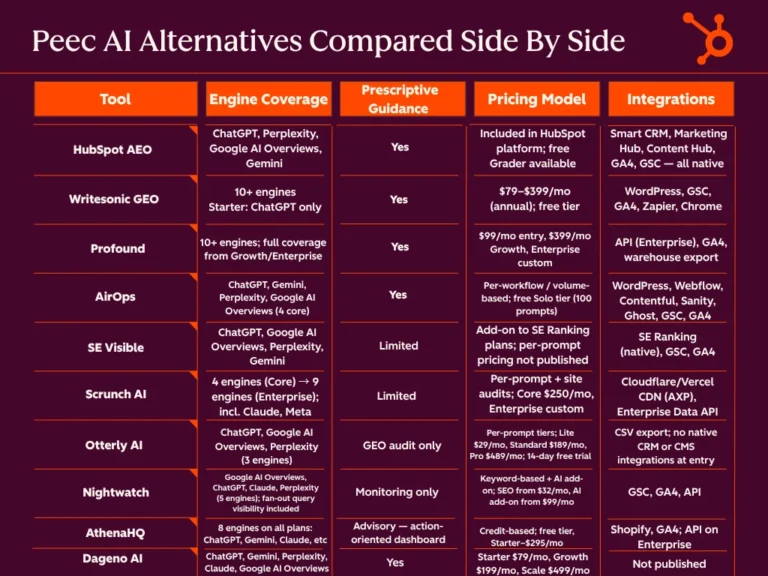
In response, marketers are increasingly adopting new methodologies, including Answer Engine Optimization (AEO) and Generative Engine Optimization (GEO). These approaches aim to make content more appealing to AI features within search engines and generative AI models, respectively. However, the evolution of SEO extends beyond these specific disciplines, encompassing a broader strategic pivot.
Adapting SEO Strategies for the AI Era
The fundamental principles of SEO are being reimagined to align with the capabilities and preferences of AI systems. This includes a reorientation of keyword research, a focus on content optimization for machine learning, and the automation of technical SEO processes.
![AI and SEO: What AI means for the future of SEO [Expert Tips & Interview]](https://53.fs1.hubspotusercontent-na1.net/hubfs/53/ai-and-the-future-of-seo-1-20260222-2454293.webp)
Keyword Research and Topic Discovery Reimagined for AI Search
Traditional keyword research focused on identifying exact phrases, search volume, and keyword difficulty. In the age of AI search, this approach is being augmented by a deeper understanding of user intent, topic clustering, and, critically, conversational query analysis.
The way users interact with AI is more akin to human conversation than a rigid search query. Instead of searching for "ice cream shop NYC," a user might ask, "What’s the best ice cream shop near me?" Pew Research Center data corroborates this trend, noting that longer, question-based queries are more likely to trigger AI Overview responses. Consequently, marketers must structure their keyword strategies around "what," "how," "why," and "best" interrogations.
To facilitate this, a proactive approach involves compiling a comprehensive inventory of questions their target audience poses throughout the buyer’s journey. Collaboration with sales and customer service teams can provide invaluable insights into frequently asked questions at each stage. Tools like AnswerThePublic and Google’s "People Also Ask" (PAA) boxes offer a rich source of user-generated questions related to core topics, revealing user intent and algorithmic relevance.
Recognizing this need, a new generation of AI tools is emerging to assist marketers. Platforms like HubSpot’s Breeze, Semrush’s Copilot, and Ahrefs’ AI Content Helper offer features for large-scale search intent analysis, identification of content gaps, and the generation of topic clusters that map the entire buyer journey, including the conversational queries favored by AI Overviews. HubSpot’s Content Hub, in particular, is designed to build topic clusters that align keywords with buyer intent, fostering content that earns citations across both traditional and AI search environments.
Content Optimization for Machine Learning and E-E-A-T
The bedrock of AI and SEO success remains content quality. Google’s E-E-A-T framework (Experience, Expertise, Authoritativeness, and Trustworthiness) is a critical factor, as AI models often consult Google’s evaluations when generating answers. AI strives to provide the most helpful and factual responses, making content that references credible sources, features original research, and presents data compellingly highly attractive.
![AI and SEO: What AI means for the future of SEO [Expert Tips & Interview]](https://53.fs1.hubspotusercontent-na1.net/hubfs/53/ai-and-the-future-of-seo-2-20260222-9403893.webp)
Research from the Digital Marketing Institute suggests that content enriched with citations and statistics can see an improvement in AI visibility by 30-40% compared to content lacking these elements. AI tools can be instrumental in enhancing content quality and structure. For instance, ChatGPT can offer feedback on article drafts, suggest topic ideas, identify knowledge gaps, assist with metadata creation, source data, generate visual aids, and even perform proofreading. For existing content, AI can identify outdated information, suggest updated statistics, and recommend structural modifications to bolster E-E-A-T signals. Tools like HubSpot’s Content Remix enable efficient repurposing and optimization of content for various media. While human review remains essential for any AI-generated output, nearly 70% of companies report improved returns after integrating AI into their SEO and content workflows.
Technical SEO Automation and Accessibility
Technical SEO remains a cornerstone for AI integration. Machine learning systems, including those powering AI answers, favor content with specific structural attributes. This includes proper schema markup, clear headings, concise paragraphs that directly address queries, and well-structured FAQ sections. These elements enhance content "extractability" for AI. Consequently, marketers should prioritize structured data implementation, header optimization, and refined page formatting.
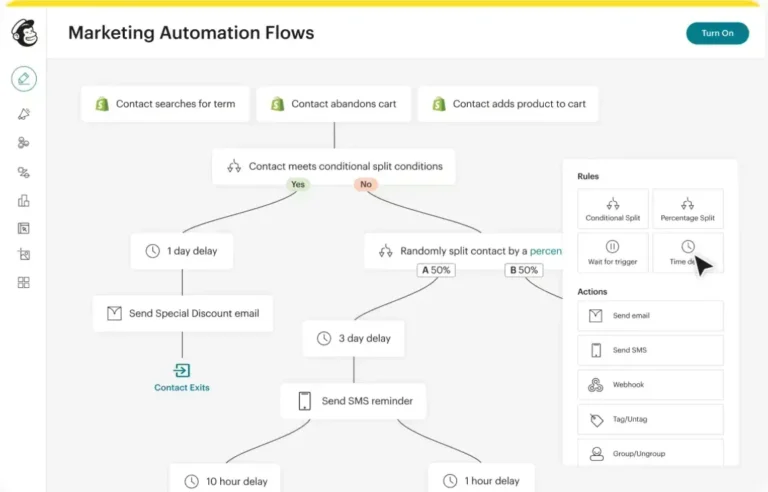
Tools such as Screaming Frog, Semrush, and Ahrefs leverage machine learning to automate site crawling, identify technical issues like broken links, duplicate content, slow page speeds, and missing schema, and prioritize fixes based on their estimated impact. Tasks that once required extensive manual audits can now be flagged, triaged, and assigned within minutes, significantly increasing efficiency.
Crucially, ensuring AI crawlers can access content is paramount. Website configurations, such as robots.txt rules or JavaScript rendering issues, can inadvertently block AI bots. Generative Engine Optimization (GEO) guides emphasize that content must be technically accessible and machine-readable to be considered for inclusion in AI-generated answers.
Adapting SEO Strategies for AI: Expert Insights
Amanda Sellers, Manager of EN Blog Growth at HubSpot, offers valuable insights for marketers navigating the evolving SEO landscape. Her core recommendations emphasize a strategic shift towards creating content that AI systems find credible and valuable.
![AI and SEO: What AI means for the future of SEO [Expert Tips & Interview]](https://53.fs1.hubspotusercontent-na1.net/hubfs/53/ai-and-the-future-of-seo-3-20260222-64943.webp)
1. Prioritize Original, Comprehensive Data
Sellers stresses that producing evergreen, factual content is no longer sufficient, as AI can replicate such information. The focus must shift to creating "citation-worthy" content. This involves presenting comprehensive answers that demonstrate deep knowledge and credibility. Original data, proprietary research, and unique thought leadership are crucial differentiators that make content more likely to be cited by AI. When other websites cite a brand’s information, it serves as a powerful endorsement of its authority, even to competitors.
2. Emphasize Structure and Context
Designing content with a clear structure is paramount. AI systems process information in discrete units rather than with human-like comprehension. Writing content in semantically rich sections and strengthening semantic associations increases the likelihood of good retrieval and, consequently, visibility. This involves crafting clear, direct statements that explicitly define correlations and relationships. HubSpot’s Content Hub can facilitate the creation of structured templates, enabling teams to produce AEO-optimized content more efficiently.
3. Expand Brand Presence and Authority
The principle of frequency applies to AI as well: the more a brand is mentioned or recognized across authoritative contexts online, the more likely AI systems are to trust and cite its content. This involves establishing a strong presence beyond a brand’s own website, including mentions in reputable industry publications, discussions in high-quality forums, and references in academic or government sources. This broad online presence demonstrates subject-matter expertise across diverse digital territories. Content repurposing tools, like HubSpot’s Content Remix, can aid in this multi-channel diversification.
4. Establish and Showcase Credibility
Beyond expanding online presence, actively showcasing credibility is vital. This includes highlighting awards, accolades, and social proof on a company’s website. Featuring expert testimonials, customer reviews, case studies, and awards reinforces a brand’s reputation as a valuable resource for audiences, search engines, and AI systems alike.
5. Maintain Foundational SEO Practices
Sellers advises a "feed two birds with one scone" approach, emphasizing that good Answer Engine Optimization (AEO) remains dependent on solid traditional SEO. AI systems currently rely on Google’s index, making strong SEO performance a prerequisite for AI visibility. Marketers should invest in strategies that enhance traditional search rankings while simultaneously boosting AI visibility. This involves creating content with unique value propositions, such as expert insights, proprietary data, or a distinct brand voice, that differentiates it from other sources.
![AI and SEO: What AI means for the future of SEO [Expert Tips & Interview]](https://53.fs1.hubspotusercontent-na1.net/hubfs/53/ai-and-the-future-of-seo-4-20260222-2868163.webp)
Frequently Asked Questions About AI and SEO
What is SEO for AI?
SEO for AI, often referred to as Generative Engine Optimization (GEO) or Answer Engine Optimization (AEO), is the practice of optimizing content to appear within AI-generated answers from platforms like Google AI Overviews, ChatGPT, Perplexity, and Gemini. While traditional SEO focuses on ranking in search results, AI SEO prioritizes inclusion in or citation within AI-generated summaries. Both disciplines value accurate, up-to-date, and comprehensive content, clear structure, and technical accessibility, but they differ in their specific emphasis. AI SEO favors structured data, modular content architecture for easy extraction, and presence on authoritative third-party sources for citation.
Is SEO Still Worth It with AI?
Absolutely. Traditional SEO remains fundamentally relevant alongside AI-driven strategies. As of September 2025, Google continues to be the primary source of traffic, outperforming ChatGPT, Gemini, and Perplexity combined by a significant margin. While organic traffic may become more challenging to secure as AI preferences grow, brand visibility, authority, and citations within AI answers are likely to become increasingly important throughout the buyer’s journey. Furthermore, SEO serves as the foundational element upon which AI search visibility is built. AI systems largely draw from content that has already established authority and trust through traditional SEO signals. A significant majority of AI Overview sources originate from pages already ranking in the top 10 organic search results. Therefore, optimizing for both traditional search results and AI-generated answers simultaneously is the new imperative, not an either/or proposition. Websites with robust technical SEO and high-quality, authoritative content are best positioned to earn AI citations, while those neglecting these fundamentals face a double disadvantage.
Can SEO Be Done with AI?
![AI and SEO: What AI means for the future of SEO [Expert Tips & Interview]](https://53.fs1.hubspotusercontent-na1.net/hubfs/53/ai-and-the-future-of-seo-5-20260222-3641064.webp)
Yes, AI can significantly enhance SEO efforts. AI tools can assist with various tasks, including automated keyword research and topic discovery, content generation and optimization, technical SEO audits and issue identification, competitive analysis, and personalization of search results. However, AI should augment, not replace, human expertise. The most effective approach combines AI for scalability and efficiency with human intelligence for expertise, creativity, and strategic differentiation.
What is the Relationship Between AI and SEO?
The relationship between AI and SEO is symbiotic and evolving. Firstly, AI is fundamentally altering consumer search behavior. Secondly, AI is reshaping how search engines operate, with machine learning integrated into ranking algorithms and generative AI powering summary overviews. Thirdly, AI has become an indispensable tool within SEO practices, facilitating automated audits, content optimization, and competitive analysis. In essence, AI represents both the environment in which SEO practitioners operate and one of the most powerful tools they employ.
Are Recent SEO Shifts Due to AI?
Many recent shifts in SEO, including Google’s "Helpful Content" update and the increased emphasis on E-E-A-T (Experience, Expertise, Authoritativeness, and Trustworthiness), are widely believed to be direct responses to the proliferation of AI-generated content. These updates aim to promote content that prioritizes human value over algorithmic optimization. While generative AI excels at producing objective, evergreen information, it is less adept at offering opinions, unique perspectives, emotional reflection, or first-party research – qualities that are increasingly rewarded in traditional search rankings and stem from human experience. The integration of AI Overviews and other AI features by search engines further signals this strategic direction.
![AI and SEO: What AI means for the future of SEO [Expert Tips & Interview]](https://53.fs1.hubspotusercontent-na1.net/hubfs/53/ai-and-the-future-of-seo-6-20260222-3676724.webp)
Is AI-Powered Search Changing SEO?
The consensus among many marketing professionals is that AI-powered search is indeed transforming SEO. While Google continues to dominate the search engine market, its market share has seen a slight decline, potentially influenced by the rise of AI search. However, it’s important to note that many AI-satisfied queries might have previously resulted in zero-click searches anyway. Furthermore, Google’s own AI-powered features (like SGE) mean that even within its existing market share, the nature of user interaction and click-through rates are changing. The increasing prevalence of AI Overviews is contributing to a decline in organic click-through rates, particularly for news-related queries. However, optimizing for AI search results can still significantly enhance brand visibility and awareness, with early data suggesting that AI-referred visitors may exhibit higher conversion rates than those from traditional organic traffic.
Has AI Changed Search Behavior?
Quantifying macro-level changes in search behavior due to AI is complex, as these shifts are gradual and widespread. While anecdotal evidence suggests a decline in demand for certain queries that AI can more effectively answer, definitively attributing this solely to AI adoption remains challenging amidst overall search volatility. What is clearly observable is a significant increase in zero-click searches, largely driven by Google’s AI Overviews rather than users migrating exclusively to platforms like ChatGPT. While this can impact raw traffic numbers, optimizing for AI search results remains crucial for brand visibility and awareness, particularly given the potential for higher conversion rates from AI-referred visitors.
Does AI Shift the Balance of Organic vs. Non-Organic Marketing Strategies?
![AI and SEO: What AI means for the future of SEO [Expert Tips & Interview]](https://53.fs1.hubspotusercontent-na1.net/hubfs/53/ai-and-the-future-of-seo-7-20260222-411910.webp)
Diversification remains a core principle in marketing strategy. While Google has historically been a powerful channel due to its ongoing and repeatable organic search behavior, which facilitates scalability, its effectiveness has been gradually diminishing for years due to factors like featured snippets, increased ad real estate, and the rise of zero-click searches. The introduction of AI further contributes to this trend. However, this does not negate the importance of organic search. The fundamental principle of not placing all marketing efforts into a single channel, regardless of its current power, holds true. As AI continues to evolve, marketers will need to adapt their strategies across all channels to maintain a balanced and resilient marketing ecosystem.
The Future of SEO in the AI Landscape
AI is fundamentally redefining the rules of SEO, but it has not rendered the core principles obsolete. The qualities that previously defined great content—accuracy, clarity, and genuine reader value—remain paramount. The critical change lies in the operational environment: instead of solely optimizing for search engine results pages, marketers must now navigate AI systems that synthesize, summarize, and cite information.
The advent of AI mirrors past disruptions in SEO, such as the introduction of featured snippets, significant algorithm updates, and the growing prevalence of zero-click searches. Each of these shifts presented challenges, yet SEO practitioners adapted and evolved their strategies. The AI era represents the next evolutionary phase. Marketers who embrace this transformation and proactively adapt their approaches, rather than resisting them, will be at the forefront of shaping the future of search and digital discovery.
About the Author