Recent data reveals a seismic shift in the marketing landscape, with a staggering 88% of marketing professionals now integrating Artificial Intelligence (AI) into their daily decision-making processes. This widespread adoption is not a fleeting trend but a fundamental response to the escalating complexity and volume of data in modern advertising. Global ad spend is projected to surpass $1 trillion for the first time in 2026, a figure so immense that manual management by even the most experienced teams has become an insurmountable challenge. Consequently, marketing automation, powered by AI, is emerging as the indispensable engine for lead generation and conversion, with reports indicating it can generate up to 80% more leads and drive 77% higher conversion rates.
The era of manual guesswork in marketing is rapidly drawing to a close, replaced by sophisticated, integrated systems that handle the intricate tasks of testing, targeting, and scaling campaigns. This technological evolution liberates marketers to focus on higher-level strategic thinking, transforming their roles from data wranglers to strategic architects. This article delves into how advanced tools are empowering marketers to optimize campaigns with unprecedented speed and intelligence.
Understanding Campaign Optimization in the Digital Age
Campaign optimization is the dynamic, data-driven methodology employed to refine marketing initiatives, particularly digital advertising, with the ultimate goal of enhancing performance and maximizing return on investment (ROI). It represents a departure from the "set it and forget it" mentality, embracing a continuous cycle of analysis and adjustment to ensure every marketing dollar is deployed with maximum efficacy. Key performance indicators such as click-through rates (CTR), conversion rates, and cost per acquisition (CPA) are under constant scrutiny to drive these improvements.
The evolution of campaign optimization is intrinsically linked to the growth of digital marketing. In the early days, rudimentary analytics provided basic insights. However, the proliferation of digital channels, the explosion of user data, and the increasing sophistication of consumer behavior have necessitated a more nuanced and data-intensive approach. AI and machine learning have become the catalysts for this transformation, enabling marketers to process vast datasets, identify subtle patterns, and automate complex decision-making processes that were previously impossible.
The Pillars of Effective Marketing Campaign Optimization
The journey toward optimal campaign performance is built upon a foundational framework, universally applicable across diverse marketing channels. This framework is then augmented with specialized tactics tailored to specific platforms like paid advertising, email marketing, lifecycle marketing, and social media content programs. The optimization process can be broadly categorized into three interconnected pillars: Strategy and Data Alignment, Allocation and Testing, and Iteration and Measurement.
Pillar 1: Strategy and Data Alignment
This initial phase establishes the strategic bedrock for all optimization efforts.
-
Step 1: Set Clear Objectives. The cornerstone of any successful campaign is the definition of precise, measurable, achievable, relevant, and time-bound (SMART) goals. These objectives, such as a 20% increase in qualified leads or a 15% uplift in click-through rates, serve as the campaign’s guiding compass. Without clearly defined targets, it becomes impossible to assess progress or determine the effectiveness of optimization efforts.
-
Step 2: Analyze Audience Data. A profound understanding of the target audience is paramount. This involves segmenting audiences based on demographics, psychographics, behavioral patterns, and past interactions. AI-powered analytics can sift through extensive customer data to reveal granular insights, enabling the creation of highly personalized and relevant messaging. This precision is crucial for capturing attention in a crowded digital space.
-
Step 3: Review Performance Metrics. A retrospective analysis of past campaign performance is essential. Examining key indicators like conversion rates, CPA, customer lifetime value (CLV), and revenue impact provides valuable historical context. This data informs future strategic decisions, highlighting what has worked, what has not, and where opportunities for improvement lie. AI can automate the aggregation and initial analysis of this historical data, accelerating the learning process.
Pillar 2: Allocation and Testing
With a clear strategy in place, the focus shifts to resource deployment and empirical validation.
-
Step 4: Allocate Resources Wisely. Budget allocation across various marketing channels must be a strategic decision informed by historical performance data and projected ROI. AI can assist in forecasting optimal budget distribution by analyzing past campaign outcomes and market trends. Ensuring each dollar has a defined role and expected return is critical for fiscal efficiency.

-
Step 5: Run A/B or Multivariate Tests. The principle of testing is central to optimization. A/B testing involves comparing two versions of an element (e.g., a headline, an image, a call-to-action) to determine which performs better. Multivariate testing extends this by testing multiple variations of several elements simultaneously, allowing for a more comprehensive understanding of their combined impact. AI can significantly expedite the process of generating variations and analyzing test results, enabling faster iterations.
-
Step 6: Monitor in Real Time. Continuous monitoring of campaign performance through analytics dashboards is crucial. Real-time tracking allows for the rapid detection of anomalies or deviations from expected performance. This enables immediate intervention and adjustment, preventing the wastage of budget on underperforming elements and capitalizing on unexpected successes. AI-powered anomaly detection can proactively alert marketers to critical shifts in performance.
Pillar 3: Iteration and Measurement
The final pillar emphasizes continuous improvement and comprehensive evaluation.
-
Step 7: Iterate Based on Insights. The insights gleaned from real-time monitoring and testing must translate into actionable adjustments. This iterative process involves refining creative assets, targeting parameters, bidding strategies, and even campaign timing throughout the campaign’s lifecycle. Agility and a data-informed approach are key to maintaining campaign relevance and effectiveness.
-
Step 8: Measure Overall Impact. The ultimate assessment of a campaign’s success lies in comparing its final results against the initially defined objectives. This comprehensive measurement captures the overall impact and provides invaluable learnings for all future marketing endeavors. Understanding the full scope of success and failure is critical for long-term strategic development.
Channel-Specific Optimization Strategies
While the foundational steps provide a universal framework, optimizing campaigns requires tailored approaches for each distinct marketing channel.
1. Optimizing Paid Ads
Paid advertising, encompassing search, social, and display, demands a focus on precise targeting, compelling creative, and efficient budget allocation. Key optimization tactics include:
- Keyword Refinement: Continuously analyzing search query reports to identify high-performing keywords, negative keywords to exclude irrelevant traffic, and opportunities for long-tail keyword targeting.
- Audience Segmentation: Leveraging platform-specific targeting options (demographics, interests, behaviors, custom audiences, lookalike audiences) to reach the most relevant user segments.
- Ad Creative Testing: Regularly testing different ad copy, headlines, images, videos, and calls-to-action (CTAs) to identify what resonates best with the target audience.
- Landing Page Optimization: Ensuring landing pages are congruent with ad messaging, provide a seamless user experience, and are optimized for conversion.
- Bid Strategy Adjustments: Dynamically adjusting bids based on performance, time of day, device, and audience segment to maximize ROI.
2. Optimizing Email and Lifecycle Marketing
Email marketing and lifecycle programs focus on nurturing leads and fostering customer relationships. Optimization here involves:
- Subject Line and Preview Text Testing: Experimenting with different subject lines and preview text to improve open rates.
- Email Content Personalization: Tailoring email content, offers, and product recommendations based on subscriber data and behavior.
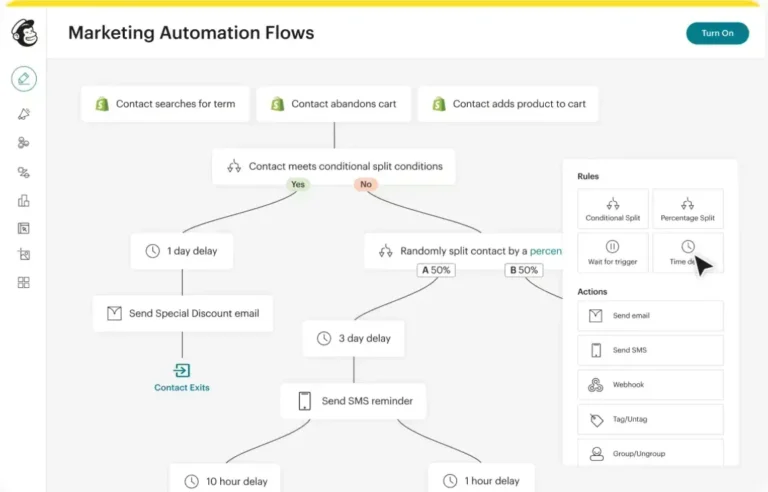
- Segmentation and Triggered Campaigns: Developing sophisticated segmentation strategies and automated workflows (e.g., welcome series, cart abandonment, post-purchase follow-ups) based on user actions.
- Send Time Optimization: Identifying optimal send times for different audience segments to maximize engagement.
- A/B Testing Email Elements: Testing various CTAs, layouts, imagery, and copy within emails to improve click-through and conversion rates.
3. Optimizing Social and Content Programs
Social media and content marketing aim to build brand awareness, engage audiences, and drive traffic. Optimization strategies include:
- Content Format Testing: Experimenting with different content formats (e.g., short-form video, carousels, long-form articles, infographics) to see what garners the most engagement.
- Platform-Specific Optimization: Tailoring content and engagement strategies to the unique characteristics and user behaviors of each social platform.
- Audience Engagement Analysis: Monitoring comments, shares, and messages to understand audience sentiment and identify opportunities for deeper engagement.
- Hashtag Strategy Refinement: Researching and utilizing relevant hashtags to increase content discoverability.
- Influencer Collaboration Analysis: Evaluating the ROI of influencer partnerships and optimizing future collaborations.
Campaign Optimization Metrics That Drive Decisions
The metrics that matter most in campaign optimization are not universal; they vary significantly depending on the stage of the customer journey a lead occupies. Applying a one-size-fits-all approach to metrics leads to wasted expenditure. Instead, aligning metrics with channel intent is paramount.
1. Awareness Stage (TOFU): Building Visibility
At the top of the funnel, the primary objective is broad exposure and initiating brand recognition. Digital marketing optimization in this stage focuses on reach and initial engagement.
-
Social Media: Prioritizes cost-effective visibility. Key metrics include:
- Reach: The number of unique users who saw the content.
- Impressions: The total number of times the content was displayed.
- Engagement Rate: The percentage of people who saw the content and interacted with it (likes, comments, shares).
- Video Views: For video content, tracking view counts and average watch time.
- Follower Growth: The increase in the number of followers over a period.
-
Search (Paid/Organic): Targets intent-light discovery through broad keywords. The main metrics to track are:
- Impressions: How often ads or organic listings appeared for relevant searches.
- Click-Through Rate (CTR): The percentage of impressions that resulted in a click.
- Brand Search Volume: Growth in searches for branded terms.
-
Email: Utilizes broad blasts or list-building tactics for re-awareness. Pay attention to:
- Open Rate: The percentage of recipients who opened the email.
- Deliverability Rate: The percentage of emails successfully delivered to inboxes.
- Unsubscribe Rate: The percentage of recipients who opted out of further communication.
-
Display & Programmatic: Provides mass visual exposure for brand lift.
- Impressions: Broad reach for brand visibility.
- Frequency: The average number of times a unique user saw an ad.
- Brand Lift Studies: Measuring changes in brand awareness and perception.
2. Consideration Stage (MOFU): Nurturing Evaluation
In the middle of the funnel, the strategy shifts towards interaction and education to build trust and qualify leads.
-
Social Media: Moves towards more interactive content. Check:
- Engagement Rate: Higher engagement on polls, stories, and educational posts.
- Click-Through Rate (CTR): On links to content, webinars, or lead magnets.
- Lead Generation Metrics: For forms or lead ads within social platforms.
-
Search: Targets mid-funnel keywords (e.g., "best [product] reviews"). Look at:
- CTR: Higher intent clicks on comparison or review-focused queries.
- Conversion Rate: For actions like downloading a guide or requesting a demo.
- Cost Per Lead (CPL): Efficiency in acquiring qualified leads.
-
Email: Employs nurture sequences designed to educate leads.
- Click-Through Rate (CTR): On links to valuable content or product information.
- Engagement Rate: With interactive email elements.
- Lead Scoring: Assigning points based on engagement to identify sales-ready leads.
3. Conversion Stage (BOFU): Driving Action
The bottom of the funnel is where marketing campaign efficiency is most directly measured, with the focus strictly on closing the deal.
-
Social Media: Utilizes shoppable posts and high-urgency CTAs. Measure:
- Conversion Rate: For direct purchases or sign-ups.
- Return on Ad Spend (ROAS): Revenue generated for every dollar spent on ads.
- Purchase Value: Average order value.
-
Search: Captures high-intent searches to finalize the sale. Monitor:
- Conversion Rate: High intent search terms often yield higher conversion rates.
- Cost Per Acquisition (CPA): Efficiency in acquiring paying customers.
- ROAS: Direct measurement of ad profitability.
-
Email: Deploys promotional offers and cart abandonment flows. Measure:
- Conversion Rate: For purchases driven by promotions or abandoned cart recovery.
- Revenue Generated: Direct sales from email campaigns.
- Average Order Value (AOV): For transactional emails.
-
Display: Executes the final retargeting push. Track:
- Conversion Rate: For users who previously interacted with the brand.
- ROAS: Effectiveness of retargeting in driving sales.
4. Retention & Loyalty: Post-Purchase Growth
Retention focuses on multi-channel efforts to foster repeat buyers and brand advocacy. Key metrics include:
- Customer Lifetime Value (CLV): The total revenue a customer is expected to generate over their relationship with the brand.
- Repeat Purchase Rate: The percentage of customers who make more than one purchase.
- Customer Satisfaction (CSAT) / Net Promoter Score (NPS): Measuring customer loyalty and willingness to recommend.
- Churn Rate: The percentage of customers who stop doing business with the company.
Quick Wins for Digital Marketing Optimization
Even without a full overhaul, several strategic adjustments can yield significant improvements in campaign performance.
1. Double-Check Your Lead Segments and Landing Page Fit
A common pitfall is a disconnect between the advertising message and the landing page experience. Volodymyr Lebedenko, Head of Marketing at HostZealot, shared his experience where high click-through rates failed to translate into customers. His team discovered that multiple ads with distinct value propositions were directing users to a single, generic landing page. This "message mismatch" created friction, leading to high bounce rates and elevated CPA.
The solution involved reorganizing campaigns into intent clusters, creating landing page variants that precisely mirrored the ad copy. This psychological alignment ensured visitors immediately found the information promised in the ad. Within five weeks, this strategy resulted in a 31% improvement in conversion rates and an 18% decrease in bounce rates.
2. Target High-Urgency Moments
Capturing traffic that is too early in the research phase can lead to stagnant conversion rates. Oleksii Sosnovenko, a digital marketing expert at Mobal, observed this phenomenon with keywords like "Japan eSIM." Despite high search volume, conversion rates were low because users were planning trips months in advance.
By shifting focus from general product terms to the specific "arrival anxiety"—the immediate need for connectivity upon landing—Mobal saw dramatic results. By targeting high-urgency, localized searches related to immediate travel needs, conversion rates surged from 2.1% to an impressive 5.8%.
3. Segment Campaigns by Customer Maturity Level
A broad, undifferentiated approach to messaging can hinder conversion. Dirk Alshuth, CMO of emma, a platform for hybrid and multi-cloud environments, noted that while their campaigns attracted significant traffic, demo requests remained low. The issue was that ads addressed both beginners and seasoned infrastructure teams with the same messaging.
The team implemented a segmentation strategy, with one set of ads targeting beginners with messages of simplicity and cost control, while another set appealed to advanced users, emphasizing automation and governance. This tailored messaging, aligned with the customer’s journey, boosted demo conversion rates from 3.5% to over 6% within a month.
4. Reduce Form Fields to Remove Friction
Long or complex forms can act as significant barriers to conversion. Dimi Baitanciuc, CEO and co-founder of Brizy, experienced this with a stagnant 9% conversion rate for free-trial signups. The signup form required excessive information, such as company size and job roles, before users experienced the product.
By stripping the form down to essential fields like email and password, and deferring data collection until after signup, Brizy removed this friction. Within weeks, the signup conversion rate increased by 55%, from 9% to 14%, demonstrating that simplifying the entry point can be more effective than adding incentives.
5. Test Value-Focused CTAs Instead of Generic Ones
The clarity and benefit of a call-to-action (CTA) significantly impact conversion rates. Colleen Barry, Head of Marketing at Ketch, observed a plateau in conversions for a valuable privacy compliance guide, with a landing page conversion rate stuck at 4%. The generic "Download Now" CTA lacked a specific value proposition.
The strategy shifted to descriptive, benefit-driven CTAs like "Get the 2024 Privacy Compliance Checklist." This clarity, reinforced in surrounding copy, provided users with an immediate understanding of the utility. Within three weeks, the conversion rate climbed to 7.2%, nearly doubling lead generation without increased ad spend, underscoring the power of precise, value-oriented messaging.
Tools That Make Campaign Optimization Faster
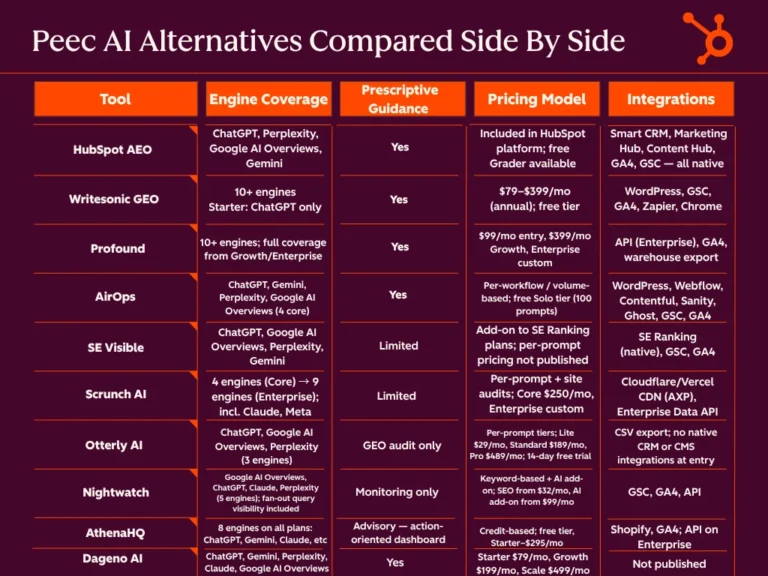
The complexity of modern marketing necessitates advanced tools to streamline the optimization process. AI-powered platforms are at the forefront of this transformation.
1. HubSpot Marketing Hub
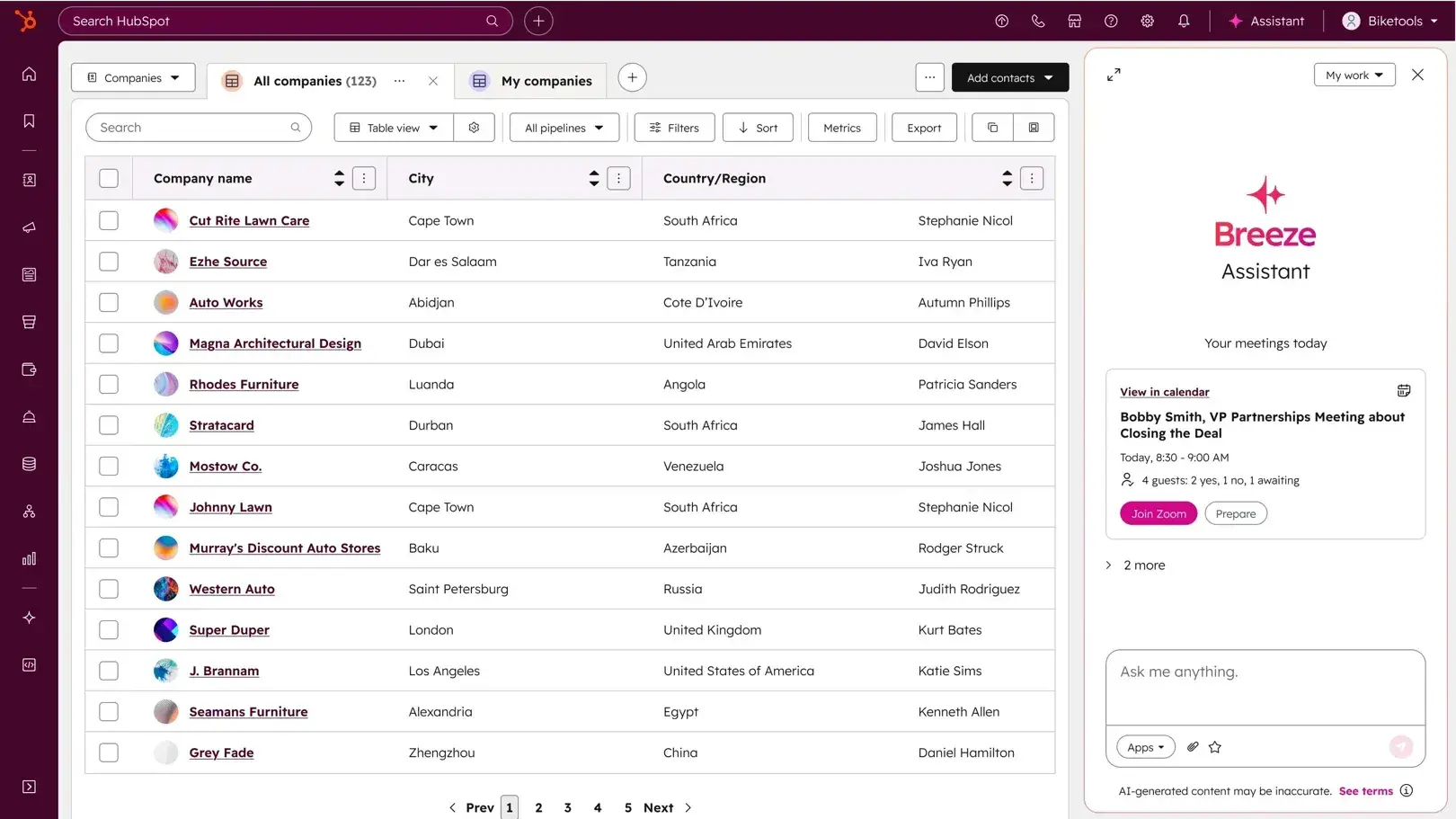
HubSpot’s Marketing Hub offers a suite of AI-driven tools designed to accelerate marketing efforts, including Breeze and its robust marketing automation capabilities.
Breeze
Breeze is HubSpot’s AI engine, integrated directly into the platform. It assists in drafting, rewriting, and expanding copy across various marketing channels, drawing upon CRM data and brand guidelines. This significantly reduces the time spent on content creation, enabling rapid generation of messaging variations for A/B testing.
- Why it matters: Breeze addresses the "creative logjam" by automating repetitive content production tasks, allowing marketing teams to focus on strategy and high-level optimization. This accelerates the entire optimization loop, from planning to scaling.
- Core Features: AI-powered content generation, copy refinement, brand voice consistency, integration with CRM data.
- User Sentiment: Users praise its intuitiveness, seamless integration with existing HubSpot workflows, and its ability to expedite content production while maintaining brand integrity and data security.
HubSpot Marketing Automation
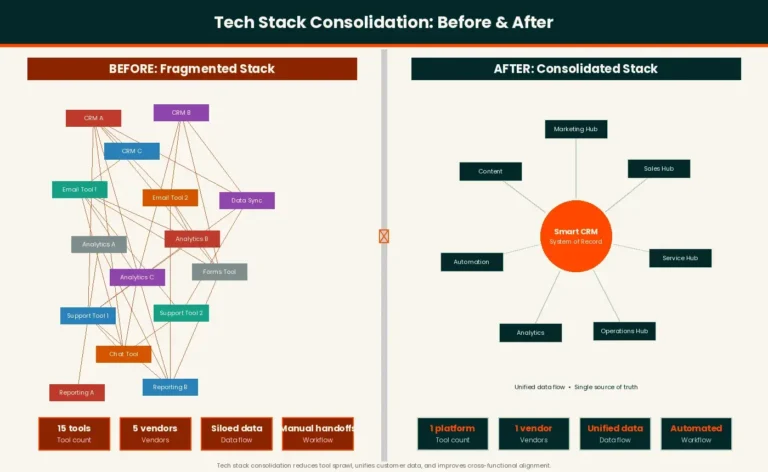
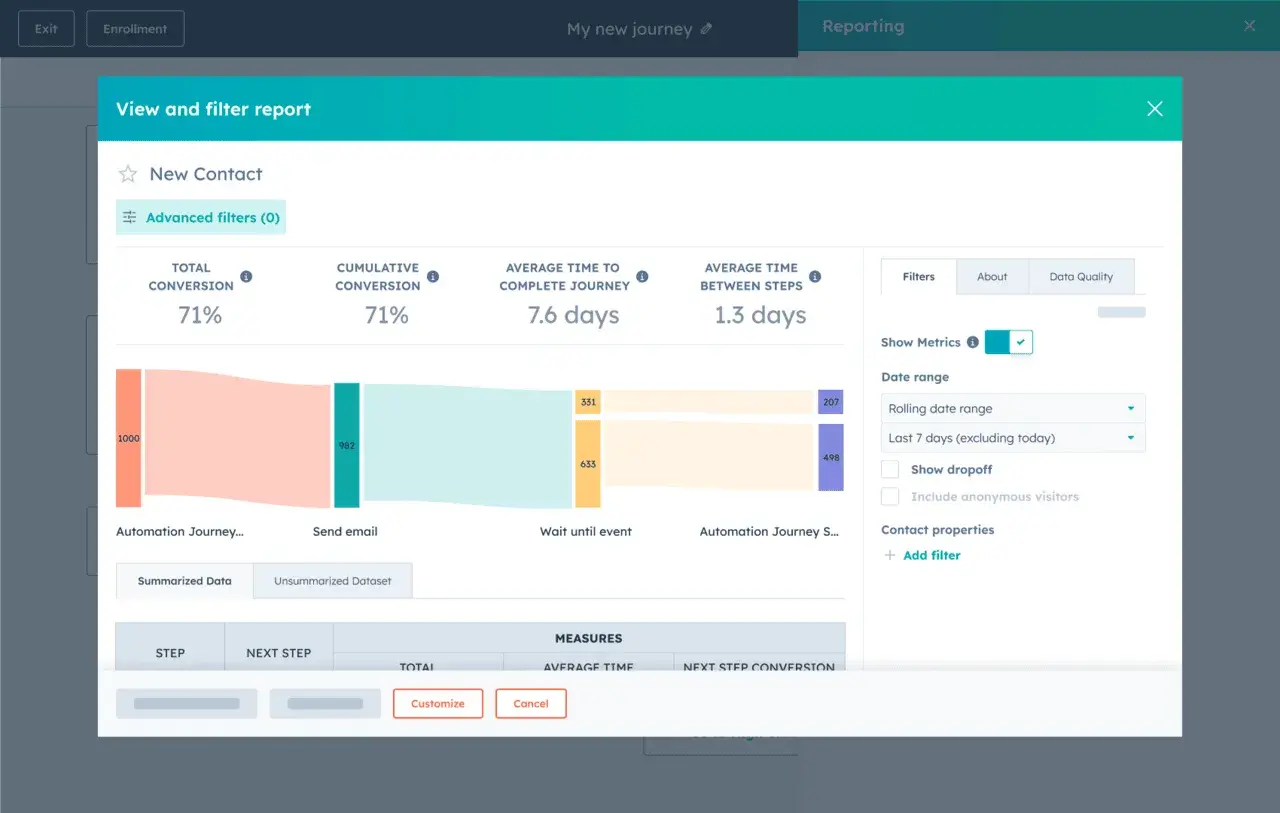
This AI-powered solution automates repetitive tasks and scales personalized customer journeys. Built on a unified CRM, it uses live customer data to trigger actions based on real-time behaviors, such as form submissions or email opens.
- Why it matters: It automates lead nurturing, ensuring consistent engagement as prospect volume grows. This allows for more sophisticated campaign structures driven directly by data, leading to improved qualified lead generation (up to 451% in some studies), shorter sales cycles, and enhanced ROI.
- Key Features: Workflow automation, lead scoring, contact segmentation, personalized email delivery, multi-channel orchestration.
- User Sentiment: Users highlight significant time savings, the unification of marketing tasks with CRM and sales tools, and the ease of use of drag-and-drop builders for complex campaigns.
2. Optimizely
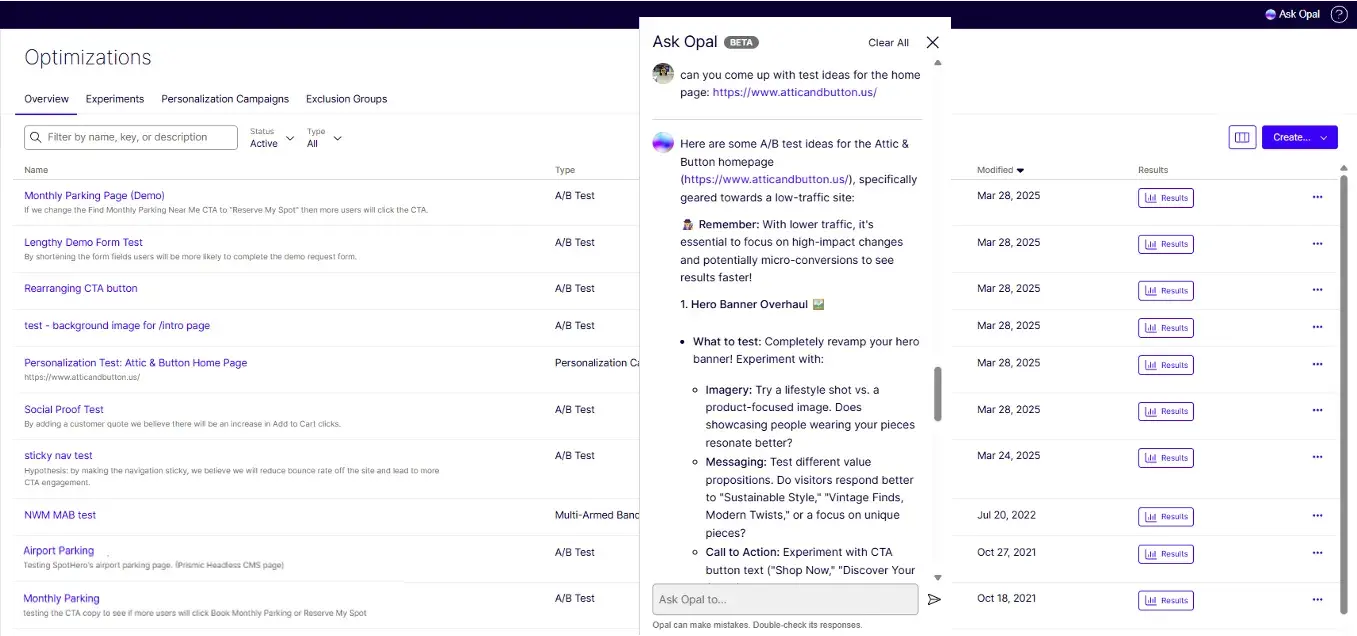
Optimizely is a leading experimentation platform that empowers marketers to enhance campaign performance through data-driven testing and personalization across websites, applications, and digital touchpoints.
- Core Features: A/B testing, multivariate testing, feature flagging, personalization, AI-driven insights, experimentation for web and mobile apps.
- Pricing: Optimizely employs a customized, quote-based pricing model, tailored to individual business needs, contact volume, and feature integration. Direct pricing tiers are not publicly disclosed.
- What We Like: Optimizely’s user-friendly interface and visual editor make experimentation accessible to non-technical teams, enabling quick on-page adjustments and rapid experiment deployment.
3. AdStellar AI
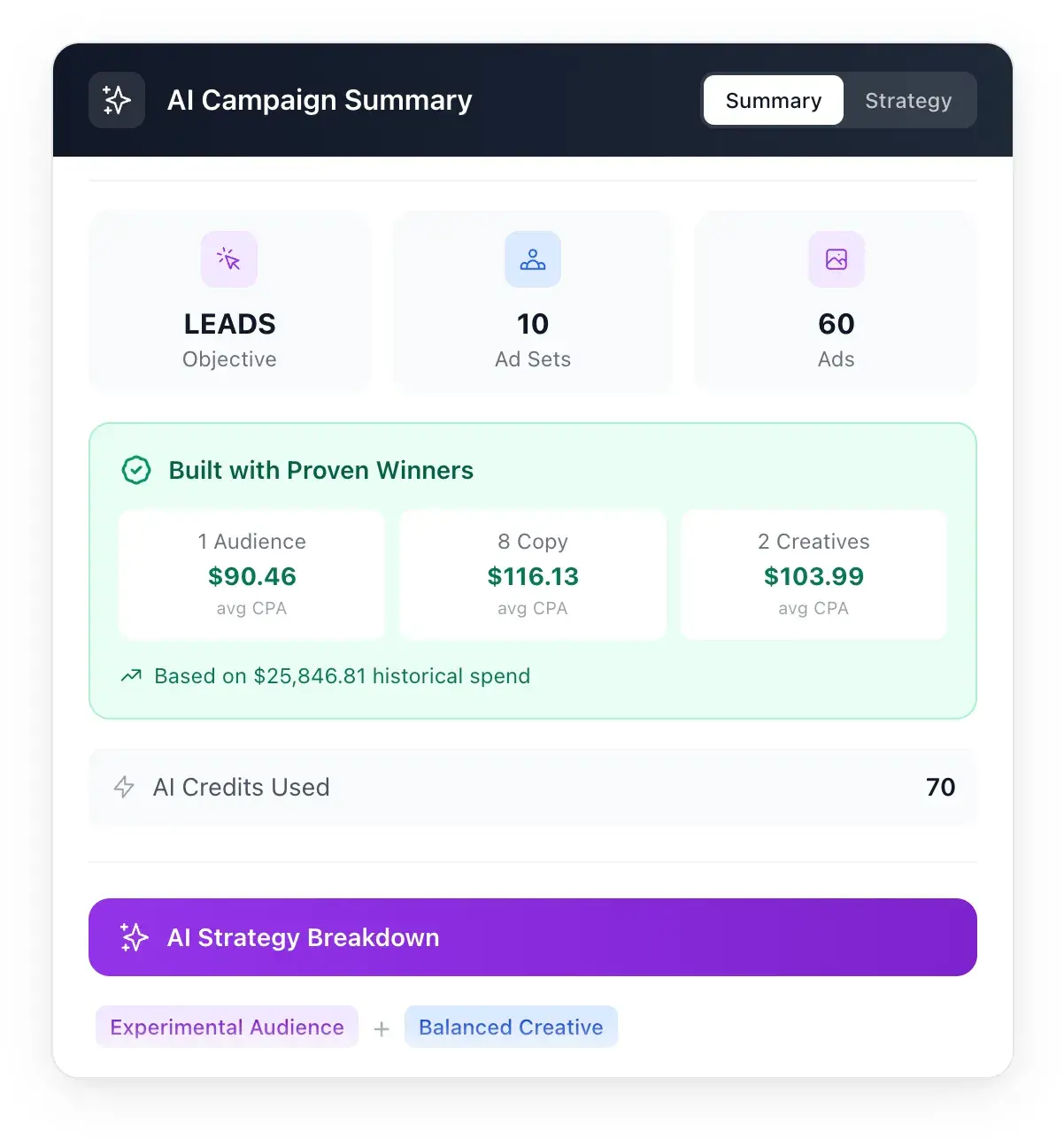
AdStellar AI is an autonomous Meta ad campaign builder that automates the planning, structuring, and launching of optimized campaigns in under 60 seconds. It utilizes seven specialized AI agents to streamline the process typically handled within Meta’s Ads Manager.
- Core Features: AI-driven campaign creation, automated ad structuring, creative analysis, performance prediction, budget optimization.
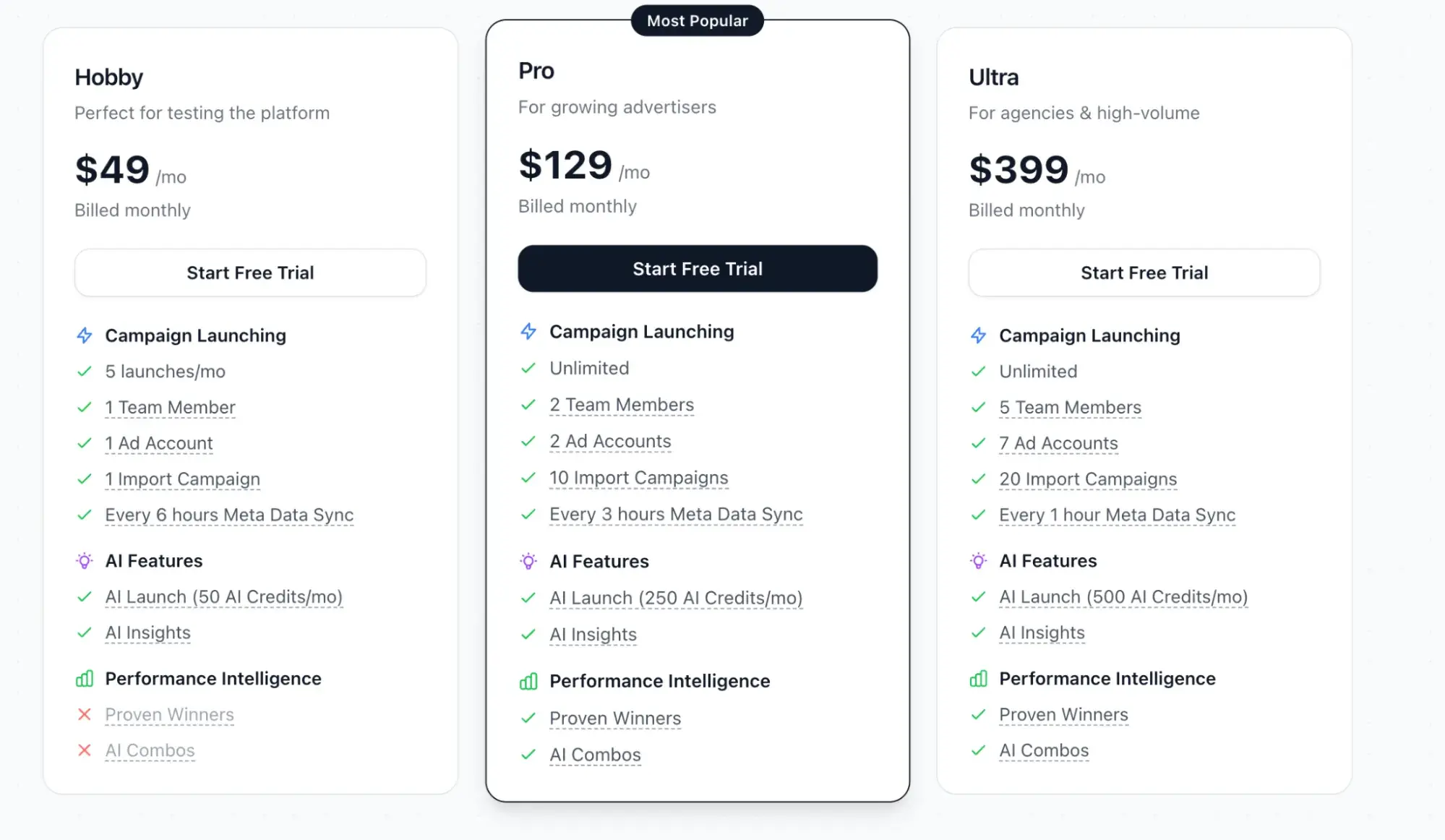
- Pricing: Offers tiered monthly subscriptions: Hobby ($49), Pro ($129), and Ultra ($399), with varying limits on campaign launches and ad accounts. Advanced performance features are available in Pro and Ultra plans.
- What We Like: The "Winners Hub" automatically identifies top-performing creatives and headlines, simplifying the process of scaling successful ad elements and making campaign optimization more effortless.
4. Hootsuite Analytics
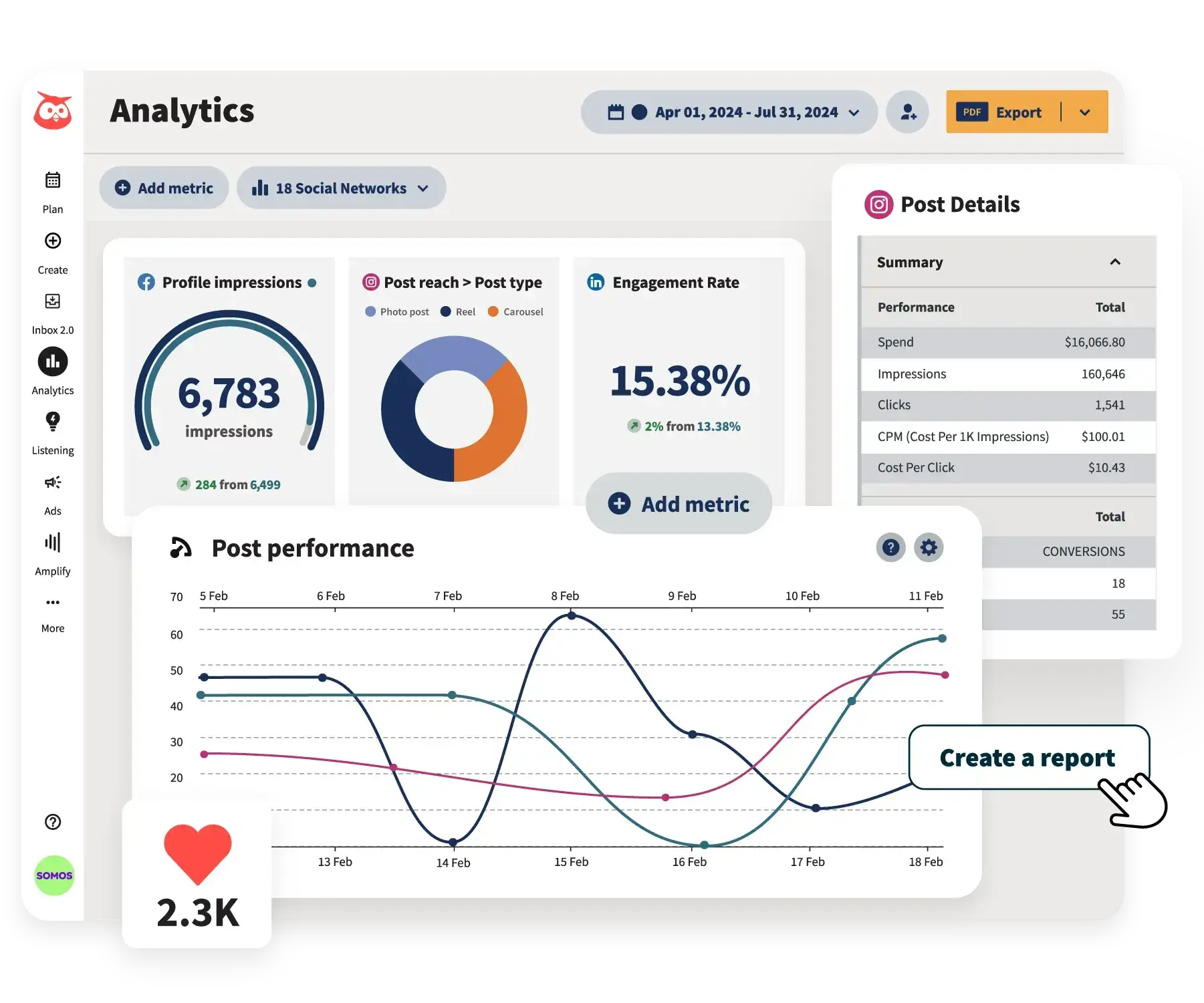
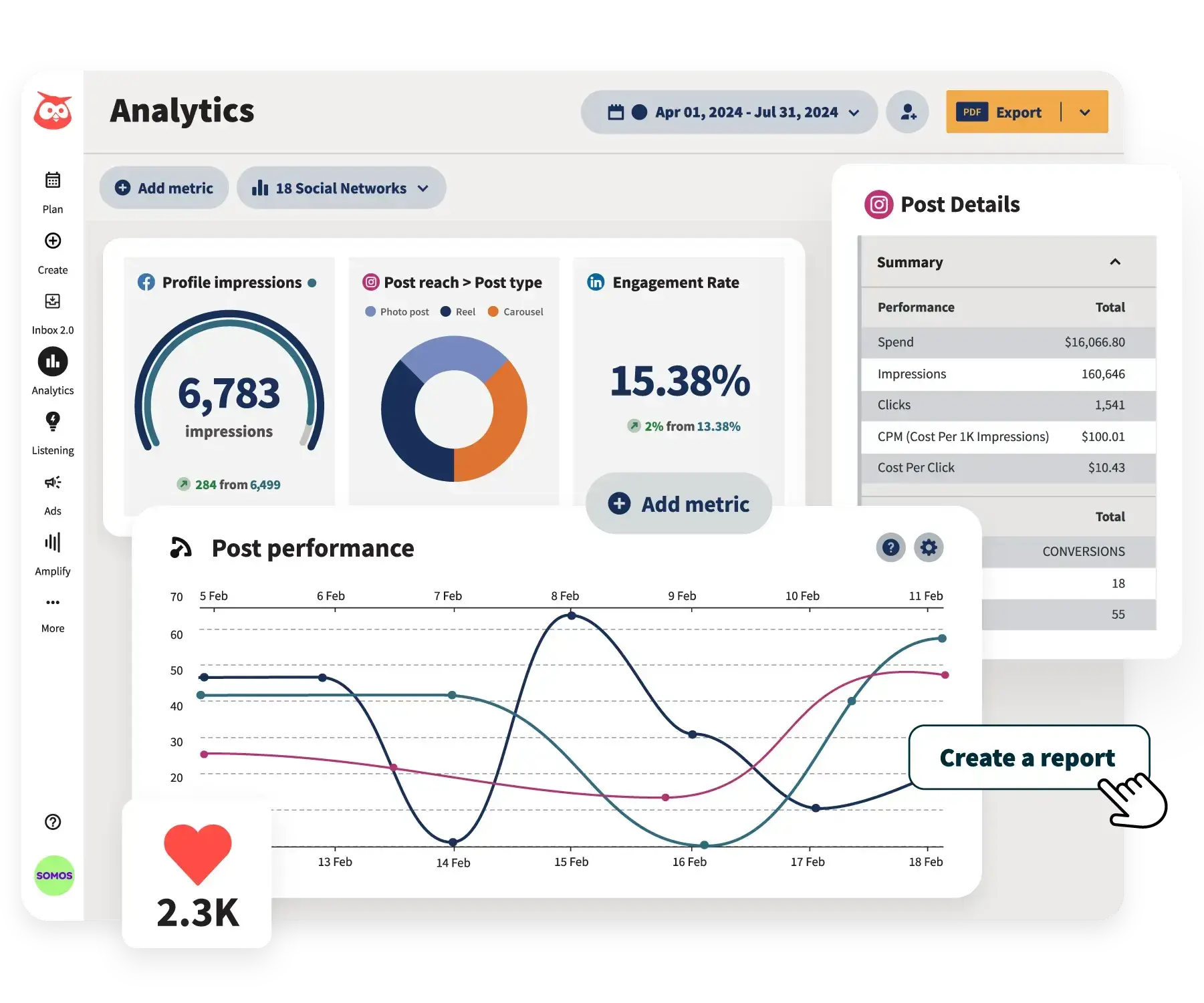
Hootsuite Analytics provides a unified dashboard for monitoring social media performance across major platforms, covering organic, paid, and earned content. It offers hundreds of metrics and customizable reports for competitor benchmarking.
- Core Features: Cross-platform analytics, customizable reports, competitor analysis, AI-driven recommendations (e.g., optimal posting times), social listening.
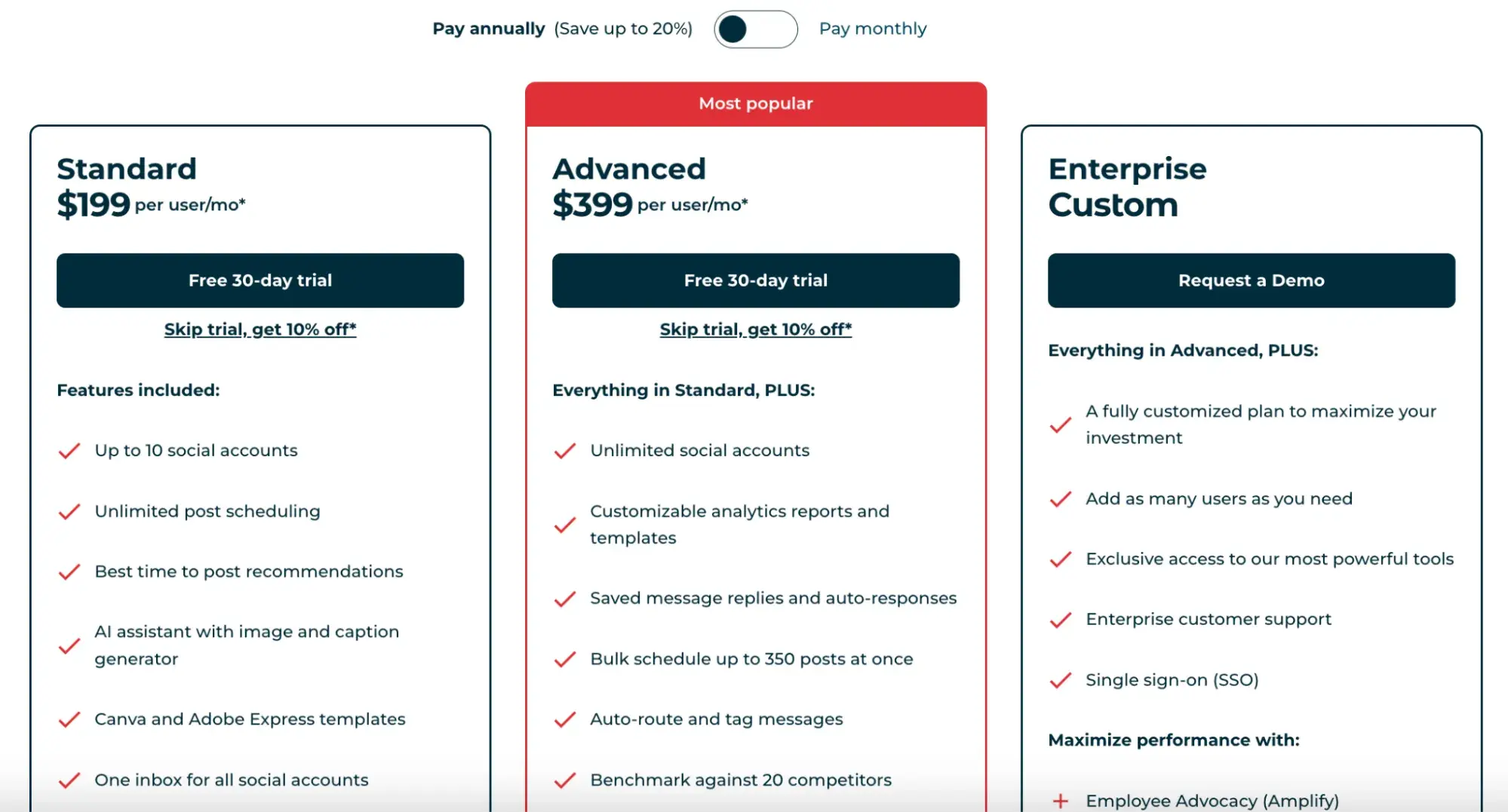
- Pricing: Bundled with Hootsuite’s subscription plans, starting around $199/user/month (Standard tier) for basic analytics and scaling for advanced reporting needs.
- What We Like: Hootsuite’s intuitive interface and evolving AI capabilities, such as content repurposing suggestions and best posting times, significantly save time and improve performance with minimal manual effort.
5. MailReach
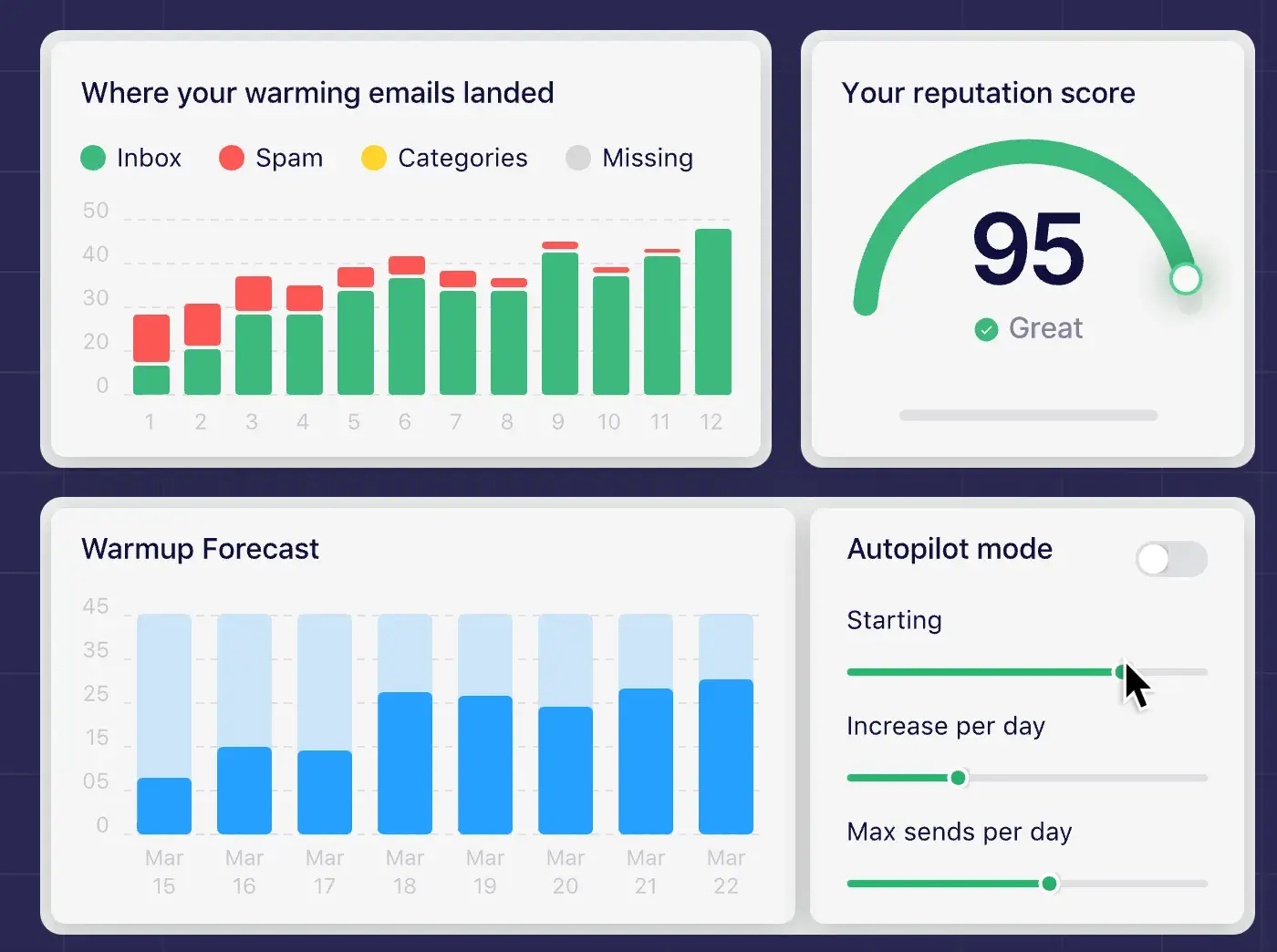
MailReach is a specialized email deliverability platform focused on ensuring cold emails and marketing campaigns reach the intended inbox. It employs an automated warm-up process using a network of high-reputation accounts to repair and protect sender reputation.
- Core Features: Automated email warm-up, deliverability testing, spam filter avoidance, sender reputation monitoring.
- Pricing: Starts at $25 per mailbox per month (month-to-month), with annual plans reducing the cost to $20 per mailbox per month.
- What We Like: The Autopilot mode automates the monitoring and management of email warmup sequences, removing the need for constant manual oversight and directly supporting higher reply rates and improved ROI for email initiatives.
Frequently Asked Questions About Campaign Optimization
How Often Should I Run Campaign Iteration Cycles?
Campaign iteration should be a continuous process. Major strategic reviews should occur monthly, with tactical adjustments made weekly or bi-weekly, depending on the channel and data volume. Paid ad campaigns benefit from performance checks every seven to 14 days to avoid disrupting algorithm learning, while email and social media may allow for more frequent tweaks.
How Long Should I Run an A/B Test Before Calling a Winner?
An A/B test should continue until it reaches statistical significance (typically 95%+ confidence) and has accumulated sufficient data. For paid ads, this often means one to two weeks to account for day-of-week variations. For email opens/clicks, 24-48 hours may suffice, but revenue-focused tests require longer durations. Prioritize data quality over speed to ensure reliable results.
When Should I Pause a Campaign Versus Optimize It?
Pause a campaign if it shows no conversions after spending 2-3 times the target CPA, exhibits consistent declines without recovery potential, or has a fundamental misalignment (e.g., wrong audience or offer). Optimize when early signs of traction appear, such as engagement or partial conversions, by adjusting creative, targeting, or bids. Avoid frequent pausing, as it can reset algorithm learning and negatively impact long-term performance.
Do I Need Multi-Touch Attribution to Reallocate Budget?
While not strictly mandatory, a multi-touch attribution approach is strongly recommended for accurate budget reallocation. It reveals how different channels interact across the customer journey, preventing over-crediting of last-click sources and enabling smarter shifts toward high-impact touchpoints. Single-touch models can be misleading, hindering effective budget optimization.
What is the Best Way to Scale Without Spiking Costs?
To scale efficiently, increase budgets gradually (in 20-30% increments every few days), expand horizontally with new audiences and creatives while consolidating winning elements, improve conversion rates through landing page and funnel optimizations, and leverage automation for efficient allocation. Focus on proven performers and closely monitor CPA to maintain efficiency. Automation and AI tools significantly accelerate these workflows.
Campaign Optimization is a Continuous Process
Optimizing marketing campaigns is an ongoing cycle of testing, measuring, and refining efforts across all channels. Shifting from a static "set it and forget it" approach enables marketers to reduce customer acquisition costs, shorten sales cycles, and make faster, data-driven decisions. This process involves setting clear hypotheses, tracking funnel-stage metrics, and using unified attribution to reallocate budget to winning tactics. Crucially, tactics must be adapted to the specific environment of each channel, as what works for paid search may differ significantly from an email sequence.
Leveraging marketing automation platforms like HubSpot can streamline this optimization loop, handling complex steps without manual grind, and leading to faster, more accurate campaign decisions in an increasingly data-driven marketing world.
About the Author