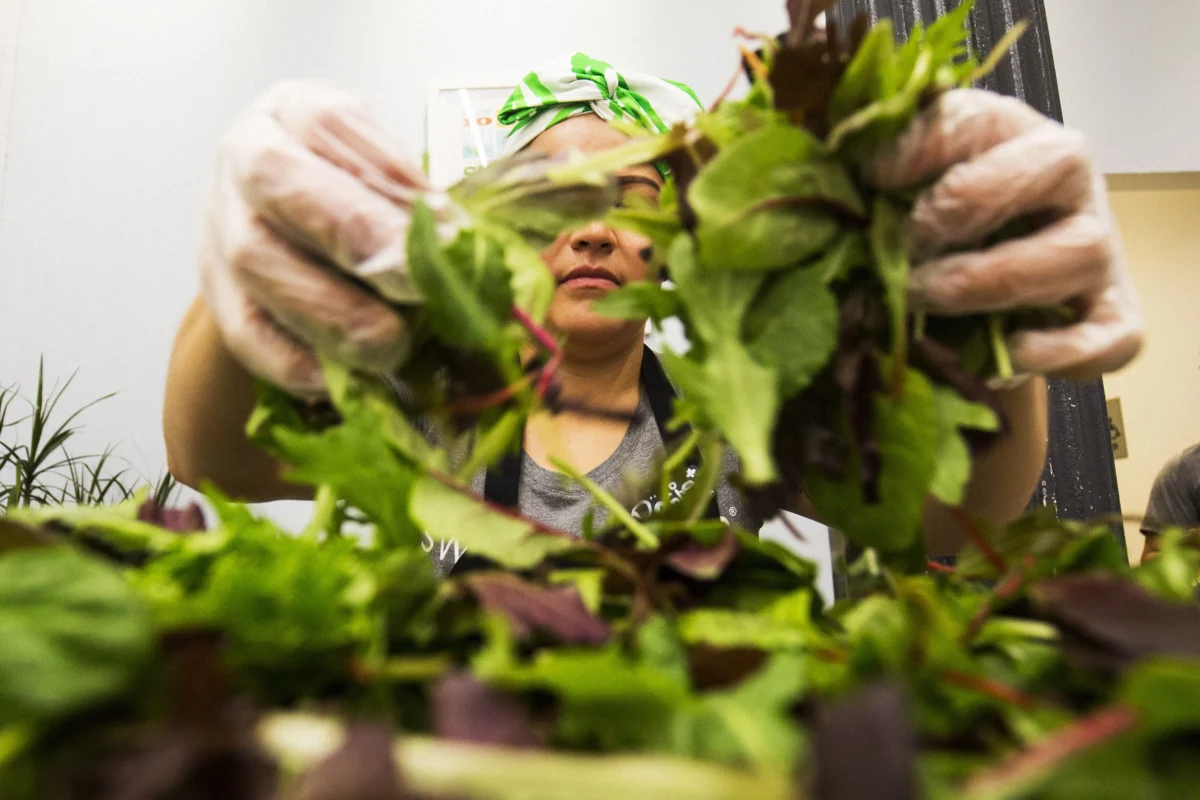
The American fast-casual dining industry is currently grappling with a significant decline in consumer confidence as a massive Cyclospora outbreak continues to spread across multiple states. What began as a localized health concern in the Midwest has rapidly evolved into a national economic event, primarily affecting restaurant chains that specialize in fresh produce and leafy greens. As of mid-July 2026, the Centers for Disease Control and Prevention (CDC) estimates that nearly 7,000 individuals have been sickened by the parasite, a figure that has sent shockwaves through both the public health community and the financial markets. The outbreak, characterized by severe gastrointestinal distress, has notably altered consumer behavior, shifting foot traffic away from "healthy" salad-centric establishments toward traditional quick-service restaurants where heat-treated or cooked food is the primary offering.
Understanding the Pathogen: The Nature of Cyclospora Cayetanensis
To understand the severity of the current crisis, it is essential to examine the biological nature of the pathogen involved. Cyclospora cayetanensis is a microscopic parasite that causes an intestinal illness known as cyclosporiasis. Unlike bacterial infections such as E. coli or Salmonella, which can often be traced to improper handling or cross-contamination in kitchens, Cyclospora is frequently linked to the agricultural source. The parasite is typically transmitted when people ingest food or water contaminated with infected feces. In the United States, past outbreaks have almost exclusively been tied to various types of fresh produce, including raspberries, basil, snow peas, and, most frequently, mesclun mixes and romaine lettuce.
One of the primary challenges in managing a Cyclospora outbreak is the parasite’s resilience. It is not easily washed off with water, and it is resistant to many common chemical sanitizers used in the food industry. The most effective way to eliminate the parasite is through high-heat cooking—a process that is fundamentally at odds with the "fresh and raw" value proposition of salad-heavy chains like Sweetgreen, Chopt, and Panera Bread. Furthermore, the incubation period for cyclosporiasis is typically about one week, meaning that by the time a patient begins to show symptoms like explosive diarrhea, fatigue, and weight loss, the contaminated product has often already been consumed or discarded, making traceback investigations exceptionally difficult for federal authorities.
A Detailed Timeline of the 2026 Outbreak
The current crisis began to materialize in late June 2026, when health departments in Michigan reported an unusual spike in gastrointestinal illnesses. By July 1, the Michigan Department of Health and Human Services (MDHHS) officially identified the cluster as Cyclospora. On July 5, the CDC issued its first national alert, noting that cases were appearing in neighboring states, including Ohio, Illinois, and Indiana.
By July 10, the situation reached a critical mass in the public consciousness. As headlines began to link the outbreak to contaminated lettuce, the impact on the restaurant industry became immediate. Data from Placer.ai, a firm specializing in location analytics, indicates that July 10 marked the beginning of a sharp decline in visitors to establishments with lettuce-heavy menus. On Saturday, July 11, the trend intensified. Chopt Creative Salad Co. saw its foot traffic plummet by 7.1 percent compared to its 2026 Saturday average. Panera Bread experienced a 7.4 percent decline, while Sweetgreen, often considered the bellwether for the salad industry, saw a 3.1 percent drop.
By July 14, the investigation took a more specific turn when reports surfaced regarding Taco Bell locations in the Detroit metropolitan area. Several franchises posted notices informing customers that they were unable to serve lettuce, cilantro, onions, or guacamole due to a "nationwide recall." This development marked the first time a major national brand was publicly linked to the potential source of the parasite, further fueling consumer anxiety.
Analyzing Foot Traffic Data and Consumer Shifts
The economic data surrounding this outbreak reveals a fascinating, albeit troubling, shift in consumer psychology. While salad-heavy chains suffered, traditional fast-food or "quick-service" (QSR) chains saw a marginal increase in patronage. On the same Saturday that Chopt and Panera saw significant losses, traffic at McDonald’s, Chick-fil-A, and Wendy’s rose by an average of 0.8 percent.
This divergence suggests a "flight to safety" among diners. In the absence of definitive word from the Food and Drug Administration (FDA) regarding which specific farms or suppliers are responsible, consumers appear to be making a blanket assessment that raw vegetables are high-risk. Conversely, the high-temperature frying and grilling processes used at QSR chains provide a perceived—and scientifically grounded—layer of protection against the parasite.
The impact is most visible in the "fast-casual" category, which includes brands that market themselves on the freshness of their ingredients. This sector saw an overall traffic decline of 2.4 percent. The irony of the situation is not lost on industry analysts: the very commitment to fresh, raw, and unprocessed ingredients that fueled the rise of the "salad revolution" has, in the face of a parasitic outbreak, become a significant liability.
Regional Disparities: Michigan vs. New York
The geographical distribution of the outbreak has played a major role in how local economies and restaurant traffic have reacted. Michigan remains the epicenter of the crisis, with 4,312 confirmed cases. In this high-risk environment, the impact on Taco Bell was particularly severe; while the chain’s national traffic was down 5.8 percent on July 11, its Michigan locations saw a staggering 11.5 percent drop.
In contrast, New York has reported a more modest 510 cases. While this represents a threefold increase over the previous year, the sense of urgency among the general public in New York City appears lower than in the Midwest. Interviews with customers outside a Sweetgreen in Manhattan’s Financial District revealed that many were entirely unaware of the outbreak. This disparity suggests that while digital news travels fast, the "ground-level" fear is often dictated by the density of local reported cases and the direct actions taken by local health departments.
Market Volatility and Investor Reaction
The financial repercussions of the Cyclospora outbreak have extended far beyond daily sales figures, manifesting in significant stock market volatility. Sweetgreen, as a publicly traded company solely focused on the salad market, has been the hardest hit. Its shares fell by 23.3 percent over a five-day period following the July 11 headlines. Investors are clearly concerned about the long-term brand damage and the potential for a prolonged recovery period, similar to the multi-year struggle Chipotle faced following its E. coli and Norovirus crises in 2015.
Yum Brands, the parent company of Taco Bell, has also felt the sting, with its stock price dropping 7.2 percent. However, because Yum Brands maintains a diversified portfolio—including KFC and Pizza Hut, which are less dependent on fresh leafy greens—the impact was somewhat mitigated compared to Sweetgreen. Chopt and Panera Bread, being privately held, do not face the same public market scrutiny, but internal reports suggest they are facing similar pressures to reassure franchisees and stakeholders.
The Regulatory and Supply Chain Challenge
Federal authorities, including the FDA and the CDC, have yet to name a specific ingredient, grower, or supplier as the definitive cause of the 2026 outbreak. This lack of specificity is a hallmark of Cyclospora investigations. The US produce supply chain is incredibly complex; a single salad bowl at a chain like Chopt may contain ingredients from a dozen different farms across California, Arizona, Mexico, and South America.
Furthermore, the "commingling" of greens at processing plants means that a single contaminated batch of romaine can cross-contaminate thousands of pounds of other produce. Until a "smoking gun" is found through DNA sequencing of the parasite or a clear paper trail, the FDA is hesitant to issue a formal recall of a specific brand of lettuce. However, the MDHHS in Michigan has been more vocal, describing "lettuce or salad greens" as the primary potential source, which has been enough to trigger the voluntary precautionary measures seen at Taco Bell.
Broader Implications for the Food Industry
The 2026 Cyclospora outbreak highlights a recurring vulnerability in the modern food system. As consumer demand for "clean label" and "raw" foods grows, the window for pathogen intervention shrinks. For decades, the food industry relied on cooking as the primary safety hurdle. In the era of the $15 salad, that hurdle has been removed, placing the entire burden of safety on the farm and the processing facility.
Industry experts suggest that this outbreak may lead to stricter regulations regarding irrigation water quality and the proximity of livestock to produce fields, as these are common sources of fecal contamination. There is also likely to be a renewed interest in technologies such as electronic-beam irradiation or high-pressure processing (HPP) for leafy greens—methods that can kill parasites without wilting the delicate leaves.
For the impacted chains, the road to recovery will require more than just a clean bill of health from the CDC. They will need to engage in aggressive transparency campaigns to rebuild trust. Sweetgreen and Chopt may need to provide more granular data to consumers about their sourcing and testing protocols.
As of July 17, 2026, the outbreak remains active. While some consumers, like Victoria Atweh in New York, remain unbothered by the news, the data suggests she is in the minority. For the majority of Americans, the fear of "explosive diarrhea" and the debilitating symptoms of cyclosporiasis currently outweigh the nutritional benefits of a kale Caesar or a romaine-based taco. The coming weeks will be critical as health officials work to contain the spread and the restaurant industry fights to regain its footing in a market suddenly wary of the salad bowl.
About the Author