The fire and safety sector is navigating a complex landscape where the burgeoning adoption of Artificial Intelligence (AI) is simultaneously intensifying pressure on an already strained workforce and offering unprecedented opportunities for job simplification and efficiency gains. A comprehensive survey conducted by the National Fire Protection Association (NFPA) has illuminated this duality, revealing that while AI is contributing to the growing demand for skilled professionals in fire prevention and safety, it is also equipping these professionals with powerful tools to streamline their duties and enhance their effectiveness. This development comes at a critical juncture, as the nation grapples with a widening skills gap in critical trades and the accelerating pace of digital transformation in industries like data center construction and management.
The Escalating Demand for Skilled Fire and Safety Professionals
The findings from the NFPA survey underscore a significant uptick in the demand for skilled tradespeople within the fire and safety domain. According to the survey, a substantial 88% of surveyed skilled trades workers reported an overall increase in demand for their services over the past three years. This surge is intricately linked to the rapid expansion of digital infrastructure across the United States, particularly the proliferation of data centers. These facilities, vital for the digital economy, necessitate robust fire suppression and safety systems, creating a direct and escalating need for qualified personnel to design, install, maintain, and inspect these critical components.
This heightened demand is not an isolated phenomenon. A March report by Randstad North America, which analyzed over 150 million job postings between 2022 and 2026, identified a broad-based challenge in hiring skilled labor across numerous industries. The report highlighted that in the current market, recruiting HVAC professionals or electricians has become a more protracted process than hiring software developers, indicating a significant shift in labor market dynamics. The fire and safety sector, with its specialized skill sets and regulatory requirements, is directly impacted by these broader trends.
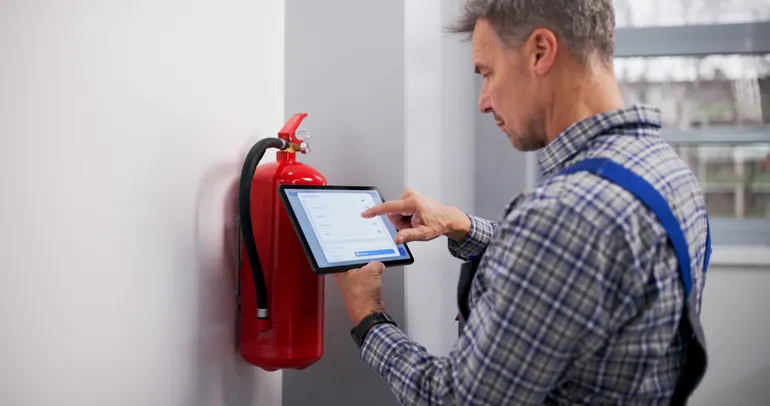
Generational Shifts and the Widening Skills Gap
Contributing to the labor shortage in skilled trades, including fire and safety, is a significant generational transition. As experienced professionals, many of whom possess decades of practical knowledge and hands-on expertise in preventing operational disruptions and costly errors, approach retirement, their departure creates a vacuum. This "retirement cliff," as it’s sometimes termed, is particularly acute in engineering and technical fields. However, the vocational training pipelines designed to replenish these ranks have not consistently kept pace with the accelerating demand. Conservative estimates suggest a looming 30% skills gap in the coming years, a projection that paints a stark picture of the challenges ahead.
The NFPA survey’s findings align with these broader economic analyses, indicating that the pressure on the fire and safety workforce is multifaceted. It stems not only from increased demand driven by new construction and technological advancements but also from the looming retirement of a significant portion of the existing skilled workforce. This confluence of factors creates a challenging environment for facility managers, building owners, and safety officers seeking to ensure compliance and maintain optimal safety standards.
AI as a Catalyst for Efficiency and Support
Despite the intensifying pressures of increased demand and a shrinking talent pool, the NFPA survey reveals a compelling counter-narrative: the transformative power of Artificial Intelligence and digital tools in enhancing the daily work of fire and safety professionals. An overwhelming majority of respondents, 87%, indicated that technology has positively impacted their jobs over the past five years, making their work easier. This sentiment suggests a growing appreciation for the role of AI and advanced digital solutions in mitigating some of the operational burdens.
Within this technological wave, AI and automation tools emerged as the most impactful, cited by 39% of respondents. Following closely, 36% of professionals noted that they derive the most value from digital tools and software platforms. This indicates a clear preference for solutions that can automate routine tasks, improve data management, and provide readily accessible technical information.

Specific AI Applications and Their Impact
The impact of AI and digital tools on the fire and safety workforce can be observed in several key areas:
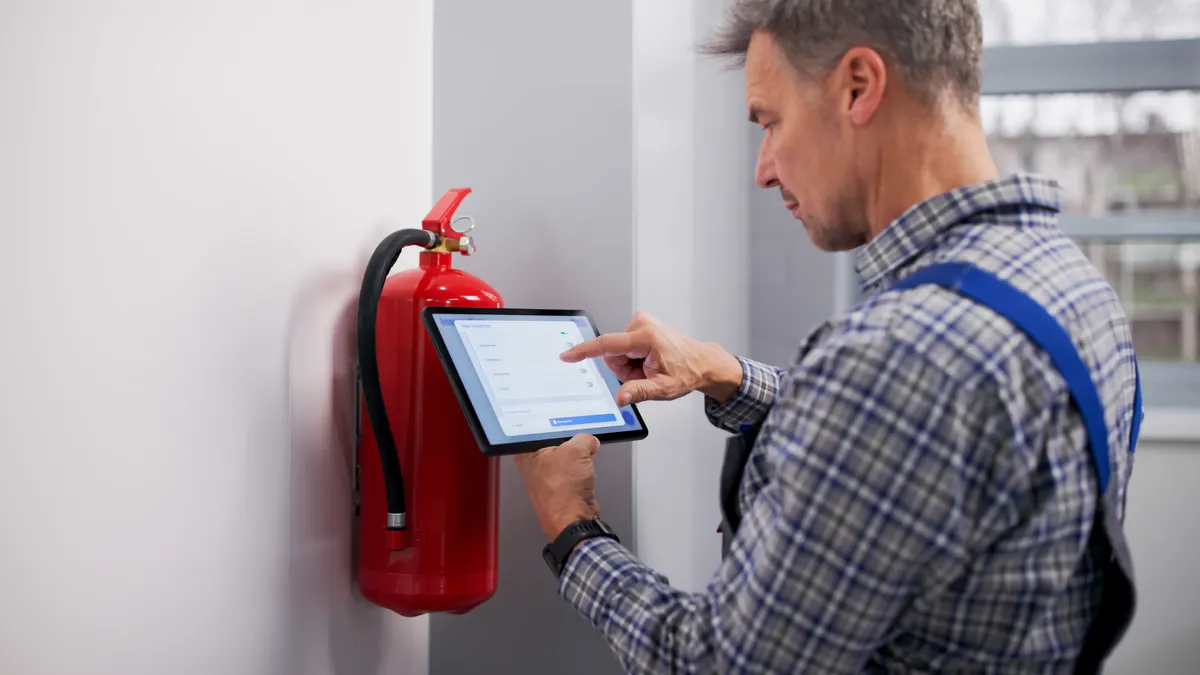
- Streamlined Administrative Work: AI-powered software can automate repetitive administrative tasks such as scheduling inspections, managing permits, and generating reports. This frees up valuable time for technicians to focus on core safety functions and on-site assessments. For instance, AI algorithms can analyze historical data to predict optimal maintenance schedules for fire suppression systems, reducing the need for manual record-keeping and manual scheduling.
- Enhanced Documentation and Record-Keeping: The maintenance of accurate and up-to-date documentation is paramount in the fire and safety sector. AI can facilitate this by automatically logging inspection results, maintenance records, and incident reports. Natural language processing (NLP) capabilities can even transcribe audio notes from on-site inspections into structured data, ensuring a comprehensive and easily searchable digital archive. This not only improves compliance but also provides valuable data for trend analysis and proactive safety measures.
- Improved Access to Technical Knowledge: In a field where technical specifications and regulatory requirements are constantly evolving, AI-driven knowledge management systems can be invaluable. These systems can provide instant access to vast databases of technical manuals, safety codes, and best practices, allowing technicians to quickly find the information they need to address complex issues or unfamiliar equipment. This is particularly beneficial for newer entrants to the field who may not yet possess the deep institutional knowledge of seasoned professionals.
- Predictive Maintenance and Risk Assessment: AI algorithms can analyze data from sensors and historical performance records to identify potential equipment failures before they occur. This predictive maintenance capability allows for proactive interventions, preventing costly breakdowns and ensuring the continuous operation of critical safety systems. Furthermore, AI can assist in more sophisticated risk assessments by analyzing building layouts, occupancy patterns, and environmental factors to identify potential fire hazards and recommend targeted mitigation strategies.
The Tangible Benefits for the Workforce
The NFPA survey’s findings suggest that these technological advancements are translating into tangible benefits for the fire and safety workforce. By reducing the burden of administrative tasks and providing readily accessible information, AI empowers technicians to perform their duties more efficiently and effectively. This can lead to:
- Reduced Stress and Burnout: The automation of tedious tasks can alleviate some of the pressure on an already stretched workforce, potentially reducing stress and contributing to improved job satisfaction.
- Increased Productivity: With more time to focus on critical safety assessments and interventions, technicians can achieve higher levels of productivity and impact.
- Enhanced Decision-Making: Access to real-time data and AI-driven insights can support more informed and strategic decision-making in safety planning and incident response.
- Opportunities for Upskilling: The adoption of new technologies necessitates the development of new skills. This can create opportunities for existing workers to upskill and for new entrants to enter the field with a focus on digital proficiency.
Broader Implications for Facilities Management and Public Safety
The dual impact of AI on the fire and safety workforce carries significant implications beyond the immediate sector. As highlighted by Sanjay Rishi, CEO of Work Dynamics of the Americas and head of global industries at JLL, AI is fundamentally altering the nature of work across industries. This transformation is particularly relevant to facilities management, where the integration of smart building technologies, driven by AI, is becoming increasingly prevalent.
The ability of AI to streamline operations and enhance efficiency in fire and safety directly contributes to the broader goals of facilities management, which include optimizing building performance, ensuring occupant safety, and managing operational costs. As data centers continue to expand, the capacity to reliably and efficiently manage their fire safety systems becomes paramount. AI offers a crucial lever in achieving this balance.

Furthermore, the increased effectiveness of the fire and safety workforce, augmented by AI, has a direct bearing on public safety. By enabling faster response times, more accurate hazard identification, and more robust preventative measures, AI-equipped professionals can contribute to a safer built environment for communities.
A Look Ahead: Navigating the Future
The findings from the NFPA survey present a compelling case for continued investment in and adoption of AI and digital technologies within the fire and safety sector. While the challenges of a growing demand and a shrinking skilled workforce persist, AI offers a powerful pathway to mitigate these pressures and enhance the capabilities of professionals on the front lines of safety.
However, the successful integration of AI requires a strategic approach. This includes:
- Targeted Training and Education: Ensuring that current and future fire and safety professionals are adequately trained in the use of AI and digital tools is crucial. This will require collaboration between industry, educational institutions, and technology providers.
- Ethical Considerations: As AI becomes more integrated into safety-critical systems, ethical considerations regarding data privacy, algorithmic bias, and accountability must be addressed.
- Human-AI Collaboration: The focus should remain on AI as a tool to augment human expertise, rather than replace it. The nuanced judgment and critical thinking skills of experienced professionals remain indispensable.
In conclusion, the National Fire Protection Association’s survey reveals a sector at a pivotal moment. The rise of AI is presenting a dual challenge and opportunity, demanding more skilled professionals while simultaneously equipping them with the tools to meet that demand more effectively. By embracing these technological advancements strategically and investing in the workforce, the fire and safety industry can navigate the complexities of the evolving landscape and ensure a safer future for all. The insights from this survey serve as a critical roadmap for policymakers, industry leaders, and educators as they work to address the critical needs of this vital sector.
About the Author