The rapid integration of Artificial Intelligence (AI) into various aspects of digital marketing has sparked considerable debate about the future of Search Engine Optimization (SEO). While some express concerns that AI might render traditional SEO practices obsolete, data and industry analysis suggest a different narrative: SEO tools are not only relevant but remain indispensable for marketers aiming for robust online visibility and business growth. A recent survey by HubSpot underscores this point, revealing that 27% of marketers identified their website, blog, and SEO as the channels yielding the highest Return on Investment (ROI) for the current year. This highlights that despite AI’s burgeoning influence, the fundamental principles and tools of SEO continue to drive tangible business outcomes.
While the methods and strategies within SEO are undeniably evolving, its core importance as a cornerstone of successful marketing remains. Achieving this success hinges on a well-defined strategy, timely and effective execution, and securing buy-in from stakeholders by demonstrating clear, measurable results. The selection of appropriate SEO marketing software is paramount in this endeavor, with the objective of building a cost-effective toolkit that propels business objectives forward without unnecessary expenditure.
Understanding the Core Functions of Essential SEO Tools
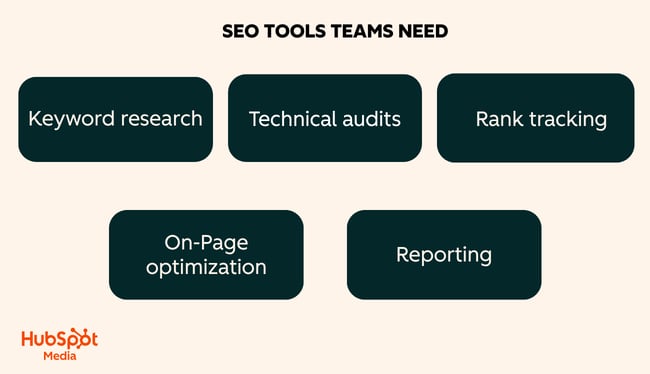
Navigating the crowded market of SEO tools can be challenging due to overlapping functionalities. The key lies in identifying a suite of tools that efficiently covers the five critical areas of SEO without unnecessary redundancy.

Keyword Research: The Foundation of Content Strategy
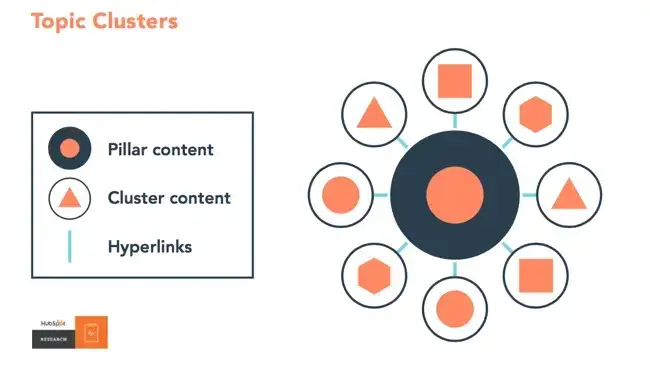
Keyword research is the genesis of nearly every SEO initiative. It dictates the content that will be created and the specific search terms a page will be optimized to rank for. Advanced SEO tools provide crucial data such as search volume, competition levels, and related terms, information that would be labor-intensive to gather manually. These tools also facilitate topic clustering and intent analysis, enabling marketers to group related keywords and discern whether users are seeking information, comparing options, or intending to make a purchase. Understanding search intent is vital, as targeting high-volume keywords without aligning with the user’s intent can result in content that ranks but fails to convert.
Technical Audits: Ensuring Search Engine Accessibility
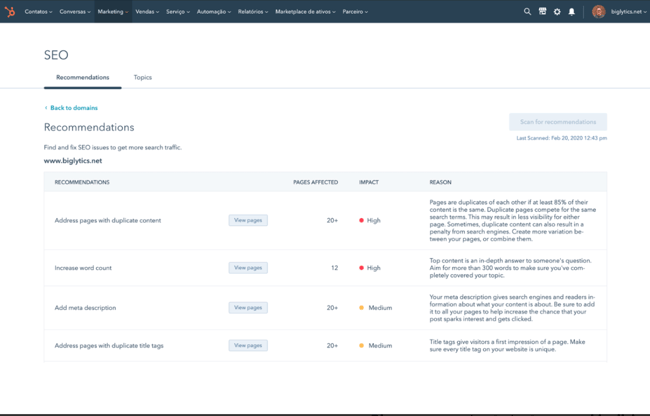
Technical SEO encompasses the behind-the-scenes elements that ensure search engines can effectively crawl, index, and interpret a website. SEO tools are instrumental in conducting technical audits, scanning for issues like broken links, duplicate content, slow page load speeds, and indexing errors that are often imperceptible without specialized software, especially on larger sites. These tools identify crawlability issues, Core Web Vitals problems, and schema errors. Rectifying these technical deficiencies is crucial, as a flawed website architecture can undermine the effectiveness of even the most comprehensive keyword research and content optimization efforts.
Rank Tracking: Measuring Progress and Impact
Rank tracking provides insight into a page’s performance in search engine results pages (SERPs) over time. This capability allows marketers to directly correlate their SEO activities with tangible outcomes, moving beyond guesswork. SEO tools automate the monitoring of keyword positions, alerting teams to significant fluctuations that may require immediate attention. Effective rank tracking considers variations in results across different locations and devices, as well as performance within SERP features like local packs and featured snippets, offering a more nuanced understanding than a single average ranking.
On-Page Optimization: Refining Content for Relevance
On-page optimization focuses on elements within a webpage, including titles, headers, body content, internal links, and image alt text. SEO tools assist in this process by scoring content against that of top-ranking pages, suggesting relevant terms to incorporate, and identifying missing elements like meta descriptions. On-page signals remain a primary factor for search engines in determining content relevance. Strategic on-page adjustments can often yield substantial improvements relative to the effort invested.
Reporting: Demonstrating Value and Securing Investment
Effective reporting is essential for substantiating the value of SEO efforts and securing continued budget allocation. SEO tools streamline this process by aggregating traffic, ranking, and conversion data into digestible dashboards that can be shared with stakeholders. Given that SEO results often take time to materialize, consistent and clear reporting is vital for maintaining stakeholder patience and engagement.
Evaluating and Selecting SEO Tools
The selection of SEO tools should be guided by a thorough evaluation of their ability to address the five core SEO functions effectively, while also considering cost-efficiency.
Free Optimization Tools: A Strong Starting Point
For marketers beginning their SEO journey or operating on a limited budget, several free tools offer substantial value.
HubSpot Website Grader
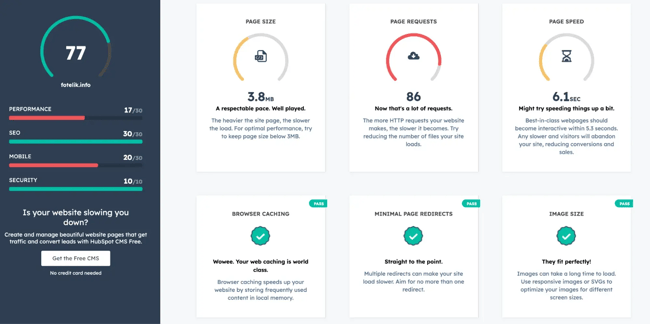
HubSpot’s Website Grader provides a comprehensive, free audit of a website across four key areas. Upon submission of a URL and email address, the tool generates an overall score and detailed breakdowns, highlighting strengths and weaknesses. Crucially, each identified issue is accompanied by actionable recommendations, making it accessible to marketers without deep technical expertise. This makes it an excellent recurring health check, particularly after site updates.
Google Search Console
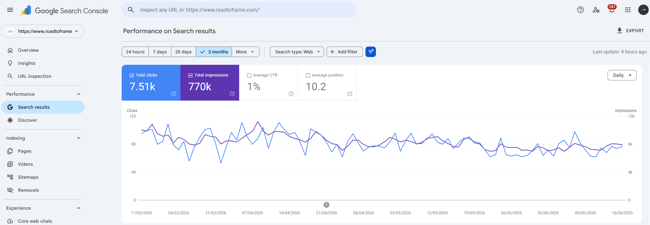
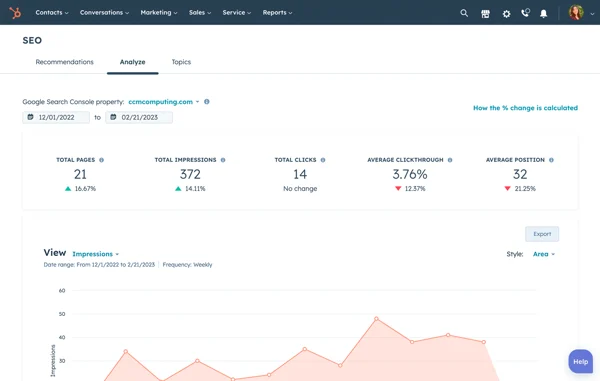
Google Search Console (GSC) is an essential free tool directly from Google, offering unparalleled insights into a website’s performance within Google Search. It provides real data from Google’s index, removing the estimation inherent in third-party tools. GSC is invaluable for monitoring search queries, identifying indexing issues, and understanding how Google views a site.
Google Analytics
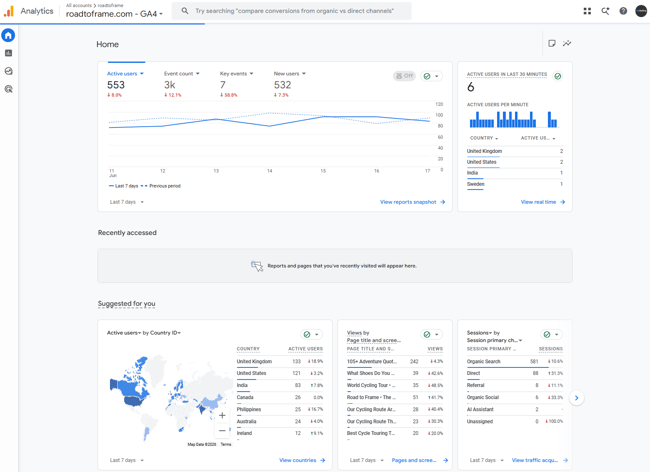
Google Analytics (GA4) is another indispensable free platform offering a holistic view of website visitor behavior across all traffic channels. While not exclusively an SEO tool, GA4 provides critical context for SEO performance, allowing marketers to understand how organic traffic contributes to broader site engagement and conversions.
Google Lighthouse
Integrated into Chrome DevTools, Google Lighthouse is a free, open-source auditing tool that assesses pages on performance, accessibility, SEO, and adherence to best practices. It provides actionable scores and recommendations, serving as a valuable initial step for identifying technical issues.
Google PageSpeed Insights
Google PageSpeed Insights analyzes the loading performance of a URL, utilizing both lab data and real-world user experience data from the Chrome User Experience Report. This tool is particularly useful for diagnosing and prioritizing speed-related optimizations.
Comprehensive SEO Platforms for Scaling
As SEO programs mature and require more sophisticated capabilities, integrated platforms become essential.
HubSpot’s Marketing Hub
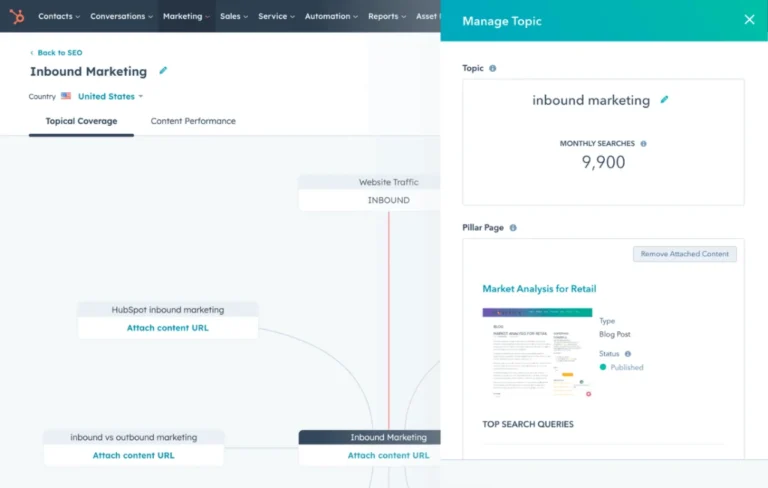
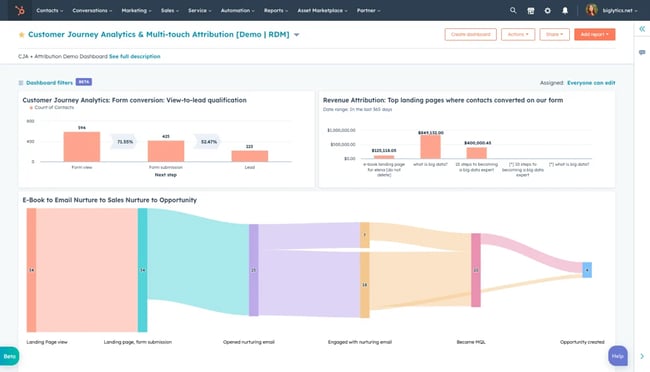
HubSpot’s Marketing Hub offers integrated SEO reporting that connects organic performance directly with CRM data. This eliminates the friction of disparate reporting systems, allowing marketers to track content’s impact on leads, deals, and revenue. The platform enables custom dashboards, automated reporting, and detailed segmentation, providing a clear link between SEO activities and business outcomes. This CRM-centric approach is crucial for demonstrating SEO’s profitability, not just its popularity.
Semrush
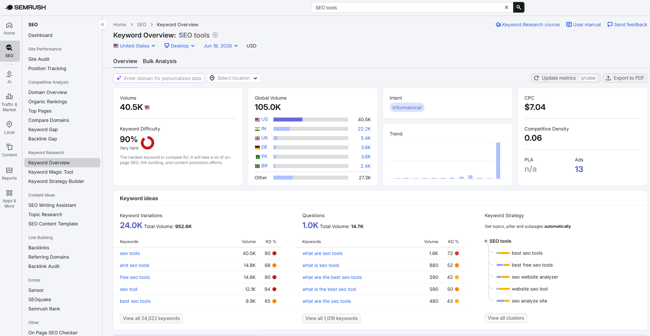
Semrush stands as a robust, enterprise-grade SEO platform covering a wide spectrum of needs, from keyword research and content optimization to backlink analysis and site auditing. Its AI-powered features accelerate tasks like topic discovery and content brief generation. Semrush’s comprehensive nature and user-friendly interface make it a favored choice for teams seeking a unified solution for their SEO workflow.
Ahrefs
Ahrefs is renowned for its extensive backlink index and comprehensive suite of SEO tools, including a powerful rank tracker. Its rank tracking functionality provides context beyond simple position numbers, allowing analysis of historical data, competitor comparisons, and the impact of specific SEO actions or algorithm updates.
BrightEdge
BrightEdge is an enterprise-level SEO and AI search platform designed for large organizations managing complex digital operations. It offers solutions for multi-market SEO, content optimization, and, critically, AI search visibility tracking. Its ability to handle vast amounts of data and provide insights across numerous domains makes it a suitable choice for scaling enterprises.
Specialized Tools for Specific Needs
Beyond comprehensive platforms, specialized tools address niche requirements within the SEO workflow.
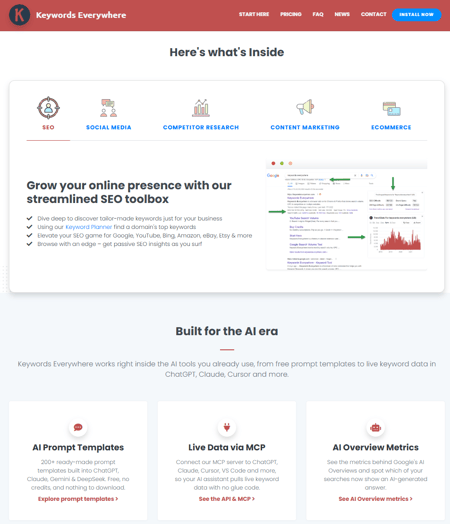
Keywords Everywhere
Keywords Everywhere is a budget-friendly browser extension that overlays keyword data, including search volume and related terms, directly onto search engine results pages. Its affordability and convenience make it an attractive option for quick keyword checks.
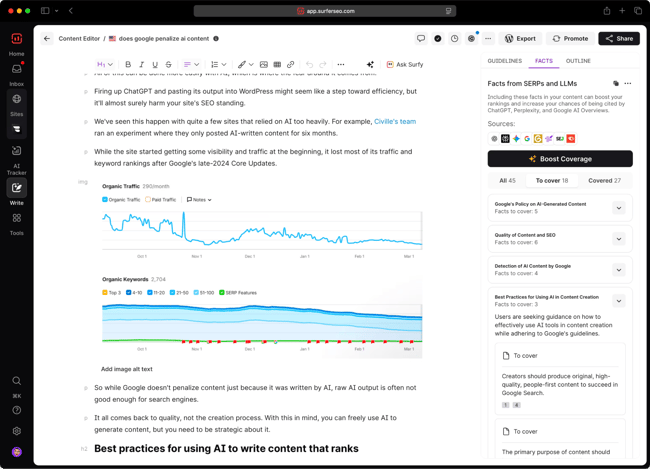
SurferSEO
SurferSEO focuses on content optimization by analyzing top-ranking pages for a given keyword and providing actionable recommendations within a live editor. This bridges the gap between content creation and SEO best practices, making it easier for writers to optimize their work effectively.
Screaming Frog
Screaming Frog is a desktop-based SEO crawler that provides a detailed technical audit of a website. It identifies critical issues like broken links, duplicate content, and redirect chains, offering visualizations and API integrations for deeper analysis, making it a powerful tool for technical SEO professionals.
The Impact of AI on SEO and the Rise of AEO
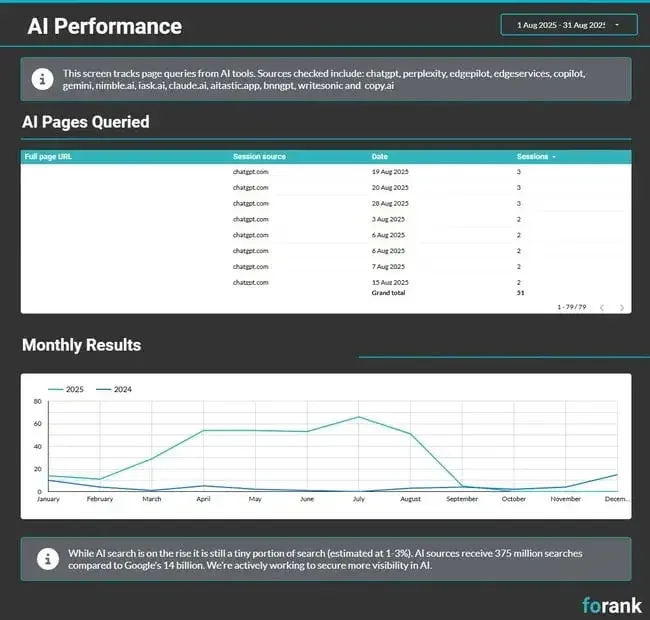
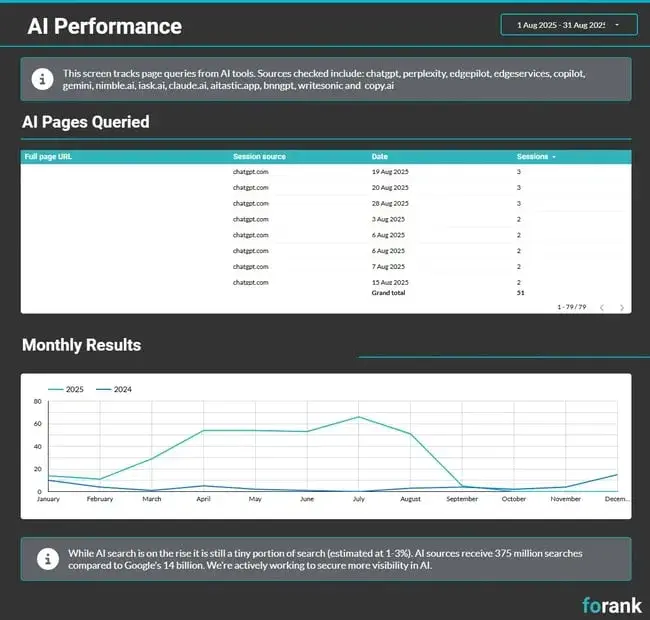
The advent of AI in search, often termed AI-driven SEO (AEO), introduces a new dimension to online visibility. AI answer engines like ChatGPT, Perplexity, and Gemini are increasingly summarizing information directly within search results, potentially bypassing traditional website clicks.

Measuring and Improving AI Visibility
Understanding and influencing a brand’s presence in AI-generated answers is becoming crucial.
AEO Grader
HubSpot’s AEO Grader is a free tool that assesses a brand’s visibility across major AI platforms. It provides a comprehensive score based on sentiment, presence quality, brand recognition, share of voice, and market position, offering a benchmark for AI visibility.
HubSpot AEO
HubSpot’s dedicated AEO tool provides ongoing tracking of a brand’s AI visibility, offering continuous monitoring of scores, sentiment, and competitor share of voice. Its integration with HubSpot’s CRM allows for actionable insights and direct implementation of recommendations within the platform, ensuring AI visibility is treated as an integral part of the overall marketing strategy.
AirOps
AirOps is a full-stack AI search platform that aims to close the loop between identifying AI visibility gaps and implementing solutions. It enables marketing teams to analyze content visibility and work towards having their content cited and summarized by AI engines, thus regaining narrative control.
Conclusion: A Synergistic Future for SEO and AI
The data unequivocally demonstrates that SEO tools remain vital for marketers, even as AI reshapes the digital landscape. The rise of AI in search does not negate the importance of foundational SEO principles but rather expands the scope of what needs to be optimized. The most effective strategies will likely involve a synergy between robust SEO practices, leveraging the right tools, and adapting to the evolving dynamics of AI-driven search. For businesses, the key is to select a tool stack that aligns with their current needs and growth trajectory, ensuring that their online presence is optimized for both traditional search engines and the emerging AI-powered information ecosystem. The ongoing evolution of SEO underscores the need for continuous learning, strategic adaptation, and the intelligent application of technology to achieve sustained digital marketing success.
About the Author