TikTok, once primarily perceived as a platform for viral dances and ephemeral trends, is rapidly evolving into a potent demand generation engine for businesses across diverse sectors. Anny Havercroft, TikTok’s Global Head of Product Marketing Communications and Industry Enablement, is at the forefront of this transformation, guiding advertisers to harness the platform’s immense potential for capturing high-quality leads. Her strategic insights, honed over nearly five years of developing TikTok’s B2B lead generation playbook, highlight critical opportunities that many marketers overlook, transforming campaigns from mere reach plays into robust pipelines.
The paradigm shift in leveraging TikTok for lead generation is exemplified by Invisalign’s successful campaign. Instead of relying solely on broad audience engagement, Invisalign integrated a "Smile Quiz" directly into its advertisements. This innovative approach allowed potential customers to self-qualify by answering a few questions within the TikTok app, significantly reducing friction and pre-qualifying leads before they even reached a formal application form. The results were striking: a nearly 30% increase in completed forms and a lower cost per lead compared to previous efforts. Crucially, the campaign moved beyond superficial engagement metrics, demonstrating a tangible impact on lead generation and pipeline development. This success underscores Havercroft’s core message: TikTok is not just a discovery platform; it’s an opportunity to close the funnel, whether for B2C or B2B endeavors, with leads flowing seamlessly into spreadsheets or sophisticated CRM systems like HubSpot.
The Shift from Reach to Readiness: Measuring True Engagement
A common pitfall for marketers on TikTok is the temptation to focus solely on the platform’s vast user base, estimated at over a billion monthly active users, as the primary metric of success. Havercroft cautions against this "reach play" mentality, emphasizing that true demand generation lies in the "quality of our community and how the engagement of our audiences actually turns into some really well-qualified leads." This quality is not measured by raw impressions but by actionable signals. These signals range from how long a user watches a video to likes, shares, and specific product searches within the platform.
"That’s what we’re seeing – brands and businesses that can read the signals generate those quality leads through the actions our communities are doing on an everyday basis," Havercroft explains. The Invisalign Smile Quiz serves as a prime example of this principle in action. By embedding a lead qualification mechanism directly into the ad, Invisalign generated its own internal signal of intent. Users who engaged with the quiz demonstrated a higher level of interest and a greater likelihood of conversion. The campaign reported a 28% increase in form submission rates and an 11% reduction in cost per acquisition. Furthermore, the quiz boasted a 133% higher landing page load-and-finish rate, indicating significantly less abandonment during the qualification process.
Analysis: This focus on readiness over mere reach represents a fundamental evolution in digital marketing strategy. It acknowledges that while broad visibility is important for initial awareness, sustained demand generation requires understanding and acting upon genuine user intent. By designing interactive elements that allow users to self-assess their fit with a product or service, brands can efficiently filter out less qualified prospects, concentrating resources on those most likely to convert. This data-driven approach not only optimizes campaign spend but also builds a more robust and predictable sales pipeline.
Diversifying Content Formats for a Seamless Buyer Journey
TikTok’s unique platform architecture allows for a fluid customer journey, often described as "watch it, love it, want it," where discovery, consideration, and action can converge within a single user experience. To capitalize on this, Havercroft advocates for a strategic approach that avoids rigid, linear user paths. Instead, marketers should leverage TikTok’s diverse suite of tools, each designed to cater to different stages of the buyer journey.
This multi-format strategy allows for flexibility in lead capture. At the most fundamental level, businesses can track conversions on their own websites using pixels and APIs. Alternatively, TikTok’s native Instant Forms provide a self-contained, in-app experience, mirroring the convenience of Invisalign’s quiz. For businesses requiring more nuanced pre-qualification or offering consultations, messaging and call ads offer direct avenues for engagement. Furthermore, TikTok’s built-in test-and-learn solutions empower marketers to experiment with multiple formats simultaneously, identifying the most effective options for their specific objectives.
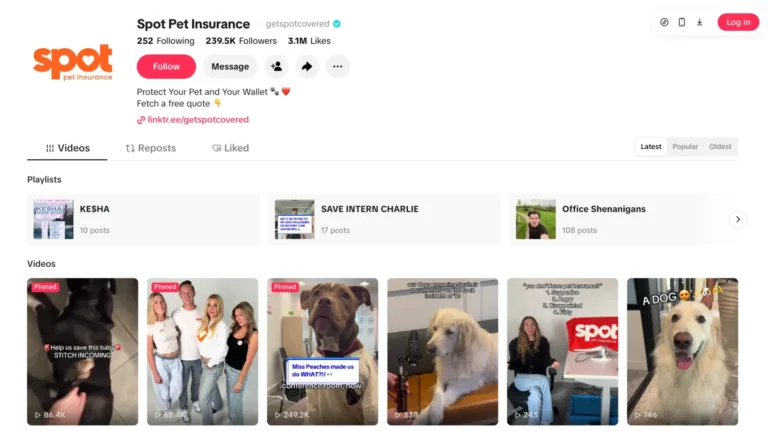
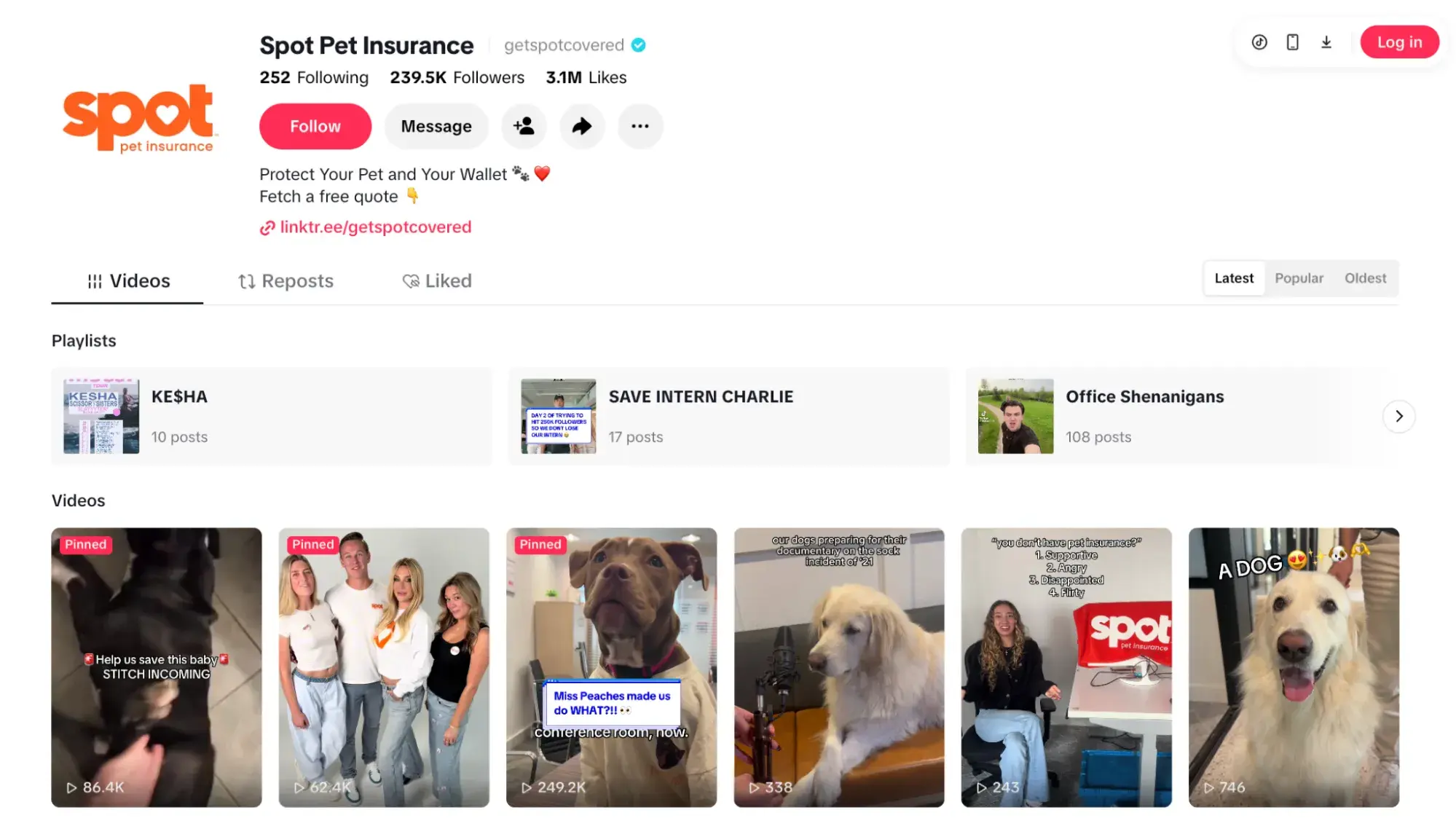
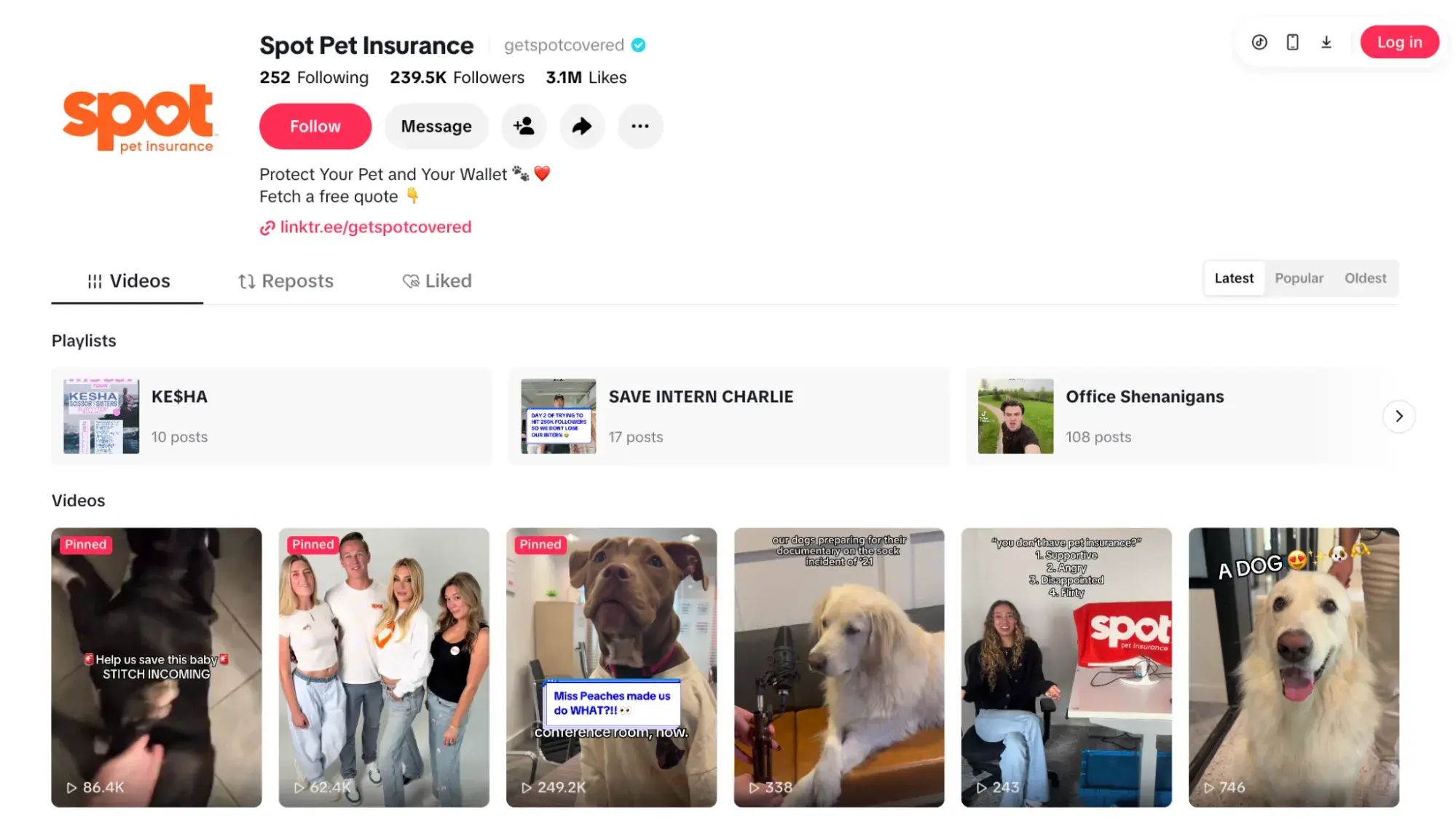
Spot Pet Insurance, a prominent online pet insurer in the U.S., successfully implemented this diversified approach. Rather than solely optimizing for basic form submissions, the company tracked more advanced conversion events, including quote requests and completed payments. This comprehensive tracking allowed them to follow leads through the entire purchase funnel. The outcome was a 23% increase in qualified leads and a 19% reduction in cost per lead.
Analysis: The ability to deploy various ad formats tailored to specific funnel stages is a critical advantage on TikTok. By offering options from immediate lead capture to more involved consultation requests, brands can meet potential customers where they are in their decision-making process. This adaptability ensures a smoother user experience, reducing friction and increasing the likelihood of conversion. The Spot Pet Insurance case study demonstrates that a holistic view of the customer journey, tracked through diverse conversion points, leads to more efficient and effective lead generation.

The Crucial Role of Lead Nurturing: Avoiding the "Ghosting" Phenomenon
A significant gap in many digital marketing strategies is the failure to adequately nurture leads once they are captured. Havercroft likens this oversight to a modern dating faux pas: "You’ve got someone’s number… and you are ghosted." She finds it "a baffling conundrum why people generate leads and let them go cold." Effective lead generation, she argues, must extend beyond the initial capture to foster ongoing relationships.
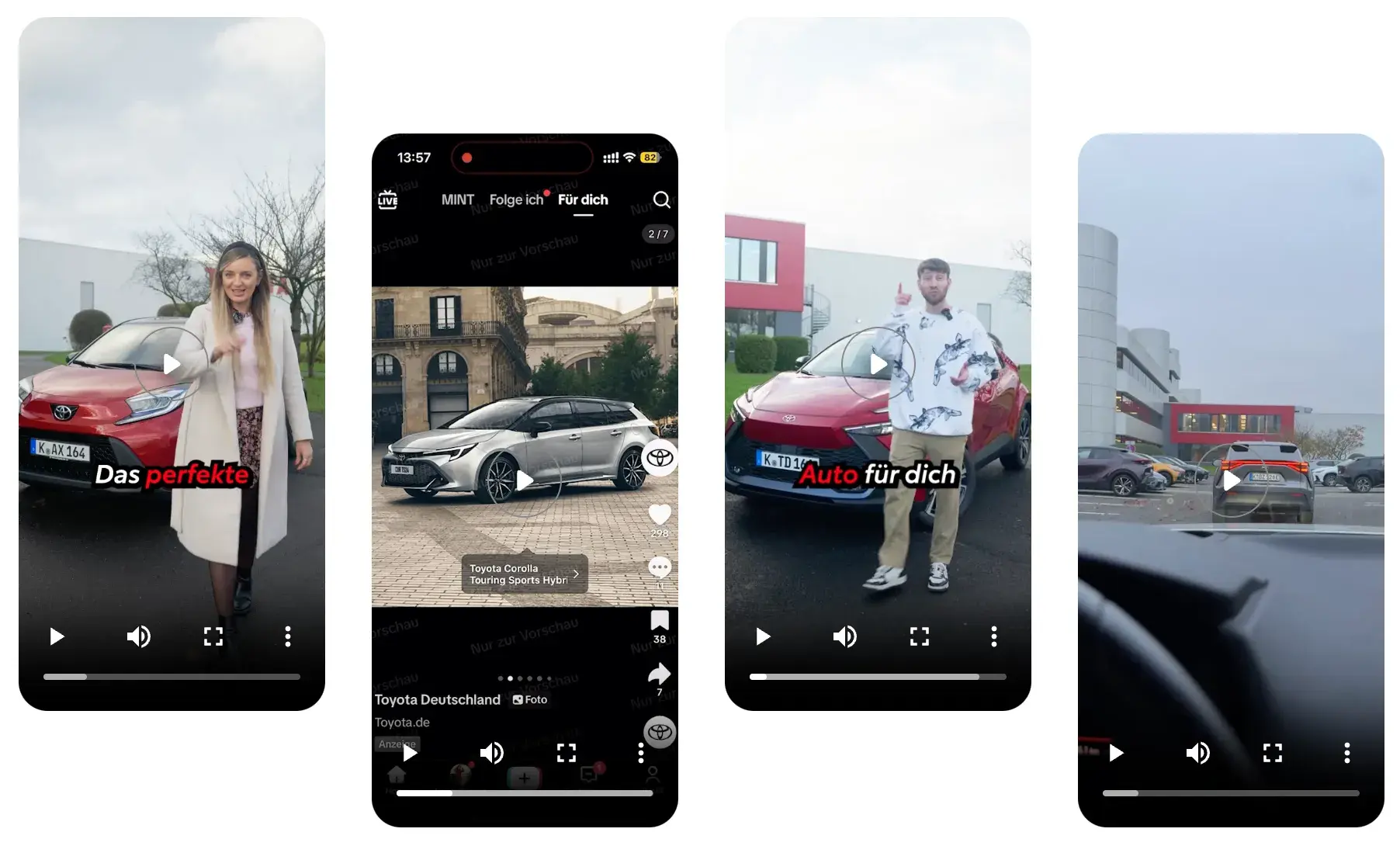
Toyota Germany provides a compelling example of a brand that embraces lead nurturing throughout a lengthy customer journey. Recognizing that prospective car buyers move through stages of online research, video consumption, and test drive bookings, Toyota built its TikTok lead generation strategy around this complex path. Crucially, they integrated every captured lead into their existing CRM nurture programs, rather than treating TikTok as an isolated channel. This integrated approach resulted in a 38% decrease in the cost per acquisition.
The synergy between platforms like TikTok and CRM systems such as HubSpot is instrumental in achieving this level of integration. Campaign-level insights from TikTok can flow directly into HubSpot, while HubSpot’s customer lifecycle data can inform TikTok’s optimization efforts, enabling the platform to target audiences more likely to convert, not just those who are likely to click. "That is what a great handoff looks like," Havercroft notes, "that loop that kind of feeds the two parts of those systems."
Analysis: The integration of lead nurturing into the broader marketing strategy is paramount for maximizing the return on investment from lead generation efforts. By understanding that the sales cycle for many products and services is not linear, brands can implement targeted content and communication strategies at each stage. This ensures that potential customers remain engaged and informed, moving them progressively closer to a purchase decision. The Toyota Germany example highlights the power of a unified approach, where platform-specific campaigns are seamlessly connected to long-term customer relationship management.
Harnessing Creator-Led Growth for Amplified Lead Generation
Creators are increasingly recognized as a formidable force on social media platforms, and TikTok is no exception. Havercroft describes them as "the superpower and the hero of our community." However, some marketers still relegate them to a secondary role, missing a significant opportunity. Creators bring an unparalleled level of "relevancy and connectivity to our audiences," as their content often resonates as organic and authentic rather than overtly promotional. This perceived authenticity drives higher engagement rates, which are more likely to translate into conversions.
Gana Energia, an energy provider in Spain, effectively tapped into this creator-led advantage. The company aimed to educate its audience on energy cost management and provider switching. Alongside their own brand-produced educational assets, they sourced creator-led content through TikTok One. An A/B test pitting brand-produced content against creator content revealed a clear winner: the creator-led assets drove superior results. The overall campaign saw a staggering 632% increase in total lead volume and a 64.5% reduction in cost per lead.
For brands hesitant about collaborating with creators, Havercroft advises treating them as "creative partners." This involves providing clear context about the business problem and campaign objectives, while entrusting them to translate these messages in a way that is native and engaging to their own audiences. The most successful creator-led lead generation campaigns, she notes, balance authenticity with a clear call to action, often utilizing affiliate incentives to provide a concrete next step for engaged users.
Analysis: The strategic integration of creator content into lead generation campaigns offers a powerful avenue for building trust and driving engagement. Creators, with their established rapport with their followers, can lend credibility to a brand’s message in a way that traditional advertising often struggles to achieve. By empowering creators with clear objectives and creative freedom, brands can unlock authentic and impactful marketing that resonates deeply with target audiences, leading to demonstrably better lead generation outcomes.
A Five-Step Framework for Building a TikTok Lead Generation Strategy
To consolidate these insights, Havercroft proposes a five-step framework for brands embarking on TikTok lead generation:
- Define Clear Objectives: Establish specific, measurable, achievable, relevant, and time-bound (SMART) goals for lead generation campaigns.
- Understand Your Audience Signals: Move beyond vanity metrics to identify and analyze the actionable signals your target audience exhibits on TikTok.
- Select Appropriate Content Formats: Choose ad formats that align with specific stages of the buyer journey and your campaign objectives.
- Implement Seamless Lead Nurturing: Integrate lead capture mechanisms with robust CRM systems and nurture programs to foster ongoing engagement.
- Leverage Creator Partnerships: Strategically collaborate with creators to amplify reach, build authenticity, and drive high-quality leads.
Platforms like TikTok’s Smart+ are increasingly automating optimization processes, allowing marketers to dedicate more time to creative strategy and less to manual campaign management. This shift enables a more agile and effective approach to digital advertising.
The Power of Native Integration: TikTok and HubSpot Synergy
The native integration between TikTok and HubSpot offers a significant advantage for marketers seeking to streamline their lead generation efforts. This integration allows for the seamless syncing, management, and measurement of both TikTok ads and organic content directly within HubSpot’s Marketing Hub. This means campaigns can be built upon existing customer data, enabling targeted audience segmentation based on lifecycle stage, deal history, and purchase behavior.
Beyond ad management, users can schedule and publish organic TikTok content alongside their other social media efforts. The inclusion of Breeze AI further enhances campaign management by assisting with caption generation, comment moderation, and the creation of unified campaign reports.
Implications: The thread connecting these crucial missed opportunities is the need for a robust link between campaign data and a brand’s CRM. HubSpot’s TikTok integration is specifically designed to bridge this gap, providing marketers with a clear understanding of campaign performance. Campaign-level insights automatically sync with HubSpot, while HubSpot’s lifecycle and nurture data feed back into TikTok’s optimization algorithms. This bidirectional flow of information ensures that advertisers are not forced to choose between platform-native signals and their own invaluable customer data. By enabling this seamless data exchange, teams can execute campaigns that drive tangible, measurable results, transforming TikTok from a discovery platform into a true demand generation powerhouse.
About the Author