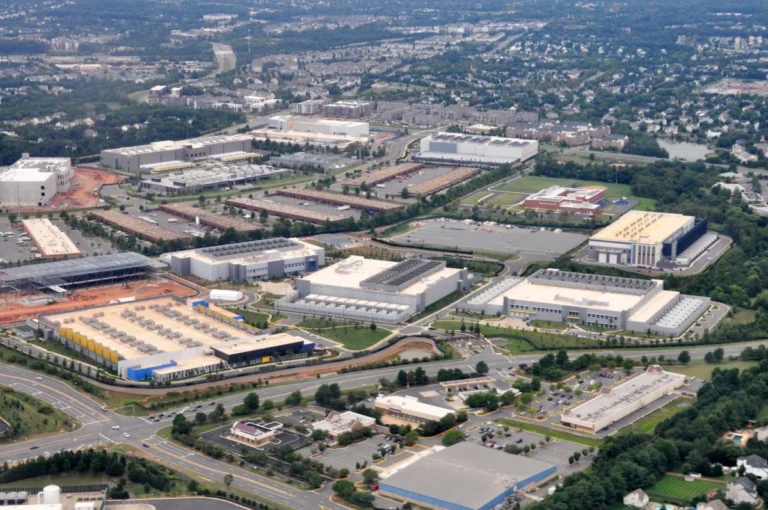
The United States Department of Homeland Security (DHS) has unveiled an ambitious and costly strategy to overhaul the nation’s immigration detention infrastructure, earmarking approximately $38.3 billion in taxpayer funds to acquire and convert industrial warehouses into massive holding facilities. Known as the Detention Reengineering Initiative (DRI), the program seeks to establish a "new detention model" by the end of the 2026 fiscal year. However, the plan has ignited a firestorm of opposition, creating an unusual coalition of real estate tycoons, local lawmakers, and grassroots activists who are moving to block the federal government from establishing these facilities in their jurisdictions.
The Detention Reengineering Initiative: A $38 Billion Blueprint
The scope of the DRI represents one of the largest capital expenditures in the history of U.S. Immigration and Customs Enforcement (ICE). According to internal DHS documents and a memorandum shared with New Hampshire Governor Kelly Ayotte on February 12, 2026, the federal government aims to create a network capable of detaining nearly 100,000 individuals simultaneously. This expansion is designed to streamline the "detention and removal process" by utilizing non-traditional, large-scale industrial properties rather than traditional correctional facilities.
The strategic plan involves several key components:
- The acquisition and conversion of eight "large-scale detention centers" located near major transit hubs.
- The establishment of 16 "processing sites" designed for rapid intake and classification.
- The direct purchase of 10 facilities where ICE currently operates under lease agreements to ensure long-term federal control.
DHS officials argue that the shift to a warehouse-based model is a logistical necessity to manage what they describe as a growing demand for "bedspace." By utilizing windowless, high-capacity industrial shells, the government claims it can more efficiently house and process undocumented immigrants before deportation. Critics, however, argue that the model prioritizes cost-efficiency and volume over basic human rights and safety standards.
A Chronology of Resistance: From Texas to New York
The implementation of the DRI has hit significant roadblocks as details of specific property acquisitions have become public. Over the last several months, a pattern of secret negotiations and subsequent public outcry has emerged across several states.
In early February 2026, news broke in Chester, New York, regarding the potential sale of a former Pep Boys warehouse. The facility, owned by IEP Chester LLC—a subsidiary of Carl Icahn’s Icahn Enterprises—was reportedly slated to become a 1,500-bed detention center. The announcement led to packed community meetings and threats of legal action from local officials. Following the backlash, ICE issued a rare retraction, claiming its earlier statement regarding the purchase was a "mistake," though it remained vague on whether the site was still under consideration.
Simultaneously, in Hutchins, Texas, the federal government approached Majestic Realty to purchase a one-million-square-foot warehouse. The plan was to convert the massive space into a facility with 9,500 beds. Despite being a known supporter of the administration, Majestic Realty owner Edward Roski Jr. publicly declined the offer. The company issued a definitive statement asserting that it would not enter into any agreement with DHS for the use of its buildings as detention facilities.
The resistance spread to the Midwest in mid-February when Kansas City-based Platform Ventures halted negotiations for a warehouse sale. The developer claimed that they were initially approached by a third party and only discovered the federal government was the end-buyer late in the process. Citing "serious threats" to employees and leadership, as well as a refusal to participate in the detention model, the firm withdrew from the deal.
State and Local Governments Leverage Regulatory Power
While private developers are refusing to sell, state and local governments are employing a different tactic: regulatory and environmental roadblocks. In Pennsylvania, Governor Josh Shapiro and other state leaders have signaled that they will use the state’s permitting authority to prevent the establishment of new facilities.
In a letter addressed to Homeland Security Secretary Kristi Noem, Pennsylvania officials argued that the proposed detention centers would violate state laws regarding public drinking water, sewage, and water pollution. Specifically, they noted that the massive influx of detainees into industrial zones would exceed the local infrastructure’s capacity to manage waste and utility demand. "State authorities will not issue required permits that would violate these legal requirements," the letter stated, effectively creating a legal stalemate between state and federal authorities.
In Michigan, the city of Romulus has taken a similarly combative stance. Mayor Robert McCraight expressed outrage after learning that ICE had purchased a facility near Detroit Metropolitan Airport without notifying local, state, or congressional representatives. State Representative Dylan Wegela echoed this sentiment, accusing the federal government of "planning in secret" and bypassing the democratic process. Local officials are currently exploring zoning challenges to prevent the facility from opening.
Human Rights Concerns and Public Health Risks
The pushback is not merely logistical or political; it is deeply rooted in documented reports of conditions within existing ICE facilities. Human rights organizations, including the ACLU, have spent years documenting a "chaotic spiral of civil rights abuses" within the detention system. These reports include allegations of physical abuse, inadequate legal access, and "inhumane conditions" that have led to lethal outcomes.
Public health has become a central pillar of the opposition. Recent reports from a Texas detention center confirmed an outbreak of measles, highlighting the dangers of congregate housing in facilities not designed for long-term human habitation. Furthermore, a recent autopsy of a Cuban immigrant in ICE custody resulted in a finding of homicide by asphyxia, further galvanizing activists who argue that expanding the system will only multiply such tragedies.
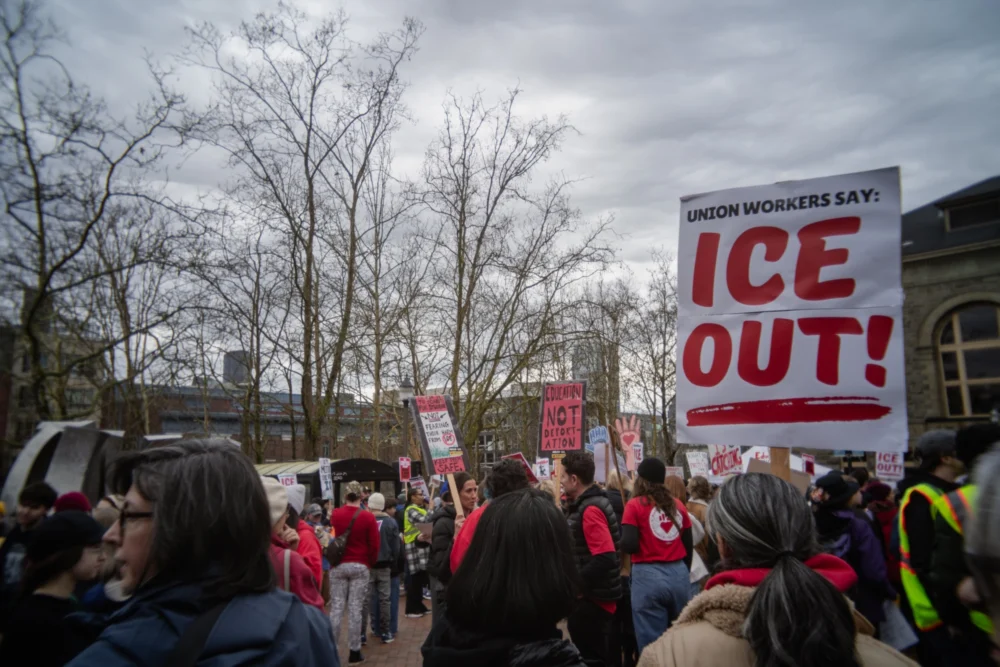
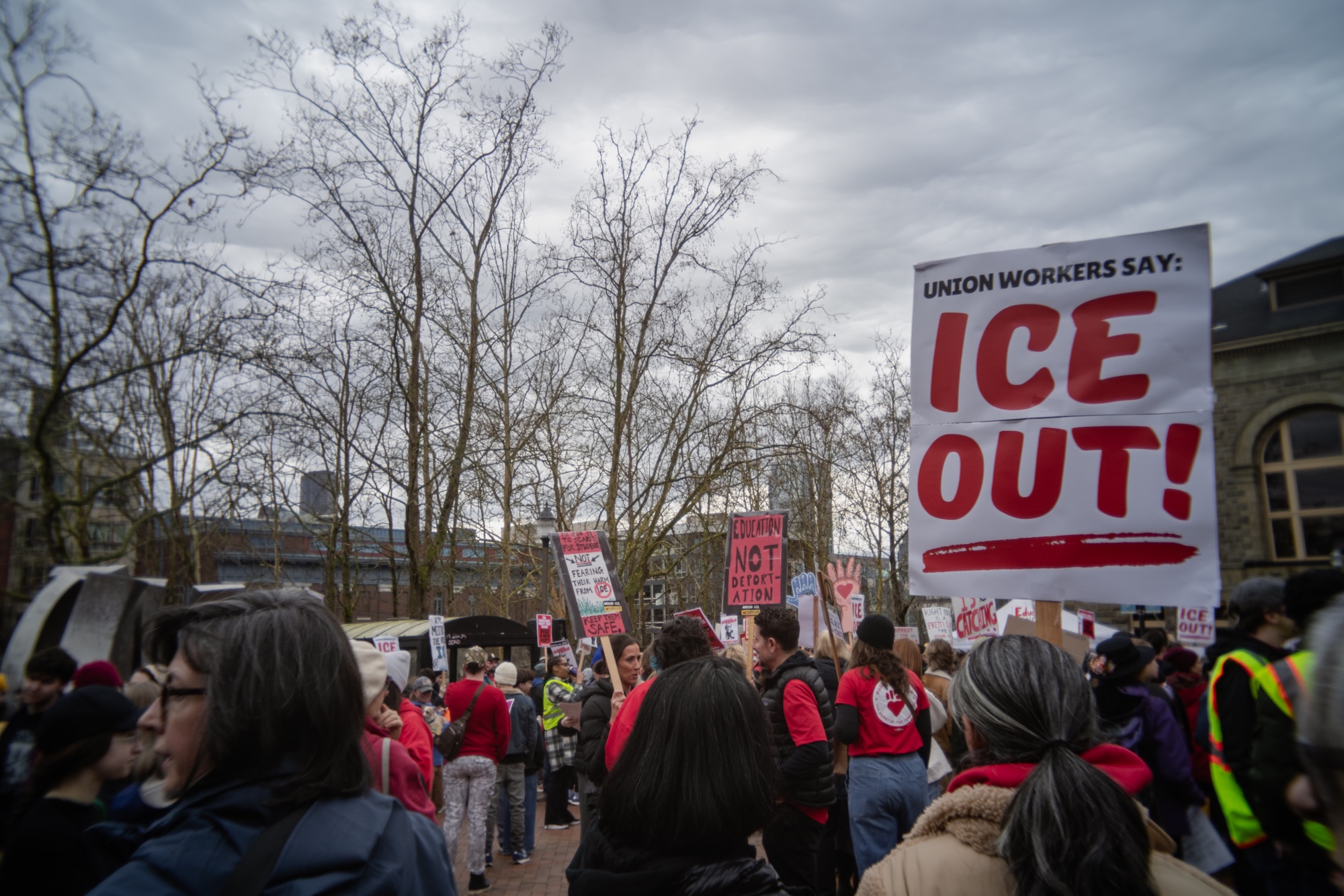
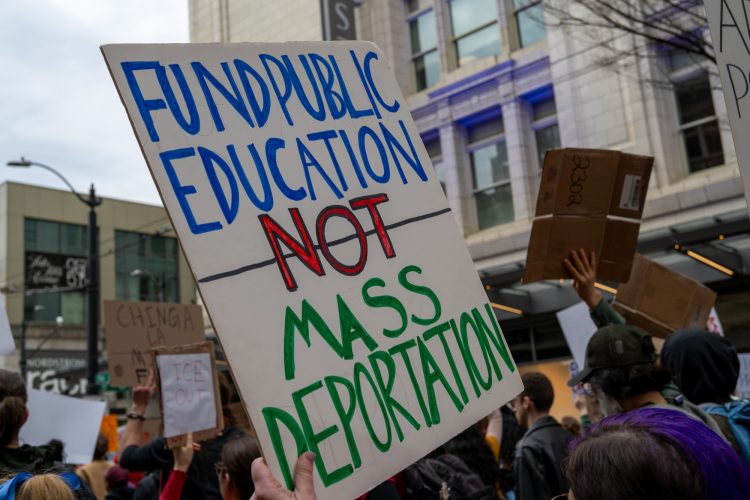
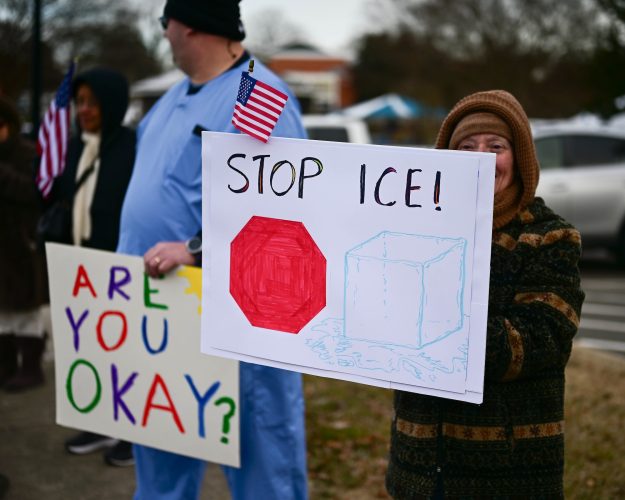
Protesters have increasingly utilized historical parallels to frame their opposition. At rallies in Seattle and North Carolina, union members and educators have referred to the proposed warehouse centers as "concentration camps." These activists often cite the history of the Holocaust—specifically the conditions at Bergen-Belsen where Anne Frank and her sister Margot died of typhus—to illustrate how overcrowding and poor sanitation in "model" facilities can lead to mass death even in the absence of direct execution. The use of this terminology has intensified the emotional and political stakes of the debate, moving it from a discussion of real estate to one of national morality.
Economic and Policy Implications
The financial scale of the $38.3 billion plan has also drawn scrutiny from fiscal conservatives and progressive reformers alike. At a time of intense debate over the national debt and public spending, the allocation of tens of billions of dollars toward "reengineering" detention centers is being questioned.
Economic analysts point out several implications of the DRI:
- Market Disruption: The government’s entry into the industrial real estate market with such a massive budget could artificially inflate property values in logistics hubs, potentially crowding out legitimate commercial enterprises.
- Infrastructure Strain: As noted by Pennsylvania officials, converting warehouses into high-density housing requires significant upgrades to local power, water, and sewage grids—costs that often fall on local taxpayers rather than the federal government.
- The "Detention Industrial Complex": The shift toward government-owned warehouses marks a pivot away from private prison contractors. While this may reduce the profit motive for some corporations, it centralizes the "detention industrial complex" under direct federal control, making oversight more difficult for state-level regulators.
Conclusion: A National Standoff
The conflict over the Detention Reengineering Initiative represents a significant moment in the intersection of federal policy, private property rights, and civil liberties. As the 2026 fiscal year deadline approaches, the federal government finds itself in an escalating standoff with the very communities and industries it requires for the plan’s success.
The refusal of high-profile developers like Edward Roski Jr. and firms like Platform Ventures suggests that the "business of detention" has become toxic for many in the private sector. Simultaneously, the aggressive use of environmental and zoning laws by governors like Josh Shapiro indicates that states are prepared to wage a protracted legal battle to maintain control over their local landscapes.
As DHS continues to scout for "windowless warehouses," the nationwide movement against the expansion of the detention system shows no signs of abating. The outcome of this struggle will likely define the limits of federal power in immigration enforcement and determine the human cost of the nation’s border policies for years to come. For now, the $38 billion plan remains a blueprint under siege, caught between a determined federal administration and a diverse front of American resistance.
About the Author