The bar for B2B SEO tools has shifted dramatically, moving beyond traditional page-one rankings to embrace the burgeoning influence of AI-generated answers. As buyers increasingly discover vendors through these intelligent interfaces, B2B marketing teams face a new imperative: not only to achieve strong Google rankings but also to ensure visibility within AI search environments and, crucially, to drive traffic that translates into tangible pipeline and revenue. This evolution demands a sophisticated approach to SEO strategy, one that leverages tools capable of adapting to this dynamic search paradigm.
B2B SEO Tools: Redefining Value Beyond Rankings
B2B SEO tools are sophisticated software platforms designed to enhance a business’s search engine optimization efforts. Their core function involves identifying high-intent keywords that resonate with business decision-makers, optimizing website content for both search engines and AI algorithms, and providing actionable insights to improve search performance. While many SEO tools cater to a broad range of industries, their efficacy for B2B enterprises hinges on their ability to accommodate the unique complexities of B2B sales cycles. These often involve extended decision-making processes, multiple stakeholders, and the strategic application of account-based marketing. Consequently, B2B marketing teams require tools that transcend mere traffic generation, enabling them to map content to intricate buyer journeys and demonstrably link SEO efforts to pipeline development – a significant challenge given the protracted nature of B2B sales cycles, which can span months or even years.

Key Features for Modern B2B SEO Success
To navigate the evolving search landscape and drive meaningful business outcomes, B2B SEO tools must offer a comprehensive suite of capabilities. Five core features stand out as essential for B2B success:
Intent-Filtered Keyword Research
The B2B purchasing decision is rarely an impulsive one. Extended sales cycles and the involvement of multiple decision-makers necessitate a deep understanding of the buyer’s journey at every stage. This requires keyword research tools that go beyond simple search volume metrics. The ideal tools will filter keywords based on buyer intent, revealing terms that signal a prospect’s position in the funnel – whether they are in the initial problem-awareness phase, actively comparing solutions, or ready to request a demonstration. This granular insight allows marketing teams to create highly relevant content that attracts genuinely qualified leads. This intent-filtered approach typically categorizes keywords into three distinct layers:

- Informational Intent: Users seeking to understand a problem or topic.
- Consideration Intent: Users researching potential solutions and comparing options.
- Decision Intent: Users close to making a purchase, looking for specific products, services, or demos.
CRM Integration and Pipeline Attribution
A critical gap in many SEO strategies has been the disconnect between organic traffic data and actual revenue generation. B2B SEO tools must seamlessly integrate with Customer Relationship Management (CRM) systems. This integration closes the loop, allowing SEO teams to move beyond vanity metrics like rankings and traffic to demonstrate the direct impact of organic search on closed deals. Without this crucial link, SEO efforts are often relegated to manual data analysis and educated guesswork, hindering their ability to secure stakeholder buy-in and continued investment. Tools that enable SEO-to-pipeline attribution by connecting organic search data directly to contact and deal records in the CRM are invaluable. This empowers SEO teams to present concrete evidence of their contribution to business objectives during pipeline reviews.
Competitor and Content Gap Analysis
Understanding the competitive landscape is fundamental to any effective B2B SEO strategy. The best tools provide robust competitor analysis features, highlighting keywords and topics that rivals are ranking for, as well as identifying areas where a business’s own content coverage is lacking. This content gap analysis is crucial for content teams to prioritize topics that offer the greatest potential to capture qualified traffic and draw it away from competitors. By strategically addressing these gaps, B2B companies can carve out a stronger online presence and attract a more engaged audience.
Technical SEO Monitoring
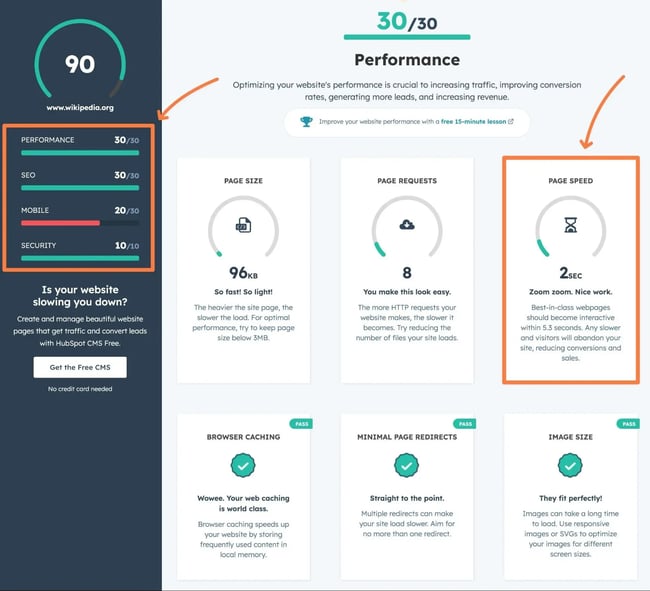
The health and performance of a website are paramount, especially in B2B environments where buyers often conduct extensive research. A slow, error-ridden, or technically flawed website can silently cost conversions and damage brand perception. Technical SEO monitoring tools provide ongoing crawl analysis, track Core Web Vitals, and offer prioritized, actionable recommendations. This allows marketing and development teams to focus on fixes that yield the most significant improvements in site health and user experience, ultimately leading to better conversion rates. For businesses seeking a quick assessment, free tools like HubSpot’s Website Grader offer valuable insights into a site’s technical performance.
Content Optimization and AI Suggestions
In the competitive B2B space, a substantial volume of high-quality content is necessary to engage buyers throughout their extended journeys. Modern content marketing tools are increasingly incorporating AI capabilities to assist teams in optimizing existing content, identifying new content opportunities, and maintaining a consistent standard of quality at scale. These AI-driven suggestions can streamline the content creation process, ensuring that content is not only relevant but also technically optimized for search engines and AI interpretation.
The Evolving Search Ecosystem: AI’s Growing Influence
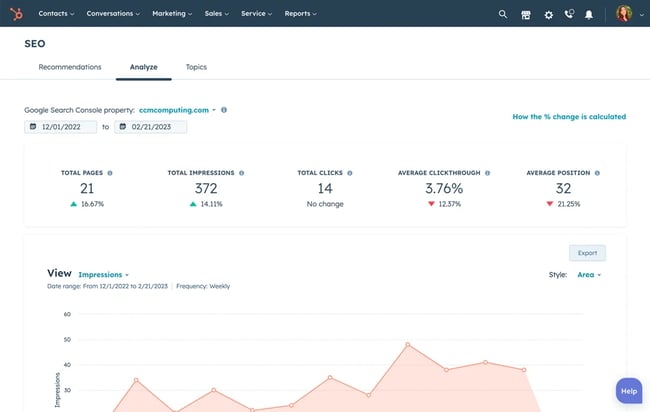
The advent of generative AI has fundamentally altered the search landscape. AI-powered chatbots and intelligent answer engines are becoming primary discovery channels for B2B buyers, often serving as the initial point of contact before a prospect even visits a vendor’s website. This shift necessitates a parallel evolution in SEO strategies, moving beyond traditional search engine optimization (SEO) to encompass AI-driven search optimization (AEO). B2B teams must now consider how their content is parsed, understood, and presented by AI models. Structured data, schema markup, and clear, factual content become even more critical for ensuring that AI can accurately represent a brand’s offerings and expertise.
The Rise of AI Search Optimization (AEO)
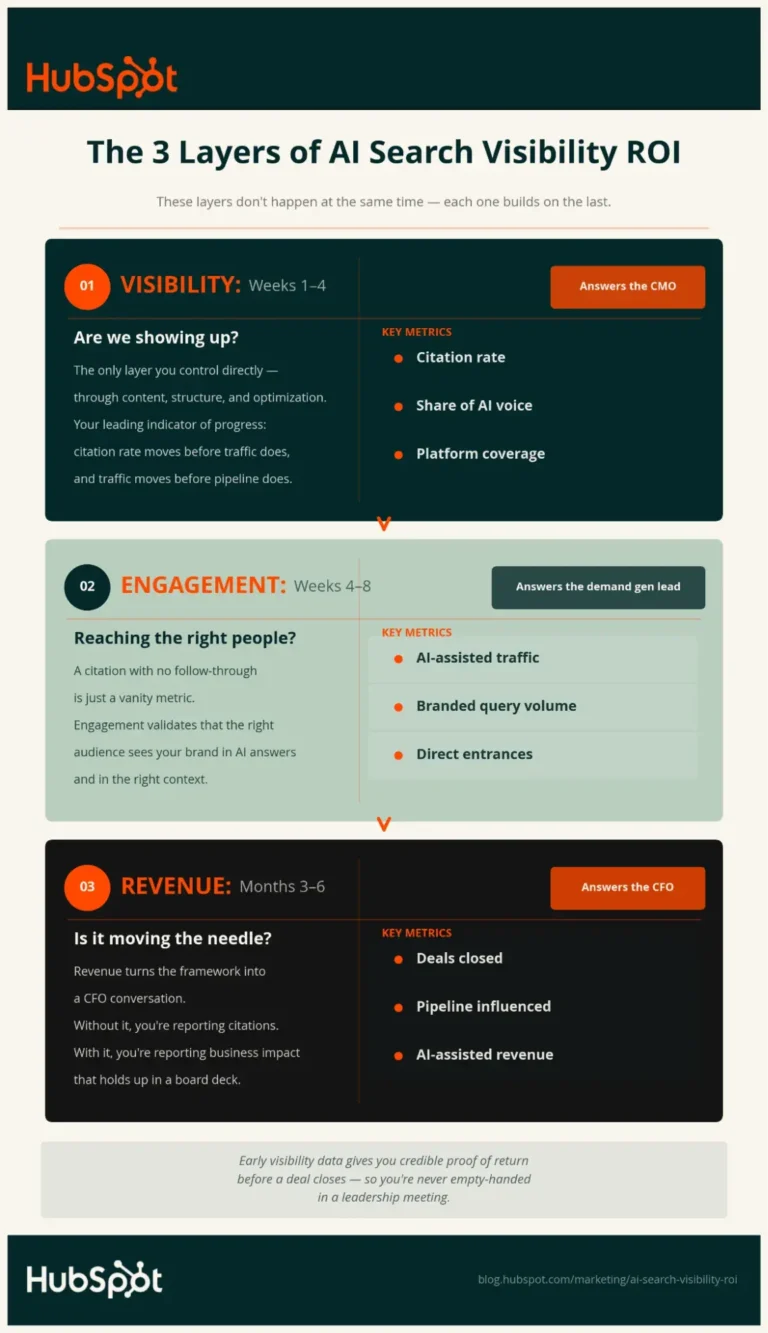
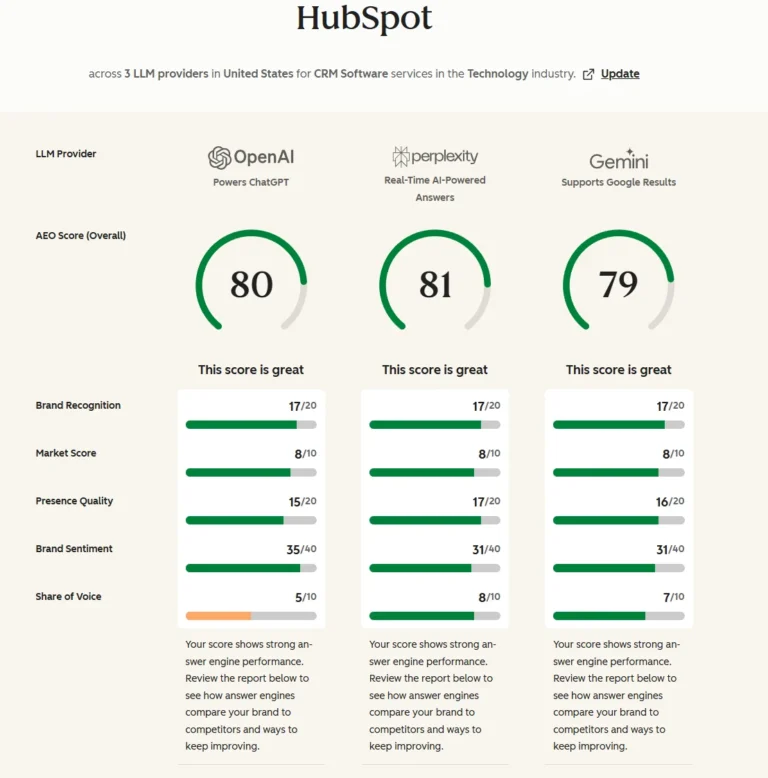
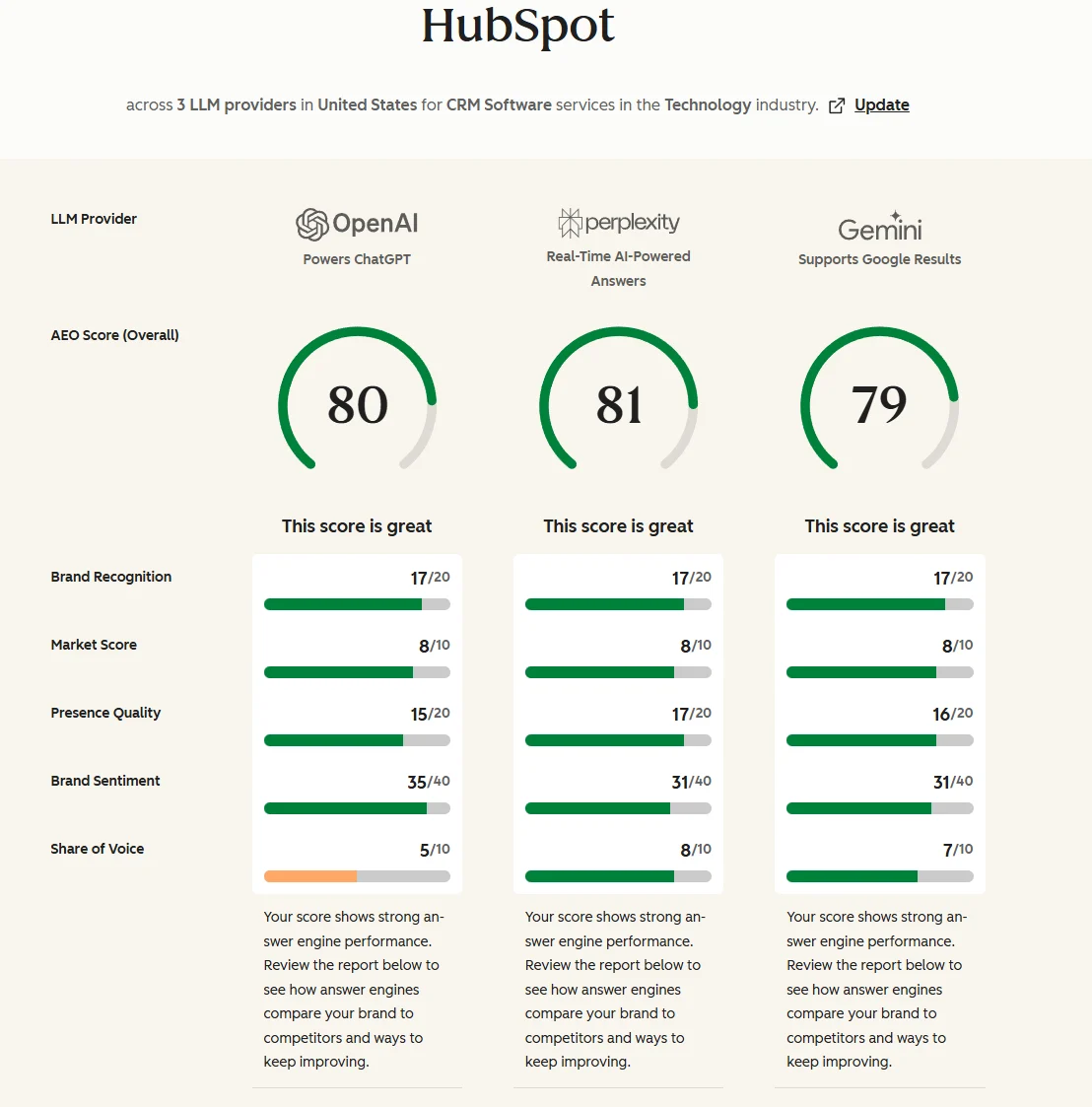
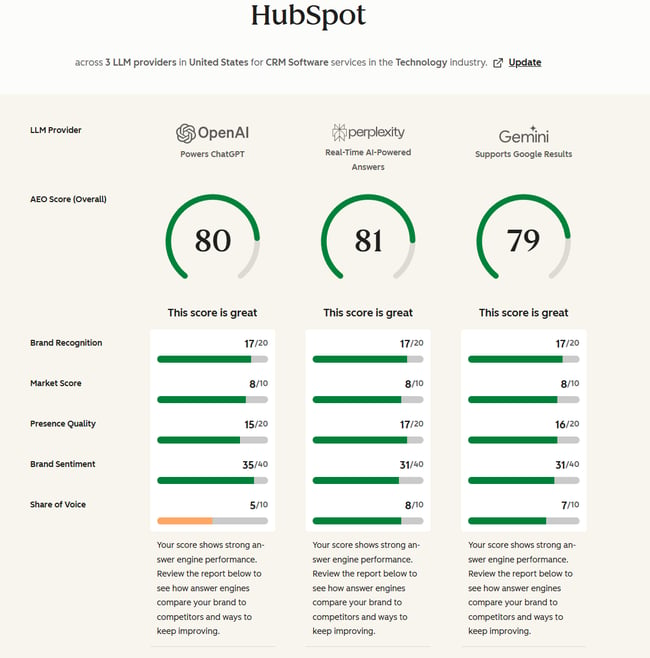
As AI-generated answers become more prevalent, the focus for B2B marketers expands. The ability to appear prominently in AI responses is no longer a niche concern but a strategic imperative. This involves optimizing content for AI’s understanding, ensuring that factual accuracy, logical structure, and relevant data points are easily digestible by AI algorithms. Tools that can assess a brand’s visibility across various AI platforms, such as ChatGPT, Perplexity, and Gemini, are becoming indispensable for understanding and improving a company’s presence in this new search frontier.
HubSpot’s AEO Grader: A Free Gateway to AI Search Visibility
HubSpot’s AEO Grader offers a critical, no-cost solution for B2B marketers to understand their brand’s visibility within AI search environments. This tool assesses performance across key AI platforms by evaluating five dimensions: data accuracy, clarity, sentiment, topical breadth, and search intent coverage. The AEO Grader not only provides a score for a brand’s own website but also facilitates competitive analysis, allowing marketers to benchmark their AI search positioning against industry rivals. By running this tool for multiple competitors, marketing teams can identify strategic messaging angles and content themes that can be integrated into their AEO strategy.
HubSpot’s SEO Tools (within Marketing Hub): An Integrated Approach to Pipeline Growth
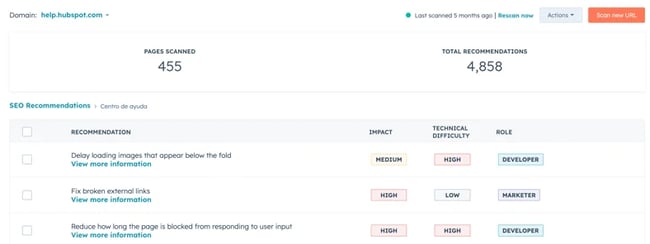
HubSpot Marketing Hub presents itself as an AI-powered, all-in-one platform for B2B SEO, designed to consolidate the entire SEO workflow within a single interface. This eliminates the need for managing multiple disparate tools and complex integrations. The platform’s SEO tools offer actionable recommendations across the content lifecycle, from initial topic ideation to ongoing performance analysis. A standout feature is the SEO Recommendations tool, which scans live websites, including those hosted externally, to provide prioritized guidance on technical SEO, on-page optimization, and accessibility. These recommendations are categorized by impact, difficulty, and role, enabling efficient implementation.
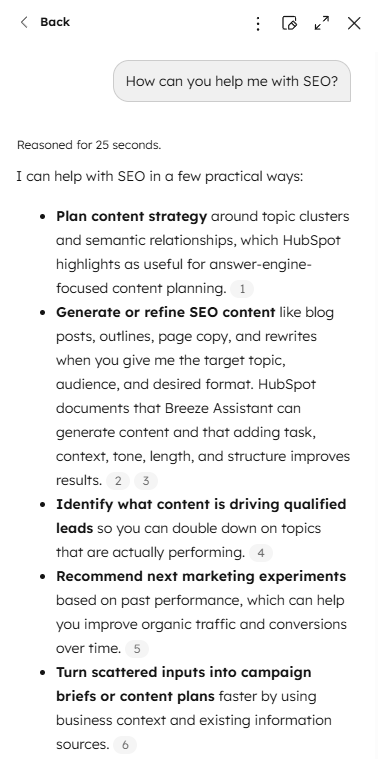
Crucially, many of HubSpot’s SEO recommendations extend into AEO territory. By providing guidance on structured data and schema markup, the platform helps format content in a way that AI systems can readily parse and cite. This ensures that B2B teams are optimizing not just for traditional search engines but also for the AI-generated answers that increasingly serve as the initial touchpoint in a B2B buyer’s journey. The native CRM integration within HubSpot Marketing Hub is particularly valuable, enabling direct SEO-to-pipeline attribution. This allows SEO teams to move beyond tracking traffic and rankings to demonstrating precisely how organic search contributes to demos, opportunities, and closed revenue – a common pain point for B2B marketing leaders.
Furthermore, HubSpot’s Breeze Copilot, an AI-powered assistant integrated within Marketing Hub, accelerates SEO and content tasks. It assists with everything from generating content briefs to providing optimization recommendations, enabling B2B marketers to increase efficiency without expanding headcount. Breeze Copilot tailors its suggestions based on the specific account data it’s working with, offering a personalized approach to AI-assisted SEO.

HubSpot’s Content Hub: Seamless SEO Integration for Content Creation
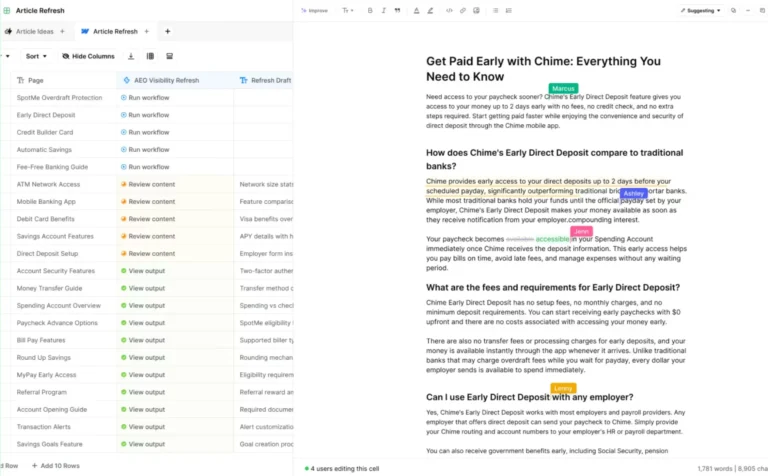
HubSpot Content Hub, the company’s Content Management System (CMS), is designed to streamline content creation and optimization workflows. For B2B teams producing content at scale, Content Hub offers a unified platform for the entire content lifecycle, from briefing to publishing. A key differentiator is the integration of SEO suggestions directly into the editing experience. As content teams write within Content Hub, real-time SEO recommendations appear within the editor, empowering writers to address most optimization needs without requiring constant input from SEO specialists.
Content Hub’s robust support for structured data and schema markup is particularly beneficial for B2B teams investing in AEO. By embedding structured data within the HTML, content becomes more accessible and understandable to AI crawlers, enhancing its potential for citation in AI-generated answers. The platform also includes an AI Content Writer, which aids in drafting content while adhering to SEO requirements, allowing B2B teams to scale content production efficiently.
Semrush: A Comprehensive Platform for B2B SEO
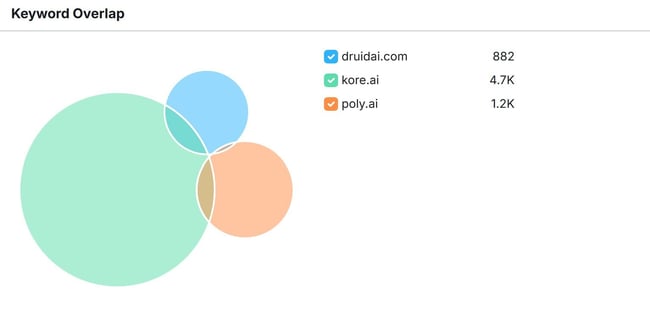
Semrush stands out as a comprehensive SEO toolkit for B2B teams, offering a unified platform for research, auditing, and strategy development. Its capabilities span keyword research, competitor analysis, content strategy, and AI search monitoring. Ramona Joita, SEO Consultant and Founder of Marketez, highlights Semrush’s integrated workflow, particularly its Keyword Overlap/Gap analysis tool. This feature allows for detailed comparison of multiple competitors, identifying ranking disparities and content gaps. Joita emphasizes using this data to build content plans focused on high-intent topics that drive pipeline, not just traffic. Semrush has demonstrated a commitment to evolving with the search landscape, incorporating AI features to address the complexities of modern search algorithms.
Contentsquare (formerly Hotjar): Understanding On-Page User Behavior
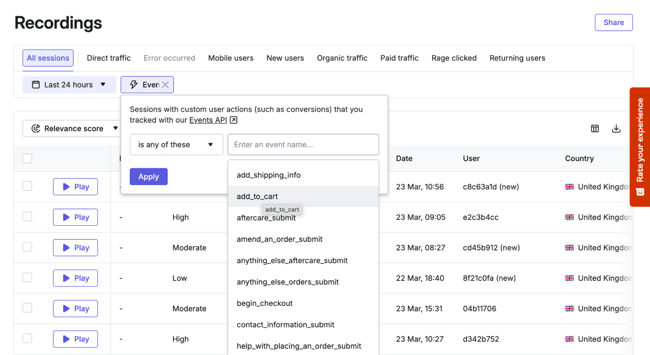
Contentsquare, which acquired Hotjar, provides B2B teams with deep insights into user behavior on their websites. Through features like heatmapping, scroll depth tracking, click pattern analysis, and session recordings, Contentsquare helps marketers understand how organic traffic interacts with their content. Emina Demiri-Watson, Head of Digital Marketing at Vixen Digital, shared an impactful case study where combined GA4 and Contentsquare data led to significant improvements in user engagement and revenue after a minor navigation label change. The ability to filter session recordings by specific user actions, such as adding items to a cart, offers invaluable qualitative data for identifying and removing friction points in the buyer journey. This is especially critical in B2B, where long buying cycles can be further hampered by poor user experience.
Lead Forensics: Bridging Organic Visits to Pipeline
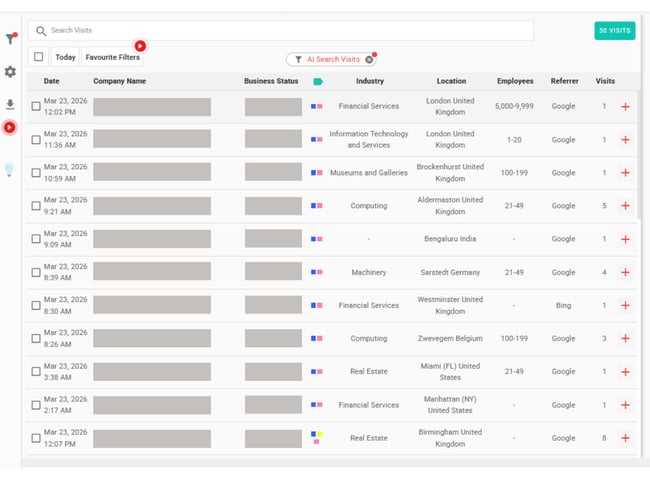
Lead Forensics is a powerful tool for B2B teams aiming to connect website visitors to tangible pipeline development. It identifies companies visiting a website and links these visits to potential sales opportunities. Laura Nineham, Head of Organic Search and Content at Lead Forensics, underscores the tool’s value in attribution, stating that it transforms SEO attribution by clearly demonstrating how organic search activity influences pipeline. The platform also supports AEO and SEO use cases by identifying companies arriving via organic search or AI referrals and using firmographic data to qualify leads against ideal customer profiles. Integration with HubSpot further enhances its utility, enabling automatic record creation for matching companies and enriching existing records with website engagement data and traffic sources, providing a clearer picture of SEO’s contribution to pipeline growth.
Trendos: Tracking AI Search Visibility Over Time
Trendos offers a specialized solution for monitoring a brand’s presence and performance in AI-generated search results. This tool tracks how a brand appears across various AI answer formats over time, providing crucial insights into its evolving visibility in this new search paradigm. Eglė Kliukevičienė, Marketing Lead at Trendos, frames AI search visibility as a pipeline issue, noting that platforms like ChatGPT and Gemini significantly influence how B2B buyers discover and compare brands. Trendos allows marketers to track not only current AI presence but also shifts in sentiment and visibility over time, offering practical applications such as monitoring brand appearances in AI-generated "best tools" or "top platforms" lists, which are critical for B2B buyer shortlisting. The platform also offers insights into advertising within AI search interfaces, providing valuable intelligence for paid advertising strategies.
Google Keyword Planner + Claude: A Free Workflow for Intent Analysis
A cost-effective yet powerful approach to B2B keyword intent analysis can be achieved by pairing Google Keyword Planner with Claude, a large language model. Google Keyword Planner provides essential data on search volume and keyword variations. Claude then interprets the language used in these keywords to infer a buyer’s stage in the decision-making process. Laura I. Abreu, Lead Generation, Ads, and SEO Manager at Global and Search, utilizes this workflow to analyze large keyword datasets. She emphasizes that the nuance in language, such as the use of "expert" versus "specialist," can signal significant differences in buyer intent and willingness to invest. This AI-assisted interpretation transforms raw keyword data into actionable intelligence for content strategy and campaign targeting.
Implications for B2B Marketing Strategies
The evolving search landscape, driven by AI, necessitates a recalibration of B2B SEO strategies. The focus must shift from simply ranking on the first page of Google to achieving holistic visibility across both traditional and AI-powered search channels. This involves:
- Content Strategy Adaptation: Creating content that is not only keyword-rich but also factually accurate, well-structured, and easily interpretable by AI. This includes leveraging schema markup and structured data.
- Attribution Clarity: Prioritizing tools and processes that clearly link SEO efforts to pipeline and revenue. CRM integration is paramount for demonstrating ROI to stakeholders.
- Competitive Intelligence: Continuously monitoring competitor performance across both traditional search and AI search environments to identify opportunities and threats.
- User Experience Optimization: Ensuring that websites are technically sound and provide a seamless user experience, as friction points can significantly hinder conversions, especially in long B2B sales cycles.
- AI Integration: Embracing AI-powered tools for content creation, optimization, and analysis to improve efficiency and effectiveness.
The future of B2B SEO is intrinsically linked to the intelligent interpretation of search intent and the ability to engage buyers at every stage of their journey, irrespective of the platform they use for discovery. By adopting a strategic approach that incorporates the right tools and methodologies, B2B companies can ensure they remain visible and competitive in this dynamic digital ecosystem.
About the Author