As a seismic shift transforms how consumers discover information, the traditional search engine is rapidly being augmented, and in some cases, supplanted, by generative AI. A growing number of potential customers are bypassing conventional search queries altogether, opting instead to seek recommendations and answers directly from AI powerhouses like ChatGPT, Google Gemini, and Perplexity. This burgeoning trend has compelled marketers to re-evaluate their strategies and seek novel tools to understand and influence their brand’s presence within these emergent AI-driven recommendation engines. Two prominent solutions emerging to meet this critical need are HubSpot’s AI Engine Optimization (AEO) tool and Ahrefs’ Brand Radar. While both aim to provide visibility into a brand’s AI footprint, they employ distinctly different methodologies, making the optimal choice dependent on a marketer’s specific objectives and existing technological stack.
This analysis will delve into the functionalities of both HubSpot AEO and Ahrefs Brand Radar, compare their key features, and provide a framework to assist marketers in selecting the tool best suited to their operational needs. It is important to clarify that HubSpot’s free AI Engine Optimization (AEO) Grader is a diagnostic utility and distinct from the comprehensive HubSpot AEO platform discussed herein.
A Comparative Overview: Core Functionalities
At its core, HubSpot AEO is engineered to provide marketers with a comprehensive view of their brand’s visibility across leading AI platforms, including ChatGPT, Gemini, and Perplexity. Its standout feature lies in its integrated workflow. Rather than merely presenting data, it directly connects visibility insights to actionable content creation and distribution tools within the HubSpot ecosystem. This seamless integration means that when a visibility gap is identified, marketers can address it immediately without navigating between multiple applications. Whether it involves drafting a blog post, publishing a social media update on LinkedIn, or engaging in community discussions on Reddit, these actions can be initiated directly from within the HubSpot platform.
Furthermore, HubSpot AEO leverages the power of its Customer Relationship Management (CRM) system. Instead of requiring manual input of search prompts to monitor, the tool intelligently suggests relevant queries based on existing business data, customer profiles, and competitor intelligence. This connectivity significantly streamlines the process of identifying and tracking pertinent AI queries from the outset, saving valuable time and ensuring focus on the most impactful areas.
Ahrefs Brand Radar, conversely, approaches AI visibility as a natural extension of Ahrefs’ established strengths: its extensive data capabilities, broad platform coverage, and a robust monitoring-centric philosophy. Brand Radar monitors brand mentions across an impressive seven AI platforms, surpassing the coverage of many competitors. Its vast database of 406 million monthly queries is derived from actual user search behavior, offering a more authentic representation of what individuals are actively seeking compared to tools relying on synthetic data. For brands aiming to ascertain which AI platforms are referencing them, benchmark their performance against competitors, and identify the sources driving AI-generated citations, Brand Radar offers a thorough and detailed analysis.
An additional benefit of Ahrefs Brand Radar is its extended monitoring capabilities. Beyond pure AI answer engines, it also tracks brand visibility on YouTube, Reddit, and TikTok, currently offered free of charge during its beta phase. This multi-platform approach provides a more holistic understanding of a brand’s digital presence. For organizations seeking to integrate this data into their AI workflows, Brand Radar supports an MCP server, enabling direct querying of Ahrefs data within platforms like Claude or ChatGPT.
Feature-by-Feature Comparison
AI Engine and Prompt Coverage
A significant differentiator between the two tools lies in the breadth of AI engines and prompts they track. HubSpot AEO focuses on ChatGPT, Gemini, and Perplexity, which collectively represent a substantial portion of current AI search volume. However, for categories that require monitoring of emerging platforms such as Microsoft Copilot, Google AI Overviews, Google AI Mode, or Grok, HubSpot AEO’s coverage may reach its limit.
Ahrefs Brand Radar offers broader engine coverage, tracking seven platforms: AI Overviews, AI Mode, ChatGPT, Perplexity, Microsoft Copilot, Gemini, and Grok. For businesses prioritizing comprehensive engine coverage, Brand Radar presents a distinct advantage.
Regarding prompt tracking, HubSpot AEO employs a sophisticated approach by utilizing CRM data to suggest relevant prompts. This eliminates the need to start from scratch, with suggestions dynamically improving as the business’s data evolves. Ahrefs, on the other hand, boasts a database of 406 million monthly prompts, meticulously curated from real user search queries. Both tools allow for custom prompt input, though Ahrefs Brand Radar’s custom prompt limits are tiered significantly based on the subscription plan, ranging from a modest 5 prompts on the Lite plan to over 2,500 on the Enterprise tier.
Citations, Sources, and Sentiment Analysis
Both HubSpot AEO and Ahrefs Brand Radar provide valuable insights into citations, sources, and sentiment, albeit through different interfaces and data presentation methods.
HubSpot AEO’s citation analysis offers a granular breakdown of domains, URLs, and content types contributing to AI mentions. This data is further categorized by source type (owned content, competitor content, third-party, social, affiliate) and content format (blog, news, product, social). Sentiment is quantified on a scale from -100 to +100, enabling users to assess not only the frequency of mentions but also their positive or negative impact on the brand.
Ahrefs Brand Radar, in conjunction with its comprehensive AI platform tracking, also aggregates coverage from YouTube, Reddit, and TikTok. This social layer offers brand teams a more complete understanding of where their brand is being referenced across the digital landscape. For organizations aiming to comprehend the intricate ecosystem of content influencing their AI presence, Brand Radar’s multi-surface tracking is a noteworthy asset.
Historical Trends and Reporting
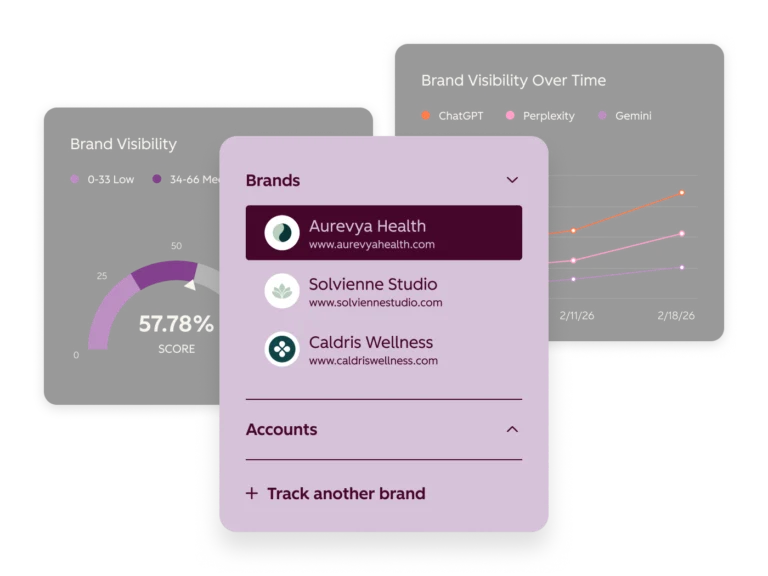
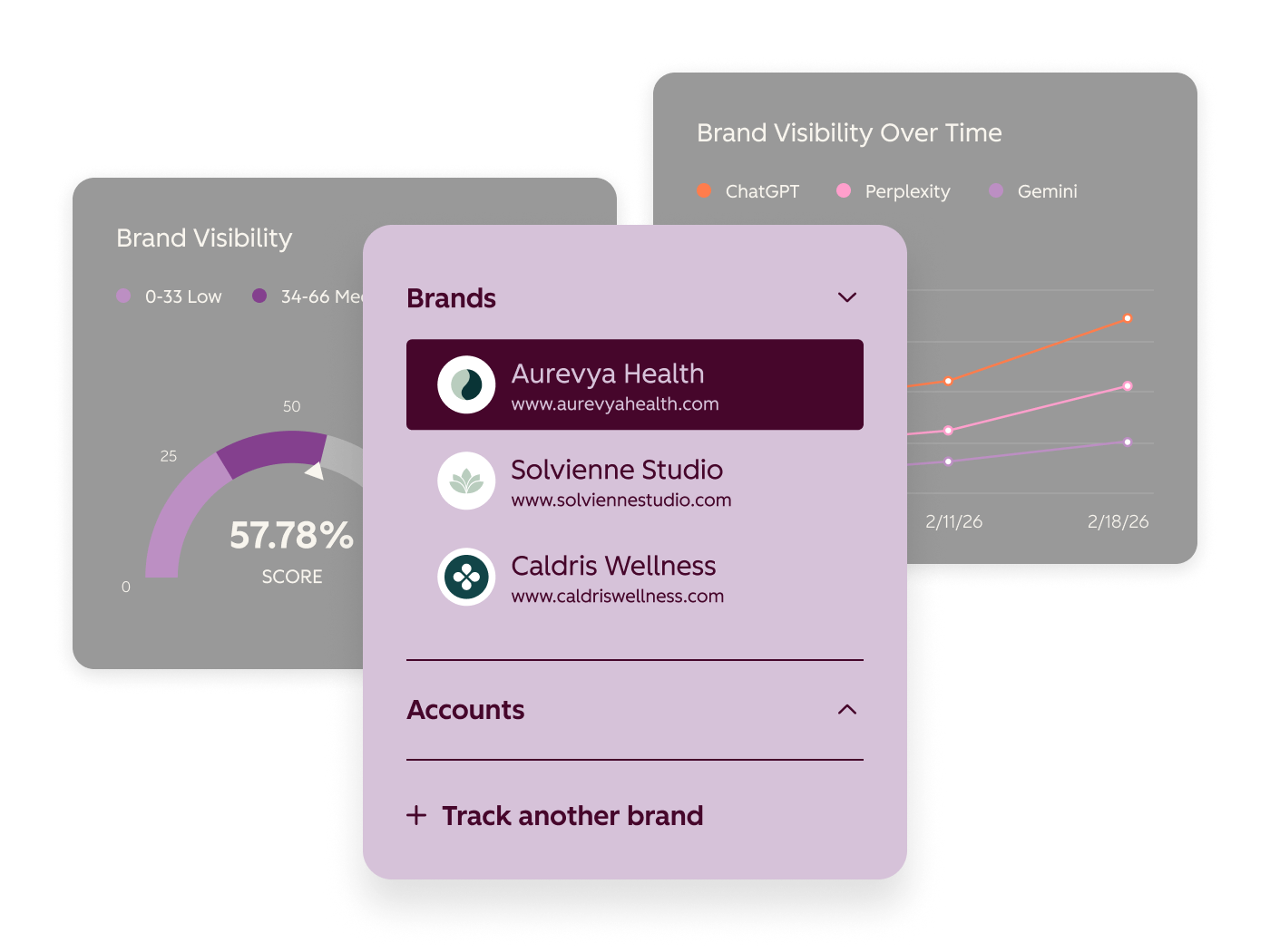
HubSpot AEO visualizes brand visibility scores over time across each monitored AI engine. Crucially, it directly links this visibility data to campaign metrics within the same platform. This enables marketers to establish a clear correlation between an improvement in their AEO score following a content initiative and the resulting impact, eliminating the need for cross-tool correlation.
![HubSpot AEO vs. Ahrefs Brand Radar: Features compared [2026]](https://53.fs1.hubspotusercontent-na1.net/hubfs/53/hubspot-aeo-vs-ahrefs-brand-radar-1-20260805-255574.webp)
Ahrefs Brand Radar delivers historical trend data across its entire suite of AI engines. For existing Ahrefs users, the integration with the broader Ahrefs suite allows for the layering of AI visibility trends alongside traditional SEO metrics, such as organic traffic, backlinks, and keyword rankings, thereby providing a unified perspective on search performance.
From Insight to Action: The Workflow Advantage
The divergence in how each tool facilitates the translation of insights into tangible content is a critical factor for marketers to consider.
Bridging the Gap from Visibility Gap to Content Brief
In HubSpot AEO, when an analysis reveals a significant visibility gap—for instance, if a competitor consistently ranks for a query like "best [your product category] for small teams," while your brand does not—the tool proactively surfaces a prioritized recommendation. This recommendation might suggest creating a targeted blog post, updating an existing web page, or publishing a relevant LinkedIn post. The output is not merely data but a clearly defined next step.
Ahrefs Brand Radar provides similar visibility gap data. However, the onus of translating this insight into actionable content falls upon the user. Marketers will need to integrate this information into their existing content creation workflows, develop comprehensive briefs, assign tasks, and monitor progress through their preferred project management systems.
The Draft-to-Publish-to-Measure Cycle
Because HubSpot AEO is embedded within Marketing Hub, users can act on recommendations directly without switching applications. The creation of blog posts, social media updates, and content revisions are native functionalities. Post-publication, AEO data updates dynamically as AI mentions evolve, and campaign analytics are readily available for immediate review.
With Ahrefs Brand Radar, content creation and publishing occur within the user’s existing content management systems. The measurement loop returns to Brand Radar for AI visibility tracking, but a comprehensive assessment of impact would necessitate the aggregation of data from other sources.
For teams with established, efficient content workflows that primarily require enhanced monitoring data, this difference may not be a significant impediment. However, for organizations still developing their content processes or those aiming to streamline their technology stack, HubSpot’s integrated approach offers a tangible time-saving advantage.
Pricing Structures and Considerations
HubSpot AEO Pricing
HubSpot AEO is accessible starting at $50 per month, with an annual payment option reducing the cost to $45 per month. This entry-level pricing includes comprehensive coverage of ChatGPT, Gemini, and Perplexity, along with brand visibility and sentiment analysis, CRM-powered prompt tracking, competitor and citation analysis, and prioritized recommendations. A complimentary 28-day trial is available, offering access to 25 prompts across all three engines without requiring a credit card, providing a low-friction opportunity to evaluate real-world data. For a more integrated solution, HubSpot for Marketers, which bundles AEO with the full Marketing Hub and Content Hub toolkits, begins at $900 per month.
Ahrefs Brand Radar Pricing
Ahrefs does not typically offer free trials or discounts, necessitating an upfront commitment. The standalone Brand Radar product, which includes an Ahrefs Free account, has a tiered pricing structure. For comprehensive platform coverage within the broader Ahrefs suite, Brand Radar is integrated into existing plans. The pricing narrative is straightforward: for current Ahrefs subscribers, the incremental cost of adding Brand Radar is minimal. However, for new users seeking standalone Brand Radar with full seven-platform coverage, the monthly investment is $699. In comparison, HubSpot AEO’s $50 per month standalone offering is considerably more cost-effective for a tool focused on three core engines.
Strategic Integration into Your Marketing Stack
HubSpot AEO is the optimal choice for:
- Marketers prioritizing an integrated, end-to-end workflow from insight to execution within a single platform.
- Teams seeking to leverage CRM data for intelligent prompt suggestions and direct content creation capabilities.
- Businesses looking for a cost-effective entry point into AI visibility monitoring and optimization.
Ahrefs Brand Radar is the superior option for:
- Organizations already invested in the Ahrefs ecosystem, seeking to augment their existing SEO capabilities with AI visibility data.
- Businesses requiring broader AI engine coverage, particularly those needing to monitor Microsoft Copilot, Google AI Overviews, and AI Mode.
- SEO-centric teams comfortable with integrating data into their established, multi-tool workflows.
While both tools offer robust integrations, their foundational philosophies differ. HubSpot is designed for teams aspiring to a unified marketing platform, whereas Ahrefs caters to SEO-first teams prioritizing comprehensive data and the flexibility to construct their own workflows.
Ease of Use and Time to Value
HubSpot AEO is intentionally designed for rapid adoption by marketers of all technical backgrounds. The integration of CRM data for prompt suggestions eliminates the initial guesswork of what to monitor, providing a clear starting point. Most teams can expect to see actionable visibility data within their first day of setup.
![HubSpot AEO vs. Ahrefs Brand Radar: Features compared [2026]](https://no-cache.hubspot.com/cta/default/53/9dd5e54b-fbef-4dd0-bc44-1689feb1ea18.png)
Ahrefs Brand Radar benefits from Ahrefs’ well-established user experience, which is familiar to SEO professionals but may present a steeper learning curve for marketers less acquainted with the platform. The advanced customization of prompts offers greater control but necessitates more upfront configuration, especially for standalone users without prior Ahrefs context. For seasoned SEO professionals already proficient with Ahrefs, the time to value is swift. For content marketers or general marketing professionals, HubSpot’s streamlined setup is likely to be faster.
Decision Framework for Marketers
For Monitoring-Only Requirements:
If the primary objective is to understand brand presence across AI platforms, monitor competitors, and gather citation data without necessarily altering content workflows or integrating AI visibility into campaign reporting, Ahrefs Brand Radar emerges as the stronger contender. Its seven-platform coverage and extensive prompt database offer comprehensive monitoring, especially for existing Ahrefs users. While the standalone entry price is higher than HubSpot’s, its breadth of coverage makes it ideal for those prioritizing this aspect.
For Integrated Monitoring and Execution:
For marketers who require not only visibility data but also a clear, actionable pathway from identifying a deficiency to rectifying it—minimizing the need for data transfer between tools or managing separate content workflows—HubSpot AEO is the more suitable choice. Its workflow integration, encompassing CRM-powered prompts, in-platform content creation, and connected campaign metrics, is precisely tailored for this use case. The accessible $50 per month price point facilitates experimentation before committing to a full Marketing Hub plan.
For Multi-Brand or Multi-Regional Management:
Tracking AI visibility across numerous brands or distinct geographical markets presents a more complex scenario for both tools. HubSpot AEO’s pricing is per account, necessitating direct consultation with sales for multi-brand configurations. Ahrefs Brand Radar’s Enterprise plan, starting at $1,499 per month, offers custom limits. In both instances, discussions with the respective vendors regarding specific volume requirements are essential.
Alternative Solutions for Specialized Needs
Should neither HubSpot AEO nor Ahrefs Brand Radar perfectly align with specific organizational needs, several other platforms warrant consideration:
- Profound: This enterprise-focused solution is specifically engineered for advanced AI Engine Optimization, offering deep analytics and attribution tracking. It is well-suited for larger teams requiring executive-level reporting on AI visibility across multiple markets.
- Semrush AI Toolkit: For organizations already utilizing Semrush, integrating AI visibility into their existing SEO workflow is a low-friction option. While its coverage and depth are still evolving, it is designed for teams standardized on the Semrush suite.
- Otterly.ai: This more lightweight, standalone option caters to teams seeking prompt monitoring capabilities without a full platform commitment. It serves as an accessible entry point for organizations still evaluating the investment required for AI Engine Optimization.
For a broader examination of rank tracking tools, encompassing both traditional SEO and AI search, a separate comprehensive guide is available.
Frequently Asked Questions
Can these tools be used in conjunction?
Yes, for some organizations, a dual approach can be beneficial. HubSpot AEO provides the execution workflow and CRM integration, while Ahrefs Brand Radar offers broader engine coverage and the full Ahrefs SEO dataset. There is overlap in monitoring ChatGPT, Gemini, and Perplexity, but the synergy of deep Ahrefs integration for traditional SEO and HubSpot’s workflow for acting on AEO insights can be valuable. However, the combined cost and data management overhead must be carefully weighed against team size and resources.
How is ROI measured from AI Engine Optimization?
ROI from AI Engine Optimization typically manifests in several key areas: improvements in brand visibility scores over time, increased share of voice relative to competitors, a rise in AI-driven traffic (trackable via UTM parameters or referral data), and enhanced lead quality when AI-sourced leads are linked to pipeline progression. HubSpot AEO’s advantage lies in its ability to integrate AEO data with campaign and CRM data, facilitating a direct line of sight from visibility improvements to content adjustments and downstream lead generation. With Ahrefs Brand Radar, attribution must be constructed by the user.
Which AI engines are most critical for a specific category?
The choice of AI engines depends heavily on where target audiences conduct their searches. ChatGPT, Gemini, and Perplexity cover a significant portion of AI search volume for most B2B categories. If Microsoft Copilot is prevalent in a particular industry (e.g., enterprise software, productivity tools), Ahrefs Brand Radar’s coverage is advantageous. Similarly, for audiences heavily reliant on Google and frequently encountering AI Overviews and AI Mode, Ahrefs’ broader coverage is beneficial. An internal audit of how teams and customers interact with AI search engines is recommended before making a decision.
What is the optimal method for operationalizing AI Engine Optimization within a content workflow?
Effective operationalization involves tracking the right prompts, identifying gaps, and assigning clear ownership for addressing them. The ideal approach depends on team structure. On HubSpot, the workflow is largely pre-built, with CRM-powered prompt suggestions, in-platform content creation, and integrated campaign metrics streamlining the process. For Ahrefs users, a regular cadence for incorporating Brand Radar data into content planning is essential, whether through weekly reviews of visibility gaps or monthly sprints focused on citation building. Competitive intelligence is a vital input, informing where to focus efforts—whether on owned content, third-party mentions, or social media presence.
About the Author