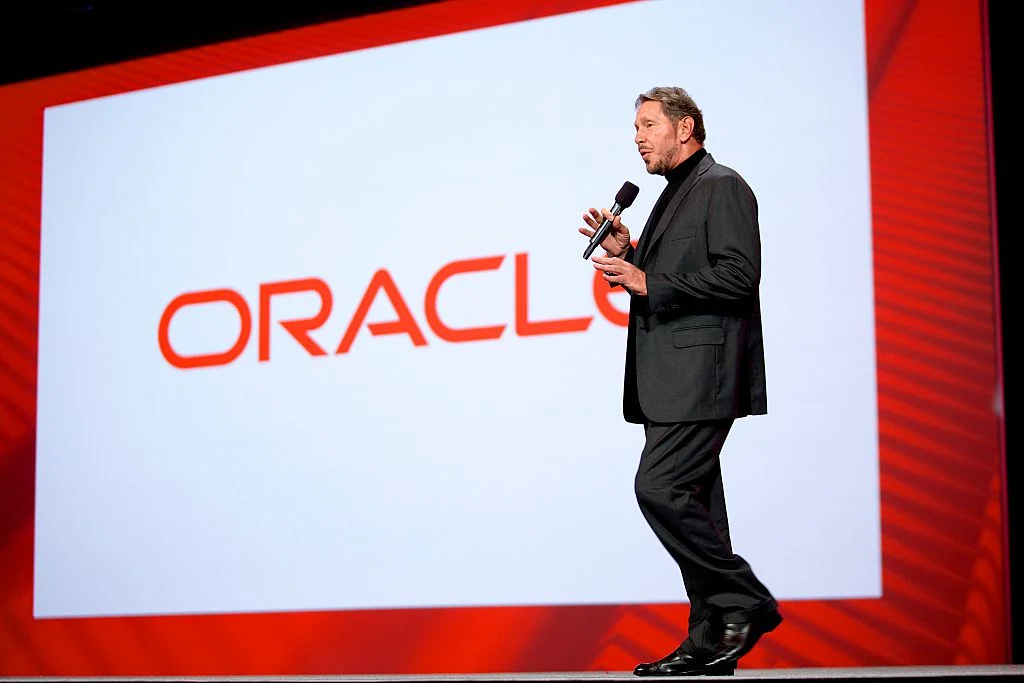
Oracle co-founder and executive chairman Larry Ellison has abruptly reversed his decision to sell a significant portion of his Oracle stock, a move that would have generated approximately $7.5 billion. The company officially announced the cancellation of the planned sale on Saturday, a development that arrived without immediate explanation from Ellison or Oracle’s leadership. This decision marks a notable shift from previous disclosures made in regulatory filings, which had outlined Ellison’s intent to divest 50 million shares of Oracle Corporation.
Background of the Planned Sale
The initial plan to sell 50 million Oracle shares, valued at an estimated $7.5 billion based on market prices at the time of the disclosure, was first revealed by Oracle in a regulatory filing. This disclosure had drawn considerable attention from market analysts and investors, given Ellison’s prominent role as a founder and his substantial stake in the technology giant. Such a large-scale divestment by a key executive often prompts scrutiny regarding their confidence in the company’s future prospects and could potentially influence market sentiment.
The timing of the initial announcement, as reported by Reuters, placed the planned sale in the context of a period where Oracle has been making significant strategic investments and navigating a dynamic technology landscape. The company has been notably increasing its expenditures on data center infrastructure, a critical component for cloud computing and artificial intelligence (AI) services. Furthermore, Oracle recently solidified its position as a major owner and security partner for TikTok’s U.S. operations, a high-profile and complex venture that underscores the company’s expanding ambitions in areas beyond its traditional enterprise software roots.
Timeline of Events
The narrative surrounding Larry Ellison’s Oracle stock sale unfolds across several key junctures:
- Early Disclosures: Oracle first informed the public and regulatory bodies of Larry Ellison’s intention to sell 50 million shares of Oracle stock. This filing, a standard procedure for significant stock transactions by company insiders, signaled a planned divestment of substantial personal holdings. The precise date of this initial disclosure is not specified in the provided text but predates the Saturday announcement.
- Market Anticipation: Following the disclosure of the planned sale, market observers and financial news outlets, including Reuters, reported on the potential implications of such a large transaction. The sheer volume of shares and the immense financial value involved naturally sparked discussions about Ellison’s personal financial strategies and his outlook on Oracle’s stock performance.
- The Cancellation Announcement: On Saturday, Oracle issued a formal statement announcing that Larry Ellison had canceled his plan to sell the 50 million shares. This announcement was made via the company’s investor relations channels, emphasizing the definitive nature of the reversal.
- Confirmation of No Sales: Crucially, Oracle’s statement also clarified that "No Oracle stock was sold under that plan, and he has no other plans to sell any of his Oracle stock." This detail is significant, as it confirms that the market did not experience the impact of the planned sale’s execution.
- Current Market Performance: As of Sunday afternoon, Oracle’s stock had experienced a notable decline, down 22% year-to-date. This performance trend, while not directly linked to the cancellation itself, provides a backdrop against which the decision to retain shares is viewed.
Supporting Data and Market Context
The decision to cancel the sale of 50 million Oracle shares, representing a substantial portion of Ellison’s holdings, occurs against a backdrop of significant corporate activity and market performance. As of the time of the announcement, Oracle stock had seen a year-to-date decline of 22%. This downturn, while concerning for investors, is a data point that could be interpreted in various ways regarding Ellison’s decision. A 22% drop in share value might make the prospect of selling at current prices less attractive than when the sale was initially planned, particularly for an executive with a long-term vision for the company.
Oracle’s strategic direction further contextualizes Ellison’s decision. The company has been actively investing heavily in building and expanding its data center infrastructure. This is a capital-intensive endeavor, essential for supporting the growing demand for cloud computing services, AI workloads, and enterprise-grade solutions. These investments signal Oracle’s commitment to enhancing its competitive position in the cloud market, a sector characterized by intense competition and rapid technological evolution.
In parallel, Oracle’s involvement with TikTok’s U.S. operations represents another significant strategic initiative. Becoming a major owner and security partner for TikTok’s American business positions Oracle at the forefront of a highly scrutinized and influential social media platform. This partnership is not only a revenue-generating opportunity but also a testament to Oracle’s ability to secure and manage complex, large-scale technological infrastructures for prominent clients. The success and stability of these ventures are undoubtedly factors that Ellison would consider when evaluating his personal investment in the company.
Broader Financial and Personal Engagements
Larry Ellison’s financial activities extend beyond his direct involvement with Oracle. He has also notably leveraged his considerable wealth to support ventures involving his son, David Ellison. One such prominent instance is David Ellison’s acquisition of Warner Bros., a transaction that has reportedly been backed by significant financial commitments from Larry Ellison. This acquisition, however, has faced legal challenges, with the situation currently being contested in court. The ongoing legal proceedings surrounding the Warner Bros. deal could indirectly influence Larry Ellison’s liquidity needs and his strategic allocation of capital, potentially impacting his decisions regarding the sale of Oracle stock.
The cancellation of the Oracle stock sale, therefore, is not occurring in a vacuum. It is a decision made by an individual with vast financial interests, both within and outside of Oracle Corporation. The intricate web of his investments, philanthropic endeavors, and personal business ventures all contribute to the complex calculus that informs such significant financial decisions.
Analysis of Implications and Potential Motivations
The abrupt cancellation of a planned $7.5 billion stock sale by a figure as central as Larry Ellison carries several potential implications:
- Signal of Confidence: The most straightforward interpretation is that Ellison’s decision reflects renewed or sustained confidence in Oracle’s future prospects. By choosing to retain his substantial stake, he signals to the market that he believes the company’s stock value will appreciate or at least remain robust. This can serve as a positive indicator for other investors, potentially bolstering market sentiment towards Oracle.
- Market Stability: Had the sale proceeded as planned, the sheer volume of shares hitting the market could have exerted downward pressure on Oracle’s stock price, especially if the market perceived it as a sign of insider concern. The cancellation removes this immediate threat, contributing to greater market stability for the company’s shares in the short term.
- Strategic Reassessment: It is possible that Ellison reassessed the timing or necessity of the sale. Factors such as the current stock price performance (down 22% year-to-date), the ongoing heavy investment in data centers, and the strategic importance of the TikTok partnership might have led him to conclude that retaining his shares was a more advantageous decision for his personal portfolio and for the company’s overall financial narrative.
- Liquidity Needs: While the article states no stock was sold and no other plans are in place, the initial intention to sell such a large sum could have been driven by personal liquidity requirements or a desire to diversify assets. The cancellation suggests that these needs may have been met through other means, or that the urgency has subsided. The involvement in the Warner Bros. acquisition, currently in legal contention, could also play a role in his financial planning, though the direct link to the Oracle stock sale cancellation remains speculative without further information.
- Management of Insider Trading Perceptions: Large stock sales by top executives can sometimes be misconstrued as a lack of faith in the company. By canceling the sale and explicitly stating no further plans, Ellison may be aiming to preempt such interpretations and reinforce his alignment with Oracle’s long-term strategy.
Official Response and Lack of Explanation
Oracle’s official statement on Saturday was concise and to the point: "No Oracle stock was sold under that plan, and he has no other plans to sell any of his Oracle stock." The company did not provide any specific reason or elaborate on the circumstances that led to the change of heart. This reticence is not unusual in corporate communications regarding executive financial decisions, which are often subject to regulatory requirements and personal privacy considerations. However, the absence of a detailed explanation leaves room for broader interpretation and market speculation.
The fact that the company proactively announced the cancellation, rather than it emerging through another regulatory filing, suggests a deliberate effort to manage the narrative surrounding Ellison’s holdings. This is particularly noteworthy given the significant value of the shares involved and the potential market impact of such a large divestment.
Conclusion
Larry Ellison’s decision to cancel his planned $7.5 billion sale of Oracle stock represents a significant development for the company and its investors. While the precise motivations remain undisclosed, the move can be interpreted as a strong vote of confidence in Oracle’s future trajectory. Coming at a time of substantial strategic investment in data centers and pivotal partnerships, Ellison’s commitment to maintaining his substantial shareholding underscores his continued belief in Oracle’s long-term value proposition. The market will undoubtedly continue to monitor Oracle’s performance and Ellison’s subsequent financial decisions for further insights into the strategic direction of one of the world’s leading technology corporations.
About the Author