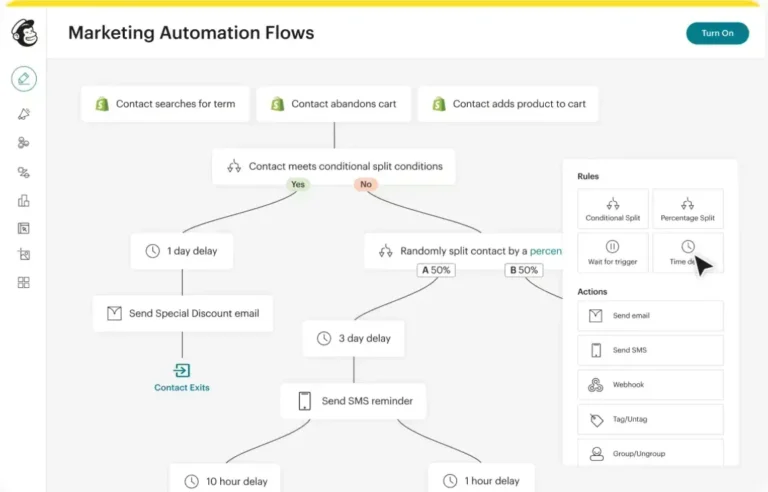
The rapid integration of artificial intelligence into marketing workflows has presented professionals with a critical decision: which large language model (LLM) reigns supreme for content creation, optimization, and broader marketing endeavors? The question of "Claude versus ChatGPT" has become a central point of discussion, impacting everything from daily content ideation to long-term brand consistency and data governance. Understanding the nuanced strengths and weaknesses of each platform is no longer a matter of preference but a strategic imperative for streamlining operations and maximizing marketing ROI.
While both Claude and ChatGPT offer powerful AI capabilities, their optimal applications within a marketing context differ significantly. ChatGPT, known for its versatility and speed, often excels in rapid content generation, email drafting, and social media ideation. Its ability to generate quick first drafts and support image creation through integrations like DALL-E makes it a strong contender for high-volume content needs. Conversely, Claude has demonstrated particular prowess in tasks demanding deeper contextual understanding and sustained brand voice consistency. Its strengths lie in long-form content editing, maintaining brand identity across extensive materials, and processing significantly larger context windows, which is crucial for complex documents and intricate data analysis.
The core of the Claude vs. ChatGPT debate, therefore, is not about declaring a single "winner," but rather about discerning which LLM is best suited for each specific marketing task. This strategic deployment can transform AI from a novel tool into a fundamental component of a high-performing marketing engine.

The Evolving Landscape of AI in Marketing
The proliferation of AI tools has been a defining characteristic of the marketing technology landscape in recent years. Companies are increasingly relying on AI to enhance efficiency, personalize customer experiences, and gain deeper insights from vast datasets. This shift has accelerated the adoption of LLMs, with both Claude and ChatGPT emerging as leading solutions.
ChatGPT, developed by OpenAI, gained widespread public attention for its conversational abilities and broad applicability. Its initial release in late 2022 marked a significant milestone in accessible AI, quickly demonstrating its potential for content creation, coding assistance, and general knowledge retrieval. The platform has since evolved, introducing features like custom GPTs and plugins that further broaden its utility for marketers.
Anthropic’s Claude, on the other hand, has positioned itself as a more safety-conscious and robust AI, emphasizing responsible AI development and providing enhanced capabilities for handling large amounts of text. Its focus on long-context understanding and consistent output has resonated particularly with enterprises and content-heavy industries. The development of Claude has been marked by a commitment to producing helpful, honest, and harmless AI, a principle that influences its performance in sensitive marketing applications.
Core Strengths: Claude vs. ChatGPT for Marketing Workflows
To effectively leverage these AI tools, marketers must understand their distinct advantages across various workflows.
Claude’s Advantages:
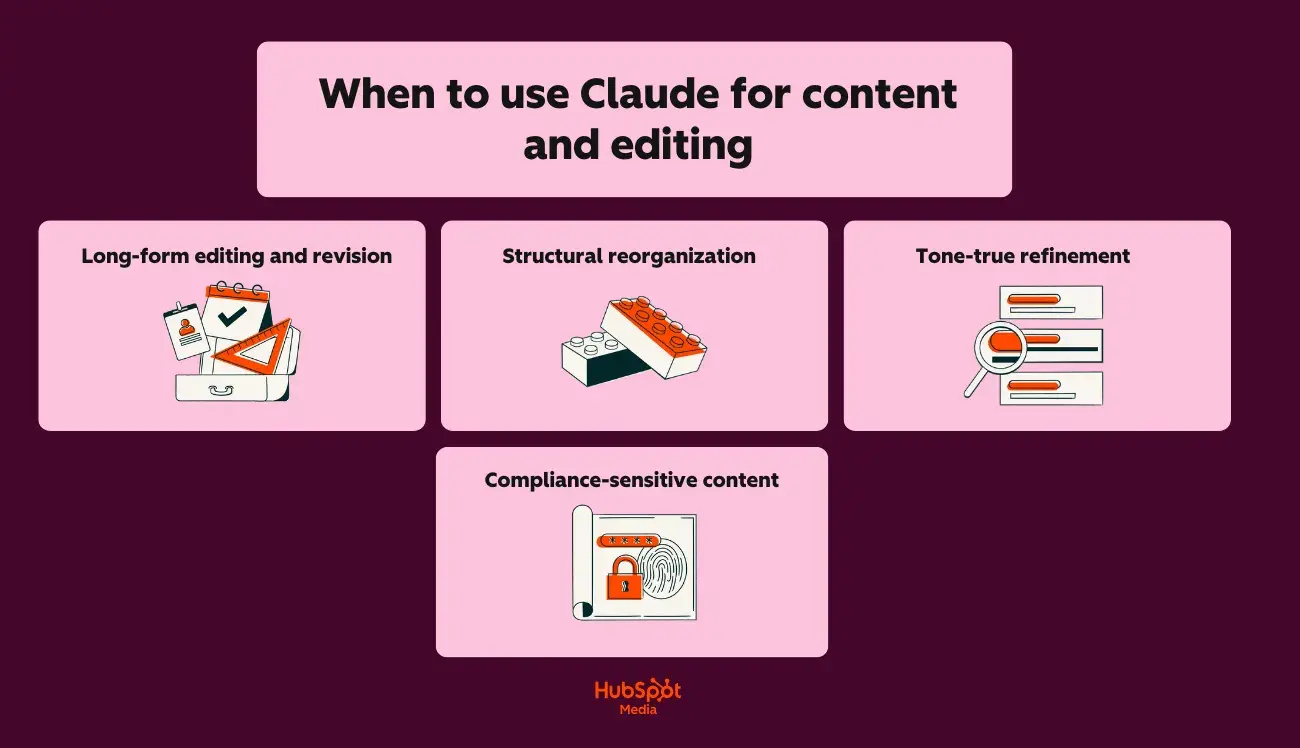
- Long-Form Content Mastery: Claude’s significantly larger context window (up to 200,000 tokens) allows it to process and maintain coherence across extensive documents, such as e-books, whitepapers, and comprehensive reports. This is invaluable for tasks requiring deep analysis and structural integrity.
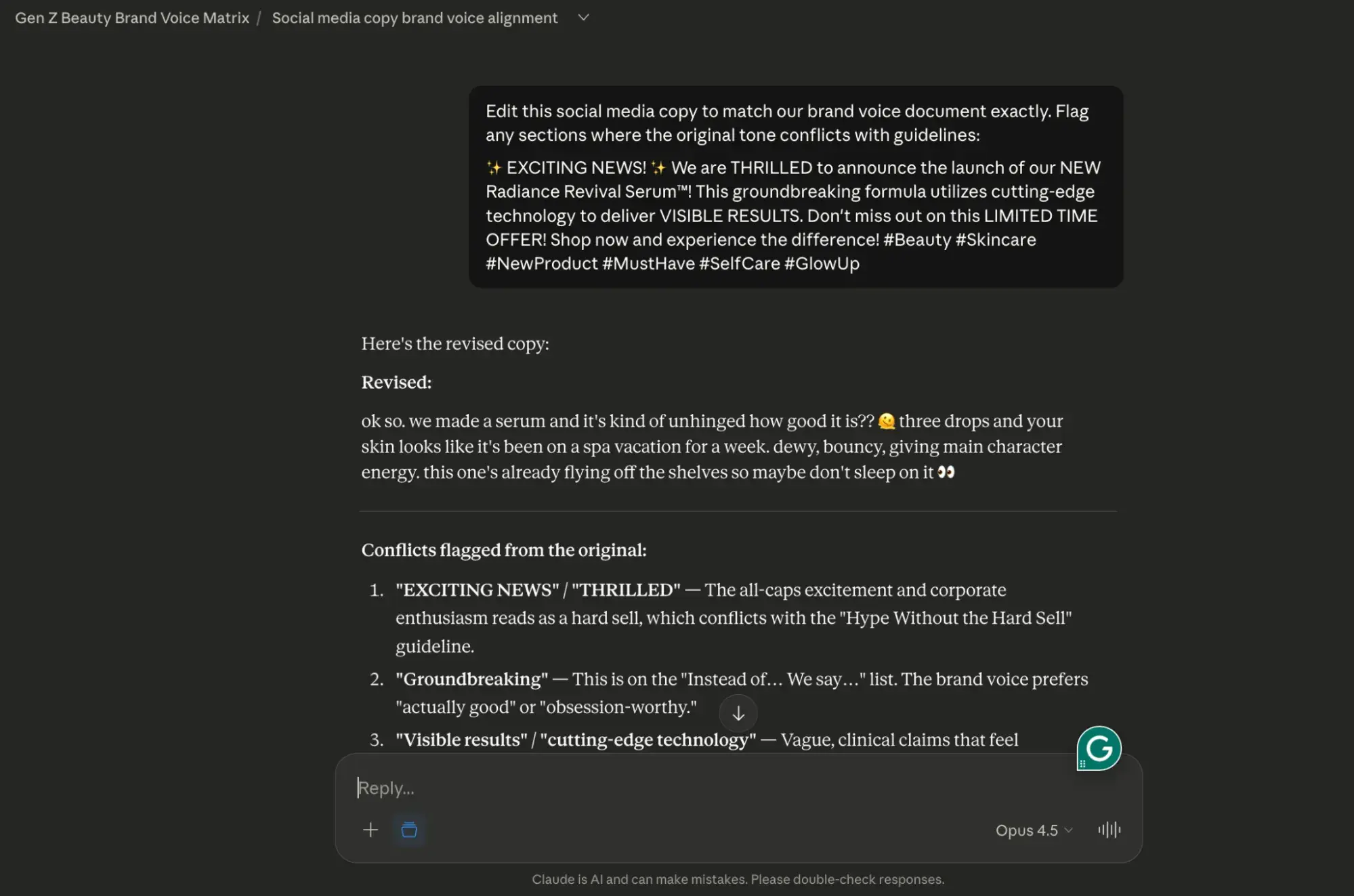
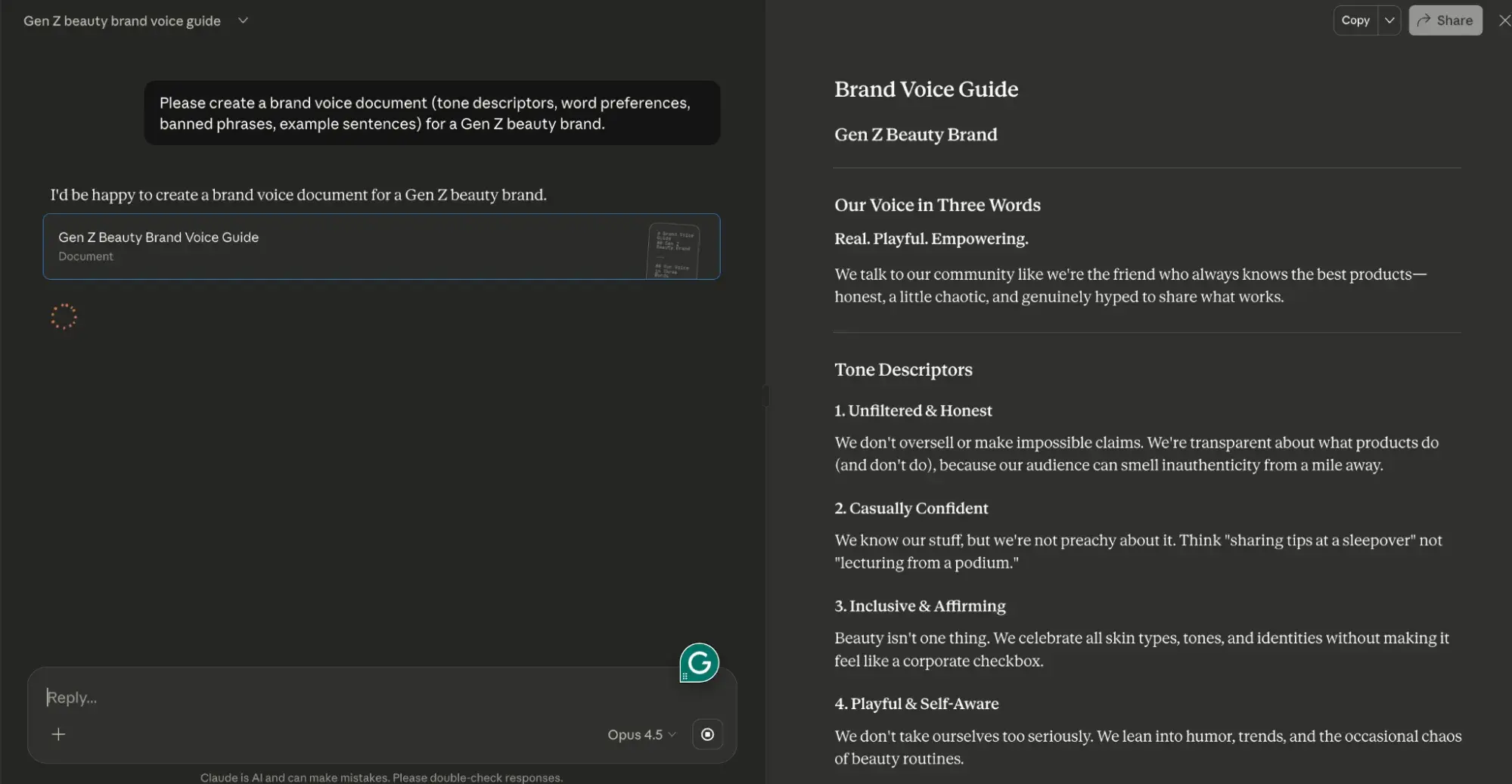
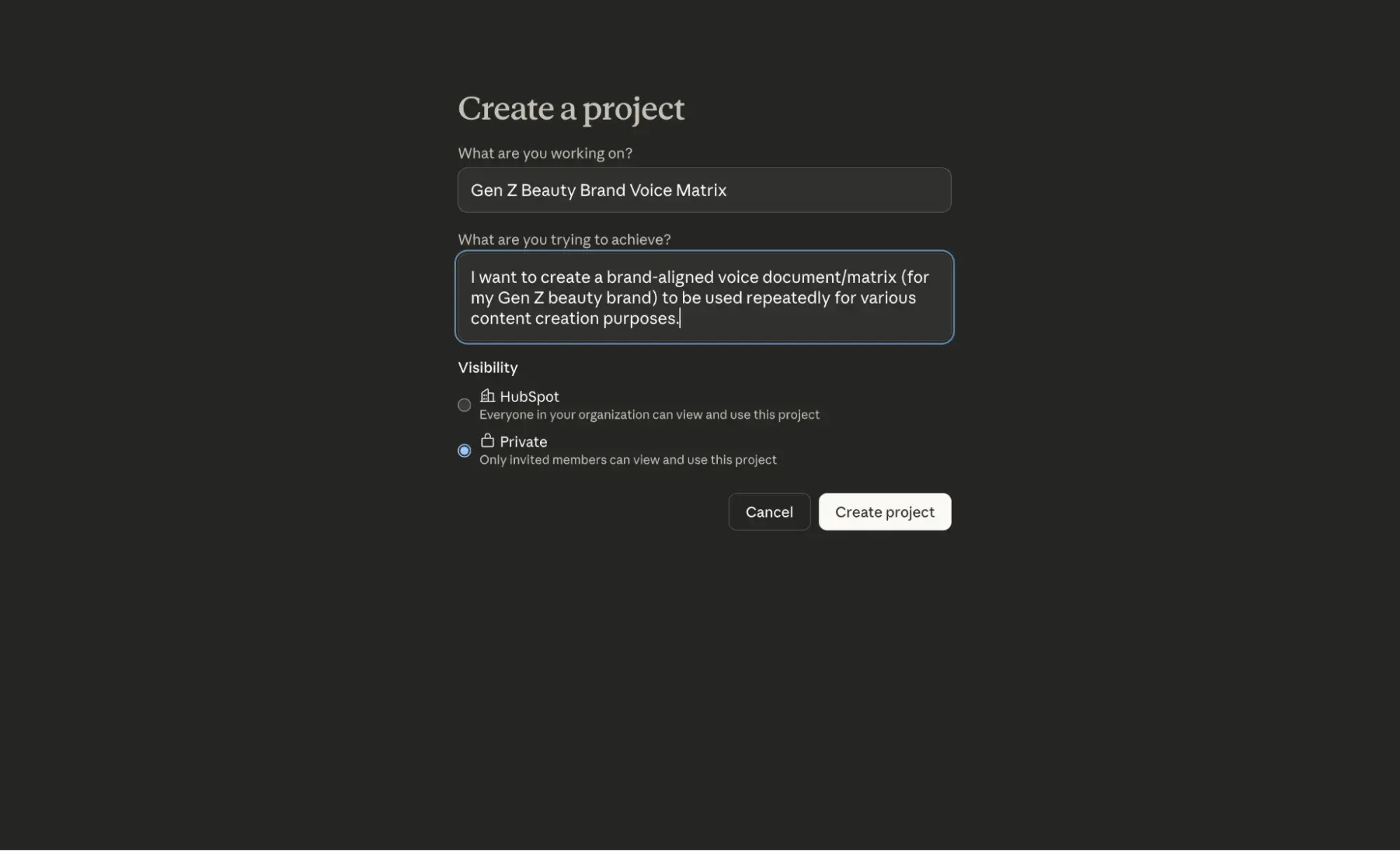
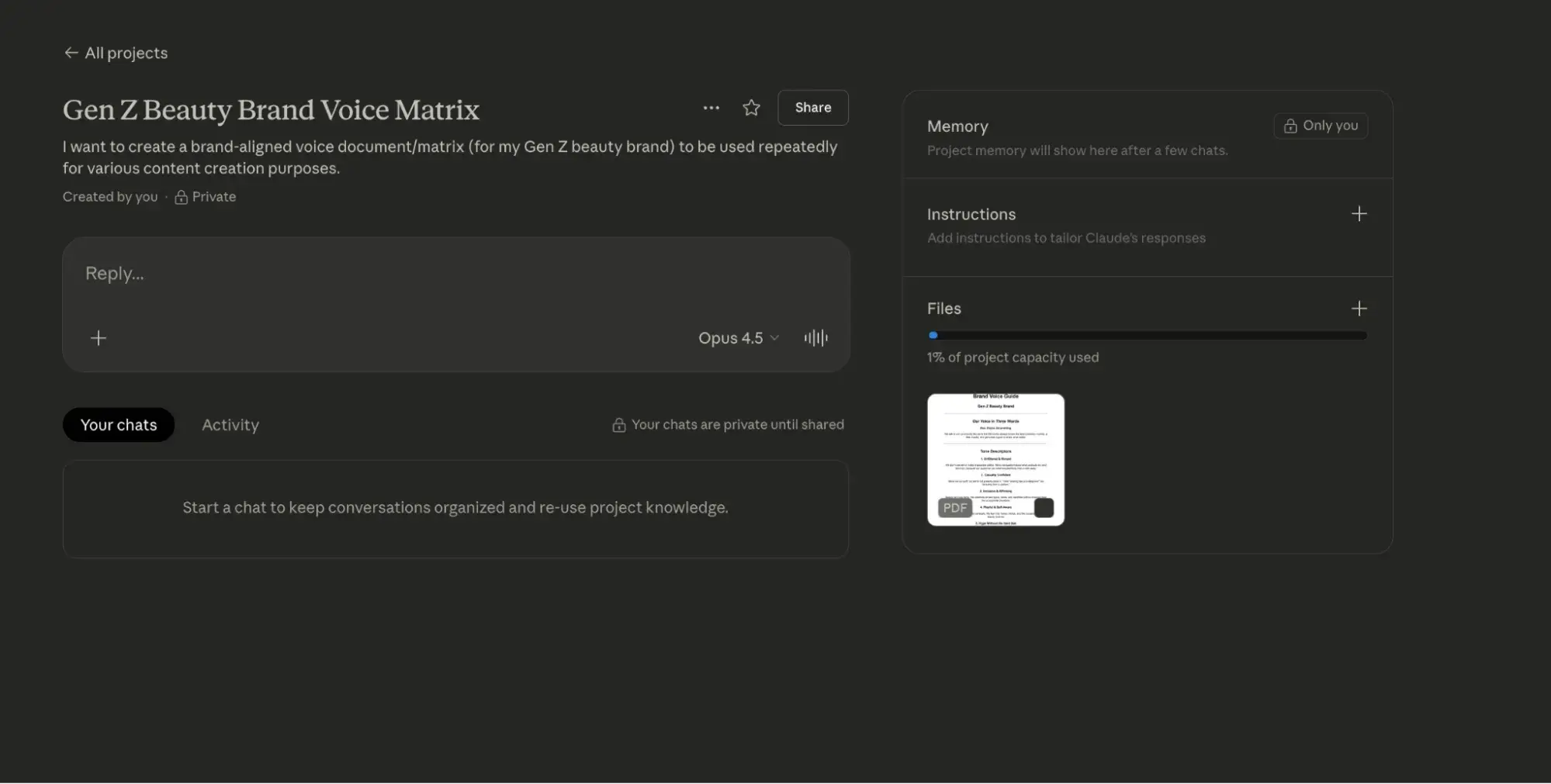
- Brand Voice Consistency: Claude demonstrates a remarkable ability to adhere to specified brand guidelines and maintain a consistent tone of voice throughout lengthy content pieces, crucial for brand integrity.
- Complex Context Handling: Its capacity to retain and reference information across extensive conversational histories or large input documents makes it ideal for intricate research synthesis, competitor analysis, and detailed briefing.
- Data Privacy and Governance: Claude often leads in enterprise-focused features like robust data privacy controls, with user data not being used for training by default, offering enhanced security and compliance assurances.
ChatGPT’s Advantages:
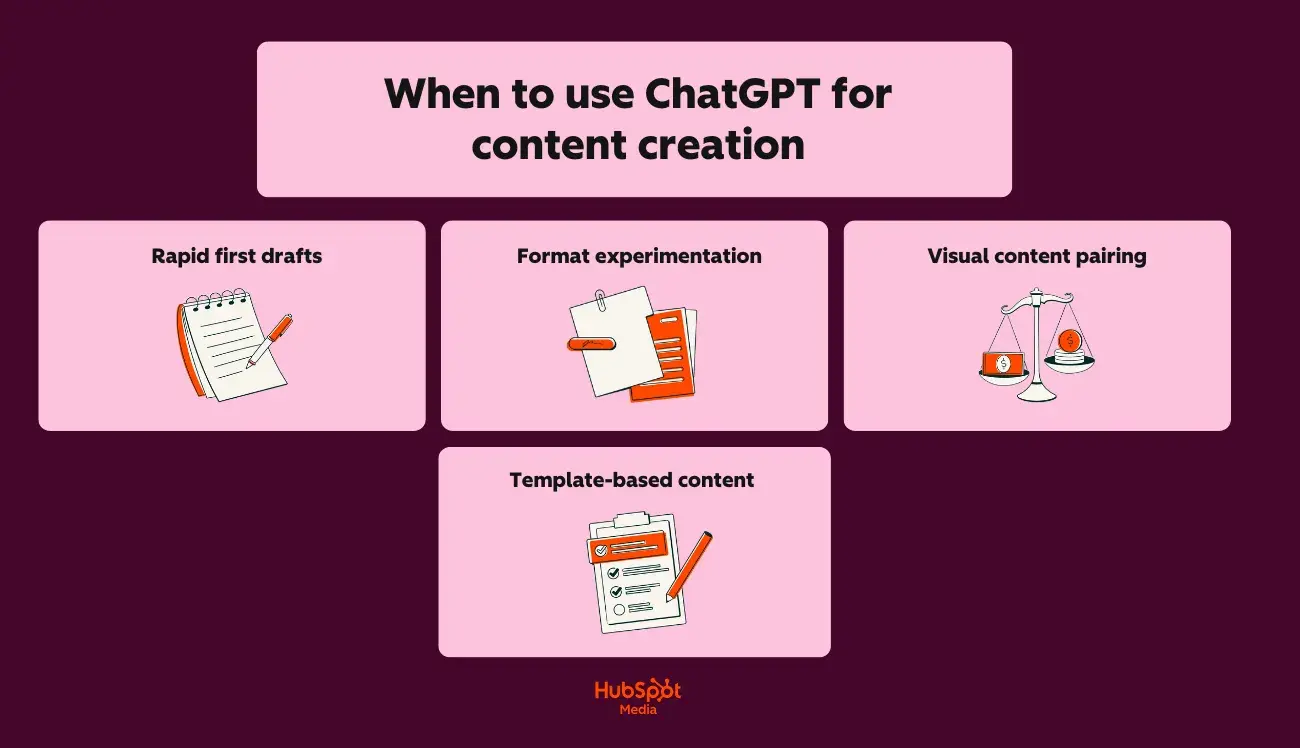
- Rapid Ideation and Drafting: ChatGPT excels at generating multiple ideas, outlines, and initial drafts quickly, making it highly efficient for brainstorming and accelerating content production timelines.
- Short-Form Content Agility: For social media posts, ad copy, and email subject lines, ChatGPT’s speed and ability to generate variations are often preferred.
- Multimodal Capabilities: Integrations like DALL-E allow ChatGPT to assist with visual content ideation and creation, a significant advantage for visually driven marketing campaigns.
- Extensive Plugin Ecosystem: The vast array of plugins and custom GPTs available for ChatGPT offers a wide range of specialized tools and pre-built marketing solutions, enhancing its versatility for users with diverse needs.
Strategic Deployment: Matching Tools to Tasks
The most effective approach to integrating AI into marketing operations often involves a hybrid strategy, utilizing both Claude and ChatGPT to complement each other’s strengths.
For Content Writing and Editing:
- Drafting: ChatGPT can be used for the initial, rapid generation of content. Its speed allows marketers to overcome writer’s block and produce a substantial first draft quickly.
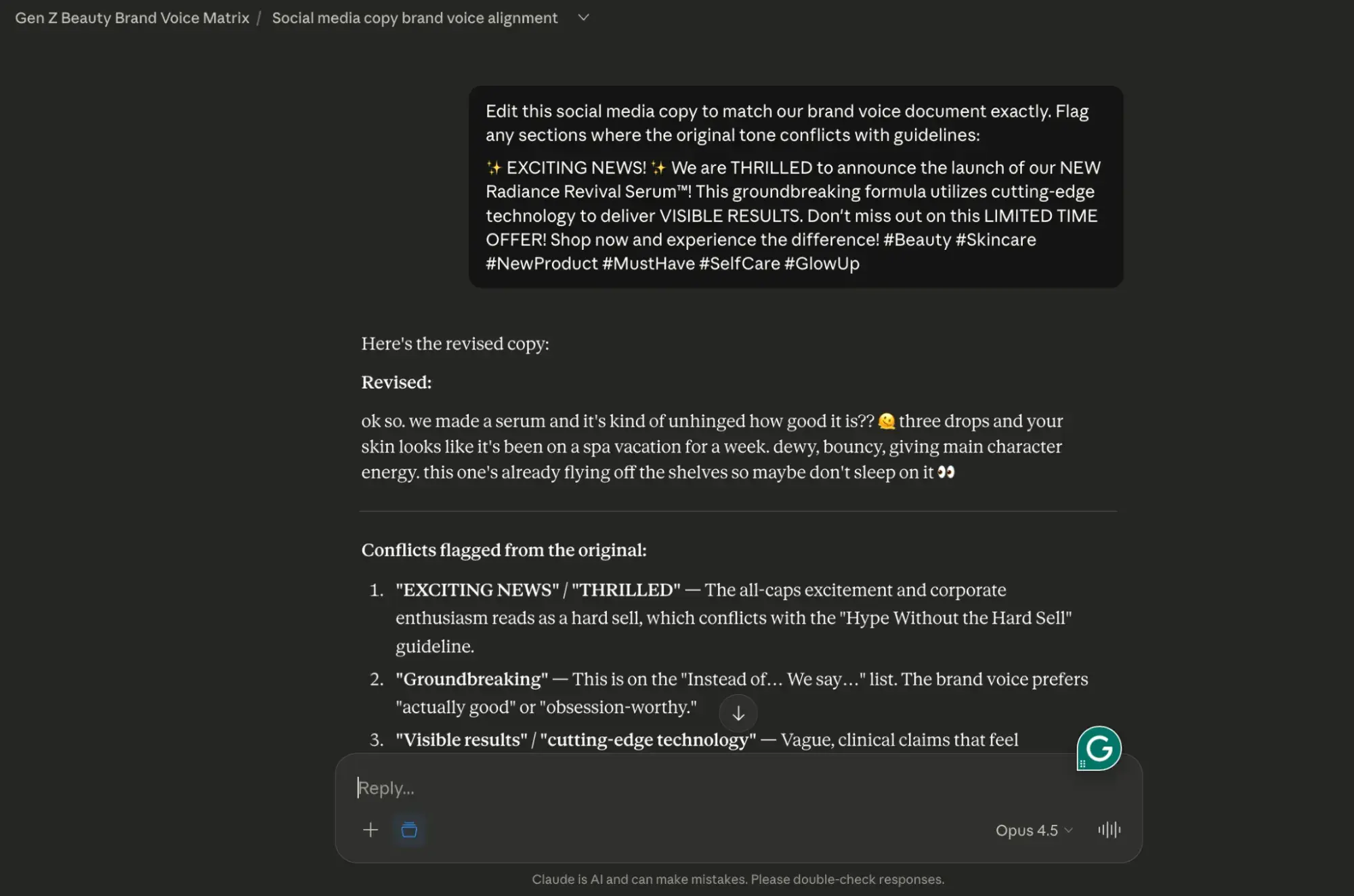
- Editing and Refinement: Claude shines in the editing phase. Its ability to understand and apply brand guidelines, ensure structural coherence, and refine tone across long documents makes it ideal for polishing content to a high standard. This dual approach leverages ChatGPT’s speed for volume and Claude’s precision for quality.
For Email Marketing:
- High-Volume Copy: ChatGPT can quickly generate multiple email subject lines, preview texts, and body copy variations, especially for large-scale campaigns or A/B testing.
- Personalization and Nuance: Claude can be employed to ensure personalization logic is robust and that the tone remains consistent across email sequences, particularly for more complex or relationship-driven communications.
For Social Media Content:
- Quick Hooks and Iterations: ChatGPT’s speed makes it excellent for generating attention-grabbing hooks, short captions, and multiple post variations for platforms like Twitter or Instagram.
- Brand Voice Consistency: For longer posts, such as those on LinkedIn, or when maintaining a strict brand voice across multiple platforms is paramount, Claude’s ability to adhere to stylistic guidelines is advantageous.
For SEO Briefs and Research:
- Initial Keyword Clustering and Outlines: ChatGPT can rapidly group keywords and generate basic blog post outlines, providing a quick starting point for SEO content planning.
- In-depth Analysis and Briefs: Claude’s larger context window allows it to synthesize information from multiple competitor analyses and source documents, creating more comprehensive and semantically rich SEO briefs. Its ability to maintain structural consistency in detailed briefs is a significant benefit.
For Long-Form Content and Sales Enablement:
- E-books and Whitepapers: Claude’s extensive context window makes it superior for drafting and editing full e-books, guides, and whitepapers in a single session, maintaining narrative flow and complex argumentation.
- Sales Collateral: While Claude can handle the initial long-form content, ChatGPT can be effectively used to quickly extract key statistics, generate one-pagers, create social proof snippets, and build slide content from the master document, facilitating rapid adaptation for sales teams.
Data Privacy, Governance, and Brand Protection
In an era of increasing data sensitivity, the data privacy and governance capabilities of AI tools are paramount. Both Claude and ChatGPT offer tiered solutions, with enterprise plans providing more robust controls.
Claude’s Approach:
- Default Privacy: Anthropic’s model inherently prioritizes privacy, with user data not being used for training by default. This offers a significant advantage for organizations handling sensitive information.
- Enterprise Controls: For enterprise clients, Claude provides configurable data retention policies, including zero-retention options, Single Sign-On (SSO), and audit logs, ensuring compliance and security.
ChatGPT’s Approach:
- Opt-Out Requirement: For consumer and team tiers, users typically need to opt-out of data usage for training. Enterprise plans offer more comprehensive controls, mirroring Claude’s enterprise offerings.
- Certifications: Both platforms generally adhere to industry standards like SOC 2 Type II certification and can offer HIPAA compliance with a Business Associate Agreement (BAA) on enterprise tiers.
Brand Protection Strategies:
Regardless of the chosen LLM, establishing clear brand guidelines and implementing strict review processes are essential. This includes:
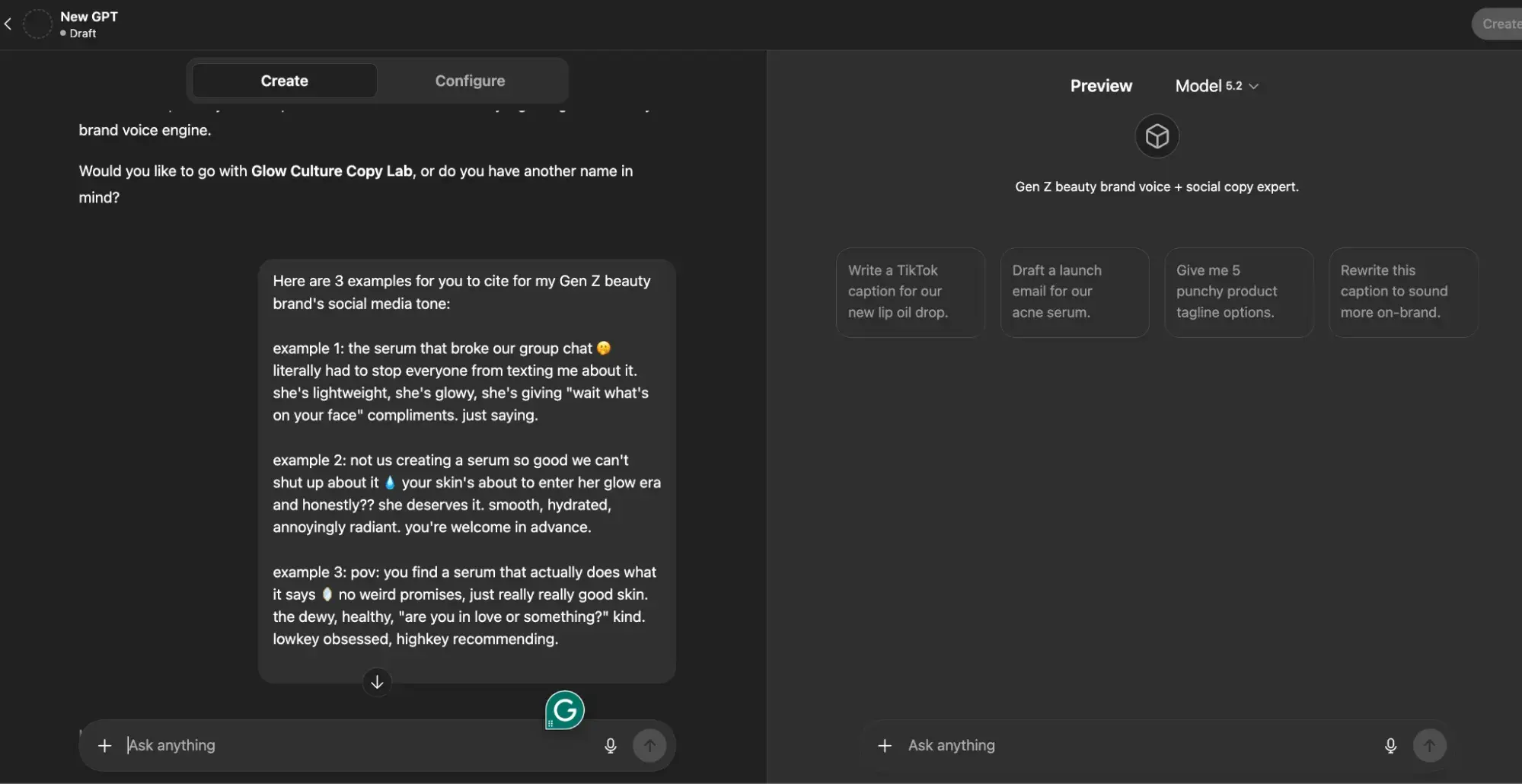
- Documented Brand Voice: Creating a comprehensive brand voice document that outlines tone, style, and prohibited language.
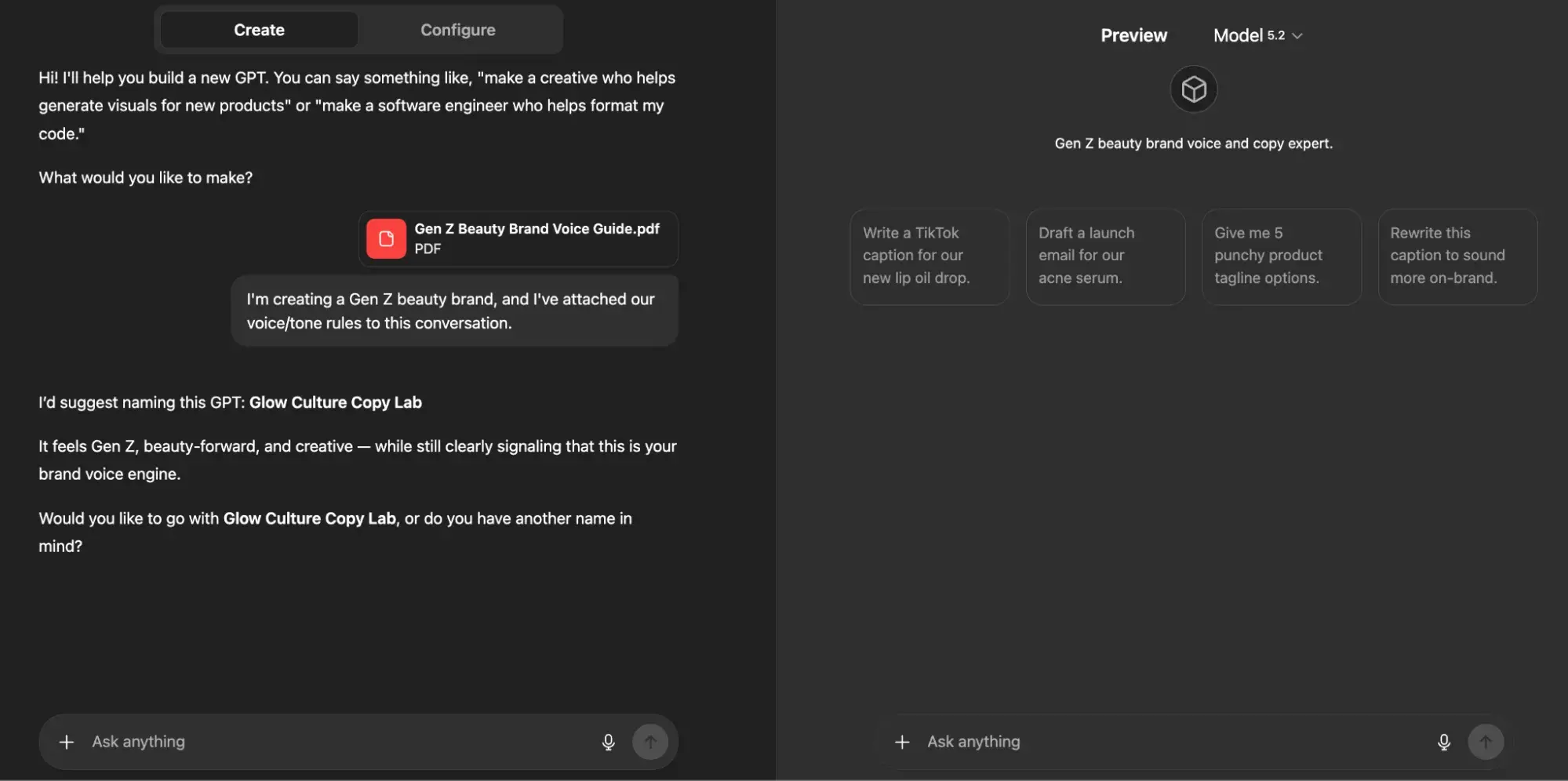
- Tool Configuration: Leveraging features within Claude or custom GPTs in ChatGPT to ingest and adhere to these guidelines.
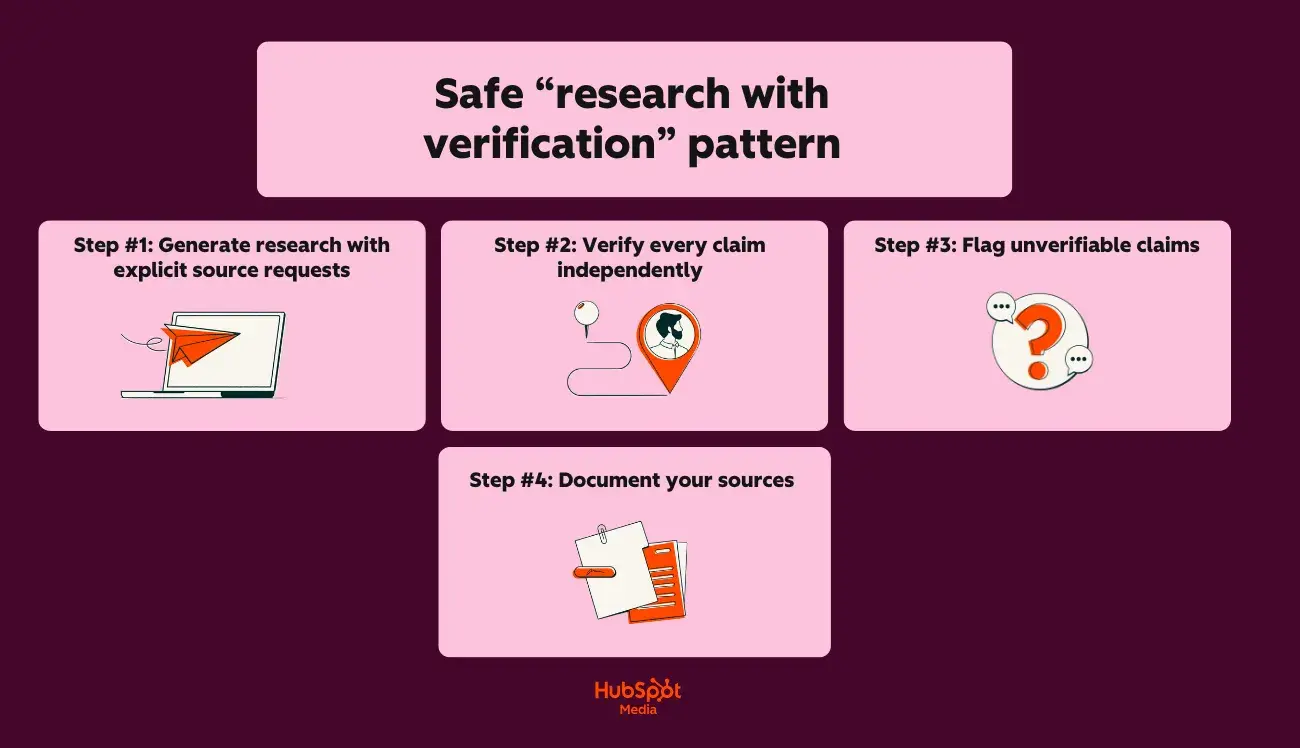
- Human Oversight: Implementing a mandatory human review process for all AI-generated content before publication to prevent brand voice drift and ensure accuracy.
Integration and Workflow Optimization
Seamless integration of AI tools into existing marketing stacks, particularly with platforms like HubSpot, is crucial for maximizing efficiency.
Native Connectors:
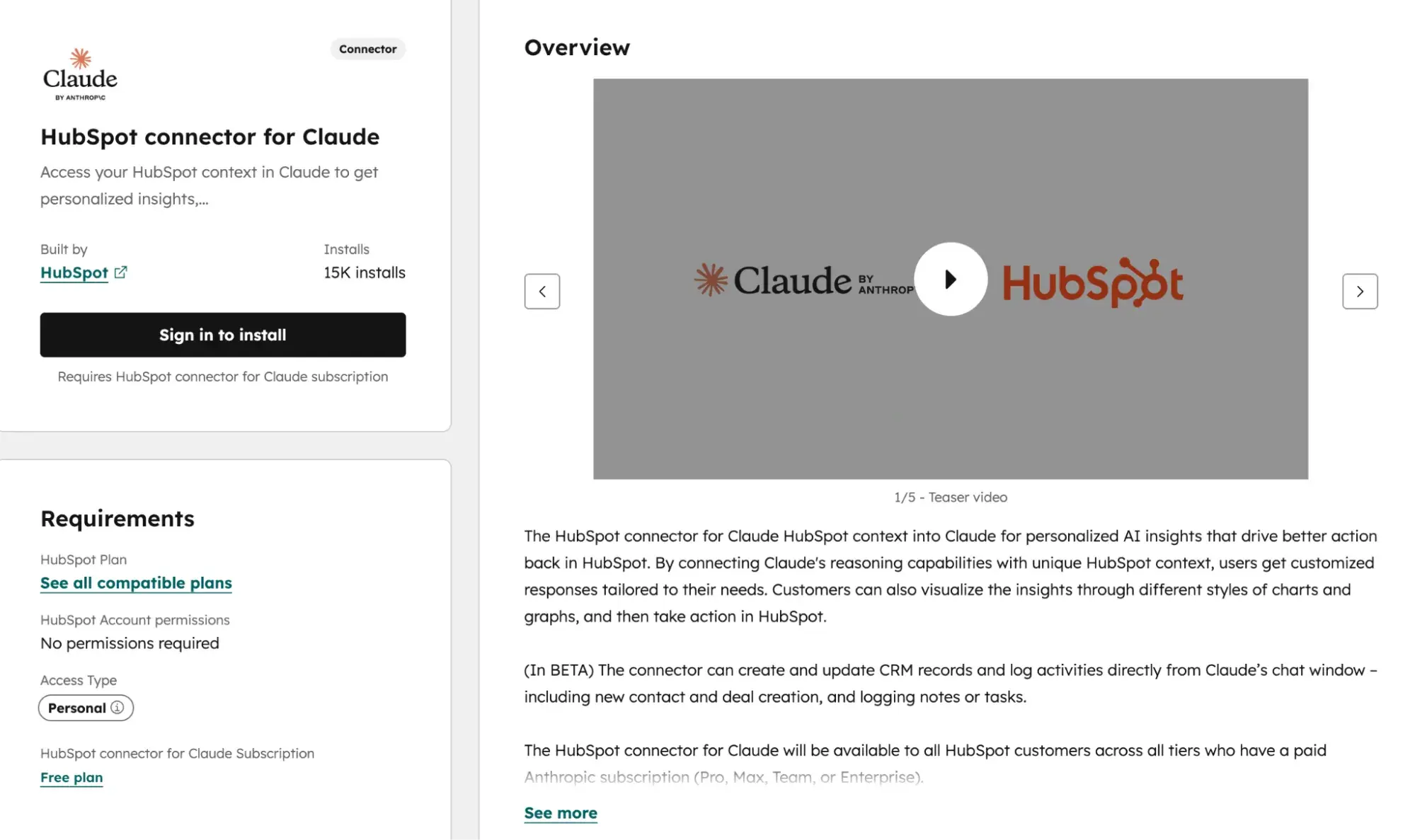
- HubSpot Claude Connector: This integration allows direct use of Claude within HubSpot’s Marketing Hub, enabling content generation, editing, and approval routing directly within the platform.
- HubSpot ChatGPT Connector: Similarly, this integration brings ChatGPT’s capabilities into HubSpot, facilitating content creation, ideation, and automation workflows.
Middleware and APIs:
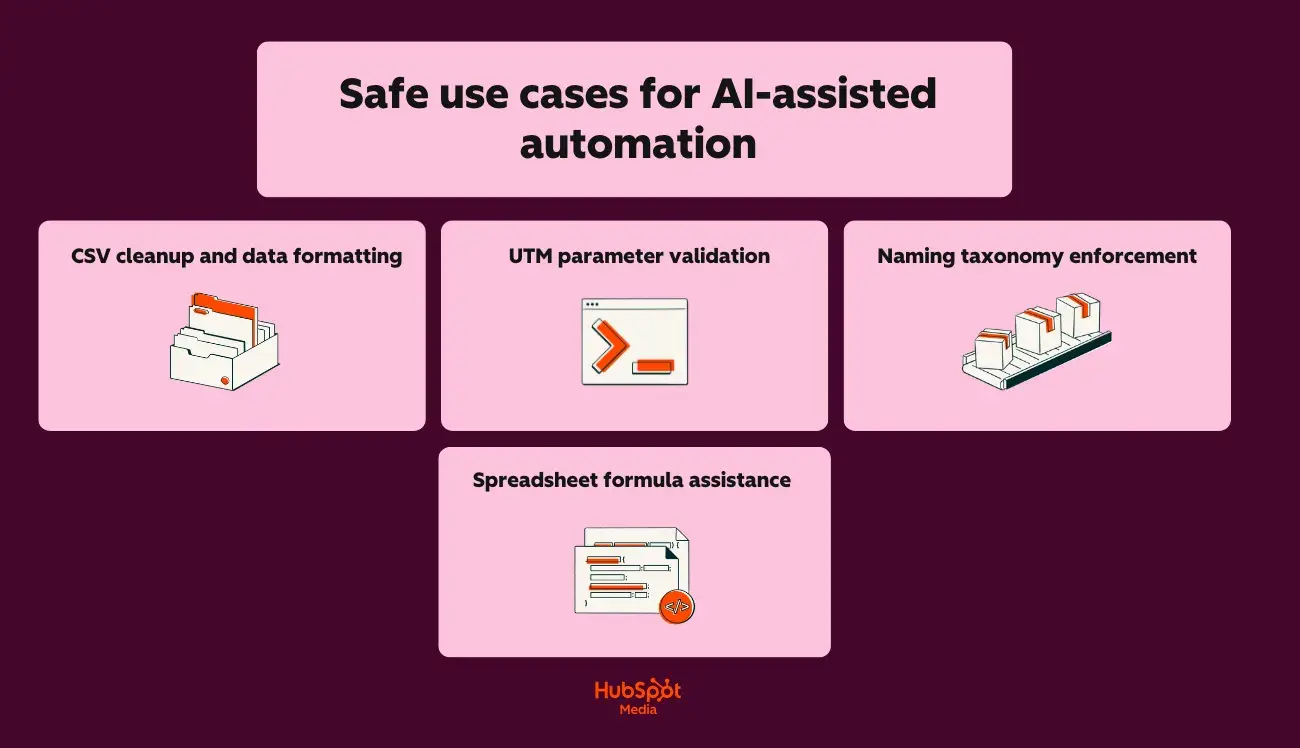
- Zapier/Make: For more complex automations or when integrating with non-native systems, middleware platforms like Zapier or Make can connect Claude and ChatGPT to various marketing tools.
- Direct API Integration: For advanced customization and high-volume operations, direct API integration offers the most flexibility but requires significant technical expertise.
Pricing and Subscription Models
The cost of LLM services can vary significantly based on usage, features, and subscription tiers.
- Free Tiers: Both platforms offer free versions with limitations on usage and access to advanced models. ChatGPT’s free tier often provides more message allowances, while Claude’s free tier may offer access to its most capable models with stricter message caps.
- Pro/Plus Subscriptions: Paid tiers like ChatGPT Plus ($20/month) and Claude Pro ($17/month) offer enhanced usage limits, priority access, and advanced model features.
- Team and Enterprise Solutions: For businesses, team and enterprise plans provide collaboration features, enhanced security, governance, and custom pricing, with Claude often highlighting stronger privacy controls at the enterprise level. API usage is typically pay-per-token, with costs dependent on the model and volume.
The Verdict: A Collaborative Approach
The "Claude versus ChatGPT" debate in marketing ultimately does not have a single winner. Instead, the true advantage lies in understanding and strategically deploying each tool’s unique strengths. Claude excels in depth, accuracy, and consistency, making it invaluable for long-form content, rigorous research, and brand-sensitive applications. ChatGPT offers speed, versatility, and a broader ecosystem, making it ideal for rapid ideation, short-form content, and multimodal tasks.
The most successful marketing teams will be those that learn to orchestrate a collaborative workflow, leveraging ChatGPT for initial drafts and ideation, and then employing Claude for refinement, brand consistency, and complex editing. By mastering this symbiotic relationship, marketers can harness the full power of AI to drive efficiency, enhance content quality, and achieve their strategic objectives in an increasingly competitive digital landscape. This intelligent application of AI is not about choosing one tool over another, but about building a comprehensive AI-powered content engine.
About the Author