Growth experimentation, a structured methodology for testing hypotheses across the entire customer lifecycle, is no longer a luxury but a necessity for businesses seeking to achieve measurable growth in an increasingly complex digital landscape. This approach empowers marketing teams to optimize channel performance and deliver repeatable results, especially under stringent budget constraints. The pressure is palpable, as evidenced by HubSpot’s 2026 State of Marketing report, which reveals that 73% of marketers face heightened scrutiny on their budgets and return on investment, while an overwhelming 83% of teams are expected to produce even more content. This dual challenge necessitates a shift towards more rigorous testing to understand what truly drives acquisition and retention in a scattered and unpredictable buyer journey.
At its core, growth experimentation involves a systematic process of formulating a hypothesis, defining success metrics, executing tests on specific audience segments, and leveraging the validated learnings to inform strategic decisions and refine future experiments. This is distinct from isolated A/B testing or conversion rate optimization (CRO) in its broader scope and intent. While growth experimentation often employs these tactical tools, its overarching goal is to validate and scale larger marketing strategies. This could involve testing new audience segments, refining brand positioning, optimizing landing pages, or iterating on email nurture sequences, all with the aim of identifying repeatable growth levers rather than merely improving individual assets. HubSpot’s Marketing Hub offers a unified platform for these activities, enabling teams to run experiments, segment audiences, and measure results across the entire funnel, from initial acquisition to long-term retention.

The urgency for growth experimentation stems from the fundamental fragmentation of the modern buyer journey. Consumers now access information and interact with brands through a myriad of channels, from sophisticated AI-powered search engines and social media platforms like TikTok to niche online communities and forums. This makes it imperative for marketers to develop agile and data-driven approaches to identify which channels are most effective for acquisition, which engagement strategies foster momentum, and which marketing tactics generate compounding demand. HubSpot’s "Loop Marketing" model embodies this experimental mindset, advocating for continuous testing of demand generation, acquisition, and retention strategies to foster data-driven learning and optimize marketing across all lifecycle stages.
Building a robust growth experimentation strategy requires a structured, four-phase approach. It begins with clearly defining a growth question rooted in a business bottleneck or pain point, rather than a superficial idea like testing a new headline. This strategic framing ensures experiments are focused on genuine growth drivers and strategic refinement. For instance, a growth question like "Which audience segment converts to pipeline fastest?" might lead to experiments testing different ideal customer profiles (ICPs), varying messaging for each segment, and optimizing landing pages tailored to specific personas. HubSpot Marketing Hub’s capabilities in audience segmentation and adaptive testing across campaigns and landing pages are instrumental in facilitating such comprehensive experimentation.
The second crucial step is to foster cross-team alignment. Growth experimentation falters when conducted in silos. Marketing, lifecycle, product marketing, and demand generation teams must collaborate to ensure their experiments do not yield conflicting results. For example, if demand generation successfully drives traffic but the lifecycle team fails to effectively activate those new users, the overall impact is diminished. Experiments can be run in tandem or across functions, always focusing on shared growth objectives and targeting stages of the customer journey with significant drop-off or low engagement. Utilizing HubSpot CRM to track behavioral events and segment users based on lifecycle milestones is a recommended practice for operationalizing this collaborative testing.

Thirdly, rigorous prioritization is key, evaluating experiments based on their potential learning value and anticipated impact. High-learning experiments address foundational questions about customer behavior and market dynamics, such as identifying the most effective value propositions or onboarding triggers for retention. Conversely, low-learning experiments focus on optimizing minor elements like button colors, which, while potentially yielding incremental gains, rarely alter the overall growth trajectory and fail to produce reusable insights. A balanced approach considers how an experiment’s outcomes can influence multiple channels and contribute to broader strategic understanding.
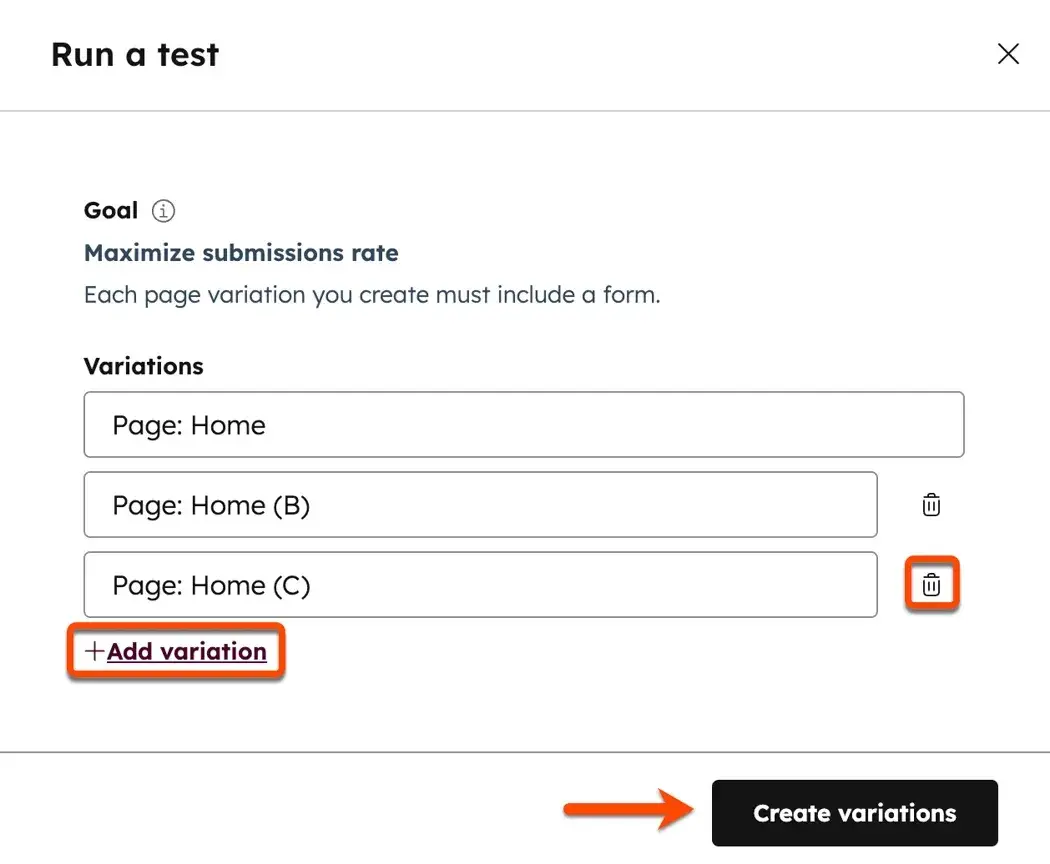
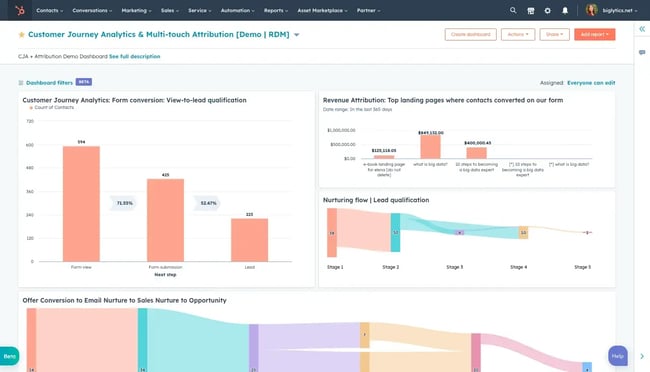
Finally, experiments should be designed to span multiple touchpoints and assets, testing the entirety of the customer experience. This holistic approach ensures that validated learnings are truly representative of growth drivers. For instance, testing a new persona requires not only tailoring ad campaigns but also aligning website messaging, landing pages, and onboarding sequences to resonate with that specific audience. HubSpot’s integrated platform, combining segmentation, AI-powered A/B testing, and personalization, is well-suited to enable this comprehensive experimentation. Defining success metrics tied directly to business outcomes—such as pipeline generated, customer lifetime value, or churn reduction—rather than superficial engagement metrics like click-through rates, is paramount. Tracking downstream impact, ensuring that improvements in one stage of the funnel translate to gains in subsequent stages, is critical for demonstrating real business growth. HubSpot Marketing Hub’s advanced reporting capabilities facilitate this by connecting campaign performance directly to pipeline and revenue outcomes.
The ultimate goal of growth experimentation is to transform validated learnings into repeatable growth plays. A successful test is not an end in itself; its insights must be scaled across the organization. When a winning variable—be it an audience segment, a messaging strategy, an offer, or an activation trigger—is consistently proven effective, it should be integrated into broader marketing strategies. This might involve updating website copy, refining paid media targeting, or adjusting lifecycle email sequences to reflect the successful experiment. This transforms a single successful test into a sustainable growth lever for the organization.
Cultivating a culture of experimentation requires more than simply encouraging teams to test ideas. It demands shared business objectives, streamlined processes, and rapid feedback loops that embed experimentation into daily operations. Structured workshops can foster a shared understanding and ownership of experimental initiatives. Olga Andrienko, Chief Marketing Officer at Foxtery, advocates for idea workshops where teams brainstorm, refine concepts, and assign ownership, ensuring ideas are pressure-tested and move forward.
Protecting experimentation from the stifling effects of traditional project management is equally vital. Excessive documentation, lengthy review cycles, and multiple approval layers can erode the speed and agility that are the hallmarks of successful experimentation. Ryan Carruthers, a growth marketer at Supademo, emphasizes the importance of lightweight documentation systems that facilitate rapid testing and feedback. A simple database capturing the experiment’s objective, success criteria, required resources, and assessment timeline allows for swift stakeholder decisions, preserving the experimental momentum.
Furthermore, ensuring that everyone understands the "why" behind experimentation is crucial for cross-functional buy-in. Anna Dolynska, Head of Growth at Lemon.io, highlights that abstract mandates to "test more" are less effective than addressing concrete business problems. When experiments are directly linked to company-wide goals, teams are more motivated to participate and adopt an experimental mindset. The example of Lemon.io targeting specific developer roles through content optimization illustrates how a clear business need can drive cross-functional alignment and impactful experimentation.
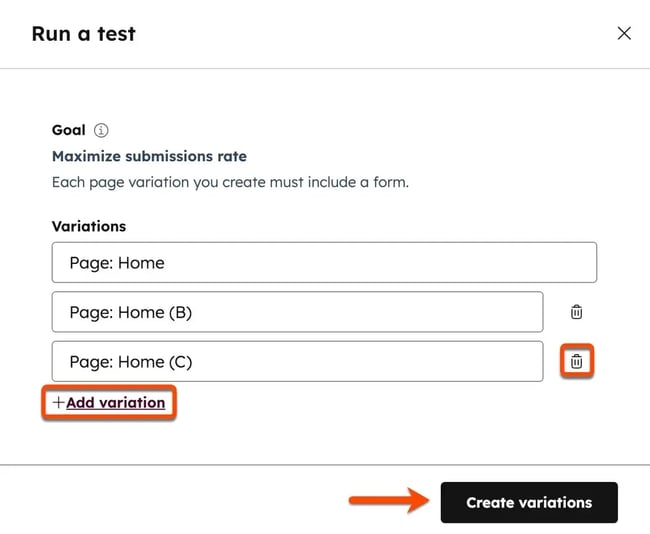
Building faster feedback loops into the team’s operating model is essential for scaling experimentation. This involves shifting from linear campaign execution to a more agile approach characterized by smaller, rapid experiments designed to validate new ideas quickly. Kaitlin Milliken, Senior Program Manager at HubSpot, points to the company’s "Loop Marketing" approach, which integrates experimentation and iteration based on early user feedback, enabling faster adaptation to market changes, including the rise of AI.
Despite the benefits, growth experimentation is not without its pitfalls. A common mistake is to scale "artifacts" rather than "insights." A successful experiment may validate a hypothesis, but if its learnings are not actively applied to broader strategies, the initiative can still falter. Dolynska notes that sustaining and scaling successful experimental results can be more challenging than achieving them. This necessitates a clear plan for scaling findings and assigning ownership for subsequent actions.
Logging experiments is critical to prevent redundant testing of the same hypotheses. In environments where multiple teams are running experiments concurrently, a centralized log of past tests, including both successes and failures, is invaluable. Dolynska’s team employs a post-mortem process that documents the experiment’s objective, hypothesis, results, and key learnings, preventing teams from re-treading old ground and wasting valuable resources.

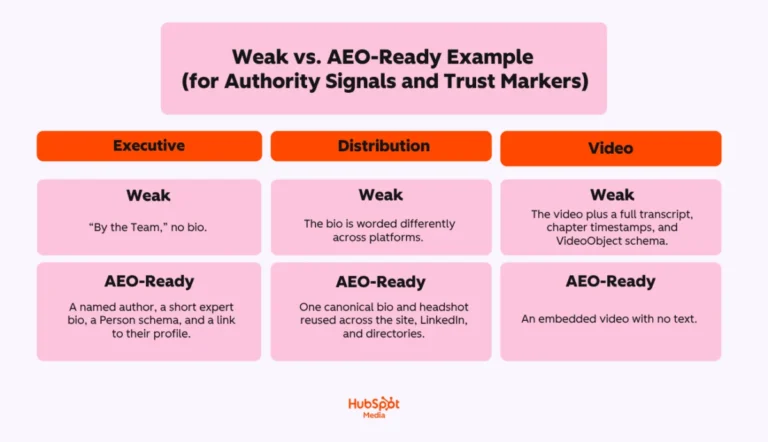
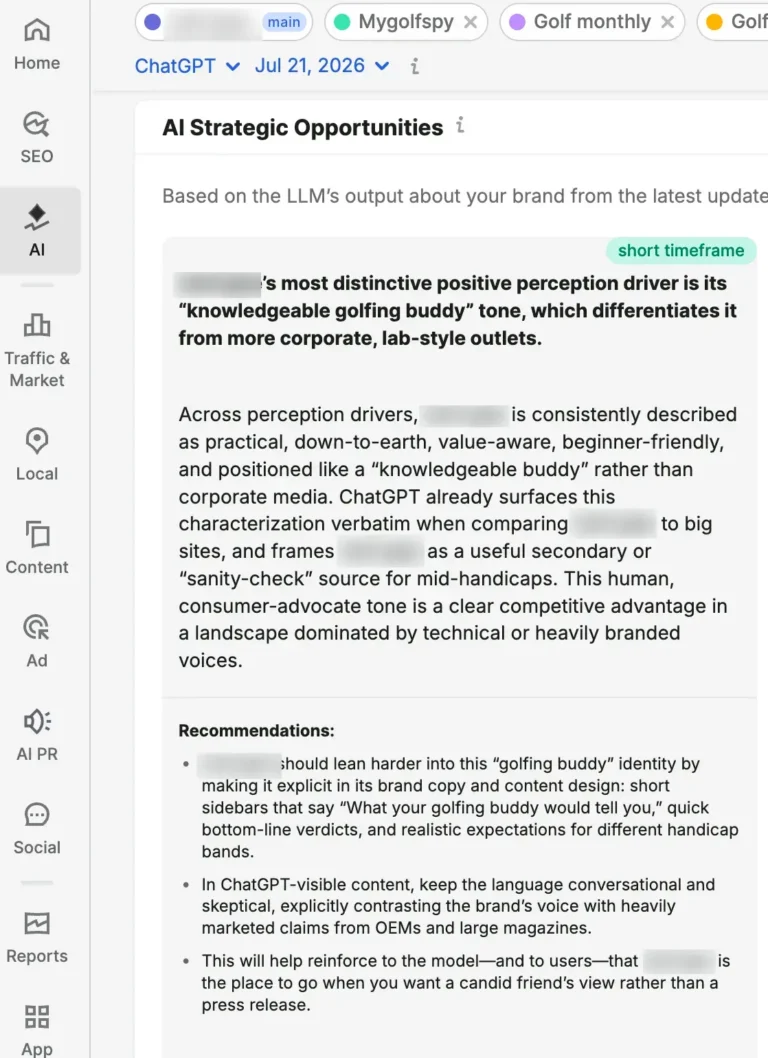
Addressing measurement gaps is another key challenge. Before embarking on an experiment, clearly defining what will be measured and how that data will be collected is essential. For emerging disciplines like AI Optimization (AEO), this can be particularly complex. Milliken shares that HubSpot’s initial pivot to AEO faced measurement challenges until specific tools for tracking AI share of voice were developed. The subsequent implementation of HubSpot AEO enabled a significant increase in qualified leads, demonstrating the power of accurate measurement in validating experimental hypotheses. HubSpot AEO provides comprehensive tracking of brand visibility in LLMs, sentiment analysis, prompt performance, competitor presence, and content citation, alongside actionable recommendations for improving AI share of voice.
Finally, starting with the smallest viable version of an experiment is crucial to avoid project creep and premature abandonment. Overly ambitious initial designs can transform a quick validation into a complex, multi-quarter initiative that never ships. Carruthers’ example of a proposed ungated product experience highlights how a seemingly simple idea can become mired in cross-functional dependencies if not scoped down to its most essential, testable form.
In conclusion, growth experimentation is a dynamic and essential discipline for modern businesses. By embracing a structured, hypothesis-driven approach, fostering cross-team collaboration, prioritizing ruthlessly, and focusing on scalable insights, organizations can navigate the complexities of today’s fragmented customer journey. Tools like HubSpot Marketing Hub provide an integrated platform to operationalize these strategies, enabling teams to validate hypotheses quickly, run precise tests, and translate experimental results into sustainable, repeatable growth. The ability to quickly validate hypotheses, connect insights across the customer journey, and scale what works is the bedrock of growth experimentation, and with the right tools and mindset, businesses can unlock significant and lasting expansion.
About the Author