The burgeoning landscape of artificial intelligence is fundamentally reshaping how consumers discover and interact with information online. As AI-powered answer engines like ChatGPT, Claude, and Gemini become increasingly integrated into daily research habits, a new frontier for digital marketing has emerged: Answer Engine Optimization (AEO). This strategic shift necessitates a keen understanding of specialized tools designed to navigate this evolving search paradigm. Two prominent contenders in this space are HubSpot’s AEO offering and Semrush’s AI Visibility Toolkit. This in-depth analysis, grounded in practical testing and expert insight, provides a comparative review to help marketers determine the optimal solution for their unique needs.
The urgency to adapt to AEO is underscored by significant shifts in consumer behavior. A Pew Research Center report indicates a rapid adoption of AI chatbots, with nearly half of U.S. adults expected to utilize them by 2026, a substantial increase from one-third in 2024. Furthermore, the study reveals that a majority of American adults (60%) engage with AI-generated summaries at the top of search results, highlighting a critical opportunity for brands to capture attention in these new digital spaces. Marketers who proactively embrace AEO are poised to gain a distinct competitive advantage.
To facilitate this comparison, a controlled experiment was conducted using a niche golf-related website within a private portfolio that had not yet undergone specific AI search optimization. This real-world application allows for a detailed examination of how both HubSpot AEO and Semrush’s AI Visibility features, integrated within Semrush One, perform in tracking prompts, citations, and brand mentions. The ensuing analysis will delve into the strengths and weaknesses of each platform, ultimately guiding potential users toward an informed decision.
Demystifying AEO, GEO, and AI Visibility
Before embarking on a comparative analysis, it is crucial to establish a shared understanding of the terminology. Answer Engine Optimization (AEO) is defined as the practice of crafting and refining online content to increase its likelihood of being featured and cited by AI answer engines. While terms like Generative Engine Optimization (GEO) and AI SEO are also in circulation, the industry standard, particularly within the context of HubSpot’s offerings, is AEO.
The significance of AEO lies in its direct correlation with consumer research habits. As AI chatbots evolve into primary information sources, alongside traditional search engines like Google, optimizing for these platforms becomes paramount. AI visibility, in turn, serves as an umbrella metric encompassing various indicators such as share of voice, sentiment analysis, citations, and mentions. These metrics are instrumental in gauging the effectiveness of AEO strategies and tracking progress.

Prompts are the conversational queries users input into AI answer engines, analogous to keywords in traditional Search Engine Optimization (SEO). Marketers leverage AEO tools to identify and monitor the prompts relevant to their brands. Citations refer to the sources an AI consults to generate its responses, which may or may not include direct links. Coverage denotes the range of Large Language Models (LLMs) that an AEO tool actively tracks, with HubSpot AEO, for instance, monitoring ChatGPT, Gemini, and Perplexity.
HubSpot AEO vs. Semrush AI Visibility: Core Functionality and Product Tiers
Understanding the product naming conventions and tiered offerings is essential for selecting the appropriate solution. HubSpot’s AEO can be purchased as a standalone product, independent of other HubSpot subscriptions. Additionally, AEO is integrated as a CRM-connected feature within HubSpot’s Marketing Hub Professional and Enterprise tiers.
Semrush’s AI Visibility Toolkit is also available as a standalone purchase or as an add-on to an existing Semrush subscription. The bundled product, known as Semrush One, integrates SEO and AEO capabilities. This article primarily focuses on the standalone versions: HubSpot AEO and the Semrush AI Visibility Toolkit, while also providing context on their integrated counterparts.
Tracking Prompts, Citations, and Brand Mentions: A Comparative Look
HubSpot AEO’s Approach to Tracking
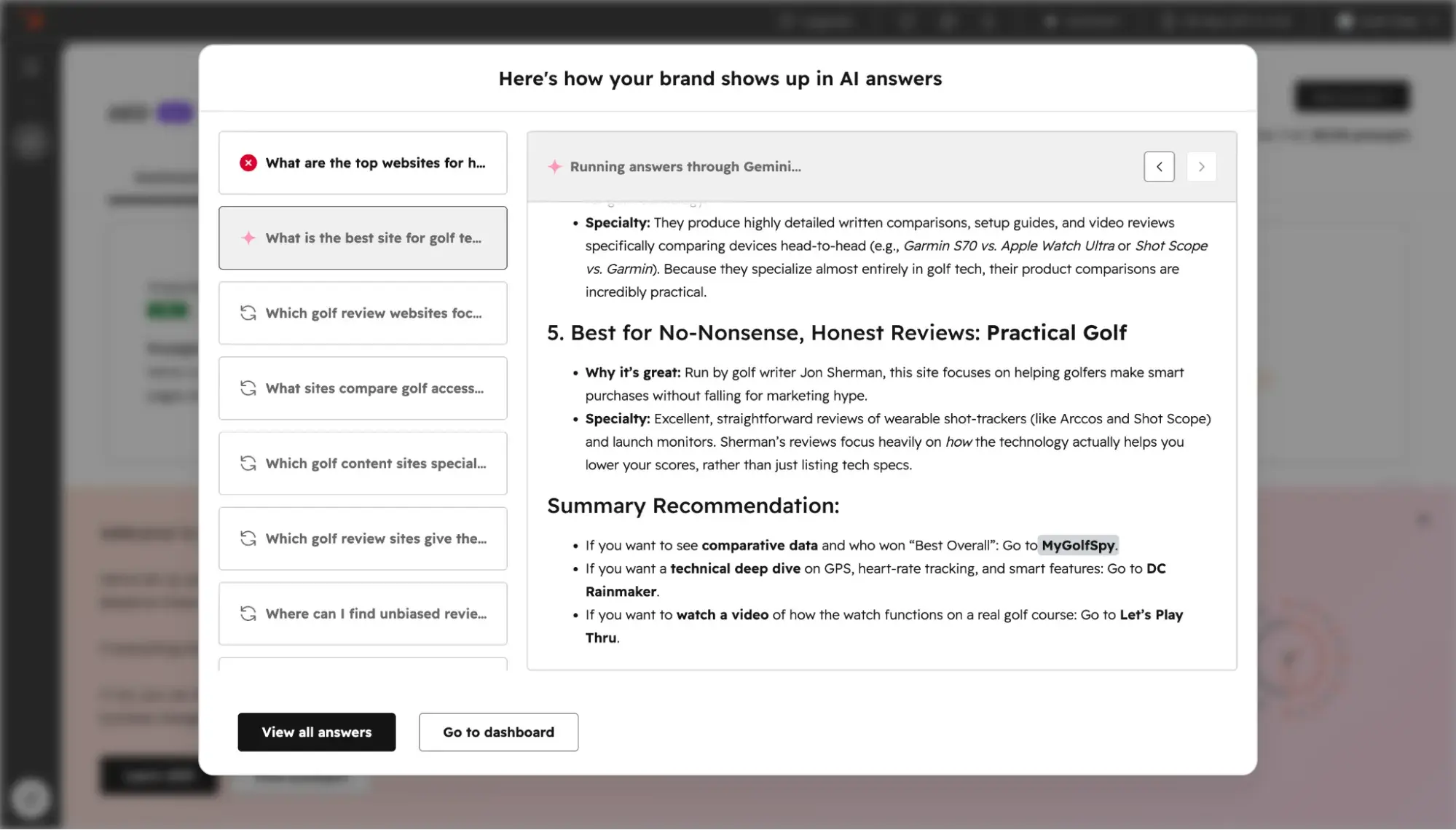
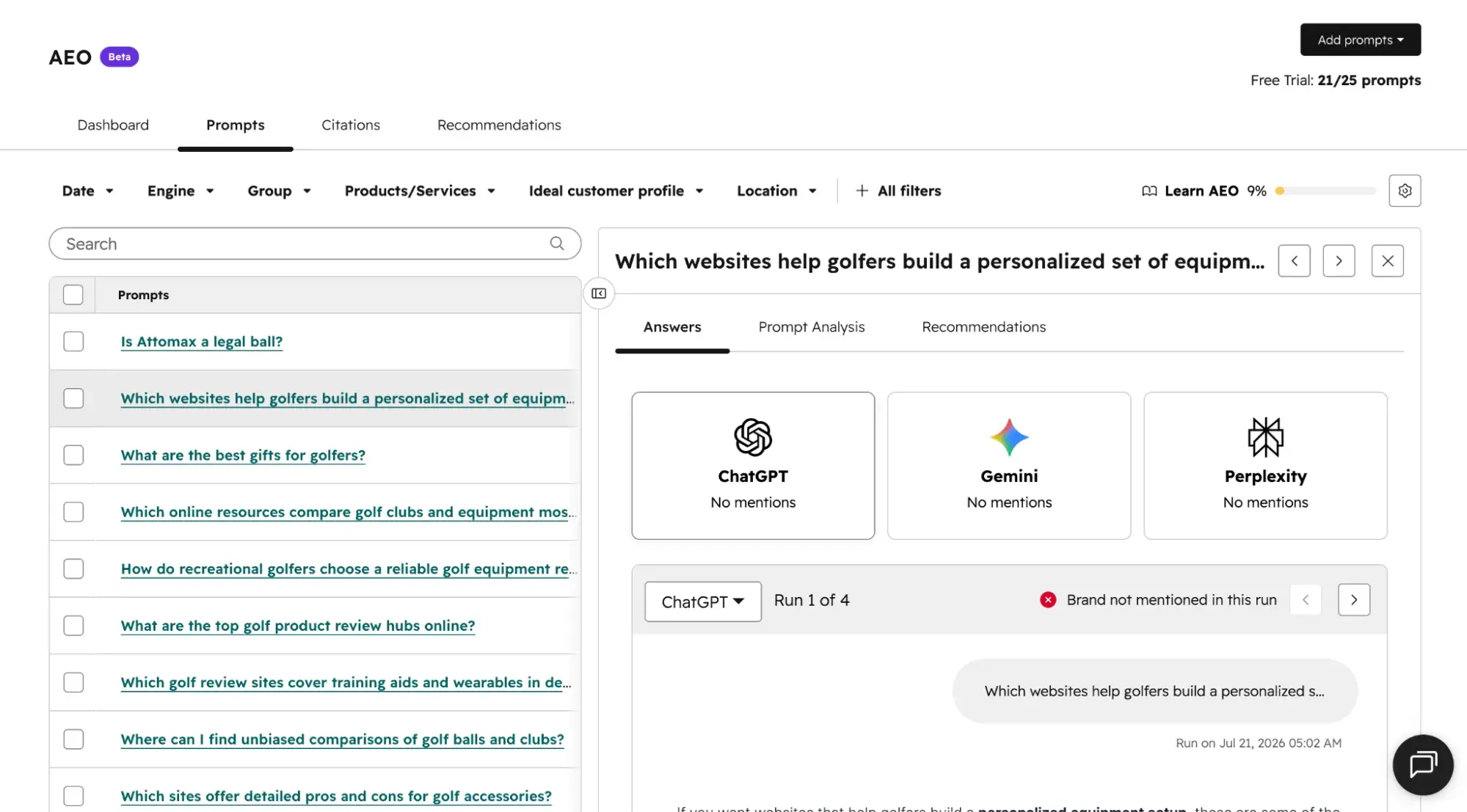
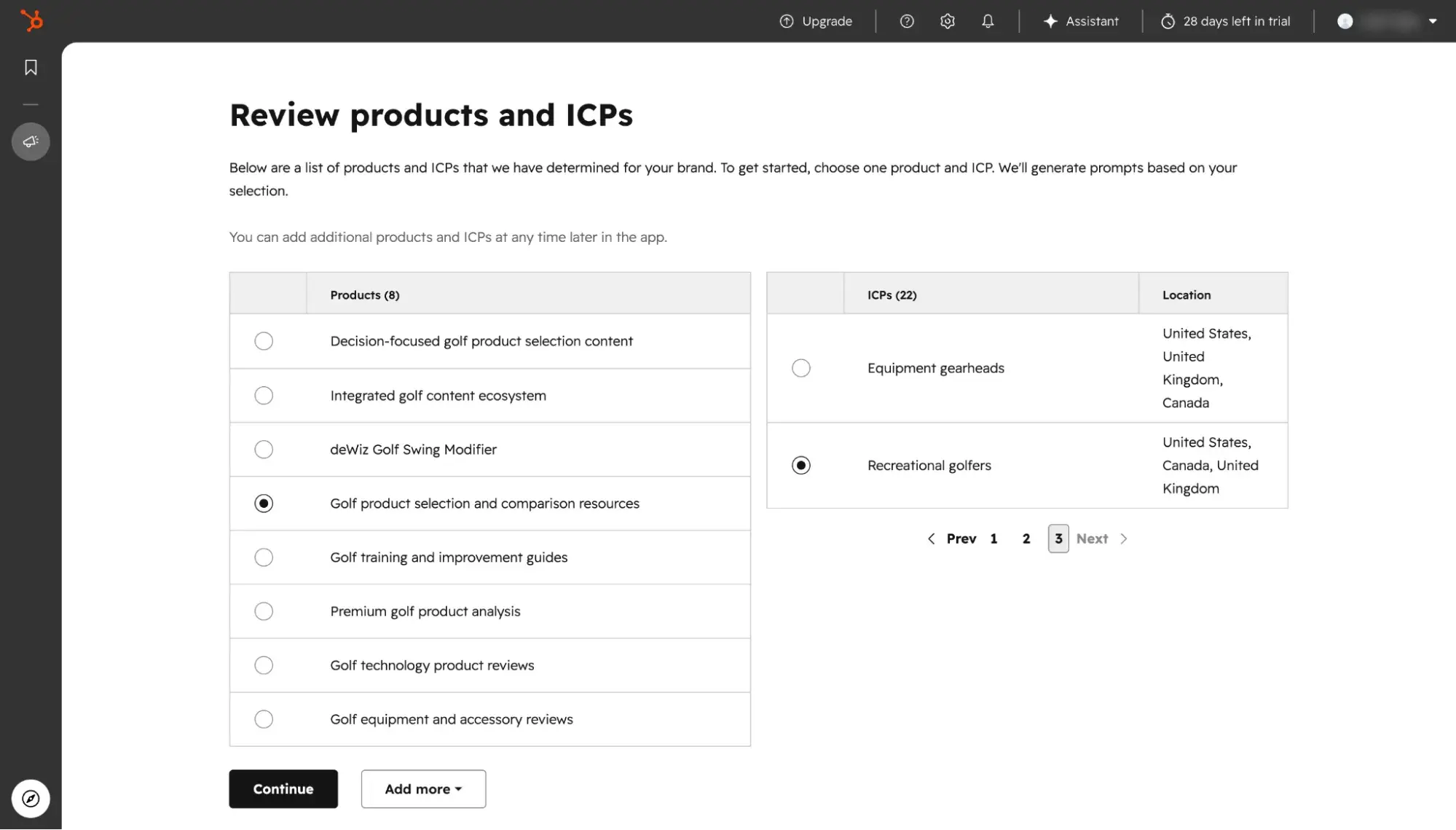
HubSpot AEO employs a direct integration with the official APIs of ChatGPT, Gemini, and Perplexity. This allows for daily execution of tracked prompts, providing real-time AI responses. Users can manually input prompts or receive AI-generated suggestions based on their provided company information during the onboarding process. For users of AEO within Marketing Hub Professional and Enterprise, the integration with CRM data enhances prompt suggestions, making them more contextually relevant and intelligent over time as the CRM learns more about the business.
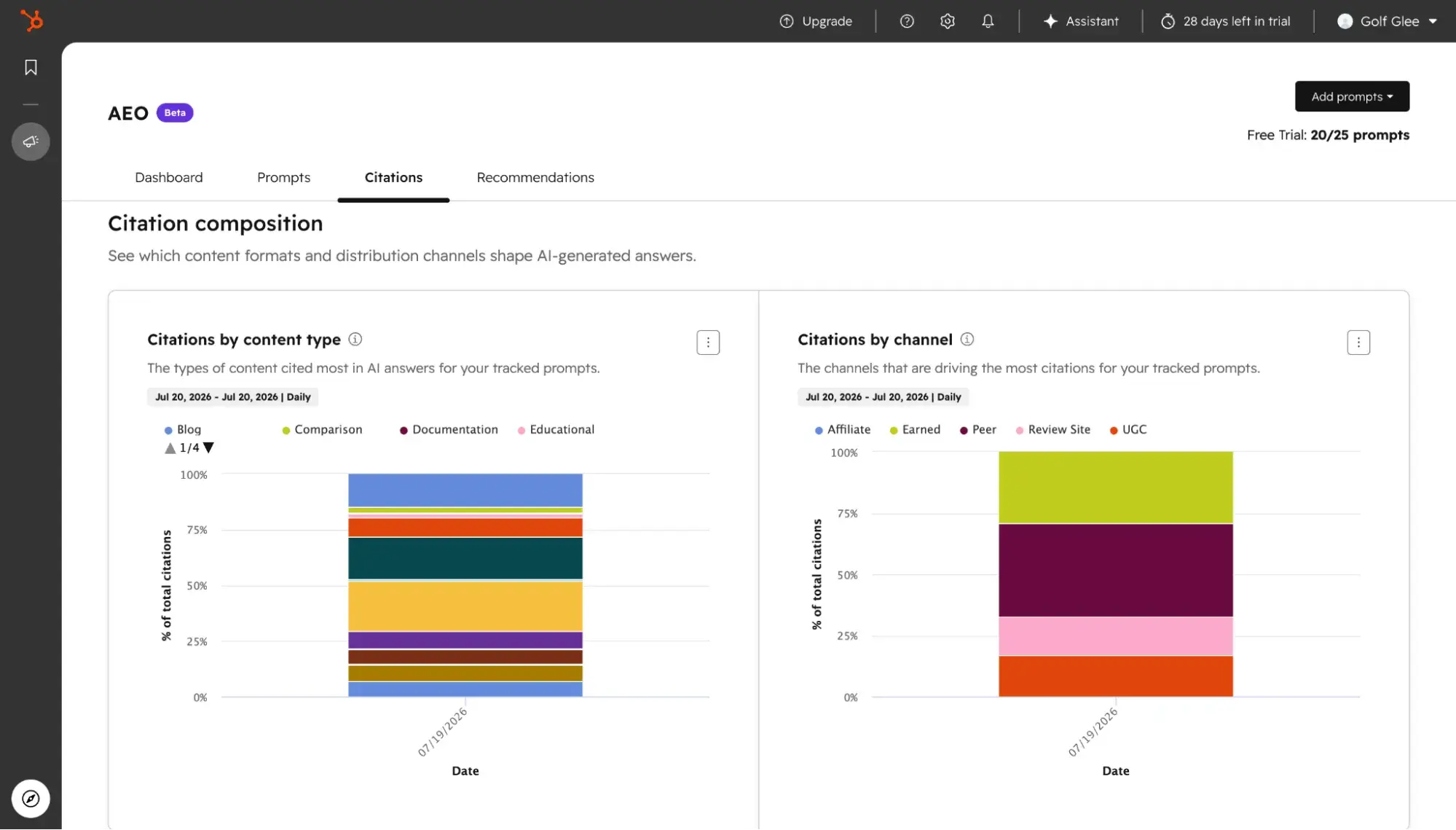
The platform’s dashboard offers a detailed citation analysis, presenting metrics such as owned citation rates versus competitors, and the distribution of citations by content type and channel. Brand mention tracking is facilitated through the Dashboard tab, where a brand visibility score indicates the frequency of mentions for tracked prompts, with an accompanying trend line for progress monitoring. Further granular data is available within the Prompt tabs, allowing users to assess brand mentions within specific AI answers and across different answer engines.
Semrush AI Visibility Toolkit’s Methodology
Semrush adopts a different approach to prompt tracking. Instead of live API calls for every instance, it utilizes a proprietary database containing over 289 million prompts, updated daily. Users can manually add prompts or rely on Semrush’s synthetic prompts, generated based on the submitted domain and location. When prompts are manually added, Semrush executes them live to ascertain the fetched answers.
A key distinction is Semrush AI Visibility Toolkit’s lack of a CRM, preventing it from offering the personalized, context-aware prompt suggestions that HubSpot provides through its CRM integration.
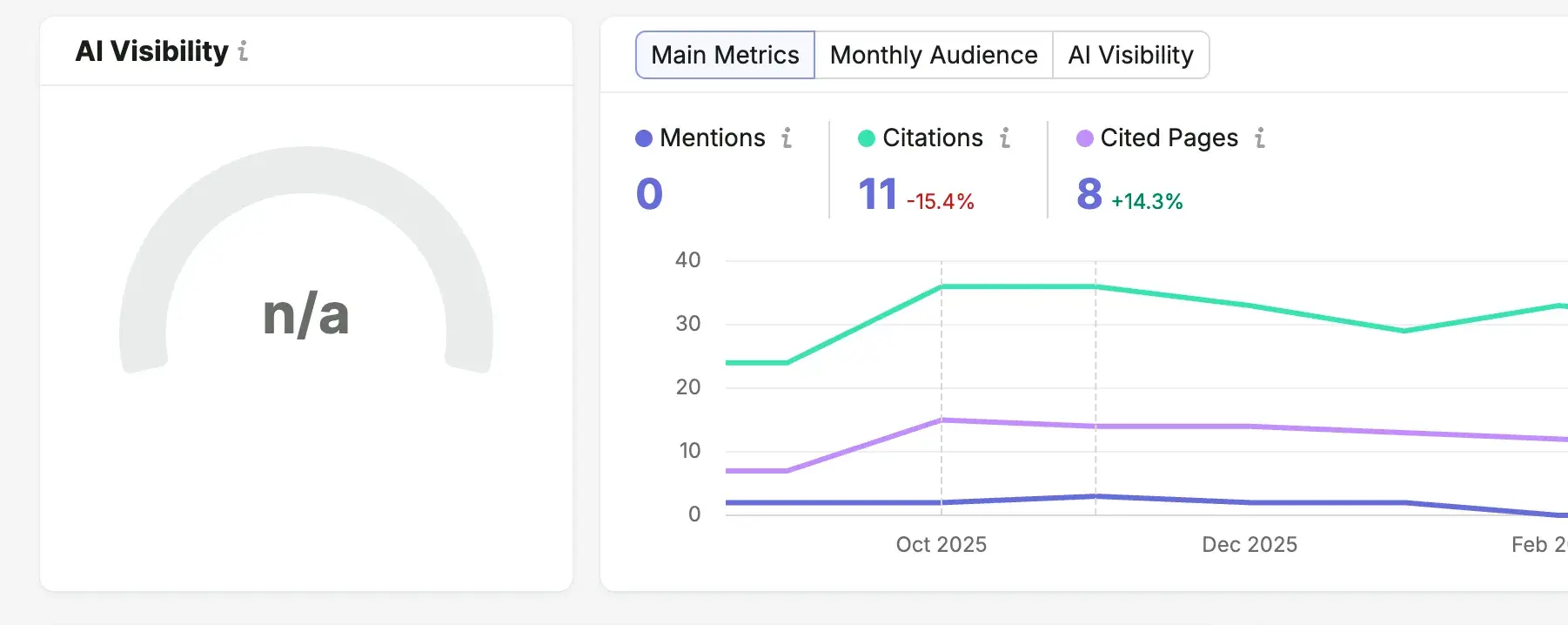
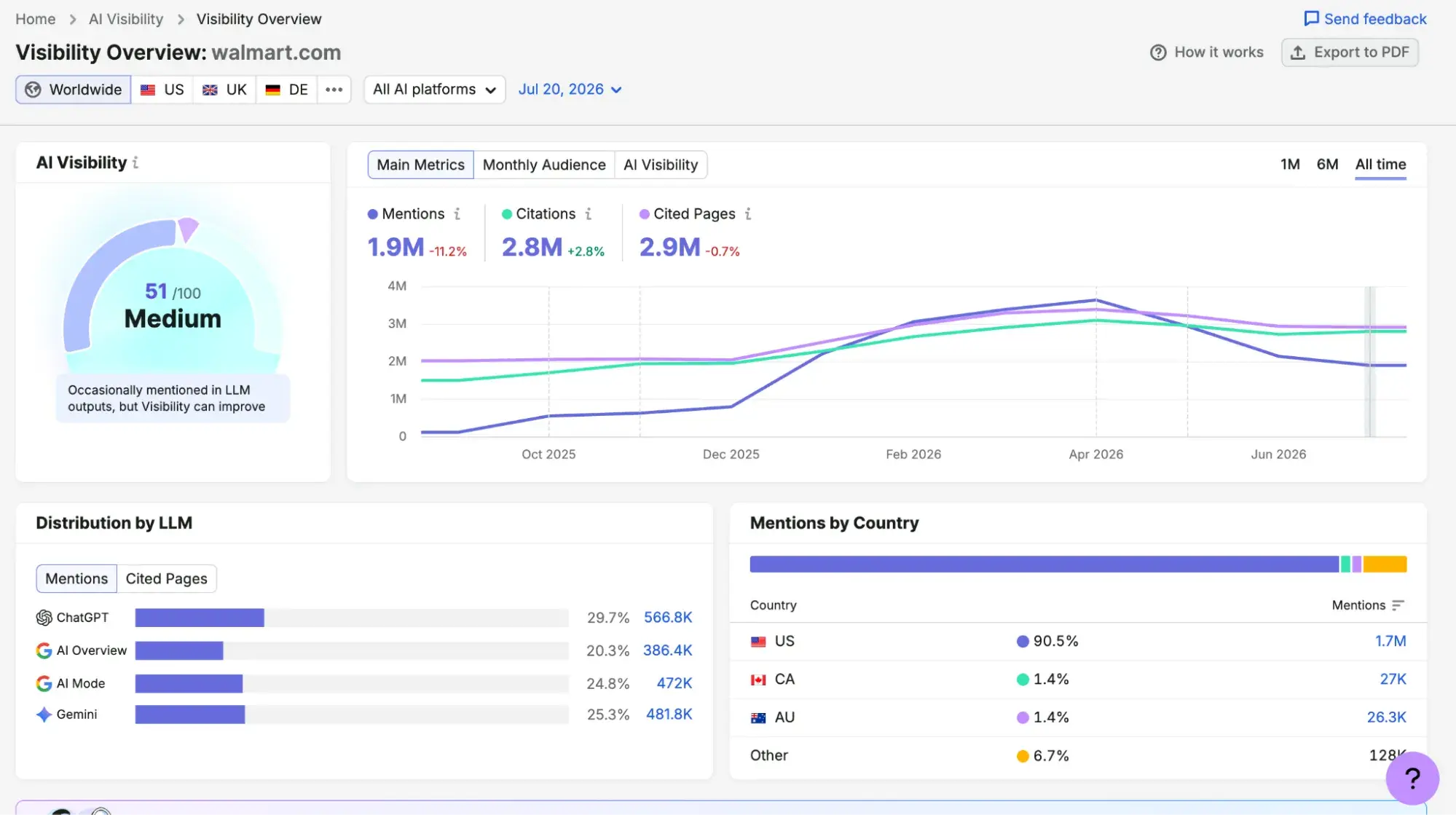
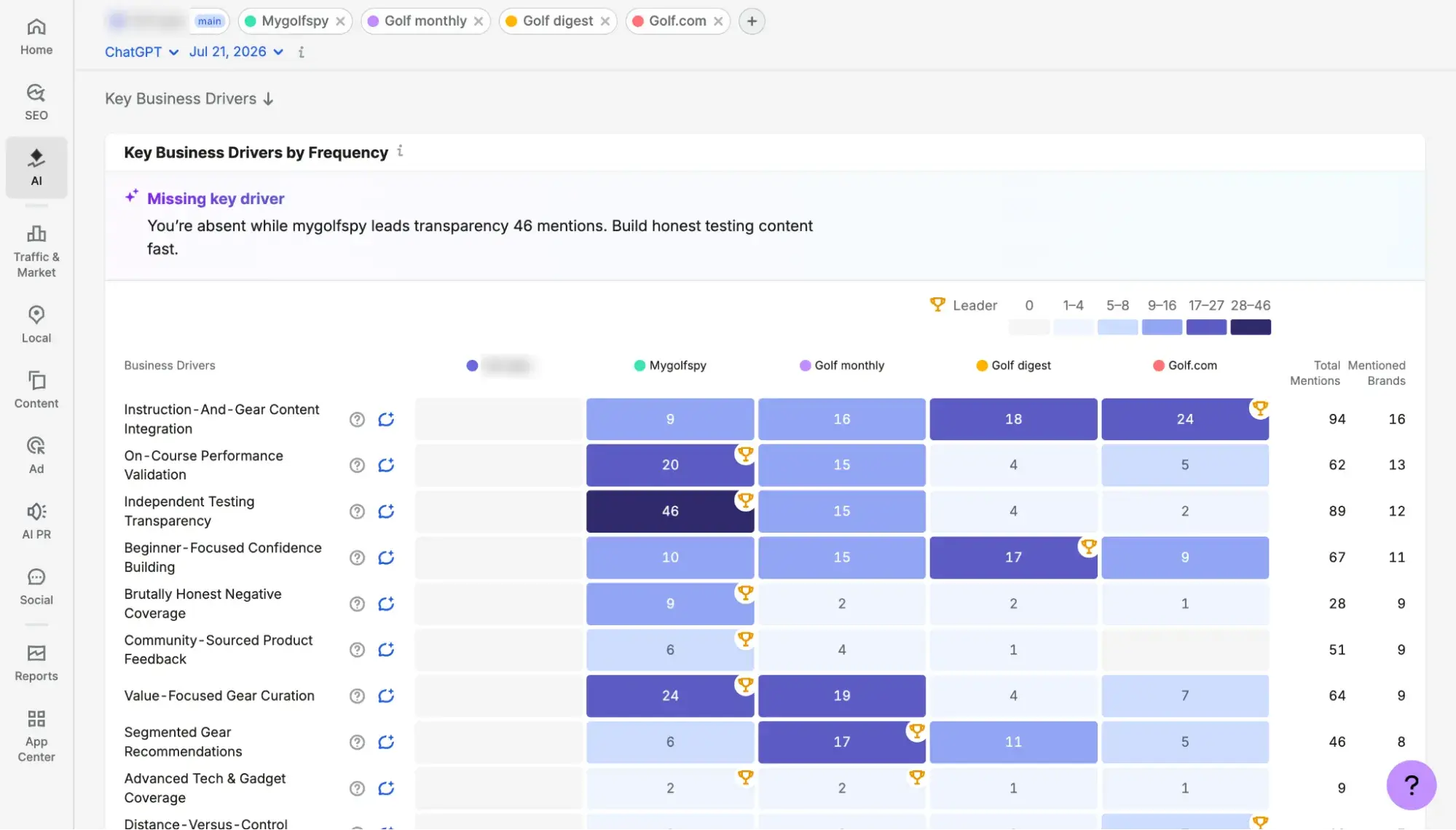
Locating citation data within Semrush’s AI Visibility dashboard can be less intuitive. While not housed in a dedicated "Citations" tab, information is available under AI Visibility > Visibility Overview > Citations, detailing the number of AI answers that cite a domain. The "Cited Pages" section lists specific URLs on a website that have been cited by AI. Furthermore, the "Competitor Research > Sources > Missing" section helps identify third-party websites that drive competitors’ AI visibility, presenting opportunities for outreach and content inclusion.
Brand mentions are visible within the AI Visibility > Visibility Overview section, displaying an AI visibility score alongside mention trend data. This section further breaks down brand mentions by LLM distribution, country, topic, and prompt.
Actionability: Translating Insights into Content and Technical Improvements
Winner: HubSpot for Content Creation, Semrush for Technical Optimization
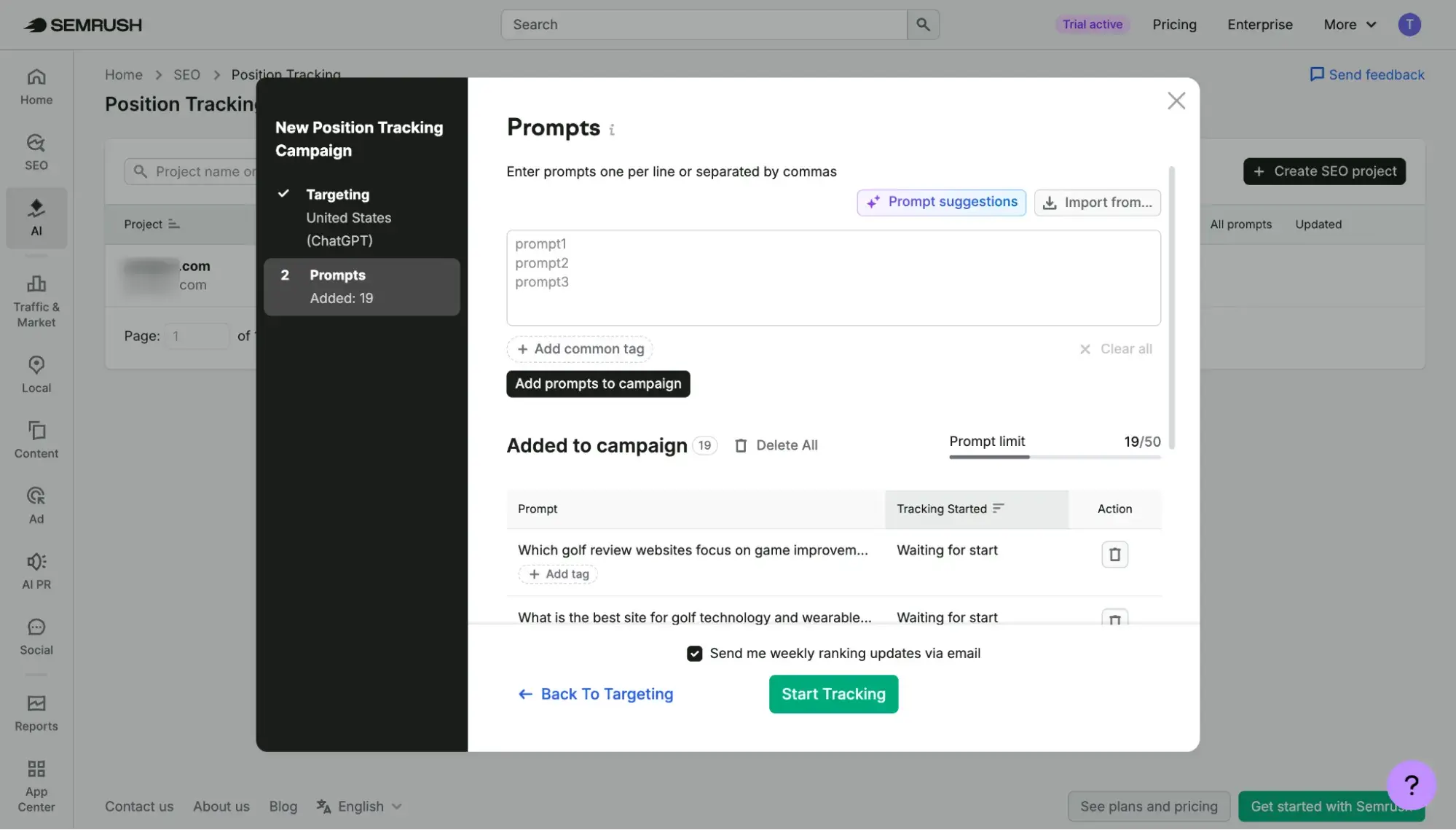
Both tools offer recommendations tailored to a brand’s presence in AI-generated responses. However, they differ in the depth and nature of these suggestions. HubSpot AEO provides prescriptive guidance, suggesting specific blog posts to create, complete with suggested titles, target audiences, summaries, and primary and secondary keywords. This granular approach directly aids content creators.
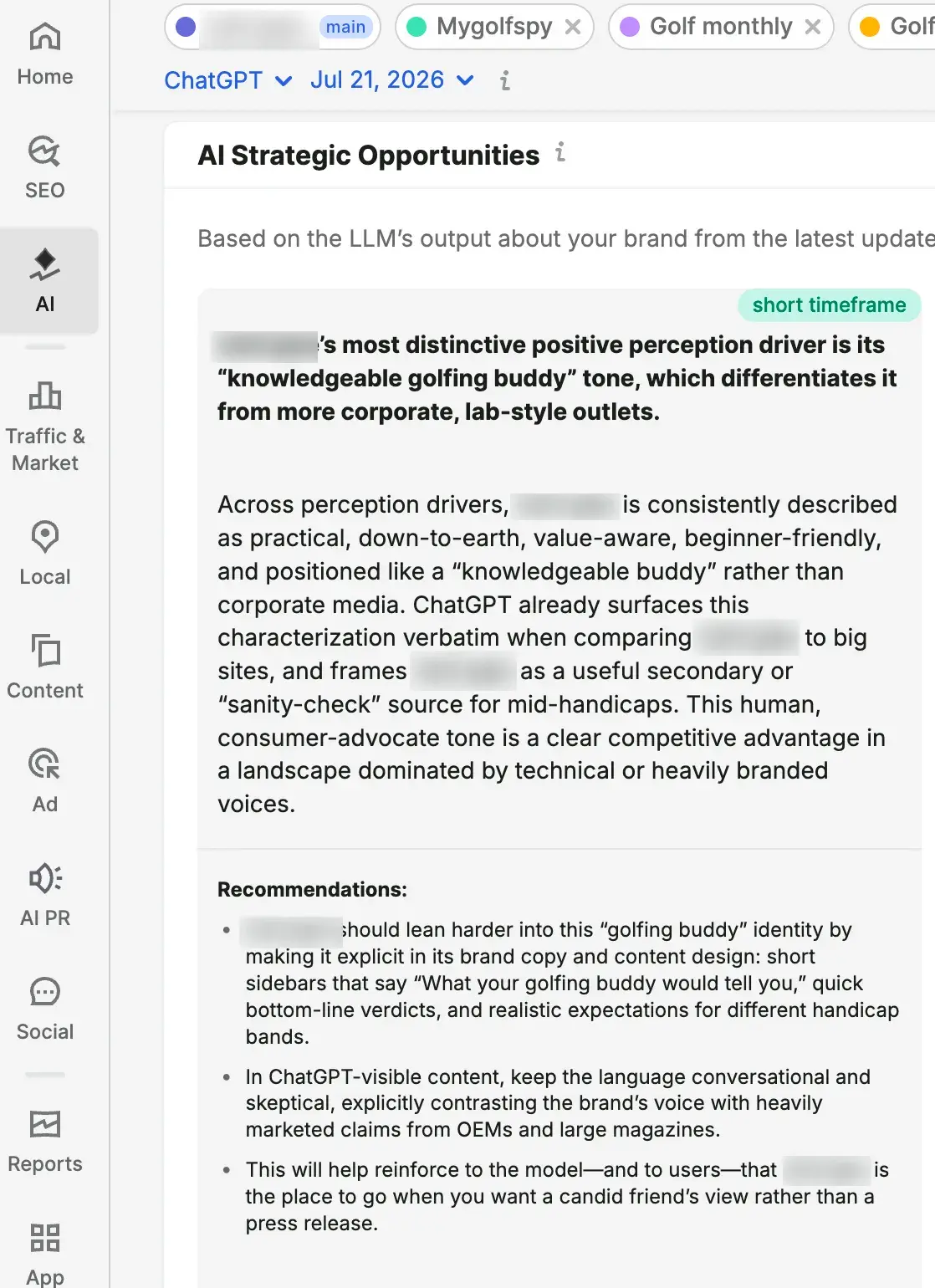
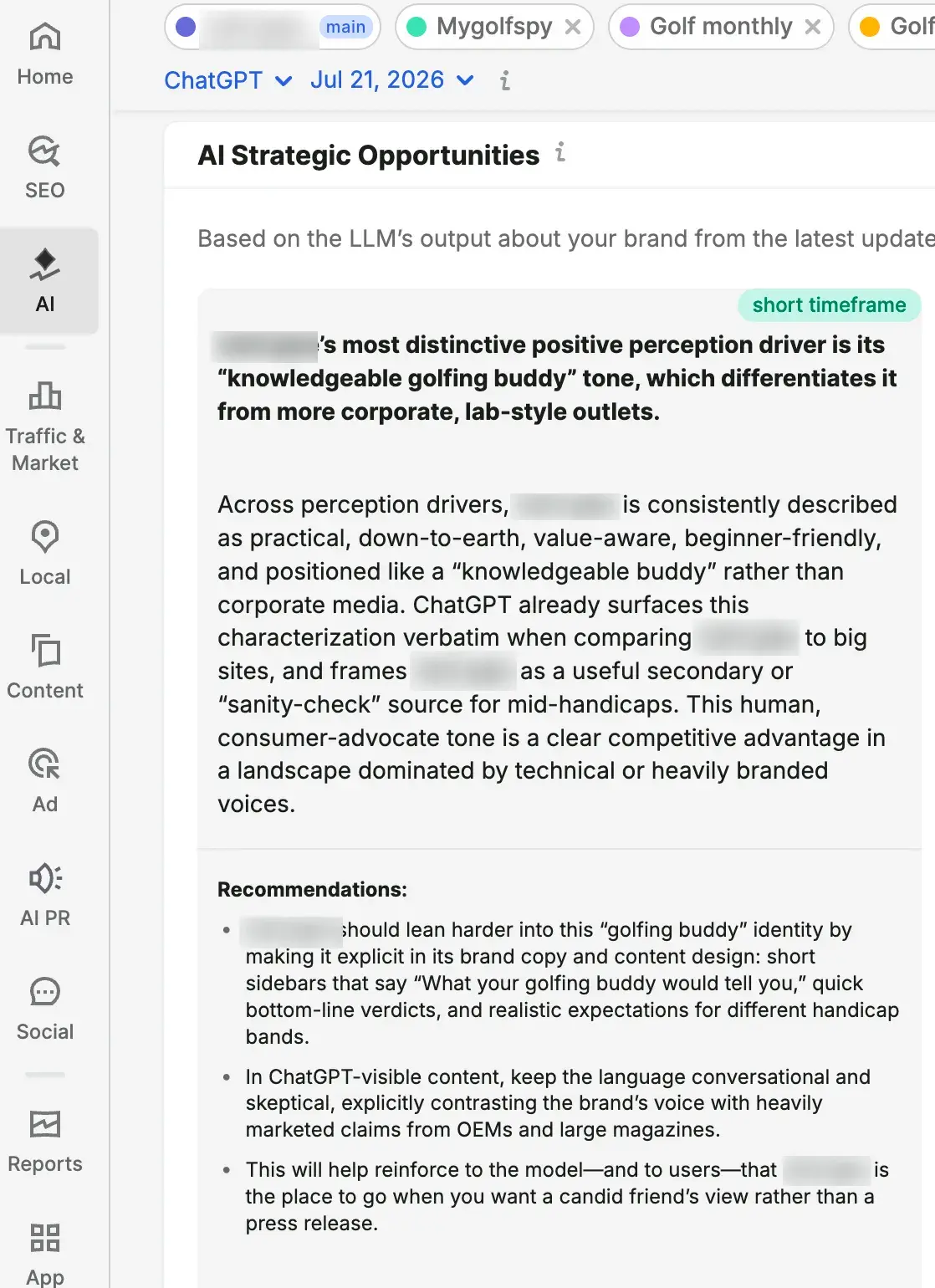
Semrush, conversely, offers more high-level strategic direction, such as recommendations for adjusting brand voice or incorporating specific design elements. The AI Visibility Toolkit, in its standalone form, does not offer detailed guidance on blog post creation; this functionality may be reserved for add-on content toolkits.
The lack of a CMS or CRM within Semrush’s standalone AI Visibility Toolkit means a less integrated workflow from insight to implementation. Content creation necessitates separate tools, unlike HubSpot’s potential for a unified process when paired with its CRM and CMS. For seamless content creation informed by AEO insights, users often need HubSpot’s Marketing Hub Professional/Enterprise or HubSpot for Marketers, which bundle AEO with CRM and CMS capabilities.
On the technical optimization front, both platforms alert users to AI-specific technical issues, such as robots.txt directives hindering AI crawlers. However, Semrush’s established Site Audit tool, which includes an AI Search Health score, provides a more comprehensive approach to overall technical SEO.
Accelerating Content Updates from Visibility Gaps
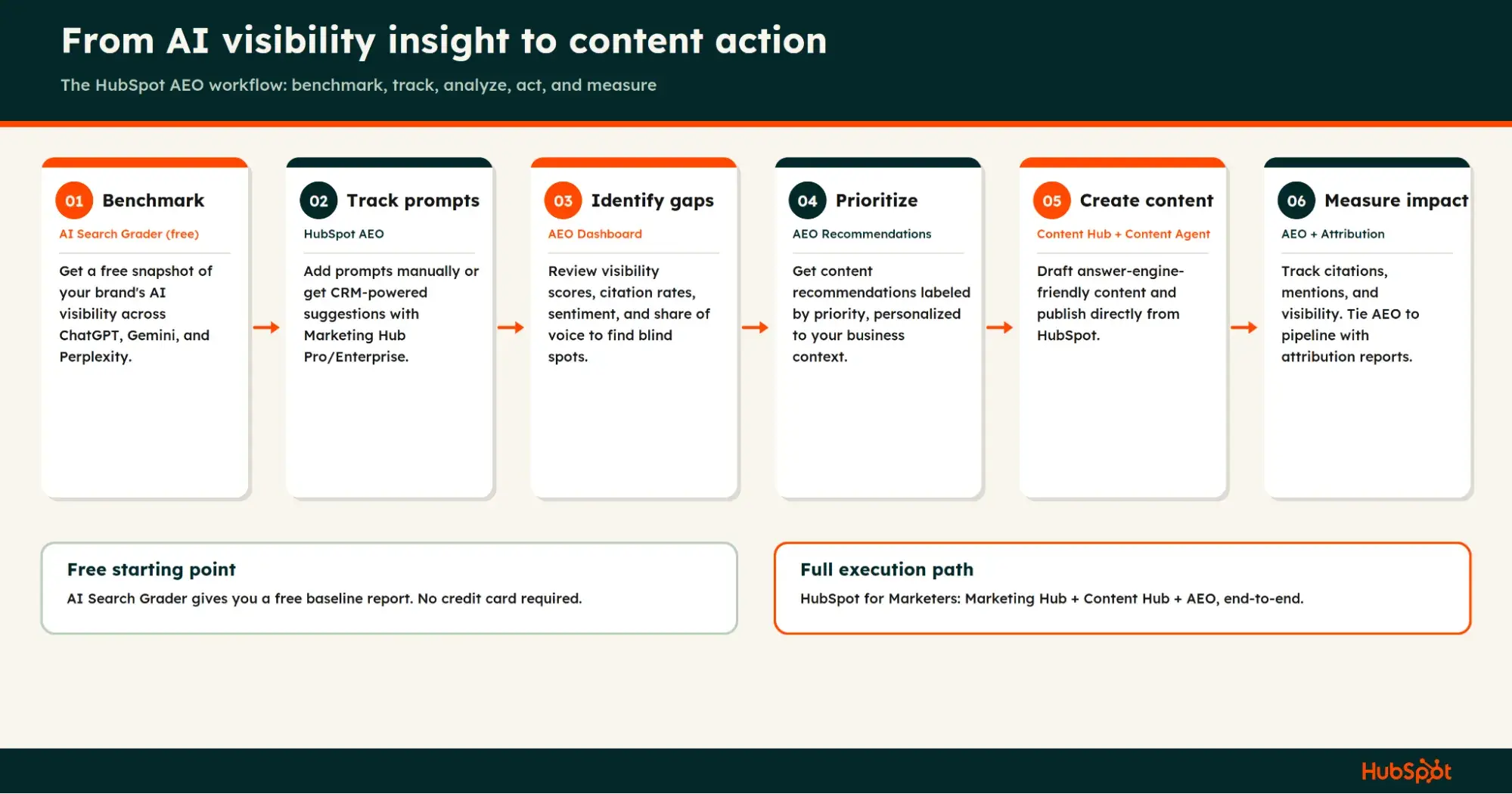
The most efficient method for transforming visibility gaps into content updates is through integrated platforms like HubSpot for Marketers. This comprehensive solution combines Marketing Hub, Content Hub, and AEO, enabling rapid creation of answer engine-friendly content informed by CRM data. Subscribers to HubSpot for Marketers or Marketing Hub Professional/Enterprise can utilize Content Agent to generate research-backed blog posts directly from AEO recommendations.
Strategic Use of AI in AEO Tasks
While maintaining human oversight in content creation is advisable, AI can significantly accelerate AEO tasks. The key is to leverage AI tools that possess contextual understanding of the brand. HubSpot’s Marketing Hub Professional and Enterprise, for instance, grant access to AEO features that draw upon CRM data to provide more nuanced prompt suggestions, directly impacting the relevance and quality of AI-generated outputs.
AI can effectively streamline several AEO processes:
- Content Ideation: Generating topic clusters and content briefs based on identified prompt gaps.
- Content Summarization: Condensing existing content for AI consumption or to inform AI response generation.
- Prompt Engineering: Assisting in the refinement of prompts to elicit more accurate and relevant AI responses.
Integrations: A Unified Ecosystem for AEO Success
Winner: HubSpot
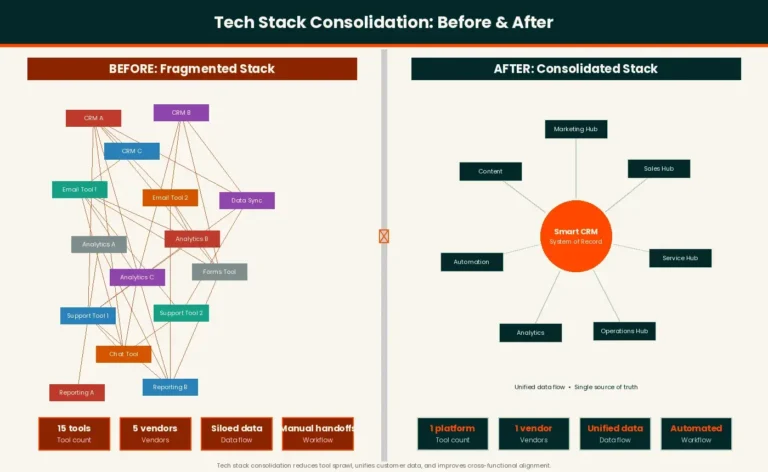
HubSpot’s primary advantage lies in its seamless native integration with its Smart CRM and broader marketing and content management tools. Utilizing AEO within Marketing Hub Professional or Enterprise enables end-to-end ownership of the AEO process, from insight generation to content publication, all within a single platform. This unified approach facilitates closed-loop reporting, offering a holistic view of campaign performance.
The CRM connection within HubSpot enables personalized prompt suggestions grounded in business context. The platform also boasts integrations with Google Analytics and Google Search Console, alongside an extensive library of over 1,000 third-party applications available through the HubSpot Marketplace.
Semrush AI Visibility Toolkit integrates natively with the Semrush SEO platform, which is advantageous for existing Semrush users. It also integrates with Google Analytics and Google Search Console. While Semrush offers deeper traditional SEO functionalities than HubSpot, it lacks the CRM-driven prompt grounding and personalization found in HubSpot’s offering. Semrush’s third-party integrations include platforms such as WordPress, Trello, Google Docs, and Facebook.
Ease of Use: Navigating the AEO Landscape
Winner: HubSpot
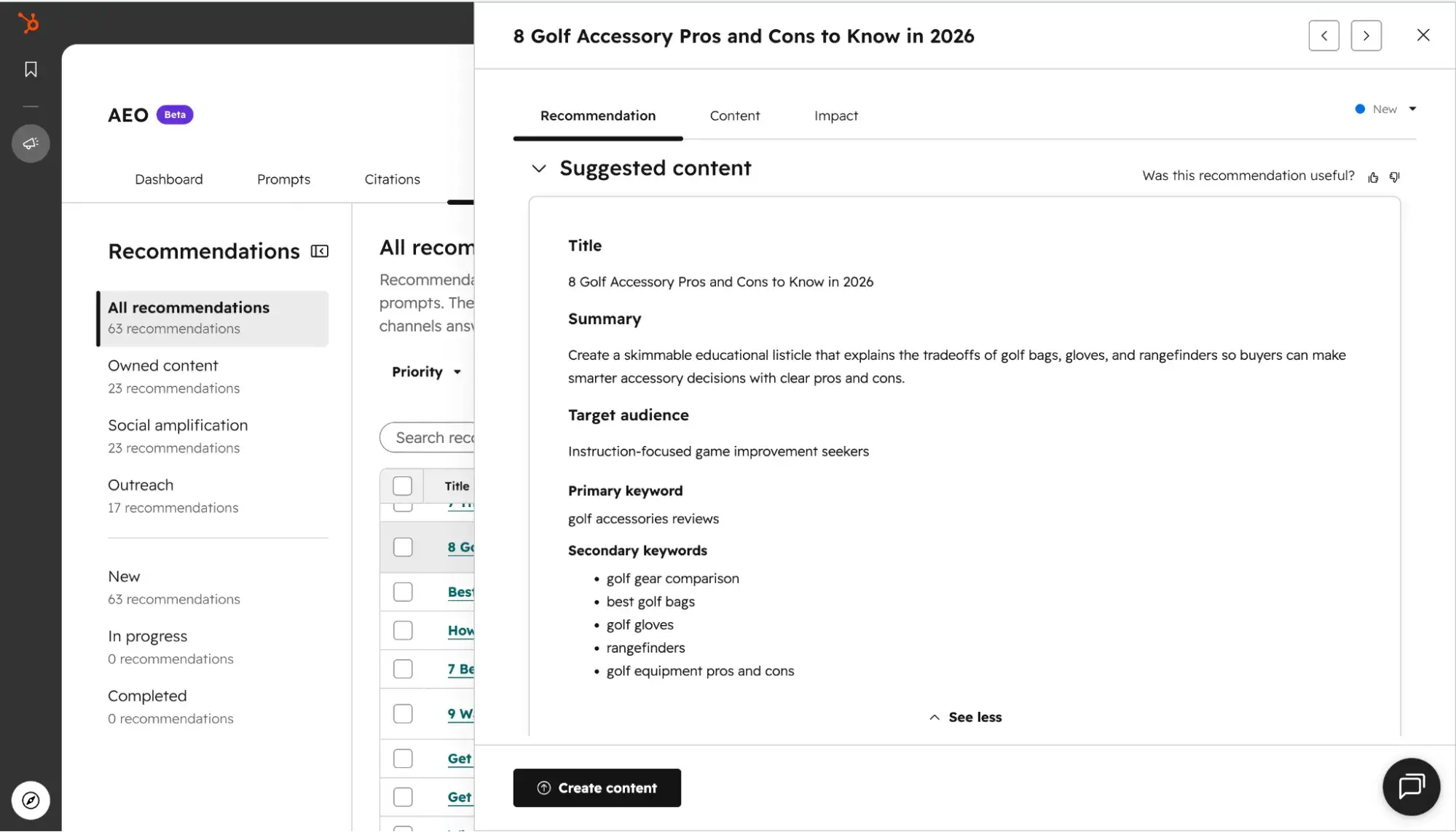
In terms of user experience, HubSpot AEO stands out as the more intuitive option. The onboarding process is notably more guided and personalized, providing clearer direction from the outset. Semrush, upon domain entry, directly presents the user with their dashboard, which, while feature-rich, can feel less immediately accessible.
HubSpot’s user interface is characterized by its simplicity and intuitive navigation, making it easier for users, particularly those less familiar with technical SEO, to engage with the platform. Semrush’s extensive feature set, while powerful, necessitates a steeper learning curve. For organizations prioritizing simplicity and rapid adoption, HubSpot AEO is the preferred choice. Conversely, for those requiring robust and extensive features, Semrush presents a compelling option.
Value for Non-SEO Professionals
Marketers and other non-SEO professionals can derive immediate value from HubSpot AEO, particularly by leveraging its guided onboarding. The platform’s user-friendliness and its ability to tailor prompts based on different Ideal Customer Profiles (ICPs) make it an accessible tool for a broader audience.
Pricing and Getting Started: A Comparative Look at Entry Points
Step 1: Leveraging Free Resources for a Baseline Assessment
Free Plans:
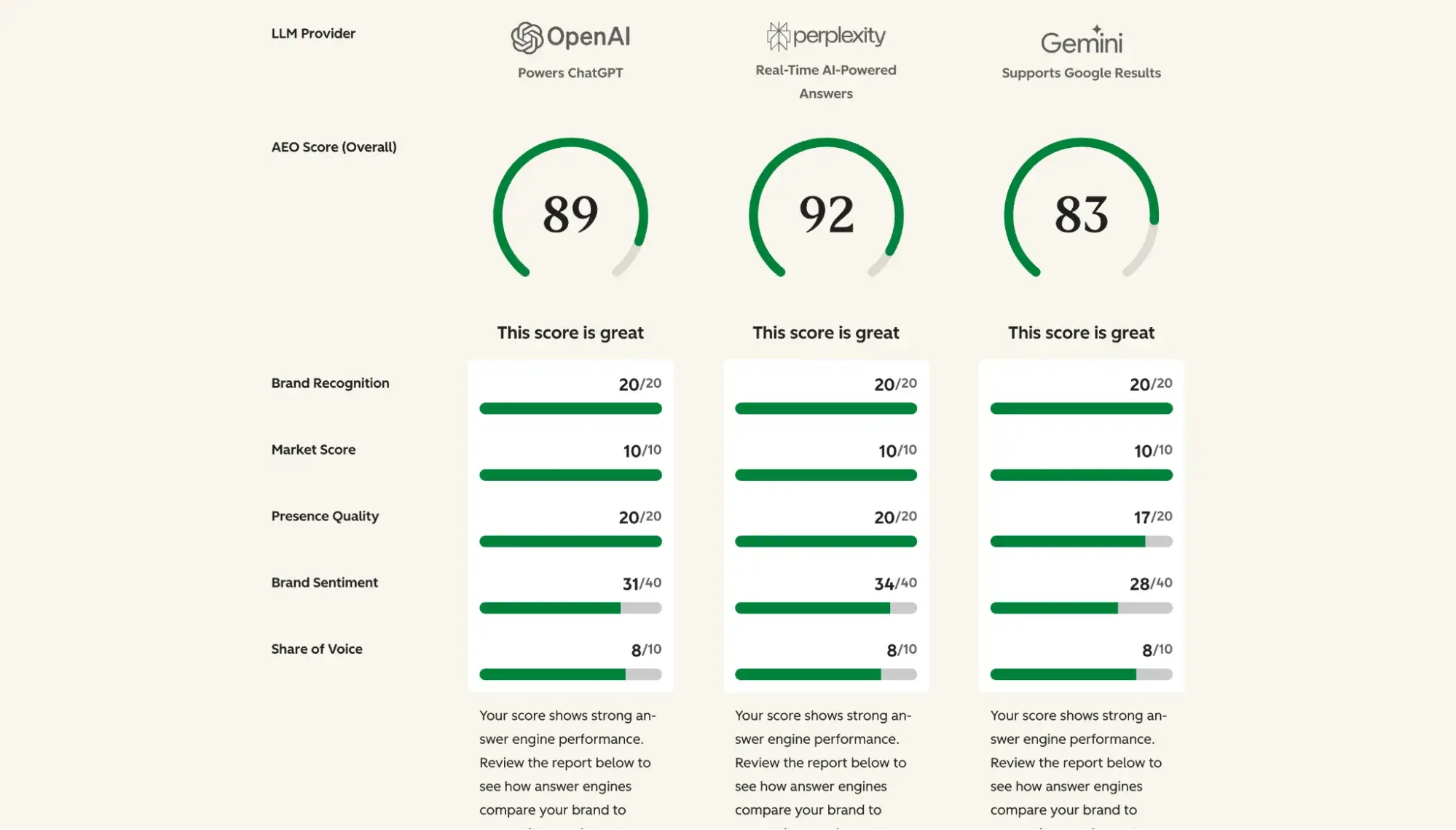
- HubSpot AI Search Grader: While HubSpot AEO does not offer a free plan, the complimentary AI Search Grader provides a valuable snapshot of a brand’s AI visibility across ChatGPT, Gemini, and Perplexity. This one-time report, based on LLM training data, offers a baseline understanding of a brand’s current standing in terms of sentiment, presence quality, brand recognition, share of voice, and market competition. For ongoing tracking and advanced AEO capabilities, an upgrade to a paid plan is necessary.
- Semrush Free Plan: The free tier of Semrush grants access to the Domain Overview tool, offering a summary of domain mentions, citations, and an AI visibility score. It also includes the Site Audit feature, which can analyze up to 100 pages for technical issues impacting AI visibility.
Free Trials:
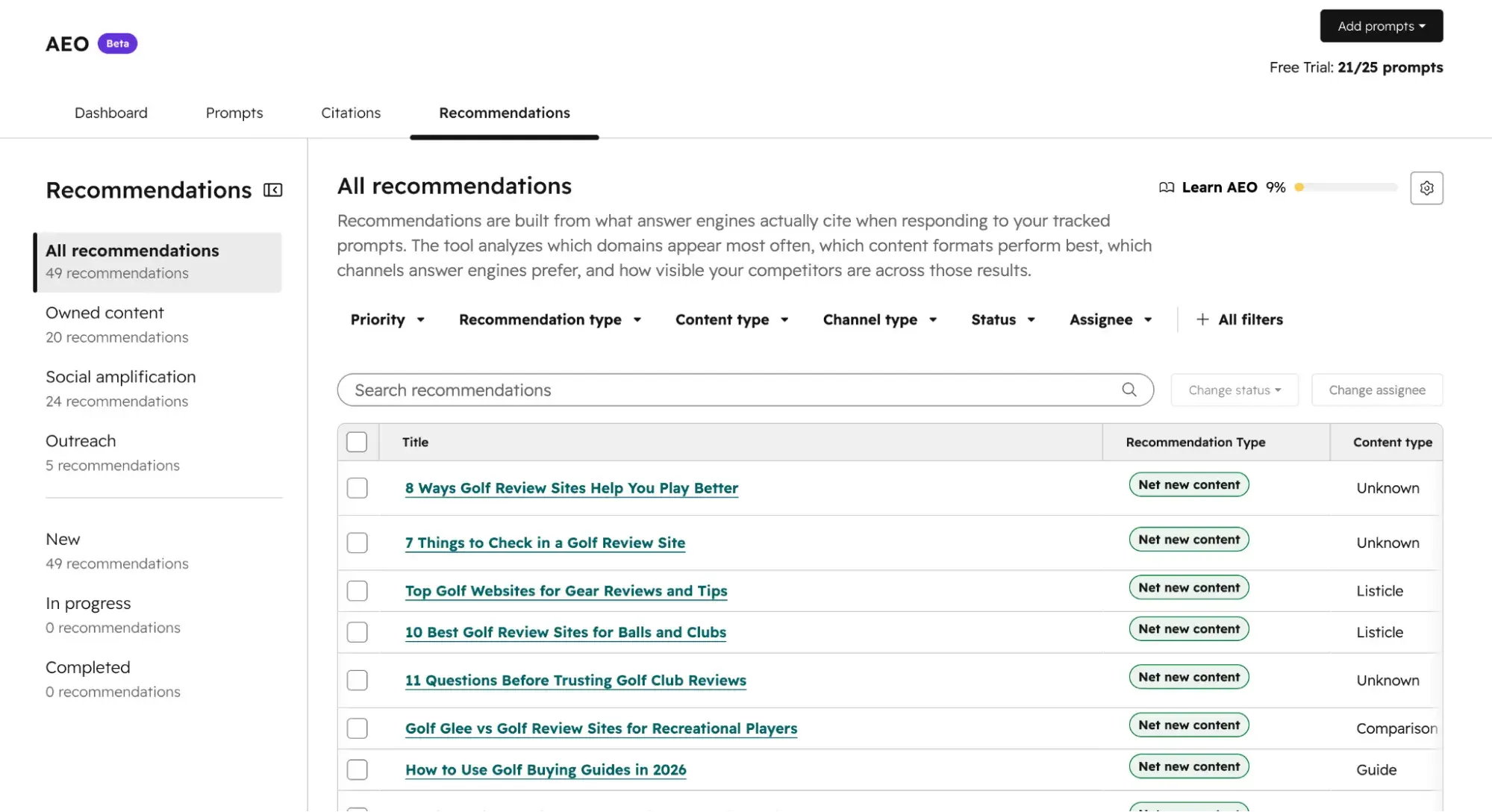
- HubSpot AEO Free Trial: HubSpot AEO offers a 28-day free trial, allowing users to explore its advanced AI visibility and continuous tracking features.
- Semrush AI Visibility Toolkit: The standalone Semrush AI Visibility Toolkit does not offer a free trial. However, Semrush SEO + AI Search (starting at $199/month) provides a seven-day free trial.
Both platforms offer straightforward setup, primarily requiring domain entry. HubSpot’s guided onboarding further personalizes the experience by soliciting business details to provide tailored prompt suggestions.
Step 2: Committing to Paid Tiers for Accelerated AEO Progress
For serious AEO endeavors, moving beyond free plans and trials is essential for sustained tracking and accelerated progress.
- HubSpot AEO: Priced at $50 per month, it allows for tracking of 25 prompts daily.
- Semrush AI Visibility Toolkit: Available for $99 per month per domain, it also supports tracking of 25 prompts.
Choosing the Right Tool: HubSpot AEO vs. Semrush AI Visibility Toolkit
Select HubSpot AEO if:
- You prioritize a user-friendly interface and a guided onboarding experience.
- Your team lacks extensive SEO expertise and needs a tool designed for marketers.
- Seamless integration with CRM data for personalized prompt suggestions is crucial.
- You value an end-to-end solution for content creation and AEO management.
- Cost-effectiveness for essential AEO tracking is a primary concern.
Select Semrush AI Visibility Toolkit if:
- You are already invested in the Semrush ecosystem and seek integrated AI capabilities.
- Robust technical SEO features and detailed site audits are paramount.
- You require a comprehensive suite of SEO tools alongside AI visibility tracking.
- Your team is comfortable with a more feature-rich, albeit potentially complex, interface.
- You need to analyze competitor AI visibility and identify outreach opportunities.
Piloting and Proving Impact: A Strategic Approach
A recommended strategy for evaluating these tools is to simultaneously enroll in HubSpot AEO’s 28-day free trial and Semrush One’s 7-day free trial. Conducting side-by-side testing with the same domain will provide a direct comparison of their methodologies.
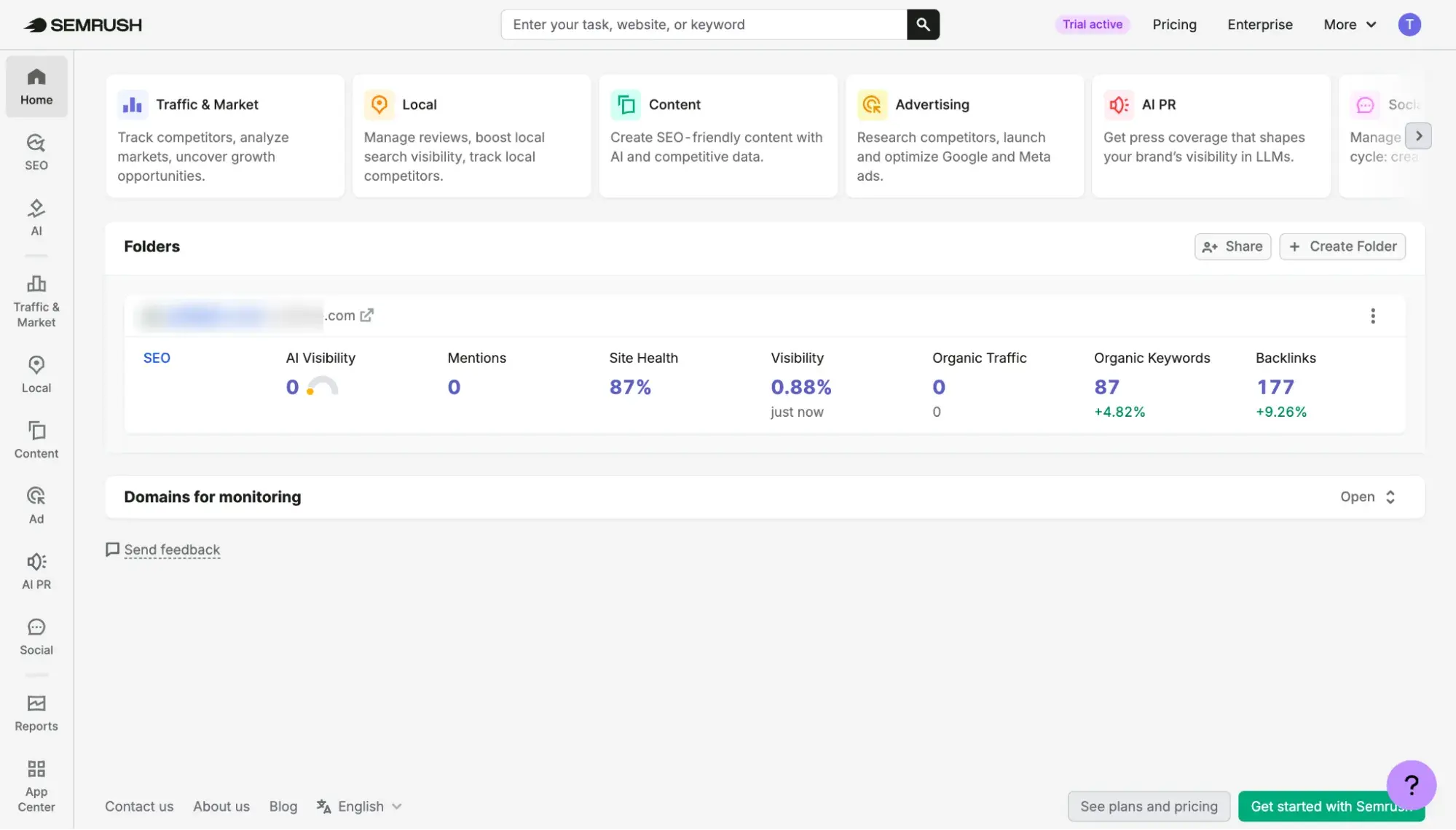
Subsequently, create content based on recommendations from both platforms. Track the performance of this content over a three-month period, focusing on metrics such as citations, mentions, and prompt performance. This empirical approach, involving a transition to paid versions of HubSpot AEO ($50/mo) and the standalone Semrush AI Visibility Toolkit ($99/mo/domain) after the initial trial periods, will reveal which tool offers more impactful recommendations and a more user-friendly experience for your team.
Alternatives in the AI Visibility Landscape
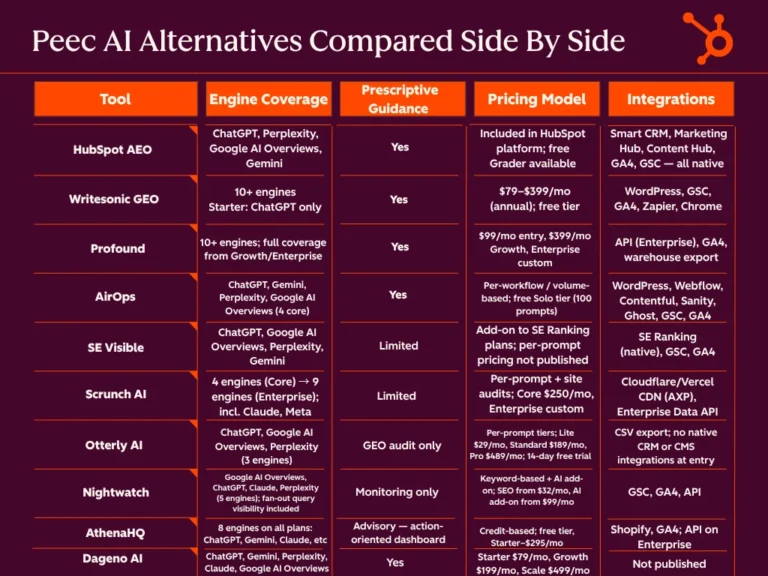
Beyond HubSpot and Semrush, other notable platforms offer AEO solutions:
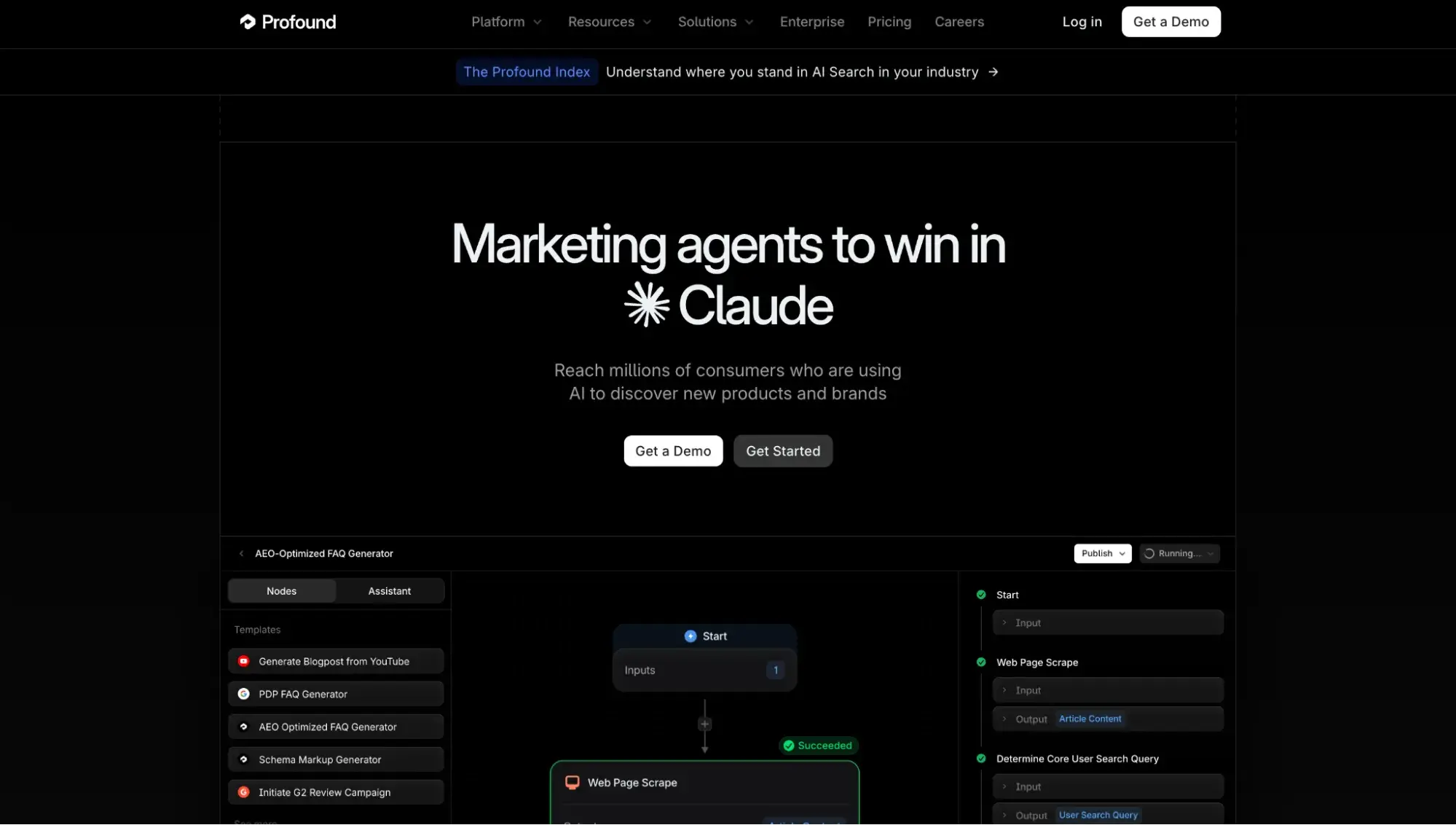
- Profound: Ideal for enterprise teams aiming to automate AEO content creation while maintaining human oversight. Pricing starts at $99/month for ChatGPT tracking.
- Scrunch: Caters to mid-market to enterprise clients requiring technical optimizations and AI traffic attribution. Pricing begins at $250/month for four answer engines, including Google AI Overviews and Microsoft Copilot.
- Ahrefs Brand Radar: A strong option for existing Ahrefs users or those focused on AI visibility across social media. Pricing starts at $199/month for one platform.
It is important to note that even when using these alternative platforms, integrating HubSpot AEO as a standalone purchase can provide access to ChatGPT, Gemini, and Perplexity data, along with HubSpot’s unique prompt and content recommendations. For CRM-powered, personalized suggestions, upgrading to Marketing Hub Pro+ or HubSpot for Marketers is necessary.
Frequently Asked Questions About HubSpot AEO vs. Semrush AI Visibility
Can HubSpot AEO and Semrush be used concurrently?
Yes, a synergistic approach is often recommended. Semrush excels in traditional SEO, keyword research, and backlink analysis, while HubSpot AEO provides CRM-connected prompt suggestions that can differentiate a brand. This combination offers a comprehensive strategy, mitigating the need for duplicate functionality and potentially reducing overall costs.
How can success be measured beyond visibility scores?
Ultimately, AEO success should be measured by its contribution to pipeline growth. Connecting AEO efforts to tangible business outcomes, such as deal closures, requires robust attribution models. HubSpot Marketing Hub Enterprise, for instance, offers multi-touch attribution features that can link AEO activities to pipeline development.
What is the optimal strategy for securing citations in AI answers?
Achieving citations in AI answers involves a multi-faceted approach encompassing Answer Engine Optimization (AEO). Key tactics include creating "answer-first" content, enhancing off-site reputation, ensuring technical site health, and leveraging dedicated AEO tools. HubSpot’s AEO guide offers more in-depth insights into these strategies.
When should AEO take precedence over traditional SEO?
While a strong SEO foundation is prerequisite for effective AEO, prioritizing AEO becomes critical once that foundation is established. Given the rapid growth of AI search behavior, proactive engagement with AEO now will yield compounding benefits in the future, ensuring brands are well-positioned for evolving search trends.
About the Author