The bar for B2B SEO tools has shifted significantly, moving beyond mere page-one rankings to encompass visibility in AI-generated search results. As buyers increasingly leverage artificial intelligence for vendor discovery, B2B marketing teams must adapt their strategies and toolsets to capture not just traffic, but qualified leads that convert into pipeline and revenue. This comprehensive guide explores the critical features of effective B2B SEO tools and highlights leading solutions designed to thrive in this new search era.
The Digital Shift: From Rankings to AI Answers
In the contemporary B2B marketplace, the traditional pursuit of top Google rankings is no longer the sole determinant of success. A profound shift is underway, driven by the rapid integration of artificial intelligence into search engines and discovery platforms. Buyers are now frequently encountering potential vendors through AI-generated answers, a phenomenon supported by data indicating a growing reliance on these intelligent systems for initial research and vendor identification. This means that while a strong organic search presence remains vital, achieving visibility within AI-powered search interfaces is becoming equally crucial for B2B organizations aiming to connect with their target audience. The ultimate objective for B2B teams is to attract and engage potential customers who are not only discovering their brand but are also genuinely likely to convert into valuable pipeline opportunities.
What Constitutes a B2B SEO Tool?
B2B SEO tools are sophisticated software platforms designed to enhance a business’s search engine optimization efforts. Their primary functions include:
- Keyword Research: Identifying relevant search terms that potential clients use.
- Content Strategy: Developing and optimizing content to align with search intent and buyer journeys.
- Technical SEO: Ensuring website health, crawlability, and performance.
- Competitor Analysis: Understanding what competitors are doing to rank and identifying market opportunities.
- Performance Tracking: Monitoring rankings, traffic, and other key SEO metrics.
While many SEO tools cater to a broad range of industries, their effectiveness for B2B businesses hinges on their ability to address the unique complexities of B2B sales cycles. These often involve longer decision-making processes, multiple stakeholders involved in procurement, and the strategic application of account-based marketing. Consequently, B2B SEO tools must extend their capabilities beyond basic ranking metrics to map content to intricate buying journeys and, critically, demonstrate a clear return on investment by contributing to the sales pipeline. This attribution is particularly challenging given the extended timelines, which can span months or even years from initial awareness to final purchase.

Essential Features for B2B SEO Tools
To effectively navigate the evolving search landscape and drive tangible business outcomes, B2B SEO tools should incorporate five core capabilities:
-
Intent-Filtered Keyword Research: B2B purchases are rarely impulse decisions. The sales cycle is typically protracted, and brands must convince numerous stakeholders before a deal is finalized. This necessitates a deep understanding of the entire buyer journey for various decision-makers, from end-users to finance departments. An effective keyword tool for B2B goes beyond simple search volume, surfacing terms that signal a buyer’s position in their journey – whether they are in the problem-awareness phase, comparing solutions, or ready to request a demonstration. Intent-filtered data allows marketing teams to create content that resonates with genuine prospects at each stage. This involves discerning three layers of intent:
- Informational Intent: Users seeking to learn about a problem or topic.
- Navigational Intent: Users looking for a specific brand or website.
- Transactional Intent: Users actively seeking to make a purchase or engage in a commercial activity.
-
CRM Integration and Pipeline Attribution: A critical requirement for B2B SEO tools is seamless integration with Customer Relationship Management (CRM) systems. Without this connection, SEO teams are forced to manually aggregate data from disparate tools, leading to guesswork about which content is genuinely driving opportunities. CRM integration closes the loop between organic traffic and closed revenue, providing SEO with the attribution it deserves. This demonstrable impact is crucial for securing stakeholder buy-in and justifying continued investment in SEO initiatives. For instance, platforms like HubSpot’s Smart CRM directly link organic search data to contact and deal records, enabling SEO teams to present clear evidence of how their efforts influence open opportunities and ultimately contribute to revenue.
-
Competitor and Content Gap Analysis: Understanding a competitor’s search landscape and identifying areas where a company’s own content is lacking are foundational to any robust B2B SEO strategy. The most effective tools for competitor analysis not only reveal what rivals are ranking for but also highlight content gaps on a company’s own website. This intelligence empowers content teams to prioritize topics with the highest potential to attract qualified traffic away from competitors. Analyzing competitor strategies can reveal emerging trends and underserved niches, allowing B2B companies to carve out unique positions in the market.

-
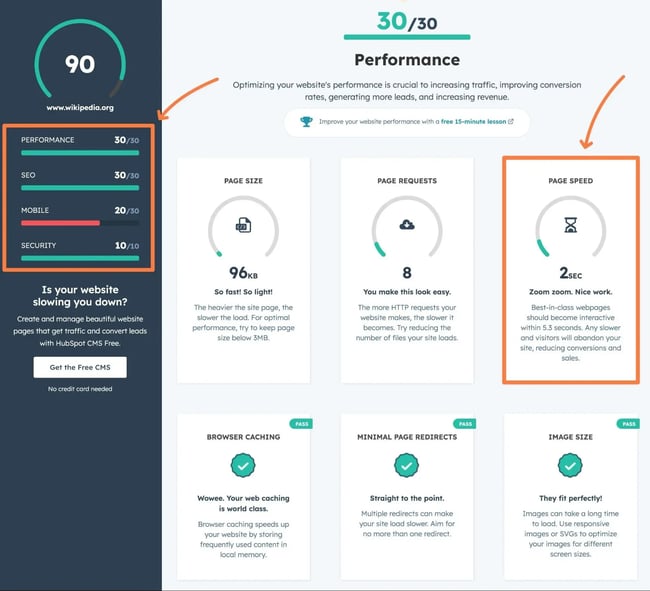
Technical SEO Monitoring: Maintaining a healthy website is paramount for conversion rates, especially in B2B where buyers often evaluate multiple vendors simultaneously. A slow, broken, or poorly optimized website can silently deter potential customers. Comprehensive technical SEO monitoring tools provide ongoing crawl analysis, track Core Web Vitals, and offer prioritized, actionable recommendations. This approach helps marketing and development teams focus on the issues that will have the greatest impact on site performance and user experience, rather than simply presenting a list of technical errors. For example, proactively addressing page speed issues, as highlighted by tools like HubSpot’s Website Grader, can prevent potential customers from abandoning a site before they even have a chance to engage with its offerings.
-
Content Optimization and AI Suggestions: The competitive nature of B2B buying journeys necessitates a substantial volume of high-quality content. Leading content marketing tools now integrate AI capabilities to assist teams in optimizing existing pages, identifying new content opportunities, and maintaining consistent quality at scale. These AI-powered suggestions can range from on-page content enhancements to identifying semantic connections between topics that can strengthen a website’s authority in a particular niche.
The Evolving AI Search Frontier: AEO
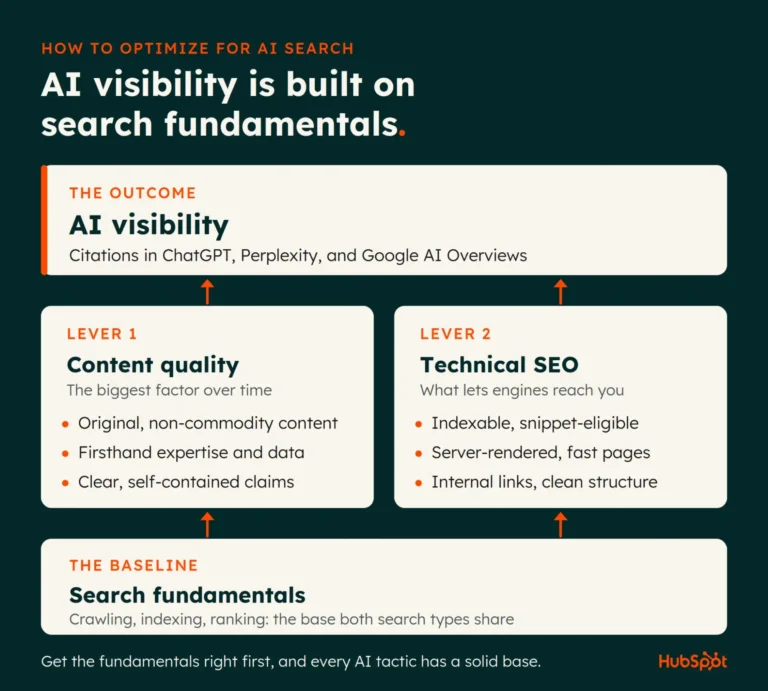
The rise of AI-powered search, often referred to as AI-driven SEO (AEO), introduces a new dimension to digital visibility. Generative AI models like ChatGPT, Perplexity, and Gemini are increasingly serving as the first point of contact for B2B buyers, summarizing information and providing direct answers. For B2B teams, this means optimizing not just for traditional search engines but also for these AI conversational interfaces. This involves structuring content in a way that AI can easily parse and cite, ensuring that brands are accurately represented and prominently featured in AI-generated responses. Structured data, schema markup, and clear, concise content are becoming critical components of an AEO strategy.
The Top B2B SEO Tools for Today’s Market
HubSpot’s SEO Tools (within Marketing Hub): The Premier All-in-One SEO Platform for B2B Pipeline Growth
HubSpot Marketing Hub stands out as a comprehensive, AI-powered platform designed for B2B SEO. It consolidates the entire SEO workflow into a single interface, eliminating the need for multiple, disconnected tools. This integration is particularly valuable for marketing teams seeking to streamline their operations and gain a unified view of their efforts.
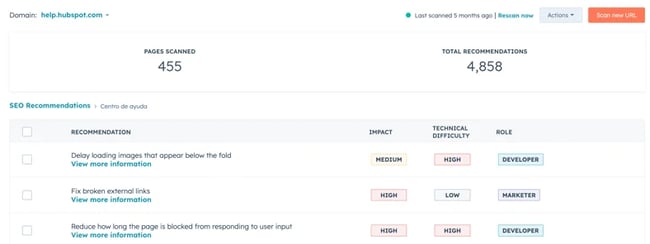
The platform’s SEO recommendations feature provides actionable insights across technical SEO, on-page optimization, and accessibility. It scans entire live websites, including those hosted externally, and prioritizes issues based on their potential impact and difficulty to resolve. These recommendations are categorized by their impact, difficulty, and the role responsible, facilitating efficient task management. A significant advantage for B2B teams is that many of HubSpot’s SEO recommendations extend into the realm of AI-driven SEO (AEO). Guidance on structured data and schema markup helps format content for optimal parsing by AI systems, ensuring that B2B brands are well-positioned to be cited in AI-generated answers, which often serve as the initial touchpoint in a buyer’s journey.
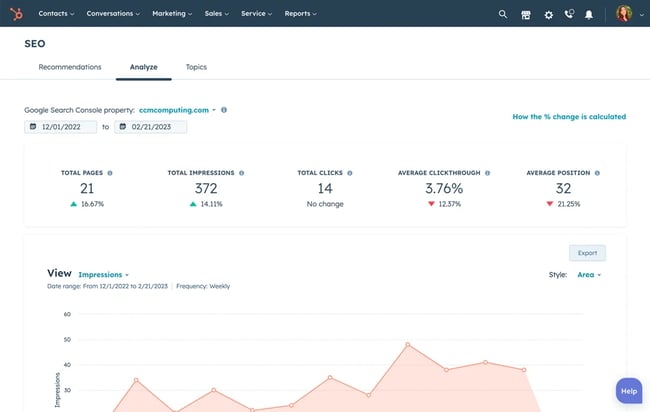
Analyzing SEO performance within Marketing Hub is seamless. Teams can track organic sessions, impressions, and keyword positions at both the domain and page levels within the same platform that manages campaigns, contacts, and CRM data. The native CRM integration is a standout feature for B2B, enabling SEO-to-pipeline attribution. This allows SEO teams to move beyond reporting on traffic and rankings to demonstrating the direct contribution of organic search to demos, opportunities, and ultimately, closed revenue. This level of attribution is often a significant challenge for teams relying on separate SEO tools and CRMs.
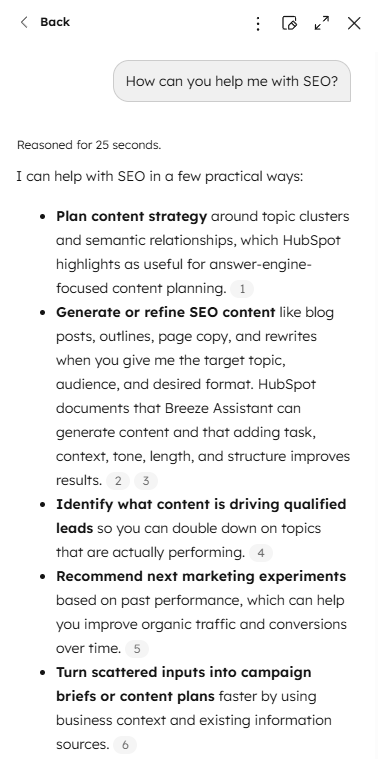
Furthermore, HubSpot’s Breeze Copilot, an AI assistant integrated into Marketing Hub, accelerates SEO and content tasks. It assists with everything from content brief generation to optimization recommendations, empowering B2B marketers to increase output without necessarily increasing headcount. Breeze tailors its suggestions to the specific account data, providing a personalized and efficient workflow.
Best for: B2B marketing teams seeking a unified platform that integrates SEO, CRM, and content performance data, with a clear line of sight from organic traffic to pipeline and revenue.
What I like: For organizations already invested in HubSpot’s ecosystem for marketing automation and CRM, activating the SEO features within Marketing Hub is a natural and efficient progression. It offers one of the fastest paths to connecting SEO activities with crucial pipeline metrics. HubSpot’s extensive integration capabilities also mean it can seamlessly fit into existing technology stacks.
HubSpot’s Content Hub: The Ideal SEO-Integrated CMS for B2B Content Teams
Content Hub, HubSpot’s Content Management System (CMS), is engineered to support end-to-end content creation and optimization workflows. For B2B teams producing content at scale, it offers a unique advantage by embedding SEO suggestions directly into the editing experience. As content creators work within Content Hub, real-time SEO recommendations appear, minimizing the need for separate optimization tools and reducing reliance on SEO specialists for routine checks.
The platform’s robust support for structured data and schema markup is particularly beneficial for B2B teams focused on AEO. By living within the HTML, structured data allows AI crawlers to efficiently read and cite content. This is crucial for ensuring that valuable content is discoverable and accurately represented in AI-generated summaries and answer boxes.
The integrated AI Content Writer within Content Hub further aids B2B content teams by providing AI-assisted drafting capabilities that align with SEO requirements. This helps scale content production efficiently without a proportional increase in personnel.
Best for: B2B content teams aiming to embed SEO and AEO guidance directly into their writing process and create schema-ready content at scale, minimizing developer intervention.
What I like: The seamless integration of SEO and AEO within the CMS streamlines operations significantly. Teams can manage their entire content lifecycle within a single, unified tool, which is a key factor in driving adoption and maximizing the impact of SEO strategies.
HubSpot AEO Grader: The Premier Free Tool for B2B AI Search Visibility
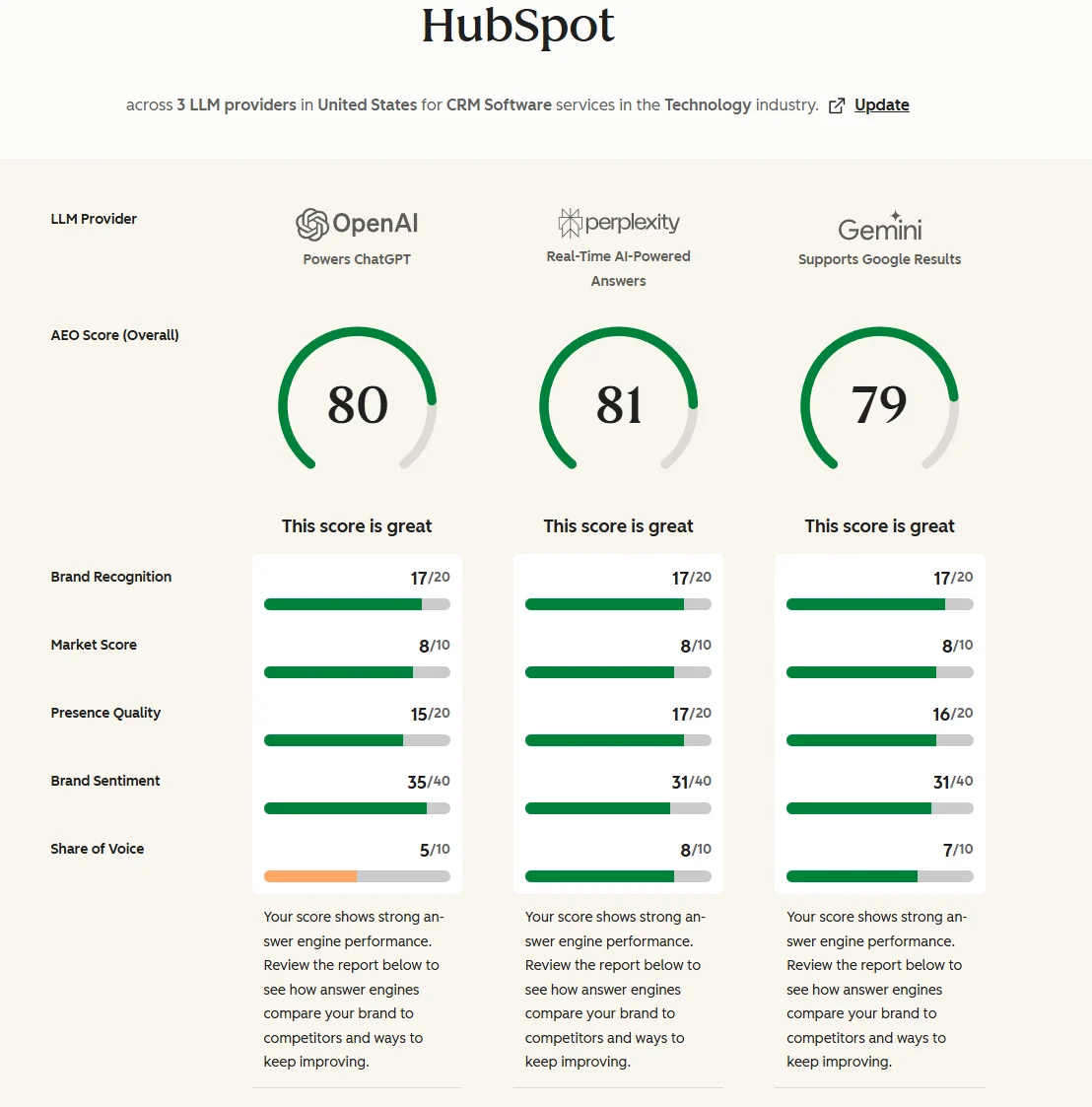
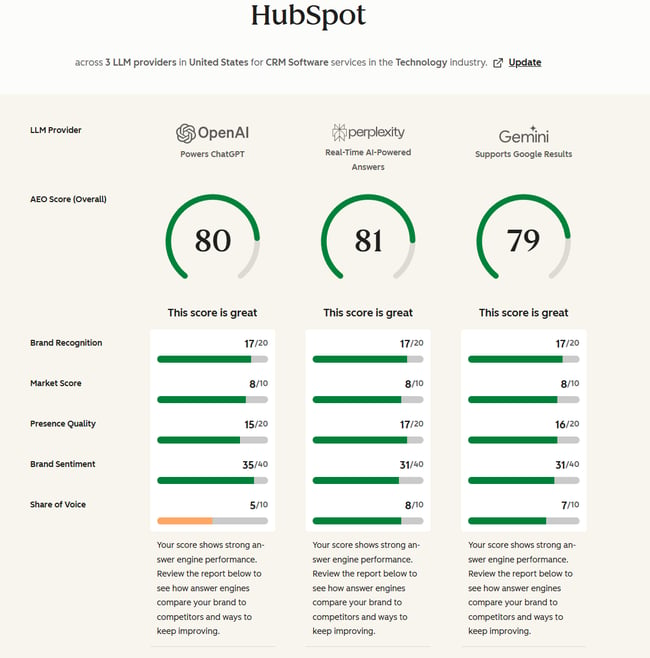
HubSpot’s AEO Grader is an invaluable free resource for B2B teams navigating the complexities of AI-generated search. This tool assesses a brand’s visibility across key AI search environments, including ChatGPT, Perplexity, and Gemini, providing a crucial benchmark for understanding how effectively their content is being presented in these emerging channels.
The grader generates a brand performance score across five critical dimensions: Brand Reputation, Content Quality, Technical SEO, User Experience, and Structured Data. This multi-faceted assessment provides a holistic view of a company’s AI search readiness. The competitive analysis feature is equally compelling, allowing marketing teams to benchmark their AI search positioning against direct competitors. This comparative data can reveal strategic opportunities for messaging and content development.
Pro tip: Running the AEO Grader for a brand and its top competitors can quickly highlight areas where a company is outperforming or lagging behind the market in AI search visibility. This insight can inform strategic decisions about content focus and technical optimization.
Best for: B2B marketers seeking to understand and improve their brand’s presence in AI-generated search results and benchmark their AI search performance against competitors, at no cost.
What I like: The AEO Grader provides a wealth of actionable insights in minutes. Its free accessibility makes it an ideal starting point for any B2B team exploring the landscape of AI search optimization.
Semrush: The Industry-Standard SEO Platform for B2B
Semrush remains a powerhouse in the SEO tool landscape, offering a comprehensive suite of features for B2B teams. Its extensive capabilities cover keyword research, competitor analysis, content strategy development, and AI search monitoring, consolidating these critical functions into a single platform.
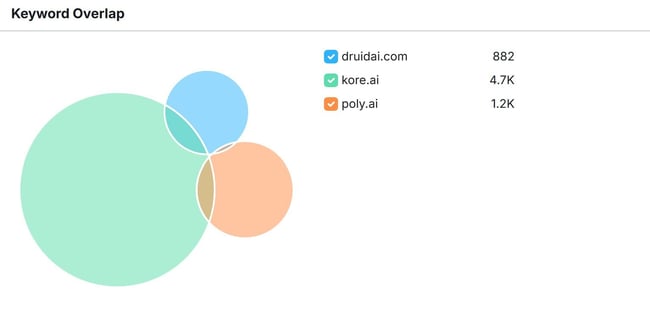
Ramona Joita, an SEO Consultant, highlights Semrush’s strength in integrating keyword research, competitor analysis, and content strategy into a cohesive workflow. The Keyword Overlap/Gap analysis tool is particularly valuable for comparing multiple competitors and identifying ranking disparities and content opportunities. This data-driven approach enables the creation of content plans focused on high-intent topics that can directly contribute to pipeline growth.
Core features:

- Keyword Research
- Competitor Analysis
- Site Audit
- Content Marketing Toolkit
- Rank Tracking
- AI Content Generation (with various plans)
Pricing: Plans typically start around $139.95/month for core SEO functionalities, with higher tiers including advanced AI features.
What I like: Semrush has consistently adapted to the evolving search landscape, incorporating AI features as they become viable. Its deep understanding of digital marketing and SEO principles makes it a robust choice for B2B teams looking to stay ahead.
Contentsquare (formerly Hotjar): Understanding On-Page User Behavior
Contentsquare, which acquired Hotjar, provides B2B teams with deep insights into user behavior on their websites. Through heatmaps, scroll depth tracking, click patterns, and session recordings, it helps marketers understand how organic traffic interacts with their content.
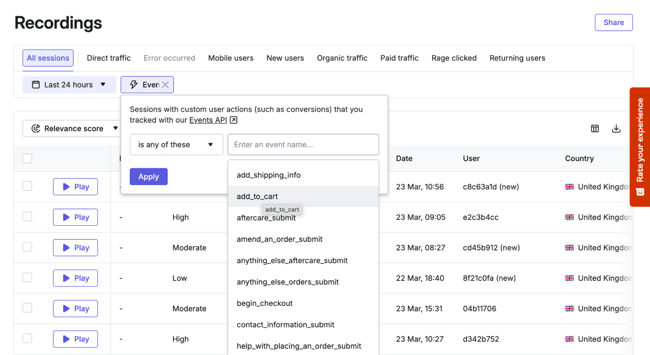
Emina Demiri-Watson, Head of Digital Marketing at Vixen Digital, shared a compelling case study where integrating GA4 with Contentsquare led to a significant uplift in user engagement and revenue for a B2B e-commerce client. By identifying and rectifying friction points in the user journey, such as optimizing navigation labels, her team achieved substantial improvements in key metrics, demonstrating the power of understanding on-page behavior. The ability to filter session recordings by specific events, like "add to cart," provides invaluable qualitative data for optimizing conversion paths.
Core features:
- Heatmaps and Click Tracking
- Session Recordings
- Form Analytics
- Customer Journey Mapping
- AI-powered Insights
Pricing: A free plan is available, with paid plans starting from approximately $39/month billed annually.
What I like: Contentsquare’s qualitative data, particularly through session recordings, offers unparalleled insights into user actions. This helps identify what’s working and where users encounter obstacles, which is critical for optimizing conversion funnels, especially for B2B products with longer sales cycles.
Lead Forensics: Connecting Organic Visits to Pipeline
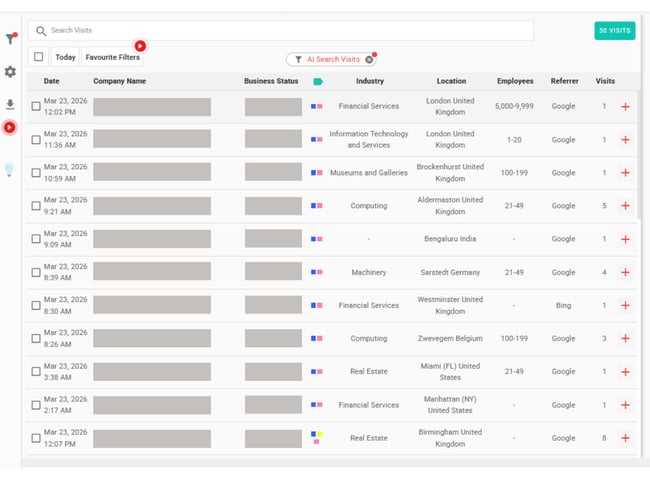
Lead Forensics specializes in identifying the companies visiting a website and linking those visits to pipeline development. This makes it a powerful tool for B2B teams needing to demonstrate the revenue-generating impact of organic search.
Laura Nineham, Head of Organic Search and Content at Lead Forensics, emphasizes the platform’s ability to transform SEO attribution. By connecting company visits to specific deals, it provides clear evidence of marketing’s influence on revenue. Lead Forensics also offers a practical application for AEO/SEO by identifying companies arriving via organic or AI referrals and then using firmographic data to qualify leads against an ideal customer profile.
Pro tip: Integrating Lead Forensics with a CRM like HubSpot allows for automated record creation and enrichment based on firmographics, website engagement, and traffic source, providing precise attribution for SEO-driven leads.
Core features:
- Website Visitor Identification
- Lead Scoring and Qualification
- CRM Integration
- Sales Intelligence
- Real-time Alerts
Pricing: Available on request, based on custom pricing models.
What I like: Lead Forensics offers undeniable clarity on marketing’s contribution to lead generation and sales. The ability to identify specific target accounts visiting a website and attribute that engagement to organic search provides significant gravitas in stakeholder discussions.
Trendos: Tracking AI Search Visibility Over Time
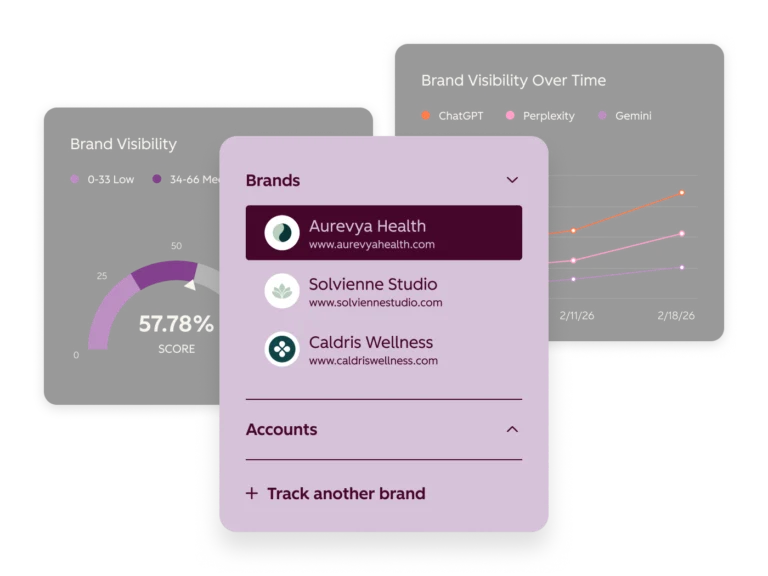
Trendos is a specialized tool for monitoring a brand’s presence and sentiment within AI-generated search results. It tracks how a brand appears across various AI answer formats over time, offering critical insights into evolving AI search dynamics.
Eglė Kliukevičienė, Marketing Lead at Trendos, frames AI search visibility as a direct pipeline concern, noting that platforms like ChatGPT and Gemini significantly influence how buyers discover and compare B2B brands early in their journey. Trendos allows marketers to see not only current brand appearances but also how that presence and sentiment have shifted. A key use case is tracking how brands are featured in AI-generated "best tools" or "top platforms" lists, which are instrumental in B2B buyer shortlisting.
Core features:
- AI Search Visibility Tracking
- Sentiment Analysis in AI Answers
- Competitive AI Search Monitoring
- Trend Analysis in AI Search
- AI Advertising Insights
Pricing: A free tier is available, with paid plans starting from $169/month billed annually.
What I like: Trendos provides a forward-looking perspective on a rapidly developing area of search. Its ability to track AI search visibility over time and identify advertising opportunities within AI platforms offers a competitive edge.
Google Keyword Planner + Claude: A Free Workflow for B2B Keyword Intent Analysis
Pairing Google Keyword Planner with an AI language model like Claude offers a potent, free workflow for dissecting B2B keyword intent. Google Keyword Planner provides essential search volume and keyword variation data, while Claude interprets the language nuances to reveal a buyer’s stage in their decision-making process.
Laura I. Abreu, Lead Generation, Ads, and SEO Manager, utilizes this combination to analyze large keyword datasets. She emphasizes that the true signal lies not just in search volume but in the specific language used, which can differentiate buyers willing to invest in premium solutions from those seeking more basic services. For example, the distinction between searching for an "SEO expert" versus an "SEO specialist" can indicate vastly different levels of buyer commitment and budget. Claude’s ability to flag these subtle linguistic differences provides actionable insights for content and campaign strategy.
Core features:
- Keyword Data Extraction (Google Keyword Planner)
- Intent Analysis and Language Interpretation (Claude)
- Identification of Buyer Signals
- Differentiation of User Intent
Pricing: Both tools are free to use.
What I like: This workflow leverages powerful free tools to achieve sophisticated intent analysis, which is critical for B2B marketing where understanding the buyer’s mindset is paramount.
Conclusion: The Strategic Imperative of Modern B2B SEO Tools
The landscape of B2B SEO has irrevocably shifted. Success is no longer solely about achieving high rankings in traditional search results. Instead, it hinges on a multi-faceted strategy that embraces AI-driven search, deepens buyer journey understanding, and crucially, connects organic visibility to tangible pipeline growth. The tools highlighted in this guide represent a spectrum of solutions, from comprehensive integrated platforms to specialized free resources, all designed to empower B2B marketing teams to navigate this complex new era. By adopting the right technology and strategic approach, B2B organizations can ensure their digital presence not only attracts attention but also fuels sustainable revenue growth.
About the Author