The marketing landscape is undergoing a seismic shift, with an overwhelming 70% of marketers reporting that the industry has transformed more in the past three years than in the preceding half-century. This rapid evolution necessitates a parallel evolution in the tools marketers rely on. For years, Pardot, now rebranded as Marketing Cloud Account Engagement, has been a significant player in the B2B marketing automation space. However, a perceived lack of development has prompted many businesses to seek more dynamic and responsive alternatives. This article delves into the reasons behind this exodus, examines the leading Pardot alternatives, and provides expert insights on navigating a successful migration.
The Erosion of Confidence in Pardot
The primary catalyst for businesses reconsidering their marketing automation platforms, specifically Pardot, appears to stem from a growing concern about its future development and eventual discontinuation. Tom Ryan, a seasoned Pardot consultant and founder of MarCloud, a consultancy that has witnessed this trend firsthand, notes that this apprehension is a significant driver of client departures. "There’s no development on the platform," Ryan states, highlighting a critical concern for businesses investing in technology. "There’s a clear migration path. To me, it feels like it’s just a case of ‘when,’ not ‘if.’" This sentiment suggests that users perceive a strategic decision by Salesforce, Pardot’s parent company, to pivot its focus, leaving existing users in a precarious position.
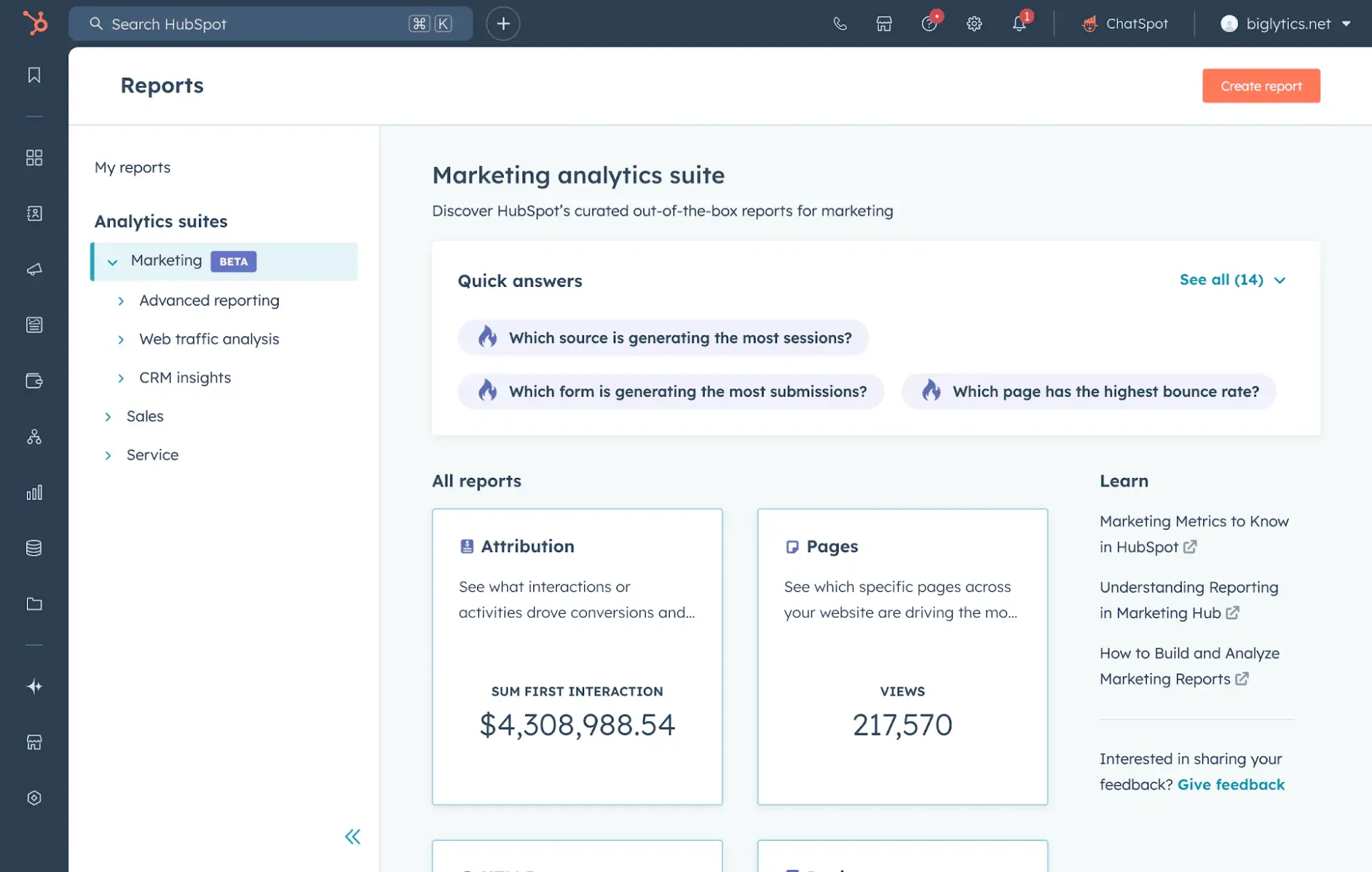
Beyond the specter of discontinuation, persistent technical challenges have also fueled dissatisfaction. Ryan identifies revenue attribution and reporting as particularly troublesome areas. "Revenue attribution is [incredibly difficult] if you do not know how to do it," he explains. "Users need to wrestle with the Pardot-Salesforce sync." This complexity often necessitates specialized knowledge or external consultation, adding to the operational burden. Reporting capabilities, or the lack thereof, are another significant pain point. "The reports are not customizable in Pardot, and therefore, people cannot get the reports they need. Clear reporting in general is very difficult for people to achieve, without consultant-level knowledge," Ryan elaborates. This inflexibility in extracting actionable insights from marketing efforts directly impacts a business’s ability to measure ROI and optimize campaigns.
The Allure of HubSpot and Other Emerging Platforms

In light of these challenges, a clear migration pattern has emerged. Ryan observes that HubSpot is the most common destination for businesses transitioning away from Pardot. "Pardot to HubSpot makes the most sense. There’s a lot of architectural similarities between Pardot and HubSpot via the connector. So there’s a familiarity there, and you get so much more," he explains. This suggests that while the underlying need for robust marketing automation remains, the execution and feature set offered by HubSpot present a more compelling proposition.
The shift is not merely about finding a replacement; it’s about adopting tools that align with the current demands of a rapidly evolving marketing ecosystem. Industry data underscores the imperative for change. A recent report indicated that 70% of marketers believe the industry has transformed more in the last three years than in the previous 50. This highlights a significant gap between the pace of market innovation and the perceived stagnation of certain legacy platforms.
Evaluating Pardot Alternatives for B2B Teams: Key Criteria
When evaluating potential replacements for Pardot, B2B teams must consider a multifaceted approach, prioritizing features that address the shortcomings of their current system and align with future strategic goals.
CRM Integration: The Bedrock of Marketing Automation
The seamless integration with Customer Relationship Management (CRM) systems remains a paramount concern. For businesses looking to move away from Salesforce entirely, platforms like HubSpot and Zoho offer comprehensive CRM capabilities, providing a unified environment for marketing and sales data. Salesforce’s own proposed solution, Marketing Cloud Next, is designed to run natively on its platform, eliminating the need for separate system synchronization and thus mitigating the data silo issues prevalent with Pardot. For organizations committed to retaining Salesforce as their CRM, Adobe Marketo Engage and ActiveCampaign both offer robust, native two-way Salesforce syncs, ensuring data consistency and flow. ActiveCampaign further provides its own lightweight CRM, catering to teams seeking consolidation.
Automation Capabilities: Driving Efficiency and Personalization
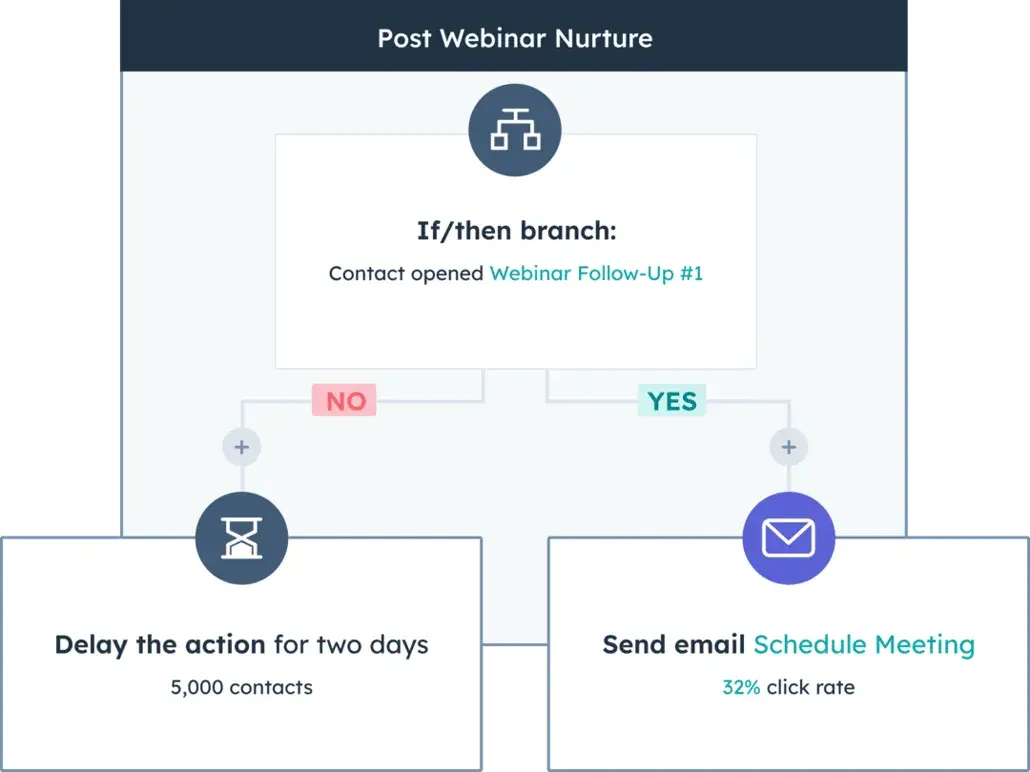
The core function of any marketing automation platform lies in its ability to automate repetitive tasks, nurture leads effectively, and personalize customer journeys. Modern platforms offer sophisticated workflow builders, often with drag-and-drop interfaces, that allow marketers to create complex, multi-step nurture sequences triggered by specific behaviors, lifecycle stages, or CRM data. This level of dynamic segmentation and personalized communication is crucial for engaging B2B audiences who often have longer sales cycles and require tailored content at various stages of their buyer’s journey.

Integrations and Ecosystem: Expanding Reach and Functionality
Beyond CRM integration, the ability of a marketing automation platform to connect with other essential business tools is vital. This includes integrations with sales enablement platforms, analytics tools, webinar software, and content management systems. A strong integration ecosystem allows for a more holistic view of the customer and enables marketers to leverage data from various sources to inform their strategies and personalize outreach.
Reporting and Analytics: Unlocking Actionable Insights
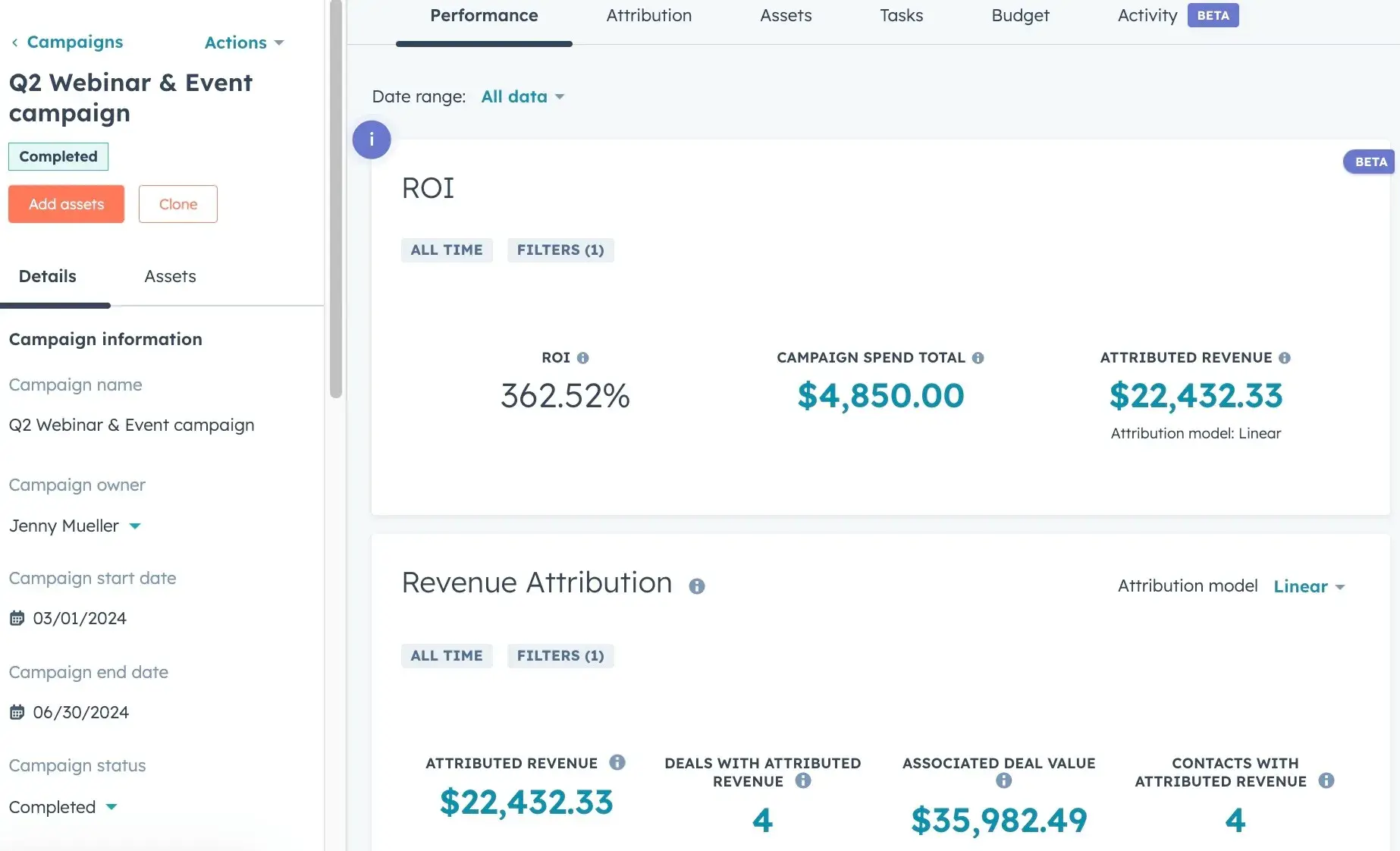
As highlighted by the challenges with Pardot’s reporting, the ability to generate clear, customizable, and insightful reports is non-negotiable. Modern platforms provide advanced analytics dashboards that offer real-time visibility into campaign performance, lead engagement, pipeline progression, and revenue attribution. The capacity to build custom reports, visualize data effectively, and gain a deep understanding of what drives conversions is critical for data-driven decision-making and continuous optimization.
User Experience and Scalability: Empowering Marketers and Future-Proofing Investments
The intuitive design and ease of use of a marketing automation platform directly impact adoption rates and overall productivity. Platforms with user-friendly interfaces, comprehensive documentation, and accessible support empower marketing teams to leverage the full capabilities of the software without requiring extensive technical expertise. Furthermore, the ability of a platform to scale with a growing business, accommodating increasing contact volumes, team expansion, and evolving marketing strategies, is essential for long-term return on investment.
Pricing and Total Cost of Ownership: Strategic Budget Allocation
While feature sets and capabilities are critical, the cost of a marketing automation platform is a significant consideration. Businesses must carefully evaluate pricing models, which can vary widely, from tiered plans based on contact volume to feature-specific packages. Beyond the sticker price, it’s important to consider the total cost of ownership, which may include implementation fees, training costs, and potential charges for additional features or integrations.
A Comparative Look at Leading Pardot Alternatives
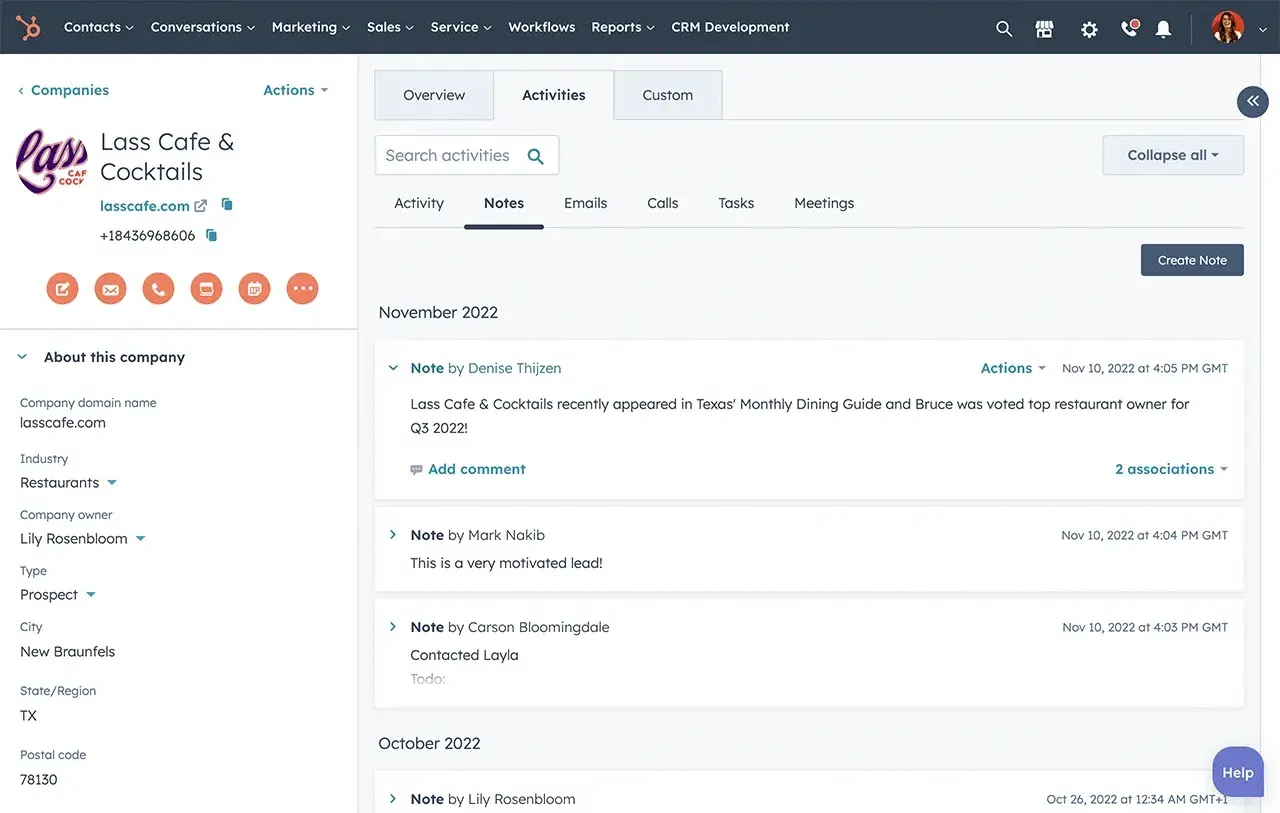
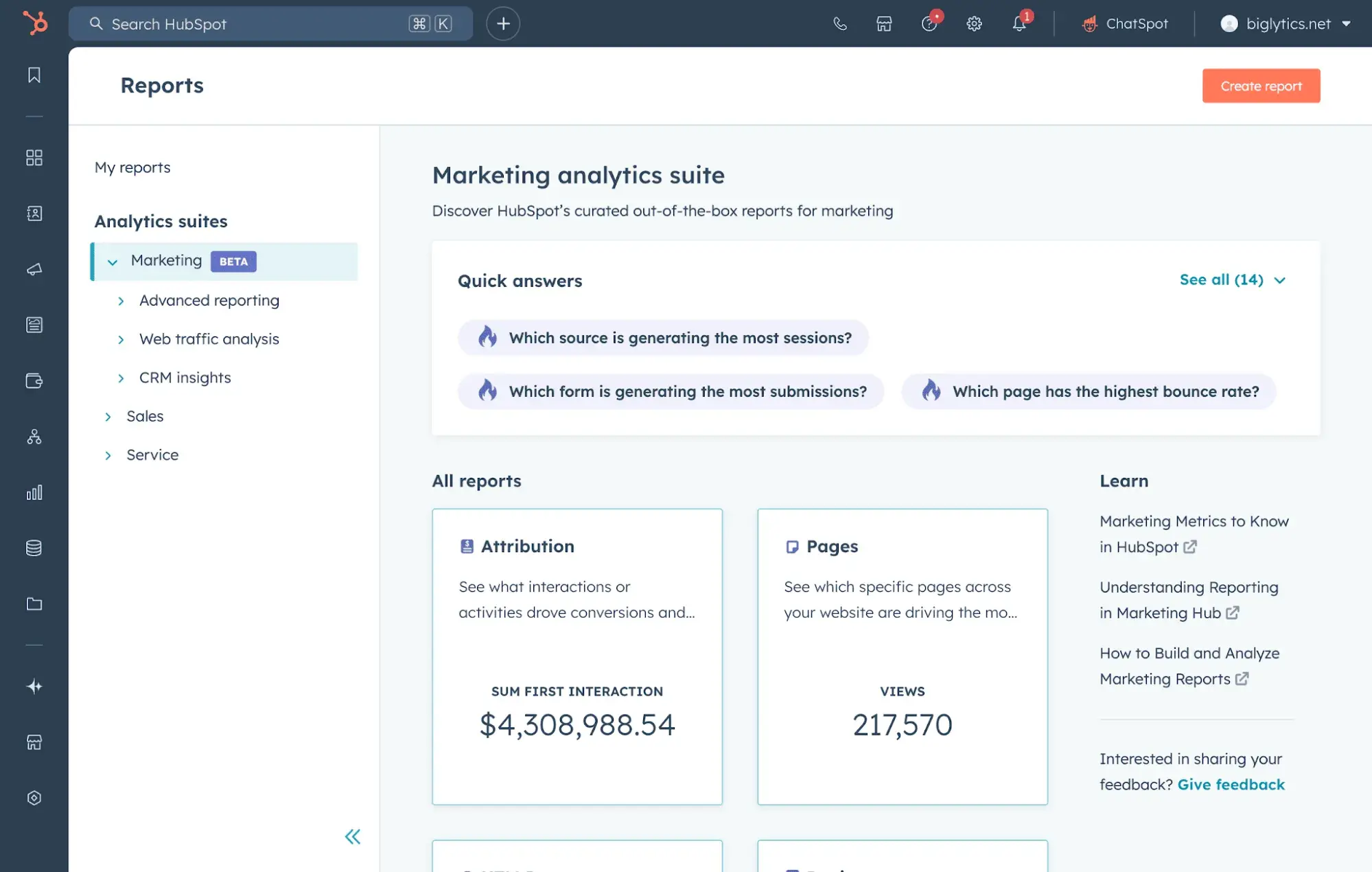
1. HubSpot Marketing Automation
HubSpot Marketing Automation stands out as a leading contender for businesses migrating from Pardot. Its strength lies in its all-in-one approach, seamlessly integrating marketing automation with its own robust Smart CRM. This unified platform addresses Pardot’s notorious data silo issues, offering a cohesive view of customer interactions across marketing and sales.
Key HubSpot Features:
- Multi-step nurture workflows: Enables sophisticated, behavior-triggered campaigns.
- Drag-and-drop builders: Simplifies the creation of emails, landing pages, and campaigns.
- Native Salesforce integration: Ensures bidirectional data sync for users who retain Salesforce.
- Advanced reporting and analytics: Provides deep insights into campaign performance and ROI.
- Content optimization tools: Aids in creating effective marketing collateral.
Reviews: Users consistently praise HubSpot’s ease of use, intuitive design, and powerful automation capabilities. While some acknowledge a learning curve, the overall consensus points to a highly effective and user-friendly platform.
Pricing: HubSpot offers a free plan for basic functionality and paid plans starting at $10 per month per seat, making it accessible for businesses of various sizes.
Expert Insight: "HubSpot is famous for its user-friendly, modern interface and its all-in-one platform that syncs across marketing, sales, and CRM. It’s built for marketers, with all the marketing automation tools needed to test and scale. I love the drag-and-drop email and campaign builders that allow you to iterate and execute without waiting on developers."
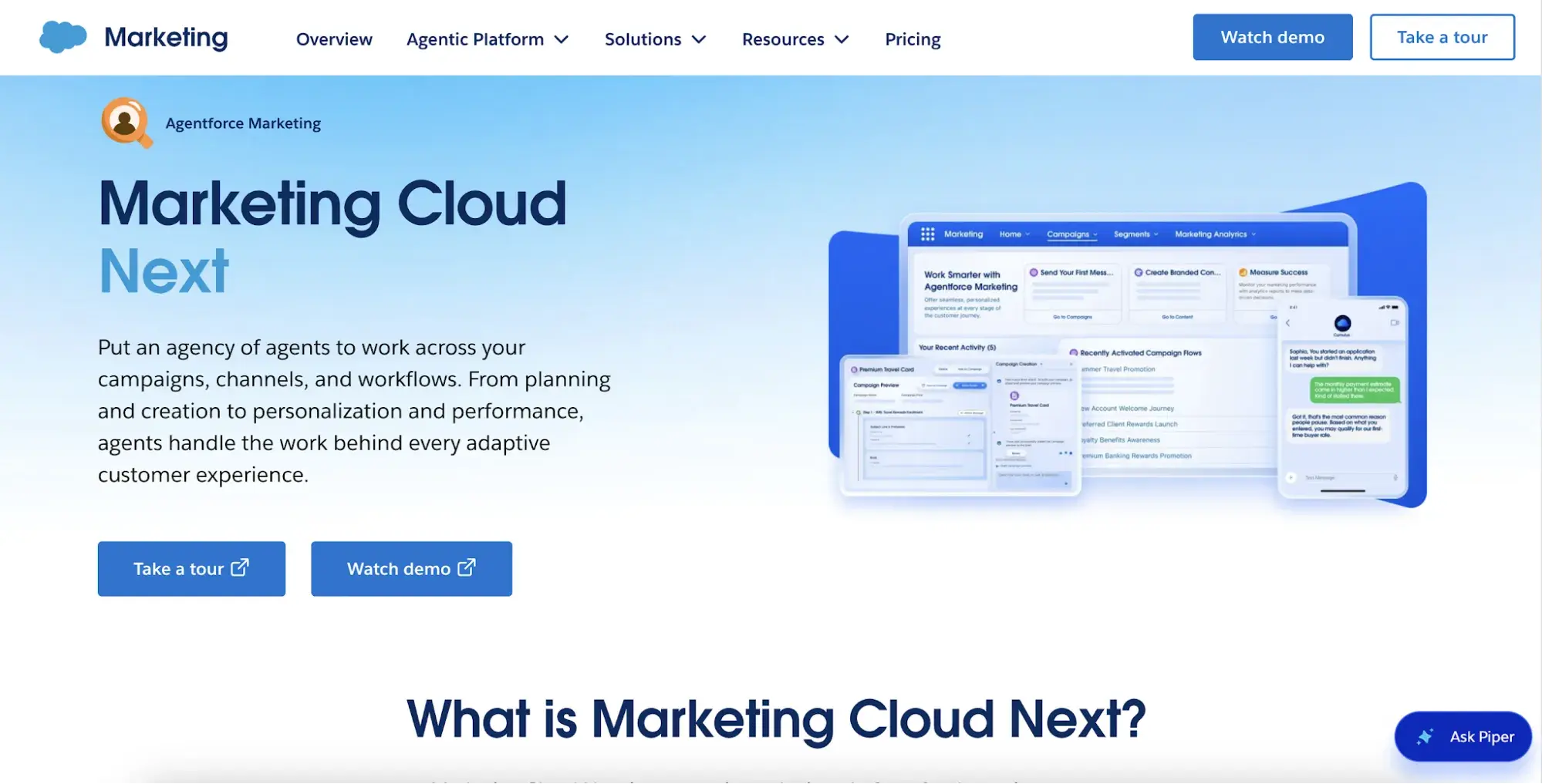
2. Salesforce Marketing Cloud Next
As Salesforce’s successor to Pardot, Marketing Cloud Next is positioned as the natural migration path for existing Salesforce customers. Built on Data Cloud, it aims to offer a more integrated and powerful solution within the Salesforce ecosystem.
Key Marketing Cloud Next Features:
- Native Data Cloud integration: Promises enhanced data unification and activation.
- AI-powered capabilities: Leverages artificial intelligence for personalized customer experiences.
- Cross-channel orchestration: Enables consistent messaging across various touchpoints.
Considerations: While designed for Salesforce users, Marketing Cloud Next represents a significant undertaking, both in terms of complexity and cost. Many businesses that are already evaluating Pardot are using the transition as an opportunity to reassess their entire technology stack, and not all are choosing to deepen their commitment to Salesforce.
Reviews: Reviews for Marketing Cloud Next, often discussed in conjunction with broader Salesforce Marketing Cloud offerings, indicate a powerful but complex platform. User feedback is mixed regarding usability, with some highlighting its capabilities while others express concerns about complexity and the learning curve.
Pricing: The Growth Edition of Marketing Cloud Next starts at $1,500 per organization per month, indicating a substantial investment.
Best for: Large enterprises deeply invested in the Salesforce ecosystem and seeking advanced, integrated marketing capabilities.
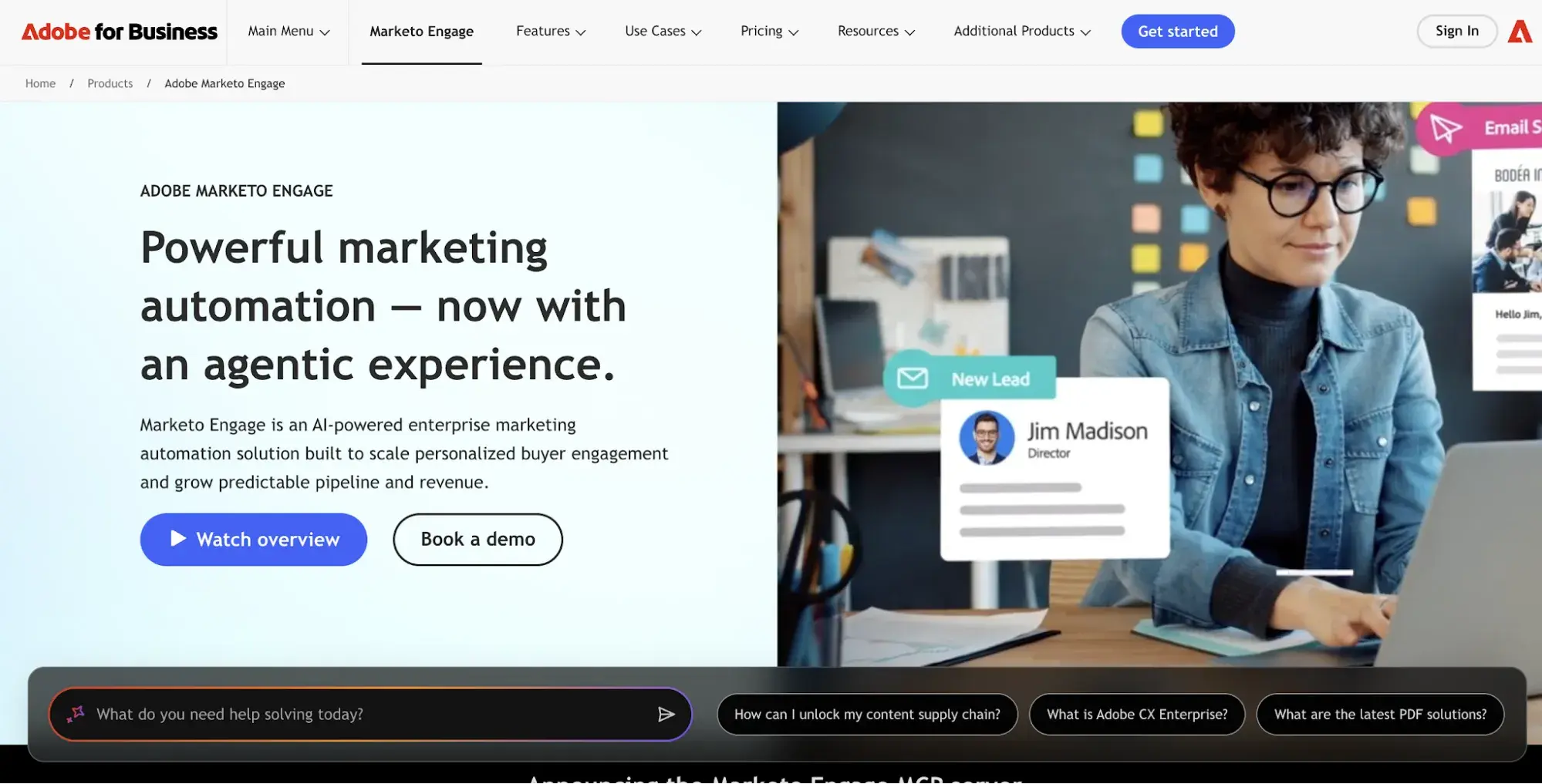
3. Adobe Marketo Engage
Adobe Marketo Engage is a robust enterprise-level marketing automation platform known for its comprehensive feature set and scalability. It is often considered by organizations that have outgrown simpler solutions and require advanced capabilities for complex B2B marketing strategies.
Key Marketo Features:
- Advanced personalization: Enables highly targeted and dynamic content delivery.
- Account-based marketing (ABM) tools: Supports sophisticated ABM campaigns.
- Marketing analytics: Provides in-depth reporting and attribution modeling.
- API access: Facilitates extensive customization and integration.
Considerations: Marketo’s power comes with a steeper learning curve and a higher price point, often requiring dedicated resources for implementation and management.
Reviews: Users often cite Marketo’s automation and personalization capabilities as strengths. However, common criticisms include its complexity, unintuitive design, and the significant learning curve associated with mastering its extensive features.
Pricing: Adobe does not publicly disclose Marketo pricing, requiring businesses to contact them for a custom quote.
Expert Insight: "Marketo’s strength is its AI ‘conversational interface’ that allows teams to write and test code directly within the platform without requiring developer handoffs."
4. ActiveCampaign
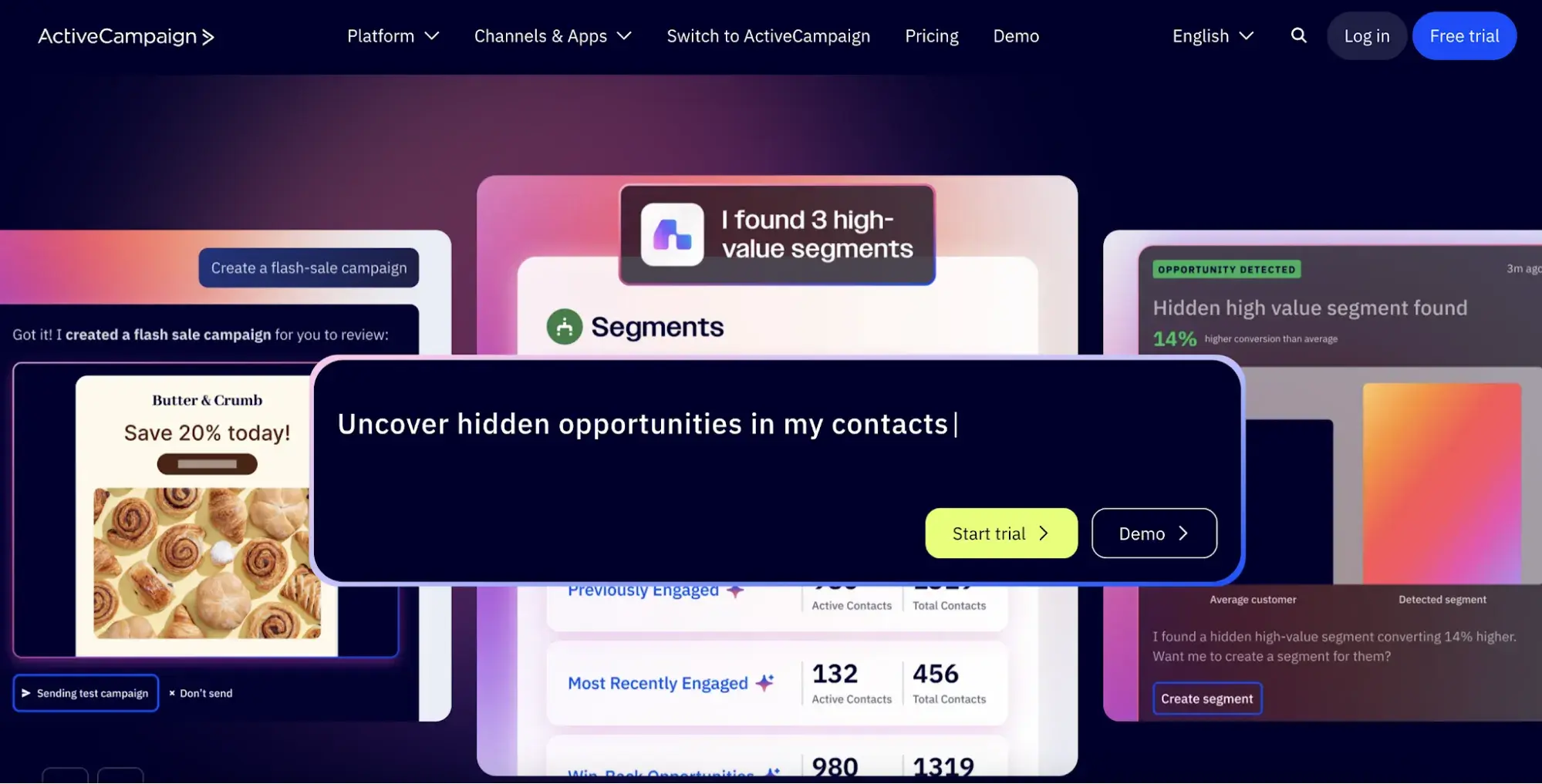
ActiveCampaign positions itself as an AI-forward marketing automation platform that also includes a lightweight CRM. It appeals to businesses seeking a blend of powerful automation and a user-friendly interface, with a native two-way Salesforce sync for those who wish to maintain their existing CRM.
Key ActiveCampaign Features:
- Multi-channel automation: Supports email, SMS, and site tracking.
- AI-powered insights: Offers predictive sending and content personalization.
- Integrated CRM: Provides essential sales and contact management functionalities.
Considerations: While praised for its ease of use, ActiveCampaign’s reporting features are often cited as a weakness, with limited customization options. The platform’s pricing structure can also escalate quickly as contact lists grow.
Reviews: Users commend ActiveCampaign’s automation capabilities and ease of use. However, recurring complaints revolve around the learning curve and the limitations of its reporting features.
Pricing: Plans begin at $15 per month and scale based on contact volume.
Expert Insight: "The ‘active intelligence’ feature that lets users use spoken language to prompt the AI on any feature, which is a huge shift from Pardot’s code-heavy design."
5. Zoho Marketing Automation
Zoho Marketing Automation offers a budget-friendly alternative that integrates seamlessly with Zoho’s own CRM. It leverages customer data to facilitate lead scoring, campaign generation, and personalized outreach, making it a viable option for small to medium-sized businesses with straightforward marketing needs.
Key Zoho Marketing Automation Features:
- Lead scoring and nurturing: Automates lead qualification and engagement.
- Campaign management: Facilitates the creation and execution of marketing campaigns.
- Website visitor tracking: Monitors user behavior on the company website.
Considerations: While cost-effective, Zoho Marketing Automation is generally considered less robust than some of the higher-tier enterprise solutions. Customer service and reporting limitations have been noted in user reviews.
Reviews: Users appreciate the platform’s marketing automation capabilities and affordability. However, issues with customer service responsiveness and the comprehensiveness of reporting features have been raised.
Pricing: Plans start at $19 per month for 1,000 contacts, offering a competitive entry point.
Expert Insight: "Zoho offers a budget-friendly option for companies ready to move away from Salesforce entirely, whereas many customers leaving Pardot choose to retain Salesforce as their CRM."
Navigating a Pardot Migration: Minimizing Risk and Maximizing Success
A successful migration from Pardot requires meticulous planning and execution. Tom Ryan emphasizes that underestimating the translation of workflows and data structures is a common pitfall. "A Salesforce campaign is a completely different object from a HubSpot campaign… so there’s a translation there," he notes, illustrating the need for a deep understanding of how each platform handles key data points and campaign methodologies.
Key Migration Considerations:
- Data Mapping and Transformation: Understanding how data fields, objects, and relationships in Pardot translate to the new platform is crucial. This includes lead scoring models, engagement history, and custom fields.
- Workflow Translation: Recreating automation rules, engagement programs, and email templates in the new system requires careful attention to logic and functionality.
- Campaign Attribution Modeling: Rethinking how campaign performance is tracked and attributed is essential, as different platforms handle this differently. Businesses must decide where this modeling will reside and how it will integrate with existing CRM hierarchies.
- User Training and Adoption: Ensuring that the marketing team is adequately trained on the new platform is vital for successful adoption and to maximize its potential.
- Phased Rollout: Implementing the new platform in phases, starting with a pilot group or specific campaigns, can help identify and resolve issues before a full-scale launch.
Ryan categorizes migration priorities into three key areas:
- Strategic Alignment: Defining clear objectives for the new platform and how it will support broader business goals.
- Technical Execution: Ensuring the accurate transfer of data, the reconstruction of workflows, and the integration with other essential systems.
- Change Management: Effectively communicating the transition to stakeholders, providing adequate training, and fostering adoption within the team.
With diligent planning, a Pardot migration can be completed in as little as one month, though a typical timeframe often ranges from two to three months.
Addressing Common Migration Concerns
Lead Scoring and ABM Models: A Rebuild, Not a Port
It’s important to understand that lead scoring and Account-Based Marketing (ABM) models do not typically port directly from Pardot to a new platform. Pardot’s scoring model is proprietary, and Engagement Studios and automations are platform-specific. While existing scores and grades can be retained for segmentation purposes, these models will need to be rebuilt in the new system. This presents an opportunity to refine and improve upon previous strategies, leveraging lessons learned from Pardot’s performance.
Maintaining Salesforce for Sales Operations
Businesses can absolutely transition away from Pardot while retaining their Salesforce CRM. Pardot is managed as a distinct component within the Salesforce ecosystem, allowing for the unbundling of services. This provides flexibility for organizations that wish to modernize their marketing automation without disrupting their established sales processes.
Budgeting for the First Year on a New Platform
When budgeting for a new marketing automation platform, businesses should account for the list price based on their current size, factoring in anticipated growth in seats and contacts, as tier jumps often incur significant cost increases. Additionally, it’s prudent to budget for onboarding and implementation fees, which some platforms mandate as an initial cost.
The Imperative for Modern Marketing Tools
The marketing automation landscape is in constant flux, driven by technological advancements and evolving consumer expectations. For businesses that have relied on Pardot, the perceived lack of development and persistent technical challenges have created a compelling case for exploring alternatives. Platforms like HubSpot, Salesforce Marketing Cloud Next, Adobe Marketo Engage, ActiveCampaign, and Zoho Marketing Automation offer diverse capabilities to meet the needs of various B2B organizations. By carefully evaluating CRM integration, automation features, reporting, user experience, and pricing, and by undertaking a well-planned migration, businesses can equip themselves with the modern tools necessary to drive engagement, optimize performance, and achieve their strategic marketing objectives in this dynamic era.
About the Author