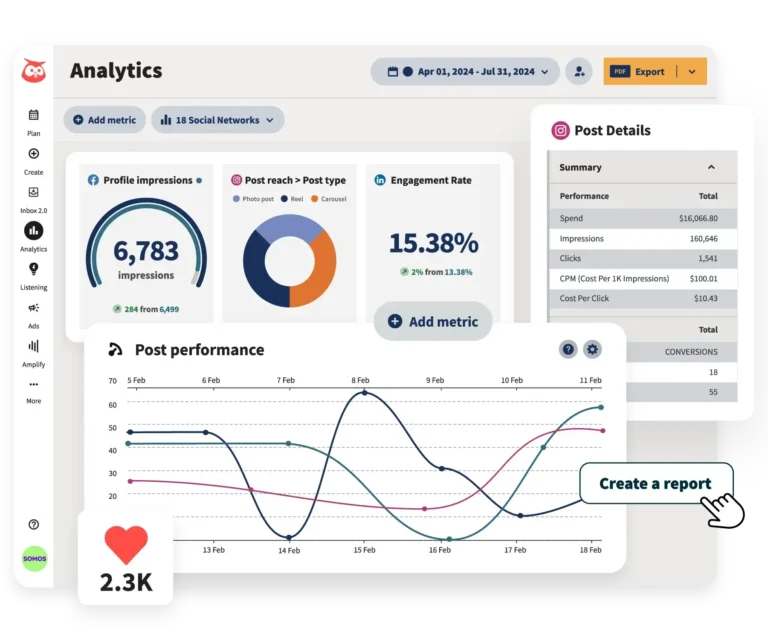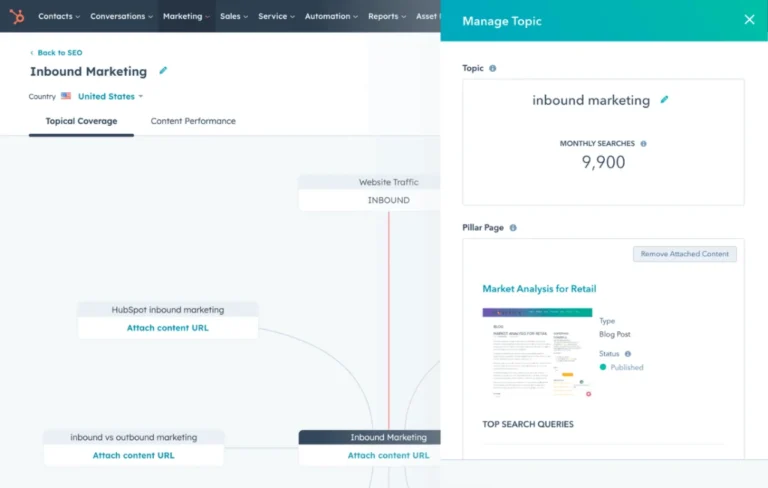
The burgeoning field of AI-powered search engines presents a critical strategic question for businesses: should they invest in a standalone tool to monitor brand visibility within these new digital frontiers, or is a more integrated approach, connecting AI insights directly to content creation and CRM workflows, the key to actionable intelligence? This fundamental divergence in strategy is at the heart of the comparison between HubSpot’s Answer Engine Optimization (AEO) tool and Otterly, a specialized AI search monitoring platform. Both aim to track how brands appear across leading AI interfaces like ChatGPT, Google Gemini, and Perplexity, but their post-data acquisition methodologies offer distinct pathways for businesses to leverage this information.
The core of the decision lies in whether a team requires a dedicated monitoring solution with robust reporting capabilities, or a comprehensive platform that seamlessly integrates AI visibility data into existing operational processes. HubSpot AEO positions itself as a CRM-connected solution built directly into the HubSpot ecosystem. This integration allows visibility insights to be immediately routed into content creation, campaign management, and pipeline tracking, eliminating the need for users to switch between disparate tools. In contrast, Otterly operates as an independent AEO monitoring tool, providing detailed reporting and offering data export options through Looker Studio, an API, or an MCP server. The choice between these two approaches hinges on a team’s existing infrastructure, workflow preferences, and desired level of operational integration.
Understanding the Core Differentiators: HubSpot AEO vs. Otterly
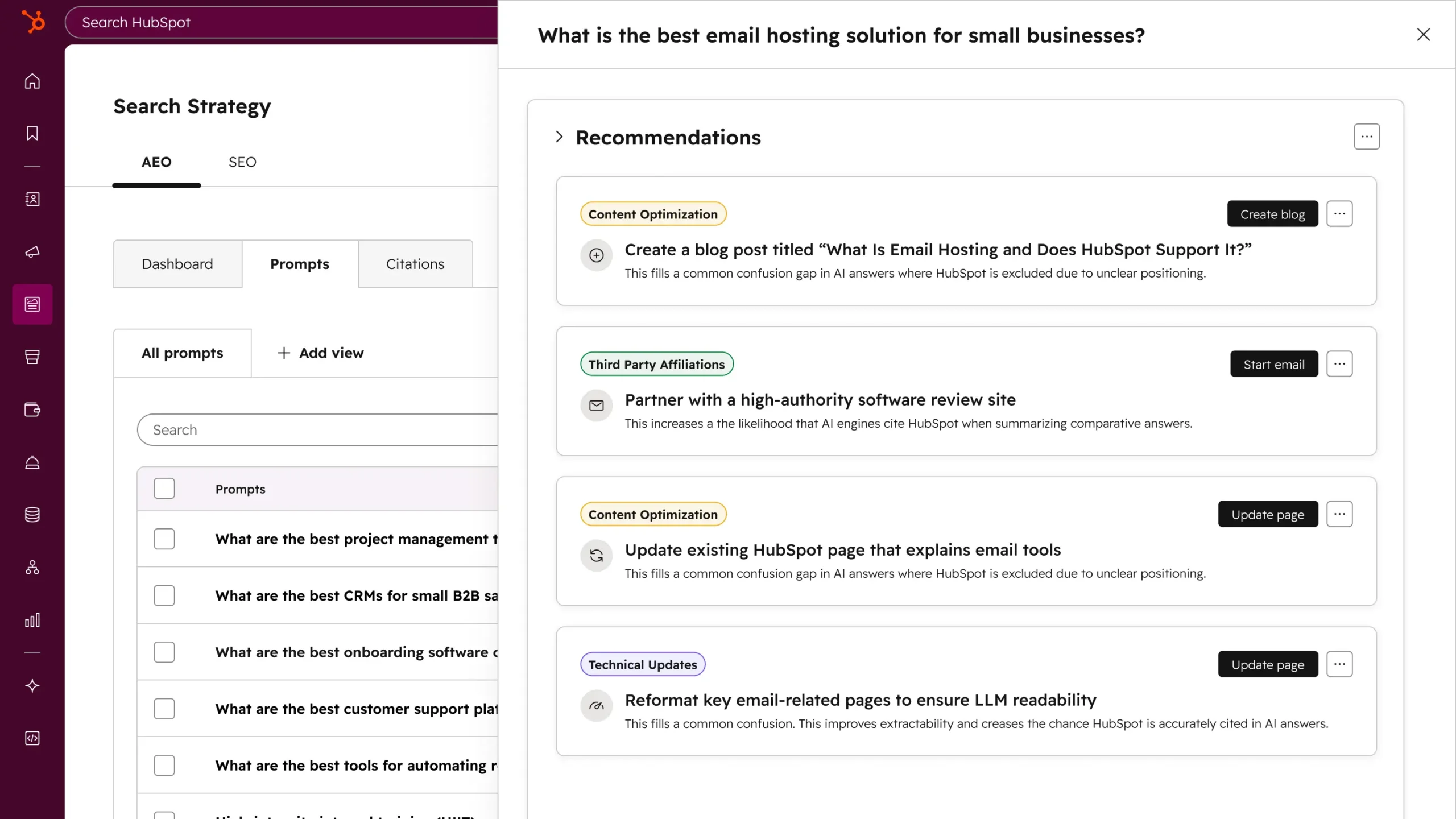
HubSpot’s Answer Engine Optimization (AEO) tool is deeply embedded within the HubSpot platform, offering a cohesive experience for users already invested in its suite of marketing and sales tools. It diligently monitors brand presence across prominent AI engines, including ChatGPT, Gemini, and Perplexity. Crucially, it then bridges the gap between these AI visibility insights and a company’s existing CRM data, marketing campaigns, and content management tools. This integrated approach means that when a visibility gap is identified, users can directly initiate content creation, schedule social media updates, or engage on relevant platforms without ever leaving the HubSpot environment. The prompt suggestions provided by HubSpot AEO are not generic templates; instead, they are tailored and informed by the platform’s existing knowledge of a company’s specific industry, competitive landscape, and customer base.
Otterly, on the other hand, is designed as a purpose-built content intelligence platform specifically for AI search. It self-describes as "neutral and objective," aiming to provide a first-person, daily tracking perspective across a broader array of AI engines from the outset. These include ChatGPT, Google AI Overviews, Google AI Mode, Perplexity, and Microsoft Copilot, with the flexibility to add Gemini and Claude tracking as paid options. Otterly excels in delivering comprehensive standalone reporting and offers integration capabilities with Looker Studio, a public API, and an MCP server. However, its core functionality does not extend to direct integration with CRM, marketing automation, or content creation workflows; these aspects are left to the user to manage externally.
The fundamental decision-making criterion can be distilled as follows: if a team’s primary need is AI visibility monitoring and they are satisfied with their current content workflow management, Otterly presents a viable solution. Conversely, if the objective is to ensure that AEO insights are seamlessly incorporated into the very tools used for content creation, campaign execution, and pipeline management, HubSpot AEO emerges as the more robust and efficient option.
Feature Comparison: AI Engines and Advanced Capabilities
A detailed examination of the features offered by both HubSpot AEO and Otterly reveals their distinct strengths and target use cases.
| Feature | HubSpot AEO | Otterly |
|---|---|---|
| AI Engines Tracked | ChatGPT, Gemini, Perplexity | ChatGPT, Google AI Overviews, Google AI Mode, Perplexity, Microsoft Copilot (Gemini + Claude as add-ons) |
| Brand Visibility Score | Yes | Yes (Brand Visibility Index) |
| Share of Voice / Competitor | Yes | Yes (Share of AI Voice) |
| Sentiment Analysis | Yes (-100 to +100 scale) | Yes (enthusiastic, caveated, or dismissed) |
| Prompt Tracking | Yes (CRM-powered suggestions) | Yes (manual + Query Fan Out Tool) |
| Citation Analysis | Yes | Yes (weekly URL-level tracking) |
| Content Audit / GEO Score | No | Yes (Crawlability Checker + predictive GEO score) |
| Ad & Sentiment Tracking | No | Yes (ChatGPT Ads, Shopping cards, AI Overviews) |
| CRM-Connected Insights | Yes | No |
| Built-in Content Creation | Yes | No |
| Looker Studio Integration | No | Yes (Standard+) |
| Free Trial | 28 days (25 prompts) | 7 days |
Prompt Strategy and Citation Analysis: Different Approaches to Data Interpretation
The methodologies employed by HubSpot AEO and Otterly for prompt selection and citation tracking underscore their divergent philosophies. HubSpot AEO leverages CRM data to provide prompt suggestions from the outset. By understanding a client’s industry, competitors, and customer profiles, it generates prompts that more closely align with actual buyer inquiries, moving beyond generic industry queries. While users retain the final selection authority, this data-driven approach significantly streamlines the process, eliminating the need to start from a blank slate.
Otterly’s approach to prompt discovery is exemplified by its Query Fan Out Tool. This feature allows users to input a single prompt, and the tool then reveals the full spectrum of related queries that an AI engine might generate from that initial input. This is particularly valuable for prompt exploration and identifying content gaps, especially when building a comprehensive prompt library or seeking to understand the branching possibilities of a particular topic.

In terms of citation tracking, Otterly monitors domain citations and specific URLs on a weekly basis. HubSpot, conversely, tracks which domains, pages, and content types are being cited within AI answers relevant to a company’s category. It further allows for filtering by source type (owned, competitor, third-party, social, affiliate) and content type (blog, news, product, social), offering a more granular analysis of citation origins. For existing HubSpot users, the prompt suggestions derived from CRM data represent a significant time-saving advantage, directly informing content strategy.
Guidance Beyond Monitoring: Actionable Recommendations
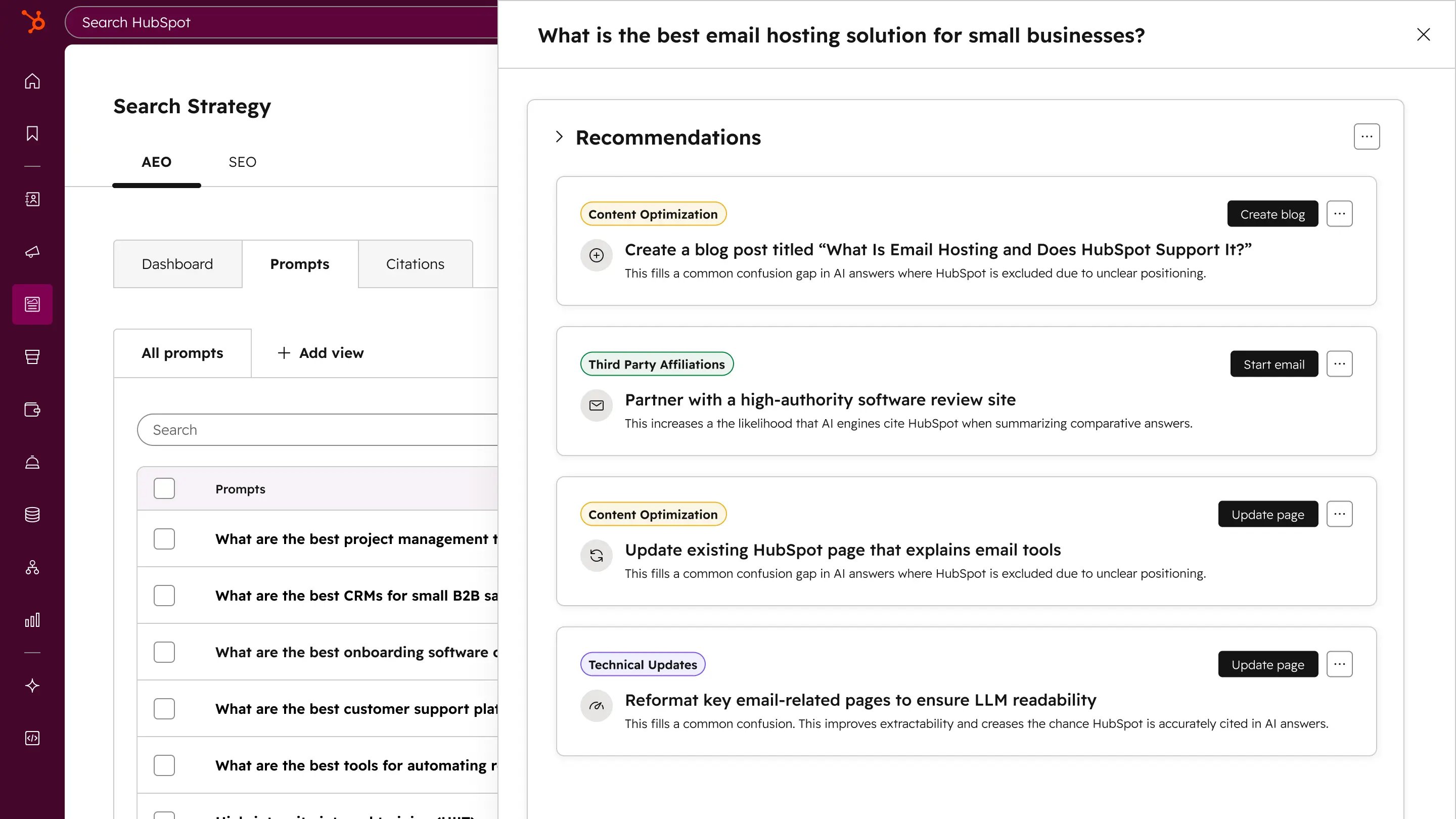
HubSpot AEO distinguishes itself by transforming raw visibility data into prioritized, actionable recommendations. Users are not left to interpret dashboards and deduce the next steps; the platform actively guides them. Otterly, while providing valuable diagnostic tools like its Content Audit with a predictive GEO score and a Crawlability Checker, stops short of direct execution. These features offer actionable optimization tips, but the implementation of these recommendations occurs outside the Otterly platform.
The Pace of Action: Streamlining Insights to Execution
The most apparent distinction between the two tools lies in their ability to facilitate rapid action on insights. With HubSpot AEO integrated into Marketing Hub, discovering a visibility gap for a key prompt can lead directly to creating a blog post, scheduling a social media update, or engaging on a third-party platform, all within the same environment. AEO data and campaign metrics reside together, enabling clear attribution of visibility shifts to specific content efforts.
Otterly, in contrast, operates on a more sequential model: users gain insights, move to their content tools for execution, and then return to Otterly to assess the impact. While this workflow may be suitable for some teams, the constant context-switching can introduce delays and reduce overall efficiency for others. For teams already utilizing HubSpot for content and marketing, HubSpot AEO offers unparalleled workflow efficiency. For those who prefer a distinct monitoring layer that complements their existing technology stack without altering their established workflows, Otterly is the preferred choice.
Automation and Workflow Integration: The Power of a Connected Ecosystem
For organizations already leveraging HubSpot’s Marketing Hub or Content Hub, the integration of AEO data into automation workflows is a significant advantage. When content is published to address a visibility gap, automated processes can be triggered to initiate nurture sequences, update contact properties, or route leads based on their AI search queries. This level of interconnectedness is a direct benefit of AEO operating within a platform that inherently possesses CRM and automation capabilities.
Otterly does not offer this native automation. As a monitoring and reporting tool, connecting AEO insights to lead nurturing would necessitate utilizing Otterly’s API to transfer data into a separate system designed for marketing automation. This underscores the broader implications of Generative Engine Optimization (GEO) and how tooling decisions should align with overarching marketing strategies.
Pricing and Capacity: Navigating the Financial Landscape
The pricing structures of both HubSpot AEO and Otterly reflect their differing feature sets and target markets.
HubSpot AEO Pricing:
HubSpot AEO is available as a standalone tool for $50 per month, with an annual billing option at $45 per month. A 28-day free trial is offered, including 25 prompts across ChatGPT, Gemini, and Perplexity, requiring no credit card. For a more comprehensive solution, HubSpot for Marketers, which bundles Marketing Hub, Content Hub, and AEO, starts at $900 per month.

Otterly Pricing:
Otterly provides a 7-day free trial followed by three distinct paid tiers:
- Lite: $29 per month, offering 15 search prompts, daily tracking across 4 base AI engines, and 1,000 GEO URL audits per month.
- Standard: $189 per month, increasing to 100 search prompts, daily tracking across 4 base AI engines, 5,000 GEO URL audits, and API access (2,000 requests/month), as well as MCP access.
- Premium: $499 per month, offering 500 search prompts, daily tracking across 4 base AI engines, unlimited GEO URL audits, API access (10,000 requests/month), MCP access, and advanced reporting features.
It is important to note that Otterly’s base plans do not include Gemini or Claude tracking; these are available as paid add-ons, which must be factored into the total cost for comprehensive AI engine coverage. Otterly also provides an Agency Partner tier for Standard and Premium plans, which enhances prompt limits, offers unlimited workspace management, and includes white-labeled Looker Studio reports at no additional charge.
Capacity Planning Considerations:
| Feature | HubSpot AEO ($50/mo) | Otterly Lite ($29/mo) | Otterly Standard ($189/mo) |
|---|---|---|---|
| Search Prompts | Not specified (25 in trial) | 15 | 100 |
| AI Engines | ChatGPT, Gemini, Perplexity | 4 base engines | 4 base engines |
| Tracking Freq. | Not specified | Daily | Daily |
| GEO URL Audits | N/A | 1,000/month | 5,000/month |
| API Access | No | No | Yes (2,000 req/mo) |
| MCP Access | No | No | Yes |
| CRM Integration | Yes | No | No |
In practical terms, Otterly Lite at $29 per month is an accessible entry point for small teams needing to monitor a limited number of prompts (up to 15) across major AI engines. HubSpot AEO at $50 per month offers a compelling value proposition for teams already within the HubSpot ecosystem, emphasizing workflow integration and CRM connectivity. For organizations requiring higher prompt volumes, URL auditing capabilities, and API access, Otterly Standard at $189 per month provides enhanced depth, though it necessitates managing insights within a separate workflow.
Integrations and Workflows: Orchestrating Data and Actions
The integration strategies of HubSpot AEO and Otterly represent a fundamental difference in how they empower users. For organizations already operating within the HubSpot ecosystem, AEO is a natural fit. Its native integration ensures that AEO data is presented alongside campaign metrics, contact records, and content performance within a single, unified interface. This eliminates the need for manual data export and analysis in spreadsheets when tracking visibility shifts, attributing them to specific campaigns, content, or competitive actions.
Otterly’s integration approach is geared towards flexibility and customizability. Looker Studio enables the creation of bespoke dashboards, while its public API facilitates the integration of data into existing Business Intelligence (BI) stacks. The MCP server allows for natural language querying of AI visibility data within tools like Claude or Cursor. This model is particularly advantageous for teams with robust data infrastructure and a preference for highly customized reporting solutions. The primary benefit of HubSpot AEO is the elimination of the need to build a separate reporting layer, with insights readily available at the point of decision-making.
Aligning AEO Metrics with Sales and Service: Closing the Loop
HubSpot AEO possesses a structural advantage in its ability to align AI visibility metrics with sales and service outcomes. Its CRM connectivity allows for direct correlation between AI visibility and pipeline development. For instance, if leads originating from AI search demonstrate higher conversion rates (as HubSpot’s data indicates AI-driven leads convert at three times the rate of traditional search), this can be observed within the same system used by the sales team. This closed-loop competitive intelligence, where both competitor AI presence and its impact on internal pipeline are visible, is significantly more challenging to establish when AEO tools and CRMs are separate entities. Otterly, lacking native CRM connectivity, requires data to be exported via API and integrated into other systems for such analyses.
AEO vs. SEO: The Interplay of Traditional and AI Search Optimization
The question of whether AEO replaces SEO is a common one, but the reality is that they are complementary disciplines. SEO focuses on traditional search engine optimization, encompassing factors like crawlability, keyword relevance, backlinks, and structured data. AEO, conversely, is dedicated to optimizing brand visibility within AI-generated answers. A single piece of content can excel in both traditional search rankings and AI citations, or it might perform well in one area while lagging in the other.
The synergistic relationship between SEO and AEO lies in content strategy. Well-structured, authoritative content is more likely to be recognized and cited by AI engines, while also ranking highly in conventional search results. The principles of writing for AI search—emphasizing clear, concise answers, establishing first-person source authority, and utilizing structured data—also inherently support fundamental SEO best practices.
Aligning SEO Content with AEO Prompts:
The practical application of this synergy involves using AEO prompt data to identify what users are asking AI. This information can then be cross-referenced with existing content to determine if those questions are being answered clearly and in a format conducive to AI citation. Gaps in AEO visibility often mirror shortcomings in organic content strategy. HubSpot AEO streamlines this process by providing direct recommendations for content creation or updates within its integrated platform. Otterly, through its Content Audit and GEO score, highlights issues, but content updates are managed separately.
Initiating an AEO Strategy: First Steps for Newcomers
For organizations new to Answer Engine Optimization, a phased approach is recommended.
Building a Simple, Buyer-Centric Prompt Set:
The initial step should involve focusing on a select group of 10-15 prompts that directly reflect the real questions potential buyers pose when evaluating solutions. Instead of attempting to track an exhaustive list of queries, concentrate on prompts that align with evaluation-stage decision-making, such as "What is the best [tool category] for [specific use case]?" or "How does [your product type] function?". HubSpot AEO simplifies this by suggesting prompts based on existing CRM data, reducing the burden of manual prompt generation. Otterly’s Query Fan Out Tool aids in expanding a core prompt into a broader range of related queries that buyers might utilize. Regular review of these prompts, ideally every 30-60 days, is crucial, as buyer questions and AI response patterns evolve.
Transitioning from Monitoring to a Full Platform:
Monitoring tools are invaluable for establishing a baseline understanding of AI visibility before committing to a comprehensive content strategy. Otterly’s Lite tier, at $29 per month, offers a low-risk entry point for this initial phase. The transition to a more integrated platform becomes advisable when the insights generated by monitoring tools cannot be acted upon efficiently. If a team finds itself frequently switching between a monitoring tool, content management system, and CRM to address visibility gaps, the context-switching overhead may outweigh the cost of a more integrated platform. HubSpot’s 28-day free trial provides an ample window to establish a visibility baseline and receive initial recommendations without financial commitment, serving as an excellent starting point for evaluation.
Frequently Asked Questions About HubSpot AEO vs. Otterly
Which tool is better for small teams focused solely on monitoring?
Otterly Lite, priced at $29 per month, offers a cost-effective entry point with 15 prompts, coverage across 4 AI engines, daily tracking, and unlimited team members. HubSpot AEO at $50 per month is more suitable for teams already using HubSpot, emphasizing integrated content and CRM workflows.
Will HubSpot AEO function if my CRM is not HubSpot?
Yes. The standalone $50 per month plan is compatible with any CRM. While features like personalized prompt suggestions and pipeline alignment require Marketing Hub Pro or Enterprise, core visibility tracking, citation analysis, and recommendations are available universally.
How do I select prompts that accurately reflect buyer inquiries?
Focus on questions posed during the evaluation stage, such as "What is the best [tool type] for [use case]?" rather than broad category searches. Gather language directly from sales conversations, support tickets, and customer interviews. HubSpot AEO automatically suggests prompts from CRM data, while Otterly’s Query Fan Out Tool helps expand initial prompts into related user queries.
Beyond visibility scores, what are the best metrics for success measurement?
Connecting visibility to tangible demand is key. HubSpot AEO, when integrated with Marketing Hub, allows for the direct correlation of visibility shifts with lead volume, conversion rates, and pipeline growth. Otterly’s Brand Visibility Index, Share of AI Voice, and sentiment data can be exported to Looker Studio for custom reporting. Regardless of the tool, if visibility scores improve without a corresponding increase in demand, it suggests a need to re-evaluate the relevance of the tracked prompts to actual buyer intent.
About the Author