AI search optimization, a burgeoning field also known as Generative Engine Optimization (GEO) or Answer Engine Optimization (AEO), is rapidly reshaping how brands achieve online visibility. This practice focuses on enhancing a brand’s likelihood of being cited and mentioned by advanced AI-powered answer engines such as ChatGPT, Gemini, and Google’s AI Overviews. While the traffic volume from these sources may currently be smaller than traditional search, its quality and conversion potential are significantly higher, signaling a fundamental shift in digital marketing strategies.
Recent studies highlight the potent impact of AI-referred traffic. A comprehensive analysis by Microsoft Clarity, encompassing over 1,200 publisher and news sites, revealed that visitors originating from AI tools exhibited a conversion rate approximately 11 times greater than those arriving from conventional search engines. This suggests that users engaging with AI answer engines are further along in their decision-making journey, often seeking definitive answers and recommendations, making them highly qualified prospects.
The evolving landscape of AI search is not a replacement for traditional Search Engine Optimization (SEO) but rather a complementary discipline. While SEO has long focused on optimizing content for human searchers and web crawlers, AI search optimization targets the unique mechanisms through which Large Language Models (LLMs) process and present information. Understanding these mechanisms is crucial for brands aiming to secure a prominent position in the answers generated by these sophisticated AI systems.
The Mechanics of AI Content Discovery and Citation
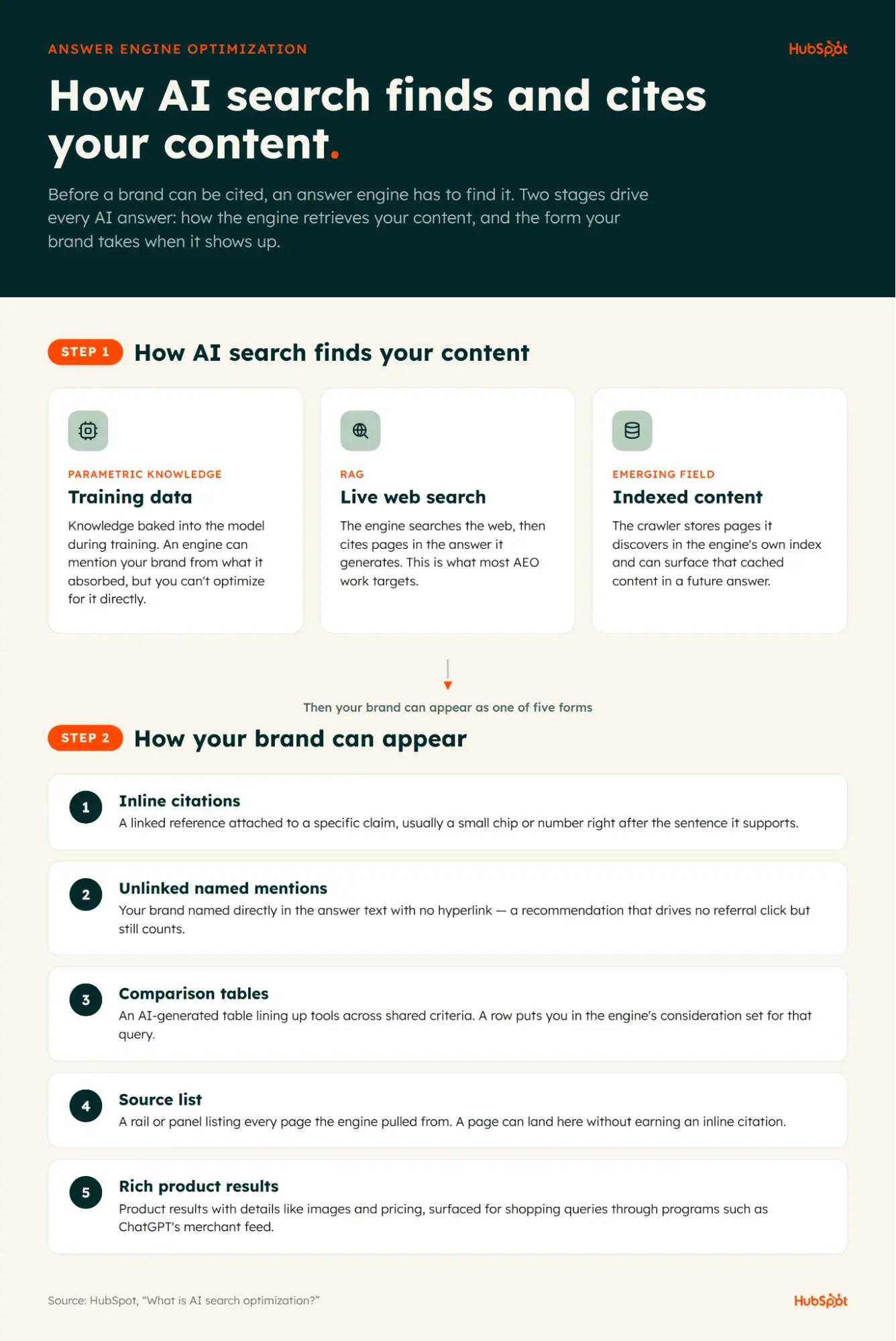
AI search engines operate by processing vast datasets and responding to natural language prompts. The way they surface and cite content from the web is multifaceted. Primarily, AI systems can access information through three core methods:
- Parametric Knowledge: This refers to the inherent knowledge base of the LLM, built from its training data. While this allows for quick answers to common questions, it may not always reflect the most current or specific information.
- Retrieval-Augmented Generation (RAG): This advanced technique allows LLMs to retrieve relevant information from external sources, such as web pages, in real-time to inform their answers. This is where AI search optimization plays a critical role, ensuring that a brand’s content is discoverable and retrievable by the AI.
- Indexed Content: Similar to traditional search engines, AI systems index web pages, making them accessible for retrieval. The effectiveness of this indexing is dependent on the quality and structure of the content itself.
Brands can appear in AI search results through various forms, each with distinct implications for visibility and traffic:
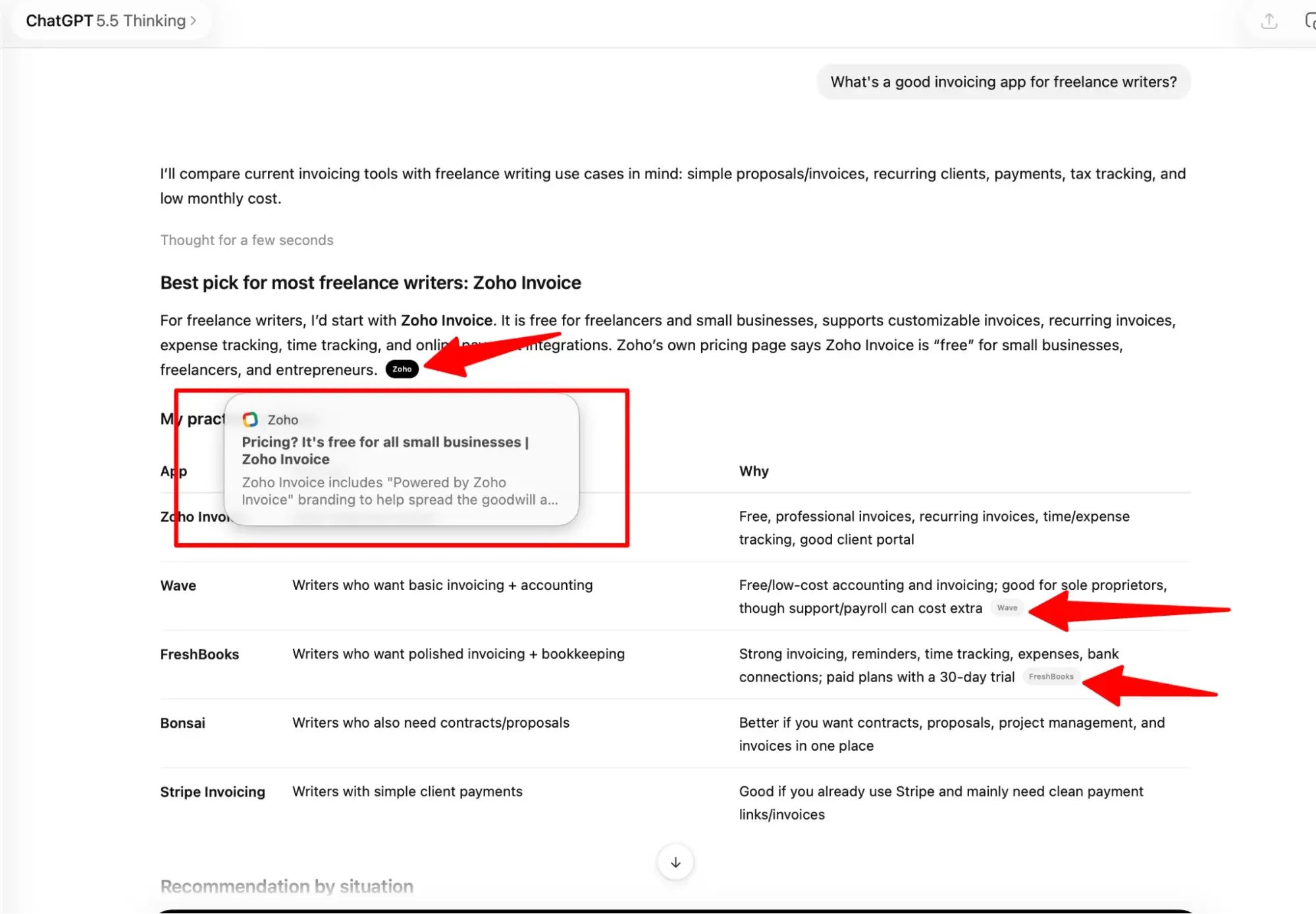
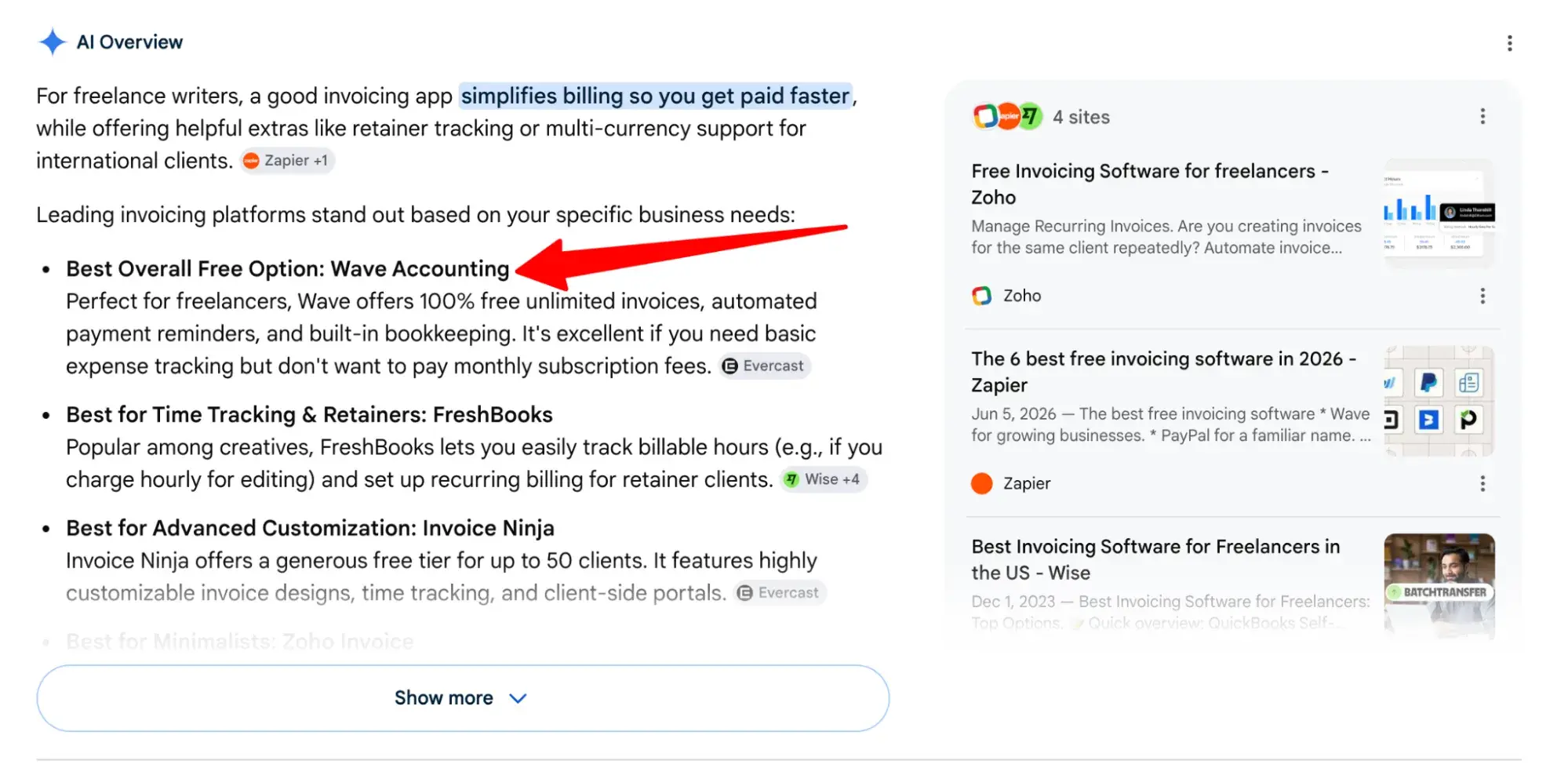
- Inline Citations: These are direct links embedded within the AI-generated answer, pointing to the specific source of a claim. They offer the highest level of transparency and direct traffic potential, allowing users to verify information and explore the source further.
- Unlinked Named Mentions: In this scenario, a brand is mentioned within the AI’s response without a direct hyperlink. While these mentions do not drive immediate referral traffic, they contribute to brand awareness and can influence user perception and decision-making.
- Comparison Tables: AI systems often generate tables to compare products, services, or brands based on user queries. Inclusion in such tables positions a brand within the AI’s consideration set and offers a concise overview of its offerings relative to competitors.
- Source Lists: These are curated lists of all the web pages an AI engine consulted to generate an answer. Appearing in a source list, even without an inline citation, signifies that the AI considered the brand’s content valuable.
- Rich Product Results: For e-commerce queries, AI engines can display detailed product information, including images, pricing, and descriptions, often through integrated merchant programs.
Divergence and Synergy: AI Search Optimization vs. Traditional SEO

While AI search optimization (AEO) builds upon the foundational principles of SEO, it introduces distinct considerations. The primary divergence lies in the intended audience and the mechanism of information delivery. Traditional SEO optimizes for human users navigating search engine results pages (SERPs) and the algorithms that rank web pages based on relevance and authority. AEO, conversely, optimizes for LLMs that synthesize information and present it in a conversational, often summarized, format.
Key differences include:
- Focus of Optimization: SEO primarily targets keyword relevance, backlinks, and user experience on a webpage. AEO, while still valuing these, also emphasizes content clarity, factual accuracy, structured data for machine readability, and off-site signals that build credibility with AI models.
- Traffic Nature: SEO aims for direct clicks to a website from search results. AEO, while still valuing clicks, also acknowledges the impact of unlinked mentions and brand presence within AI-generated summaries, which can influence decisions without a direct website visit.
- Content Structure: SEO often benefits from longer-form content that comprehensively addresses user intent. AEO may favor content that can be easily extracted and synthesized, prioritizing clear, concise answers presented upfront.
- Metrics: SEO success is largely measured by keyword rankings, organic traffic, and conversion rates from website visits. AEO measurement expands to include brand mentions in AI responses, sentiment analysis of these mentions, and the conversion impact of AI-referred traffic, even when direct clicks are absent.
Despite these differences, AEO and SEO are not mutually exclusive. A strong SEO foundation, characterized by high-quality, authoritative content, is a prerequisite for effective AEO. Brands that excel in traditional SEO are often well-positioned to adapt to the demands of AI search.
Strategies for Optimizing Content for AI Search Citations
Effective AI search optimization hinges on two core principles: formatting content for easy extraction by AI and embedding signals of trustworthiness that encourage citation.
Formatting Content for AI Extraction:
- Answer First, Details Later: AI systems often prioritize direct answers. Structuring content to provide a clear, concise answer upfront, ideally in a semantic triple format (subject-predicate-object), followed by supporting details, significantly improves the chances of extraction. For instance, rephrasing a sentence from a preamble to a direct statement of fact with attribution enhances AI comprehension.
- Prompt Research: Just as keyword research informs SEO, prompt research is vital for AEO. This involves understanding the natural language queries and follow-up questions users are likely to pose to AI engines. Identifying these prompts allows brands to tailor their content to directly address them, increasing the likelihood of being cited. This can be achieved by analyzing AI chat logs, using AI prompt generators, and observing trending questions on relevant platforms.
- Structured Data and Schema Markup: While the necessity of specific schema for AI visibility is debated, its role in helping AI understand context and entity relationships is increasingly recognized. Implementing relevant schema markup, such as FAQPage schema for question-and-answer formats, can aid AI engines in parsing and categorizing content, potentially boosting citations in engines like Gemini and Perplexity.
Embedding Credibility Signals:
- On-Page Author Bios: AI engines, particularly those prioritizing Experience, Expertise, Authoritativeness, and Trustworthiness (E-E-A-T), respond positively to author credibility. Detailed author biographies that highlight years of experience, areas of expertise, and relevant credentials lend significant weight to content. Consistent author identification across various platforms further reinforces this credibility.
- Supporting Claims with Data and Research: Claims backed by original data or cited external research are more likely to be trusted and cited by AI. Publishing proprietary research, survey results, or benchmark data provides AI engines with unique factual information. When citing external sources, providing proper attribution and links reinforces verifiability.
- Off-Site Signals: AI models often verify credibility through third-party platforms. Mentions on review sites, social media, and reputable publications contribute to a brand’s authority. Platforms like Reddit and YouTube are particularly influential, often cited more frequently than other off-site sources combined, making them crucial for building off-site authority.
Technical Optimization for AI Comprehension
Beyond content formatting, technical aspects of a website play a significant role in how AI engines perceive and process information.
- Schema and Semantic HTML: Implementing schema markup and utilizing semantic HTML tags provides AI engines with structural cues, aiding their understanding of content context and entity relationships. While Google emphasizes that special schema is not strictly required for AI features, its role in clarifying relationships and enhancing eligibility for rich results remains valuable. Tools like the Schema.org validator and Google’s Rich Results Test are essential for ensuring correct implementation.
- Server-Side Rendering (SSR) and Static Site Generation: Many AI crawlers struggle to execute JavaScript. For these engines to fully comprehend content, it must be rendered before client-side scripts load. SSR and static site generation ensure that fully populated HTML is delivered in the initial response, making content accessible to a wider range of AI crawlers.
Leveraging Off-Page Signals for Enhanced AI Visibility
Off-page signals, which refer to a brand’s presence and reputation across the web, are increasingly critical for AI visibility.
- Public Relations and Bylines: Earned media, such as articles and quotes in high-authority publications, provides a direct pathway to AI citations, particularly for engines like ChatGPT that heavily rely on publisher content. Digital PR efforts, focused on securing expert commentary and bylines in respected outlets, build authoritativeness and reinforce brand recognition.
- Local and E-commerce Optimization: For shopping and local queries, AI engines are increasingly becoming a primary source of information. For e-commerce, optimizing product listings with clear, structured data, utilizing product schema, and ensuring accurate product feeds is crucial. Conversational engines are particularly adept at citing product pages. For local businesses, maintaining consistent NAP (Name, Address, Phone Number) details across all directories and utilizing LocalBusiness schema is vital for appearing in AI-driven local recommendations.
Pitfalls to Avoid in AI Search Optimization
As the field of AI search optimization matures, certain "hacks" and misinterpretations have emerged. Avoiding these pitfalls is as important as implementing effective strategies.
- Avoid Creating AI-Specific Files: The creation of special files like
llms.txtor separate Markdown versions of pages is unnecessary and can even be detrimental. Google has explicitly stated that its AI features do not utilize these files, and attempting to serve bot-only content can be interpreted as cloaking, violating search engine spam policies. - Resist Artificial Content Chunking: While logical structure is beneficial, artificially fragmenting content into one-sentence paragraphs or excessive FAQ-style snippets is counterproductive. Well-structured content with clear headings and focused paragraphs naturally provides retrieval boundaries without sacrificing readability or user experience.
- Do Not Publish Commodity or Mass-Produced Content: AI engines are designed to synthesize and present novel information. Recycling existing content or producing unoriginal pages at scale to game rankings falls under "scaled content abuse" and violates Google’s spam policies. The focus should remain on creating "people-first" content that offers original insights, data, or expert perspectives.
Measuring AI Visibility and Operationalizing Strategies
The advent of AI search necessitates a recalibration of how digital visibility is measured. Clicks are no longer the sole indicator of success, as AI-generated answers can influence consumer perception and purchasing decisions without a direct website visit.
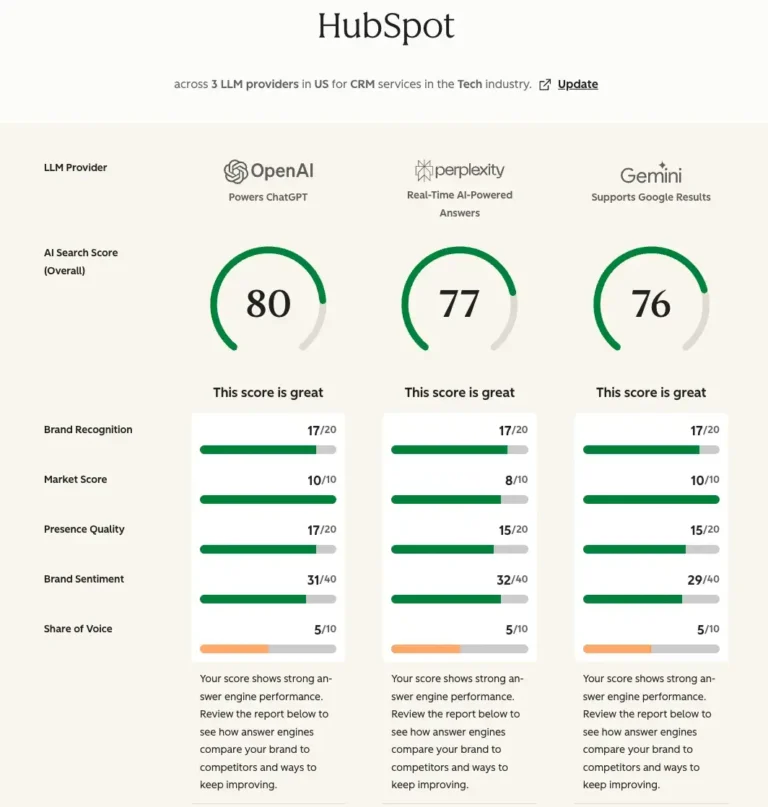
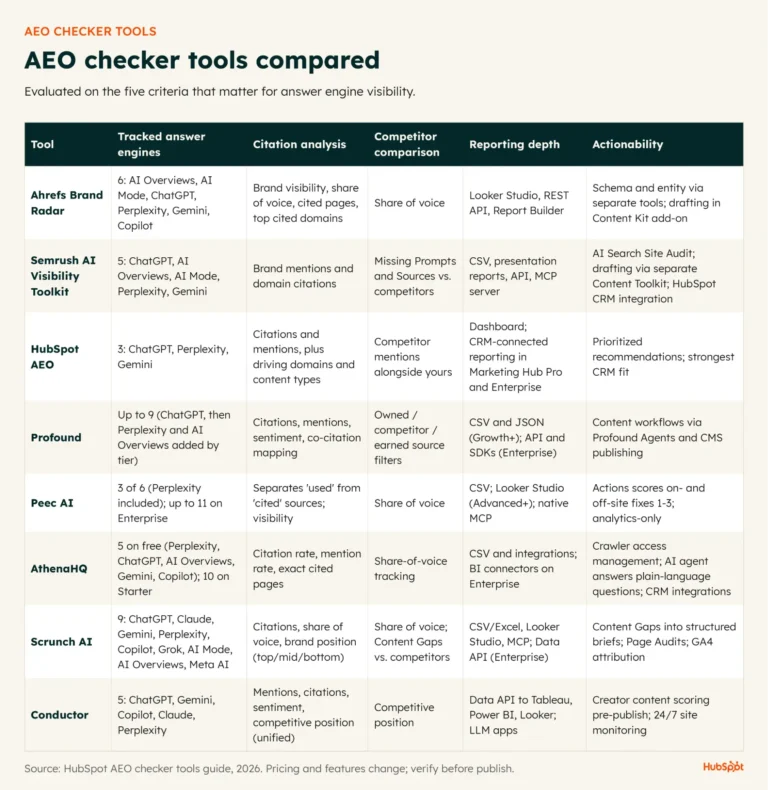
- AI Visibility Graders: Tools like HubSpot’s AEO Grader offer a snapshot of how a brand is represented across key AI engines, assessing metrics such as sentiment, presence quality, and brand recognition. These graders provide a baseline for understanding current AI perception and identifying areas for improvement.
- Connecting Visibility to Pipeline: The ultimate goal of any optimization strategy is to drive tangible business outcomes. Early data suggests a strong correlation between AI-referred traffic and conversions. By tracking AI visibility alongside demand generation metrics, businesses can quantify the impact of AEO on lead generation and sales.
The Future: Preparing for AI Agents
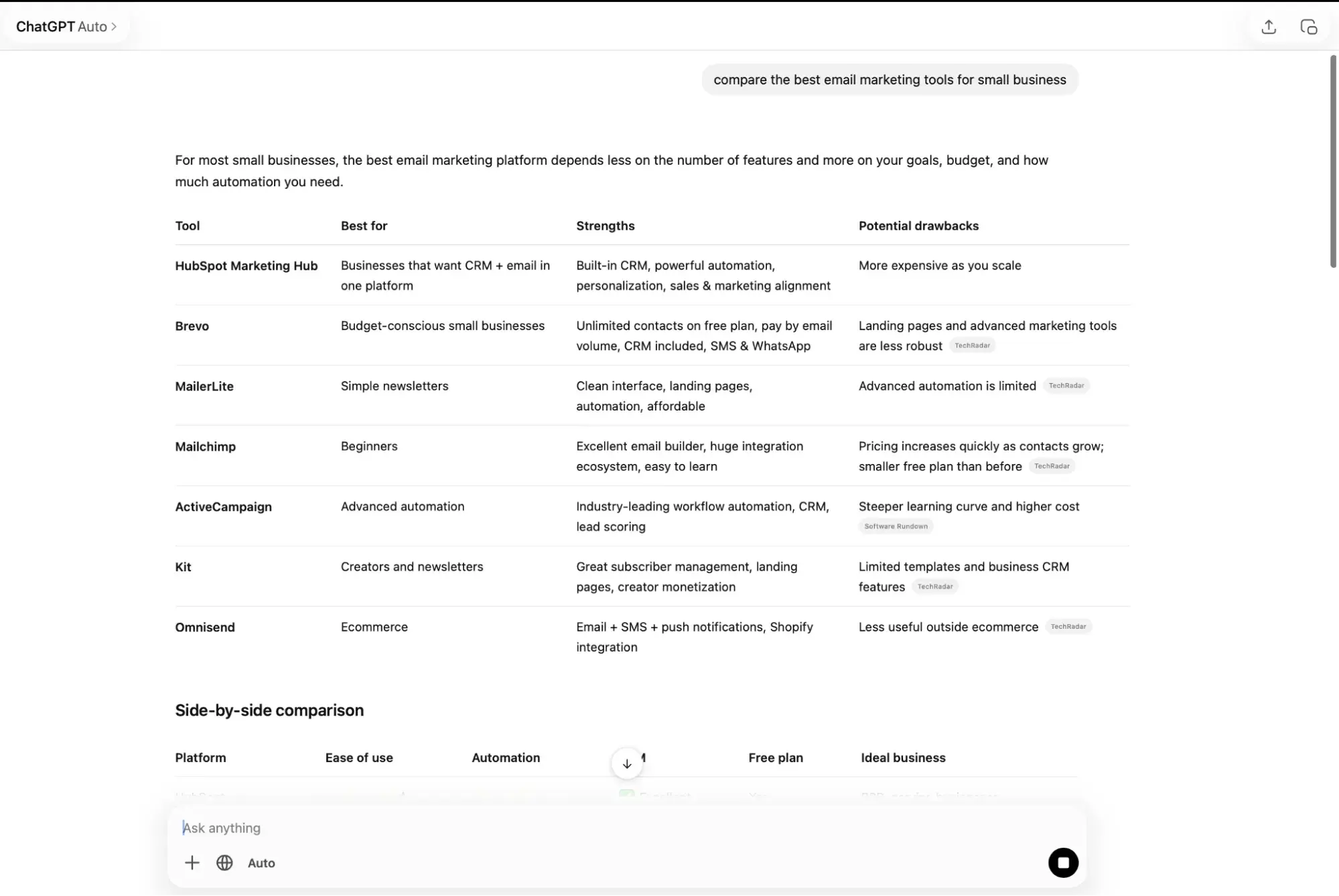
The evolution of AI search is leading towards increasingly sophisticated AI agents capable of not only answering questions but also performing tasks. Browser agents can navigate websites, fill forms, and even complete purchases on behalf of users. This necessitates a focus on accessible, machine-interpretable web elements. Brands should ensure their websites are structured to facilitate agent interaction, with clear controls and well-formatted product data. This readiness is largely an extension of current AEO best practices, emphasizing clean rendering, structured data, and accessibility.
In conclusion, AI search optimization represents a significant evolution in the digital marketing landscape. By understanding the mechanisms of AI answer engines, adopting strategies focused on content clarity and credibility, and avoiding common pitfalls, brands can effectively position themselves for success in this new frontier. The future of online visibility will undoubtedly be shaped by the interplay between human intent and the intelligent capabilities of AI.
About the Author