The rapid integration of artificial intelligence into content workflows has presented marketers with a critical decision point: which large language model (LLM) reigns supreme for their specific needs? The question of "Claude or ChatGPT?" has become a central theme in marketing strategy discussions, as understanding the distinct capabilities of each tool can significantly impact operational efficiency and content quality. This analysis delves into the nuances of Claude and ChatGPT, exploring their strengths, weaknesses, and optimal use cases within the dynamic landscape of digital marketing.
Background and Context
The rise of generative AI, exemplified by models like those developed by OpenAI (ChatGPT) and Anthropic (Claude), has democratized access to powerful content creation and analysis tools. Initially seen as novelties, these LLMs have evolved into indispensable components of modern marketing toolkits. Their ability to generate text, summarize information, brainstorm ideas, and even assist with coding tasks has fundamentally altered how content is produced, optimized, and distributed. This evolution has spurred a competitive environment where developers continually refine their models, leading to frequent updates and the introduction of new features. The marketing industry, perpetually seeking an edge in efficiency and effectiveness, is keenly observing these developments to leverage AI for tangible business outcomes.
Key Differentiating Factors: Claude vs. ChatGPT
While both Claude and ChatGPT offer impressive generative capabilities, they exhibit distinct strengths that cater to different marketing objectives. ChatGPT, known for its versatility and broad accessibility, often excels in rapid ideation, generating email copy, and creating social media content. Its ability to produce quick first drafts and its extensive plugin ecosystem make it a powerful tool for high-volume content production and iterative development.

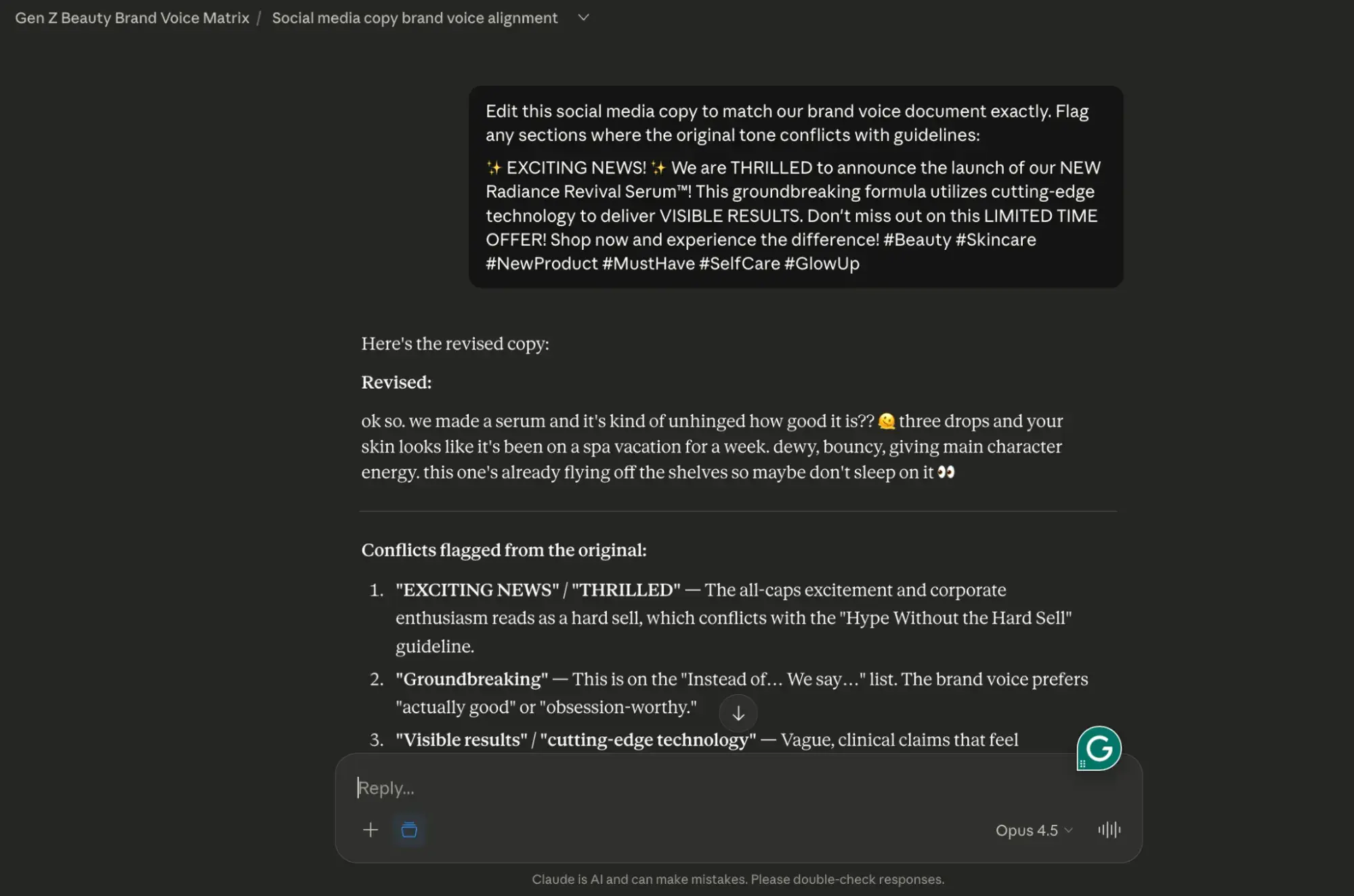
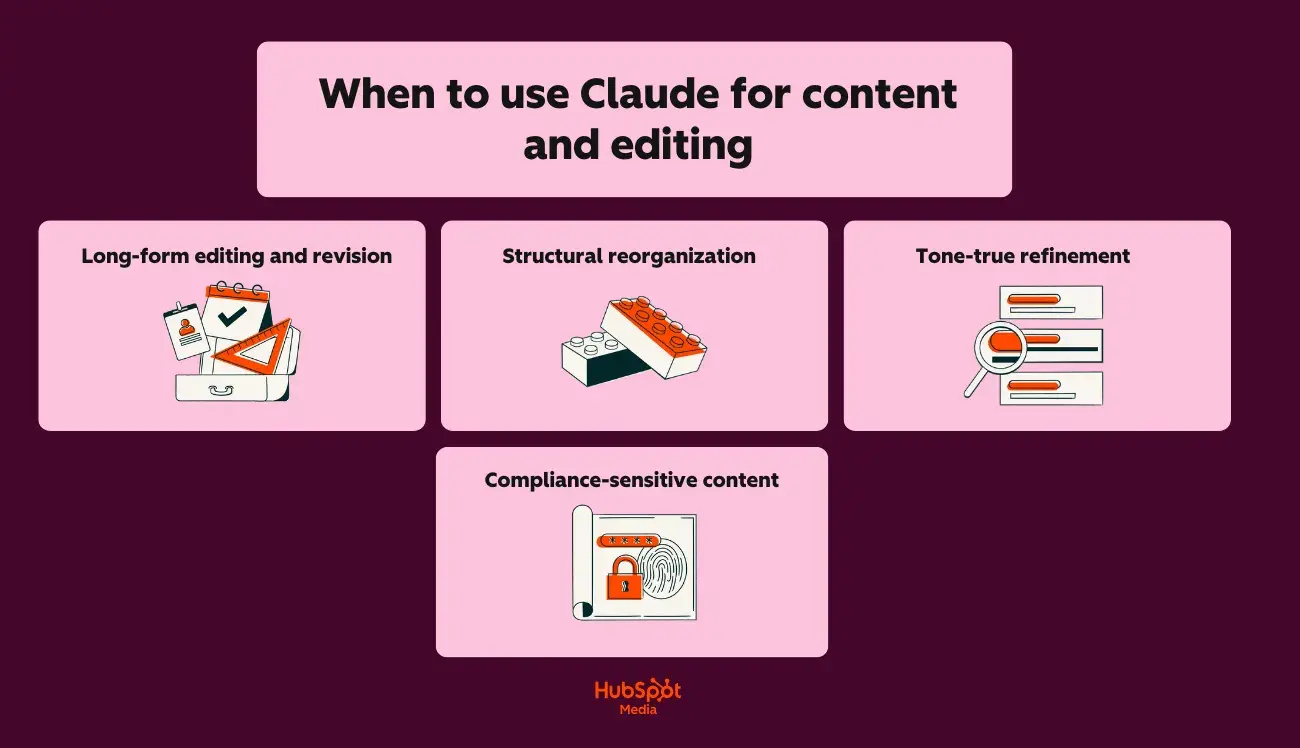
Conversely, Claude has demonstrated a particular aptitude for long-form content, brand voice consistency, and handling large context windows. Its ability to process and retain extensive information allows for more nuanced editing, sophisticated analysis of lengthy documents, and the maintenance of a coherent brand identity across extensive content pieces. This makes Claude a compelling option for tasks requiring depth, consistency, and a deep understanding of complex information.
The core of the "Claude versus ChatGPT" debate, therefore, is not about identifying a single superior tool, but rather about understanding which LLM is best suited for each specific marketing task. A strategic approach involves leveraging the unique advantages of each model to create a synergistic workflow.
Optimizing Marketing Workflows with Claude and ChatGPT
For common marketing workflows, the optimal choice between Claude and ChatGPT is task-dependent.
Claude’s Strengths:
- Long-Form Content Editing and Creation: Claude’s substantial context window (up to 200,000 tokens) makes it ideal for tasks involving extensive documents like e-books, white papers, and comprehensive reports. It can analyze and edit entire documents while maintaining structural integrity and thematic consistency.
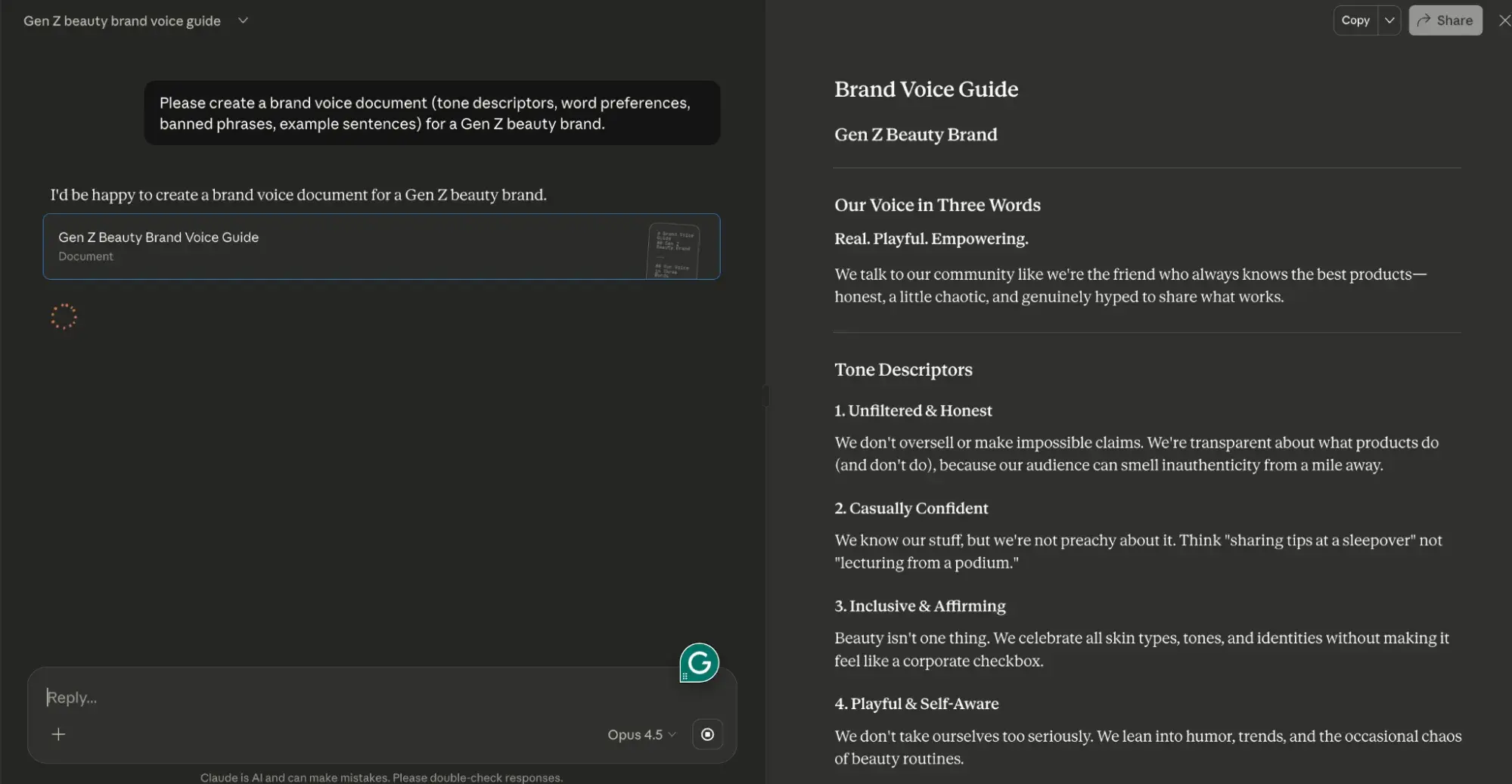
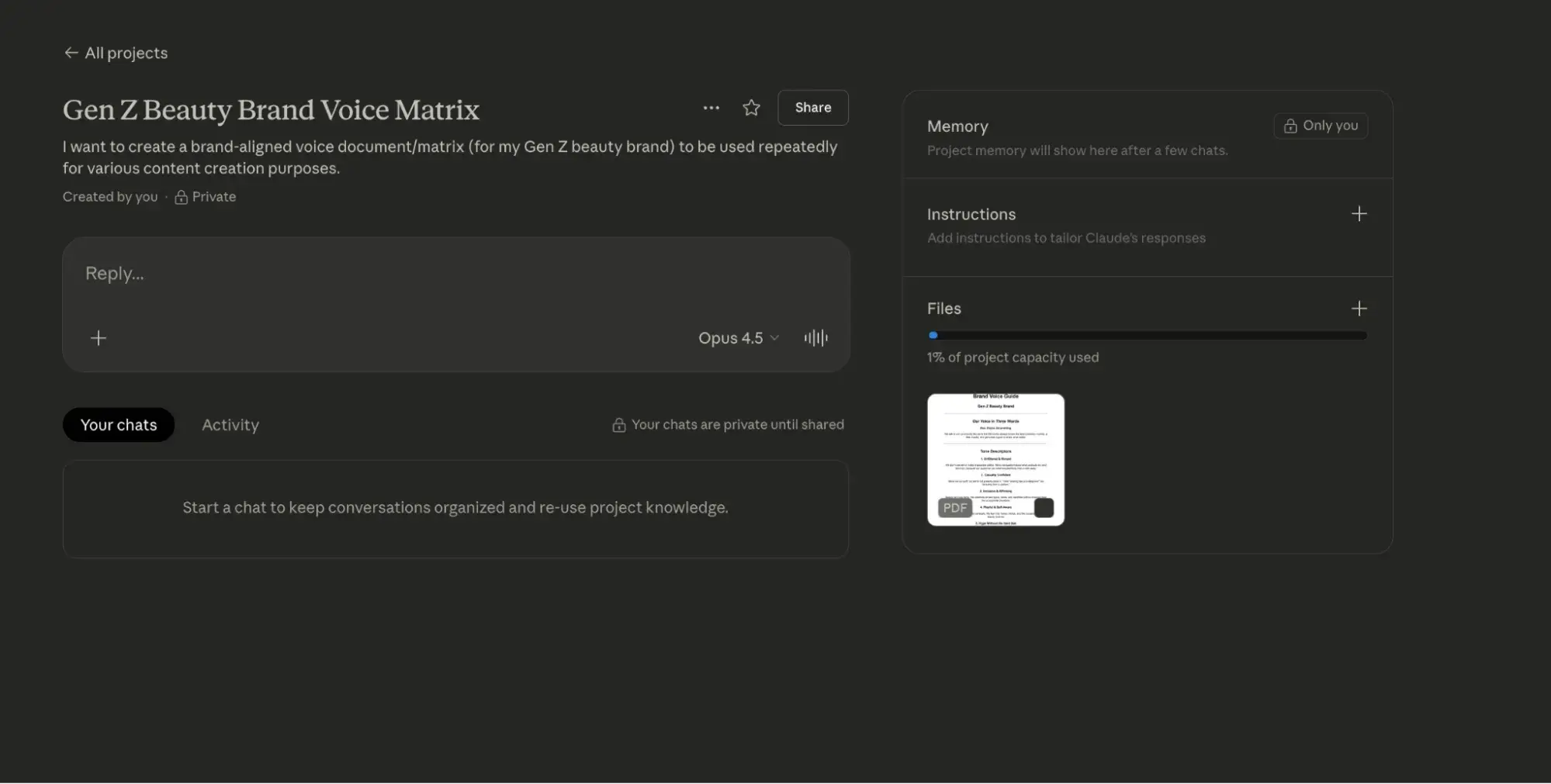
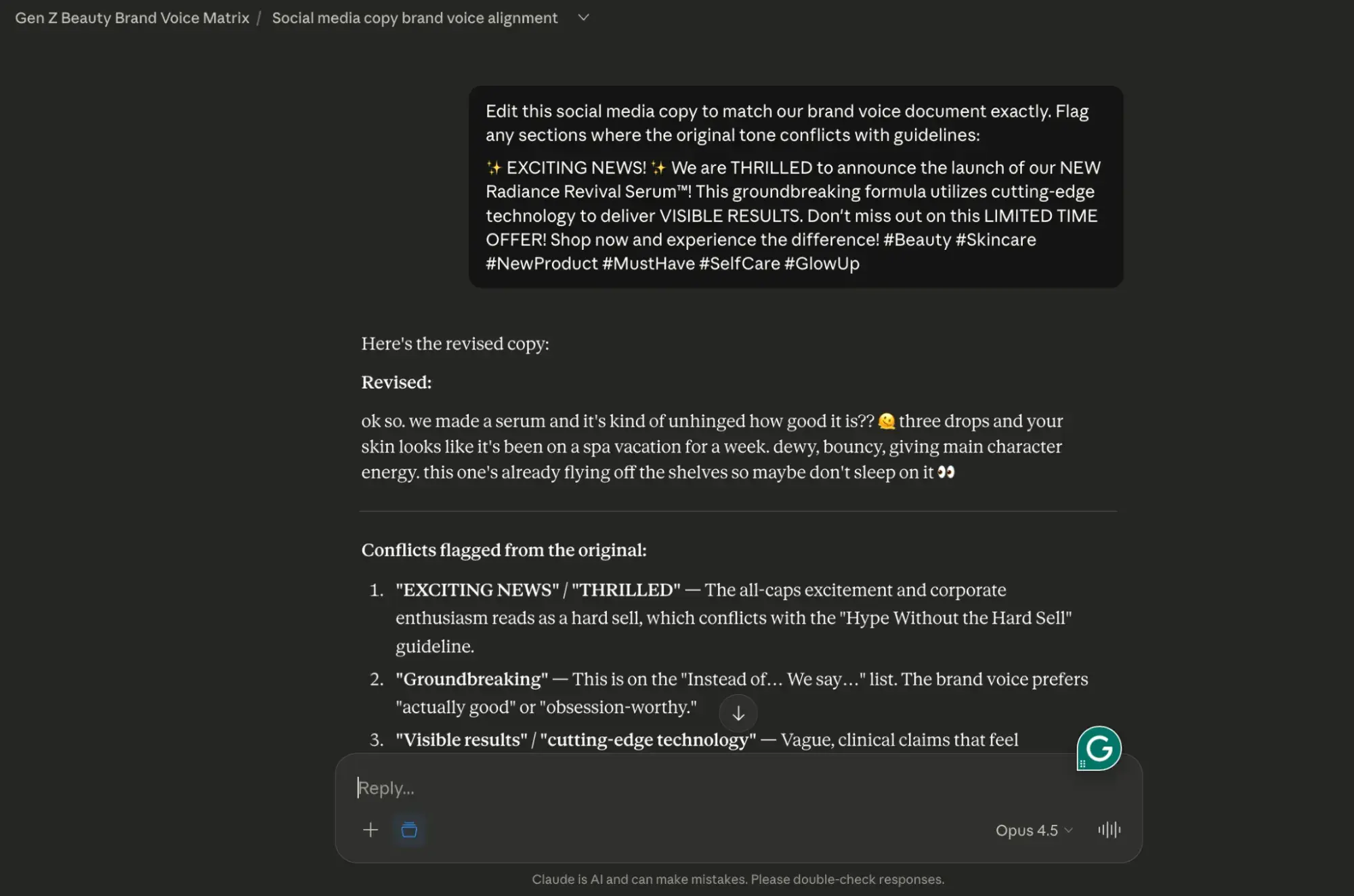
- Brand Voice Consistency: Claude demonstrates a strong ability to adhere to specific brand guidelines, ensuring a consistent tone and voice across various content pieces, which is crucial for brand recognition and trust.
- Complex Context Handling: Its ability to process large amounts of information in a single interaction allows for more sophisticated analysis and generation based on extensive background material, such as competitor data or detailed project briefs.
- Research Reliability and Citations: Claude often provides more reliable research outputs, with a tendency to offer citations and a more conservative approach to unverified claims compared to some iterations of ChatGPT. This is particularly valuable for SEO briefs and factual content.
- Governance and Privacy: For enterprises prioritizing data security, Claude’s enterprise tier offers robust controls, including data retention policies and default exclusion from training data, which are critical for compliance and brand protection.
ChatGPT’s Strengths:
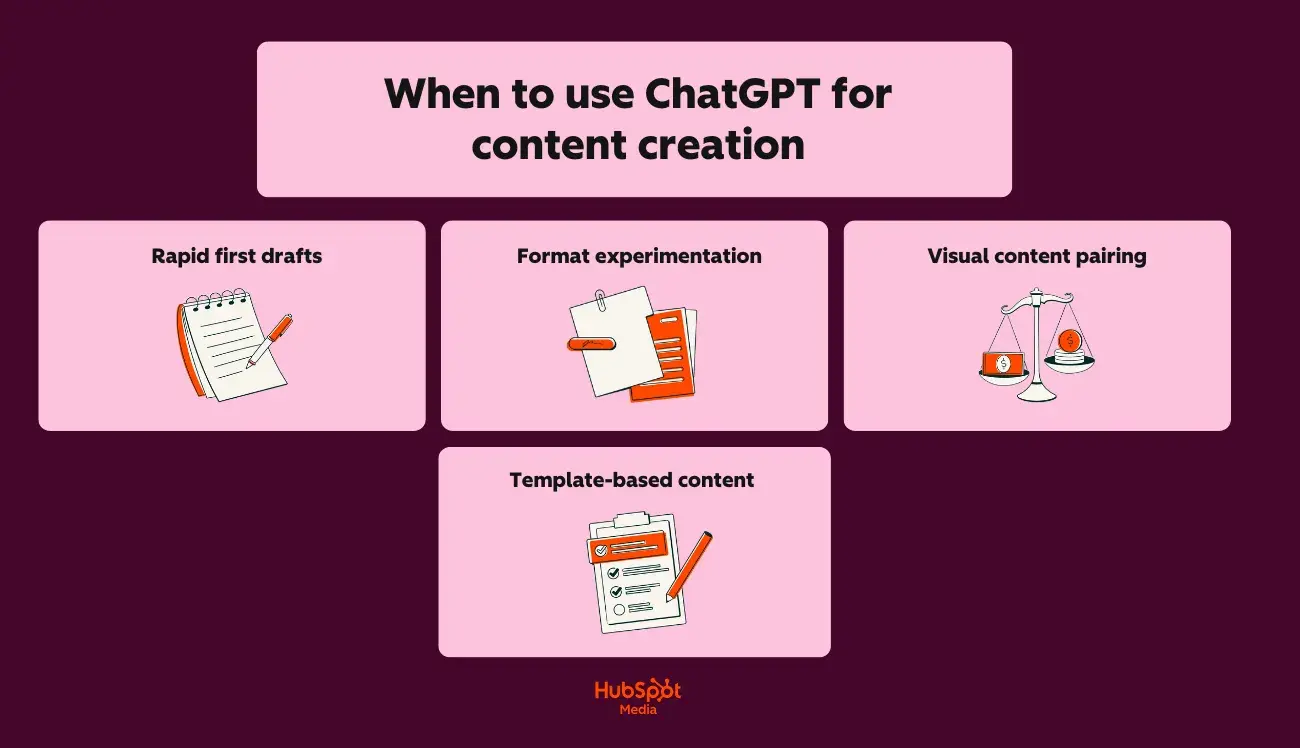
- Rapid Ideation and Drafting: ChatGPT excels at quickly generating initial drafts and brainstorming content ideas. This is invaluable for generating multiple variations of copy, such as social media posts or email subject lines, in a short period.
- Email and Social Media Content: Its speed and accessibility make it a go-to for high-volume tasks like crafting email sequences, social media updates, and ad copy where rapid iteration is key.
- Visual Content Generation: Integration with DALL-E allows ChatGPT to generate images, adding a multimodal dimension to content creation that Claude currently does not offer natively.
- Plugin Ecosystem and Extensibility: ChatGPT’s vast library of plugins and the GPT Store provide access to a wide range of specialized tools and pre-built marketing solutions, enhancing its versatility for users across different skill levels.
- Coding and Automation Assistance: For simpler scripting and automation tasks, ChatGPT’s speed in code generation can be advantageous.
A strategic integration often involves using ChatGPT for the initial drafting and ideation phases, leveraging its speed and broad capabilities, and then employing Claude for refinement, editing, and ensuring brand consistency, particularly for longer or more sensitive content.
Data and Performance Comparisons
While direct, real-time performance benchmarks can fluctuate with model updates, general observations highlight key differentiators:
- Context Window: Claude’s 200,000-token context window significantly surpasses ChatGPT’s typical 28,000-token limit (though newer versions are expanding this). This allows Claude to ingest and process much larger documents, making it superior for in-depth analysis of extensive content. For instance, an entire e-book can be fed into Claude for summarization or editing, a task that would require significant chunking and potential loss of continuity with ChatGPT.
- Output Nuance: Many users report that Claude’s output, especially for longer-form content, exhibits a greater degree of nuance and coherence. This can be attributed to its advanced architecture and training, which prioritize safety and helpfulness alongside accuracy.
- Speed vs. Quality: ChatGPT often demonstrates faster response times for shorter queries, contributing to its effectiveness in high-volume, rapid-turnaround tasks. Claude, while not slow, may prioritize depth and accuracy, leading to slightly longer processing times for complex requests.
Integration with Marketing Stacks
The seamless integration of AI tools into existing marketing technology stacks is paramount for maximizing their utility. Both Claude and ChatGPT offer robust integration options, particularly with platforms like HubSpot:
- Native Connectors: HubSpot offers native connectors for both Claude and ChatGPT. These integrations allow users to access AI functionalities directly within the HubSpot interface, streamlining workflows for content creation, campaign management, and data analysis. The Claude connector, for example, enables users to leverage Claude’s capabilities within HubSpot’s Marketing Hub for tasks such as drafting email copy or summarizing research. Similarly, the ChatGPT connector facilitates image generation, content summarization, and other AI-assisted tasks directly within the platform.
- API and Middleware: For more customized integrations, both LLMs provide APIs that can be connected to various marketing tools. Middleware platforms like Zapier and Make further facilitate these integrations, enabling no-code automation between different applications. This allows for complex workflows, such as automatically generating social media posts from blog articles or enriching CRM data with AI-generated insights.
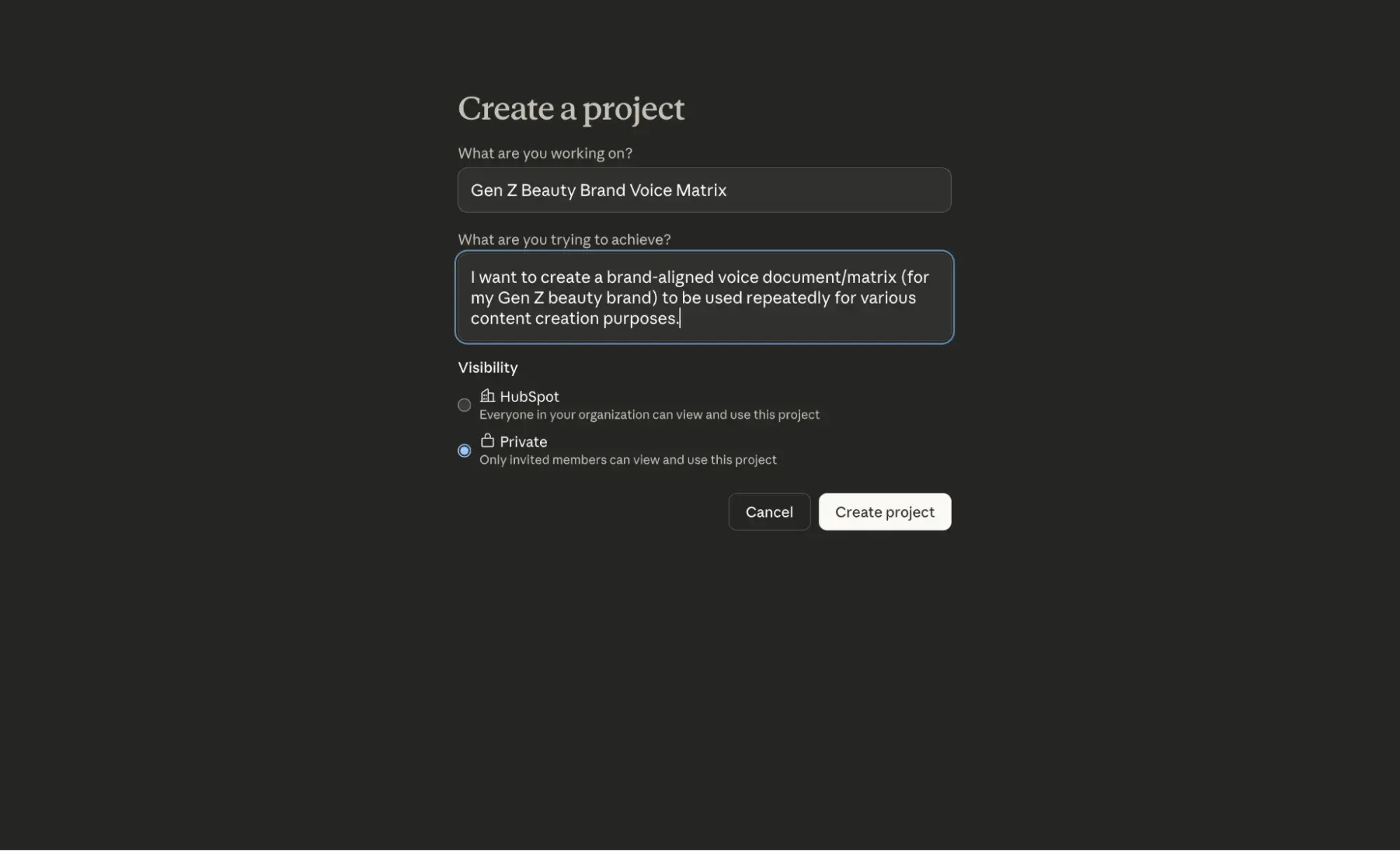
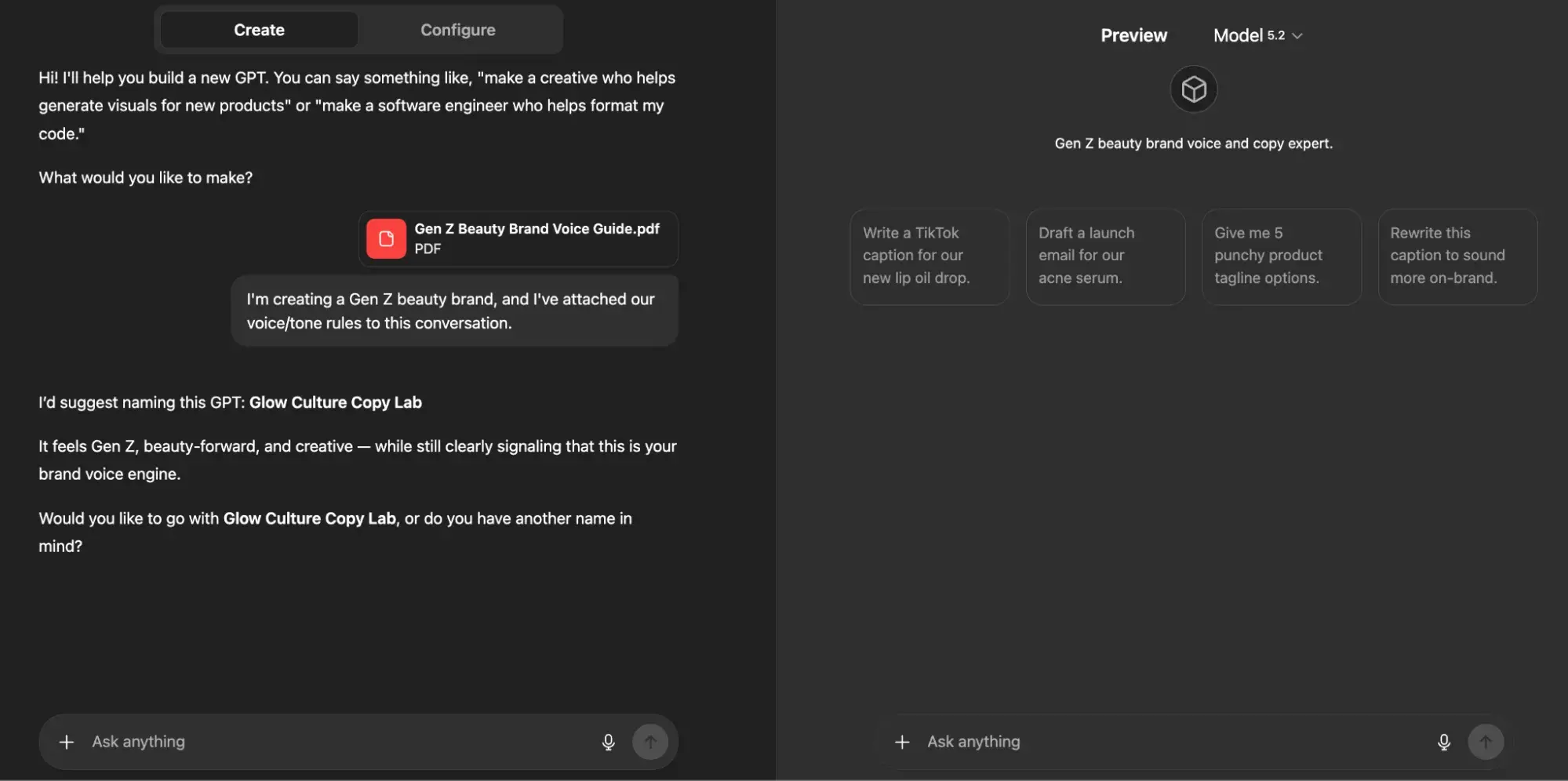
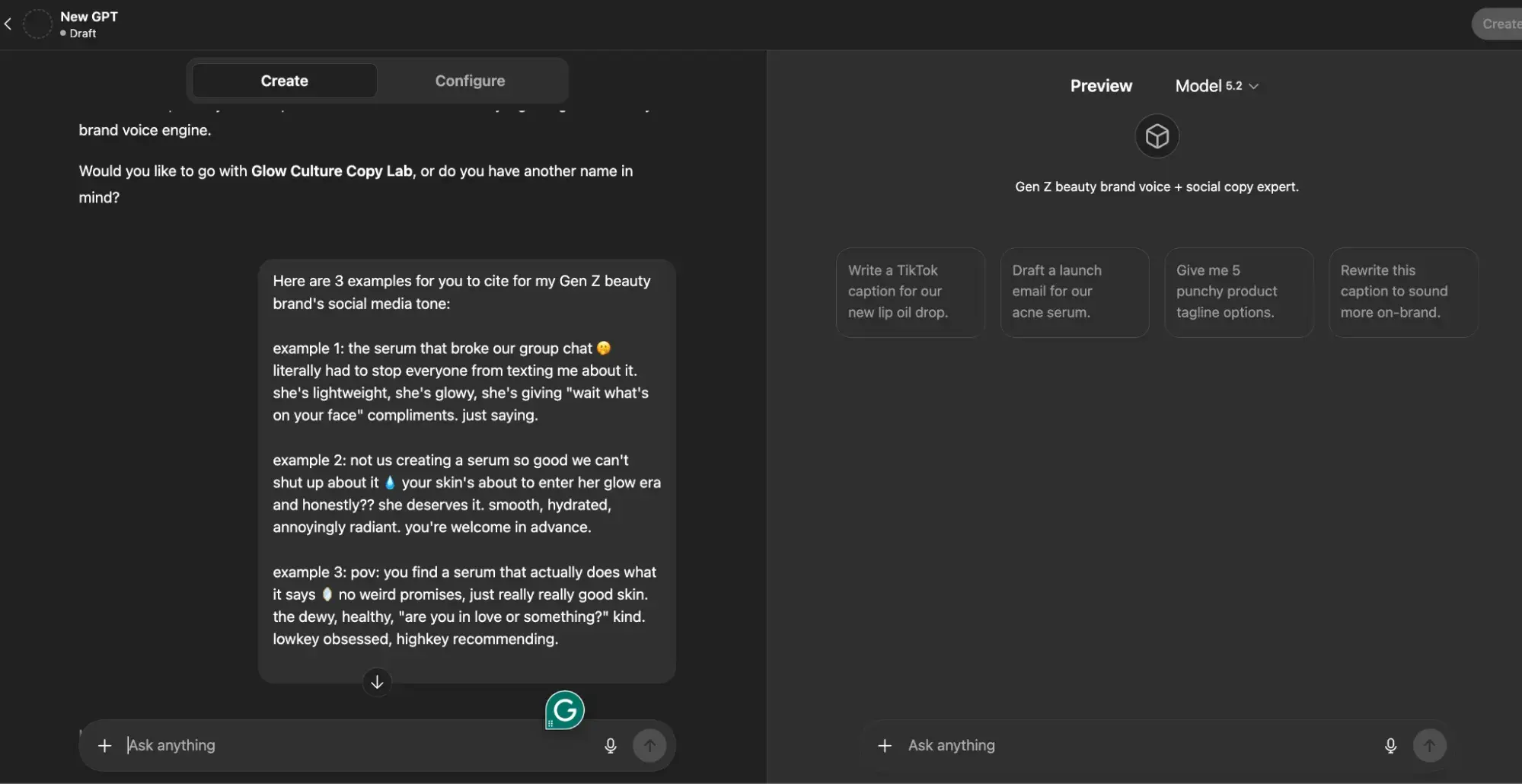
- Custom GPTs and Projects: ChatGPT’s Custom GPTs and Claude’s Projects feature allow users to create tailored AI assistants for specific tasks. These can be configured with custom instructions, knowledge bases, and capabilities, effectively creating specialized tools for niche marketing functions like SEO brief generation or brand voice enforcement.
Data Privacy and Governance Considerations
In today’s regulatory environment, data privacy and governance are non-negotiable. Both Claude and ChatGPT have made significant strides in this area, particularly for enterprise users:
- Claude’s Approach: Anthropic emphasizes safety and privacy. By default, user data is not used for training. Enterprise tiers offer granular control over data retention, SSO integration, and audit logs, making it a strong contender for organizations with stringent compliance requirements.
- ChatGPT’s Approach: OpenAI provides data control options through its Enterprise tier and requires opt-out for data to be excluded from training. While robust, this necessitates proactive configuration by users to ensure data privacy. Both models offer HIPAA compliance with a Business Associate Agreement (BAA) at the enterprise level.
The choice often hinges on the default privacy settings and the ease of implementing governance controls. Claude’s default exclusion of user data from training simplifies initial adoption for privacy-conscious organizations.
Pricing and Subscription Models
Understanding the pricing structures is crucial for budget allocation. Both platforms offer tiered subscription models:
- Free Tiers: Both provide free access, though with limitations on usage. ChatGPT’s free tier typically offers more messages but may use a less advanced model. Claude’s free tier provides access to its full model but with stricter message limits.
- Pro/Plus Tiers: For individual users or small teams, Pro/Plus subscriptions ($17-$20/month) offer increased usage limits and access to more advanced models. ChatGPT Plus often includes features like DALL-E image generation and advanced voice capabilities.
- Team/Enterprise Tiers: For larger organizations, Team and Enterprise plans offer collaborative features, enhanced security, and custom pricing. Claude’s Team tier is competitively priced and emphasizes privacy and governance, while ChatGPT’s offerings focus on a broader plugin ecosystem.
The cost-effectiveness depends on the specific use case, volume of usage, and the need for advanced features or enterprise-grade security and governance.
Strategic Deployment: When to Use Which Tool
The most effective strategy often involves a dual-pronged approach, leveraging the unique strengths of both Claude and ChatGPT:
-
Claude for Depth and Precision:
- Long-Form Content: E-books, white papers, detailed reports, and technical documentation.
- SEO Briefs: Synthesizing competitor data, creating structured briefs, and ensuring research accuracy.
- Brand Voice Enforcement: Maintaining consistent tone across extensive content portfolios.
- Compliance-Sensitive Content: Tasks requiring strict adherence to regulations and data privacy.
- Complex Data Analysis: Summarizing and analyzing large datasets or lengthy research papers.
-
ChatGPT for Speed and Versatility:
- Rapid Ideation: Brainstorming blog topics, social media hooks, and ad variations.
- Drafting Short-Form Content: Social media posts, email subject lines, product descriptions, and ad copy.
- Visual Content Creation: Generating images for social media, blog posts, or marketing collateral.
- Quick Scripting and Automation: Generating simple code snippets or assisting with basic data manipulation.
- Multilingual Content: Leveraging its broad training data for translation tasks.
Example Workflow: A marketing team could use ChatGPT to quickly generate multiple draft email subject lines. The top contenders could then be fed into Claude, along with brand guidelines, for refinement to ensure optimal tone and brand alignment before deployment. Similarly, ChatGPT could draft an initial blog post outline, which Claude then refines for logical flow and comprehensive coverage, before ChatGPT is used to adapt sections for social media snippets.
Implications for Marketing Teams
The strategic adoption of AI tools like Claude and ChatGPT has profound implications for marketing teams:
- Enhanced Productivity: By automating repetitive tasks and accelerating content creation, these tools free up human marketers to focus on higher-level strategic thinking, creativity, and relationship building.
- Improved Content Quality: Leveraging the strengths of each LLM can lead to more nuanced, on-brand, and factually accurate content. Claude’s editing capabilities, for instance, can significantly elevate the polish of long-form pieces.
- Cost Efficiency: While subscriptions incur costs, the gains in productivity and efficiency often translate to significant cost savings in the long run, reducing the need for extensive manual labor.
- Data-Driven Insights: Both tools can assist in analyzing market trends, customer feedback, and campaign performance data, providing valuable insights for strategic decision-making.
- Adaptability and Innovation: Marketing teams that embrace these technologies position themselves at the forefront of innovation, gaining a competitive advantage in an increasingly AI-driven landscape.
Conclusion: The Collaborative Future
The question of "Claude vs. ChatGPT" for marketing is not about declaring a definitive winner, but rather about recognizing their complementary roles. Claude excels in depth, nuance, brand consistency, and handling complex information, making it invaluable for editing, long-form content, and sensitive tasks. ChatGPT shines in speed, versatility, rapid ideation, and multimodal content creation, making it ideal for high-volume drafting and creative exploration.
The true winner is the marketing team that strategically integrates both tools into their workflow, understanding when to deploy each for maximum impact. By mastering the distinct capabilities of Claude and ChatGPT, marketers can unlock unprecedented levels of efficiency, creativity, and effectiveness, transforming AI from a novel technology into a cornerstone of their strategic success. The future of AI in marketing is not one of singular dominance, but of intelligent collaboration, where each tool plays its part in a sophisticated content engine.
About the Author