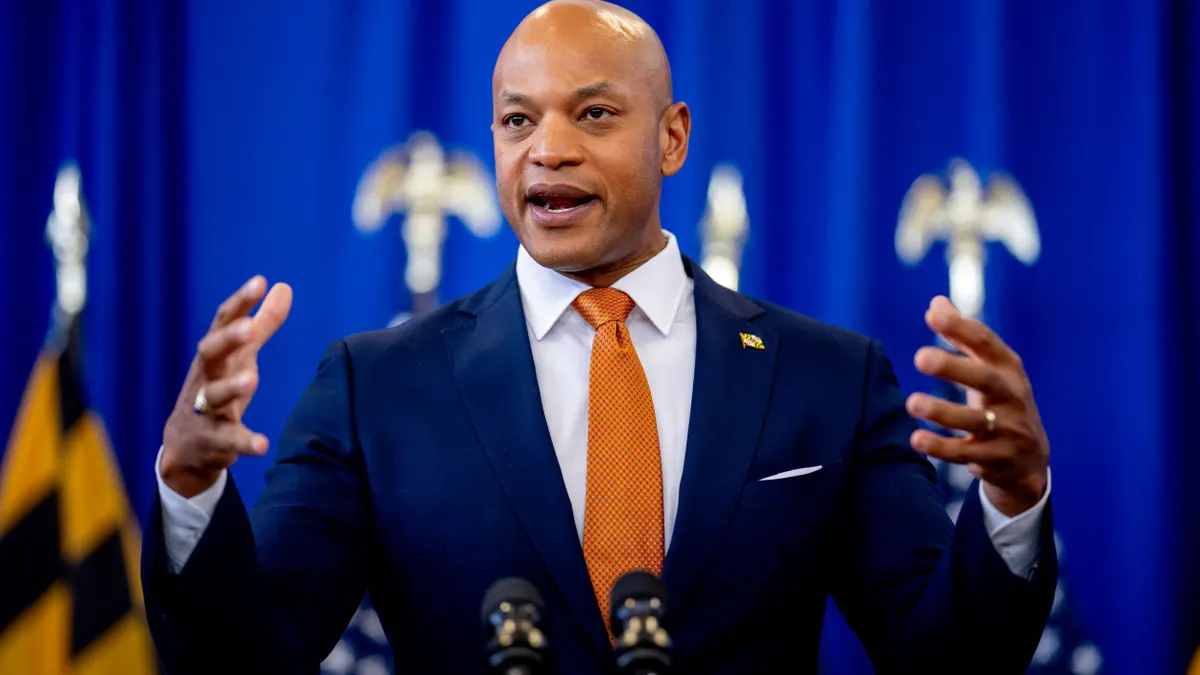
Maryland is forging ahead with its own strategy for governing the burgeoning field of artificial intelligence, establishing a comprehensive framework that prioritizes worker protections and responsible technological integration. This initiative, spearheaded by Governor Wes Moore, commences with the formation of dedicated committees and the convening of key stakeholders. The state’s proactive stance is underscored by the fact that it already possesses legislation specifically addressing the use of AI in the workplace, demonstrating a pre-existing commitment to managing the technology’s impact on its workforce.
The announcement of Governor Moore’s AI framework on September 22, 2026, arrives at a critical juncture in the national conversation surrounding artificial intelligence. The past few weeks have seen a surge of unified warnings from prominent figures in the AI sector and worker advocacy groups. These experts have emphatically cautioned that without robust and timely regulation, the unchecked advancement of AI could lead to profoundly detrimental societal consequences. This heightened sense of urgency stems from a growing awareness of AI’s potential to exacerbate existing inequalities, disrupt labor markets, and introduce novel ethical dilemmas.
A Nation Divided on AI Governance
The escalating concerns about AI’s rapid development have placed significant pressure on federal lawmakers and the executive branch to formulate a coherent regulatory strategy. However, the response from the federal government has been characterized by a degree of fragmentation and hesitancy. President Trump, initially, appeared resistant to the mounting calls for stringent AI oversight, expressing a desire not to impede innovation or cede technological advantage to international competitors, particularly China.
Despite this initial resistance, President Trump announced on a recent weekend the formation of an AI task force, to be led by a newly appointed "AI czar." This announcement, however, was met with skepticism from some quarters. Reports indicated a potential lack of coordinated communication between the White House and Congress regarding this initiative. Furthermore, President Trump continued to characterize some AI safety concerns as a "hoax," suggesting a divergence in perspectives on the severity of the potential risks. This federal response, while indicating a move towards addressing AI, has been perceived by many as lagging behind the pace of technological advancement and the urgency expressed by industry leaders and civil society.
States Take the Lead in AI Regulation
In the absence of a swift and decisive federal action plan, individual states have increasingly stepped forward to assume leadership roles in regulating artificial intelligence. This state-led approach has encompassed a broad spectrum of concerns, ranging from overarching AI safety protocols to the specific implications of AI within the employment landscape. This decentralized approach reflects the diverse needs and priorities of different regions, allowing for more tailored and potentially more effective regulatory interventions.
California has, in many respects, continued to pave the way in this evolving regulatory terrain. In late August 2026, the Golden State enacted significant legislation aimed at curbing the use of AI tools that infringe upon employee privacy and autonomy. One notable bill prohibits employers from deploying AI systems designed to monitor an individual employee’s emotional state or to collect "neural data." This measure directly addresses concerns about intrusive surveillance and the potential for AI to infer or manipulate workers’ psychological well-being.
Simultaneously, California has also advanced the "No Robo Bosses Act." This legislation seeks to prevent employers from relying exclusively on AI for critical employment decisions such as terminations or disciplinary actions. The proposed law mandates human oversight in such processes, aiming to ensure fairness and accountability. It is worth noting that Governor Gavin Newsom had previously vetoed a version of this bill in the preceding year, citing concerns that its "overly broad restrictions" might stifle legitimate business practices. The revised legislation, however, appears to have addressed some of these earlier objections, though its final fate remained pending as Governor Newsom had until September 30, 2026, to sign or veto both bills.
Maryland’s Existing Legislative Landscape and Governor Moore’s Vision
While Governor Moore’s newly established framework begins with the foundational steps of committee formation and stakeholder engagement, Maryland is not starting from scratch. The state already has in place at least one significant law that directly regulates the application of AI in employment contexts. This existing legislation specifically addresses the use of facial recognition software by employers during the job interview process. This proactive measure indicates a prior acknowledgment of the need to govern AI’s role in hiring and applicant screening, setting a precedent for further regulatory action.

In a statement accompanying the announcement of his AI framework, Governor Moore articulated a clear vision for Maryland’s approach to artificial intelligence. He emphasized the imperative of establishing robust safeguards to protect the rights, privacy, and dignity of Marylanders. "With the speed at which AI is moving, Marylanders deserve guardrails that safeguard their rights, privacy, and dignity," Governor Moore stated. "This technology is already here, and we believe Maryland is the best state in the country to benefit from the promise of AI responsibly – but we can’t afford to wait while Washington sits on their hands. These core principles will guide our every action to protect our people, center our workers, and keep our kids safe."
This declaration highlights a commitment to a proactive and worker-centric regulatory model. The emphasis on "guardrails" suggests a balanced approach that seeks to harness the potential benefits of AI while mitigating its inherent risks. The governor’s acknowledgment that "this technology is already here" underscores the immediate need for legislative and policy action, rather than deferring to a potentially slower federal response.
The Broader Implications of State-Led AI Regulation
The divergence between federal and state approaches to AI regulation carries significant implications for businesses operating across different jurisdictions. Companies will likely face a patchwork of rules and requirements, necessitating careful navigation and compliance strategies. This could potentially lead to increased administrative burdens and legal complexities for employers.
However, the state-led initiatives also offer opportunities for innovation and the development of best practices. As states like California and Maryland introduce more specific regulations, they may serve as models for other jurisdictions considering similar measures. This can foster a more dynamic and responsive regulatory environment, capable of adapting to the rapid evolution of AI technology.
Key Areas of Focus for Maryland’s AI Framework

While the specific details of Maryland’s new AI framework are still emerging, the initial steps suggest a focus on several critical areas:
- Worker Protections: Governor Moore’s emphasis on "centering our workers" indicates a strong likelihood that the framework will address issues such as algorithmic bias in hiring and promotion, the impact of AI on job displacement, and the need for transparency in AI-driven decision-making processes affecting employees.
- Privacy and Data Security: The existing legislation on facial recognition and the broader national concerns about AI’s data collection capabilities suggest that privacy will be a central tenet. This could involve regulations around the collection, use, and storage of employee data by AI systems.
- Ethical AI Development and Deployment: The call for responsible AI integration implies a focus on ethical considerations, ensuring that AI systems are developed and deployed in a manner that aligns with societal values and minimizes harm. This may include guidelines for AI audits, risk assessments, and mechanisms for accountability.
- Economic Development and Innovation: While prioritizing safeguards, the framework is also likely to acknowledge the economic potential of AI. The goal will be to foster innovation and leverage AI for growth while ensuring that such advancements are inclusive and beneficial to all Marylanders.
The Road Ahead: Collaboration and Adaptation
The formation of committees and the gathering of stakeholders are crucial first steps in developing a comprehensive and effective AI regulatory strategy. This process will involve input from a diverse range of parties, including AI developers, business leaders, labor unions, civil rights organizations, and academic experts. Such collaborative engagement is essential for building consensus and ensuring that the resulting regulations are practical, equitable, and sustainable.
As AI continues its rapid trajectory, the regulatory landscape will undoubtedly remain fluid. Maryland’s proactive approach, anchored by Governor Moore’s vision and building upon existing legislative foundations, positions the state to be a leader in navigating the complex challenges and opportunities presented by artificial intelligence. The success of this initiative will hinge on its ability to adapt to future technological advancements and to foster a balanced ecosystem where innovation and responsible governance can coexist. The nation watches as states like Maryland take decisive action, potentially setting precedents for a more unified and effective approach to AI regulation in the years to come.
About the Author