B2B SaaS businesses are achieving a remarkable average ROI of 702% from Search Engine Optimization (SEO), a testament to the enduring power of organic search in driving qualified leads and customer acquisition. However, a significant disconnect exists as many marketing teams continue to rely on outdated SEO tool stacks, ill-equipped for the dynamic search environment of today, particularly with the ascendance of AI-generated search results. This article delves into the critical need for modernizing SaaS SEO toolkits, exploring the essential features and specific tools that empower businesses to not only maintain but enhance their visibility in an ever-changing digital landscape.
The landscape of search engine optimization is in constant flux, driven by algorithmic updates, evolving user behavior, and the transformative integration of artificial intelligence. For Software-as-a-Service (SaaS) companies, whose business models are intrinsically linked to consistent lead generation and customer acquisition, a robust and current SEO strategy is not merely advantageous; it is a fundamental driver of growth. While the allure of substantial ROI from SEO—reportedly reaching up to 702% for B2B SaaS—is compelling, the tools employed by many teams have not kept pace with these advancements. This lag leaves them vulnerable to competitors who are more adept at navigating the complexities of modern search, including the burgeoning influence of AI-driven search experiences.
The urgency for SaaS marketing teams to re-evaluate and update their technology stack for SEO has never been greater. Tools that were effective two or three years ago may now fall short in an environment where securing a prominent position within AI-generated answers holds as much, if not more, weight than a traditional first-page ranking. This shift necessitates a strategic approach to tool selection, focusing on solutions that address the full spectrum of SEO workflows, from initial research and technical auditing to content optimization, the crucial area of AI search visibility, internal linking strategies, and comprehensive reporting.
What Constitutes Effective SEO Tools for SaaS?
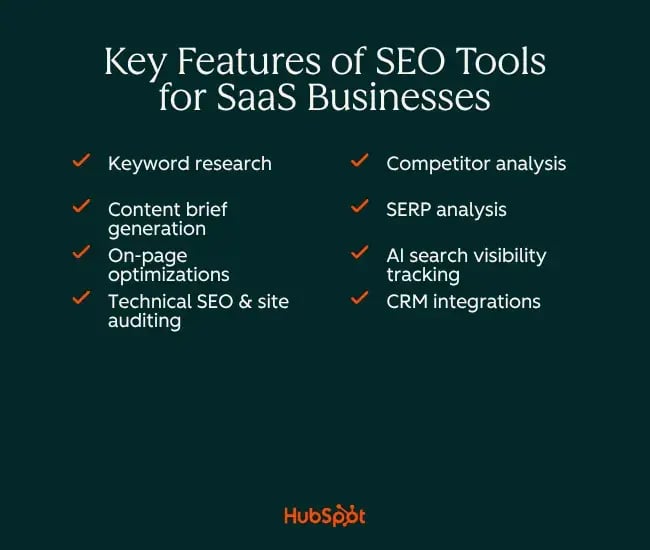
SEO tools specifically designed for SaaS companies are sophisticated software platforms engineered to facilitate the research, creation, optimization, and measurement of content aimed at improving search engine visibility. The ideal toolkit provides a seamless workflow, eliminating the need for teams to constantly switch between disparate and disconnected platforms at each stage of the SEO process. While many general SEO tools cater to a variety of industries, certain functionalities and approaches are particularly crucial for SaaS businesses.

SaaS websites typically engage with multiple buyer journeys concurrently. A SaaS company’s objective extends beyond simply ranking a product page; it involves educating potential customers at every stage of the funnel, from initial awareness to the final decision-making process. Simultaneously, these companies must compete for visibility against authoritative industry resources like G2, Capterra, and review sites. Therefore, the chosen SEO tools must possess the capability to manage this inherent complexity. Key areas that SaaS teams need their SEO tools to address include:
- Keyword Research and Competitive Intelligence: Identifying not just high-volume terms but those that signal intent and align with the entire buyer journey.
- Technical SEO Auditing: Ensuring the foundational health of the website, addressing crawlability, speed, and indexation issues.
- On-Page Content Optimization: Refining content to maximize relevance, comprehensiveness, and structural integrity for search engines.
- AI Search and Answer Engine Optimization (AEO): Adapting content and strategy to appear in AI-generated answers and summaries.
- Internal Linking: Building a robust site architecture to distribute authority and improve user navigation.
- Reporting, Attribution, and CRM Integration: Demonstrating the tangible business impact of SEO efforts.
The Significance of SaaS SEO Tools for Business Growth
The imperative for investing in SaaS SEO has never been more pronounced. Organic search stands out as one of the few marketing channels that exhibit compounding growth over time, making it an exceptionally valuable asset for SaaS teams facing mounting pressure to reduce Customer Acquisition Costs (CAC). Unlike paid advertising, which ceases to generate traffic the moment spending stops, organic traffic continues to flow, providing a sustainable and cost-effective source of leads. In fact, for SaaS businesses prioritizing sustainable growth strategies, SEO consistently ranks among the highest-leverage investments available.
However, achieving significant growth is not solely about the volume of SEO work undertaken; it is the systematic and intelligent application of the right tools that truly differentiates high-growth SaaS companies. SEO tools transform guesswork into data-driven decision-making across search, content, and attribution. Without dedicated tooling, teams often resort to publishing content based on intuition, conducting manual audits, and struggling to connect organic traffic directly to revenue. The appropriate platform automates these processes, establishing clear workflows that empower every team member to act with confidence and precision.
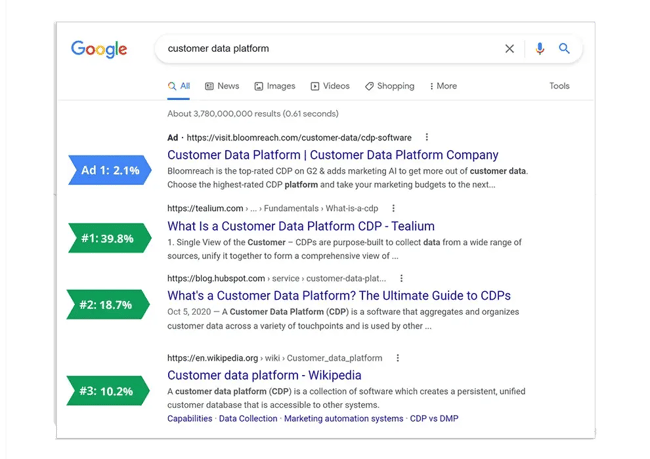
Furthermore, the current search environment presents a stark reality: after the top three organic results on Google’s Search Engine Results Pages (SERPs), click-through rates (CTRs) plummet into single digits. This data underscores the critical importance of not only ranking but ranking prominently. For most SaaS categories, ranking outside the top three positions is virtually equivalent to not ranking at all. SaaS teams that invest in the right tools can more effectively capture and defend these coveted top spots. Moreover, they can optimize their content to be featured in AI-generated answers, which are increasingly reshaping SERPs, particularly during the early discovery phases of the buyer journey when users often turn to AI for product recommendations.
Key Features to Prioritize in a SaaS SEO Tool Stack
Before embarking on the selection of an SEO technology stack, SaaS teams must meticulously identify the specific features that align with their unique workflows and strategic objectives. While individual needs may vary, five core features should guide the selection process:
-
Keyword Research and Competitive Intelligence: For SaaS companies, keyword research transcends the mere identification of high-volume terms. It involves pinpointing keywords that strongly signal user intent and mapping these terms across the entire buyer journey, from initial awareness to the final purchasing decision. The most effective SaaS SEO tools not only reveal what users are searching for but also the underlying "why," what competitors are ranking for, and where strategic market gaps exist. This necessitates tools that offer:
- Intent Analysis: Understanding the motivation behind a search query.
- Competitor Keyword Gap Analysis: Identifying keywords competitors rank for that you do not.
- Topic Clustering: Grouping related keywords to build comprehensive content hubs.
- Search Volume and Difficulty Metrics: Balancing potential reach with the effort required to rank.
- SERP Feature Analysis: Understanding how your target keywords appear in search results (e.g., featured snippets, People Also Ask).
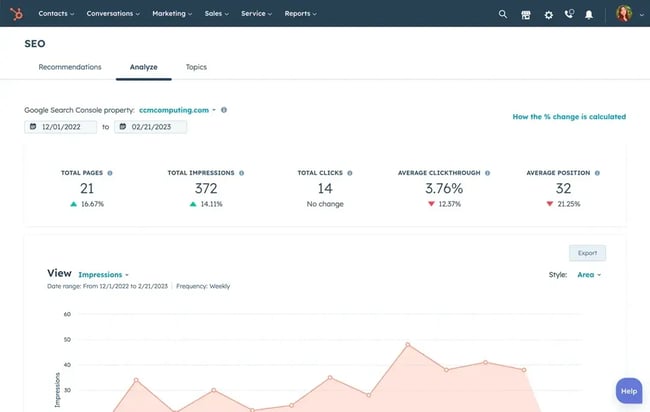
As experienced SEO professionals often note, successful SaaS SEO strategies are not solely built on targeting the highest-volume keywords for sheer traffic volume. Instead, they focus on identifying specific, high-intent queries that attract qualified traffic and convert. While third-party tools are invaluable, leveraging Google Search Console (GSC) for keyword insights is paramount, offering direct, first-party data from Google itself.
-
Technical SEO Auditing: Technical SEO forms the bedrock of any successful SEO strategy. Without a clean, crawlable, and well-indexed website, even the most compelling content will struggle to gain traction. SaaS websites, often characterized by their extensive nature and dynamic development cycles, are particularly susceptible to technical issues. The proliferation of product pages, subdomains, and the prioritization of feature development over SEO hygiene can lead to crawl errors, slow page speeds, broken internal links, duplicate content, and indexation problems. A robust SEO SaaS platform should provide automated site crawling capabilities, clear issue prioritization, and actionable guidance for remediation.
A foundational understanding of technical SEO is crucial, with resources like beginner’s guides to technical SEO offering a solid starting point. The consequences of neglecting technical SEO can be severe; many SaaS sites leave significant ranking potential untapped simply because comprehensive site crawls have not been performed for extended periods. Prioritizing tools with strong technical auditing features before investing in other areas is a strategic imperative. Establishing a clean technical foundation is essential before scaling content efforts, preventing the exacerbation of existing issues.
-
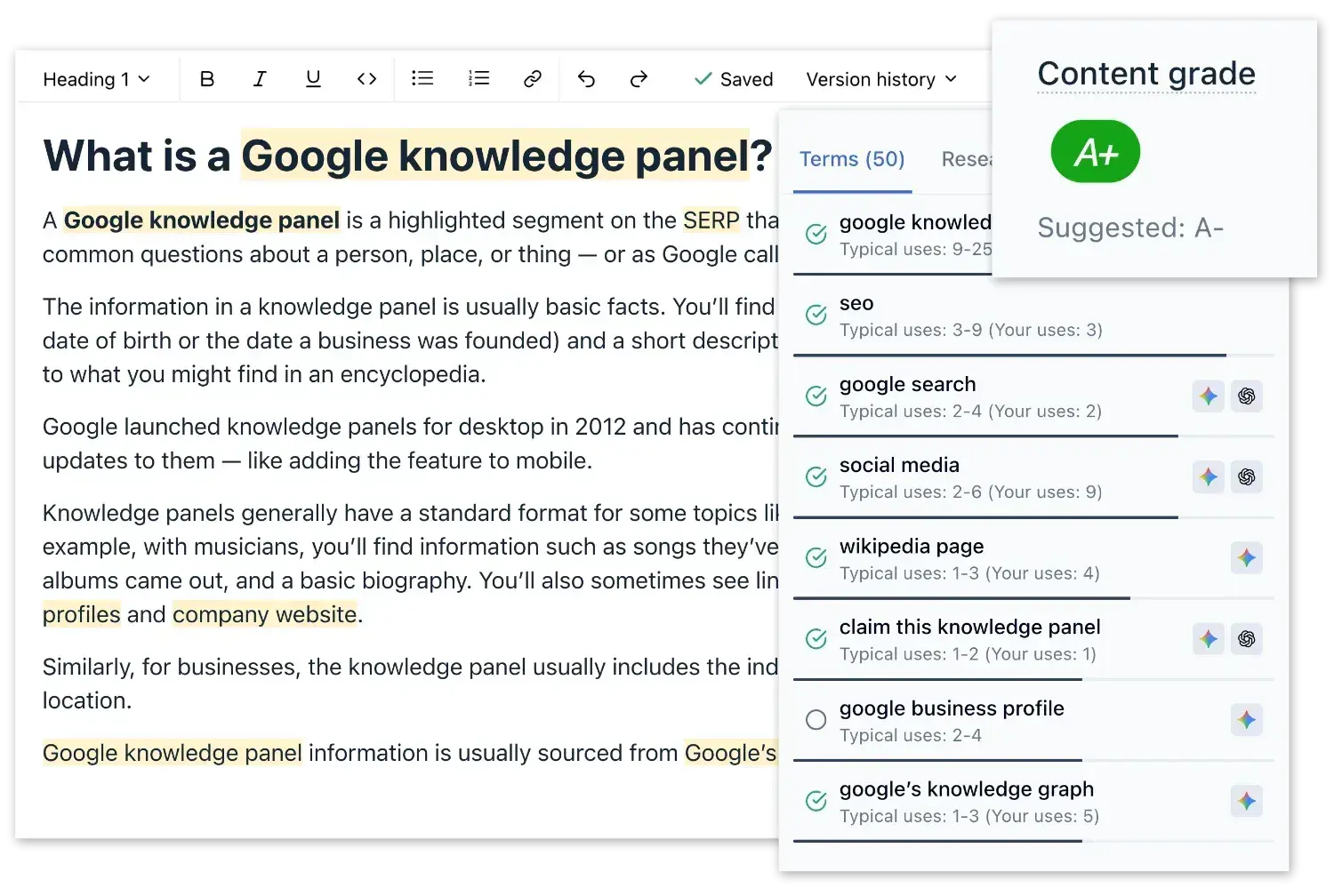
On-Page Content Optimization: Content optimization tools are indispensable for SaaS SEO. They offer a wide array of support, including the analysis of web pages against top-ranking competitors and the provision of specific recommendations to enhance relevance, content coverage, and structure. For SaaS teams scaling content production, especially with multiple writers, freelancers, and AI-assisted workflows, consistent quality benchmarks are vital. On-page optimization tools help maintain this standard, often through AI-driven insights. Key features to look for include:
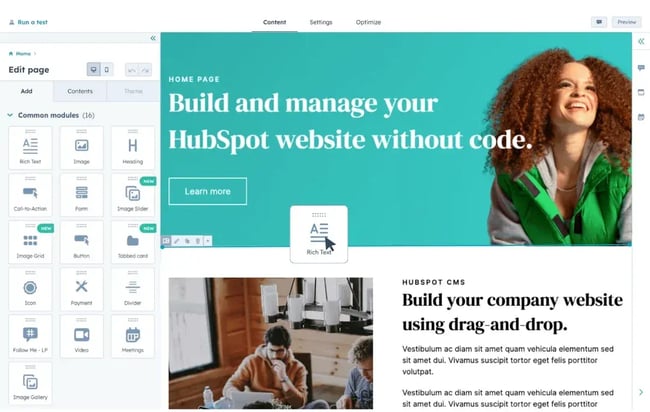
- Real-time Content Scoring: Immediate feedback on content quality and optimization level.
- Semantic Term Suggestions: Recommending relevant keywords and phrases to improve topical depth.
- Readability Guidance: Ensuring content is accessible and engaging for the target audience.
- Structured Brief Generation: Creating data-backed briefs that guide writers towards SEO success from the outset.
These tools are particularly valuable at the briefing stage, generating data-driven outlines in minutes that writers can act upon immediately. This efficiency significantly shrinks the gap between the first draft and publishable content, reducing editing costs and improving team morale.
-
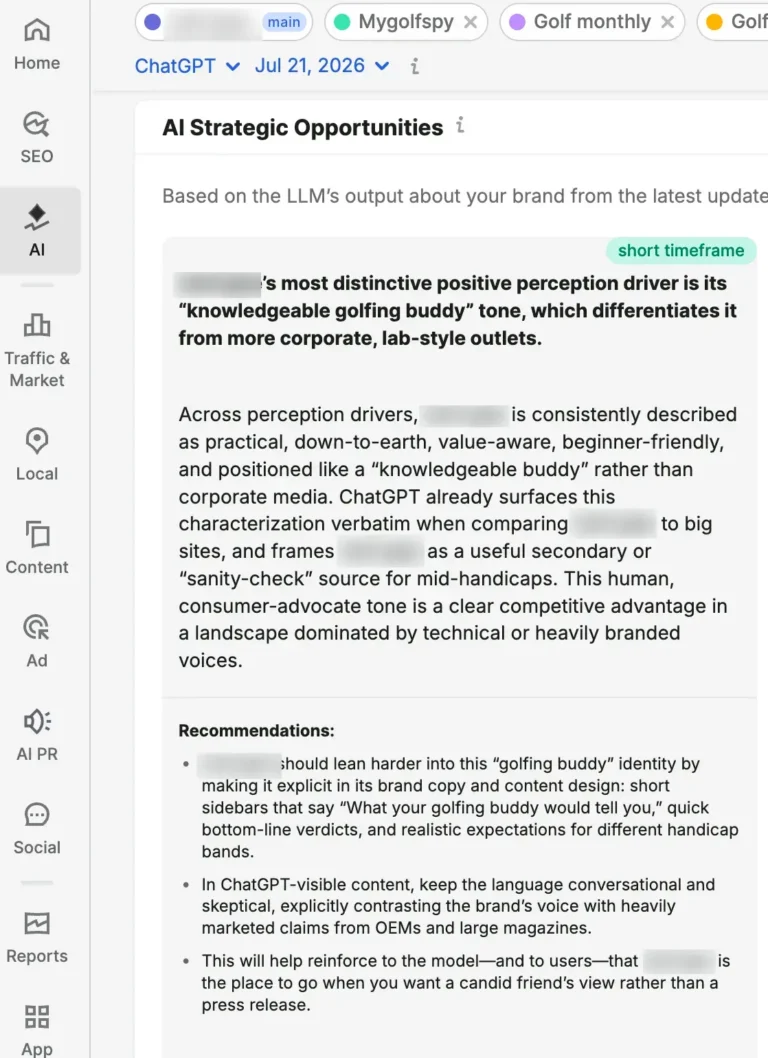
AI Search and Answer Engine Optimization (AEO) Visibility: With the increasing prevalence of AI-driven search experiences, such as Google’s AI Overviews (AIO), AI Mode, ChatGPT, Perplexity, and others, which often provide answers directly without requiring a traditional click, SaaS brands must adapt. The focus has shifted from solely optimizing for traditional rankings to also ensuring visibility within these new search paradigms. This requires tools that can measure and optimize content for citation and for surfacing within AI models. Answer Engine Optimization (AEO) is rapidly becoming as critical as traditional on-page SEO.
The integration of AI into search is a particularly exciting development for SaaS SEO. Brands with strong traditional SEO rankings can experience a sudden and significant loss of traffic to AI Overviews if their content is not structured and optimized for this new environment. Tools that support both traditional SEO and AEO provide a significant competitive advantage.

-
Reporting, Attribution, and CRM Integration: For SEO to secure and maintain budget allocation, it must demonstrably prove its impact on revenue. For SaaS companies, this translates to connecting organic traffic all the way through the funnel to pipeline generation, trial sign-ups, and closed deals. Essential features in this domain include:
- Customizable Dashboards: Visualizing key performance indicators (KPIs) and progress.
- Keyword Tracking Over Time: Monitoring rankings and performance trends.
- Integration with Google Analytics and Google Search Console: Consolidating crucial performance data.
- Native CRM Connectivity: Enabling the attribution of leads and customers to specific content pieces and SEO efforts.
The ability to present SEO performance in business terms, rather than solely in rankings and impressions, is what distinguishes a strategic SEO program from a mere cost center. Historically, many talented SEO specialists or strategies have lost internal traction and investment due to an inability to draw a clear line between SEO activities and closed revenue. As AI continues to shift user behavior and reduce traditional clicks, SEO professionals face an even greater imperative to prove their value.
A Curated Selection of SaaS SEO Tools
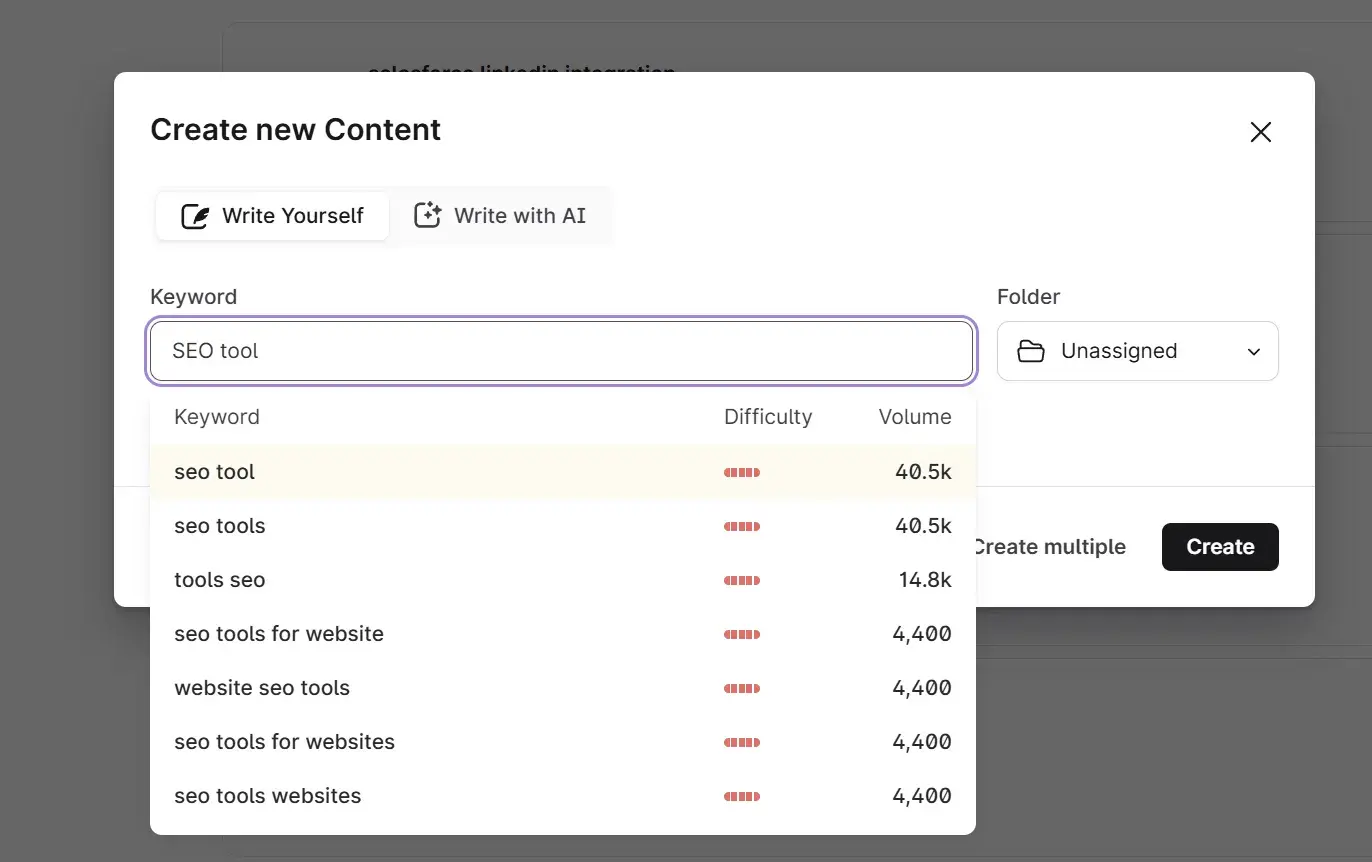
The following 13 SaaS SEO tools have been carefully selected to address specific workflows within a modern SaaS SEO strategy, covering research, technical audits, content optimization, AI search visibility, internal linking, and reporting. Each tool is chosen for its distinct strengths and contributions to a comprehensive SEO toolkit.
SaaS SEO Tools at a Glance
| Tool | Category | Best For | Integrations | Quick Win |
|---|---|---|---|---|
| HubSpot AEO Grader | AI Search Visibility | Benchmarking brand visibility across ChatGPT, Perplexity, and Gemini. | HubSpot Smart CRM, Marketing Hub | Run a competitor report as well as your own to surface content and messaging gaps. |
| Marketing Hub | SEO & CRM Platform | SEO, attribution, and CRM data in one place. | HubSpot Smart CRM, Google Analytics, GSC, Salesforce | Set up a monthly SEO recommendations scan to catch technical issues before they compound. |
| Content Hub | CMS & Content SEO | SEO suggestions embedded in writing workflows. | HubSpot Smart CRM, Marketing Hub, Google Analytics | Implement schema modules by content type to improve AI citation potential without developer support. |
| Semrush | Research & Auditing | All-in-one keyword research, competitor analysis, and technical auditing. | GSC, Google Analytics, Trello, Zapier | Run a content gap report against your top three competitors to surface quick content opportunities. |
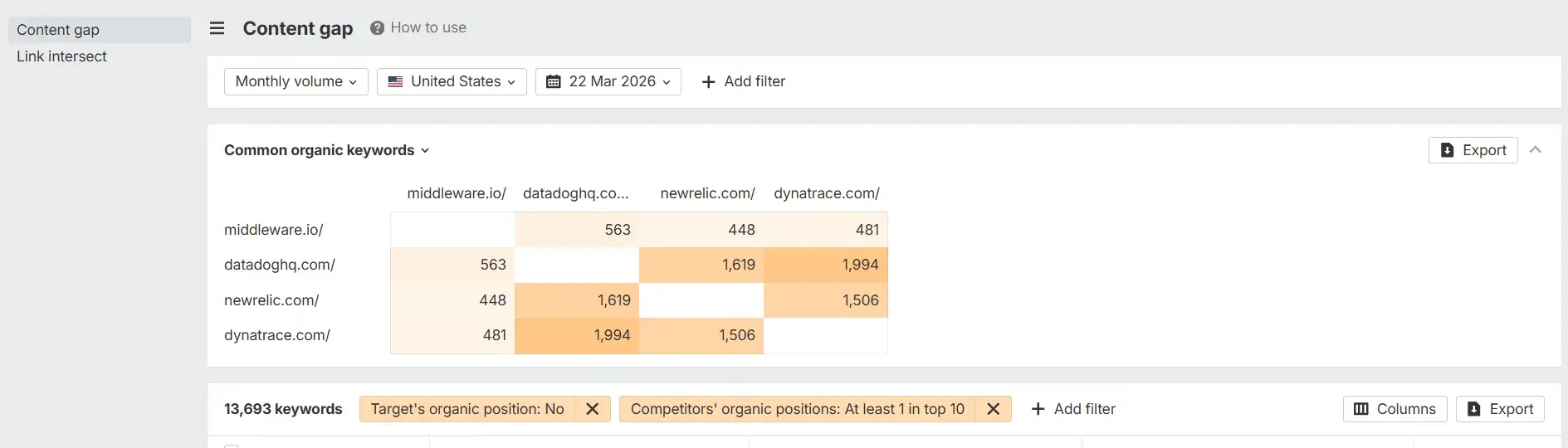
| Ahrefs | Backlink & Competitor Analysis | Deep backlink intelligence and organic traffic estimation. | GSC, Google Analytics | Use the Content Gap tool to find keywords that competitors rank for that your website doesn’t. |
| Screaming Frog | Technical SEO | Granular technical crawling and on-site issue discovery. | GSC, Google Analytics, PageSpeed Insights | Crawl your site and filter by 3XX and 4XX status codes to find and fix redirect chains and broken links fast. |
| Google Search Console | Search Performance | Non-negotiable first-party data from Google. | Google Analytics, Looker Studio, most SEO platforms | Filter queries by impressions with low CTR to find quick wins where a title tag tweak could drive significantly more clicks. |
| Bing Webmaster Tools | Search & AI Monitoring | First-party AI citation data and Bing indexation monitoring. | GSC, Microsoft Clarity | Import your GSC account in one click to get Bing data with zero setup, then check the AI dashboard for citation gaps. |
| Surfer SEO | On-Page Optimization & Briefs | Data-backed briefs and real-time content scoring. | Google Docs, WordPress, Jasper, ChatGPT | Run your top five existing posts through the Content Editor and action the quick-win term suggestions before writing anything new. |
| Clearscope | Content Optimization | Clean, reliable term coverage grading across a large content library. | Google Docs, WordPress, HubSpot | Grade your ten highest-traffic pages and optimize any scoring below a B, a fast way to recover declining rankings. |
| Enfra Chrome Extension | AI Content Workflow | Teams using ChatGPT, Claude, or Gemini who want live SERP data. | ChatGPT, Claude, Gemini, GSC | Use Compare Content to Top 10 on your next draft to instantly surface information gaps before the first edit. |
| Link Whisper | Internal Linking | WordPress SaaS teams that automated internal link suggestions. | WordPress, Google Analytics | Run the orphaned pages report and add two to three internal links to each flagged page. |
| Yoast SEO | On-Page SEO & Internal Linking | WordPress teams wanting on-page fundamentals and internal linking. | WordPress, Semrush, Google Analytics | Enable internal linking suggestions and act on the top recommendations on your 10 most important pages first. |
SaaS SEO Tools for Briefing, Content Writing, and On-Page Optimization
-
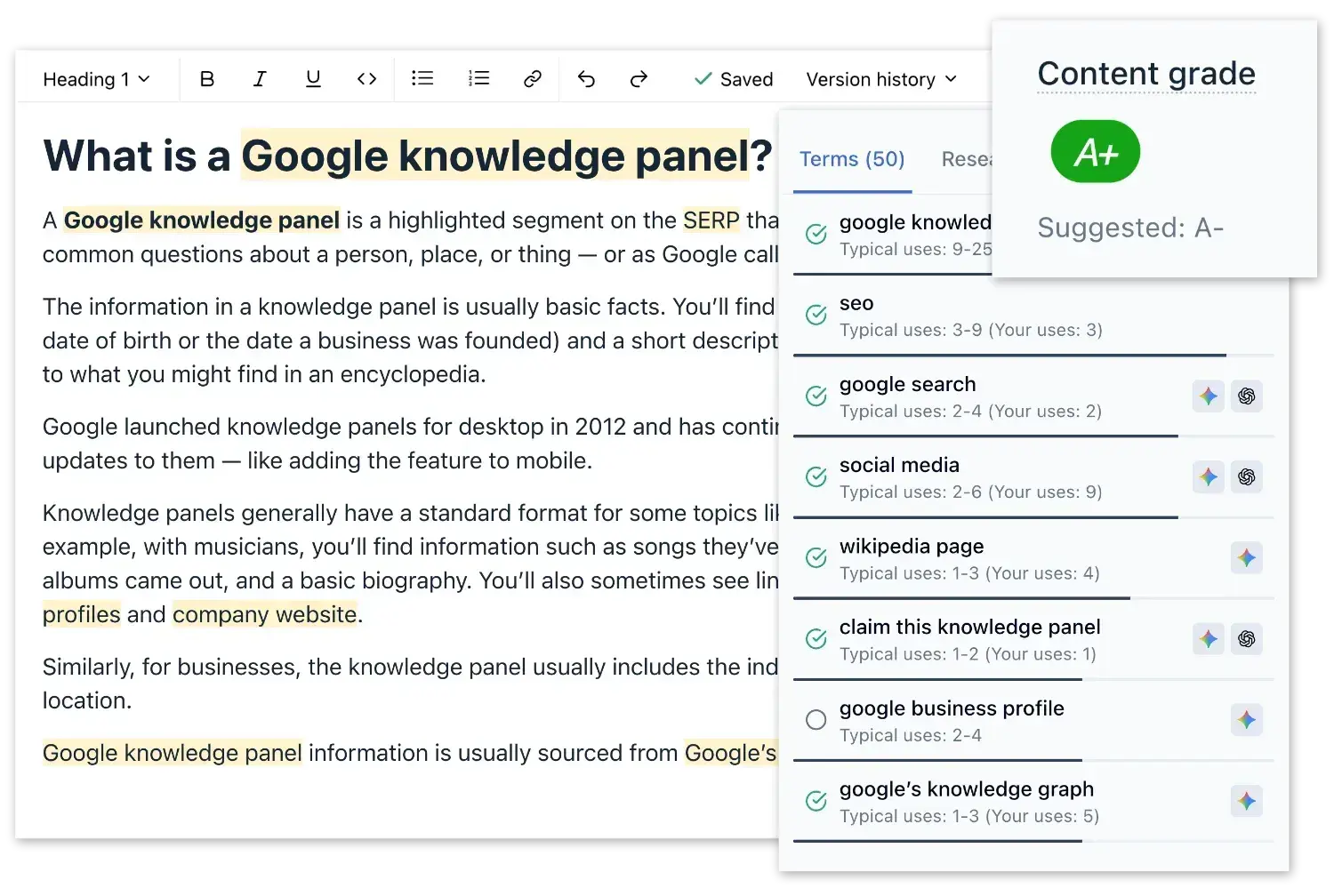
HubSpot Marketing Hub: For SaaS teams aiming to unify SEO, reporting, and CRM attribution, Marketing Hub offers integrated SEO tools for planning, optimization, and performance analysis. Its SEO features span the entire content lifecycle, from topic planning to reporting, eliminating the need for disparate tools. The SEO recommendations feature is particularly valuable, scanning entire websites (including those hosted outside HubSpot) to identify prioritized technical SEO, on-page optimization, and accessibility issues. These issues are categorized by potential SEO impact and technical difficulty, guiding content teams and developers effectively. Marketing Hub facilitates domain- and page-level SEO performance analysis, tracking organic sessions, impressions, and keyword positions within the same platform where campaign, contact, and CRM data reside. Its native CRM integration is a significant advantage for SaaS teams struggling with attribution. Furthermore, its structured data recommendations and schema guidance contribute to AEO by ensuring content is formatted for AI parsing and citation.
- Key Features: Integrated SEO recommendations, content strategy planning, website crawl and audit, attribution reporting, structured data guidance.
- Best for: SaaS teams seeking a unified platform for SEO, CRM, and content performance data, avoiding the complexity of stitching together multiple point tools.
- Pricing: Free edition available. Paid plans start with Marketing Hub Starter at $10/month per seat. Professional starts at $890/month (three core seats), and Enterprise at $3,600/month (five core seats).
- What we like: Seamless integration for teams already using HubSpot for marketing automation and contact management.
- Pro Tip: Implement rolling monthly SEO recommendation scans to proactively address technical issues as they arise on dynamic SaaS sites.
-
HubSpot Content Hub: Content Hub empowers SaaS SEO workflows by embedding SEO guidance directly within the CMS, enabling content teams to create, manage, and optimize content cohesively. Its AI content writer supports AI-assisted drafting aligned with SEO requirements, offering significant efficiency gains for teams scaling content production. The platform’s support for structured data and schema markup is particularly advantageous for forward-thinking SaaS SEO teams, allowing for the implementation of JSON-LD schema directly within templates and modules, making content schema-ready from inception. This structured data is a critical signal for AI systems to accurately parse and cite content.
- Key Features: Embedded SEO suggestions in CMS, AI content writer, structured data and schema implementation, topic cluster framework integration.
- Best for: SaaS content teams desiring integrated SEO guidance within their writing workflow and seeking to build schema-ready content at scale without constant developer reliance.
- Pricing: Free edition available. Paid plans start with Content Hub Starter at $10/month per seat. Professional starts at $500/month (three seats), and Enterprise at $1,500/month (five seats).
- What we like: Brings SEO guidance directly into the CMS, allowing writers to optimize content as they draft.
- Pro Tip: Utilize Content Hub’s modular schema approach for varied content types (blog posts, case studies, product pages) to ensure optimal schema application at publish time without developer intervention.
-
Surfer SEO: Surfer SEO is a premier tool for on-page content optimization and brief generation, providing a data-driven framework for content planning and refinement. By analyzing top-ranking pages for a given keyword, Surfer generates a content score and actionable term-based recommendations. This real-time guidance minimizes guesswork and accelerates the editorial process.
- Key Features: Content scoring, term suggestions, SERP analysis, brief generation, content editor integration.
- Best for: Content writers and SEO managers seeking structured, data-backed briefs and real-time on-page optimization guidance to enhance content quality and ranking potential at scale.
- Pricing: Standard plan starts at $99/month (billed yearly). Higher tiers are available for advanced AI search workflows.
- What we like: Establishes a shared optimization target for writers and editors, streamlining briefing, draft evaluation, and existing page optimization.
- Expert Insight: Manea Stefania, Account & Content Manager at dslx, highlights Surfer SEO’s practical alignment for content teams and its utility in informing briefs and providing SEO direction without stifling creativity. The auto-generation of outlines based on competing articles is a significant time-saver for scaling content output.
-
Clearscope: Clearscope excels in content optimization and term coverage checks, ensuring SaaS content comprehensively addresses all relevant terms and topics associated with a target keyword. Its straightforward optimization workflow focuses on content grading and term coverage, making it efficient for managing large content libraries.
- Key Features: Content grading, term coverage analysis, competitive term research, content optimization suggestions.
- Best for: SaaS content teams and editors prioritizing a clean, efficient optimization workflow focused on term coverage and content grading across extensive page portfolios.
- Pricing: Plans start at $129/month for Essentials, with Business at $399/month and custom Enterprise pricing.
- What we like: Clearscope’s long-standing presence in serious SEO workflows signifies a depth of search experience and refinement that translates into robust optimization capabilities, including potential AEO performance.
-
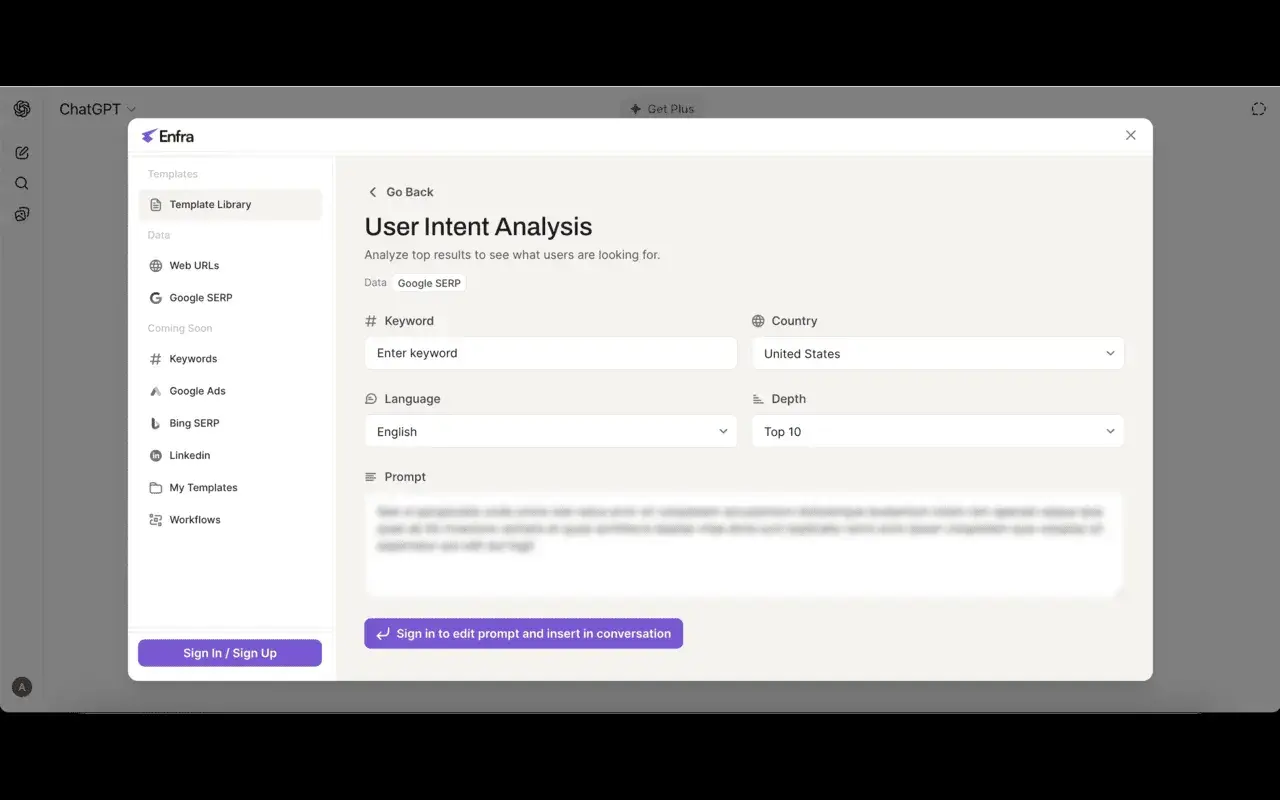
Enfra Chrome Extension: For SaaS teams leveraging AI tools like ChatGPT, Claude, or Gemini for content production, Enfra acts as a vital bridge between AI workflows and real-time search data. This extension injects live SERP data and Google Search Console metrics directly into the AI interface, grounding content generation in current search intelligence rather than static training data.
- Key Features: Live SERP data integration, GSC metric injection, AI content planning assistance, information gap identification.
- Best for: SaaS content teams using AI writing tools who need to base their output on live SERP data and Google Search Console metrics.
- Pricing: Pricing details are not publicly listed on their current site.
- What we like: Enfra enables SaaS content teams to incorporate live search data into AI-assisted workflows, ensuring briefs and drafts reflect current SERP realities.
- Expert Insight: Liz Bowers, SEO Manager at Mosaic eMarketing, praises Enfra as a top tool for injecting live SERP data and GSC metrics into AI interfaces. Features like "Compare Content to Top 10" and "Content Plan for ChatGPT" are highlighted for their ability to identify information gaps and align content with AI tool queries, crucial for optimizing for the Generative Search era.
SaaS SEO Tools for SEO Management and Attribution
-
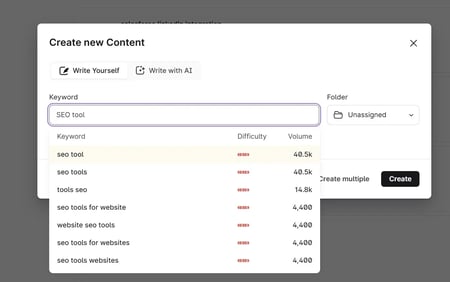
HubSpot AEO Grader: This free tool is specifically designed to help SEO teams assess their brand’s visibility in AI search across platforms like ChatGPT, Perplexity, and Gemini. It provides actionable insights into how AI engines represent a brand and how this compares to competitors, offering a crucial share-of-voice analysis in AI search. The tool also evaluates source credibility, identifying which third-party publications influence AI characterizations of a brand, valuable for digital PR and link-building efforts.
- Key Features: AI search visibility analysis (ChatGPT, Perplexity, Gemini), competitor benchmarking, source credibility assessment.
- Best for: SaaS marketers aiming to understand and enhance their visibility in AI-generated search results and benchmark their positioning against competitors at no cost.
- Pricing: Free for one-time diagnostics. Ongoing tracking is available via HubSpot AEO, starting at $50/month.
- What we like: Provides quick, high-quality AI visibility analysis and competitive intelligence at zero cost.
- Pro Tip: Run the AEO Grader for key competitors alongside your own brand to establish benchmarks and identify effective messaging angles or content themes for your AEO strategy.
-
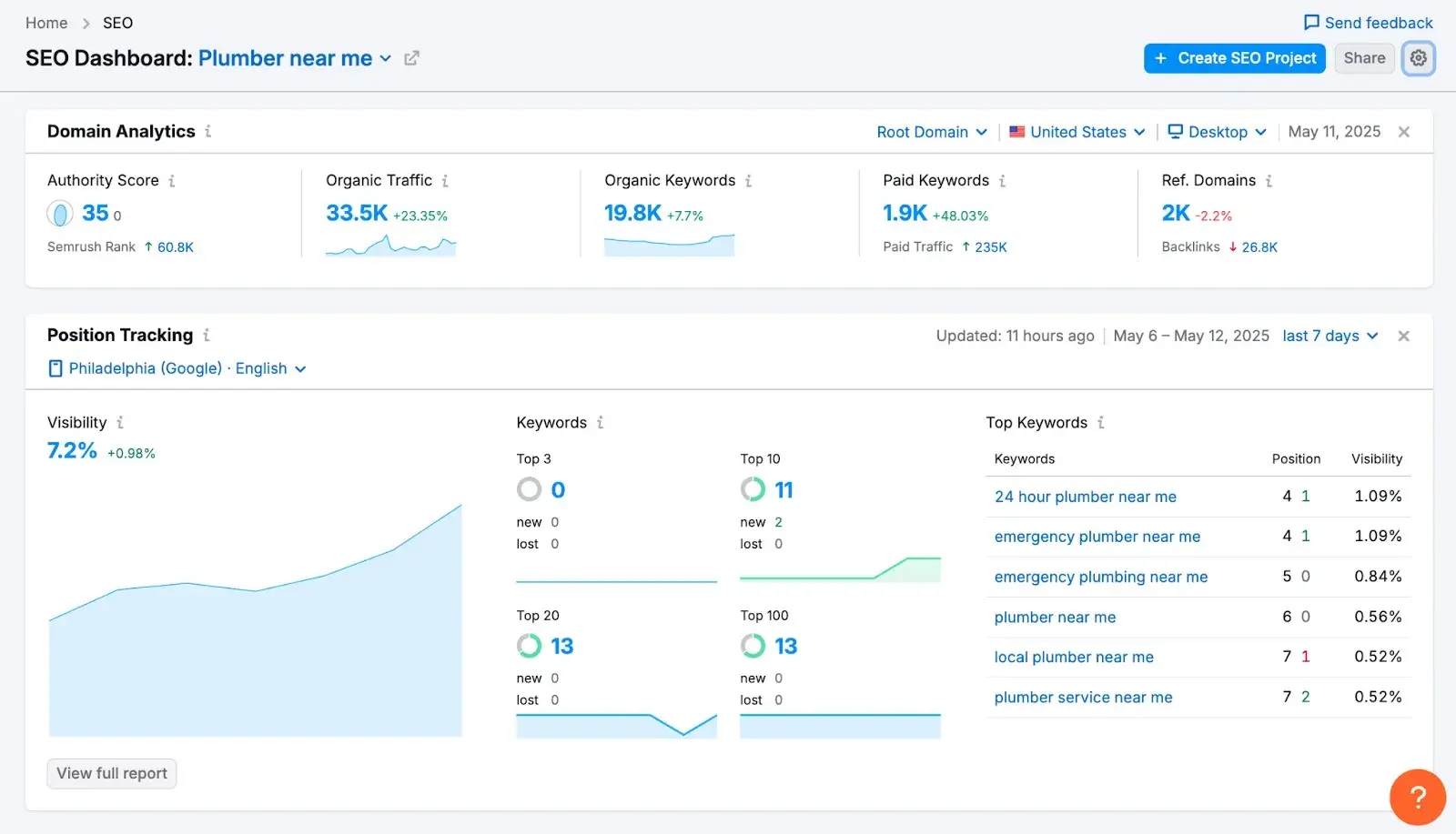
Semrush: Semrush remains a comprehensive platform for keyword research, competitor analysis, and site audits, offering robust capabilities across content, backlinks, technical SEO, and AEO. Its all-in-one approach makes it suitable for SaaS teams requiring a full suite of SEO functionalities.
- Key Features: Keyword Magic Tool, Site Audit, Backlink Analytics, Topic Research, AI Writing Assistant.
- Best for: SaaS marketing teams seeking an integrated research and auditing platform covering keyword strategy, competitive intelligence, and technical site health.
- Pricing: SEO plans start at $117.33/month (billed annually). AI-enhanced features may incur additional costs.
- What we like: Semrush consistently evolves with SEO trends, incorporating AI-assisted features. Its scalable subscriptions adapt to different company growth stages.
-
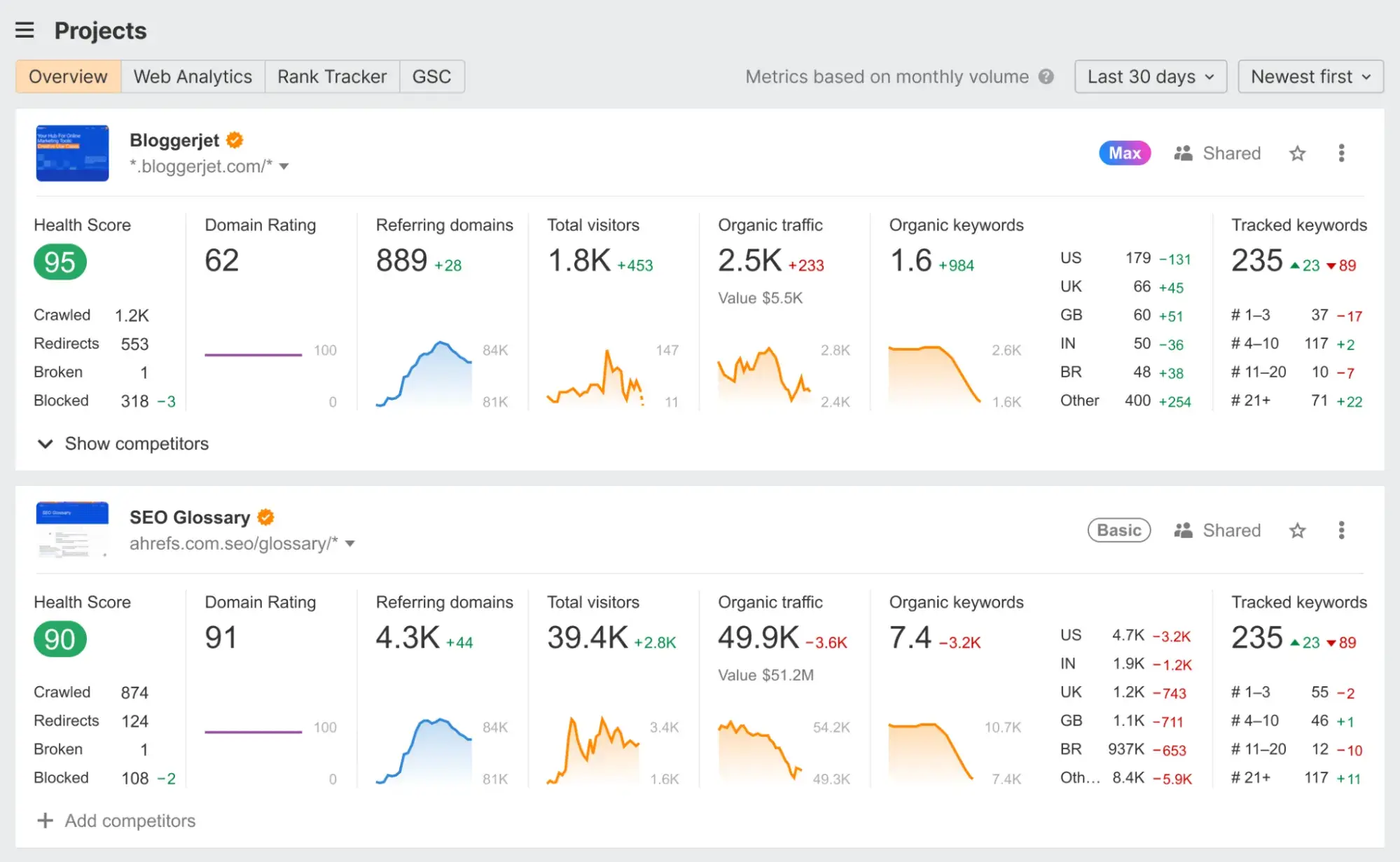
Ahrefs: Renowned for its deep backlink intelligence and organic traffic estimation, Ahrefs is a preferred tool for SaaS teams seeking an in-depth understanding of their own and their competitors’ link profiles. Its extensive crawling infrastructure ensures accurate backlink data and traffic estimates.
- Key Features: Site Explorer, Keyword Explorer, Content Explorer, Rank Tracker, Site Audit.
- Best for: SaaS marketing teams needing comprehensive keyword strategy, competitive intelligence, and technical site health tools.
- Pricing: Lite plan at $129/month, Standard at $249/month, Advanced at $449/month. Limited free access is available post-paid subscription.
- What we like: Ahrefs offers clear insights into competitor content performance, backlink profiles, and content gaps, directly informing content strategy and scaling operations.
- Expert Insight: Ila Bandhiya, Senior Digital Marketer at Middleware.io, emphasizes Ahrefs’ ability to provide comprehensive backlink and keyword data, enabling quick identification of growth opportunities and making complex SEO tasks more manageable.
-
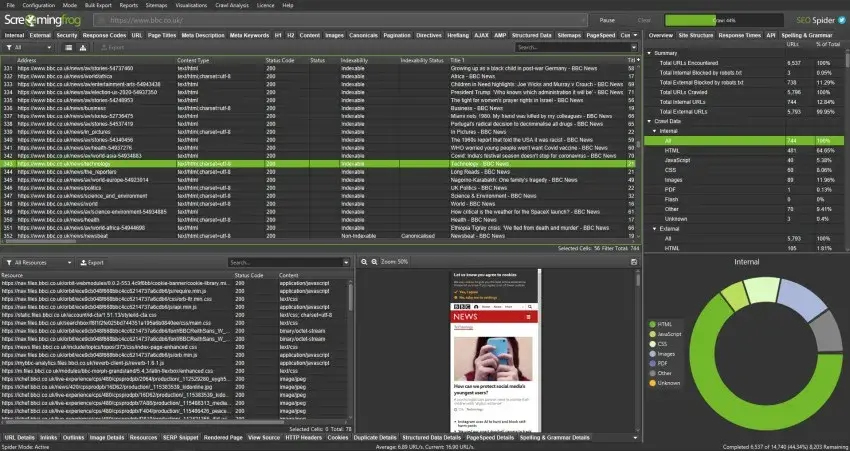
Screaming Frog: This technical SEO crawling tool is widely recognized for its granular detail in discovering on-site issues. Screaming Frog crawls every URL it finds, providing raw, unfiltered data essential for thorough technical audits of SaaS websites.
- Key Features: Website crawling, URL discovery, status code analysis, meta tag extraction, broken link detection.
- Best for: SaaS developers, technical SEO specialists, and agencies requiring in-depth crawl data to diagnose and resolve site-wide technical issues efficiently.
- Pricing: Free version with a 500-URL limit. Paid licenses cost $279 per year.
- What we like: Offers an exceptional price-to-value ratio for technical crawling capabilities. However, interpreting its reports requires technical SEO expertise.
-
Google Search Console (GSC): As the direct communication channel between a website and Google, GSC provides indispensable first-party data on search performance and index coverage. It remains a cornerstone of any SaaS SEO stack, offering accuracy and authority unmatched by third-party tools.
- Key Features: Performance reports, index coverage, URL inspection, sitemaps, mobile usability.
- Best for: All SaaS teams, regardless of size or budget. It should be the foundational tool in any SEO stack.
- Pricing: Free.
- What we like: GSC is an excellent starting point for keyword research, revealing terms a website already ranks for, including "zero search volume" keywords that paid tools might miss but can be highly converting due to their specificity.
-
Bing Webmaster Tools: This tool supports site monitoring for Bing search and has enhanced AI features, making it valuable for SaaS teams assessing their visibility in AI-generated search results. It provides first-party data on AI citation activity and Bing indexation.
- Key Features: Site overview, crawl reports, backlinks, SEO reports, AI citation data.
- Best for: SaaS SEO teams monitoring Bing health and indexation, and gaining first-party data on AI-generated answer citations.
- Pricing: Free.
- What we like: Offers an additional first-party source for search performance data and helps monitor content within Microsoft’s AI search experiences.
SaaS SEO Tools for Internal Linking
-
Link Whisper: For SaaS sites with a substantial content history, internal linking is often a significant opportunity. Link Whisper is a WordPress plugin that automates internal link suggestions, helping to build a stronger site architecture without manual trawling through pages.
- Key Features: Internal link suggestions, orphaned page detection, bulk URL updates, internal link reporting.
- Best for: SaaS teams using WordPress sites who need accelerated internal link suggestions, orphaned page detection, and reporting.
- Pricing: Annual plans start at $97/year.
- What we like: Streamlines internal linking by surfacing orphaned pages and offering recommendations, enabling quick wins that can improve rankings without new content creation.
-
Yoast SEO: For WordPress-based SaaS content hubs, Yoast SEO provides a reliable foundation for on-page SEO and internal linking without requiring extensive technical expertise. It scans content and recommends relevant internal links during the writing process, contributing to a stronger site architecture and better distribution of link equity.
- Key Features: On-page analysis, meta tag optimization, XML sitemap generation, internal linking suggestions, schema markup.
- Best for: SaaS teams on WordPress seeking a user-friendly plugin for on-page SEO fundamentals, metadata management, and basic internal linking suggestions.
- Pricing: Free version available. Premium costs $9.90/month (billed annually at $118.80, excluding VAT).
- What we like: Consolidates metadata management, redirects, and on-page guidance into a single, manageable plugin.
SaaS SEO Tool Stack by Team Size
The ideal SaaS SEO tool stack is contingent upon team size, budget, and content output goals.
- Solo to 2 Marketers: Prioritize free first-party data (GSC, Bing Webmaster Tools, AEO Grader), a core optimization workflow (e.g., Content Hub or Surfer SEO), and a unified attribution system (e.g., Marketing Hub).
- Team of 3 to 5: Requires more structure for research, briefs, publishing, optimization, internal linking, and reporting. Integrating comprehensive platforms like Marketing Hub and Content Hub, complemented by specialized tools like Surfer SEO or Clearscope, becomes essential.
- Team of 10+: Larger teams need a shared SEO system supporting multiple contributors, enhanced reporting, and more frequent technical and content refresh cycles. This often involves a combination of robust platforms and specialized tools tailored to specific functions.
Frequently Asked Questions About SaaS SEO Tools
- Best way to track AI search visibility? Begin with HubSpot AEO Grader for a snapshot of AI representation. Supplement with Bing Webmaster Tools’ AI Performance dashboard and Google Search Console for ongoing tracking and a holistic view of search and AI citation activity.
- Prioritizing SEO tools on a tight budget? Leverage free first-party tools like Search Console, Bing Webmaster Tools, and AEO Grader. For a more integrated investment, consider Marketing Hub for its combined SEO, CRM, and reporting capabilities, which is more efficient than piecing together multiple point solutions.
- SaaS SEO tools integrating best with CRM for attribution? HubSpot Marketing Hub stands out due to its direct integration with HubSpot Smart CRM, enabling seamless attribution of organic traffic to contacts, deals, and revenue without custom integration.
- How often to refresh high-intent content? Review high-intent pages (comparisons, alternatives, bottom-of-funnel terms) at least every 3 to 6 months, as competitor content and SERP features in these areas evolve rapidly.
- Need both a content optimizer and brief generator? Not necessarily at the outset. Tools like Surfer SEO offer both functionalities. Larger teams may eventually segment these roles across dedicated tools for more detailed briefs or advanced content governance.
The right SaaS SEO tools are instrumental in transitioning from guesswork to sustained growth. A comprehensive SaaS content engine encompasses research, briefing, creation, optimization, refreshing, internal linking, and reporting. By selecting tools that support each stage with data-driven insights, SaaS businesses can build a powerful and effective SEO strategy. When SEO data is integrated with contact, pipeline, and content performance data—as is possible with platforms like HubSpot—SEO becomes more directly linked to revenue, a critical shift for long-term success.
About the Author