The digital marketing landscape is in constant flux, with search engine algorithms and artificial intelligence (AI) reshaping how users find information and how brands gain visibility. A pivotal question for content marketers as 2026 approaches is whether semantic keywords, once a cornerstone of SEO strategy, still hold sway, particularly with the growing influence of AI engines on traffic generation and consumer decision-making. The consensus among industry experts is a resounding yes, but with a significant evolution in their application.
Google, processing over five trillion searches annually, has moved beyond simple keyword matching. Its algorithms, much like sophisticated AI answer engines such as ChatGPT, Perplexity, and Gemini, now prioritize understanding the meaning behind queries. This shift necessitates a content strategy that demonstrates deep topical comprehension, not just the inclusion of exact-match phrases. For brands to rank effectively in traditional search and earn citations in AI-generated responses, content must be optimized around relationships between concepts, identifiable entities, and the actual questions buyers are posing.
Understanding the Shift: From Keywords to Meaning
Historically, SEO revolved around identifying high-volume keywords and strategically inserting them into website content. However, the advent of advanced Natural Language Processing (NLP) has fundamentally altered this paradigm. Search engines no longer operate on a lexical basis alone; they interpret context, intent, and the semantic relationships between words and phrases. This means that a page discussing "email marketing software" should not only feature that exact phrase but also incorporate terms like "drip campaigns," "subscriber segmentation," "automation workflows," "CRM integration," and "A/B testing" to comprehensively cover the topic. These related terms are semantic keywords, and they are crucial for signaling topical authority.
Semantic Keywords: The Core of Topical Authority
Semantic keywords are terms that are semantically related to a page’s core topic and align with the user’s search intent. They act as signposts, helping search engines understand the full scope and nuance of the content. Unlike outdated Latent Semantic Indexing (LSI) tactics, which relied on statistical word co-occurrence, modern semantic keyword research focuses on the underlying meaning and the concepts a user expects to find within a comprehensive piece of content.
Kelvin Čobanaj, CEO of ZeroRank, highlights two primary reasons for the continued importance of semantic keywords. Firstly, in traditional SEO, semantic keywords allow a page to rank for a broader spectrum of related searches by demonstrating a comprehensive understanding of the subject matter. This increased confidence for search engines translates into better rankings and a higher likelihood of being featured in AI-generated answers. Secondly, and critically for the future, semantic keywords support topical authority when employed across a cluster of content designed to answer buyer questions. This interconnected web of content allows both traditional search engines and AI systems to grasp the brand’s expertise. "With AI search, I focus more on covering the full topic and common questions, not just keyword variants," Čobanaj states. "That gives AI enough context to include the brand in its answer."
Distinguishing Semantic Keywords from Outdated Concepts
It’s important to differentiate semantic keywords from LSI keywords. LSI, or Latent Semantic Indexing, is a mathematical technique from the late 1980s that analyzed word co-occurrence. While it identified words likely to appear together, it lacked the contextual understanding of modern NLP. Google itself confirmed in 2019 that it does not use LSI. Today’s search engines leverage sophisticated models like BERT and MUM, which grasp language contextually and semantically. Tools marketing themselves as "LSI keyword generators" may still offer useful data, but their underlying functionality is based on older principles and should be evaluated critically for true semantic relevance.

Entities are another related but distinct concept. Entities are uniquely identifiable things—people, brands, tools, places, or concepts—that search engines recognize as discrete objects. For example, "Apple Inc." is an entity distinct from "apple (fruit)." Semantic keywords build the contextual framework around a topic, while entities provide specific, named anchors within that framework. An article on "project management software" might use semantic keywords like "task tracking" and "team collaboration," and reference entities such as "Asana," "Monday.com," or "Jira."
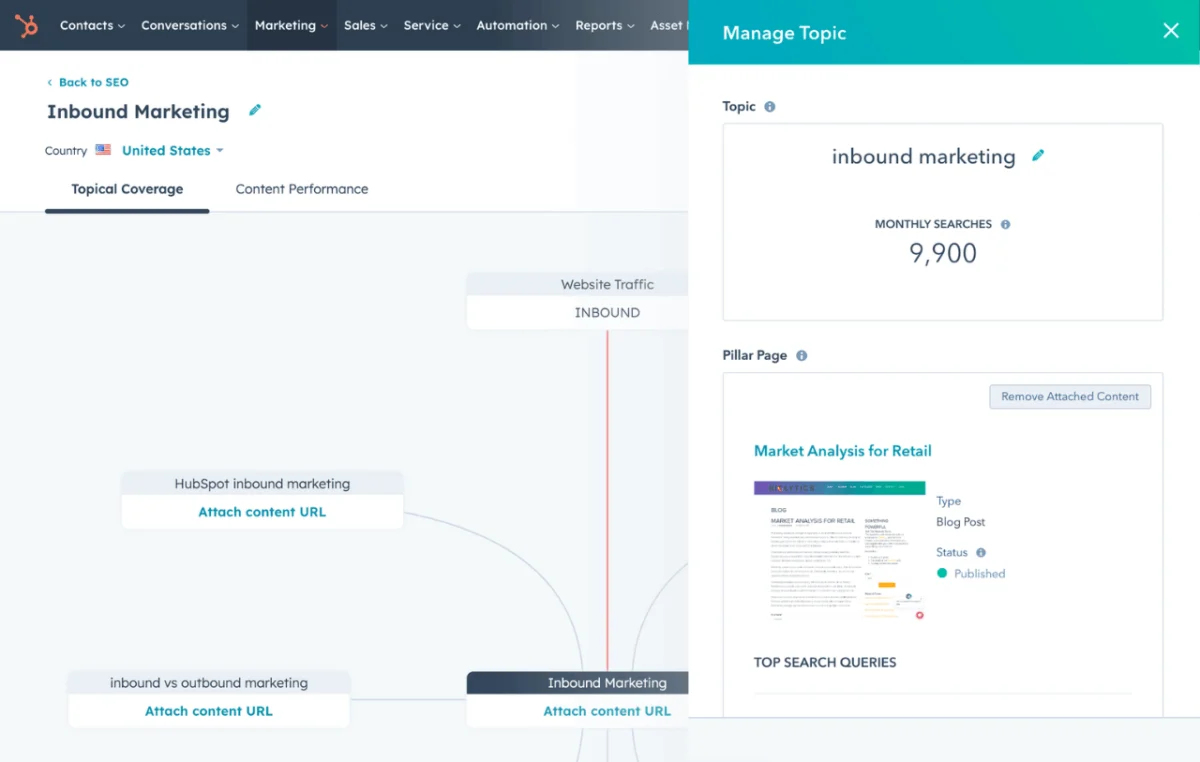
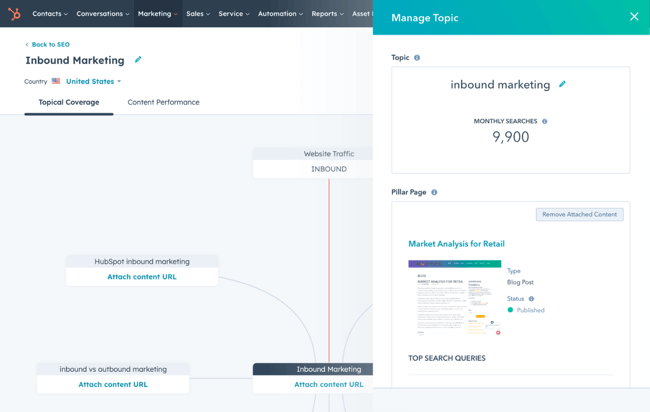
Topics, in turn, represent the overarching subject matter. Semantic keywords are the specific terms and phrases that flesh out these topics, providing the substance and detail. A robust content strategy begins with topic selection, often organized into pillar pages and clusters, and then semantic keyword research fills in the granular details for each piece of content.
Semantic Keywords in Answer Engine Optimization (AEO) vs. Traditional SEO
Traditional SEO has always rewarded topical relevance demonstrated through related terms. However, Answer Engine Optimization (AEO) introduces a new layer of complexity. AEO focuses on structuring content so that AI answer engines like ChatGPT, Perplexity, and Google’s AI Overviews can easily extract, synthesize, and cite it.
In traditional SEO, semantic keywords enhance a page’s ability to match search intent. For AEO, their role is nuanced: when content clearly defines relationships between concepts and uses unambiguous language, AI engines are more likely to trust, reference, and reuse it. Bernard Huang, founder of Clearscope, emphasizes the synergy: "I see a lot of teams treating AEO and SEO like two totally separate things, and honestly, it’s the biggest resource waste out there right now. Both come down to the same goal: creating content that genuinely covers a topic well."
The key difference lies in execution. AEO demands greater clarity in definitions, more explicit entity references, and content structured for passage-level extraction. This means that while the research process for semantic keywords strengthens both traditional search rankings and AI visibility, the application needs to be more precise for AEO.
A Strategic Approach to Finding Semantic Keywords
Identifying and utilizing semantic keywords effectively requires a structured, step-by-step process. It moves beyond mere keyword lists to understanding buyer intent and the questions they are asking.
Step 1: Map Personas to Prompts
The foundational step is to identify the actual questions and prompts your target audience uses when searching on AI engines or traditional search. This involves moving beyond generic keywords and understanding the specific language buyers use when evaluating solutions. Kelvin Čobanaj advises, "Teams often focus only on keyword tools, but analyzing real questions, comparisons, and prompts gives you a much better picture of what content needs to cover." This insight should be drawn from sales call recordings, customer reviews, and online forums where buyers discuss their challenges.
For each buyer persona, document:
- Their primary pain points: What problems are they trying to solve?
- Their key decision-making criteria: What factors influence their choices?
- The specific questions they ask: What are their "money prompts"—the high-intent queries they use when comparing options or building a business case?
Step 2: Map Primary Keywords to Prompts and Queries
Once personas and their prompts are understood, connect primary keywords to these specific queries. For example, the primary keyword "email marketing software" will elicit different prompts from a startup CMO ("What’s the most cost-effective email marketing platform for a team of two?") versus an enterprise marketing manager ("Best email marketing software with advanced segmentation and Salesforce integration."). This mapping ensures that content is tailored to specific audience needs and avoids trying to serve all audiences with a single piece of content.
Step 3: Analyze the SERP for Primary Keywords
A thorough analysis of the Search Engine Results Page (SERP) for your primary keywords is essential. The "People Also Ask" (PAA) box and related searches offer a wealth of semantically related questions. By clicking on PAA results, you can uncover dozens of related queries. Pay attention to recurring subtopics, entities, and the overall framing of the topic across top-ranking pages. Daniel Horowitz, Enterprise SEO at Salesforce, notes the importance of this step: "I always want to see how the topic is actually being framed across rankings, AI answers, People Also Ask, forums, documentation, and competitor pages."
Step 4: Utilize Dedicated Semantic Keyword Tools
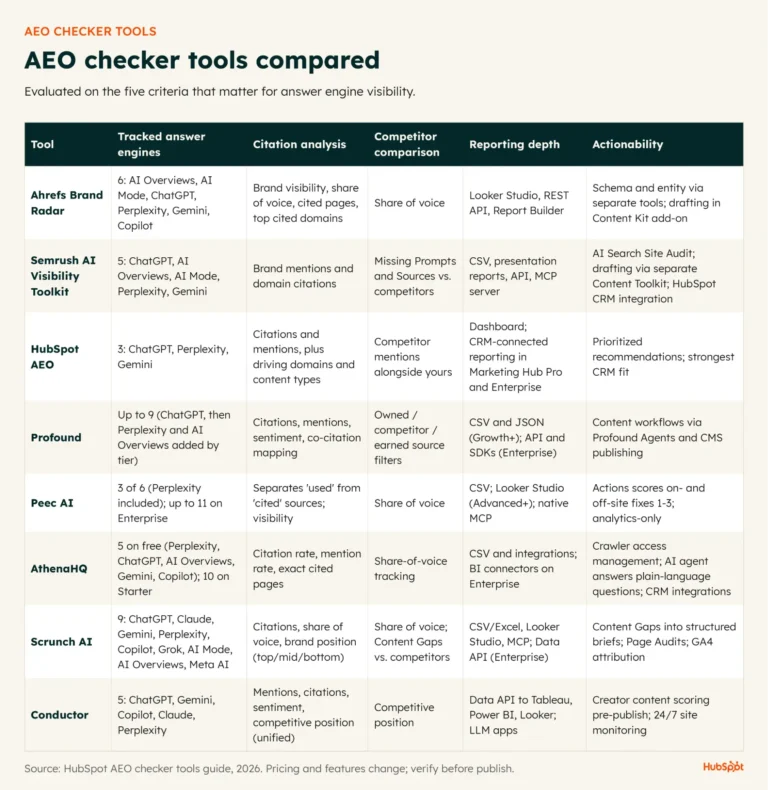
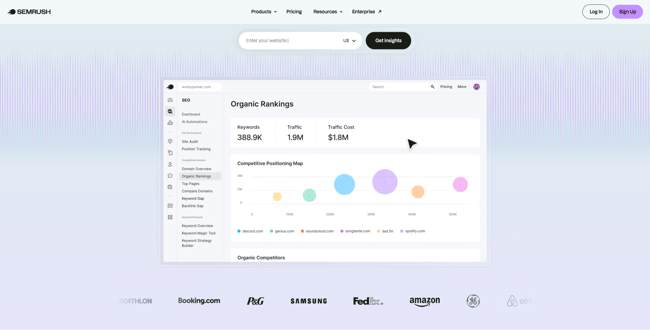
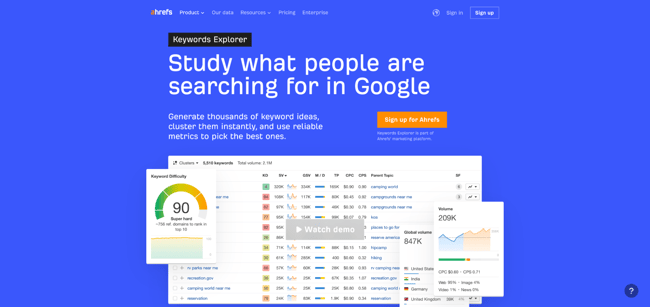
Tools like Semrush, Ahrefs, and specialized platforms such as Keywords People Use can surface related terms, entities, and questions that might be missed through manual SERP analysis. These tools can identify subtopics, related entities, and common questions that can inform content structure.
Step 5: Prompt AI Engines Directly
Engaging with AI engines like ChatGPT or Perplexity using the "money prompts" identified in Step 1 can reveal how these systems interpret queries and what information they prioritize. This can highlight concepts and entities that should be included in your content. However, as Horowitz cautions, "Personalization and output variability mean you have to be careful. What you see in ChatGPT or Perplexity is useful as a signal, but not reliable enough to treat as a source of truth."
Step 6: Extract Insights from Voice-of-Customer Data
Customer feedback, including sales call recordings, reviews, and support tickets, is an invaluable source of semantic keywords. The language customers use to describe their problems and evaluate solutions often translates directly into natural language prompts and long-tail keywords.
Step 7: Map Semantic Keywords to an Entity Map
Organize the gathered semantic keywords into thematic clusters. This creates an "entity map," a visual representation of how terms relate to each other and the primary keyword. This map guides content strategists and writers on which sections to include, which entities to reference, and where to delve deeper.
Step 8: Audit with AEO Grader
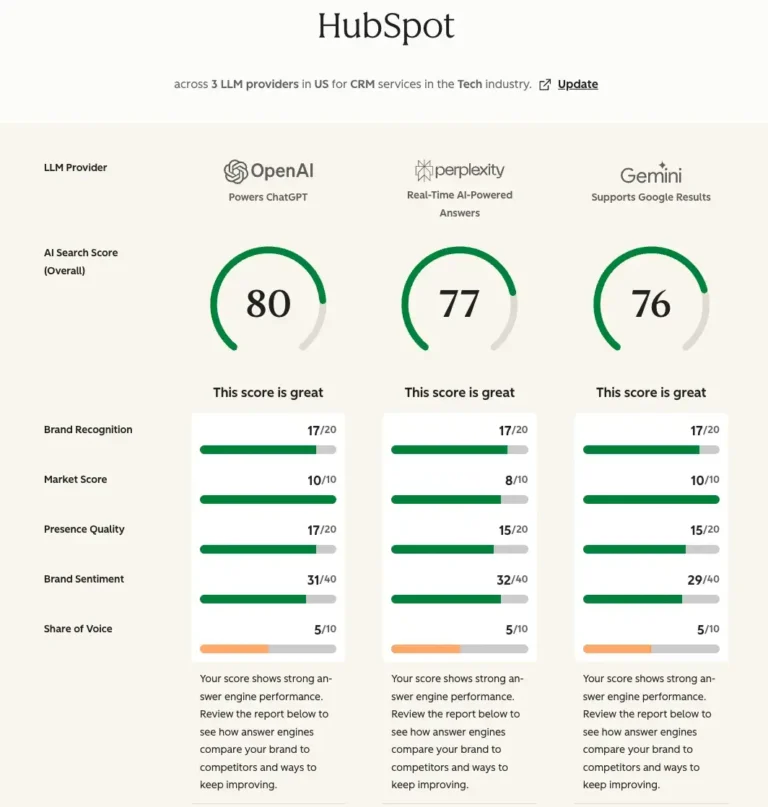
Before finalizing content, tools like HubSpot’s AEO Grader can provide an assessment of your brand’s current visibility in AI answers. This audit identifies gaps and competitors’ share of voice, informing content strategy to improve AI citation and presence.
Implementing Semantic Keywords on the Page
Once semantic keywords are identified, they must be integrated naturally into the content. Strategic placement is key:
- Introduction: Within the first 100-150 words, to immediately signal topic relevance.
- Headings (H2, H3): To break down content logically and highlight key subtopics.
- Opening sentences of sections: To clearly introduce the focus of each part.
- FAQ sections: Directly answering user questions with relevant terms.
- Image Alt Text: To describe images semantically and aid accessibility.
- Internal Link Anchor Text: To guide users and search engines to related content.
The goal is to demonstrate a holistic understanding of the topic, not to force keywords unnaturally. A page that naturally incorporates 10-15 well-placed semantic terms will outperform one that attempts to cram in 50.
Tools for Semantic Keyword Research
Several tools can aid in this process:
- HubSpot SEO Marketing Software: Offers integrated tools for mapping pillar pages to subtopics and visualizing semantic clusters, with real-time on-page SEO recommendations.
- Semrush: A comprehensive suite that provides extensive keyword databases, topic research tools, and intent-based groupings for building a complete semantic map.
- Ahrefs Keywords Explorer: Features like "parent topic" identification and traffic potential estimates help in deciding content structure and competitive analysis.
- Surfer SEO: Primarily a content optimization platform, it analyzes top-ranking pages to provide writing recommendations, including semantic terms and entities, during the drafting process.
- KeywordsPeopleUse: A focused tool for surfacing questions, entities, and semantic maps from sources like Google Autocomplete and Reddit, particularly useful for budget-conscious teams.
The Future is Meaning-Driven
In conclusion, semantic keywords are not merely a relic of past SEO practices; they are fundamental to modern content strategy in 2026. As AI continues to influence search behavior and decision-making, brands that prioritize understanding and articulating meaning will gain a significant advantage. By shifting from a keyword-centric approach to a meaning-driven one, marketers can create content that not only ranks well in traditional search but also earns citations and builds authority in the increasingly important realm of AI-generated answers. The investment in semantic keyword research is an investment in enduring visibility and a deeper connection with the audience.
About the Author