Competitor analysis tools are sophisticated software platforms designed to empower marketing teams by offering comprehensive monitoring and comparative insights into rival strategies across critical digital domains. These platforms provide a crucial edge in understanding the competitive landscape, meticulously tracking competitor activities in Search Engine Optimization (SEO), social media engagement, Pay-Per-Click (PPC) advertising, and broader market intelligence. In essence, these tools act as indispensable allies for marketers, significantly streamlining the often-arduous process of competitor analysis. They illuminate where rivals are making strategic moves, thereby revealing lucrative opportunities and identifying potential market gaps. The most effective of these tools operate passively, diligently updating in the background, allowing marketing professionals to dedicate their focus to driving their own business forward.
With nearly two decades of experience in digital marketing, including over a decade specifically dedicated to SEO, I have personally evaluated and utilized a vast array of marketing tools. This extensive testing has led to the selection and endorsement of 14 competitor analysis tools that are actively and effectively employed by marketing teams. These tools have been categorized based on their primary marketing functions, encompassing SEO, paid media, social media, and market intelligence. For each platform, a detailed breakdown of its key features, pricing structures, and my personal insights on its practical application will be provided. Where my direct experience is limited, I have incorporated perspectives from industry experts who rely on these platforms daily, offering their insights on usage and their overall assessment of their value.
Understanding the Core Components of Effective Competitor Analysis Tools
The efficacy of competitor analysis tools is not solely determined by the sheer volume of features or their price point. Instead, the most valuable tools are those that deliver precise, actionable data tailored to a business’s specific objectives and seamlessly integrate into existing workflows, inspiring teams to leverage the insights generated.
Ideally, these tools should align with clear strategic goals, fitting naturally into established operational processes and facilitating the swift translation of insights into concrete actions. The most robust platforms are characterized by their accuracy, consistent updates, and their capacity for direct, side-by-side competitor comparisons. Crucially, the insights derived from these tools should not remain in isolation. Centralizing competitor intelligence within a Customer Relationship Management (CRM) system, for instance, enables unified reporting, strategic alignment, and informs campaigns, content development, and sales outreach. Any new tool introduced into a marketing stack should integrate smoothly with existing technologies.

Below are additional tips to guide teams in selecting the most appropriate tools for their specific channel needs.
Pro Tip: For a foundational understanding of competitor analysis, consult HubSpot’s comprehensive guide, which also includes a downloadable template for practical application.
A Categorized Overview of Leading Competitor Analysis Tools
A detailed examination of each tool follows, but here is a concise summary to orient readers:
| Tool | Category | Standout Feature | Best For |
|---|---|---|---|
| Semrush | SEO / GEO / AEO | Side-by-side domain & keyword comparison; AI/GEO tracking | SEO teams managing multiple competitors, markets, or AI visibility |
| Ahrefs | SEO | Deep backlink intelligence and content gap analysis | SEO teams focused on authority, links, and content-led growth |
| Moz | SEO | Simple, trusted metrics like Domain Authority | Smaller teams seeking dependable SEO benchmarking without complexity |
| HubSpot | Social / CRM | Social competitor insights tied directly to CRM and campaigns | Teams already using HubSpot for centralized competitor data |
| Sprout Social | Social | Clean, presentation-ready competitor and sentiment reports | Social teams reporting to stakeholders or clients |
| Brand24 | Social / Brand Monitoring | Real-time competitor mentions and sentiment analysis | Teams focused on reputation, PR, and brand perception |
| SpyFu | PPC | Historical ad copy and long-running keyword intelligence | PPC teams seeking fast, actionable competitor insights |
| Google Ads | PPC | First-party competitive auction data (Auction Insights) | Paid media teams needing real-time competitive pressure signals |
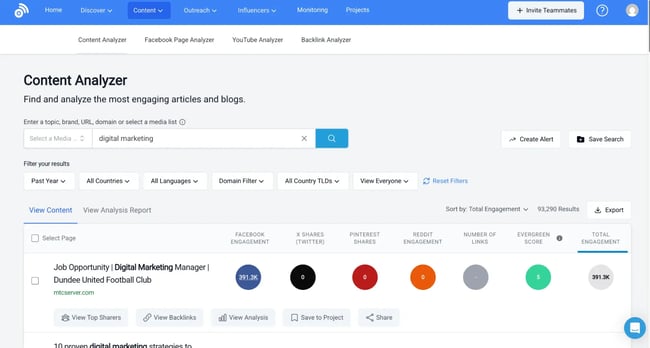
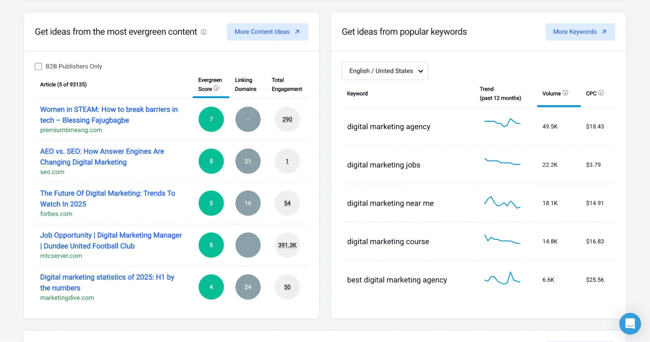
| BuzzSumo | Content / Influencer | Identifies top-performing competitor content and amplifiers | Content, PR, and social teams shaping messaging and formats |
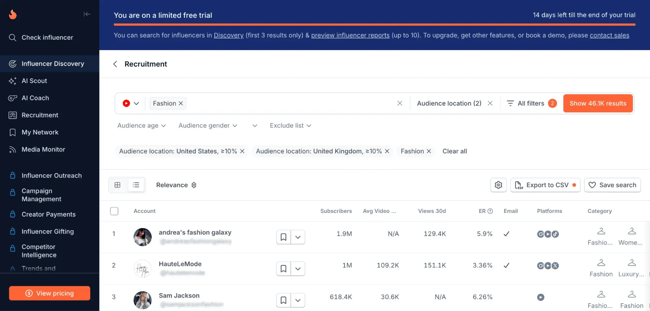
| HypeAuditor | Influencer | Fraud detection and audience authenticity scoring | Brands evaluating competitor influencer partnerships |
| Owler | Market Intelligence | Real-time competitor news and company updates | Marketing and sales teams tracking strategic competitor moves |
| Morning Consult | Market Intelligence | Consumer sentiment and brand perception polling | Enterprise teams requiring perception-led competitive insights |
| Google Search Console | SEO (Free) | First-party search performance and query data | Any team seeking reliable, zero-cost SEO insights |
| HubSpot AI Search Grader | GEO / AEO (Free) | Measures competitor visibility in AI-generated answers | Teams experimenting with AI search and AEO |
Deep Dive: SEO Competitor Analysis Tools
SEO competitor analysis forms the bedrock of effective digital marketing. It provides marketing teams with critical intelligence regarding client strategies, audience pain points, and opportunities to gain visibility precisely when potential customers are searching. By scrutinizing Search Engine Results Pages (SERPs), SEO uncovers both direct and indirect competitors, a process that can often yield surprising results, particularly as indirect competitors frequently operate below the radar.
1. Semrush: A Comprehensive SEO and Beyond Platform
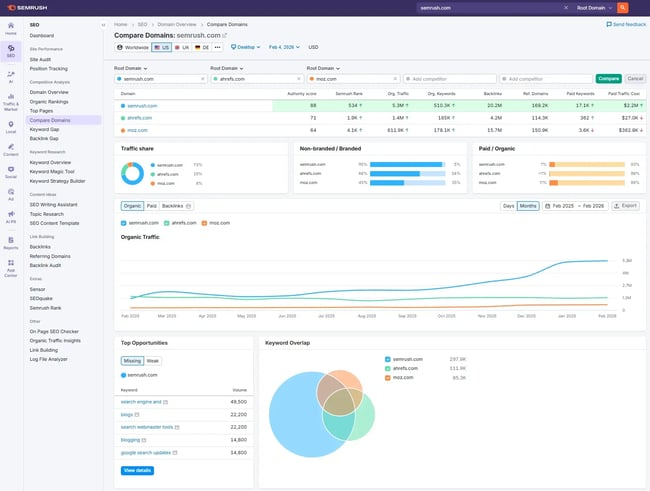
Semrush stands out as a premier tool for SEO competitor analysis, particularly beneficial for teams managing numerous competitors or operating across multiple markets. It is a widely recognized platform and a staple in the SEO toolkit. Its recent rebranding to Semrush One signifies its evolution into a unified solution for all search-related needs, extending beyond traditional SEO to encompass GEO and AI-driven search. Semrush excels in providing a holistic view of the competitive landscape, analyzing keyword overlap, content strategies, and AI-driven search visibility, thereby eliminating the need to stitch together data from disparate tools.

Key Features:
- Domain and Keyword Gap Analysis: Identifies keywords competitors rank for that you don’t, and vice versa.
- Traffic Analytics: Estimates website traffic, sources, and audience demographics of competitors.
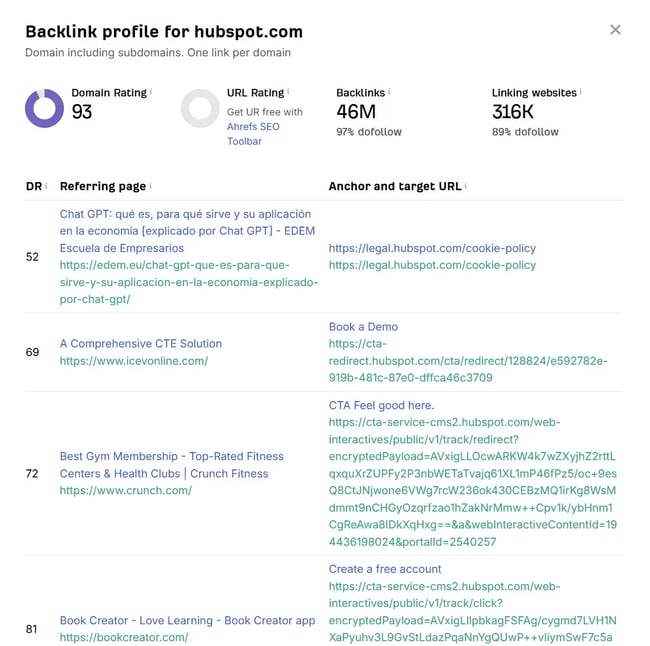
- Backlink Auditing: Analyzes competitor backlink profiles to understand their link-building strategies.
- Content Marketing Tools: Assesses content performance and identifies topic clusters.
- AI and GEO Tracking: Monitors visibility in AI-generated search results and local search rankings.
Pricing:
Semrush offers a 7-day free trial. Post-trial, subscription plans, billed annually, are as follows:
- Pro: $129.50/month
- Guru: $249.50/month
- Business: $449.50/month
Author’s Insight: Semrush has been a trusted tool for many years due to its intuitive user experience. Its continuous adaptation to the evolving search landscape, particularly with its advancements in GEO and AI search tools, has been particularly impressive.
2. Ahrefs: Unveiling Backlink Power and Content Dominance
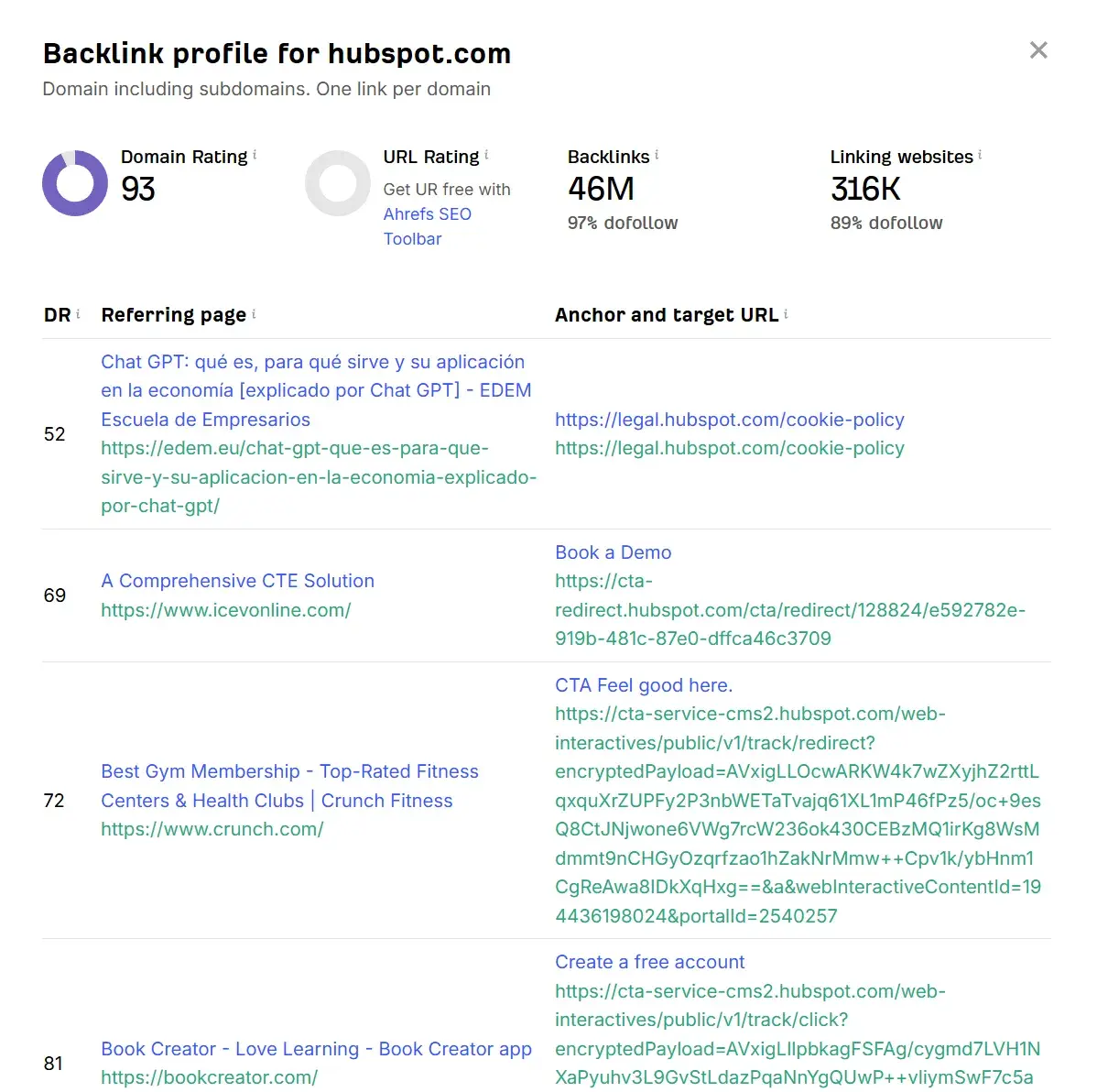
Ahrefs is renowned for its extensive data depth and its proficiency in backlink and content-led competitor analysis. It is the go-to platform for SEO professionals aiming to understand the drivers behind competitor success. While historically focused on organic search and backlinks, Ahrefs has become increasingly valuable for teams tracking modern search trends, including GEO and AI-driven discovery.
Key Features:
- Site Explorer: Provides in-depth analysis of competitor websites, including organic keywords, backlinks, and top pages.
- Content Explorer: Discovers top-performing content across the web based on social shares and backlinks.
- Keyword Explorer: Offers comprehensive keyword research data, including search volume and keyword difficulty.
- Content Gap Analysis: Identifies keywords that competitors rank for but you do not.
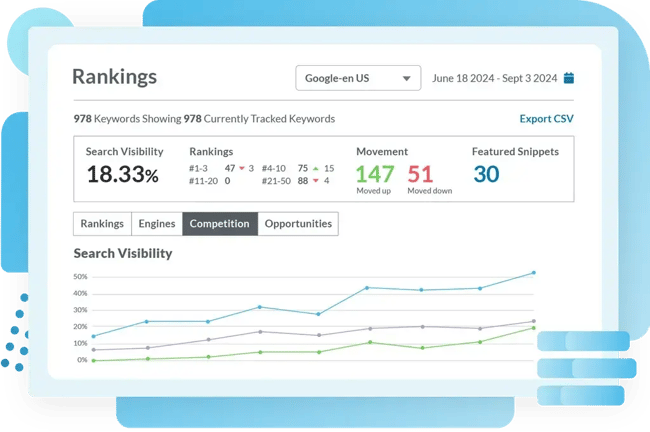
- Rank Tracker: Monitors keyword rankings for your site and competitors over time.
Pricing:
Ahrefs does not offer a free plan, but provides limited access through Ahrefs Webmaster Tools. Paid plans, billed annually, start at:
- Lite: $99/month
- Standard: $199/month
- Advanced: $399/month
- Enterprise: $999/month
Expert Endorsement: Lauren Schwartz, Digital Strategy Manager at Maid2Match, highlights Ahrefs’ Site Explorer for its ability to reveal competitor subfolder performance, offering a comprehensive overview of their strategy and its effectiveness. She notes that Ahrefs complements Google Search Console data, leading to more informed SEO decisions. Jimmy Hartill also rates Ahrefs for its consistency in position tracking and gap analysis, deeming it reliable for making strategic judgments.
3. Moz: Simplicity and Trust in SEO Benchmarking
Moz, a long-established player in the SEO software market, is often favored by smaller in-house teams and agencies looking to benchmark competitors and identify strategic opportunities. While not as expansive as Semrush or Ahrefs, Moz remains a reliable choice for fundamental SEO competitor analysis.
Key Features:
- Keyword Explorer: Provides keyword difficulty, search volume, and SERP analysis.
- Link Explorer: Analyzes competitor backlink profiles and domain authority.
- On-Page Grader: Evaluates website pages for SEO best practices.
- Site Crawl: Identifies technical SEO issues on your website.
- Domain Authority (DA): A proprietary metric for predicting website ranking potential.
Pricing:
Moz offers a limited free tier. Paid plans, billed annually, start at:
- Standard: $99/month
- Medium: $179/month
- Large: $299/month
- Premium: $599/month
Author’s Insight: Moz’s appeal lies in its ease of use and trustworthiness. Its reports and metrics are clear and understandable, making it an excellent option for teams seeking solid SEO competitor analysis without a steep learning curve.
Expert Insight: Lydia Fox, Head of SEO at Serpify, frequently uses Moz, particularly its Chrome extension for quick link analysis. She values its link analysis capabilities and the "spam score" metric for evaluating potential off-page collaboration opportunities.
Mastering Social Media Through Competitor Analysis
Monitoring competitor activity on social media extends beyond mere vanity metrics. It offers crucial insights into their brand presence, audience engagement strategies, and evolving messaging. Social media competitor analysis tools enable marketing teams to track competitor activities across various platforms, identify emerging trends, adapt content strategies, and maintain a competitive edge.
4. HubSpot: Integrated Social Insights within a Marketing Ecosystem
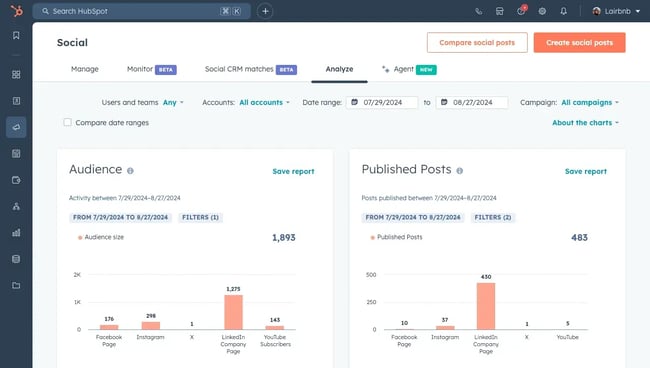
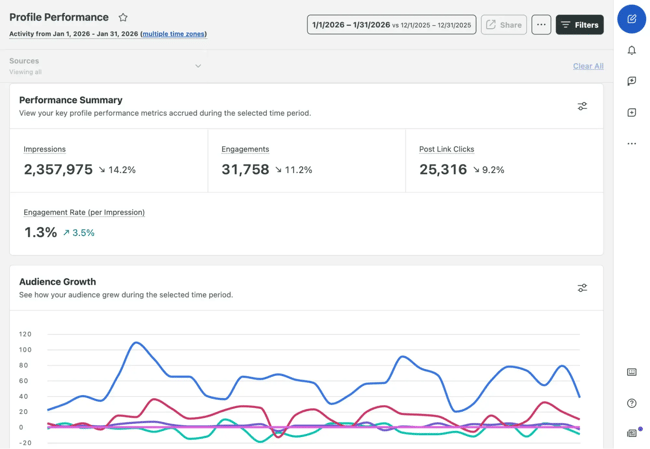
HubSpot’s social media tools are particularly beneficial for teams already leveraging its CRM and marketing platform. They provide robust competitor insights that are intrinsically linked to broader marketing operations within Marketing Hub.
Key Features:
- Social Monitoring: Tracks competitor social media posts and engagement metrics.
- Audience Insights: Analyzes competitor follower growth and engagement patterns.
- Content Performance: Identifies top-performing competitor content.
- CRM Integration: Connects social insights directly to customer data and campaigns for unified reporting.
Pricing:
HubSpot’s social tools are part of Marketing Hub. Limited features are available in the free tier. Paid plans, billed annually, start from:
- Starter: $20/month (includes limited social tools)
- Professional: $800/month (more comprehensive social features)
- Enterprise: $3,200/month (advanced capabilities)
Author’s Insight: The strength of HubSpot’s social competitor analysis lies in its centralization. It simplifies the process of connecting competitor actions to one’s own strategy. Furthermore, HubSpot offers a comprehensive suite of tools, potentially replacing multiple standalone solutions for scheduling, competitor analysis, and marketing automation, thereby offering significant cost efficiencies.
Expert Insight: Jenny Bernarde, Brand and Communications Manager at BrightLocal, praises HubSpot’s social media scheduling tool for its clear layout, ease of use, and accurate previews. She also finds the AI generation and in-platform video editing features highly valuable.
5. Sprout Social: Professional Reporting and Social Intelligence
Sprout Social is a comprehensive social media management platform that integrates deep competitor insights with robust monitoring capabilities, including sentiment analysis and audience intelligence. It empowers social media marketers to understand competitor posting strategies, audience reactions, and the content driving engagement.
Key Features:
- Competitor Analysis Reports: Offers detailed breakdowns of competitor performance across platforms.
- Social Listening: Monitors brand mentions, keywords, and hashtags related to competitors.
- Sentiment Analysis: Gauges the emotional tone of conversations surrounding competitors.
- Audience Intelligence: Provides insights into competitor follower demographics and behavior.
- Content Calendar and Scheduling: Manages and schedules social media posts.
Pricing:
Sprout Social offers a 30-day free trial. Paid plans, billed annually, start from:
- Standard: $249/month per user
- Professional: $399/month per user
- Advanced: $499/month per user
Author’s Insight: Sprout Social’s reporting capabilities are a significant advantage. Its clean, presentation-ready reports are ideal for quickly sharing competitor insights with stakeholders or clients, a crucial factor in agency environments.
6. Brand24: Real-Time Social Listening and Reputation Management
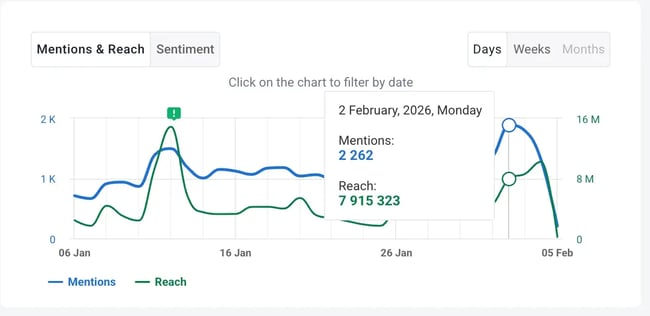
Brand24 specializes in real-time social listening and brand monitoring, making it highly effective for tracking competitor mentions, brand sentiment, and emerging conversations across a wide range of online sources. It is particularly valuable for reputation management and competitive intelligence.
Key Features:
- Real-time Mentions: Tracks mentions of keywords, brands, and competitors across social media, blogs, forums, and news sites.
- Sentiment Analysis: Assesses the overall sentiment of online discussions.
- Influence Score: Identifies key voices and influencers in online conversations.
- Competitor Tracking: Monitors competitor online presence and public perception.
Pricing:
Brand24 offers a 14-day free trial. Paid plans with annual billing start from:
- Individual: $49/month
- Team: $99/month
- Agency: $149/month
- Enterprise: Custom pricing
Expert Insight: Jenny Bernarde also utilizes Brand24 for tracking brand mentions, highlighting its AI Brand Assistant for quickly analyzing campaign data and generating actionable recommendations for brand marketing strategies.
Strategic Insights for PPC Competitor Analysis
For paid media teams, understanding competitor bidding strategies, aggression levels, and messaging evolution is paramount. The following tools are instrumental in conducting effective PPC competitor analysis, enabling more informed bidding and creative decision-making.
7. SpyFu: Deep Dive into PPC Intelligence
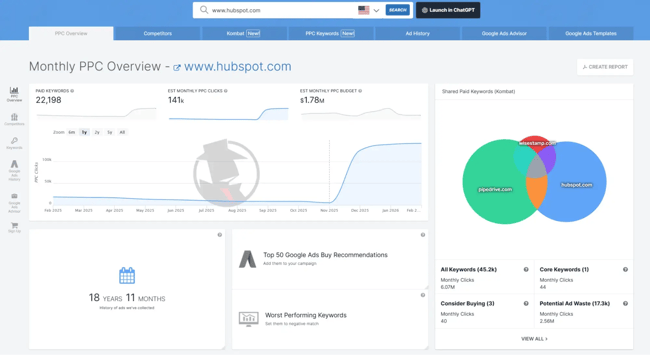
SpyFu is a specialized tool dedicated to paid search and competitive keyword research. It efficiently answers critical PPC questions, such as identifying who is bidding on specific keywords, the duration of their campaigns, and which keywords and ads warrant attention. SpyFu is particularly well-suited for PPC competitor analysis, offering rapid, actionable insights without unnecessary complexity.
Key Features:
- PPC Competitor Research: Uncovers competitor ad spend, keywords, and ad copy.
- Historical Keyword Data: Tracks keyword performance and bidding trends over time.
- Kombat Report: Directly compares your PPC strategies against competitors.
- SEO Competitor Analysis: Offers insights into competitor organic search performance.
Pricing:
SpyFu offers limited free access. Paid plans, billed annually, start at:
- Basic: $39/month
- Professional: $79/month
- Team: $299/month
Expert Insight: Leigh Buttrey, co-founder of the SEM agency forank, describes SpyFu as a lightweight and affordable tool, ideal for entry-level PPC marketers. She emphasizes its speed, ease of use, and ability to pinpoint where competitors are actively investing, facilitating prioritization and early opportunity detection.
8. Google Ads Auction Insights: First-Party PPC Data
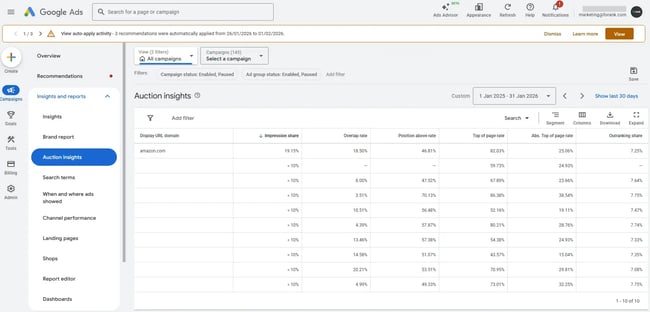
Google Ads Auction Insights is an integrated report within the Google Ads platform that provides direct competitive context. It reveals how an advertiser’s ads perform relative to other advertisers participating in the same auctions. While it doesn’t expose specific keywords or ad copy, it offers invaluable real-time competitive signals directly from Google. PPC experts leverage this report to refine bidding and budgeting strategies by identifying areas of strength and missed opportunities.
Key Features:
- Impression Share: Percentage of impressions your ads received compared to the total possible impressions.
- Overlapping Rate: Percentage of auctions where a competitor’s ad also appeared.
- Position Above Rate: Percentage of auctions where your ad was shown above a competitor’s.
- Top of Page Rate: Percentage of your ad impressions that appeared at the top of the search results.
Pricing: Free.
Expert Insight: Leigh Buttrey considers Auction Insights essential due to its first-party data from Google. She uses it to monitor real-time competitive pressure, understand ranking dynamics, and validate performance shifts attributed to bidding behavior rather than campaign setup.
Content and Influencer Analysis for Competitive Advantage
Analyzing competitor content and influencer strategies provides a deeper understanding of what truly resonates with audiences. These tools reveal successful topics, formats, and creators, enabling teams to reverse-engineer winning strategies and avoid investing in superficial metrics.
9. BuzzSumo: Uncovering Content Performance and Amplification
BuzzSumo is a content research and analysis platform that identifies top-performing competitor content across social channels, highlights key amplifiers, and explains the reasons behind its success. It is invaluable for reverse-engineering content strategies, identifying content gaps, and discovering influencers and publishers who are promoting competitor messages.
Key Features:
- Content Analysis: Identifies the most shared content for any topic or competitor.
- Influencer Identification: Discovers key influencers in a niche based on their content engagement.
- Trend Analysis: Tracks emerging content trends and topics.
- Keyword Research: Provides insights into popular search queries related to specific content.
Pricing:
BuzzSumo offers a 7-day free trial. Paid plans, billed annually, start from:
- Pro: $199/month
- Plus: $299/month
- Large: $499/month
- Enterprise: Custom pricing
Author’s Insight: BuzzSumo’s utility extends beyond social media, offering valuable insights for overall content strategy and identifying trending industry messaging.
10. HypeAuditor: Ensuring Influencer Authenticity
HypeAuditor is an AI-powered influencer analytics platform that focuses on audience quality, engagement authenticity, and fraud detection. It assists marketing teams in evaluating competitor influencer partnerships, assessing their true value, and developing more effective influencer strategies based on verified data.
Key Features:
- Influencer Discovery: Identifies influencers across various platforms.
- Audience Analysis: Provides detailed insights into influencer audience demographics and authenticity.
- Fraud Detection: Identifies fake followers and engagement manipulation.
- Brand Safety: Assesses the brand-suitability of influencers.
Pricing:
HypeAuditor offers a demo, with custom pricing available upon request. Teams can book a free demo to inquire about plans.
Market Intelligence and Pricing Tools for Strategic Awareness
Competitive intelligence tools help teams stay informed without information overload. These platforms provide timely signals and trends that can influence messaging, positioning, pricing strategies, and go-to-market decisions, moving beyond manual research or isolated reports.
11. Owler: Real-Time Business and Competitor Updates
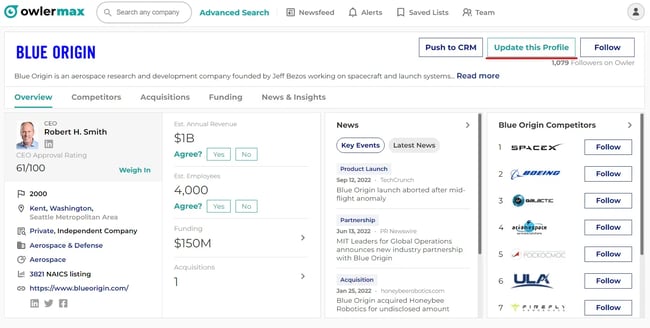
Owler is an accessible business intelligence platform that tracks competitor news, funding rounds, leadership changes, and growth indicators in real-time. Marketing and sales teams utilize Owler to monitor strategic competitor moves, such as acquisitions, product launches, and executive appointments, which can signal shifts in market strategy.

Key Features:
- Company News Feed: Aggregates real-time news and updates about competitors.
- Funding and Acquisition Tracking: Monitors investment rounds and M&A activity.
- Leadership Changes: Alerts to key executive hires and departures.
- Competitor Profiles: Provides a snapshot of competitor business information.
Pricing:
Owler offers a limited free tier. Paid plans start from:
- Starter: $7,500/year
- Professional: $15,000/year
- Enterprise: Custom pricing
12. Morning Consult: Consumer Sentiment and Brand Perception Polling
Morning Consult provides enterprise brands and agencies with data-driven insights into consumer sentiment and brand perception at scale. This market intelligence platform uses real-time polling to track brand health, competitive positioning, and audience sentiment across diverse demographics and markets. It allows marketing teams to understand their competitive standing from the consumer’s perspective, capturing awareness, consideration, and trust metrics that drive purchasing decisions.
Key Features:
- Brand Tracking: Monitors brand perception, awareness, and consideration over time.
- Consumer Surveys: Conducts polls on market trends, consumer behavior, and product preferences.
- Competitive Benchmarking: Compares brand performance against competitors based on consumer data.
- Proprietary Datasets: Access to extensive data on consumer attitudes and market dynamics.
Pricing:
Morning Consult’s pricing is customized based on specific research needs and audience scope. Interested parties must book a demo to receive pricing information.
Essential Free Search and Web Tools
Free tools can offer significant value, particularly for teams validating assumptions or gathering essential data before committing to paid solutions. The following tools provide depth and reliability comparable to many paid platforms, forming a powerful foundation for competitive analysis workflows, especially when budgets are constrained.
13. Google Search Console: Uncovering Direct SEO Competition
Google Search Console (GSC) is an indispensable tool for SEO, offering insights into where a website is already competing. By analyzing impressions, queries, and page performance, teams can review SERPs and identify competitors appearing alongside their content, revealing areas of visibility gains or losses.
Key Features:
- Performance Report: Displays impressions, clicks, CTR, and average position for queries and pages.
- Index Coverage: Monitors how Google indexes website pages.
- Mobile Usability: Identifies issues affecting mobile experience.
- Core Web Vitals: Assesses website performance and user experience.
Pricing: Free.
Author’s Insight: GSC provides first-party data directly from Google, making it invaluable. The Performance report is a goldmine for uncovering actual search queries, including long-tail and emerging terms that paid tools might miss, offering a true picture of competitive positioning.
14. HubSpot AI Search Grader: Navigating the AI Search Landscape
HubSpot’s AI Search Grader is a free tool designed for the evolving search environment, measuring visibility in AI-generated answers. It helps teams understand how their brand and competitors appear in large language model (LLM) responses and AI-powered search experiences, making AI search measurable.
Key Features:
- AI Visibility Score: Assesses a domain’s presence in AI-generated search results.
- Competitor Comparison: Allows direct comparison of AI search performance against competitors.
- Actionable Recommendations: Provides insights to improve AI search visibility.
Pricing: Free.
Author’s Insight: This free tool democratizes AI search analysis, offering a quick and useful way to start conversations about AI and GEO visibility without complex setup.
Frequently Asked Questions About Competitor Analysis Tools
What is the simplest free stack to start with?
Begin with Google Search Console for first-party search data, Google Ads Auction Insights for paid visibility signals, and HubSpot’s AI Search Grader for understanding AI and GEO presence. This foundational stack provides a clear, cost-free picture of competitive positioning across classic search, paid media, and AI.
How often should we run competitor analysis?
Competitor analysis should be an ongoing process. While tools like Semrush and Ahrefs can provide continuous background monitoring, deeper analysis can be conducted quarterly, biannually, or annually. The aim is to remain aware of significant market shifts rather than conducting constant manual audits.
Is it legal to monitor ads, emails, and social posts from competitors?
Yes, monitoring publicly available competitor information, including ads, emails, and social posts, is legal. However, teams must ensure data accuracy and respect privacy regulations when utilizing competitor analysis tools. Accessing private systems is strictly prohibited.
How can we keep insights from getting siloed?
Centralize all findings within a shared system, ideally a CRM, to link competitive insights directly to campaigns, content, and revenue. Regular reviews and AI-powered summaries help ensure that competitive data remains actionable and accessible.
When should we move from spreadsheets to a competitive intelligence platform?
Transitioning from spreadsheets to dedicated competitive intelligence platforms is advisable as soon as competitor tracking becomes multi-channel, ongoing, or requires collaboration across teams. Spreadsheets can hinder decision-making and introduce data errors as complexity increases.
Translating Competitor Insights into Tangible Competitive Advantage
The true value of competitor analysis tools lies in their ability to transform data collection into strategic action. The most effective platforms enable teams to compare competitors across SEO, social, PPC, and market intelligence, and then translate these findings into informed decisions. The optimal competitive analysis strategy often involves combining best-in-class specialized tools with a central system, such as HubSpot CRM, to facilitate the sharing, tracking, and execution of insights.
Drawing from extensive practical experience, most of these tools can be effectively utilized in real-world marketing workflows without initial investment. Google Search Console, Google Ads Auction Insights, and HubSpot’s AI Search Grader are powerful free resources, particularly for teams with limited budgets or those new to competitive research.
The recommended approach is to start with free tools, then explore paid platforms to determine which best align with specific goals, team dynamics, and operational workflows. Ultimately, the most effective competitor analysis stack is the one that your team consistently utilizes and adapts to evolving market demands.
About the Author