As artificial intelligence chatbots like ChatGPT, Gemini, and Perplexity rapidly become primary sources for consumer recommendations and information retrieval, marketing professionals are confronting a significant shift in how brands are discovered. A growing segment of consumers is bypassing traditional search engines entirely, opting instead for AI-driven conversational interfaces to guide their purchasing decisions and research needs. This paradigm shift necessitates new tools that can not only monitor a brand’s presence within these AI-generated responses but also provide actionable insights for improvement. In response, platforms such as HubSpot’s AI Engine Optimization (AEO) and Ahrefs’ Brand Radar have emerged, each offering distinct methodologies to address this evolving marketing challenge. Understanding their differing approaches is crucial for marketers seeking to navigate and capitalize on the burgeoning AI search landscape.
This analysis will delve into the operational mechanics of both HubSpot AEO and Ahrefs Brand Radar, critically compare their features across key areas relevant to marketers, and present a framework to aid in selecting the tool best suited to specific organizational needs. It is important to clarify that HubSpot’s free AI Engine Optimization (AEO) Grader is a diagnostic tool and not the comprehensive platform discussed herein; this post focuses on the full HubSpot AEO product.
Quick Verdict: HubSpot AEO excels in workflow integration and actionable insights, directly bridging the gap between identifying an AI visibility issue and implementing a solution. Ahrefs Brand Radar, conversely, offers broader platform coverage and a vast database of user-generated prompts. For organizations already embedded within the Ahrefs ecosystem and requiring robust AI visibility monitoring, Brand Radar presents a compelling option. However, for businesses prioritizing a streamlined process from insight generation to content deployment and aiming to proactively enhance their AI presence, HubSpot AEO emerges as the more integrated and effective solution.
Understanding the Core Functionality of HubSpot AEO and Ahrefs Brand Radar
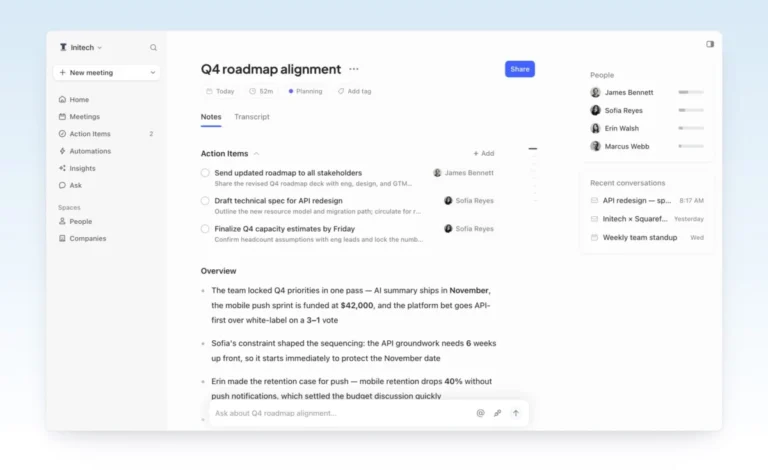
HubSpot AEO is engineered to provide comprehensive tracking of a brand’s visibility across leading AI platforms, including ChatGPT, Gemini, and Perplexity. Its unique value proposition lies in its integrated workflow. Rather than requiring users to export data and manually implement changes, HubSpot AEO enables immediate action directly within the platform. When a visibility gap is identified, marketers can seamlessly generate content recommendations, such as drafting blog posts, publishing social media updates, or engaging on platforms like Reddit, all from within the HubSpot environment.
A significant advantage of HubSpot AEO is its deep integration with the HubSpot CRM. This connectivity allows the tool to intelligently suggest relevant prompts to track, drawing from existing business data, customer profiles, and competitor intelligence. This proactive approach eliminates the often time-consuming task of manually identifying and inputting tracking prompts, ensuring that efforts are focused on the most pertinent queries from the outset.
Ahrefs Brand Radar, on the other hand, positions AI visibility as an extension of Ahrefs’ established strengths in data aggregation, broad market coverage, and continuous monitoring. The platform tracks brand mentions across an extensive seven AI platforms, exceeding the coverage of many competitors. Its prompt database, comprising 406 million monthly queries derived from actual user searches, offers a more authentic reflection of search behavior than synthetically generated data. Brand Radar effectively details which platforms are referencing a brand, competitive standing, and the sources contributing to AI citations.
Furthermore, Brand Radar extends its monitoring capabilities to YouTube, Reddit, and TikTok, offering valuable insights into a brand’s presence beyond dedicated AI answer engines, with these features currently available in beta. For teams aiming to integrate AI visibility data into their existing AI workflows, Brand Radar provides an MCP server that facilitates direct querying of Ahrefs data within platforms like Claude or ChatGPT.
Feature Comparison: HubSpot AEO vs. Ahrefs Brand Radar
AI Engine and Prompt Coverage
A primary point of divergence between the two tools is their scope of AI engine coverage. HubSpot AEO focuses on ChatGPT, Gemini, and Perplexity, collectively representing a substantial portion of current AI search volume. However, this coverage may be limiting for brands whose target audience interacts with other prominent AI interfaces such as Microsoft Copilot, Google AI Overviews, Google AI Mode, or Grok.
Ahrefs Brand Radar distinguishes itself by tracking seven distinct AI platforms: AI Overviews, AI Mode, ChatGPT, Perplexity, Microsoft Copilot, Gemini, and Grok. This broader engine coverage provides a more comprehensive view of a brand’s presence across the evolving AI landscape, making it the preferred choice for organizations where extensive platform reach is a critical requirement.
Regarding prompt tracking, HubSpot AEO leverages CRM data to generate intelligent prompt suggestions, reducing the burden on users to start from scratch. These suggestions evolve and improve as the business’s data becomes more robust. Ahrefs boasts an impressive dataset of 406 million monthly prompts, sourced from real user searches, offering a rich foundation for analysis. Both platforms permit the addition of custom prompts, though Ahrefs’ custom prompt limits vary significantly by plan, ranging from five prompts on the Lite plan to over 2,500 on Enterprise tiers.
Citations, Sources, and Sentiment Analysis
Both HubSpot AEO and Ahrefs Brand Radar offer robust capabilities for analyzing citations and tracking sentiment, albeit through different interfaces.
HubSpot AEO’s citation analysis provides granular insights into the domains, URLs, and content types driving AI mentions. It categorizes these mentions by source type (owned content, competitor content, third-party, social, affiliate) and content type (blog, news, product, social). Sentiment is quantified on a scale from -100 to +100, enabling marketers to assess not only the frequency of mentions but also their overall impact on brand perception.
Ahrefs Brand Radar extends its citation tracking across its full suite of AI platforms and incorporates coverage from YouTube, Reddit, and TikTok. This multi-platform approach offers a holistic view of where a brand is being referenced across the digital ecosystem, providing valuable context for brand managers. For organizations seeking to understand the interconnectedness of various content channels influencing their AI presence, Brand Radar’s cross-platform tracking represents a significant advantage.
Historical Trends and Reporting
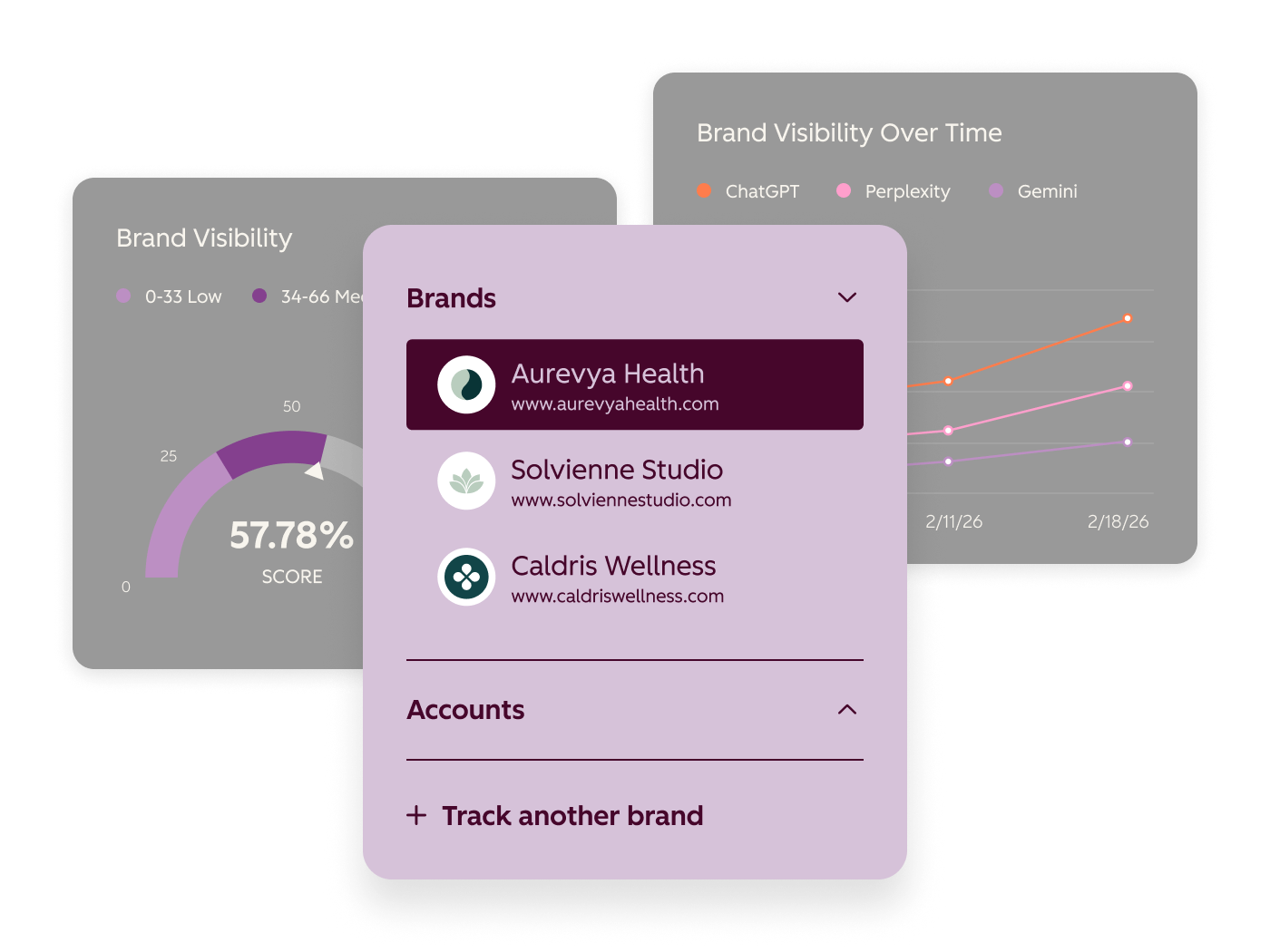
HubSpot AEO visualizes brand visibility scores over time across each tracked engine, directly correlating these trends with campaign performance metrics. This integration allows for a clear, in-platform connection between improvements in AI visibility and the content initiatives that drove them, eliminating the need for cross-tool data correlation.
![HubSpot AEO vs. Ahrefs Brand Radar: Features compared [2026]](https://53.fs1.hubspotusercontent-na1.net/hubfs/53/hubspot-aeo-vs-ahrefs-brand-radar-1-20260805-255574.webp)
Ahrefs Brand Radar provides historical trend data across its comprehensive set of AI engines. Its integration with the broader Ahrefs suite allows users on full plans to overlay AI visibility trends with traditional SEO metrics, such as organic traffic, backlinks, and keyword rankings, thereby offering a unified perspective on overall search performance.
Bridging the Gap: From Insight to Published Content
The critical differentiator between HubSpot AEO and Ahrefs Brand Radar lies in their ability to translate insights into tangible content and measurable results. This distinction should heavily influence a buyer’s decision.
From Identifying a Visibility Gap to Creating a Content Brief
With HubSpot AEO, when a visibility gap is identified – for instance, if a competitor consistently ranks for a key phrase like "best [your category] for small teams" while the brand does not – the tool presents a prioritized recommendation. This recommendation may suggest creating a blog post targeting the specific prompt, updating an existing webpage, or publishing a relevant LinkedIn post. The actionable output goes beyond mere data presentation; it offers a clear directive for content creation.
Ahrefs Brand Radar, while providing the same crucial visibility gap data, places the onus of translating these insights into action on the user. Marketers will need to integrate this information into their existing content workflows, develop content briefs, assign tasks, and track progress through their chosen project management systems.
Streamlining the Content Lifecycle: Draft to Publish to Measure
Because HubSpot AEO is an integral part of HubSpot’s Marketing Hub, users can act on recommendations without navigating away from the platform. The creation of blog posts, social media updates, and content revisions are native functionalities. Post-publication, AEO data dynamically updates as AI mentions fluctuate, and campaign analytics are readily accessible alongside the visibility metrics.
Content creation and publishing using Ahrefs Brand Radar occur within the user’s existing publishing environments. While Brand Radar provides the AI visibility data for measurement, a comprehensive assessment of impact would necessitate consolidating data from multiple sources. For teams with established content workflows that simply require enhanced monitoring data, this fragmentation may not be a significant deterrent. However, for organizations still developing their workflows or aiming to minimize their tool stack, HubSpot’s integrated approach offers substantial time savings and operational efficiency.
Pricing Structures: HubSpot AEO vs. Ahrefs Brand Radar
HubSpot AEO Pricing
HubSpot AEO is available starting at $50 per month, with an annual payment option reducing the monthly cost to $45. This entry-level pricing includes coverage for ChatGPT, Gemini, and Perplexity, alongside features such as brand visibility and sentiment analysis, prompt tracking with CRM-driven suggestions, competitor and citation analysis, and prioritized content recommendations.
A complimentary 28-day trial is offered, providing access to 25 prompts across all three engines without requiring a credit card. This low-friction trial period allows potential users to evaluate the tool with real-world data before committing financially.
For businesses seeking to integrate AEO into a broader marketing technology stack, HubSpot for Marketers (encompassing Marketing Hub and Content Hub) begins at $900 per month, bundling AEO with a comprehensive suite of campaign management, content creation, and social media tools.
For the most current pricing details, please visit hubspot.com/products/aeo.
Ahrefs Brand Radar Pricing
Ahrefs does not typically offer free trials or discounts for its standalone products, necessitating an upfront commitment.
Standalone Brand Radar (includes an Ahrefs Free account):
- Lite: $199/month (limited prompts, AI engines, features)
- Standard: $399/month (more extensive coverage)
- Advanced: $699/month (full platform access, extensive prompts, and features)
Bundled within full Ahrefs plans (Brand Radar is included as a component):
- Lite: $199/month (basic SEO features plus Brand Radar)
- Standard: $399/month (advanced SEO features plus Brand Radar)
- Advanced: $999/month (comprehensive SEO suite plus Brand Radar)
- Enterprise: $1,499+/month (customized plans)
In essence: For existing Ahrefs users, integrating Brand Radar incurs a relatively low incremental cost as part of their current subscription. For new users seeking standalone Brand Radar with complete platform features, the cost is substantial, starting at $699 per month. In contrast, HubSpot AEO offers a significantly more affordable entry point at $50 per month for a standalone AI optimization tool, though its engine coverage is more focused.
Integrating AI Visibility Tools into Your Technology Stack
HubSpot AEO: The Integrated Workflow Solution
HubSpot AEO is the superior choice if:
![HubSpot AEO vs. Ahrefs Brand Radar: Features compared [2026]](https://no-cache.hubspot.com/cta/default/53/9dd5e54b-fbef-4dd0-bc44-1689feb1ea18.png)
- You prioritize a seamless workflow that connects AI visibility insights directly to content creation and campaign management.
- Your organization utilizes or is considering a HubSpot-centric marketing ecosystem.
- You require an intuitive platform that simplifies prompt discovery and action implementation for a broader marketing team.
- Cost-effectiveness for a comprehensive AI visibility and action tool is a key consideration.
Ahrefs Brand Radar: The Data-Centric Powerhouse
Ahrefs Brand Radar is the preferred option if:
- You require the broadest possible coverage of AI search engines, including emerging platforms.
- Your organization is heavily invested in the Ahrefs suite for traditional SEO and desires to augment it with AI monitoring capabilities.
- You prefer to manage your content workflow independently and require only the most comprehensive data for monitoring.
- Your team consists of experienced SEO professionals familiar with the Ahrefs platform and its data-driven approach.
While both platforms offer robust integrations, their core philosophies diverge. HubSpot is designed for marketers seeking a unified, connected platform, whereas Ahrefs caters to SEO-first teams that value extensive data and possess the infrastructure to build their workflows around it.
Ease of Use and Time to Value
HubSpot AEO is engineered for rapid adoption by marketers of all technical backgrounds. The CRM-powered prompt suggestions eliminate the guesswork in identifying relevant queries, providing a business-data-driven starting point. Most teams can expect to see meaningful visibility data within a day of setup.
Ahrefs Brand Radar benefits from Ahrefs’ established user experience, which is highly regarded by SEO professionals. However, for marketers not already familiar with the Ahrefs ecosystem, there can be a steeper learning curve. The ability to configure custom prompts offers significant control but demands more upfront technical input, particularly for users adopting Brand Radar as a standalone solution without prior Ahrefs context.
For seasoned SEO professionals already proficient with Ahrefs, the time to value is exceptionally fast. For content marketers or generalist marketing professionals, HubSpot’s streamlined setup process typically leads to quicker initial value realization.
Decision Framework for Choosing Between HubSpot AEO and Ahrefs Brand Radar
For Monitoring-Only Requirements
If your primary objective is to monitor brand presence across AI platforms, track competitors, and gather citation data without fundamentally altering your content workflow or integrating AI visibility into campaign reporting, Ahrefs Brand Radar is likely the more suitable choice. Its extensive seven-platform coverage and vast prompt database make it a comprehensive monitoring solution, particularly for existing Ahrefs users. While its standalone entry price is higher than HubSpot’s, its breadth of coverage makes it the superior tool when visibility scope is the paramount concern.
For Monitoring Coupled with Execution Capabilities
For organizations that require visibility data and a clear, efficient path from identifying an AI visibility gap to implementing a solution – bridging the gap between "we’re not showing up for this prompt" and "we’ve addressed it" – HubSpot AEO is the stronger contender. Its integrated workflow, encompassing CRM-powered prompt suggestions, in-platform content creation tools, and connected campaign analytics, is precisely designed for this use case. The $50 monthly price point also makes it an accessible option for initial testing and scaling.
For Managing Multiple Brands or Regional Campaigns
Tracking AI visibility across numerous brands or distinct geographical markets presents a more complex scenario for both tools. HubSpot AEO’s pricing is per account, necessitating direct consultation with sales for multi-brand configurations. Ahrefs Brand Radar’s Enterprise plan begins at $1,499 per month with customizable limits. In either scenario, a thorough discussion with both vendors regarding specific volume requirements is highly recommended.
Alternative Solutions for Specialized Needs
Should neither HubSpot AEO nor Ahrefs Brand Radar perfectly align with your organizational requirements, several other platforms warrant consideration:
- Profound: This platform is purpose-built for enterprise-level AI Engine Optimization, offering advanced analytics and attribution tracking. It is an ideal solution for larger teams requiring executive-level AI visibility reporting across diverse markets.
- Semrush AI Toolkit: For organizations already utilizing Semrush, this toolkit provides a low-friction integration for AI visibility monitoring within their existing SEO workflow. While its coverage and depth are still evolving, it represents a natural extension for teams standardized on the Semrush suite.
- Otterly.ai: This lighter-weight, standalone option is suited for teams seeking prompt monitoring capabilities without a full platform commitment. It serves as an excellent entry point for organizations still assessing the strategic value of AI Engine Optimization.
For a more comprehensive overview of rank tracking tools, encompassing both traditional SEO and AI search, a broader review of the landscape is available in related industry analyses.
Frequently Asked Questions: HubSpot AEO vs. Ahrefs Brand Radar
Can These Tools Be Used Concurrently?
Yes, for certain organizations, employing both HubSpot AEO and Ahrefs Brand Radar can be advantageous. HubSpot AEO provides the crucial execution workflow and CRM integration, while Ahrefs Brand Radar offers broader engine coverage and access to the comprehensive Ahrefs SEO dataset. There is some overlap in monitoring ChatGPT, Gemini, and Perplexity. However, for teams requiring deep Ahrefs integration for traditional SEO and leveraging HubSpot’s workflow for acting on AEO insights, running both tools concurrently is a viable strategy, provided the combined cost and data management overhead are justified by team size and operational needs.
Measuring Return on Investment (ROI) from AI Engine Optimization
ROI from Answer Engine Optimization (AEO) typically manifests in several key areas: improvements in brand visibility scores over time, enhanced share of voice relative to competitors, increased AI-driven traffic (trackable via UTM parameters or referral data), and improved lead quality when AI-sourced leads are connected to the sales pipeline. HubSpot AEO’s strength lies in its ability to co-locate AEO data alongside campaign and CRM data, facilitating a direct correlation between visibility improvements, content adjustments, and downstream lead generation. With Ahrefs Brand Radar, users must independently construct this attribution framework.
Identifying Key AI Engines for Specific Categories
The most critical AI engines for a particular category depend on where the target audience conducts their research. ChatGPT, Gemini, and Perplexity collectively account for a significant share of AI search volume across most B2B sectors. If your category is heavily influenced by Microsoft Copilot (common in enterprise software, productivity tools, and Microsoft-centric industries), Ahrefs Brand Radar’s Copilot coverage offers a distinct advantage. Similarly, for audiences heavily reliant on Google and exposed to AI Overviews and AI Mode within traditional search results, Ahrefs’ broader coverage is beneficial. If uncertainty exists, conducting an internal audit of how your team and customers utilize AI search engines is advisable before making a decision.
Operationalizing AI Engine Optimization within Content Workflows
The effective operationalization of AEO within a content workflow hinges on accurately tracking relevant prompts, identifying performance gaps, and assigning clear ownership for addressing these issues. The optimal approach is contingent on team structure. For HubSpot users, the workflow is largely pre-built: CRM-powered prompt suggestions, in-platform content creation, and integrated campaign metrics create a tight feedback loop. For Ahrefs users, establishing a regular cadence for reviewing Brand Radar data and integrating it into content planning processes is essential, whether through weekly visibility gap assessments or monthly citation-building sprints. Competitive intelligence plays a vital role, as understanding the sources driving competitor citations provides clear direction for content strategy, whether focusing on owned content development, earning third-party mentions, or improving social platform presence.
About the Author