The evolving landscape of digital marketing, heavily influenced by the rapid advancement of Artificial Intelligence (AI), has sparked considerable debate regarding the enduring relevance of Search Engine Optimization (SEO) and the tools that underpin it. Despite predictions of AI rendering traditional SEO obsolete, a closer examination of market data and industry sentiment reveals a different narrative: SEO tools remain indispensable for marketers aiming to drive tangible business results. A recent HubSpot survey underscores this point, with 27% of marketers identifying their website, blog, and SEO efforts as the highest ROI channel for the current year.

While the methodologies and tactics within SEO have undoubtedly transformed, its fundamental role in a comprehensive marketing strategy remains crucial. Success in this domain hinges on a robust strategy, timely execution, clear stakeholder buy-in, and, critically, reporting that unequivocally demonstrates the channel’s value. The cornerstone of achieving these objectives lies in selecting the most effective SEO marketing software – a strategic acquisition that propels business growth without imposing an undue financial burden.
The Indispensable Toolkit: Core SEO Functions in the Age of AI
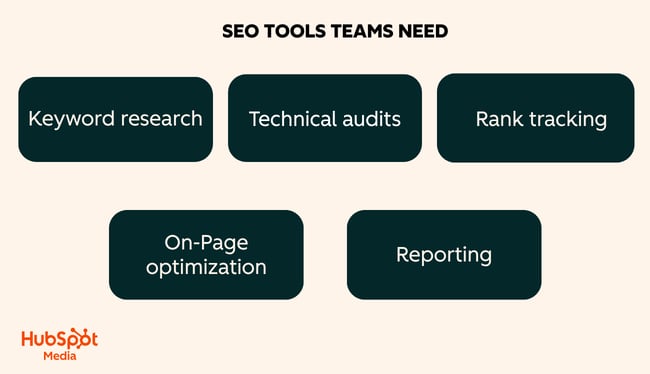
The proliferation of SEO tools, often featuring overlapping functionalities, can make it challenging for marketers to identify the optimal solutions. The objective is to curate a technology stack that proficiently addresses five fundamental areas of SEO, while minimizing the number of tools to manage costs without compromising efficacy.
Keyword Research: The Foundation of Content Strategy
Keyword research remains the genesis of nearly every SEO initiative, dictating the content that is created and the search terms for which web pages are optimized. Modern SEO tools significantly streamline this process by providing crucial data points such as search volume, competition levels, and related terms, insights that would be prohibitively time-consuming to gather manually. These tools are instrumental in facilitating topic clustering and intent analysis, enabling marketers to group related search queries and discern whether users are seeking information, comparing options, or intending to make a purchase. Targeting the wrong user intent, even for a high-volume keyword, can result in content that ranks but fails to convert.
Technical Audits: Ensuring Search Engine Accessibility
Technical SEO encompasses the behind-the-scenes elements that enable search engines to efficiently crawl, index, and interpret a website. SEO tools are vital for conducting technical audits, scanning for issues such as broken links, duplicate content, slow page load times, and indexing errors that would be virtually impossible to identify manually across a large website. These tools detect crawlability problems, Core Web Vitals deficiencies, and schema markup errors. Addressing these technical shortcomings is paramount, as a fundamentally flawed website can undermine the impact of extensive keyword research and content creation efforts.
Rank Tracking: Measuring Performance and Impact
Rank tracking provides a clear view of a website’s position in search engine results pages (SERPs) over time, enabling a direct correlation between SEO activities and measurable outcomes. SEO tools automate the monitoring of keyword positions, flagging significant fluctuations that might indicate emerging issues. Effective rank tracking tools consider keyword positions across different geographic locations and various SERP features. A single average ranking often fails to capture the nuances of search results, which can vary by city, device, or the presence of features like local packs and featured snippets.
On-Page Optimization: Refining Content for Relevance
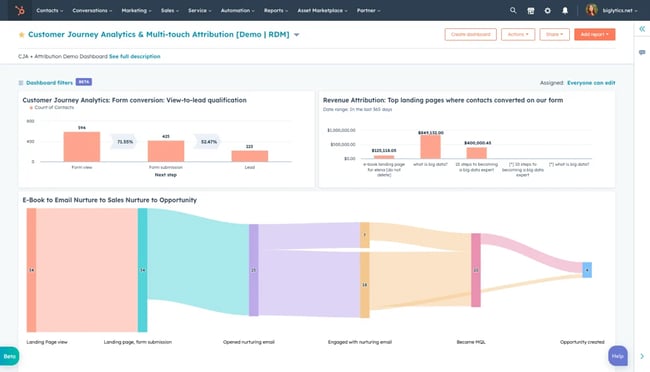
On-page optimization pertains to all elements within a web page, including titles, headings, body content, internal links, and image alt text. SEO tools assist in optimizing on-page content by scoring it against top-ranking pages, suggesting relevant terms to incorporate, and identifying missing elements such as meta descriptions. On-page signals remain a primary indicator for search engines to determine content relevance, and even minor adjustments can yield significant improvements relative to the effort invested.
Reporting: Demonstrating Value and Securing Investment
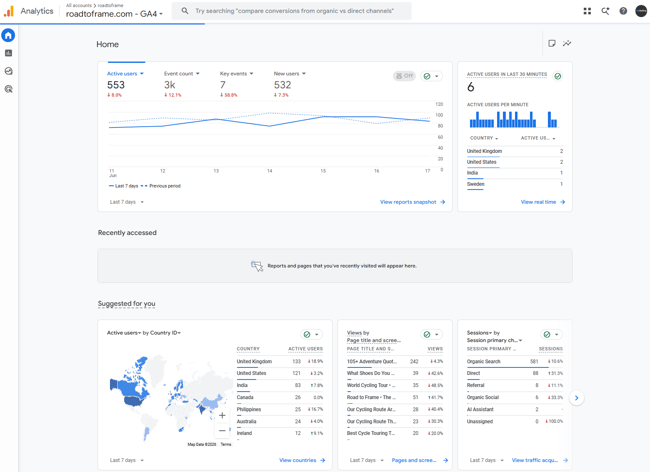
Effective reporting transforms SEO activities into demonstrable evidence of the channel’s success, often proving to be the deciding factor in budget allocation. SEO tools facilitate comprehensive reporting by consolidating traffic, ranking, and conversion data into dashboards that can be easily understood by stakeholders who may not be SEO specialists. Given that SEO results often manifest over time, consistent and clear reporting is essential for maintaining leadership patience and engagement.
Evaluating SEO Tools: A Strategic Approach
The selection of SEO tools should be guided by a clear understanding of their functionality and how they align with specific business objectives. A comprehensive evaluation typically considers:
- Core Functionality: Does the tool effectively address the five key SEO areas: keyword research, technical audits, rank tracking, on-page optimization, and reporting?
- Integration Capabilities: How well does the tool integrate with existing marketing technology stacks, particularly CRMs and analytics platforms?
- Scalability: Can the tool support the evolving needs of the business as SEO efforts grow in complexity and scope?
- User Experience and Support: Is the tool intuitive to use, and is reliable customer support available when needed?
- Cost-Effectiveness: Does the tool provide a strong return on investment, considering its features and pricing structure?
Navigating the Landscape: A Curated Selection of SEO Tools
The market offers a diverse range of SEO tools, from free, foundational utilities to sophisticated enterprise platforms. Understanding their specific strengths is key to building an effective toolkit.
Free Optimization Tools: Essential Starting Points
For businesses and marketers embarking on their SEO journey, several powerful free tools provide a solid foundation.
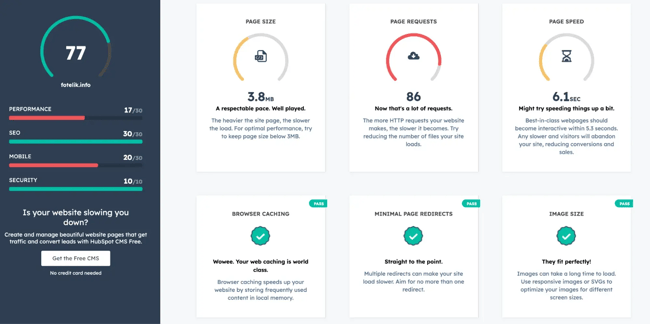
- HubSpot Website Grader: This complimentary auditing tool assesses a website across four critical categories. Upon entering a URL and email address, it provides an overall score and a detailed breakdown of strengths and weaknesses, accompanied by actionable recommendations. Its ability to translate technical jargon into plain language makes it particularly valuable for non-technical teams.
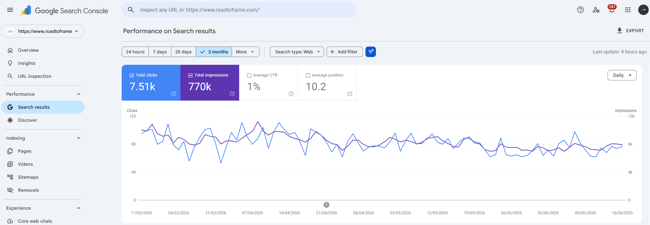
- Google Search Console (GSC): A direct reporting tool from Google, GSC offers unparalleled insights into a website’s performance within Google Search. By leveraging Google’s own index and ranking data, it eliminates the guesswork associated with third-party estimations of traffic and rankings. Key features include performance reports, URL inspection, and sitemap submission, all of which are crucial for understanding how Google perceives a site.
- Google Analytics (GA4): Google’s free analytics platform provides a holistic view of user interaction with a website across all channels, not just organic search. GA4 is indispensable for understanding content performance in a broader context, identifying which pages drive significant traffic even if they don’t excel in traditional SEO metrics. Its ability to integrate with other tools like Data Studio enhances reporting capabilities.
- Google Lighthouse: Integrated into Chrome DevTools, this open-source auditing tool evaluates pages on performance, accessibility, SEO, and best practices, offering scores and specific improvement recommendations. It serves as an excellent initial step for identifying common performance and accessibility issues.
- Google PageSpeed Insights: This tool analyzes the loading performance of a URL, drawing on both lab data and real-world user experience data. Its emphasis on field data provides a more accurate picture of how a page performs for actual visitors, aiding in prioritization of optimization efforts.
Keyword Research Tools: Uncovering Audience Intent
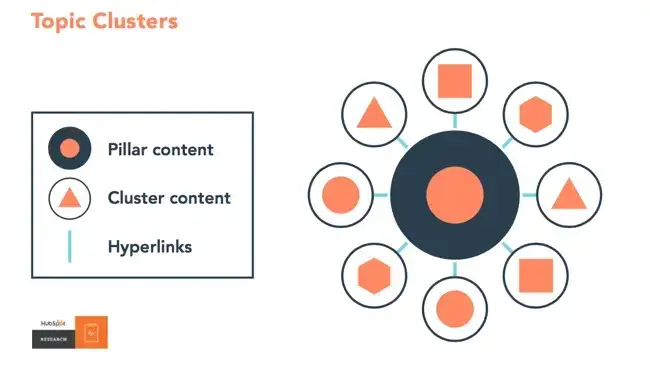
- HubSpot’s SEO Tool (Topic Clusters): This tool, integrated within Marketing Hub, shifts the focus from individual keywords to comprehensive topic clusters. It encourages a strategy where a pillar page addresses a broad subject, supported by subtopic content targeting long-tail variations. This approach aligns with search engines’ increasing emphasis on topical depth and authority, crucial for both traditional search and emerging AI-driven search interfaces.
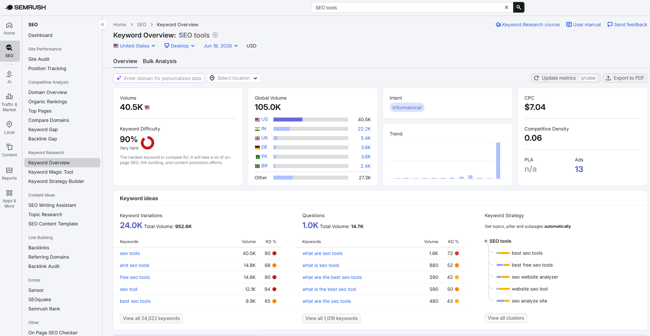
- Semrush: A robust enterprise-grade platform, Semrush offers a comprehensive suite of SEO functionalities, including advanced keyword research capabilities. It identifies search volume, keyword difficulty, related terms, and intent data, while also uncovering content gaps against competitors. Its AI-powered features, such as automated content outlines and keyword grouping, accelerate the research and planning process.
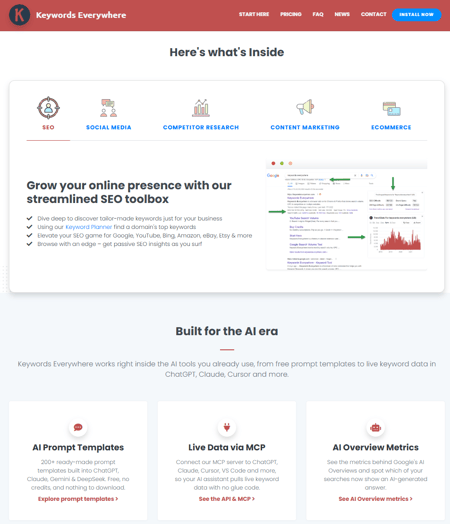
- Keywords Everywhere: This affordable browser extension overlays keyword data, including search volume and related terms, directly onto search engine results pages. Its low cost and convenient integration make it a valuable supplementary tool for quick keyword analysis.
On-Page Optimization Tools: Enhancing Content Effectiveness
- Content Hub and Breeze Assistant (HubSpot): HubSpot’s Content Hub, powered by the AI assistant Breeze, integrates content creation and SEO optimization within a single editor. Breeze assists with drafting, editing, summarizing, and repurposing content, while providing real-time SEO guidance on keyword usage, internal linking, and structural elements. This seamless integration ensures that content is optimized for search from its inception.
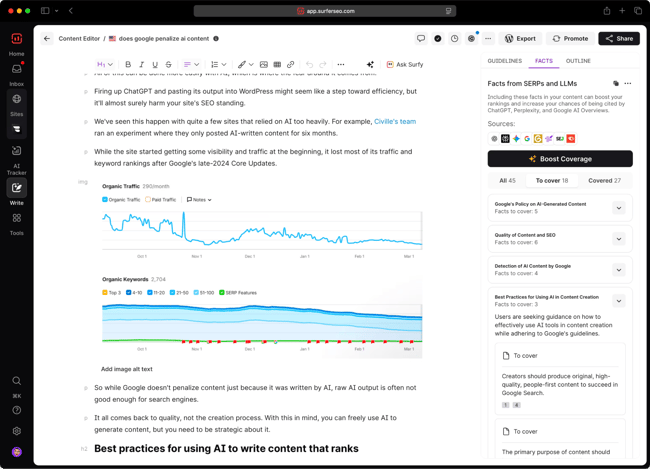
- SurferSEO: SurferSEO analyzes top-ranking pages for a given keyword and translates that analysis into actionable recommendations within a live editor. It simplifies content optimization for writers who may not have deep SEO expertise, providing clear guidance on what to include to improve a page’s ranking potential.
Technical SEO Tools: Diagnosing and Resolving Site Issues
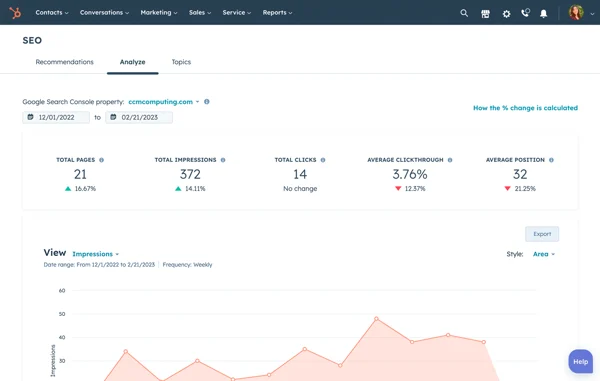
- HubSpot’s SEO Recommendations: This feature within HubSpot’s SEO tool scans an entire domain or individual pages, providing prioritized recommendations categorized by impact, technical difficulty, and assigned role (marketer or developer). This intelligent categorization is invaluable for non-technical teams, clearly indicating who should address which issues.
- Screaming Frog: A powerful desktop-based SEO crawler, Screaming Frog meticulously scans a website to identify technical issues such as broken links, duplicate content, and redirect chains. Its visualizations and API integrations, particularly with GSC and GA4, allow for a holistic understanding of site performance.
Rank Tracking Tools: Monitoring Performance Over Time
- Ahrefs Rank Tracker: Part of the comprehensive Ahrefs platform, this tool monitors keyword positions across devices, locations, and search engines, storing historical data to correlate ranking changes with specific SEO actions or algorithm updates. Its contextual data beyond simple position numbers provides deeper insights into performance drivers.
- SERPRobot: A budget-friendly, specialized rank tracker, SERPRobot focuses solely on monitoring keyword positions. Its simplicity and affordability make it an accessible option for those with a singular need for rank tracking.
The Rise of AI and its Impact on SEO Visibility
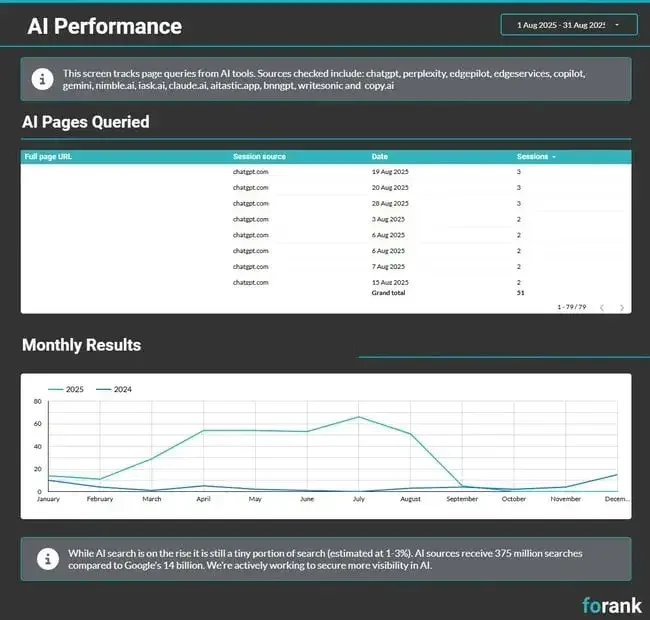
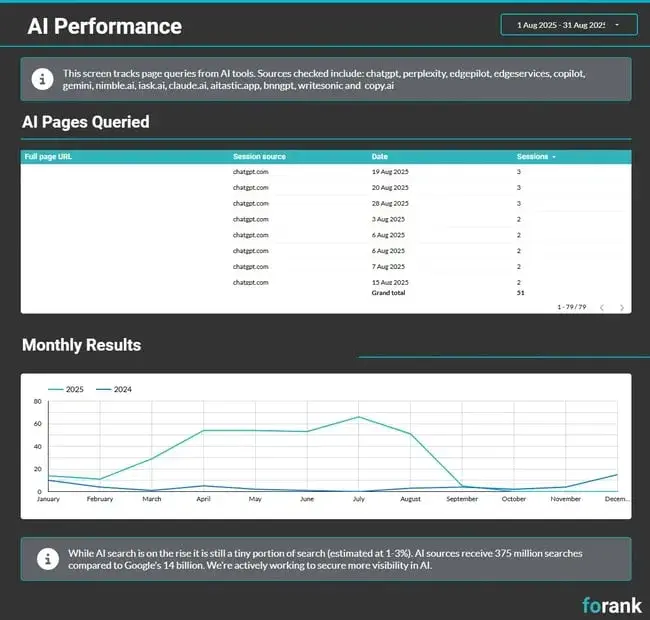
The emergence of AI-powered search engines and conversational AI platforms has introduced a new dimension to online visibility: AI Search Optimization (AEO). This evolving field focuses on ensuring that brands and their content are represented accurately and favorably within AI-generated answers.

- AEO Grader (HubSpot): This free diagnostic tool offers a snapshot of a brand’s current visibility across major AI platforms like ChatGPT, Perplexity, and Gemini. It provides a composite score based on sentiment, presence quality, brand recognition, share of voice, and market position, offering actionable insights for initial AEO assessment.
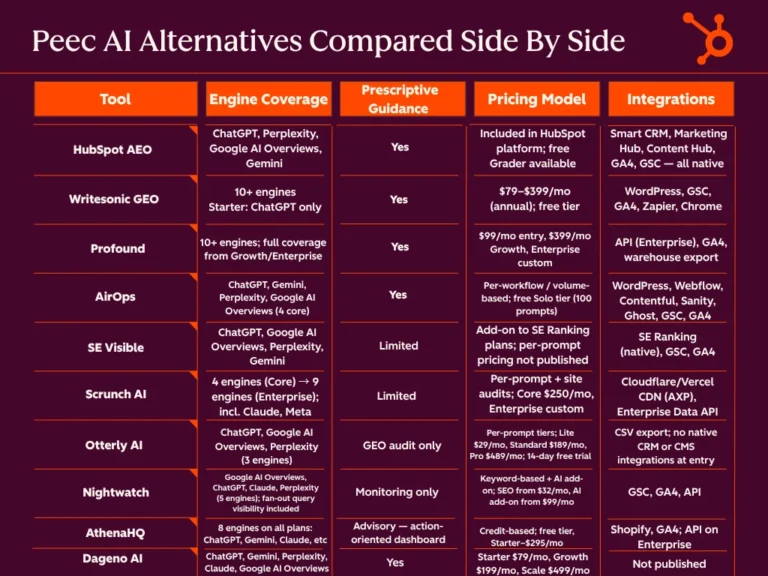
- HubSpot AEO: This dedicated tracking tool continuously monitors a brand’s presence across AI search platforms. It tracks visibility scores, sentiment, competitor share of voice, and citation analysis, revealing which sources AI systems are referencing. Its integration with HubSpot’s Smart CRM allows for prompt suggestions tailored to a business’s specific context and enables direct action within the platform to address visibility gaps. Available as a standalone product or as part of Marketing Hub, it offers accessible ongoing AI visibility tracking.
- AirOps: This full-stack AI search platform aims to bridge the gap between identifying AI visibility challenges and implementing solutions. It empowers marketing teams to analyze content visibility and influence AI summarization, helping to ensure brand narratives are accurately reflected in AI-generated responses.
Strategic Integration and Future Outlook
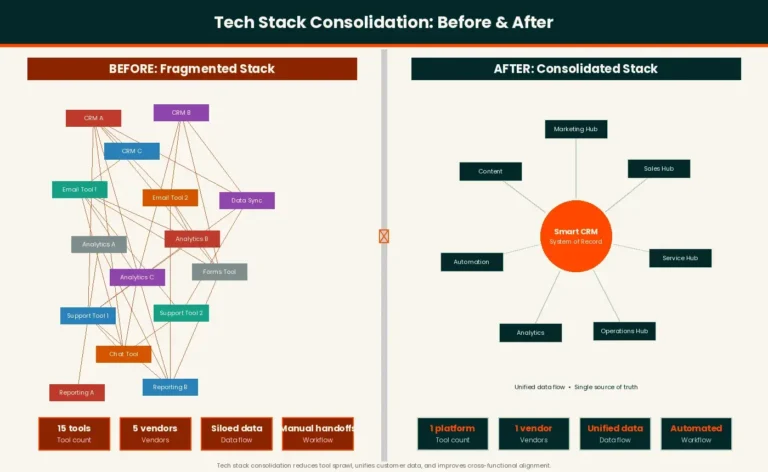
The modern SEO professional must adopt a strategic approach to tool selection, prioritizing solutions that address core SEO functions efficiently and cost-effectively. The trend towards integrated platforms, such as HubSpot’s Marketing Hub, reflects a growing need for a unified ecosystem where SEO, content management, CRM data, and AI visibility tracking converge. This integration is crucial for demonstrating ROI, as it allows for the direct correlation of organic traffic and AI mentions with leads, conversions, and ultimately, revenue.
While AI is undoubtedly reshaping the digital marketing landscape, it is not supplanting SEO but rather augmenting its capabilities and expanding its scope. The ability to navigate complex AI search environments, coupled with a deep understanding of traditional SEO principles, will define successful digital marketing strategies in the years to come. The continued evolution of AI will likely lead to even more sophisticated SEO tools that leverage machine learning and natural language processing to provide deeper insights and more automated solutions, further solidifying the indispensable role of SEO in achieving business objectives.
About the Author